












Switching to organic cotton feels like the sustainable win. It’s the smallest part of one. The label goes on the front of the garment and the front of the marketing because it’s the thing you buy, and buying is the part of sustainability that’s easy to sell. What actually decides whether a piece of clothing is a good or a bad thing for the world happens mostly after you’ve paid, in how long you keep it and how you treat it.
That’s not an argument against organic cotton. It’s an argument for putting it in its place. Get the order of operations right and you’ll spend less, waste less, and stop paying a premium for a badge while ignoring the decisions that do ten times the work. Here’s what matters, ranked, with the fibre where it honestly belongs.
Why the Label is the Wrong Place to Start
A garment’s biggest impacts are spread across its whole life, and the fibre is one slice of one stage. Growing cotton organically drops the synthetic pesticides and fertilisers and is easier on soil and on the people farming it, which is a real improvement over conventional cotton. But that improvement is dwarfed by what happens next: how the piece is made, how long it stays in use, how it’s washed, and whether it’s worn out or thrown out.
The marketing inverts that order because only one stage has something to sell you. No brand can charge you for washing your jumper less often, so the message lands on the one lever with a price tag. “Paying as much attention to using things as to creating or buying them can liberate us from an obsessive engagement with consumer society,” says Professor Kate Fletcher, research professor at the Centre for Sustainable Fashion, University of the Arts London, whose work reframes clothing as something we use, not just something we buy.
The wins that matter most are the ones you do, not the ones you buy.
So before the fibre, four levers, in order of how much they actually change.
Lever One: Wear what you own, for longer
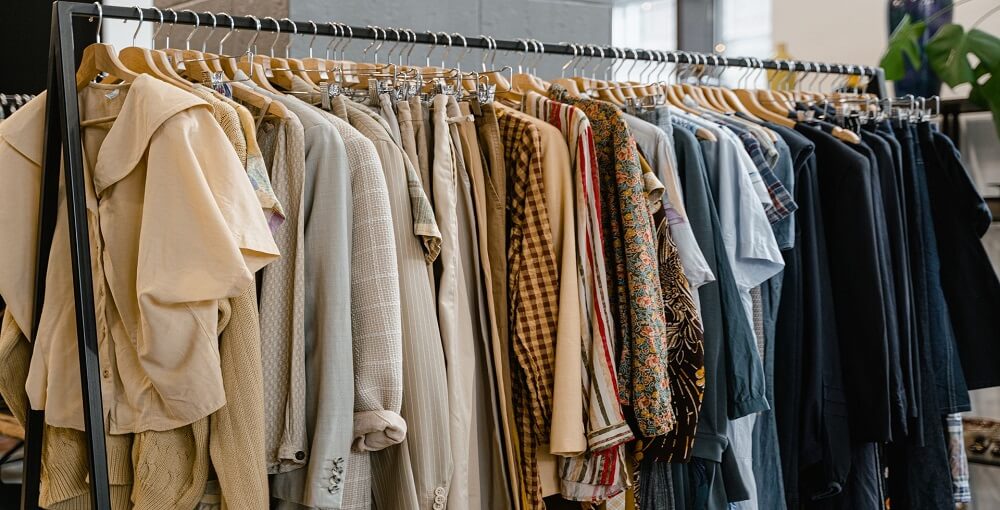
Nothing you can buy beats wearing what you already have. Extending a garment’s active life is the single largest lever a normal person has, and it costs nothing. Research by WRAP, the UK sustainability charity, found that keeping clothes in use nine months longer cuts their carbon, water and waste footprints by roughly 20 to 30 percent each. The same research found around a quarter of the clothing in UK wardrobes goes unworn, so for most of us the greenest garment is one we already own and have forgotten about.
This is where organic cotton’s whole case gets put in perspective. A conventional-cotton tee worn for five years does far less damage than an organic one worn twice and dropped at a charity shop. Use is the multiplier that makes or breaks everything upstream of it, which is why the first move is never a purchase. It’s a rediscovery of the back of your own wardrobe.
Lever Two: When you do buy, Buy Fewer and Better
New clothes are fine; buying carelessly is the problem, so buy less and buy it to last. The most useful test in the shop isn’t the fibre content, it’s a question about the future. “Every time you buy something, ask yourself: will I wear it a minimum of 30 times?” says Livia Firth, founder and creative director of the sustainability consultancy Eco-Age, whose #30Wears rule cuts through most bad purchases before they happen.
What lets a garment survive 30 wears is mostly construction, not fibre: fabric weight, seam quality, and a plain enough design that you’ll still want it next year. A heavier tee at 250 grams per square metre holds its shape where a 150-gram one goes baggy in a season. This is the lever that quietly determines cost-per-wear, and it’s where your money does more good than the organic premium does. Buy the well-made plain thing, and buy fewer of them.
Lever Three: Wash it Cool, Wash it Less
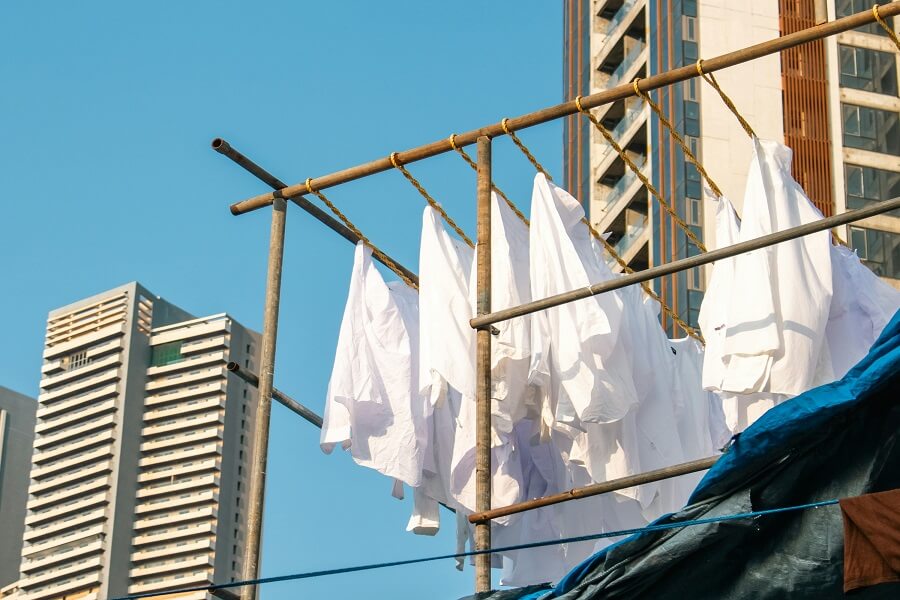
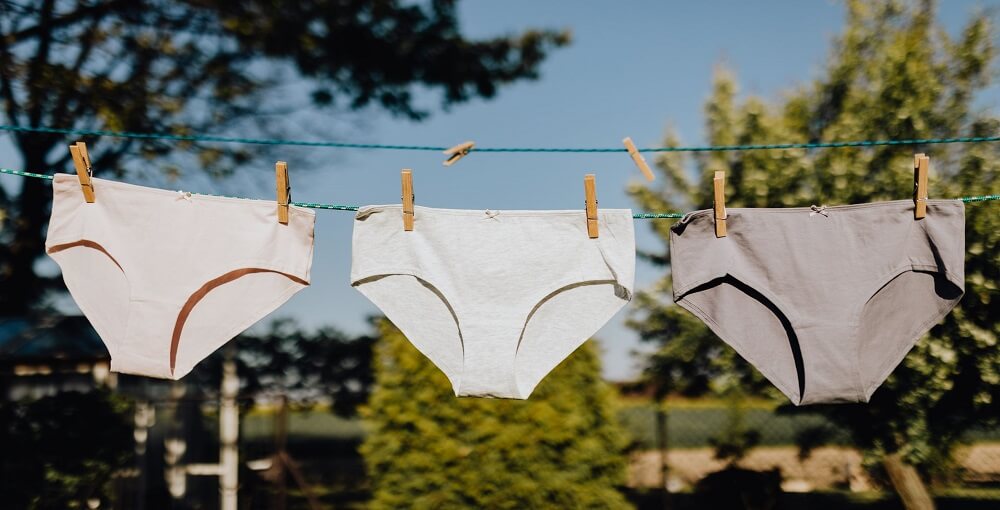
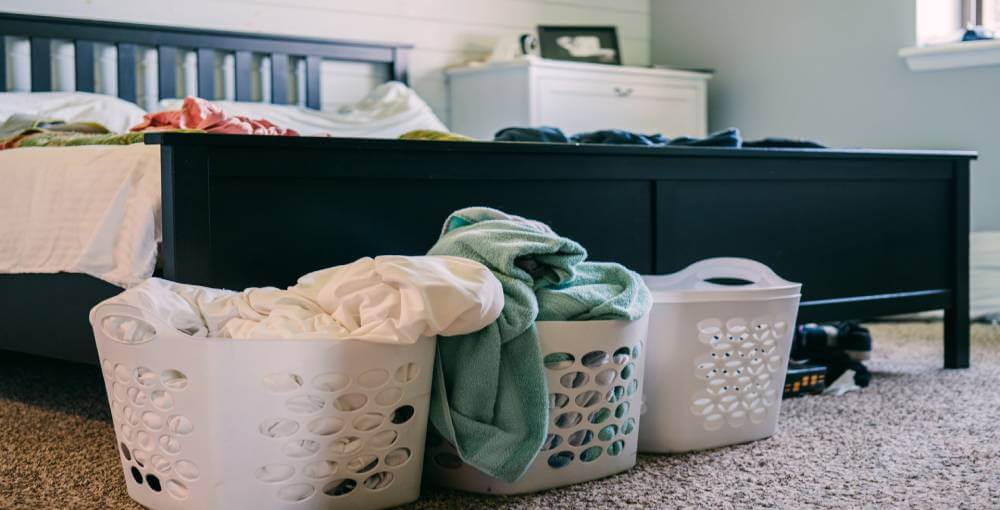
How you launder a garment shapes both its lifespan and its running footprint, and the fix is to turn the dial down. Research from the University of Leeds found that washing a cotton T-shirt at 30 degrees on a shorter cycle made it last more than 50 percent longer than a standard 40-degree wash, while cutting the wash’s warming impact by around a fifth. Cooler, shorter, and less often does three good things at once: saves energy, sheds fewer fibres, and keeps the garment wearable for longer.
Most of us never touch the temperature dial, which is exactly why this lever is so easy to pull. Wash on 30, skip the wash the garment doesn’t really need, air it instead where you can, and dry it on a line rather than in a tumble dryer. None of this costs anything, and all of it extends the life that lever one relies on.
Lever Four: Now the Fibre, and What GOTS Actually Buys You
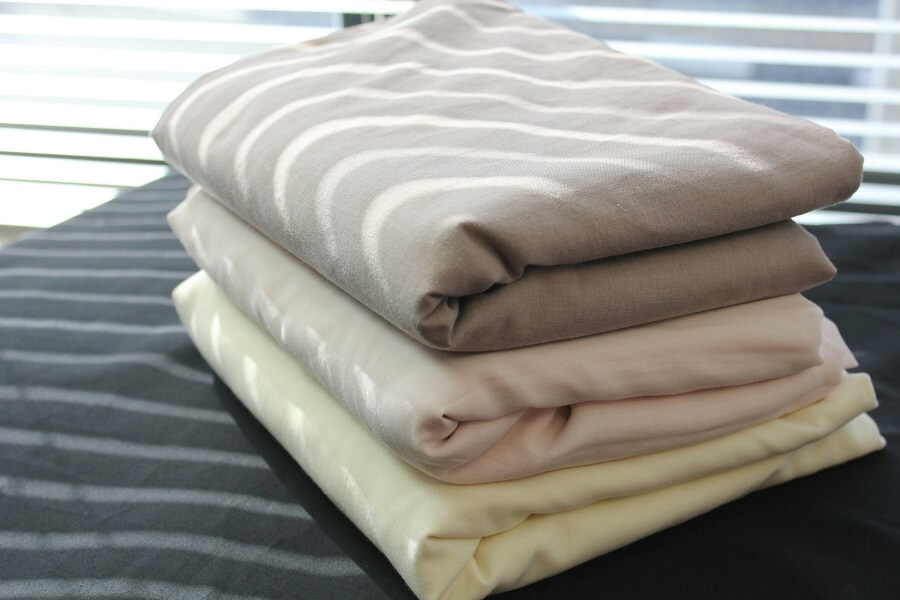
Only now does the fibre earn its turn, and this is where organic cotton and certification matter. When you are buying new, choosing organic cotton is the honest floor: it means the raw material was grown without synthetic pesticides or fertilisers. But “organic cotton” printed on a tag certifies nothing on its own, so the proof worth looking for is GOTS.
The Global Organic Textile Standard certifies the whole supply chain, from fibre through spinning, dyeing and sewing, with independent annual audits, and it builds in human-rights and social criteria along the way. One mark answers two questions: is the cotton really organic, and were the people who made it treated decently. Two grades are worth knowing, “organic” means at least 95 percent certified organic fibre, and “made with organic materials” means at least 70 percent. Where a piece isn’t certified, favour a brand that’s specific about its supply chain over one that just prints the word. You can filter a whole range to certified pieces under Organic.
That’s the fibre’s honest role: the right default for the clothes you do buy, and the fourth thing that matters, not the first.
So, How to shop it without overthinking
Put the four levers together and the method is simple. Wear what you own, buy fewer and better when you do buy, wash it cool and less, and choose certified organic as the floor for the fibre. The first three are mostly free and do most of the work; the fourth is where your spending should land once the piece has passed the 30-wears test.
Which turns “buy organic cotton” from a badge into a filter you can apply yourself: is it well-made enough to last, plain enough to keep, and certified or transparently sourced on the fibre. When a piece clears all three, it’s worth the premium. When it doesn’t, no amount of organic makes a throwaway a good buy. For the actual shopping, our organic cotton clothing for men and organic cotton clothing for women guides put the picks against exactly these criteria, and the wider Clothing and Basics range is chosen on the same terms.
Organic cotton is worth choosing. Choose it last.
Once you’ve settled the fibre, the men’s and women’s guides take it from here, weighted to durability and to versatility in turn.
FAQs
At the farm, yes: organic cotton is grown without synthetic pesticides or fertilisers, which is easier on soil and on growers than conventional cotton. But the fibre is only one stage of a garment’s life, and how long you wear it matters far more. WRAP found that keeping clothes in use nine months longer cuts their carbon, water and waste footprints by around 20 to 30 percent, so a well-worn conventional piece can easily beat a barely-worn organic one.
GOTS, the Global Organic Textile Standard, certifies the whole supply chain from fibre to finished garment, with independent annual audits, and it includes human-rights and social criteria. It’s the difference between an “organic cotton” claim anyone can print and one that’s been checked by someone other than the brand. “Organic” grade means at least 95 percent certified organic fibre; “made with organic” means at least 70 percent.
As the floor for the fibre when you buy new, yes, provided the garment is also well-made enough to last and plain enough to keep. But wearing clothes longer and washing them cooler save more, for free, than switching fibre does. Spend the premium on a piece you’ll wear 30-plus times, not on a novelty piece the organic label makes feel virtuous.
Buy less, and buy better. Wear what you already own for longer, ask whether you’ll wear a new piece at least 30 times before buying it, wash on 30 degrees and less often, and when you do buy, choose GOTS-certified or transparently sourced organic cotton. The first three cost nothing and matter most.