
Veo and Wearth are now Ziracle. Same mission, better platform. See what's new

Ziracle Journal

Honest reads on living well and living sustainably.

Vegan Presents and Gift Ideas: 25 Where it Actually Matters

Vegan Presents and Gift Ideas: 25 Where it Actually Matters

A vegan crystal is just a crystal. Vegan chocolate, cheese, balms and bags are a real choice, because those things usually are not vegan. These 25 presents are the ones where the label actually does some work, all screened as truly free from animal ingredients.

By Hamish Lawson

You Cannot Clean your Home without Chemicals, and you do not need to

You Cannot Clean your Home without Chemicals, and you do not need to

"Chemical-free" cleaning is a marketing fiction. Water is a chemical. The real question is which ingredients, how much fragrance, and whether you are spraying any of it into the air you breathe. Here is what to distrust, what actually cleans, and the short kit worth buying.

By Hamish Lawson

The Case for Buying Organic (and where to start)

The Case for Buying Organic (and where to start)

What organic actually means, why it is worth the switch, and the everyday categories where the benefit compounds fastest.

By Annabel Lindsay

Can Leather Be Sustainable? The Honest Answer

Can Leather Be Sustainable? The Honest Answer

Animal hide, plastic faux leather, or plant-based alternatives. The honest answer on whether leather can be sustainable, and what to buy.

By Lydia Oyeniran

Zero Waste Beauty: The Formats Worth your Money

Zero Waste Beauty: The Formats Worth your Money

Zero waste beauty by format, not by brand: refillable compacts, solid bars, dental and deodorant swaps that actually work.

By Annabel Lindsay

The Best Sustainable Clothing Brands: a Shorter List, for Good Reason

The Best Sustainable Clothing Brands: a Shorter List, for Good Reason

A shorter list of sustainable clothing brands worth buying from. Every one has passed the bar on materials, production and ethics.

By Hamish Lawson

Why Sustainable Fashion Usually Costs More (and why it’s still cheaper)

Why Sustainable Fashion Usually Costs More (and why it’s still cheaper)

Sustainable fashion has a higher sticker price for reasons that make sense. Cost per wear brings the maths back into balance.

By Annabel Lindsay

Is Wool Sustainable? The Honest Answer

Is Wool Sustainable? The Honest Answer

Wool is more complicated than the mental image suggests. What modern production actually involves, and what the alternatives can do.

By Annabel Lindsay

The Sustainable Jewellery Guide: What “Ethical” Actually Means

The Sustainable Jewellery Guide: What “Ethical” Actually Means

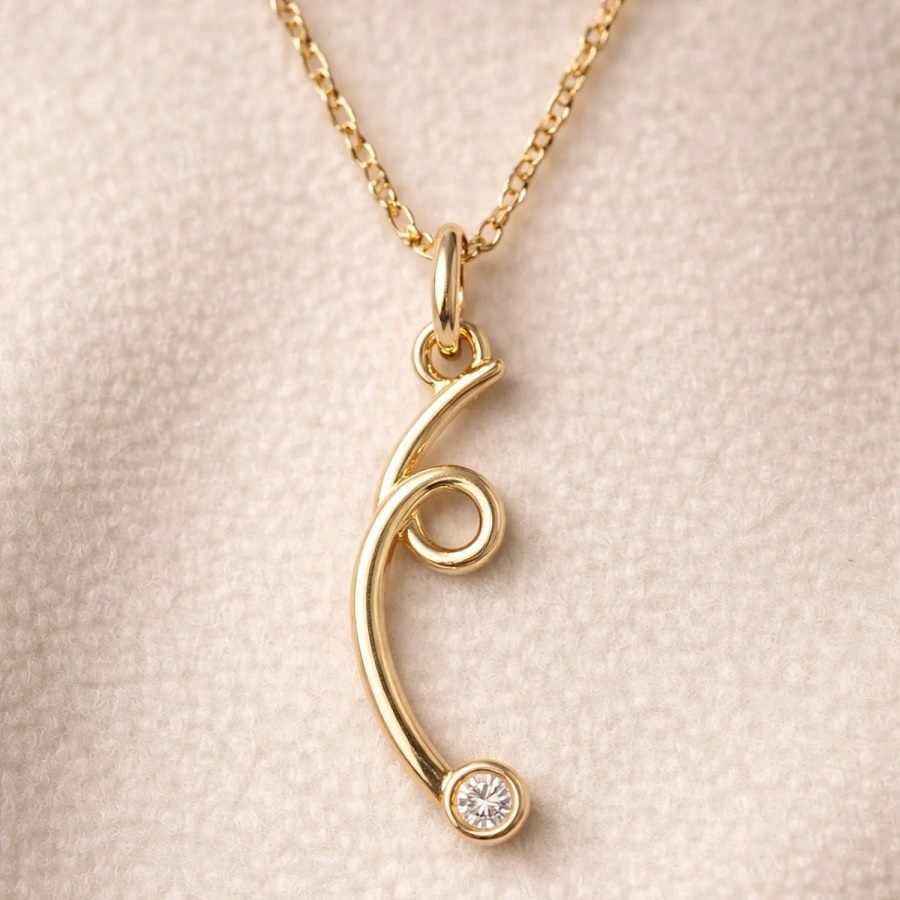
What sustainable jewellery actually means, the certifications worth knowing, and how to tell real traceability from marketing.

By Annabel Lindsay

Eco-Friendly Activities for Kids that are Actually Fun

Eco-Friendly Activities for Kids that are Actually Fun

Eco-friendly activities for kids that actually hold their attention: making, growing, cooking and outdoor play that teaches something real.

By Annabel Lindsay

Vegan Presents and Gift Ideas

Most “vegan gift guides” pad themselves with things that were never going to contain an animal: a candle, a notebook, a pebble on a string. Useful to know they are vegan, but hardly a decision. The gifts where vegan genuinely matters are the ones you would normally have to check: chocolate that usually has milk in it, cheese, balms and creams that lean on beeswax and lanolin, and bags and wallets made of leather. Get those right and you have given something they can enjoy without a second thought.

Everything below is screened as free from animal-derived ingredients before it is listed, so the checking is done. Browse the full Vegan Gifts edit to go wider, the Gifts for Her shortlist to narrow it, or our vegan living guide if the recipient is newly plant-based.

A vegan crystal is just a crystal. Vegan chocolate, cheese and leather are the gifts where the label actually earns its place.

Vegan Chocolate

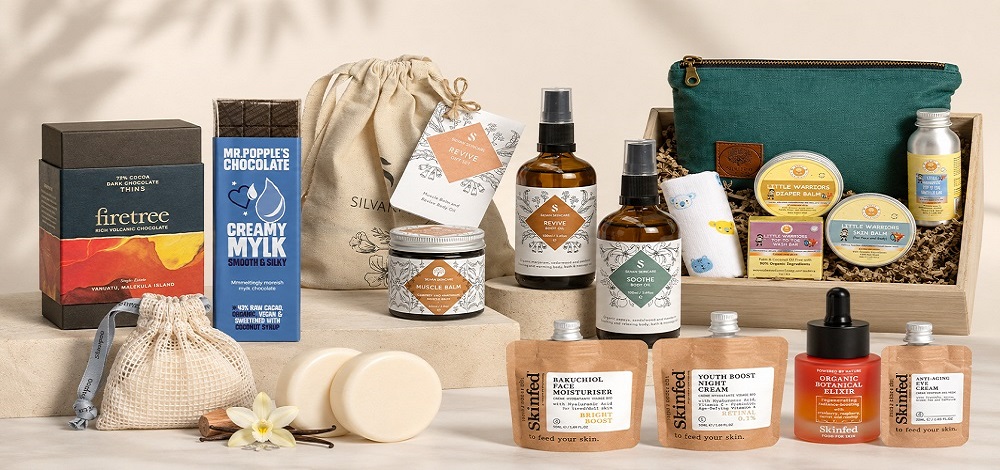
Milk chocolate is the obvious trap, so a good dairy-free bar is the easiest win here. Firetree makes single-origin dark that a chocolate snob will respect, and Mr Popple’s does the harder trick: convincing dairy-free “mylk”.

1. Mr Popple’s Creamy Mylk, £2.65. A dairy-free take on milk chocolate, the stocking filler for the person who thinks vegan chocolate has to be dark.

Mr Popple's Creamy Mylk

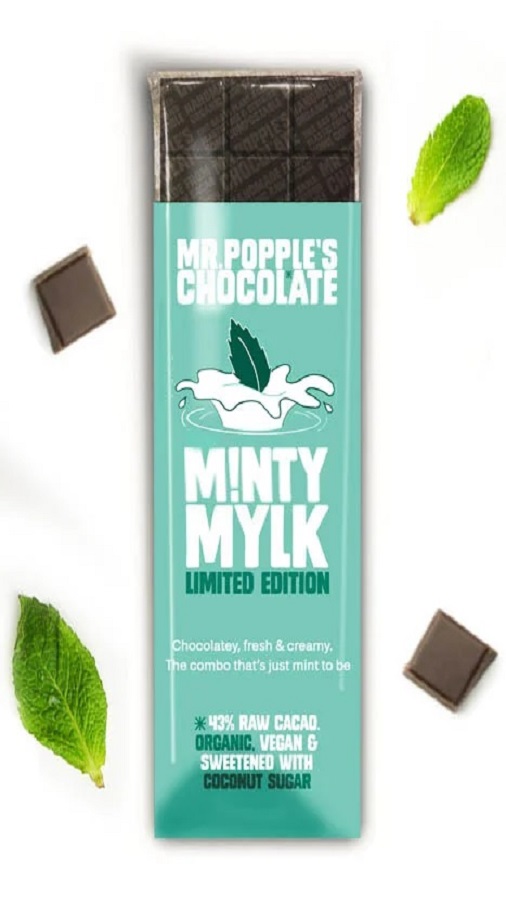
2. Mr Popple’s Minty Mylk, £2.65. The mint version, for the after-dinner-chocolate crowd.

Mr Popple's Minty Mylk

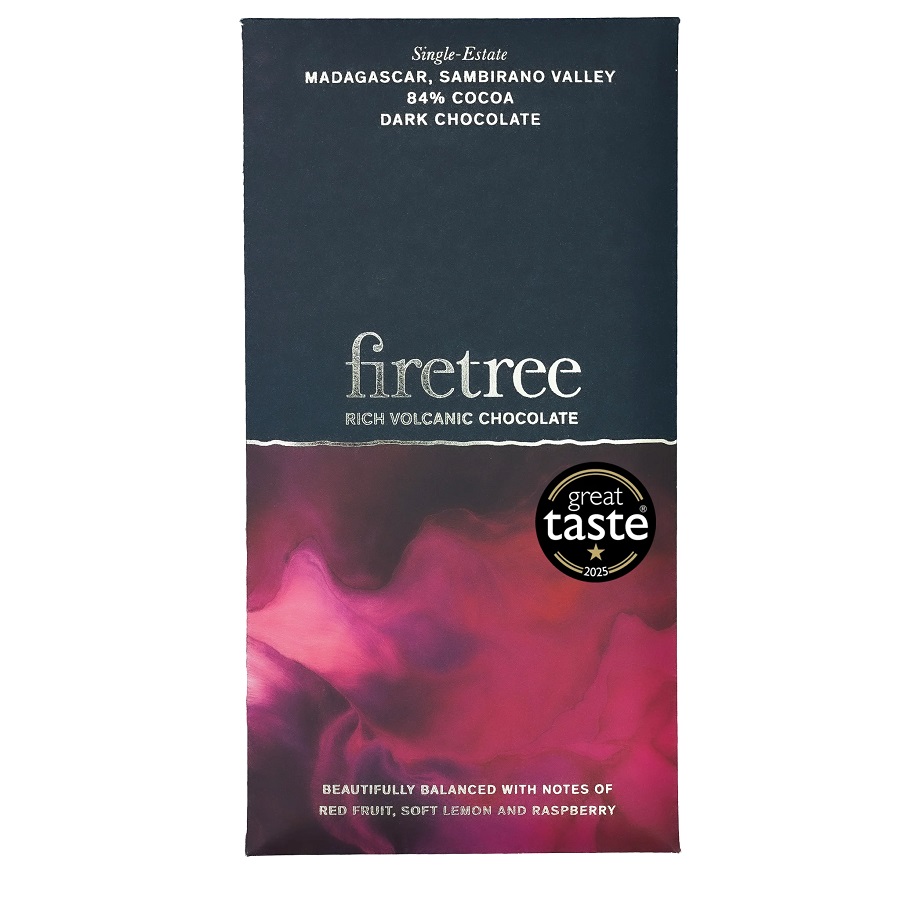
3. Firetree Madagascar Sambirano 84%, £4.25. A fruity single-origin dark bar, a small gift that feels considered.

Firetree Madagascar Sambirano 84%

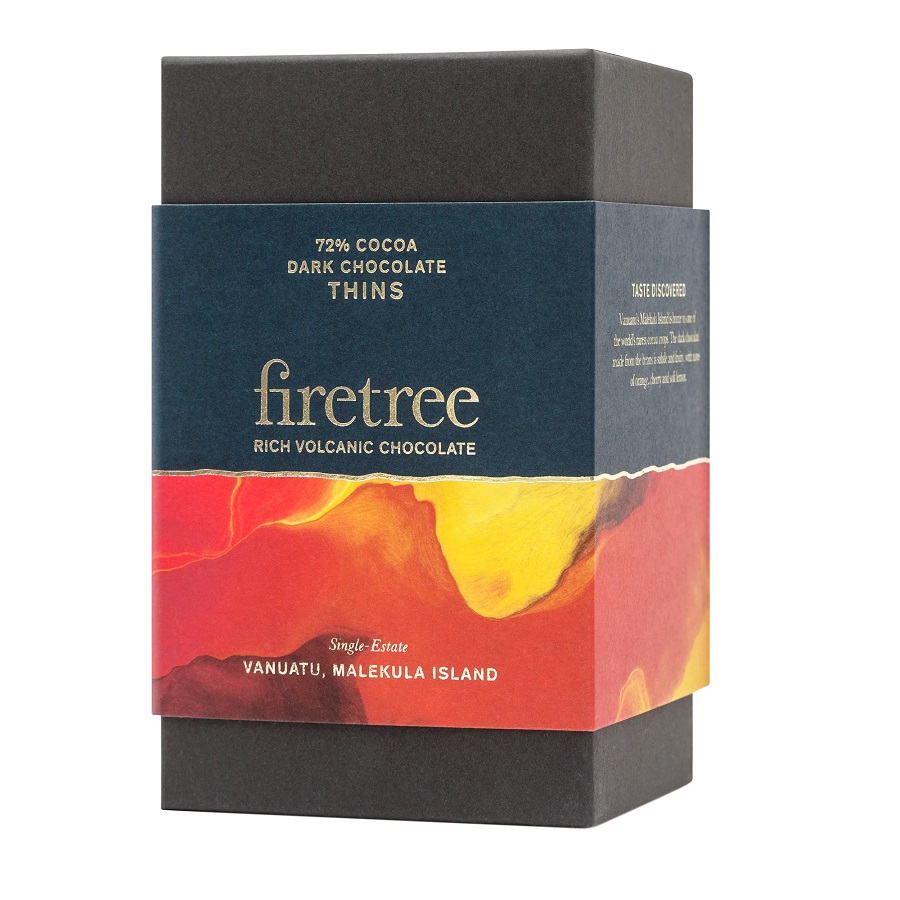
4. Firetree Vanuatu 72% Chocolate Thins, £18. Elegant thins for a dinner-party host.

Firetree Vanuatu 72% Chocolate Thins

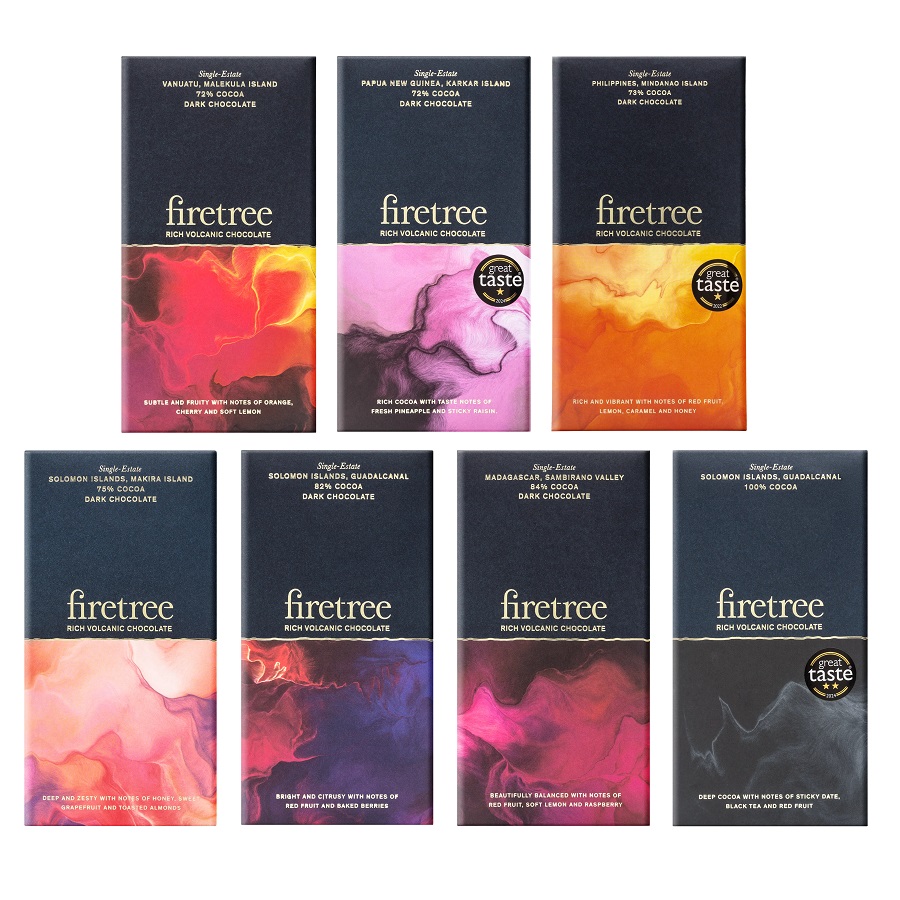
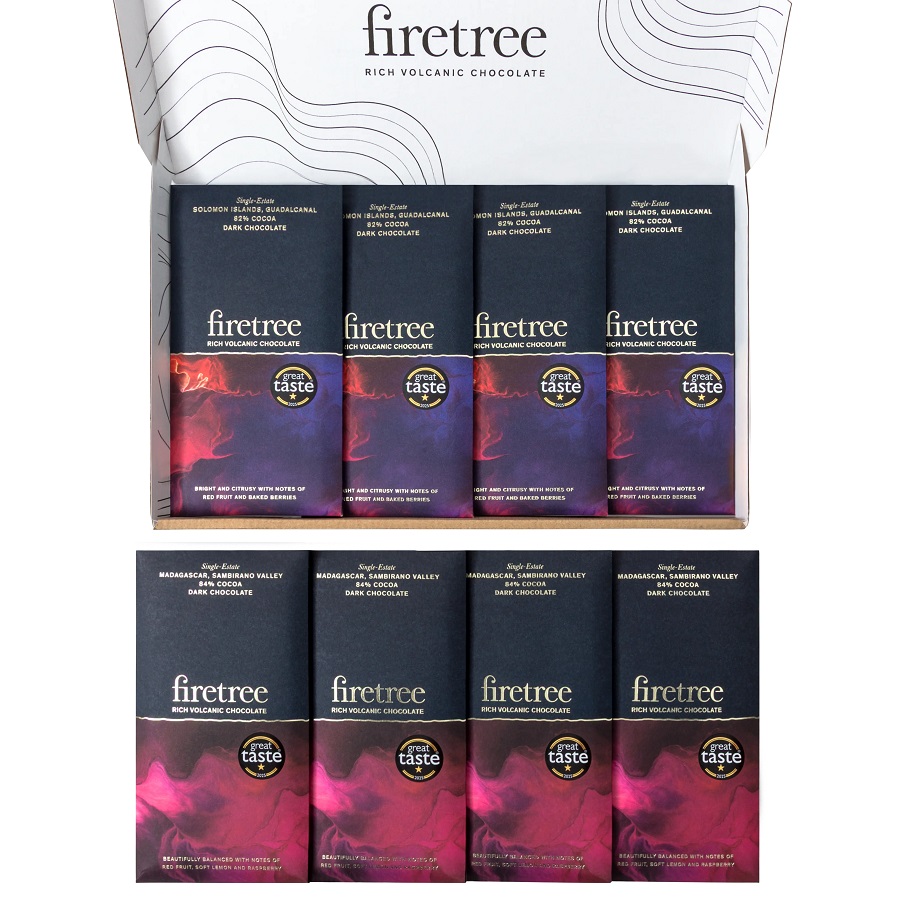
5. Firetree Dark Chocolate Set, £27. Seven single-origin bars, the gift for the person who tastes chocolate like wine.

Firetree Dark Chocolate Set

6. Firetree High Cocoa Letterbox Selection, £30. Posts through the door, the rescue when you have left it late.

Firetree High Cocoa Letterbox Selection

Vegan Cheese

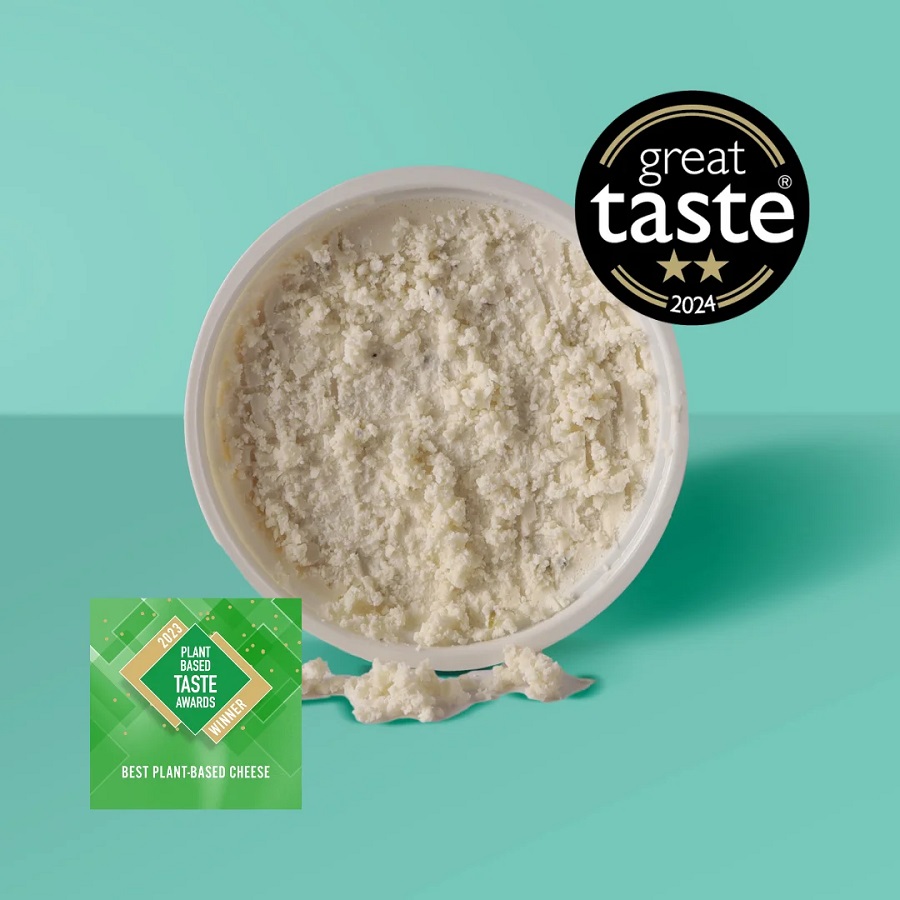
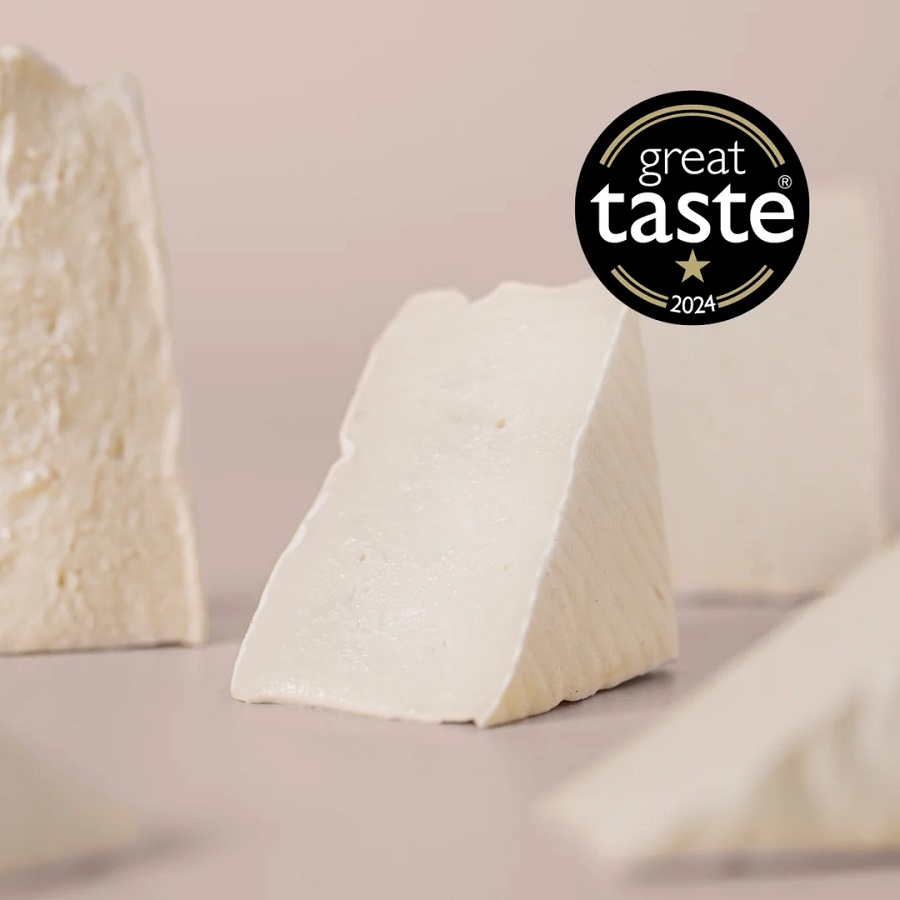
Cheese is the category people do not believe until they try it, which makes it the most surprising gift on this list. Honestly Tasty’s cashew-based range is the one to send a sceptic.

7. Honestly Tasty Garlic & Herb, £4.29. A soft garlic-and-herb style, the low-cost way to convert someone.

Honestly Tasty Garlic & Herb

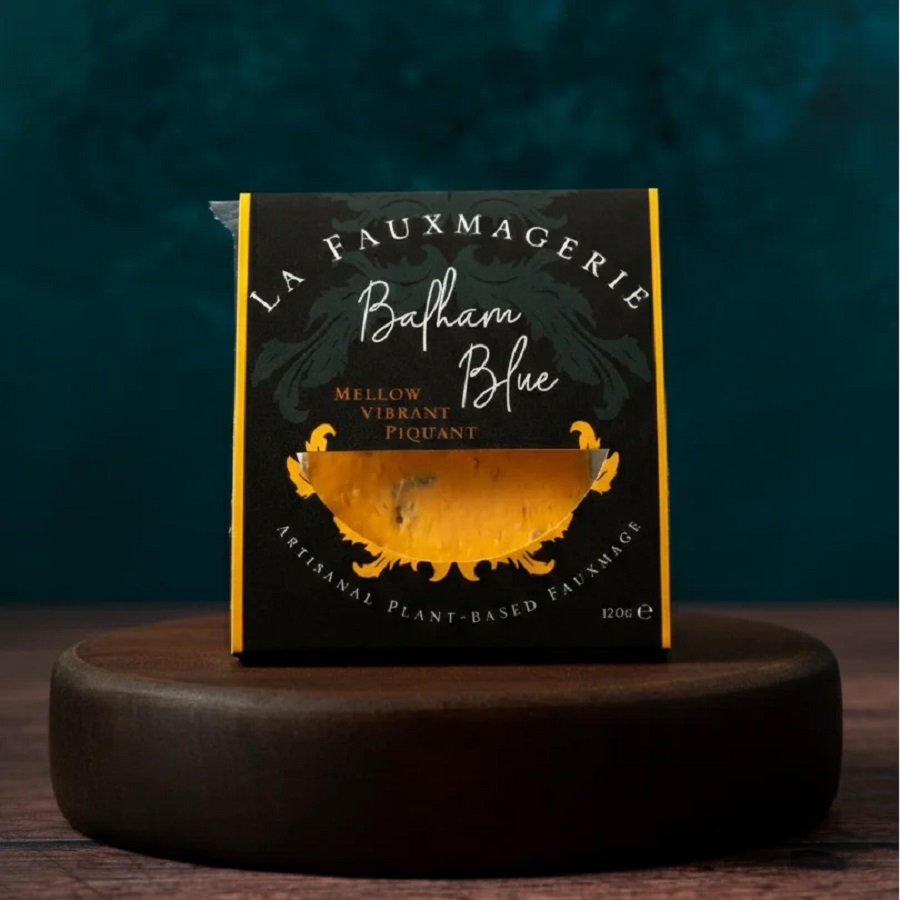
8. Honestly Tasty Balham Blue, £6.89. A vegan blue, which is the one people assume cannot exist.

Honestly Tasty Balham Blue

9. Honestly Tasty Bree, £7.00. A cashew brie for the cheeseboard, gooey as it should be.

Honestly Tasty Bree

10. Honestly Tasty Camden Collection, £18.49. A cashew fauxmage set, a proper little gift for a foodie.

Honestly Tasty Camden Collection

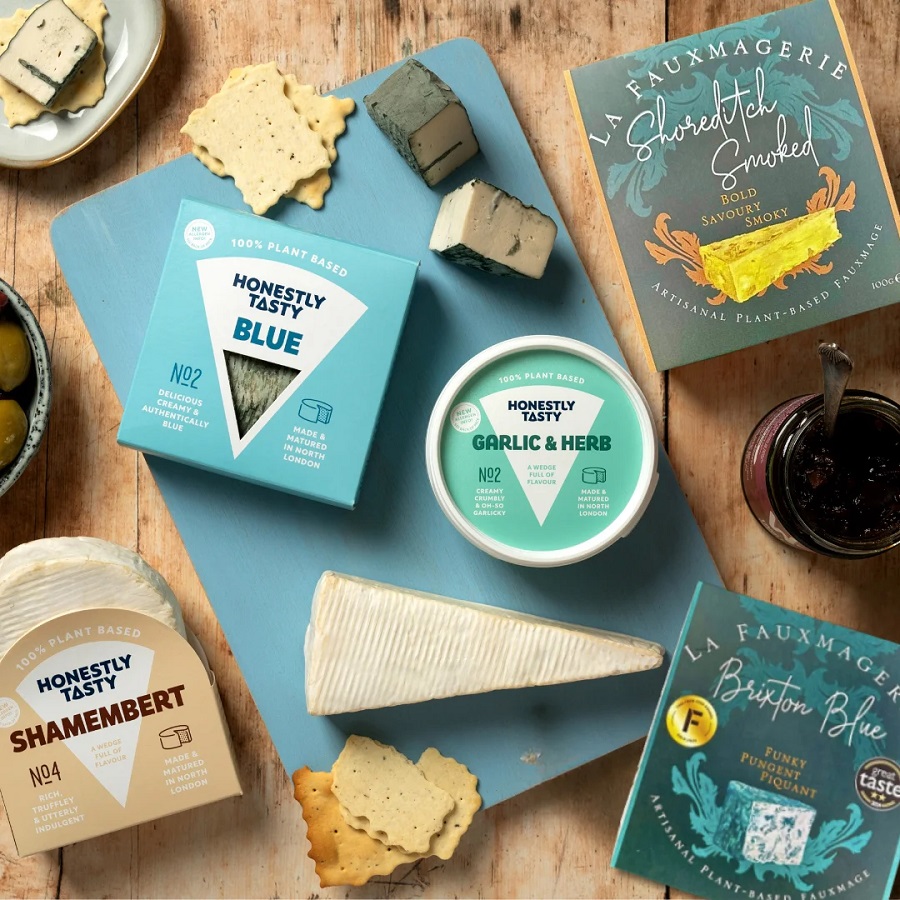
11. Honestly Tasty Full Plant-Based Cheeseboard, £35.50. The showpiece, and the gift most likely to make someone say they cannot tell.

Honestly Tasty Full Plant-Based Cheeseboard

Vegan Skincare, Body and Bath

This is where animal ingredients hide in plain sight: beeswax in balms, lanolin in creams, honey in bath products, collagen in serums. A vegan version is a real choice, not a default.

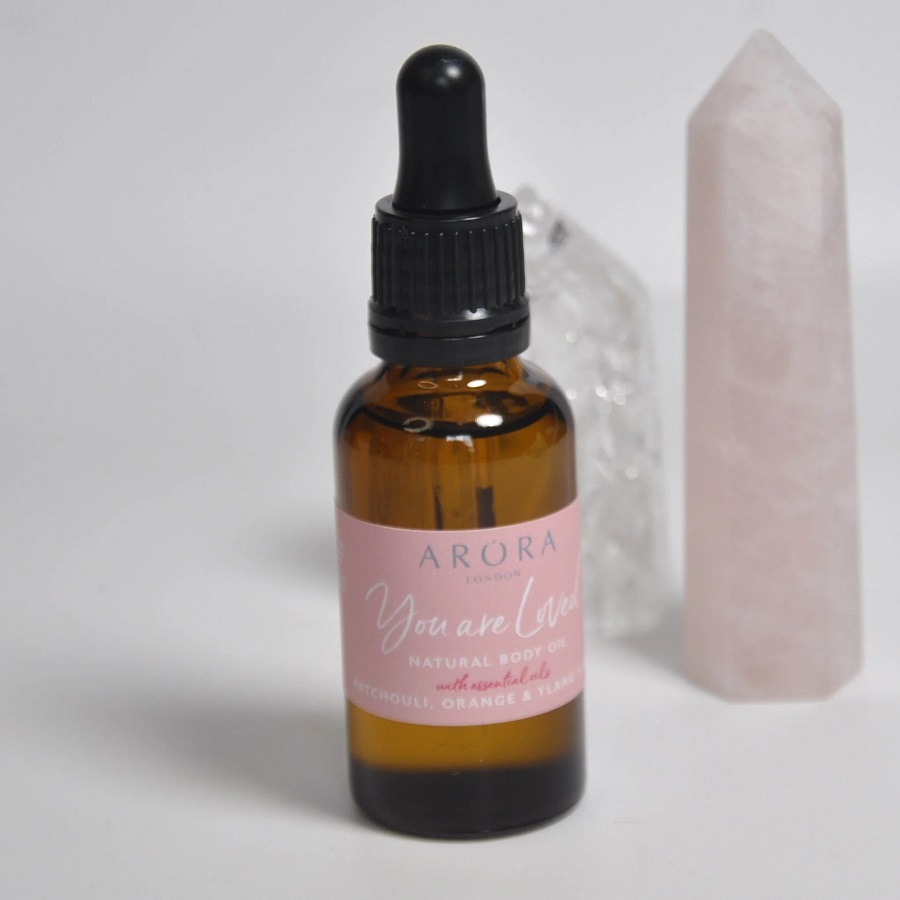
12. Arora London You are Loved Body Oil, £7.50. A plant-oil blend for the considered small gift.

Arora London You are Loved Body Oil

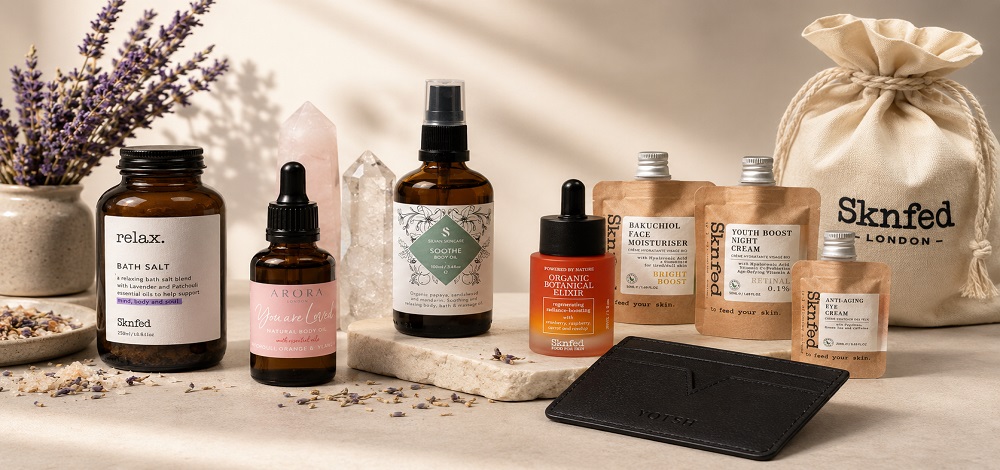
13. SKNFED Relax Bath Salt, £18. Lavender and patchouli, a bath treat with no milk or honey in it.

SKNFED Relax Bath Salt

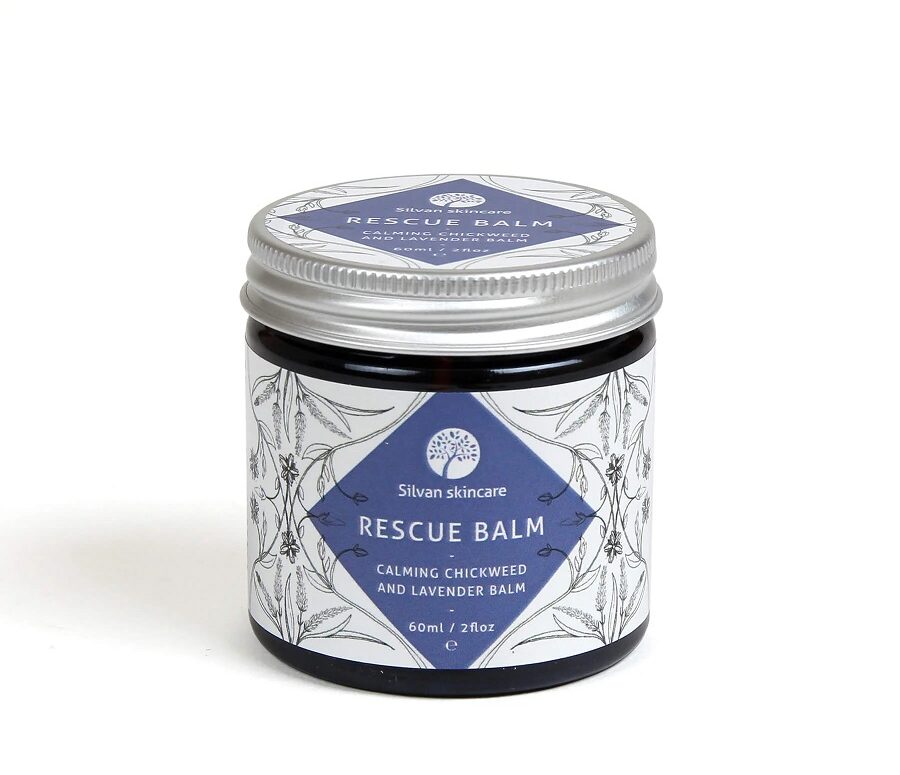
14. Silvan Skincare Rescue Balm, £18.50. A multi-use balm made without the beeswax most balms rely on.

Silvan Skincare Rescue Balm

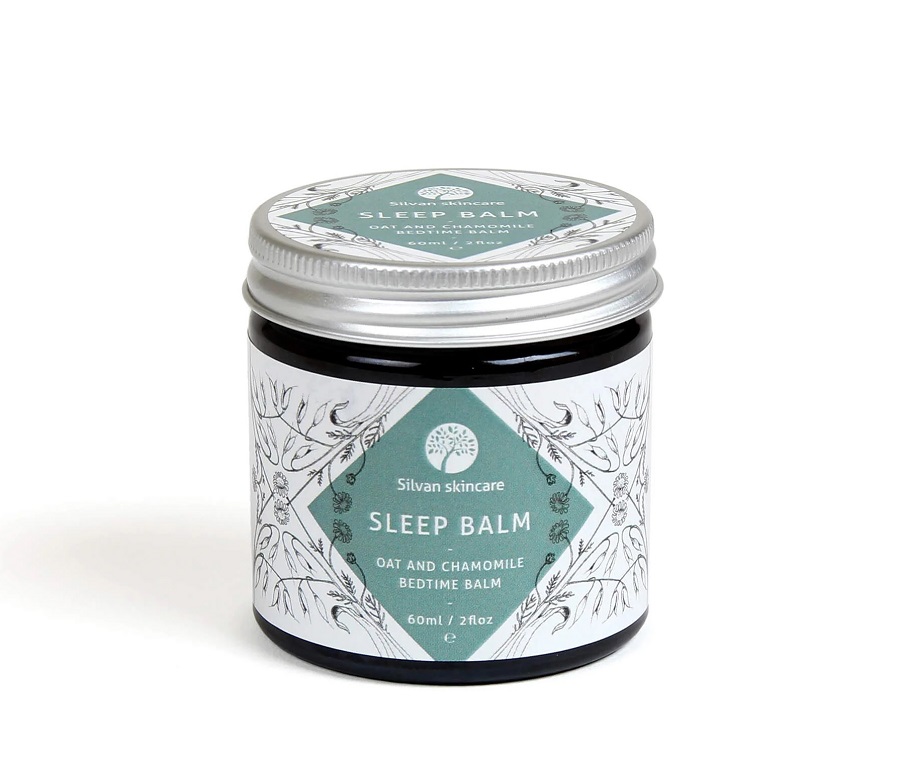
15. Silvan Skincare Sleep Balm, £18.50. A rub-on wind-down for the friend who does not sleep.

Silvan Skincare Sleep Balm

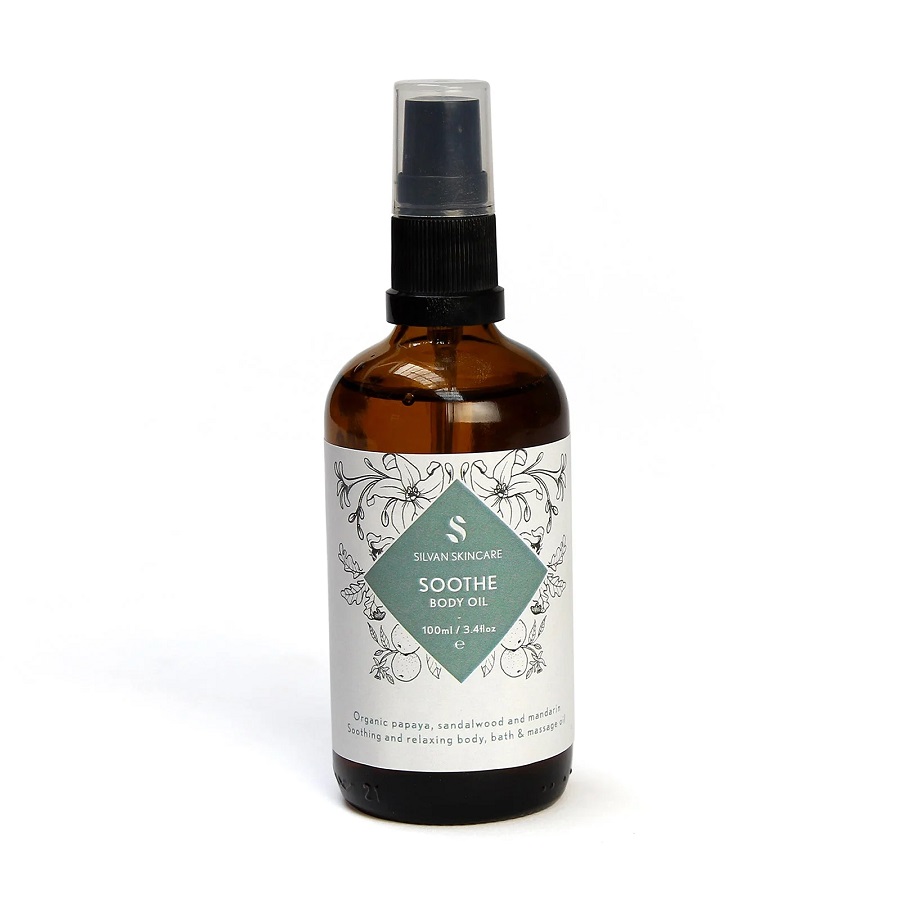
16. Silvan Skincare Soothe Body Oil, £20.50. Papaya and sandalwood, a spa-at-home present that gets used up.

Silvan Skincare Soothe Body Oil

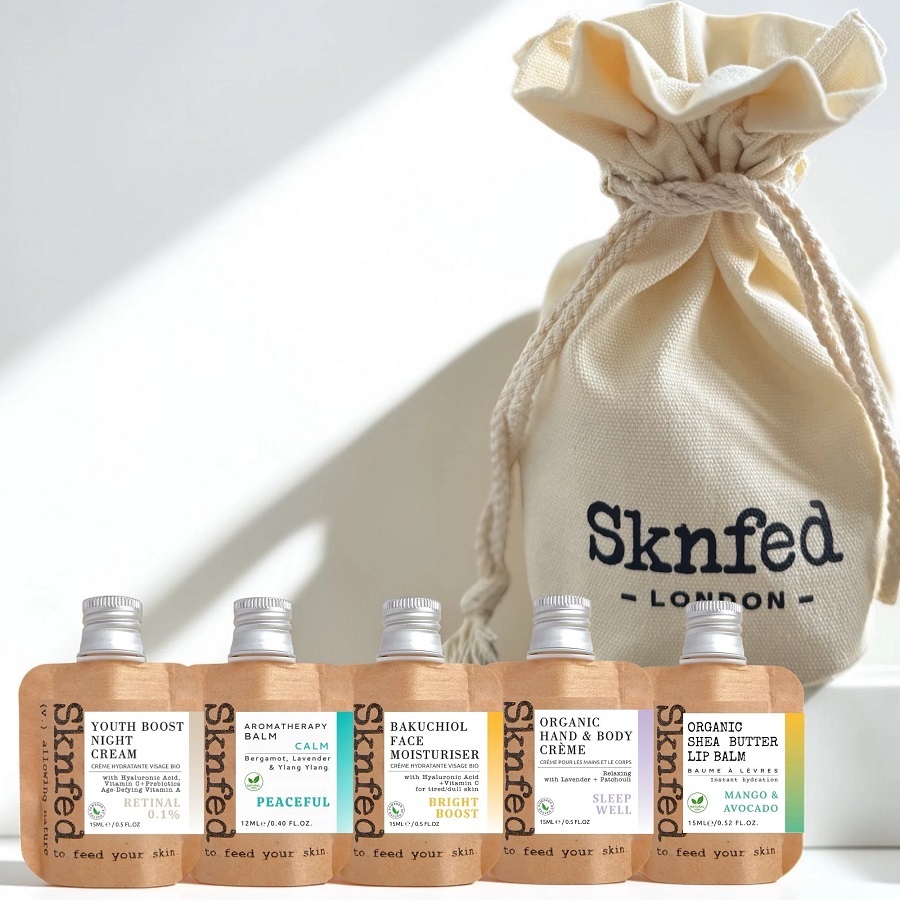
17. SKNFED Wellbeing Discovery Set, £30 (was £47.50). Skincare minis, the safe way to gift skincare without guessing.

SKNFED Wellbeing Discovery Set

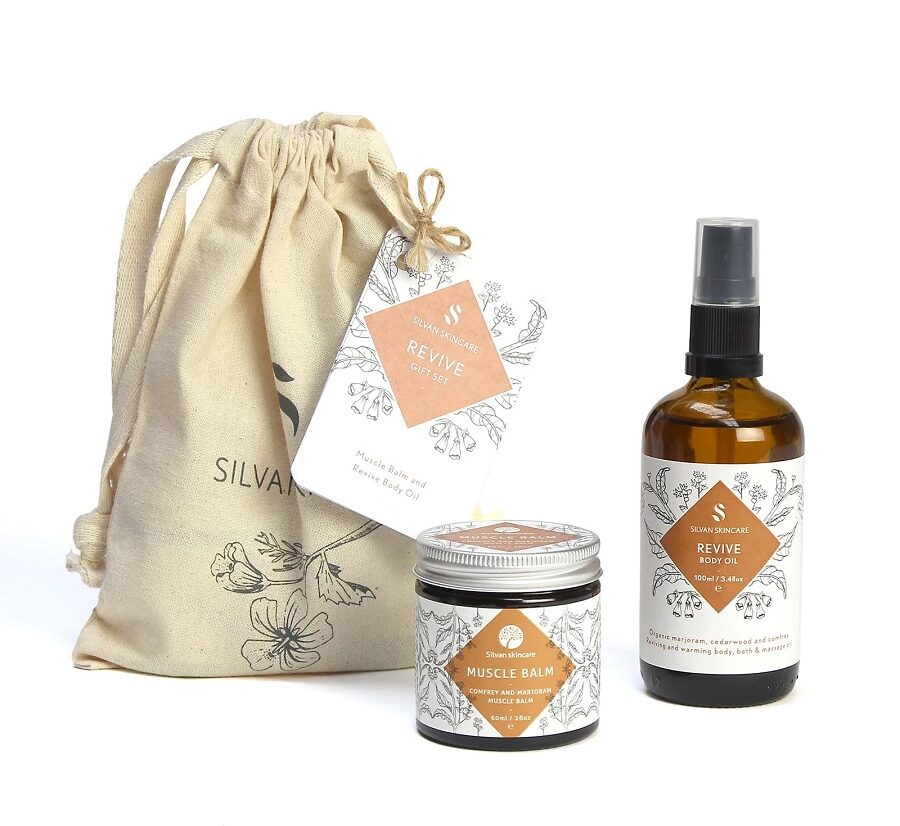
18. Silvan Skincare Revive Gift Set, £40. A fuller set for the person who takes their routine seriously.

Silvan Skincare Revive Gift Set

19. SKNFED Anti-Aging Skincare Collection, £79 (was £104). Retinal and bakuchiol, and no collagen, the vegan splurge. More at this end in the Beauty Gifts edit.

SKNFED Anti-Aging Skincare Collection

Vegan Haircare, Leather and a Few More

Shampoo often carries silk protein or honey, leather is leather, and even a massage candle usually means beeswax, so these are all categories worth checking.

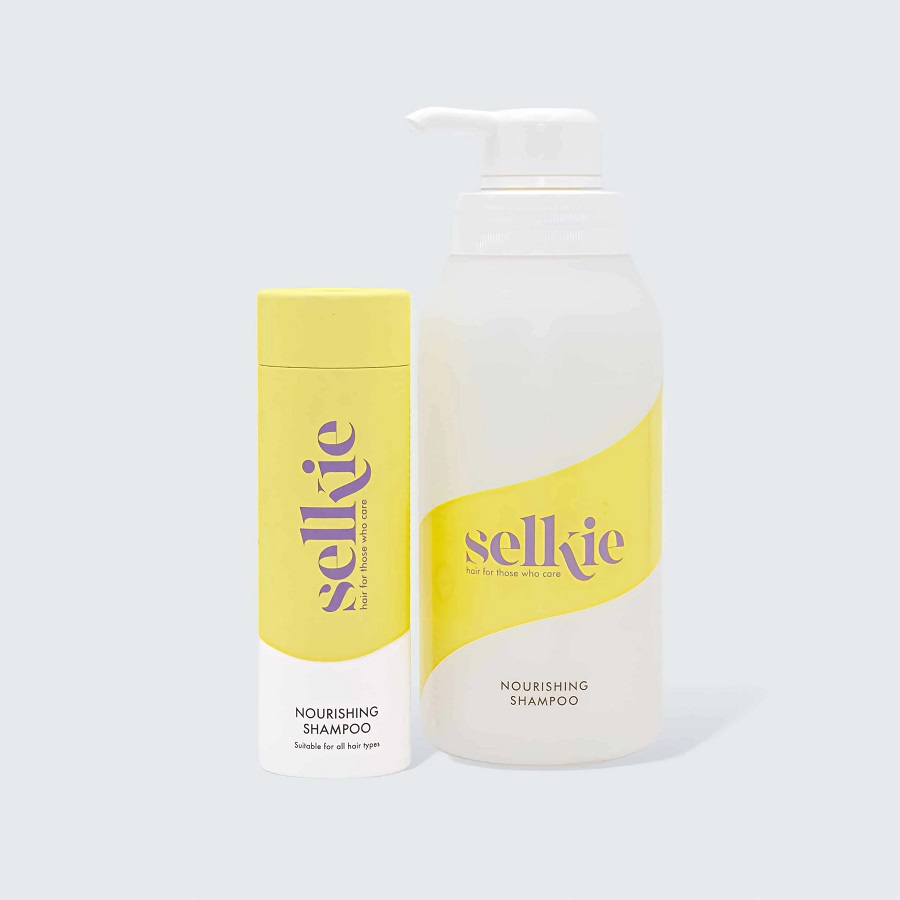
20. Selkie Shampoo Starter Kit, £14.99. Plastic-free haircare made without the silk and honey common in shampoo.

Selkie Shampoo Starter Kit

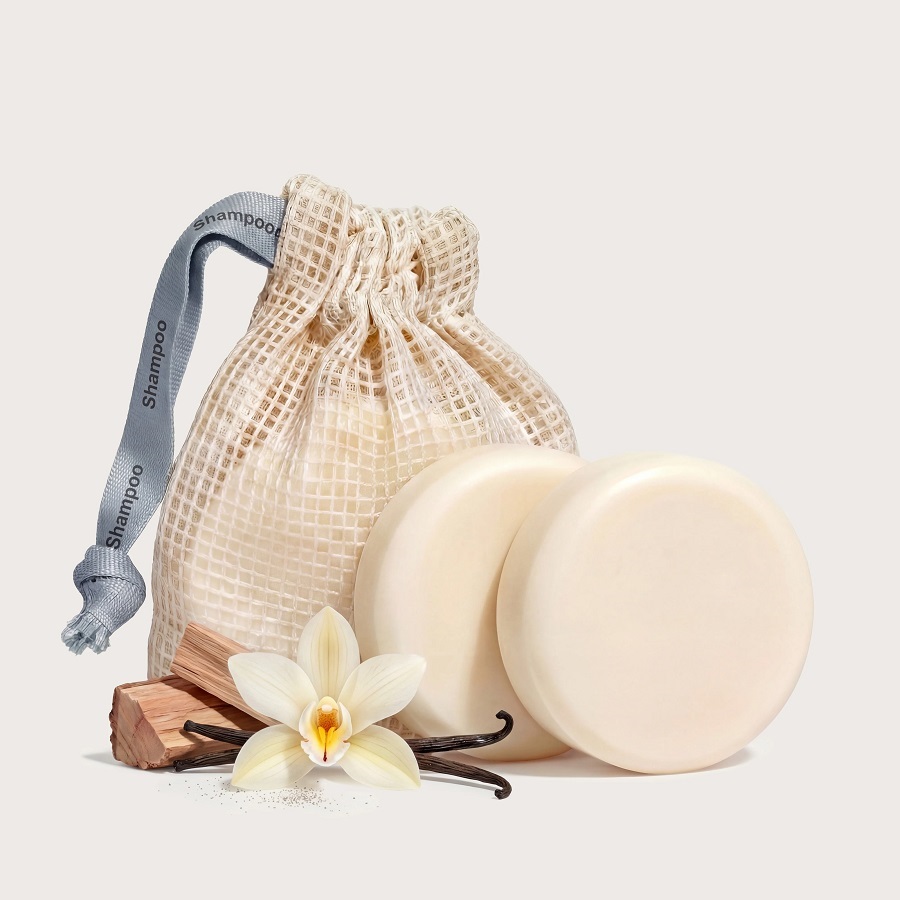
21. Vove Shampoo Bars Set, £17. Rice protein and ginseng bars, a good-looking bathroom gift.

Vove Shampoo Bars Set

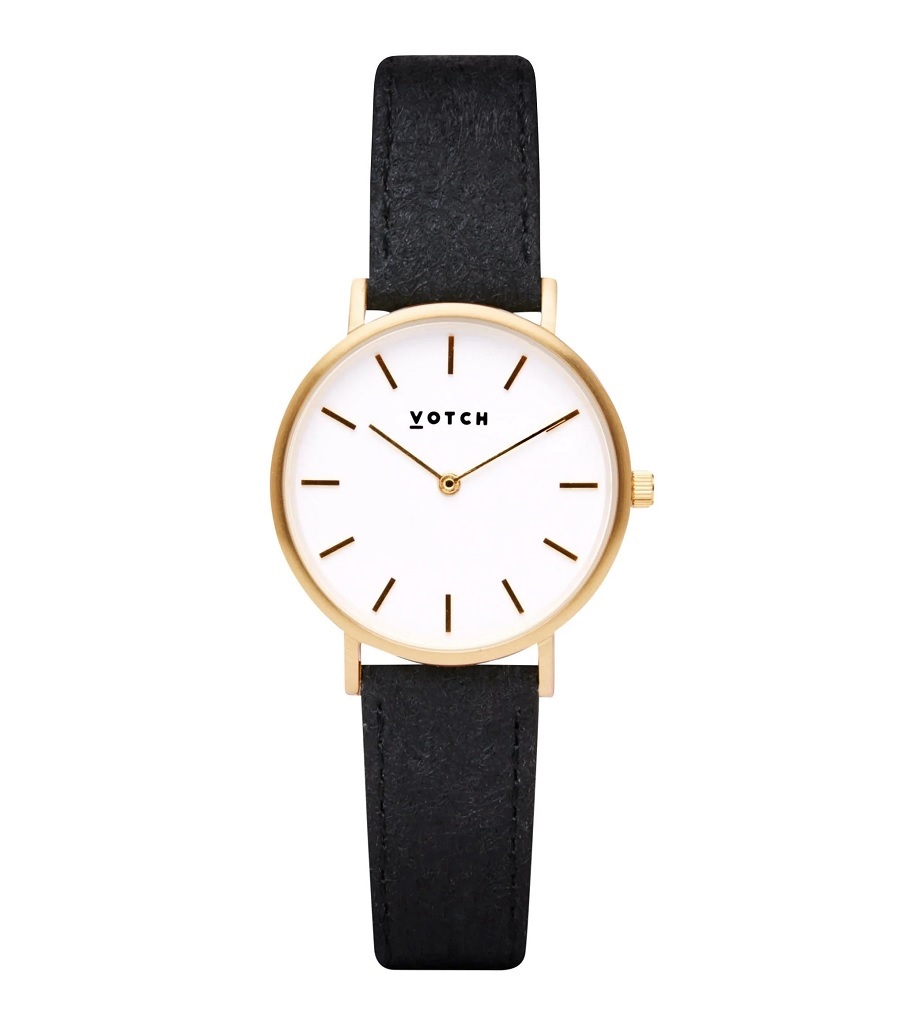
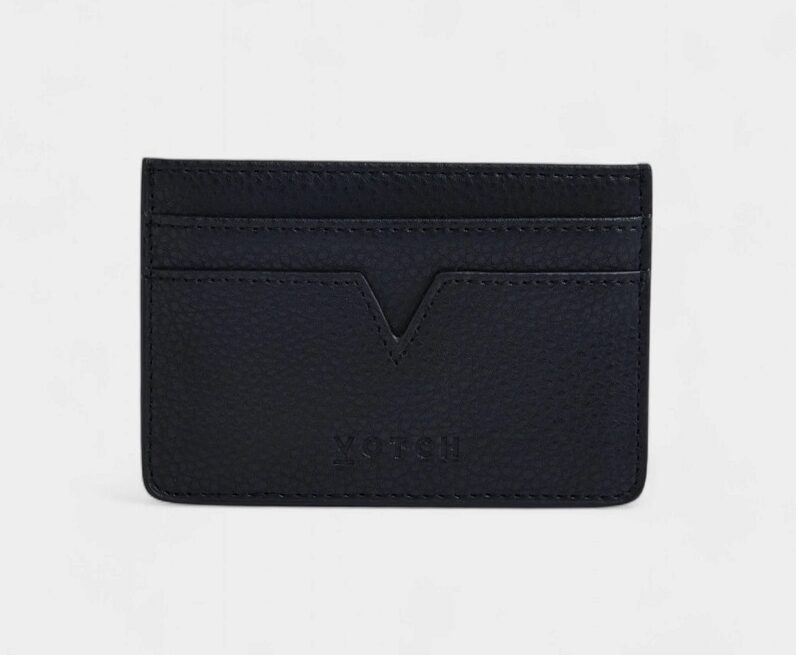
22. Votch Sol Bamboo Leather Card Holder, £39.20 (was £49). A sleek bio-based vegan-leather holder, the real alternative to a leather wallet, and a strong gift for him or her.

Votch Sol Bamboo Leather Card Holder

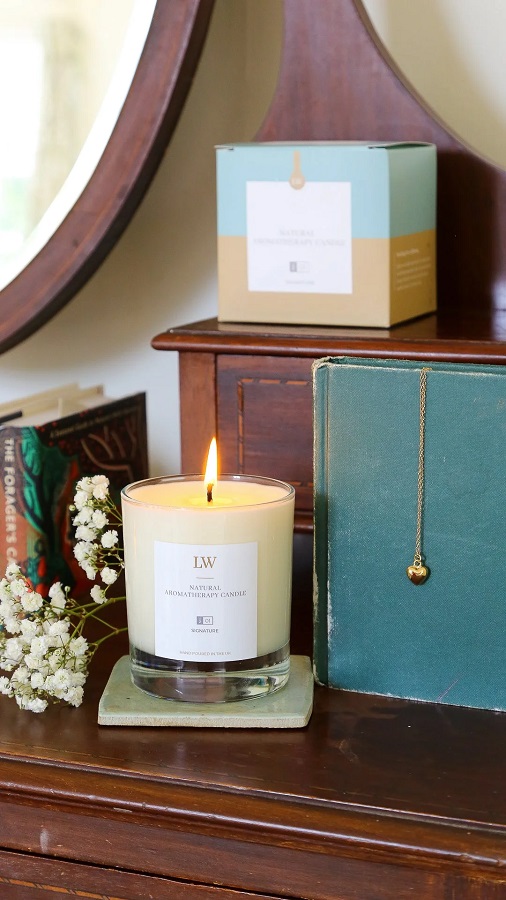
23. Lovewell Botanical Glow Massage Candle, £30. A soy-wax candle that melts into a body oil, made without the beeswax most candles use.

Lovewell Botanical Glow Massage Candle

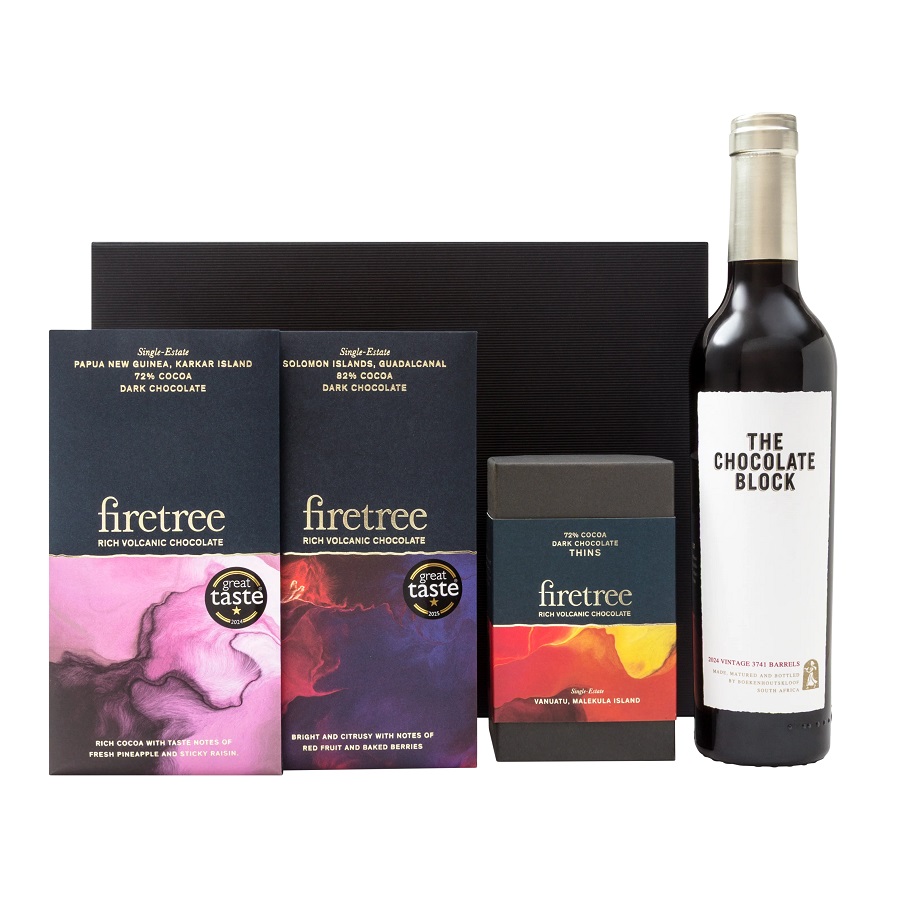
24. Firetree Chocolate & Wine Gift Box, £50. Vegan wine matters too, since many are fined with animal products. Browse the Food & Drink Gifts edit for more pairings.

Firetree Chocolate & Wine Gift Box

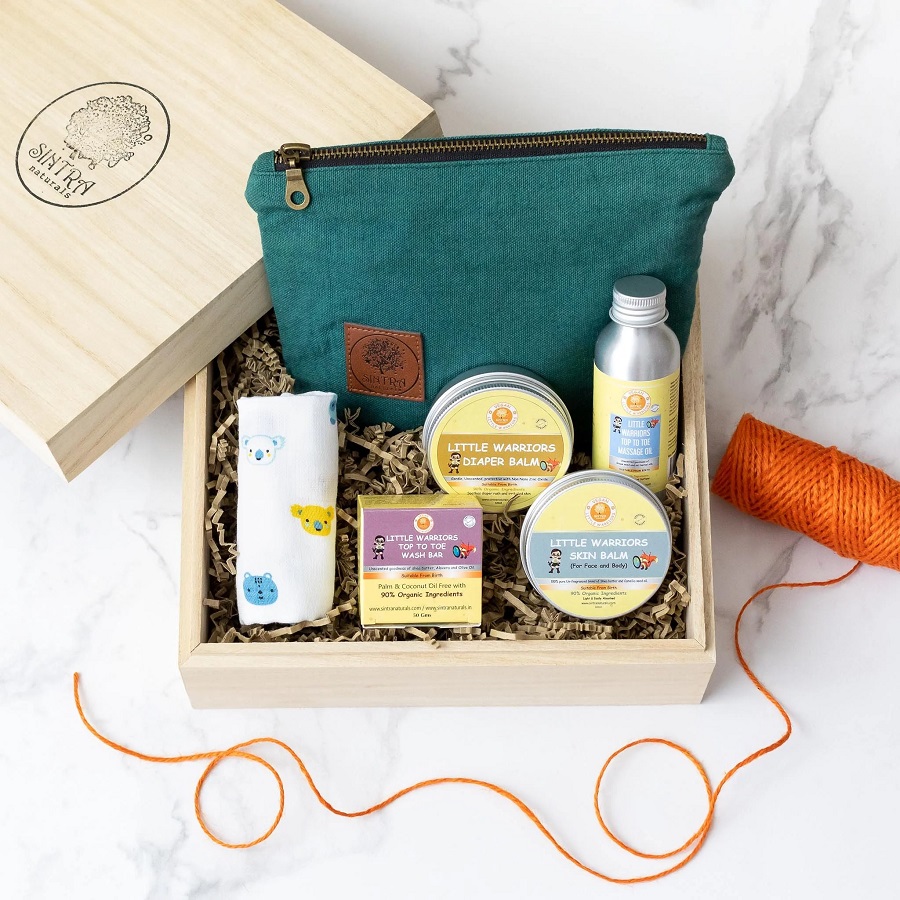
25. Sintra Naturals Little Warriors New Born Gift Set, £50. A gentle vegan bath set for new parents, a rare animal-free option in the baby aisle, where lanolin is everywhere.

Sintra Naturals Little Warriors New Born Gift Set

Frequently Asked Questions

What are the best vegan presents?

The ones in categories that usually are not vegan, so the choice actually counts: dairy-free chocolate, vegan cheese, skincare and balms made without beeswax or lanolin, and vegan-leather accessories. A gift that is vegan by default, like a candle-free crystal or a notebook, is fine but not really a vegan gift.

What is a good vegan birthday present?

For a birthday, the surprising ones land best: a plant-based cheeseboard, a single-origin chocolate set, or a proper skincare gift set. Around £15 to £40 gives you the most choice, and you can scale up to the cheeseboard or the skincare collection for a bigger occasion.

Are these presents all vegan and cruelty-free?

Yes. Every product is checked as free from animal-derived ingredients and by-products before it goes into the range, which matters most for exactly these categories, chocolate, cheese, skincare and leather, where animal ingredients are easy to miss on a label.

Cleaning spray bottles in an under-sink cupboard in daylight, how to clean your home without chemicals

Cleaning your home could be quietly harming your lungs, and not in the way the “chemical-free” aisle warns. A 20-year study found that women who cleaned with sprays regularly lost lung function faster than those who did not, an effect that in professional cleaners rivalled smoking. The problem was never “chemicals”. It was what gets sprayed into the air you breathe.

That single finding reframes the whole topic. The honest answer to how to clean your home without chemicals is that you cannot, because everything is a chemical, but you can clean with fewer irritants, far less spraying, and a much shorter shopping list. What follows takes apart the words on the bottle, sorts the real risks from the imaginary ones, and ends with the small kit that cleans a whole house. The Clean Home edit is filtered to the products that survive that sort, and there are fewer of them than the shelves suggest.

“Chemical-Free” is a Claim that cannot be True

There is no such thing as a chemical-free anything, because everything is made of chemicals, including water, air and you. The Royal Society of Chemistry made the point with money: in 2008 it offered a £1 million prize to anyone who could supply a “100% chemical-free” material. Nobody could, because nothing fits the description. The phrase is marketing, not science.

The words stacked next to it do similar work. “Natural” is not a safety rating: chlorine gas, arsenic and deadly nightshade are all natural. “Non-toxic” has no legal definition in cleaning, so it promises nothing about the ingredients or how they behave. The thing that determines whether a substance harms you is not whether it came from a plant or a plant in Teesside, it is the dose and the exposure. A gentle ingredient sprayed into a sealed room every day can irritate more than a stronger one used sparingly with a window open.

So the useful instinct is not to fear the word “chemical”, it is to read the back of the bottle and notice how you use the front of it. Which ingredients, how much fragrance, and whether it goes on as a fine mist or a wiped-on liquid matter more than any “free from” badge on the label.

You do not Need a Different Spray for every Surface

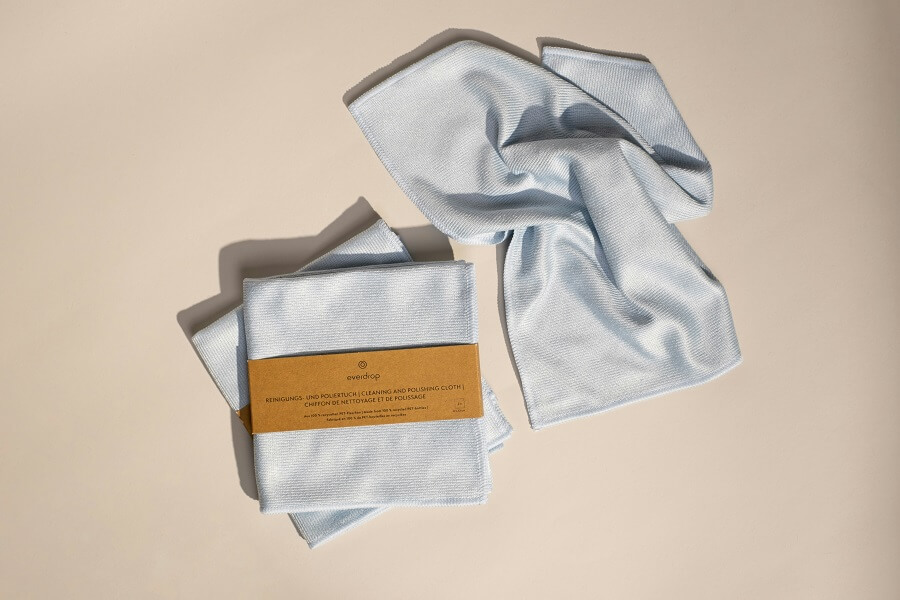
Folded microfibre cloths on a wooden surface in daylight, the free Clean Home basic

Most everyday cleaning needs no special product at all. A damp microfibre cloth and warm water lifts the large majority of everyday dirt, grease and dust, and removes much of the bacteria from a surface mechanically, by trapping and carrying it away rather than killing it in place. For a coffee table, a windowsill or a wiped-down worktop, that is the whole job.

The cupboard full of single-purpose sprays, one for glass, one for wood, one for “kitchen”, one for “bathroom”, is mostly a triumph of marketing over need. They tend to be the same handful of ingredients in different colours and scents, sold five times over. The Tools & Cloths edit is filtered to durable microfibre and brushes, which is where the actual cleaning power on most surfaces lives. Our piece on eco swaps for home goes through the rest of the cupboard cull.

“Kills 99.9% of germs” is the line that sells the sprays, and it is answering a question your living room is not asking. Disinfection matters in specific places at specific times. A side table on a Tuesday is not one of them.

What Deserves the Worry is the Air you Spray into

The genuine risk in home cleaning is respiratory, and it comes from spraying. In a 2018 study in the American Journal of Respiratory and Critical Care Medicine, researchers at the University of Bergen followed more than 6,000 people for over twenty years and found that women who cleaned at home with sprays had a measurably faster decline in lung function than those who did not. For women who cleaned for a living, the authors said the effect was only somewhat less than smoking twenty cigarettes a day for the same period.

The mechanism is mundane and avoidable. A trigger spray turns cleaner into a fine mist you then breathe, where a cloth or a wiped-on liquid does not. Add heavy fragrance, which is itself a common airway irritant, and a small bathroom with the door shut, and you have built the exposure the study measured. The cleaner being “natural” makes no difference to your lungs if you are aerosolising it.

The thing worth changing is not whether your cleaner counts as a chemical, it is whether you are spraying irritants into the air you breathe.

Two changes remove most of that risk for free. Wipe cleaner on from a cloth rather than misting it into the air, and open a window while you clean and for a while after. Fragrance-free formulas help too, which is one reason the back of the bottle beats the front.

Disinfect Where it Matters, not Everywhere

An open kitchen window in daylight, ventilation for a Clean Home

You do not need to disinfect your whole home, and trying to is the wrong target. Cleaning removes dirt and most microbes. Disinfection, killing what is left, only earns its place at a few moments: handling raw meat or poultry, caring for someone with a stomach bug or other infection, after using the toilet, and around bins and food waste. The rest of the house wants cleaning, not sterilising.

This is the idea hygiene scientists call targeted hygiene, and it is the opposite of the antibacterial-everything aisle. “To achieve change we have to blow the myth about being too clean,” says Professor Sally Bloomfield, Honorary Professor at the London School of Hygiene and Tropical Medicine and Chair of the International Scientific Forum on Home Hygiene, who has spent years arguing for cleaning the right things at the right times rather than blasting every surface with biocide. Where real hygiene matters, our Support Immunity edit overlaps with this, because not getting ill is mostly about hands and food surfaces, not living-room shelves.

Routine antibacterial sprays for general cleaning add cost and airway irritation without adding protection, and overusing biocides is its own problem. Clean broadly, disinfect narrowly.

The DIY Myths that Waste Money or Wreck your Worktops

The vinegar-and-bicarb internet is half right and half expensive mistake. White vinegar is a decent mild acid for limescale and grease, but it does not reliably disinfect, so it is not a substitute for a real disinfectant where one is needed. It is also acidic enough to etch and dull natural stone like marble, granite and limestone, and to damage some grout and finishes, so the worktop you are proud of is the one surface to keep it off.

Bicarbonate of soda is a fine gentle abrasive, but the viral trick of combining it with vinegar mostly cancels both out. An acid and a base react into water, a little salt and a satisfying fizz, and the fizz is the cleaning power leaving the building. Essential oils smell pleasant and are not disinfectants, whatever the “antibacterial” blend on the shelf implies.

One DIY rule is not a preference but a safety line: never mix bleach with vinegar, with ammonia, or with another cleaner. Bleach plus an acid releases chlorine gas, bleach plus ammonia releases chloramine, and both can send people to hospital. If you use bleach for the jobs that warrant it, use it on its own, with ventilation, and never as part of a homemade recipe.

So what is Worth Buying, and How to Choose it

A refillable concentrate cleaning bottle in daylight, the short Clean Home kit

Microfibre, water and an open window do most of the work, and they cost almost nothing. That is the honest starting point, and a product is never the first move. The gap is that a few jobs need real chemistry, and buying the right few, in the right format, is what keeps the cupboard short and the air clear.

The short kit is genuinely short. A general-purpose cleaner for most surfaces, a degreaser for the kitchen, a mild acid for limescale in the bathroom and kettle, and one proper disinfectant kept for the few jobs that need it. Buy those as concentrated refills rather than a shelf of ready-mixed sprays: you cut the packaging, you cut the per-use cost, and you stop paying to ship water around the country. The Multi-Purpose and Laundry Care edits are filtered to effective concentrated formulas, and the Refillable and Plastic Free ranges are where the refill side lives.

Two criteria do the choosing. Favour fragrance-free or low-fragrance versions, especially for anything you spray, because fragrance is the most common avoidable airway irritant in the cupboard. And read the back, not the front: ignore “chemical-free”, “non-toxic” and “antibacterial” on the label, and look instead at the ingredient list and whether the format is a mist or a wipe-on.

Room by room, what each actually needs. The kitchen wants a degreaser and good hygiene at the food-prep moments, not a different spray per cupboard. The bathroom wants a mild acid for limescale and a disinfectant kept for the toilet, with the fan on or the window open. Floors, glass and general surfaces want microfibre and warm water far more often than they want a product at all.

Buy the cloths and the refill before you buy the eleventh spray. If you would rather follow a fuller swap-by-swap version, our plastic-free living guide walks through the cupboard one product at a time.

Back to the Cupboard Under the Sink

Open that cupboard again and the problem was never the chemistry, it was the quantity. A row of single-purpose sprays, most of them the same thing in different scents, sold on a fear of a word that describes water as much as bleach. The home that is genuinely cleaner and easier on you is the one with fewer bottles, less spraying, a window open while you work, and disinfection saved for the handful of jobs that earn it.

None of that is chemical-free, because nothing is. It is just less, used better, and read more carefully.

The Refillable and Clean Home edits are filtered to the concentrated, fragrance-free formulas and durable tools that clear this bar, and our guide to a plastic-free cleaning cupboard sets out the short kit in full.

Frequently Asked Questions

Can you really clean your home without chemicals?

No, because everything is a chemical, including water and the dirt you are removing. What you can do is clean with fewer and gentler ingredients, far less fragrance, and much less spraying. Most everyday surfaces need only a microfibre cloth and warm water.

Does white vinegar disinfect?

Not reliably. Vinegar is a useful mild acid for limescale and grease, but it is not a registered disinfectant, so it should not replace one where real hygiene matters. It is also acidic enough to damage natural stone like marble and granite, so keep it off those worktops.

Are “non-toxic” or “natural” cleaning products safer?

The words themselves are unregulated and promise nothing. Plenty of natural substances are hazardous, and the dose and exposure matter more than the source. What actually makes a cleaner gentler is the ingredients, the fragrance level, and whether you spray it into the air or wipe it on.

Do you need antibacterial cleaners at home?

Mostly no. Cleaning removes most microbes, and disinfection only earns its place at a few moments, around raw meat, illness, the toilet and bins. Routine antibacterial sprays for general cleaning add cost and airway irritation without adding protection.

What is the minimum kit to clean a whole house?

Microfibre cloths, a general-purpose cleaner, a kitchen degreaser, a mild acid for limescale, and one proper disinfectant kept for the few jobs that need it. Buy the cleaners as concentrated refills, choose fragrance-free where you can, and open a window while you work.

The Case for Buying Organic

Each September in the UK, the Soil Association runs Organic September, a month-long campaign to raise awareness of what organic farming is, what it does for soil, wildlife and animals, and why it matters for what ends up on your plate and in your bathroom. You don’t have to wait for September to think about it. The case for organic holds all year round, and the easiest way to act on it is to pick the categories where you use the most and switch them over first.

The organic movement isn’t new. Interest in personal and environmental health built through the 1970s, and production expanded through the 1980s and 1990s, the same decades that saw official standards defining organic produce come in and grant aid for organic farming introduced across the European Union. The real public breakthrough came in the early 2000s, as consumers started joining the dots between diet, health and environment. Organic now covers fruit and veg, meat and dairy, fermented food and drink, beauty and toiletries, household textiles and clothing.

Here’s what organic actually means, why it’s worth the effort, and where to start.

What organic actually means

Organic is a system of farming and food production held to a strict set of standards. Growers and producers work without synthetic pesticides, manufactured herbicides or artificial fertilisers, follow higher animal welfare requirements, and aim to keep local ecosystems and soil healthy in the process. The Soil Association’s definition puts it simply: higher levels of animal welfare, lower levels of pesticides, no manufactured herbicides or artificial fertilisers.

What’s often missed is that organic isn’t only a food label. The same principles run through clothing (organic cotton, organic linen), beauty (plant oils and botanicals grown without synthetic pesticides), household textiles (organic cotton bedding and towels) and a growing list of other categories. If you’re trying to reduce the chemical load on the land, on farm workers and on the animals in between, organic certification is one of the clearest signals you can follow.

Why organic is worth the switch

Better for pollinators and wildlife

The UK Government’s National Pollinator Strategy set out the pressures on bees, hoverflies, butterflies, and other pollinators, with intensive agriculture named as one of the main drivers of decline. The UK Biodiversity Indicator for Pollinating Insects (JNCC, 2024) — the official government-commissioned measure covering 393 wild pollinator species — found an overall decrease in pollinator distribution of 23% compared to 1980, confirming that the pressure on pollinators has not eased despite conservation efforts.

The Soil Association reports that organic farms support around 50% more wildlife than non-organic equivalents, a figure consistent with a peer-reviewed meta-analysis of 94 studies published in the Journal of Applied Ecology, which found organic farming increases species richness by an average of 30% and has done so consistently across 30 years of published research, with the benefit greatest in intensively farmed regions.

Lower emissions and better soil

The Rodale Institute’s Farming Systems Trial, which has compared organic and conventional plots side by side for over 40 years, finds that organic plots use around 45% less energy, produce around 40% lower carbon emissions and build soil organic matter over time rather than depleting it. A 2025 study from the UK Centre for Ecology and Hydrology (UKCEH) and Rothamsted Research, published in collaboration with NERC and BBSRC funding, confirmed that agroecological farming — of which organic is a core example — promotes biodiversity and can support sustainable yields through increased ecosystem services, substituting for chemical fertilisers and pesticides.

None of this means organic is a silver bullet. Yields can be lower in some crops, and scaling organic to feed the world involves trade-offs worth having open arguments about. What it does mean is that every time you pick an organic version of something you were going to buy anyway, you are supporting a system that is measurably kinder to insects, soil and the farmers working the land.

Organic farms support around 50% more wildlife than non-organic equivalents.

Start with what you use every day

The easiest place to build an organic habit is in the things you already use daily: food, drink, and what you put on your skin. You’re in contact with them multiple times a day, they get used up and replaced regularly, and the quality gap between organic and non-organic is often the most obvious.

Organic food and drink

Fermented foods are one of the best categories to start with because the difference between raw, unpasteurised organic ferments and mass-market supermarket versions is genuinely noticeable. Traditional sauerkrauts and kimchis, kvass and live ferments carry the friendly bacteria that often get pasteurised out of mainstream fermented products. A 2019 review in Nutrients found that regular consumption of fermented foods is associated with improved gut microbial diversity and markers of digestive health. Browse the Fermented Foods edit for options.

For everyday staples, the Pantry covers grains, oils, pulses and baking goods produced without synthetic pesticides or artificial fertilisers. Organic versions of the highest-turnover items in your kitchen (oats, flour, olive oil, rice) compound quickly, because these are the products you buy most often.

Organic beauty and body care

The ingredients on the outside of a bottle eventually end up on the inside of your skin, which is why organic beauty matters. The Soil Association’s COSMOS organic standard certifies beauty products that meet organic farming requirements for their plant ingredients and exclude a long list of synthetic chemicals. Look for that mark specifically, since ‘natural’ and ‘organic’ are used loosely in beauty marketing but only certified organic carries the actual audit behind it. Browse the skincare edit to filter by certification.

Oral care is one of the worst-offending corners of the bathroom for single-use plastic, and one of the best places to make an organic and zero-waste switch at the same time. Toothpaste in glass jars, toothpaste tablets, floss in reusable packaging and compostable toothbrushes now come in organic formulations that work as well as the mass-market versions. Browse the Oral Care edit.

Making organic an everyday choice

Organic September is a good annual prompt, but the real point of it is the habit it tries to build. If you take one month to audit your kitchen cupboards and bathroom shelf, and swap two or three staples for organic versions the next time they run out, you’re most of the way there. You don’t need to replace everything at once.

For more on the broader picture, read our guide to eco swaps for food and drink and our breakdown of eco swaps for beauty.

Every brand in the Food and Drink and Beauty and Self-Care categories on Ziracle has passed the same standard: honest ingredients, transparent supply chains, and certifications that actually mean something. For products that meet the organic standard specifically, filter by Organic across both departments.

Ready to shop? Take Organic September as the nudge to start building organic into your everyday shop.

FAQs

What does the organic label actually guarantee?

In the UK, ‘organic’ is a legally protected term under UK organic farming regulations enforced by Defra. For food, it guarantees production without synthetic pesticides, manufactured herbicides, or artificial fertilisers, alongside higher animal welfare standards and audit trail requirements, certified by bodies such as the Soil Association or OF&G. For beauty, the COSMOS organic standard covers plant ingredients grown to organic farming requirements, plus the exclusion of a specific list of synthetic chemicals. Anything not certified can legally be called ‘natural’ or ‘botanical’ but can’t be called ‘organic.’ If you’re paying for the premium, check for the actual certification mark.

Is organic food actually better for you than conventional food?

The evidence on direct nutritional benefit is mixed. Some studies have found slightly higher levels of certain antioxidants and omega-3s in organic produce, but the effect sizes are modest. The clearer benefits are indirect: lower pesticide residue exposure, higher animal welfare standards, and support for farming systems that are better for soil, pollinators and farm workers. The case for organic is stronger on environmental and ethical grounds than on direct nutritional ones, though both arguments sit in the mix.

Why is organic food more expensive?

Because the production costs are higher. Organic farming is more labour-intensive, yields are often lower in some crops, and certification involves ongoing audit fees. The price reflects what food costs to produce without shortcuts. Fast food and conventional produce prices are only possible because external costs (pesticide pollution, soil degradation, low farmer incomes) are absorbed somewhere else in the system. Organic prices are closer to the real cost. That doesn’t make it universally affordable, which is why targeting the staples you use most is usually the pragmatic starting point.

Which categories give the biggest benefit when I switch to organic?

The categories where you use the most, where pesticide residue is highest, and where you’re in closest contact. For food, fruit and vegetables with edible skins (apples, strawberries, grapes, leafy greens) typically carry the highest pesticide residues, so switching those first gives the clearest direct benefit. For beauty, anything leave-on (moisturisers, serums, body lotions) is in contact with your skin longest, so organic certifications matter more there than on rinse-off products.

What’s the difference between ‘natural’ and ‘organic’?

In food and beauty, ‘natural’ is a marketing term with no legal definition. It can mean anything from ‘contains some plant ingredients’ to ‘mostly synthetic but derived from natural sources.’ ‘Organic’ is a regulated term that requires independent certification against a specific standard. If the label says ‘natural’ but not ‘certified organic,’ it’s a marketing claim rather than an audited one. Look for the certification body’s logo (Soil Association, OF&G, COSMOS Organic) to know you’re getting the real thing.

Can Leather Be Sustainable

The fashion industry has a long way to go on sustainability. As shoppers push brands to clean up their environmental impact and show their working on ethics and transparency, fashion houses find themselves caught between people, planet and profit. That tension is nowhere more visible than in the debate around leather.

Search data from fashion search platform Lyst has tracked the shift clearly in its recent Conscious Fashion Reports, with interest in vegan and plant-based materials rising steadily year on year while interest in conventional leather has softened. Shoppers are voting with their keyboards. The material itself is still catching up.

So why are many brands still dragging their feet? Because leather is lucrative. According to Grand View Research, the global luxury leather goods market was valued at over $50 billion in 2023, with continued growth projected through the rest of the decade. That’s a serious revenue pool to walk away from on principle, and it helps explain why the industry has been slow to change.

Is traditional leather sustainable?

Supporters of the leather industry often argue that leather is sustainable because it’s a natural, biodegradable material that uses waste from meat production. On the surface, the case sounds neat. Meat is produced anyway, hides would otherwise be discarded, and turning them into a durable material is better than landfilling them.

The argument misses the point. Commercial cattle farming is itself a major contributor to the environmental impact of global consumption. Figures from the Food and Agriculture Organization of the United Nations’ most recent assessment, Pathways towards Lower Emissions (2023), put the livestock sector at approximately 12% of all human-caused greenhouse gas emissions — equivalent to 6.2 billion tonnes of CO₂ per year — with cattle responsible for around 62% of that total. Depending on the methodology used, including full supply chain accounting, the range cited across peer-reviewed studies runs from 12% to over 19%. The direction of the evidence is unambiguous: the scale is large and growing without intervention.

The tanning process that turns raw hides into leather also involves heavy use of chemicals, particularly chromium salts. A 2021 review in the Journal of Cleaner Production documented how chromium from tannery wastewater can leach into soil and water systems and cause long-term contamination in communities near production sites, which are disproportionately in lower-income countries. With that kind of footprint sitting behind every hide, the argument that leather is a clean waste product doesn’t hold.

Calling leather sustainable because it’s a meat byproduct ignores the entire industry that creates the hides in the first place. So what’s the alternative?

The problem with faux leather

Faux leather was initially pitched as the more ethical answer to animal leather, and it has genuine advantages. These materials use no animal byproducts, which makes them vegan and cruelty-free. For anyone trying to avoid contributing to animal agriculture, that’s a meaningful win.

The catch is what they’re actually made from. The most common faux leathers on the market are petroleum-based plastics: polyvinyl chloride (PVC) and polyurethane (PU). Both are fossil-fuel-derived, both release toxins during manufacture, and both shed microplastics as they wear. According to the European Environmental Bureau’s 2021 assessment, PVC in particular carries a heavy burden across its lifecycle, which is why it’s been progressively phased out by many major fashion brands. PU production has also improved, with water-based polyurethane dispersion reducing the solvent load and pushing performance closer to what traditional leather offers.

That’s progress, but it isn’t the answer. PVC and PU are both non-biodegradable and add directly to the growing pile of global plastic waste. Vegan-friendly faux leathers aren’t the eco-friendly alternative the industry actually needs.

Vegan and sustainable aren’t the same thing.

Enter plant-based leathers

Plant-based leathers are the most interesting development in this space. They use agricultural waste or low-impact crops to produce materials that look and behave like leather, without the animal hide and without the plastic backbone. From pineapple leaves to cactus pads to grape skins, here are three of the most promising alternatives changing what’s possible.

1. Piñatex

Credit: Ananas Anam, the makers of Piñatex®

Piñatex, developed by Ananas Anam, is produced using the cellulose fibres of pineapple leaves that are a byproduct of the pineapple fruit industry. Because the raw material is an existing waste stream, no additional land, water or fertiliser is needed to produce it. It contains none of the harmful toxins found in traditional animal leather or conventional faux leather. The material is used by brands ranging from small independents to larger fashion houses including H&M and Hugo Boss, and has been certified as a PETA-Approved Vegan material.

2. Cactus leather

Credit: Bohema Clothing

Cactus leather, most notably Desserto, is made in Mexico from nopal cactus. Cactus plants naturally absorb a high volume of CO2 as they grow, and they can help regenerate soil in degraded areas thanks to their resilience and low water demand. The production process uses only the mature leaves of the plant without damaging it, allowing the same plants to be harvested repeatedly. No additional land or environmental resources are needed to scale the material.

3. Wine leather

Credit: ACBC

Wine leather (the best-known being Italian innovator Vegea) is made using pomace: the skin, seeds and stalks of grape clusters left over from winemaking. According to the International Organisation of Vine and Wine’s 2024 State of the World Vine and Wine Sector report, global wine consumption stood at 214 million hectolitres in 2024 — generating substantial volumes of grape pomace (skins, seeds and stalks) as a byproduct, which gives wine leather a reliable and substantial supply of raw material at no additional agricultural cost. The production process has low environmental impact, low production costs, and no polluting substances. It comes from a renewable source and needs no additional resources to produce.

What these materials still need to prove

Plant-based materials are a clear improvement on both hide and conventional faux leather, but many are still works in progress. Most plant-based alternatives on the market today are blended with polyurethane or other petroleum-based resins to give them the feel, strength and flexibility that leather is prized for. That means the finished material isn’t fully plant-based and isn’t fully biodegradable at end of life.

The industry is working on it. Fully plant-based, compostable versions are appearing in limited runs, and recycling pathways are being developed. Mushroom-based leathers like MycoWorks‘ Reishi and Bolt Threads‘ Mylo have attracted significant investment and brand partnerships, with the potential to remove the PU backing entirely over time. Shoppers should know that buying a plant-based leather bag today isn’t the same as buying a compostable one. It’s a better option than hide or plastic, but it isn’t a closed-loop material yet.

Progress, not perfection

The honest answer to whether leather can be sustainable is: it’s complicated. No single material is the hero of the story. Animal leather carries a heavy climate and welfare cost. Plastic faux leather trades one problem for another. Plant-based alternatives are the most promising option by a distance, but they aren’t yet a finished solution.

What you can do is buy less leather overall, make what you own last, and choose better alternatives when you do buy new. For the broader picture, read our guides to eco swaps for fashion and why sustainable fashion costs more.

Every brand in the Apparel and Style category on Ziracle has passed the same standard: kind to the people making the clothes, transparent about materials and supply chain, built to last longer than a season. For anyone avoiding animal products specifically, filter by Vegan and Cruelty Free to find pieces made without hides. For footwear, the Footwear edit carries options using recycled, natural and plant-based materials.

Ready to shop? Browse the Vegan edit and pick pieces that work for your wardrobe.

FAQs

Is leather actually a waste product of the meat industry?

In accounting terms, hides are a secondary output of cattle raised primarily for meat and dairy. But treating leather as a pure waste product ignores the scale of the industry it depends on. The FAO’s 2023 Pathways towards Lower Emissions report estimates livestock agrifood systems account for approximately 12% of global greenhouse gas emissions — 6.2 billion tonnes of CO₂ equivalent per year — with cattle responsible for around 62% of that sector total. The tanning process adds a separate footprint through chromium use and wastewater impact. Leather is only a waste product if you’ve already decided the industry producing it is acceptable. The tanning process adds a separate footprint through chromium use and wastewater impact. Leather is only a waste product if you’ve already decided the industry producing it is acceptable.

Is vegan leather always better for the environment?

No. Most vegan leathers on the market are polyurethane or, less commonly now, PVC. Both are petroleum-derived plastics that shed microplastics and don’t biodegrade. They’re better than animal leather on welfare grounds and often on emissions per square metre, but they create a different environmental problem in their place. Plant-based alternatives (Piñatex, cactus leather, wine leather, mushroom leather) are the option that addresses both welfare and material footprint, though most still include some PU backing for durability.

How do I tell if a bag or pair of shoes uses real plant-based leather?

Look for named materials rather than generic “vegan leather” descriptions. Piñatex, Desserto, Vegea, Mylo and Reishi are specific trademarked materials with traceable supply chains, and brands using them tend to say so explicitly on the product page. “Vegan leather” without further detail is usually polyurethane. Certifications help too: PETA-Approved Vegan is a baseline signal, and Cradle to Cradle certification indicates the material has been assessed for end-of-life impact.

Is plant-based leather as durable as animal leather?

For most uses, yes. Piñatex, cactus leather and wine leather are designed to meet the performance standards of the products they’re used in, and major fashion houses including Hugo Boss and H&M have incorporated them into mainstream collections. Durability depends more on the construction of the finished product than the base material. A well-made plant-based bag will outlast a badly-made leather one. The area where plant-based materials still lag slightly is in heavy-duty applications like work boots or saddlery, where traditional leather retains specific properties that haven’t yet been fully replicated.

Should I throw out my existing leather items?

No. The most sustainable item you own is the one you already have, regardless of what it’s made of. The manufacturing impact is already sunk. Wear and repair what you’ve got until it wears out. When it does, replace with a plant-based or recycled alternative. Throwing away wearable items to replace them with greener versions is counterproductive on both environmental and financial grounds.

Most beauty sold as “eco” is a bottle with a leaf on the label. The brands actually doing the work redesigned the packaging out at the product stage, not bolted a recycling scheme onto the end. The difference shows in the bathroom cabinet over a year. One kind fills your bin with plastic you cannot recycle. The other is a set of reusable containers you top up.

The scale of the problem is not a small one. The British Beauty Council confirms that the global cosmetics and personal care industry produces over 120 billion units of packaging a year, most of it not meaningfully recyclable — with only 14% of beauty packaging making it to a recycling plant in the UK, and just 9% actually recycled. The rest goes to landfill or incineration. The UN Environment Programme’s Beat Plastic Pollution data confirms that across all plastic categories, only around 9% of all plastic ever produced globally has been recycled since 1950. Beauty is one of the single biggest contributors.

This guide is format-led rather than brand-led for a reason. Brands come and go, packaging claims drift over time, and what matters most when you shop is what the container is, not whose name is on it. Five formats, six questions, and a clearer sense of where your money is actually working.

01. Refillable compacts for colour cosmetics

The easiest wins sit in makeup. Mineral pigments compress cleanly into a pan, which means blushes, bronzers, eyeshadows and pressed powders can live inside a refillable compact you keep for years. Good systems use a bamboo or aluminium outer case and a drop-in pan that pops out when the colour runs down.

plastic free eye shadow palette
Brand: BAIMS Natural Makeup

What to look for: a brand that commits to backward compatibility, so a refill you buy in three years still fits the compact you bought today. Refills usually come in around 30 to 40% cheaper than a new full-size compact, which means the maths works before you factor in the packaging saved. The systems that fail are the ones where the brand redesigns the compact every eighteen months and leaves you with a drawer of obsolete shells.

Mineral pigments have the secondary benefit of working well on reactive skin. No emulsifiers to stabilise a liquid formula, no preservatives for a water-based one, fewer triggers across the board. If you are building a low-waste routine from scratch, start here. Browse our full Colour & Cosmetics edit for the refillable-first options.

02. Solid bars for skin and body

Solid cleansers, shampoo bars and body bars are the format most people try first, and the one most people abandon fastest if they pick a bad one. The problem is not bars. The problem is bad bars.

Brand: Beauty Kin

A cold-processed soap made with actual oils (olive, coconut, shea) cleans without stripping skin. A syndet bar -built on synthetic surfactants at skin-neutral pH -works for people who react to traditional soap. Either can be genuinely good. What to avoid is a commodity soap bar with a “natural” sticker, which typically is neither gentle nor particularly natural.

One well-made body bar replaces two to three standard bottles of liquid body wash. The water is gone, so the packaging is smaller, the shipping is lighter, and you are not paying to ship liquid around the country. A 2024 lifecycle assessment by CarbonBright found that shampoo concentrate in standard packaging produced around 1.01 kg of CO2 equivalent per use versus 1.25 kg for a full-size liquid bottle, with solid formats cutting the footprint further — a finding consistent with the Ellen MacArthur Foundation’s analysis that concentrated and solid formats are among the highest-impact switches available in personal care. The format works. The ingredient deck on the back tells you whether the specific bar works.

03. Shampoo and conditioner bars that actually wash

First-generation shampoo bars were scratchy. Second-generation ones are not. A sulphate-free, silicone-free bar delivers roughly 50 to 80 washes per bar if you store it properly, which roughly equates to two to three standard shampoo bottles.

refill vegan haircare
Brand: Indie Refill

The failure point is always storage. Leaving a bar in a puddle at the bottom of the shower is how you lose it in a fortnight. A draining dish, or better a tin that doubles as a travel case, is non-negotiable. Conditioner bars are the harder format to get right and where cheap bars quickly announce themselves on fine hair. Look for vegetable glycerin, cocoa butter or shea in the ingredient list rather than surfactants alone.

The Ellen MacArthur Foundation’s work on circular business models in beauty identifies personal care as one of the highest-impact categories for the switch from single-use to refill. Daily-use products compound fastest, which is exactly why shampoo is worth the effort.

04. Dental and deodorant, where daily use adds up

A toothbrush is replaced every three months. A lifetime of plastic brushes is a small pile of unrecyclable plastic no council stream touches. A bamboo handle with a replaceable bristle head cuts the waste to the bristle tuft. A stainless steel handle with a snap-in bamboo head does better again and lasts years.

Natural Vegan Deodorant
Brand: Kutis Skincare

For toothpaste, look for toothpowder in a glass or aluminium tin, or chewable tabs in cardboard or refillable glass. Fluoride versions of both exist for anyone following NHS guidance on cavity prevention, which recommends fluoride toothpaste for all ages. Fluoride-free options exist too, if that is your preference, though the dental case for fluoride is strong.

For deodorant, a solid stick in a cardboard push-tube or a refillable aluminium case works for most people. Look for plant waxes, mineral powders and bicarbonate-based formulations rather than aluminium salts. Application is slightly different from a spray or roll-on and takes about a week to adjust to. After that most people find they prefer it.

05. Tools that last

Reusable cotton rounds in organic cotton or bamboo terry replace the disposable pads most removers are formulated around. A set of twelve, washed weekly with a bag of laundry, lasts a year or more. A good bamboo-handled brush with synthetic bristles, kept clean, outlives three generations of disposable applicators.

bamboo safety razor
Brand: Clean U Skincare

A well-made tool you keep for years beats any number of disposables.

For face tools -jade rollers, gua sha, dermarollers -the sustainability case runs the other way: longevity is automatic if the material is solid (stone, metal, glass). The question there is whether the tool does what the brand claims. Most of the evidence for facial-massage tools is anecdotal. They are pleasant to use. They move lymph. They do not replace sunscreen, sleep, or retinol.

Where to start on Ziracle

Every brand in our Beauty and Self-Care edit has passed the same standard: honest ingredients, transparent production, and packaging that earns its place rather than just its marketing. Filter by Plastic Free for the zero-waste formats, or by Refillable for the refill-first systems. For the wider view on swaps across the category, see our eco swaps for beauty guide.

If reactive or sensitive skin is why you started looking at this, Healthy Skin is the goal page we most often point people to.

Zero waste beauty is not a discipline of self-denial. The formats exist, the performance holds up, and the maths works the moment you commit to the first compact, the first bar, the first handle. Everything after that is refills.

FAQs

What actually makes a beauty brand “zero waste”?

A brand that designed the packaging out at the product stage, not one that bolted a recycling scheme onto the end. That means refillable formats, solid formulations, compostable wrappers or reusable containers as the default, not as a premium upsell. A useful test: if the brand’s lowest-waste option is also its cheapest per use, the model is genuine. If the zero-waste line is the premium tier, the strategy is marketing.

Do shampoo bars really last longer than liquid shampoo?

A well-formulated bar gives roughly 50 to 80 washes, which is about two to three bottles of standard liquid shampoo. The variable is storage. Keep the bar on a draining dish or in a tin that doubles as a travel case, and let it dry between uses. A bar left in a puddle dissolves in a fortnight. If you travel a lot, the format also clears airport liquid rules without a second thought.

Are refillable makeup compacts actually compatible across years?

Only if the brand commits to backward compatibility. Ask before you buy the first compact whether refills bought in two or three years will still fit the current shell. The good systems guarantee this, because the whole point of the format is retention. A refill system that goes obsolete every eighteen months is the worst of both worlds.

Is solid dental care as effective as toothpaste from a tube?

Toothpowders and chewable tabs with fluoride deliver the same active ingredient as standard toothpaste and meet the same dental guidance. The format has matured past its early limitations. The British Dental Association’s fluoride recommendations apply whether your paste arrives in a tube or a tin. Fluoride-free versions exist for anyone who prefers them, but the cavity-prevention case for fluoride is strong and worth knowing.

Do zero waste beauty products cost more?

Sometimes at the first purchase, almost never across a year. Refills typically come in 30 to 40% below the full-format price, and a solid bar outlasts the bottled equivalent by a factor of two or three. The payback usually sits inside the first re-purchase cycle. The exception is the very cheapest mass-market products, which are hard to beat on headline price but always beat on total cost of ownership.

Best Sustainable Clothing Brands

Most sustainable fashion guides solve for length, not quality. This list is shorter. Every brand here has already passed the same standard.

Fifty brands. A hundred brands. All with the same certifications listed in the same order, none of them properly interrogated.

This list is shorter. That is the point. Every brand here has already passed the same standard, on what it is made from, how it is made, and whether the people making it are treated fairly. We checked. You can shop.

Why most sustainable fashion lists are not worth trusting

The problem with most sustainable brand roundups is not bad intent. It is that “sustainable” has become a label anyone can apply to anything. A brand using organic cotton in one product line while the rest of the range runs on virgin polyester from an unaudited factory can still call itself sustainable. The certifications help, but they vary enormously in what they actually require.

The scale of the problem is worth knowing. According to the UN Environment Programme’s 2025 Annual Report, the textile industry produces between 2 and 8 per cent of global greenhouse gas emissions and consumes the equivalent of 86 million Olympic-sized swimming pools of water every year. The UN Secretary-General warned in March 2025 that the fashion industry is responsible for up to 8 per cent of global greenhouse gas emissions — more than international aviation and maritime shipping combined and that the industry generates 92 million tonnes of textile waste annually, a figure UNEP projects will exceed 134 million tonnes by 2030.

The Ellen MacArthur Foundation’s landmark A New Textiles Economy report found global clothing production doubled between 2000 and 2015 while the duration of garment use fell by 36 per cent, and the Circularity Gap Report Textiles (November 2024) found that only 0.3% of the 3.25 billion tonnes of resources consumed by the global textile industry each year come from recycled sources. The Geneva Environment Network’s 2024 sustainable fashion update, drawing on World Bank data, confirms the industry remains responsible for around 20% of industrial wastewater pollution worldwide.

Behind those numbers are supply chains that routinely underpay garment workers and use chemical processes that contaminate local water sources. Knowing this, the reader who cares still faces the same problem: figuring out which brands are actually doing things differently, and which ones are doing the minimum to use the word. For more on the economics behind this, read our guide to why sustainable fashion costs more.

That work is what Ziracle exists to do. The brands below are not here because they have a good story. They are here because the story checks out.

What actually makes a clothing brand sustainable

Three things need to be true at once, and most brands only manage two.

Materials. Organic cotton, linen, hemp, TENCEL, recycled polyester and deadstock fabrics all have meaningfully lower environmental footprints than virgin conventional alternatives. GOTS certification (Global Organic Textile Standard) is the most rigorous materials standard available. It covers the fibre, the processing and the manufacturing stages.

Production. Where and how a garment is made matters as much as what it is made from. Fair Trade wages, safe conditions and supply chain transparency are the baseline. B Corp certification covers this most rigorously. B Lab launched V2.0 of the standards in April 2025, with V2.1 following in August, replacing the old points-based system with mandatory performance requirements across seven Impact Topics: Purpose & Stakeholder Governance, Climate Action, Human Rights, Fair Work, Environmental Stewardship & Circularity, Justice Equity Diversity & Inclusion, and Government Affairs & Collective Action. A brand can no longer score well on one and scrape by on another.

Longevity. A sustainably made garment that falls apart after ten washes is not a sustainable purchase. Construction quality, design that holds up beyond a single season, and circularity programmes – take-back, repair and recycling – are what separate properly considered brands from those doing the minimum.

The brands worth buying from

Every brand on Ziracle has already passed the bar on materials, production and ethics. The list below is shorter than most. That is how it should be.

01. Komodo

Komodo is the one that earns the “original” claim on merit. Founded in 1988, before ethical fashion had a name, by a founder who built relationships with small factories in Bali, Nepal and India and simply kept them. The collections use GOTS certified organic cotton, recycled wool, lambswool, TENCEL and hand-woven fabrics.

The supply chain page names the factories and explains the relationships. Broad range across women’s clothing and men’s, with the kind of design confidence that comes from more than 35 years of doing this properly. The benchmark against which most other ethical fashion brands should be measured.

02. Sutsu

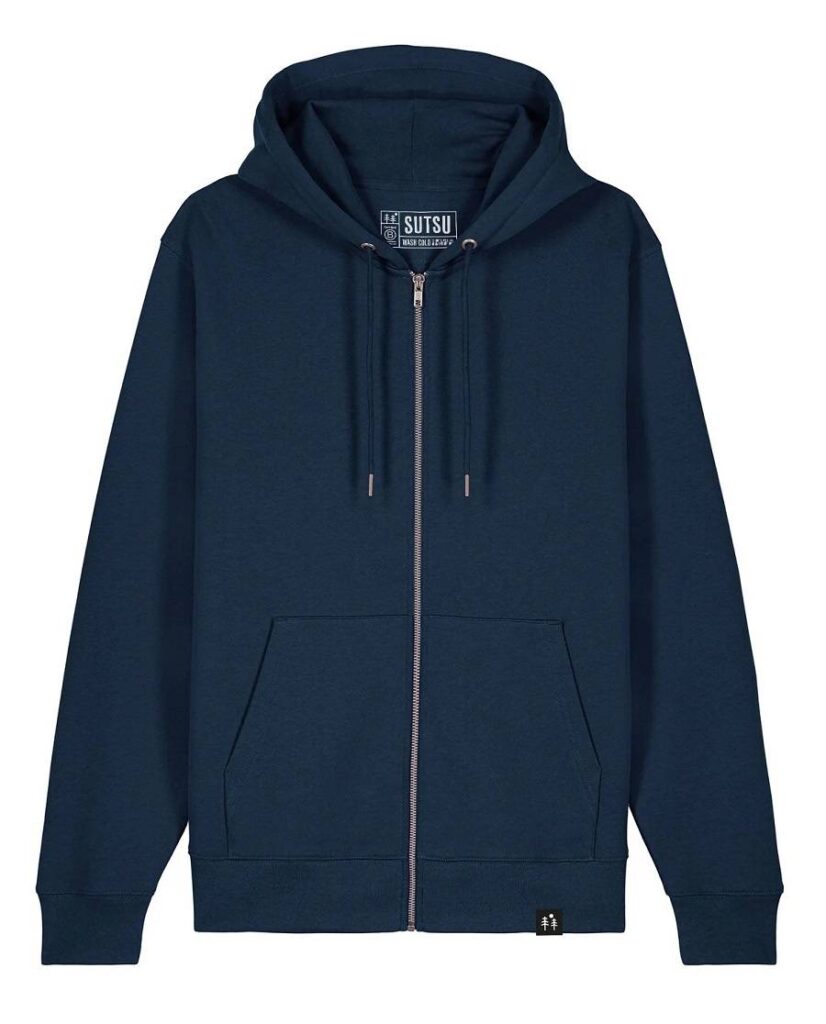
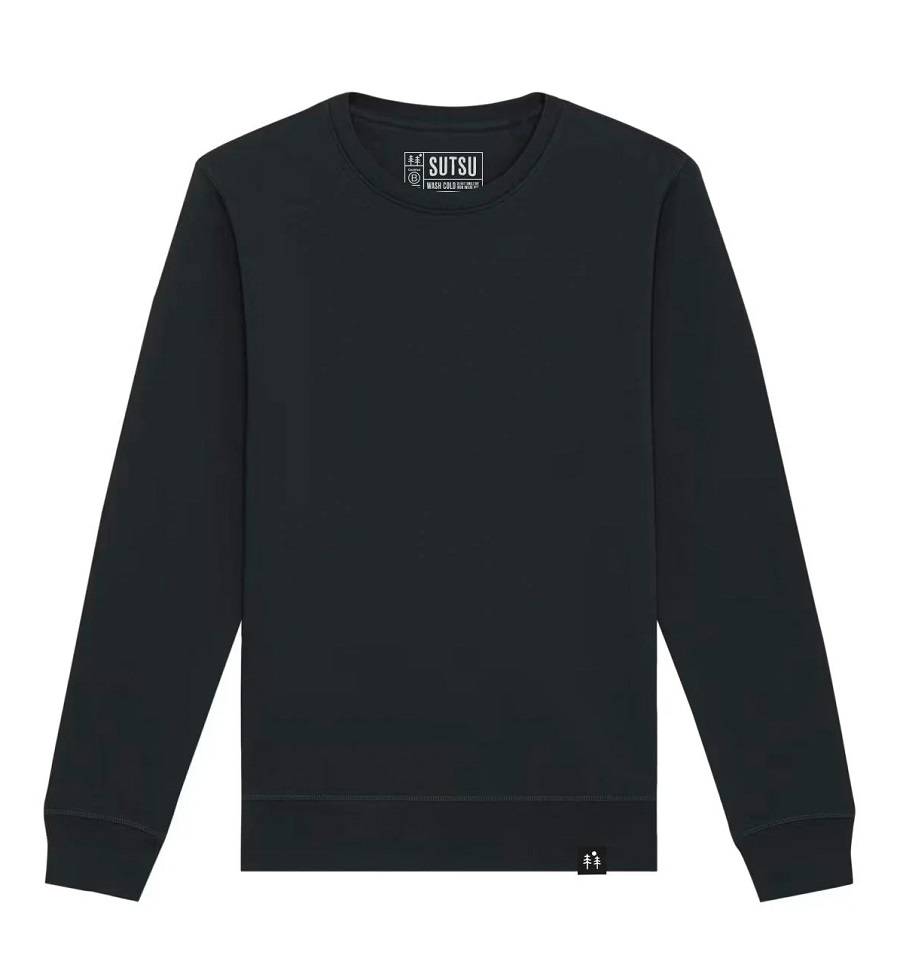
Sutsu has solved one of the biggest problems in sustainable fashion: overproduction. They hold no stock at all. Every garment is made when you order it, which eliminates waste at the manufacturing stage entirely. B Corp certified, Fair Wear Foundation suppliers, organic cotton and recycled fibres, PETA approved Vegan, OEKO-TEX Standard 100.

Six trees planted per order, and every product page shows what it costs to make. The adventure-led, unisex aesthetic wears its ethics so lightly you barely notice them, which is exactly right.

03. Swole Panda

Swole Panda makes some of the softest bamboo basics available in the UK. Breathable bamboo socks and boxers, vegan leather accessories, considered design with sustainability built into every material choice. For anyone looking to upgrade the unglamorous end of their wardrobe, this is where to start.

04. Mirla Beane

Mirla Beane was founded specifically to challenge the idea that ethical fashion means basic fashion. Co-founders Lauren and Melanie spent decades in the industry before launching a brand that proves design-led and sustainable are not mutually exclusive. Bold prints, natural and organic fabrics, local manufacturing. For anyone who has found the rest of the ethical fashion market a bit beige, this is the brand to know.

05. Law Design Studio

LAW Design Studio makes some of the most considered slow fashion in the UK. Linen and organic cotton, made-to-order in Glasgow, with bespoke hems and full supply chain transparency. For anyone who has been meaning to buy fewer, better clothes that actually last, this is where to start.

06. SPA

SPA makes some of the most considered streetwear staples in the UK. Heavyweight organic cotton tees and hoodies, made in England from GOTS-certified cotton with vegan dyes, on renewable energy with a zero-waste cutting model. For anyone after wardrobe basics that are built to outlast the trend cycle, this is where to start.

07. Ration.L

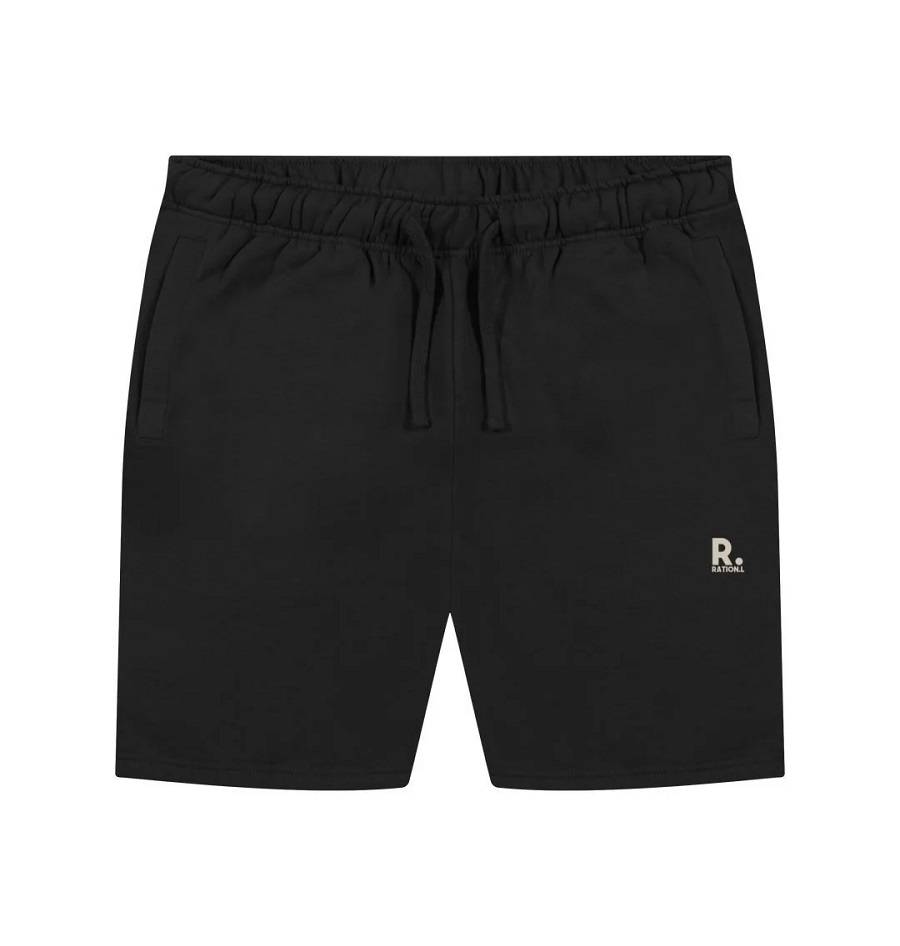
Ration.L makes vegan, gender-neutral trainers and accessories from recycled and cruelty-free materials, produced using renewable energy in ethical factories. Female-founded and designed in Britain, with 5% of profits going to the Brain and Spine Foundation. From £70 a pair, one of the more accessible entry points in properly sustainable footwear.

08. Shinjuku Lanes

Shinjuku Lanes makes some of the most distinctive sustainable accessories in the UK. Bamboo sarongs, scarves spun from recycled bottles, and origami tote bags, designed between London and Tokyo with biodegradable packaging and carbon-offset delivery. For anyone who wants a finishing piece that earns its place, this is where to start.

09. Leiho

Leiho makes feel-good bamboo socks and organic cotton basics with a purpose built in. Every purchase provides essentials to someone experiencing homelessness in the UK, through partnerships with grassroots charities. For anyone who wants the small, everyday buys to actually count for something, this is where to start.

10. Heiko

Heiko Clothing makes some of the most wearable statement basics in the UK. Organic and recycled cotton tees, sweatshirts and totes, made with Fair Wear or Fairtrade certified suppliers and shipped in fully biodegradable packaging. For anyone who wants an everyday tee that says something and still holds up wash after wash, this is where to start.

What should you look for when shopping beyond this list?

If you are buying from a brand not on Ziracle, these are the signals worth checking.

B Corp certification is the most meaningful single credential, because it audits the whole business across the seven Impact Topics rather than the product alone. GOTS covers organic textile processing end to end. Fair Trade and Fair Wear Foundation certifications address worker welfare specifically. A brand that names its factories and publishes its materials sourcing is doing more than most.

Vague language is the tell. “Eco-conscious,” “sustainably inspired” and “made with care for the planet” mean nothing specific. When a brand is doing things properly, it can say exactly what and exactly where.

How to build a wardrobe that holds up

The most sustainable item of clothing is the one you already own. The second most sustainable is the one you will still be wearing in five years.

Cost per wear is a more useful frame than price per item. A £120 jacket worn 200 times costs 60p per wear. A £30 jacket worn ten times costs £3. The maths of fast fashion only works if you do not do the maths.

Buy fewer things, from brands that make them properly. Wear them until they are worn out. Then return, repair or recycle where programmes exist.

The industry has spent years making this feel complicated. It is not. Buy less, from people who have already done the homework. Browse Apparel and Style and filter by Fair Trade, Organic or B Corp to see every brand that has passed the standard.

FAQ

How do I know if a sustainable fashion brand is actually sustainable?

Look for three things at once: credible materials certifications like GOTS for textiles, business-wide certifications like B Corp for governance and workers, and specific supply chain transparency. A brand that names its factories, publishes its materials sources and holds at least one third-party certification is doing more than most. Vague language and glossy imagery are the tell.

What is the difference between GOTS and Fair Trade certification?

GOTS is a materials certification: it covers organic fibre processing and manufacturing from fibre to finished garment. Fair Trade focuses on worker welfare, guaranteed minimum pricing and community investment. They answer different questions. A GOTS garment is made from properly processed organic material. A Fair Trade garment is made by people paid fairly. The strongest brands hold both.

Is buying secondhand more sustainable than buying new from a sustainable brand?

Usually, yes. The most sustainable item of clothing is the one already in circulation, because the environmental cost of production has already been paid. The more interesting question is what to do when secondhand does not work for the piece you actually need. Buying one well-made garment from a transparent brand, then wearing it for a decade, sits comfortably alongside buying secondhand as the honest answer.

Is a £120 jacket really better than three £30 ones?

On cost per wear, almost always. A £120 jacket worn 200 times costs 60p per wear. A £30 jacket worn ten times costs £3. The maths of fast fashion only works if you do not do the maths. Construction and fabric quality are what let a garment reach 200 wears in the first place.

Which values filters should I prioritise when shopping on Ziracle?

For clothing, Fair Trade and Organic cover the two most load-bearing claims: fair labour and materials that do not depend on heavy pesticide use. B Corp sits on top of both, because it audits the whole business. If animal welfare matters most, filter Vegan. If the garment’s end-of-life matters most, look for brands with active take-back programmes in their product pages.

Why Sustainable Fashion Usually Costs

Sustainable fashion usually comes with a higher price tag than fast fashion when you compare the sticker prices side by side. Look past that, and the numbers tell a different story.

Ethical fashion brands are committed to safe working conditions and fair wages for garment workers. They use higher-quality materials and design pieces to last. That costs more than clothing made in exploitative conditions with poor fabrics and finishes. What feels expensive at checkout is often cheaper over the life of the garment. The maths is worth doing properly once.

What fast fashion prices actually hide

A £20 fast fashion dress isn’t a fair benchmark for what a dress costs to make. The 2023 Fashion Transparency Index, published by Fashion Revolution, found that 99% of the 250 major brands reviewed still do not disclose the number of workers in their supply chain being paid a living wage — a figure that has not improved despite the index running for eight consecutive years. As Fashion Revolution confirmed ahead of its 2024 and 2025 editions, in-work poverty has actually deepened at worker level even as overall brand disclosure scores have risen marginally. The low price on the tag is subsidised by someone, somewhere in the supply chain, absorbing the real cost.

Sustainable fashion prices are closer to what clothing costs when the people making it are paid properly and the materials are chosen for durability rather than the lowest possible unit cost. That doesn’t make fast fashion affordable. It makes fast fashion artificially cheap.

The most sustainable clothing is what you already own

Before buying anything new, there’s a hierarchy worth working through. Artist Sarah Lazarovic’s Buyerarchy of Needs sets it out in order: use what you have, then borrow, then swap, then buy secondhand, then make, and only then buy new. The point isn’t to guilt anyone out of buying. It’s to remind us that the most sustainable garment is usually one that already exists.

Image shows a pyramid illustration with 6 layers, depicting the stages recommended that we check. Buy, make, thrift, swap, borrow, use what you have.

Sometimes buying new is necessary. Clothes wear out. Bodies change. Circumstances shift. The useful question isn’t whether to buy new. It’s what to buy, how often, and from whom.

Cost per wear: the real maths

Cost per wear is simple: price divided by number of times worn. The Ellen MacArthur Foundation’s landmark New Textiles Economy report found that clothing utilisation — the number of times a garment is worn before disposal — dropped by around 36% between 2000 and 2015, and estimated one garbage truck of textiles is landfilled or incinerated every second. That trend has not reversed. The most recent UK Textiles Pact Annual Progress Update (2024–25), published by WRAP, found that 17% more textiles were placed on the UK market in 2024 compared to 2019, pushing the sector’s total carbon footprint up by 10% despite per-tonne efficiency improvements — evidence that the industry is producing and discarding more, not less.

That £20 high-street dress worn seven times costs nearly £3 per wear. A well-made £80 equivalent worn 80 times costs £1 per wear. Over the full life of both garments, the cheaper one is the more expensive one. It also produces more waste, causes more harm, and leaves you with less of a wardrobe at the end.

The calculation only works if clothes actually get worn. A £200 coat worn twice is worse value than a £30 coat worn 50 times. Durability matters, but so does fit, style, and whether the item is something you reach for on a Tuesday rather than saving for a wedding. Sustainable doesn’t mean wearable by default.

“Buy less, choose well, make it last.” Vivienne Westwood’s line has done more work than most essays on the subject, which is why it keeps getting repeated.

Finding your own style, not the trend cycle’s

Fast fashion, and fast homeware behind it, has trained us to believe in a false narrative of micro-trends. What you buy and love one week is aesthetically outdated by the next. WRAP’s largest-ever study of UK clothing habits — covering more than 44,800 items — found that the average UK adult owns 118 items of clothing, of which around 26% (31 items) have not been worn for at least a year, amounting to 1.6 billion unworn garments nationwide. The WRAP Textiles Market Situation Report 2024 confirms this overconsumption continues to grow.

The trend cycle is designed to move faster than your wardrobe can keep up with. The only way to keep buying is to keep discarding.

The way out is to know your own style well enough that the trend cycle stops dictating it. That takes time. It also reduces spending and waste without requiring any conscious effort. You just stop buying things that won’t last you past the month.

What to do when buying new

Buy from brands that have earned the price. Look for Fair Trade or equivalent certification, transparent supply chains, natural or certified recycled fibres, and brands that publish where their factories are. For a deeper look at what to check, see our beginner’s fashion guide and our list of the best sustainable clothing brands.

Match reduced consumption with better consumption. Sustainability isn’t a permission slip to buy more expensive versions of the same volume. It’s a shift in how often you buy, not a replacement of the fast-fashion cadence at higher price points. Browse the Clothing edit when something does need replacing.

Progress, not perfection

Nobody buys sustainably all of the time. Nobody needs to. The point is to shift the direction of travel, not to hit a perfect score. Start small and pick one category to change first, not the whole wardrobe. Do your own research where claims feel vague. Hold brands to the standard they advertise. Remember that any step in the right direction is worth more than a perfect plan you never start.

Sustainable fashion costs more at the till for reasons that make sense: the people making it are paid properly, the materials are chosen to last, and the price reflects what clothing actually costs when nothing is being hidden from view. Cost per wear brings the maths back into balance. Next time something needs replacing, you know how to think about the price.Ready to shop? Browse the Apparel and Style edit and filter by the certifications that matter to you. Brands carrying B Corp status are a good place to start.

FAQs

Why is sustainable fashion always so expensive?

Because the price reflects what clothing costs to make when garment workers are paid a living wage, materials are chosen for durability, and the supply chain is transparent. Fashion Transparency Index has consistently found that 99% of the world’s largest fashion brands do not disclose the number of supply chain workers being paid a living wage — and Fashion Revolution’s own assessment is that in-work poverty has deepened at the worker level despite marginal increases in overall brand transparency scores. Fast fashion prices are only possible because those costs are being absorbed somewhere else, usually by the people making the clothes. Sustainable brands aren’t overcharging. Fast fashion is undercharging.

Is cost per wear really a fair way to compare prices?

For most clothing categories, yes. If a £20 dress falls apart after seven wears and an £80 equivalent lasts 80, the £80 version is cheaper per wear and produces less waste. Cost per wear stops working when the expensive item sits unworn in a wardrobe. It’s a framework that rewards actually wearing what you buy, which is why it aligns with the environmental argument too.

Should I throw out my fast fashion clothes to buy sustainable ones?

No. The most sustainable item in your wardrobe is the one you already own, whatever it’s made of. The environmental cost of manufacturing is already sunk. Throwing away wearable clothing to replace it with greener versions is counterproductive. Wear what you have until it wears out. Replace with better when it does.

Are there affordable sustainable fashion options?

Yes, once you reframe “affordable.” Secondhand is the most genuinely affordable sustainable option, and the UK market is deep across Vinted, Depop, eBay, and charity shops. Renting for occasion wear costs less than buying and produces no additional manufacturing footprint. For new purchases, buying less frequently but better is usually the affordable path, because you’re amortising a higher upfront cost across many more wears.

What should I look for when buying new?

Named certifications (GOTS for organic, OEKO-TEX for chemical safety, Fair Trade for supply-chain fairness, B Corp for whole-business standards), brands that publish the factories they work with, natural or certified recycled fibres, and a repair or take-back programme. Brands with a handful of those signals are doing more than brands with none.

Is Wool Sustainable

The leather debate tends to grab the attention, but wool sits in a strikingly similar spot. Cattle have to be killed for leather. Sheep don’t have to be killed for wool. That single difference is often where the conversation stops, and the assumption is that wool must therefore be the kinder, more sustainable option.

The reality is more complicated. Wool accounts for around 1% of global fibre output, according to the International Wool Textile Organisation’s 2024 Market Information Report, but that small share still runs through the lives of over a billion sheep and a production system that carries serious welfare and climate costs. That’s a lot of animals, a lot of land, and a lot of methane.

So can wool be part of a sustainable wardrobe, or is it time to retire it? Here’s what the industry actually looks like, why it’s a harder conversation than it first appears, and what the alternatives can realistically do.

Why we’ve used animal fibres for so long

Natural fibres have been used in every culture on earth for clothing, storage, rope, fishing nets, basic building materials. What people used depended on what grew or grazed nearby, and the result was a mix of plant fibres like linen and hemp and animal fibres like wool, silk and cashmere.

Wool became a staple in colder climates for good reason. It’s warm, breathable, flame-resistant, naturally moisture-wicking, and it holds its shape in a way few other fibres can. A 2016 technical review in Animal Frontiers set out the properties that have kept wool in use for millennia: thermal regulation across temperature ranges, elasticity, and durability that outlasts most synthetics. That list explains why wool has been hard to displace. It performs.

The question isn’t whether wool does the job. It does. The question is whether the way it’s produced today can be reconciled with what consumers now expect from their clothes, and with what the climate can afford.

What modern wool production actually involves

The mental image most of us have of wool is a small flock of sheep grazing on a hillside, shorn once a year by a friendly farmer in wellies. Industrial wool production at scale doesn’t look like that, and undercover investigations have repeatedly exposed cruelty on farms the industry considered standard.

One of the most widely documented practices is mulesing. According to RSPCA Australia’s updated mulesing guidance (2024), mulesing involves cutting strips of skin from around a fully conscious lamb’s hindquarters using sharp shears, so that the scarred skin is less susceptible to flystrike. It’s usually carried out during lamb ‘marking’ when the lamb is between two and ten weeks old. Marking often clusters several painful procedures on the same day: mulesing, tail docking, castration, ear notching, vaccination. While Victoria and Tasmania now legally require pain relief before mulesing, in all other Australian states and territories there is currently no mandatory requirement for producers to administer it.

There’s an ongoing industry shift towards pain relief and non-mulesing Merino breeds, particularly in Australia where the practice is concentrated, but progress is uneven. Shoppers who want to avoid mulesed wool generally need to look for explicit certification rather than assume it.

The second issue is climate. Sheep are ruminants, which means they produce methane as part of their digestive process. A 2017 study published in Environmental Science and Technology found that wool has one of the highest greenhouse gas footprints per kilogram of any common apparel fibre during the production phase, driven primarily by enteric methane emissions from sheep. Land use compounds this. Sheep need space, and their impact on soil, vegetation and biodiversity accumulates over time.

Wool carries one of the highest greenhouse gas footprints of any common apparel fibre at the production stage.

A nuanced conversation, not a clean one

Campaigns like Fashion Revolution’s #IMadeYourFabric stories have put the people behind the supply chain in front of consumers for the first time. The reactions the campaign has surfaced say something about where consumer attitudes have moved. Animals are increasingly seen as sentient beings rather than raw material, and the ethical footing of the industry is shifting underneath producers who were following the rules as they were taught them. That’s uncomfortable, and it needs to be held alongside the fact that farmers need to earn a living and deserve a fair conversation about their future.

It also means the question isn’t just ‘is wool ethical?’ but ‘what else could farmers be doing with the same land?’

Research from the University of Leeds, including work by Professor Simon Lewis of the University of Leeds and UCL, has modelled how removing a fraction of grazing land and allowing it to return to forest or regenerative landscapes could significantly reduce UK agricultural emissions while maintaining rural livelihoods through carbon payments and nature-based income. A 2024 peer-reviewed study in Frontiers in Sustainable Food Systems, involving researchers from the University of Leeds, identified specific levers for changing UK grazing livestock systems in ways that reduce environmental impact without wholesale removal of farming. Sheep farming at current prices is often marginal without subsidy. Other land uses are starting to pay farmers better, restore the land, and reduce atmospheric carbon at the same time.

Personal ethics will always play a role in what each of us considers acceptable. The justification for virgin animal fibres is getting thinner every year, not because farming is inherently wrong, but because there are now good alternatives for almost every use case. When animals are treated as a disposable commodity in pursuit of margin, their welfare gets squeezed in predictable ways.

What the alternatives actually look like

Wool is more biodegradable than oil-based synthetics like polyester, and that’s a real advantage at end of life. But weighed against the full set of fibres now available, its welfare and climate footprint put it lower down the list than most plant-based options and several of the newer semi-synthetics.

Organic cotton, linen and hemp all perform well in knitwear, layering and everyday wear, with much lower water and pesticide profiles when certified organic. Tencel, made from wood pulp using a closed-loop solvent process, performs especially well against wool for softness, drape and moisture management. For warmer garments, recycled wool is another option, reusing fibres that have already been through the supply chain rather than producing new ones. The same logic applies to recycled cashmere.

Lab-grown and bio-engineered fibres are starting to appear too, including protein-based fibres spun from agricultural waste. Most are still at early-stage commercial scale, but they show how quickly the fibre mix is changing.

Knitwear for the modern era

One of the most common objections is that wool is essential for knitwear. The reasoning usually goes: you want a jumper that’s warm, soft, holds its shape and lasts, so you need wool. That used to be broadly true. It’s no longer.

A new generation of knitwear brands is working with natural plant fibres to produce pieces that handle cold weather, wash well and age gracefully. Peruvian Pima cotton has become a favoured alternative in the space: its exceptionally long staple fibre gives it softness, strength and colour-holding qualities that rival wool for most wardrobe uses. Komodo carries knitwear in organic cotton and other plant fibres on Ziracle.

What’s more interesting than the material is the philosophy behind it. The best of these brands design for what might be called ‘selecting rather than accumulating’: pieces made to be worn often, kept in good condition, and passed through wardrobes for years rather than seasons. Each piece earns its place over time, rather than being pushed through the wardrobe by the next trend cycle.

That approach matters almost more than the fibre choice. Even the most sustainable material becomes a problem if it’s churned through a seasonal trend cycle. Knitwear that lasts is knitwear that gets worn.

Good things are worth fighting for

The fashion and textiles industry is global, interconnected and deeply tangled. Farming, spinning, dyeing, manufacturing and distribution systems have been built up over generations, and they won’t switch away from animal fibres overnight. What can change, and what’s already changing, is the mix of what we buy.

Buy less wool. Make the wool you already own last. When you do buy new, choose recycled, certified ethical or plant-based alternatives. For the broader picture, read our guide to can leather be sustainable and our guide to eco swaps for fashion.

Every brand in the Apparel and Style category on Ziracle has passed the same standard: kind to the people making the clothes, transparent about materials and supply chain, built to last longer than a season. For anyone avoiding animal fibres specifically, filter by Vegan and Cruelty Free to find pieces made without wool, silk or cashmere.

Ready to shop? Browse the Knitwear edit and find pieces made to outlast the trend cycle.

FAQs

Is wool really worse for the climate than polyester?

At the production stage, yes. A 2017 study in Environmental Science and Technology found wool has one of the highest greenhouse gas footprints per kilogram of any common apparel fibre during the production phase, driven by methane emissions from sheep. Polyester has a lower production footprint per kilogram but sheds microplastics in every wash and doesn’t biodegrade. Both have real environmental costs. The better option is usually recycled wool, organic natural fibres, or semi-synthetics like Tencel, depending on the use case.

What’s mulesing and how do I avoid mulesed wool?

Mulesing is the practice of cutting strips of skin from around a fully conscious lamb’s hindquarters to reduce the risk of flystrike later in life. It’s concentrated in Australian Merino farming and is typically done when lambs are two to ten weeks old. As RSPCA Australia confirmed in 2024, while Victoria and Tasmania now legally require pain relief, most Australian states still have no mandatory requirement for it. Australia is the only country where mulesing is still carried out routinely. The most reliable way to avoid mulesed wool is to look for certifications like Responsible Wool Standard (RWS), ZQ Merino, or SustainaWOOL, all of which require non-mulesed sourcing. Some brands also specify ‘non-mulesed’ directly on product pages.

Is recycled wool actually better than new wool?

Yes, meaningfully. Recycled wool reuses fibres that have already been through the supply chain, avoiding the need for new sheep, new grazing land, and new methane emissions. The processing is lower-impact than producing new wool from scratch. The trade-off is that recycled wool is usually slightly less fine and less soft than virgin wool, though the gap has narrowed as processing has improved. For most wardrobe uses, recycled wool delivers comparable performance at a fraction of the footprint.

Can plant-based knitwear really keep you warm?

For most UK winter temperatures, yes. Peruvian Pima cotton, Tencel and hemp-cotton blends can be knitted at weights and densities that compete directly with wool for warmth. Where wool still holds a specific advantage is in extreme cold (mountain weather, prolonged outdoor exposure) where its thermal regulation remains unmatched. For city wear, commuting and layering, plant-based knitwear is a credible substitute. For the Cairngorms in February, wool still wins.

Should I throw out my existing wool clothes?

No. The most sustainable item you own is the one you already have, whatever it’s made of. The manufacturing and welfare cost is already sunk. Wear and repair what you’ve got until it wears out, then replace with recycled wool or a plant-based alternative. Giving wool items a second life through resale or charity donation is also valuable, because it extends the garment’s active life and displaces a new purchase somewhere else in the system.

||||||||||||||||

Most jewellery marketed as sustainable isn’t. The word has become so loosely applied that “ethical”, “responsible” and “conscious” now sit on product pages for pieces whose origins nobody has traced. Most high-street buyers have no practical way to know whether the gold in a ring came from a regulated Canadian mine or a flooded pit in the Peruvian Amazon. The supply chain is genuinely complex. The ambiguity is genuinely convenient for the industry.

This guide cuts through it. Start with the argument underneath: the only meaningful difference between performative sustainability and real sustainability in jewellery is traceability. Once you know what to look for, the choice gets simpler. You do not need to memorise every certification. You need to understand what the certifications exist to solve, and which brands have taken that seriously enough to prove it.

What follows is the practical map. What mining actually costs. What fast-fashion jewellery does to that cost. Which certifications are worth knowing. And what “buy less, choose well” looks like in practice for a category that is built, more than most, on the assumption that you will keep buying.

Why jewellery sits at the harder end of sustainable shopping

Jewellery is different from clothing and food because the supply chain starts underground. Gold, silver, diamonds and coloured stones are extracted before they are transformed, which means every piece carries the environmental and human cost of that extraction whether or not the brand mentions it.

The scale is significant. The global jewellery industry now generates around $349–381 billion in annual revenue, according to current market estimates — up substantially from the $300 billion figure cited in Human Rights Watch’s 2018 report The Hidden Cost of Jewelry, which investigated the supply-chain practices of thirteen leading global brands. The report found that most companies still fell short of basic international human-rights standards, and that many were over-reliant on voluntary industry certifications with weak enforcement.

Consumer appetite has shifted faster than the industry has. A 2021 Tracemark report on sustainable luxury found that 94% of jewellery buyers believe brands should be more transparent about where raw materials come from. The same study found that 71% would actively choose a piece for traceability, and 77.5% would pay more for it. The market is ready. The industry, with a few exceptions, is still catching up.

The gap between what people want and what the market offers is the gap this guide is trying to help you close.

What mining actually costs, in plain terms

Large-scale industrial mining is energy-intensive and disruptive. Acid mine drainage can contaminate rivers for decades. Tailings dams occasionally fail, catastrophically. Forests are cleared, topsoil removed, waterways redirected. The environmental damage compounds over time and is expensive, or impossible, to reverse.

The smaller and less regulated end of the industry is worse.

Artisanal and small-scale gold mining (ASGM) is the single largest source of mercury pollution in the world. The UNEP Global Mercury Partnership confirms that mercury releases to air, water and land from artisanal and small-scale gold mining are estimated to represent 37% of the total 2,200 tonnes of human-caused mercury emissions each year, based on the UNEP Global Mercury Assessment. ASGM is the sector that demands the largest quantity of mercury globally, with virtually all of the mercury used being released into the environment. The US Environmental Protection Agency puts the figure at 38%. The mechanism is simple: miners use mercury to bind gold particles from sediment, then burn off the mercury with a torch, releasing vapour that lodges in water, soil and the food chain. Up to 20 million people work in ASGM globally, including an estimated 4 to 5 million women and children.

Mercury does not break down. Once it enters a waterway, it bioaccumulates in fish, then in the people who eat them. There is no safe exposure level. The people most harmed by this system are the ones least compensated for their labour.

The Human Rights Watch investigation documented child labour, unsafe working conditions, and supply-chain opacity at scale. Juliane Kippenberg, Associate Director of the Children’s Rights Division at Human Rights Watch and a lead author of the report, has been explicit about where the industry’s defences fail. Too many companies, she has argued, treat membership of the Responsible Jewellery Council as proof of clean sourcing, when this is not enough to truly ensure it.

That is the gap worth paying attention to. Certification without verification is marketing.

Why fast-fashion jewellery is worse than it looks

Walk into any high-street fashion retailer and you will find jewellery priced below the cost of a coffee. A thin layer of plated metal over a cheap alloy base, set with glass or plastic “stones”, assembled in a factory that does not appear anywhere on the brand’s website. The plating wears off within months. Skin stains green. Clasps break. The piece ends up in a bin, on a path to landfill, contributing to a category of waste that barely shows up in most sustainability conversations because each individual piece is so small.

The business model depends on you replacing it. Margins are thin, so volume must be high. The brand wants you to buy five pieces a year, not one that lasts ten. Every design choice, from the quality of the clasp to the thickness of the plating, supports that cycle.

This is the single category in jewellery where sustainability, quality and value align perfectly. A £5 chain you replace three times a year costs more than a £120 recycled-silver chain you wear for a decade, and produces vastly more waste. The maths is not subtle. It just requires you to stop treating jewellery as disposable.

For the wider argument on why well-made things cost more, see our guide to why sustainable fashion costs what it does.

The materials worth knowing

Four material categories matter most when you shop.

Recycled precious metals. Most gold and silver on the market can be recycled without any loss of quality, because these metals do not degrade. Recycled gold uses around 99% less energy than newly mined gold and carries no fresh mining impact. A recycled-gold ring is indistinguishable from a newly mined one. The only difference is the supply chain.

Fairtrade or Fairmined gold. This is the category to know if you want small-scale mining that actually supports the communities doing it. Fairtrade Gold certifies artisanal miners who meet standards on fair wages, safe working conditions, environmental management and restrictions on mercury use. Fairmined, the parallel standard run by the Alliance for Responsible Mining, does similar work. Both cost more than generic gold. Both are traceable to named mines. The UK has one of the most developed Fairtrade Gold markets in the world.

Lab-grown diamonds and coloured stones. Physically and chemically identical to mined stones. Graded on the same scale. Typically cost 30 to 60% less. No extraction, no displacement, no ecosystem damage. The main reason to choose a mined stone over a lab-grown one is sentimental attachment to the category, not material quality. The lab-grown market has matured considerably in the last five years.

Solid sterling silver and vermeil (gold-plated sterling silver). Both last, if the plating on vermeil is thick (the usual standard is 2.5 microns minimum). Base-metal plated pieces are a different category entirely: the plating is thinner, wears off within months, and the metal underneath is usually the problem.

Skip anything labelled “gold-coloured”, “gold-tone” or “mixed metal” without specifics. The vagueness is doing work.

Certifications that are worth something

Three matter most in practice.

Fair Trade certification on jewellery means the miners or artisans received fair wages and worked in conditions the certification audits. It applies to gold, silver and, increasingly, gemstones. Fairtrade Gold specifically requires traceability back to named small-scale mines.

B Corp status applies to the brand rather than the material. It signals that a company has committed to and been independently audited against environmental, social and governance standards across its whole operation. It is not material-specific, but B Corp jewellery brands tend to have thought seriously about sourcing.

The Responsible Jewellery Council (RJC) is the industry’s own certification body, with over 1,000 members. Human Rights Watch has been explicit about its limitations: RJC membership can certify companies whose supply chains still contain documented abuses, because the standards and auditing practices have historically been weak. Treat RJC certification as a floor, not a ceiling. A brand relying on it alone is telling you they have done the minimum.

No certification is perfect. The point is not perfection but evidence. A brand that has paid for third-party verification has chosen to be held accountable in a way that most haven’t.

What to ask before you spend

Five questions, applied to any piece over about £50, sort genuine from performative quickly.

Where was the metal sourced? A brand that knows the answer will tell you. A brand that does not is worth questioning.

Where was the piece made? Handmade in a small studio beats assembled in an unnamed factory. The country alone is not enough. “Handmade in Italy” can mean a master goldsmith or a factory; ask which.

Who made it? Some of the best small brands have decade-long relationships with their workshops and will name them. Silence on this question, after you ask, is information.

What is the repair and resizing policy? A brand that stands behind its pieces offers to service them. A brand that does not expects you to replace them.

What happens when you are finished with it? Brands that offer take-back, resale or buy-back schemes keep pieces in circulation. These programmes are new and still rare in jewellery, and they are a strong signal when they exist.

None of these questions require specialist knowledge. They require the patience to ask and the willingness to walk away if the answers are vague.

What “buy less, choose well, make it last” actually looks like

Vivienne Westwood’s three-word instruction — “Buy less, choose well, make it last” — applies to jewellery more cleanly than to most categories. A piece of recycled-silver or Fairtrade-gold jewellery, well-designed, can be worn daily for decades. The piece your grandmother wore, brought in for a resize and a polish, is worth more than a dozen trend-led pieces you will have forgotten about by next summer.

The practical version of the instruction:

Choose pieces that work with most of what you own, not the item you saw once and had to have. Simplicity ages better than trend. A plain necklace in a metal that suits your skin tone will outlast any statement piece.

Spend more per piece and buy fewer pieces. One considered ring beats ten impulse buys, for your wardrobe, your wallet and the planet.

Maintain what you have. Take it to a jeweller once a year. Get clasps checked, prongs tightened, metal polished. The piece will last three times longer for a fraction of the replacement cost.

Sell or gift what you no longer wear rather than letting it sit in a drawer. Vintage jewellery is a genuinely circular category, and the secondhand market for good pieces is strong.

For the personalised-piece version of this argument, initial jewellery and birthstone pieces are among the formats most likely to be kept and passed on, according to auction-house data on heirloom jewellery.

Where to start on Ziracle

Every brand in our Apparel and Style edit has been assessed against the same standard: does it do what it claims, is it made the way the brand says, and is the brand honest about both. The Jewellery and Accessories range is where to start for pieces built to last, and Watches for timepieces that hold their value.

For more on the principles behind the edit, see our sustainable denim guide, or the beginner’s guide to sustainable fashion.

For integrated support across everyday choices, Reduce Stress is the goal page we most often point people to when they say the homework of conscious shopping feels overwhelming.

The honest promise behind this guide: once you know what to ask, shopping for jewellery stops being a research project and starts feeling like the ordinary, quiet decision it should be.

FAQs

Is recycled gold really as good as new gold?

Yes. Gold is an elemental metal that does not degrade through recycling. A recycled-gold ring is physically and chemically identical to a newly mined one and carries none of the fresh-mining impact. The main constraints are supply (recycled gold is in high demand) and price (it can cost fractionally more than freshly mined gold). Both are worth it. Look for the Responsible Jewellery Council’s Chain of Custody certification for recycled gold, which is the strongest documentary evidence you can get.

Are lab-grown diamonds as valuable as mined ones?

Physically, yes. Financially, less so. Lab-grown diamonds have the same crystal structure, hardness and optical properties as mined diamonds and are graded on the same 4Cs scale. They typically cost 30 to 60% less at purchase. Their resale value is lower than mined diamonds, because the market for secondhand lab-grown stones is still immature. If you are buying a piece to wear and keep, rather than as a financial asset, lab-grown offers considerably better value and no mining impact.

What is the difference between Fairtrade Gold and Fairmined gold?

Both certify artisanal and small-scale gold mining against standards covering fair wages, safe working conditions and restrictions on mercury use. Fairtrade Gold is run by the Fairtrade Foundation, the same body that certifies coffee, cocoa and bananas. Fairmined is run by the Alliance for Responsible Mining, a separate non-profit. The standards are broadly comparable. In the UK, Fairtrade Gold is the more commonly seen label at the consumer end. Both are genuinely meaningful. Neither is perfect.

Is the Responsible Jewellery Council a meaningful certification?

Treat it as a minimum rather than a guarantee. Human Rights Watch’s 2018 investigation found that the RJC’s standards and auditing practices have historically allowed members to be certified despite documented human-rights risks in their supply chains. A brand whose only sustainability credential is RJC membership is telling you they have done the minimum the industry requires. Look for brands that layer additional certifications (Fairtrade Gold, B Corp) or, better, publish named mines and workshops for their supply chain.

How do I tell if a brand’s “ethical” claims are real or marketing?

Ask three questions. Can they name the mine, refinery or workshop? Do they publish a list of suppliers rather than a vague country of origin? Do they offer repair, resize or buy-back services? Brands making genuine commitments tend to answer all three easily, because they have already done the work. Brands hiding behind the word “ethical” tend to give country names without mine names, origin claims without documentation, and replacement offers rather than repair offers.

|||||||||||||||||||

Around 90% of toys produced globally are made from plastic, according to research cited by the UN Environment Programme — a figure consistent across multiple industry analyses of global toy manufacturing. Most of them are in landfill within a few years of purchase, often barely used. If you have children, you have lived this pattern. The toy that had to be bought for Christmas, played with for a fortnight, and then drifted to the bottom of the box.

The alternative is not joyless wooden austerity or worthy doom-themed picture books. It is the set of activities children actually remember into adulthood, which almost always turn out to be the ones that cost least, generate the least waste, and teach something real. Making bread. Growing sunflowers from a seed. Building a den in the garden. Hunting for the right stick in the park. The commercial toy industry has spent sixty years trying to compete with that kind of play and has never quite managed it.

This is a guide to activities that hold up on all three counts: they entertain children properly, they build real skills, and they do not turn into plastic in landfill six months later.

Savannah Animals | Eco-Friendly Children’s Building Playset | Ages 4-10

What makes an activity actually hold attention

Three qualities separate play children return to from play they abandon.

They are doing something rather than consuming something. The toy that does everything leaves the child as audience. The blank piece of paper, the ball of dough, the handful of seeds — these put the child in charge.

The output is theirs. A child’s drawing, a child’s tomato plant, a child’s Lego build matters to them in a way that a purchased object never quite does. Ownership of the outcome is the secret ingredient in most activities that last.

The feedback is visible and slow enough to register. A seed that sprouts after ten days teaches patience because the child can see it working. A plant that grows too quickly (or a screen that rewards too fast) does not.

Every good activity in this guide hits at least two of those three. The best hit all three.

Building and making

Wooden construction toys made from FSC-certified timber, with water-based paints and non-toxic glues, outlast plastic equivalents by a decade. A good set passes between siblings, then cousins, then the next generation of friends’ children. The upfront cost is higher. The cost per year of use is usually a fraction of the plastic equivalent.

What matters when you shop: the wood should be FSC or PEFC certified (not just “responsibly sourced,” which is unverifiable), the paint or stain should be explicitly water-based and non-toxic, and the construction should be sturdy enough that a child’s weight on a piece does not snap it. A well-made wooden set will have slightly rough edges from hand finishing rather than perfectly smooth ones from machine injection moulding. That is how you can tell.

The same principle applies to art materials. Soy-based or beeswax crayons replace petroleum-based ones, and are genuinely compostable at end of life. Natural modelling clay replaces plastic-cased putty. Cotton or paper-based sketchbooks with stitched bindings last longer than glue-bound ones and take heavier paint.

Making playdough from flour, salt, water, a little oil and food colouring takes ten minutes, costs under £1, and reliably entertains a small child for longer than most purchased alternatives. The recipe is in every child-cookery book and half the parenting websites on the internet. Keep it in the fridge in a sealed container and it lasts a week.

Growing something

Gardening is the single most underrated activity for children. It is slow, it is messy, it is tactile, and it delivers a visible outcome at the end. If you have a garden, a windowsill, or access to a patch of shared outdoor space, you have a toy that cannot be broken.

Start with the easy wins. Cress on damp kitchen paper germinates in 48 hours. Sunflowers from a seed are dramatic to watch grow and gratifying to harvest. Tomatoes in a pot on a sunny windowsill reward five months of light watering with real food you can eat. Wildflower mixes scattered on a patch of soil in March will attract bees and butterflies by July, and children who have watched the seeds go in are reliably more invested in protecting the flowers that come up.

Organic seed mixes are widely available and mean the soil and water around your growing project are not carrying synthetic pesticide or fertiliser residues. Look for the Organic certifications from Soil Association or equivalent national bodies.

Growing something teaches cause and effect at a pace that screens cannot. Water a plant, it lives. Forget, it wilts. Few other activities deliver feedback that clean.

Outside, without new equipment

A scavenger hunt in a local park costs nothing and fills an afternoon. Five types of leaves. Three different textures. Something yellow, something rough, something that smells strongly. Ten feet of stick. This kind of prompt-based outdoor play is what child development researchers have in mind when they describe “unstructured play,” and it is consistently associated with better attention, emotional regulation, and physical coordination over time.

The NHS recommends that children and young people aged 5 to 18 do an average of at least 60 minutes of moderate-to-vigorous intensity physical activity a day, across the week. For pre-school children, the UK Chief Medical Officers’ physical activity guidelines recommend 180 minutes of total activity each day, including at least 60 minutes of the moderate-to-vigorous kind. Outdoor play covers the majority of this for most children without anyone having to schedule it.

What does not have to be bought for this to work: special equipment, branded kit, themed boxes, printed scavenger lists. A notebook, a pencil, and a willingness to follow the child’s interest for ninety minutes is enough.

For wet-weather versions of the same idea: leaf rubbings, pressed flowers pressed between kitchen roll and weighted books, rock collecting and labelling, simple birdwatching from a window. Each of these becomes a small project that returns value for weeks.

Books and storytelling

Children need to understand the world they are inheriting. They do not need to be terrified into it.

The best children’s books about the environment treat the reader as a participant rather than a bystander. Lauren Child’s work, Oliver Jeffers’ The Heart and the Bottle, Julia Donaldson’s The Gruffalo’s Child introducing respect for the woodland, Beatrix Potter’s entire back catalogue. None of these lecture. All of them build a reader who notices the world around them, which is the precondition for caring about it.

If you are shopping new, look for books printed on recycled or FSC-certified paper and published by small presses who track their own supply chain. Secondhand is usually better still. Children’s books from charity shops, school fetes and online marketplaces circulate endlessly, and a child who loves a book does not care how many owners it had before them.

Cooking and baking

An afternoon baking bread, biscuits or a simple cake teaches measurement, basic chemistry (why yeast rises, why butter melts, why eggs bind), and the satisfaction of eating something you have made yourself. Organic flour from a decent mill, a few eggs, butter, sugar, and the child does the work. The waste is negligible. The output is eaten the same day.

Savoury cooking works the same way. A child who has pod-shelled peas, washed a lettuce, grated cheese and set the table takes a different kind of ownership of the meal. Over a year of doing this once a week, that same child will be considerably more confident around food than one who has only ever been served finished plates.

The wider frame

The pattern across all of this: the play that generates least waste teaches the most. Children who are making, growing, cooking, noticing, building and storytelling develop skills and attention that children who are consuming manufactured entertainment do not get in the same way.

It is worth noticing that this is not a moralising point. These activities are not worthier than plastic toys. They are better play, full stop. The environmental benefit is a side effect of the fact that the best play tends to be the simplest and the most hands-on.

None of this requires a clean-slate commitment. If your child has a plastic toy box, they have a plastic toy box. The test is whether the next activity you add to their week is one that sits on that list above rather than on the shelf at the supermarket.

Where to start on Ziracle

Every brand in our Kids and Baby edit has been assessed against the same standard: materials that last, production that is honest, claims that can be verified. Filter by Plastic Free for toys and supplies that remove the plastic question from the equation, or by Organic for food, clothing and art materials certified to proper standards.

For the broader household shift, see our plastic-free living guide, which covers the habit-level changes that extend from the playroom to the kitchen. For the argument about why buying less and keeping it longer works across every category, see what is conscious consumerism.

If the kitchen is where you are starting, Clean Home is the goal page to bookmark for products that do not make the family cleaning routine harder than it needs to be.
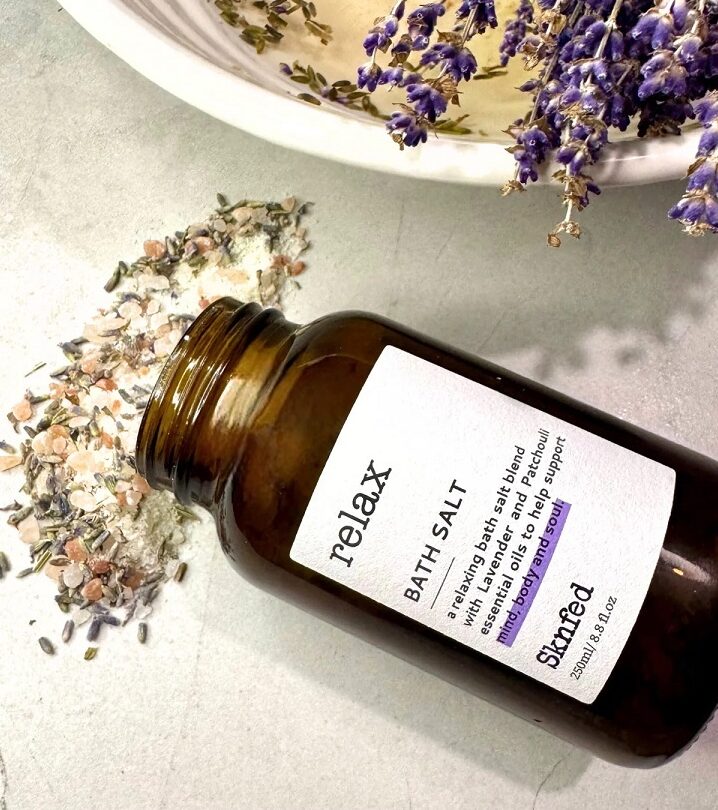
FAQs

Do eco-friendly toys really cost more than plastic ones?

Upfront, usually yes. A good wooden building set costs three to four times a plastic equivalent. Across the full lifespan, almost always no. A well-made wooden set will pass through two or three siblings, then a second-generation cousin, and still be usable after fifteen years. A plastic set rarely survives two children. The cost-per-year maths strongly favours the wooden option for anyone who plans to have it around longer than a Christmas.

Isn’t saying no to plastic toys going to leave my child out at friends’ parties?

Children notice less than parents worry about. A child who has both plastic and wooden toys at home, or who has fewer toys overall but spends more time outside and in the kitchen, does not miss out socially. The social friction, where it exists, tends to come from parents’ anxieties more than children’s peer groups. By school age, the play that defines friendships is usually running around, imaginative games, and shared experiences, not brand-specific plastic.

What about screens — is some screen time OK in a low-plastic household?

Yes, and the two questions are not really connected. Screen time is a separate decision with its own research base. The NHS and WHO guidance broadly recommends limiting sedentary recreational screen time for children under 5, and the research on school-age children and teenagers is more about total time and content than an absolute ban. A household that balances outdoor play, making, and reading with limited screen time is closer to the evidence than one that prohibits either extreme.
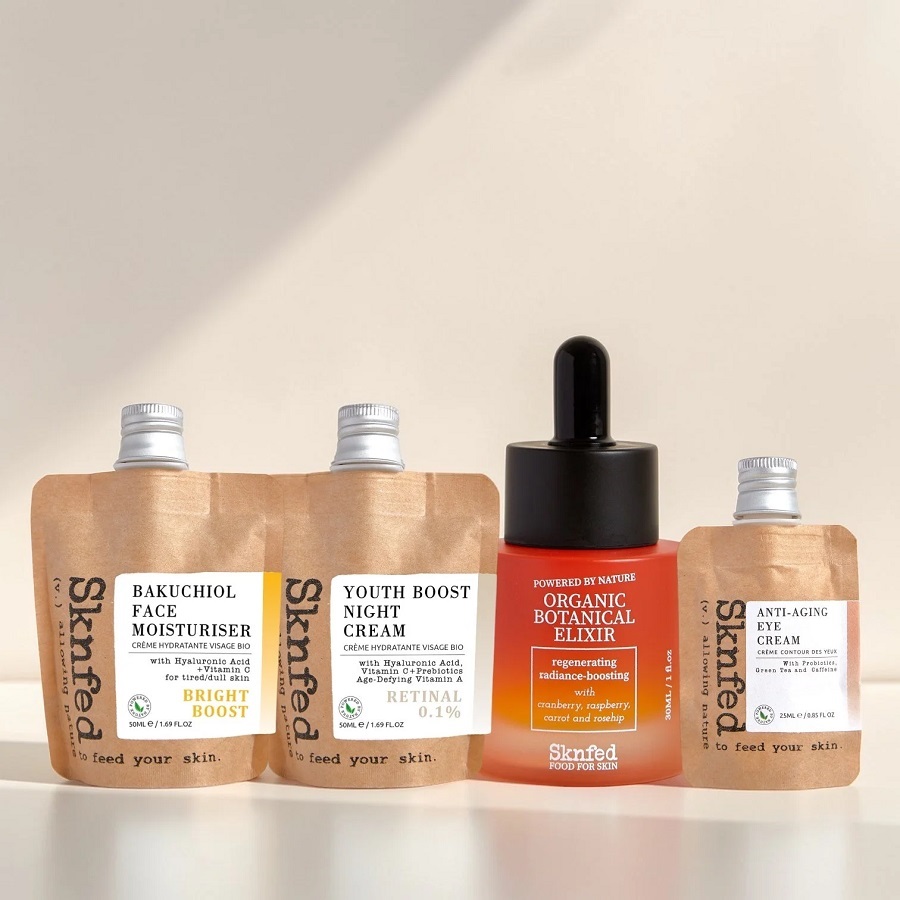
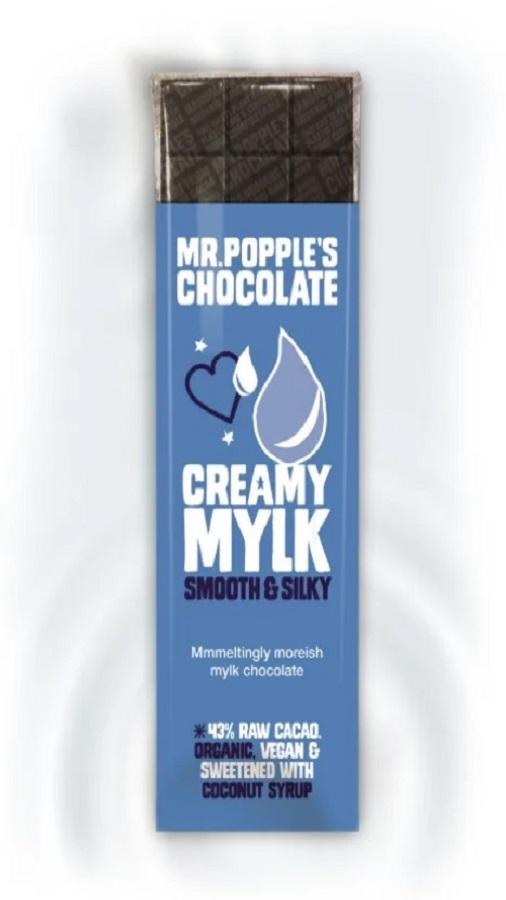
Where should I start if I only have twenty pounds?

A bag of mixed organic seeds (wildflowers, sunflowers, tomatoes, a few herbs), a small bag of flour, and a £5 notebook with a pencil. That covers gardening, cooking, and outdoor observation for months of weekends. If you have a bit more to spend, add one well-made wooden or beeswax item your child will use repeatedly — a building block set, a rolling pin, or a good set of crayons.

How do I handle the relatives who keep gifting plastic?

The polite version: send a specific wishlist before birthdays and Christmas with three to five suggestions covering different price points. Name specific items where you can. Most relatives find gift-buying stressful and are actively grateful for guidance. The honest version: some plastic toys will still come into the house, and that is fine. The pattern over the year matters more than any individual gift.