Veo and Wearth are now Ziracle. Same mission, better platform. See what's new

Your Immune System does not need Boosting, it needs Supporting

The immunity aisle is full of things promising to supercharge your defences. Your immune system does not work like that, and the few things that genuinely help are mostly free. Here is what supports it, what just sells, and the short list worth your money.

Published : June 18, 2026 by Hamish Lawson

Updated : June 19, 2026 by Hamish Lawson

8 min read
Rumpled linen bed in grey morning light, supporting your immune system naturally starts with sleep

You cannot boost your immune system, and if you could, you would not want to. A revved-up immune system has a name, and it is autoimmune disease. What keeps you well is not a stronger system but a balanced one, and almost nothing in the immunity aisle does a thing for it.

The honest answer to how to boost your immune system naturally is that you cannot, but you can support the system you have, and most of that support costs nothing. What follows ranks the levers by the weight of evidence behind them, gives a plain verdict on the products people actually buy, and ends with the short list worth paying for. The Support Immunity edit is filtered to the things that survive that test, and they are fewer than the shelves suggest.

Why “Boost” is the Wrong Word for your Immune System

Your immune system is not a muscle you pump up, it is a balance you keep. Half of it exists to switch the other half off, because an immune response left running does as much damage as the threat it was fighting. Inflammation clears an infection, then has to stop, or it starts attacking you. “Rather than boosting we want to be balancing,” says Dr Jenna Macciochi, Senior Lecturer in Immunology at the University of Sussex and author of Immunity: The Science of Staying Well. “Half of our immune system is designed to turn the other half off.”

That single fact undoes most of the marketing. A product that genuinely “boosted” your immunity would push a finely balanced system in one direction, which is not a benefit, it is a risk. The wellness aisle sells the word anyway, because “support a balanced immune system” does not fit on a bottle and “boost your defences” does.

So the useful question is not how to crank the system up. It is how to give it what it needs and stop getting in its way. That turns out to be a short, dull list, and the things near the top of it are free.

There is no immune system to boost, only one to support, and the things that support it best are mostly free.

Sleep is the Lever with the Hardest Evidence

Sleep is the single best-evidenced thing you can do for your immune system, and the one people sacrifice first. It is not a vague “rest helps” claim. It has been measured directly, in a way few wellness levers ever are.

In a 2015 study in the journal Sleep, researchers led by Aric Prather and Sheldon Cohen tracked the sleep of 164 healthy adults for a week, then quarantined them and dripped a common-cold virus into their noses. The people sleeping less than six hours a night were far more likely to fall ill, and those under five hours were more than four times as likely to develop a cold as those getting more than seven. Same virus, same dose, different sleep, and a fourfold gap in who got sick.

The mechanism is real: short sleep blunts the immune response and raises inflammation, so you both catch more and recover slower. If you do one thing this winter, protect your sleep before you buy anything. The Sleep Better edit and our guide to how to sleep better are a better spend than any “night-time immunity” supplement, because the supplement is mostly trying to sell you back the thing the sleep would have done for free.

Feed the System by Feeding your Gut
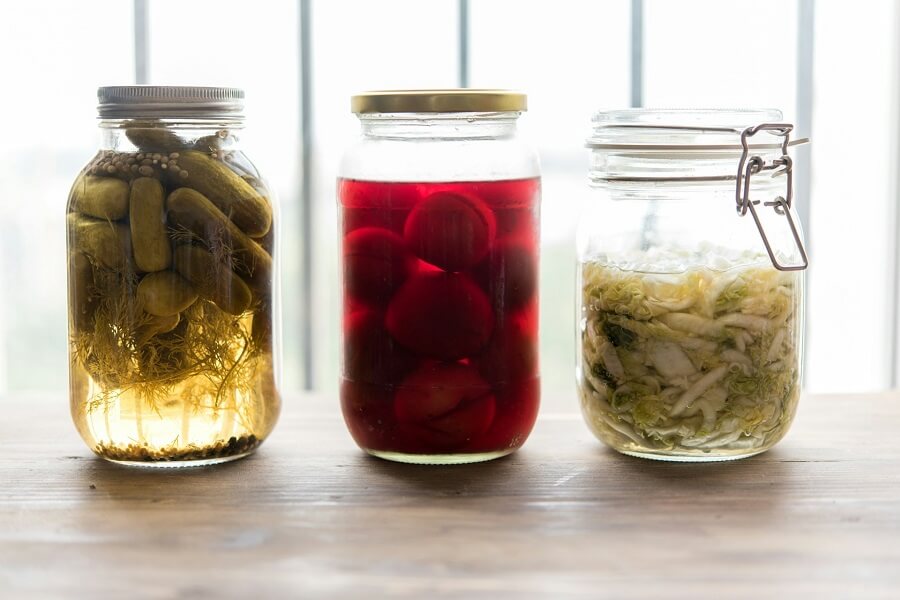
Jar of sauerkraut on a wooden board in kitchen daylight, fermented foods for Support Immunity

What you eat matters for immunity mostly through your gut, and as a pattern rather than a hero ingredient. “An impressive 70 percent of your immune system is also housed in your gut,” says Macciochi, right alongside the microbes that train it. Feed those microbes well and they help regulate the immune response. Starve them and the regulation frays.

Feeding them is not complicated. A diet built mostly on whole foods, with plenty of plants and fibre, gives gut bacteria the raw material to make the compounds that calm inflammation. Fermented foods add live microbes directly: live yoghurt, kefir, kimchi, sauerkraut and other unpasteurised pickles. The Fermented shelf is the easy way in, and a few spoonfuls of real sauerkraut does more than a probiotic capsule promising forty billion of something.

This is also why “immunity” and “gut health” are the same conversation. If you want the longer version, our piece on what gut health actually means and the Gut Health edit go deeper. The headline is simple: variety and fibre beat any single superfood, and no powder replaces a plate.

Move, Worry Less, and the Two Levers the Aisle Ignores

Moderate exercise and lower stress both support immune function, and two more things matter more than any of them, yet nobody sells them. Regular, moderate activity, a brisk daily walk rather than punishing training, is associated with fewer infections. Chronic stress works the other way, keeping the immune system in a state that defends poorly. If stress is your sticking point, the Reduce Stress edit and our guide to how to reduce stress are the place to start, not a cortisol gummy.

Then the two the wellness aisle never mentions, because there is no margin in them. Vaccination is the most effective immune support ever invented, training your defences against a specific threat with an evidence base no supplement approaches. And washing your hands properly remains one of the best ways to not get ill in the first place, because most of what a “boosted” immune system is supposedly fighting could have been kept off your hands and face. Cutting back on smoking and heavy drinking belongs here too, since both measurably weaken your defences.

None of this is glamorous, and that is rather the point. The free, dull levers do the heavy lifting. The bottles do the marketing.

Why “Immune-Boosting” Supplements mostly Sell you a Feeling
Cluttered supplement bottles on a shelf in daylight, the immunity aisle and Support Immunity

Most “immune-boosting” supplements sell reassurance, not protection. The category leans on one ingredient above all, and the evidence does not support the promise on the front. Regular vitamin C does not stop you catching colds. A Cochrane review pooling 29 trials and more than 11,000 people found no reduction in how often people in the general population got colds, only a modest shortening of how long one lasted once it arrived. The daily orange-flavoured shield is mostly a habit, not a defence.

“Much of the nutritional conversations around the immune system sadly still focus on supplements as quick fixes and the legacy of taking vitamin C as all we need,” says Macciochi. The newer products simply swap the hero ingredient: elderberry, echinacea, a mushroom blend, a kitchen-sink “immunity complex” with a long label and trace doses of everything on it. A formula that lists fifteen actives is usually a formula with too little of any of them to matter.

The scepticism here is aimed at the marketing and the formulation, not at supplements as a whole. A single, sensible nutrient for a real reason is a different proposition from a blend sold on a season of fear. You can browse the Supplements and Superfood Powders shelves with that filter and watch most of the “immunity” range fall away.

The Honest Verdict on the Popular Buys

Here is the short version on the things people reach for, so you can stop guessing in the pharmacy.

Vitamin C: will not stop you catching colds, may slightly shorten one you already have. Not the daily shield it is sold as. Cheaper from food.

Zinc: modest evidence that a lozenge started within a day of the first symptom can shorten a cold a little. Not for daily year-round use, and it can cause nausea and a metallic taste. A first-sign tool, not a habit.

Vitamin D: the one with a genuine case, mainly for correcting a shortfall rather than topping up the already-sufficient. More on the dose below.

Elderberry and echinacea: popular, pleasant, and thinly evidenced. Small or inconsistent studies, often funded by sellers. Fine if you like them, not something to rely on.

Fermented foods and probiotics: supporting your gut is reasonable, and whole fermented foods are the better-value way to do it. The evidence for capsules is mixed and strain-specific.

Garlic, manuka, “immunity” shots: comforting rituals more than proven medicine. Enjoy them as food, not as insurance.

So, What is Worth Buying, and how to choose it
One amber glass bottle on a windowsill in winter light, vitamin D for Support Immunity

Free first: sleep, a whole-food diet, movement, your vaccinations and clean hands do almost all of the available work. That is the honest order, and a bottle is never the opening move. The gap is that one nutrient is genuinely worth supplementing in the UK, and a second is worth keeping in the cupboard for the first day of a cold.

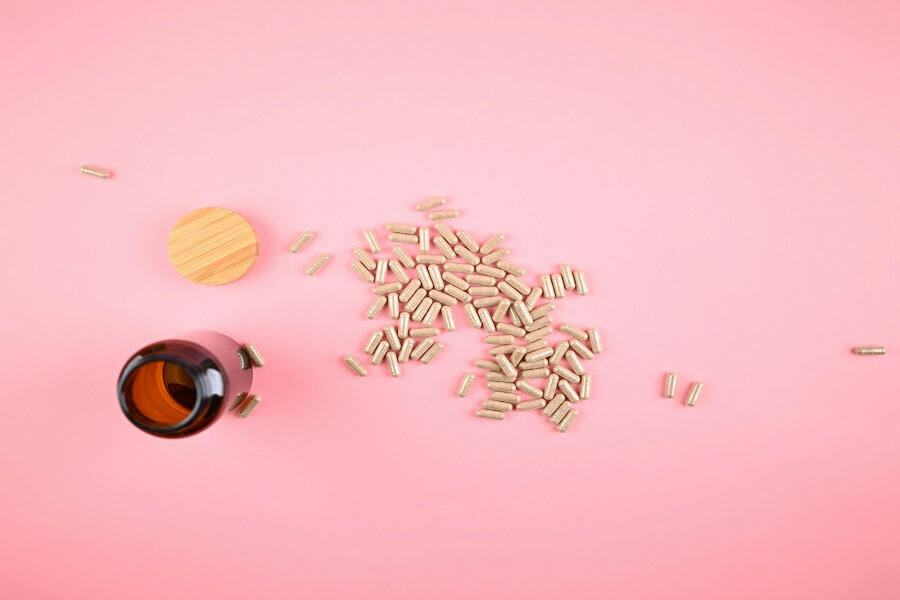
Vitamin D is the real floor. UK sunlight is too weak from October to March for your skin to make enough, which is why the NHS advises everyone in the UK to consider a daily 10 microgram supplement through autumn and winter. The benefit is clearest where there is a deficiency to correct: a 2017 meta-analysis in The BMJ, pooling 25 trials and nearly 11,000 people, found vitamin D supplementation reduced acute respiratory infections, with much larger protection in those who were most deficient to start with. Buy a plain vitamin D3 at around 10 to 25 micrograms (400 to 1,000 IU) for general winter cover, not a megadose, and if you suspect a real shortfall, a test settles it rather than guesswork. The Vitamins edit carries straightforward D3 and at-home vitamin D tests.

Zinc is the only other one worth a place, as a lozenge kept for the first day of a cold, not a daily tablet. And the most useful “immune” spend of all is not a supplement at all: fermented foods and fibre for your gut, which you can fill from the Vegan and Organic ranges as easily as from a pharmacy. Skip the multi-herb blends, the megadose vitamin C and anything promising to “supercharge” anything. One last thing worth saying plainly: if you are catching infection after infection, or they hit unusually hard, that is a reason to see your GP, not to buy a stronger supplement.

Back to Balance

There was never an immune system to boost, only one to support and not sabotage. The version that keeps you well is balanced, not turbocharged, and the levers that keep it balanced are the unglamorous ones the aisle walks past: sleep, food, movement, vaccines, clean hands. The supplement that earns its place does so by filling a real gap, which in the UK means vitamin D in winter, and the rest of the “immunity” shelf is mostly selling the feeling of doing something.

The reassuring part is how little you need to buy, and how much of it you already control.

The Vitamins edit is filtered to plain D3 and the tests that tell you whether you need it, and our guide to vitamin D in the UK winter walks through the dose and the timing in full.

Frequently Asked Questions

Can you actually boost your immune system?

Not in the way the word implies. The immune system is a balance, not a dial, and a genuinely “boosted” one would mean overactivity, which is what happens in autoimmune and inflammatory disease. What you can do is support normal function with sleep, diet, movement and vaccination, and avoid the things that weaken it.

What is the best way to support your immune system naturally?

Sleep is the best-evidenced single lever, followed by a whole-food, high-fibre diet that feeds your gut, regular moderate exercise, and lower stress. Vaccination and handwashing prevent more infection than any supplement. These are free and do most of the work.

Do vitamin C supplements stop you catching colds?

No. A Cochrane review of more than 11,000 people found regular vitamin C did not reduce how often people in the general population caught colds, only modestly shortened the ones they got. You get enough from a normal diet, so a daily high-dose supplement is mostly habit.

Does zinc help with a cold?

Possibly, at the margin. There is modest, inconclusive evidence that a zinc lozenge started within about a day of the first symptom can shorten a cold slightly. It is not worth taking daily year-round, and it can cause nausea and a metallic taste. Treat it as a first-sign tool.

Should I take vitamin D for immunity in the UK?

There is a real case for it. UK sunlight is too weak in autumn and winter to make enough, so the NHS advises considering a daily 10 microgram supplement from October to March. The clearest benefit is correcting a deficiency, so a plain D3 at a sensible dose, not a megadose, is the move, and a test confirms whether you need more.


READ NEXT

You cannot boost your immune system, and if you could, you would not want to. A revved-up immune system has a name, and it is autoimmune disease. What keeps you well is not a stronger system but a balanced one, and almost nothing in the immunity aisle does a thing for it.

The honest answer to how to boost your immune system naturally is that you cannot, but you can support the system you have, and most of that support costs nothing. What follows ranks the levers by the weight of evidence behind them, gives a plain verdict on the products people actually buy, and ends with the short list worth paying for. The Support Immunity edit is filtered to the things that survive that test, and they are fewer than the shelves suggest.

Why “Boost” is the Wrong Word for your Immune System

Your immune system is not a muscle you pump up, it is a balance you keep. Half of it exists to switch the other half off, because an immune response left running does as much damage as the threat it was fighting. Inflammation clears an infection, then has to stop, or it starts attacking you. “Rather than boosting we want to be balancing,” says Dr Jenna Macciochi, Senior Lecturer in Immunology at the University of Sussex and author of Immunity: The Science of Staying Well. “Half of our immune system is designed to turn the other half off.”

That single fact undoes most of the marketing. A product that genuinely “boosted” your immunity would push a finely balanced system in one direction, which is not a benefit, it is a risk. The wellness aisle sells the word anyway, because “support a balanced immune system” does not fit on a bottle and “boost your defences” does.

So the useful question is not how to crank the system up. It is how to give it what it needs and stop getting in its way. That turns out to be a short, dull list, and the things near the top of it are free.

There is no immune system to boost, only one to support, and the things that support it best are mostly free.

Sleep is the Lever with the Hardest Evidence

Sleep is the single best-evidenced thing you can do for your immune system, and the one people sacrifice first. It is not a vague “rest helps” claim. It has been measured directly, in a way few wellness levers ever are.

In a 2015 study in the journal Sleep, researchers led by Aric Prather and Sheldon Cohen tracked the sleep of 164 healthy adults for a week, then quarantined them and dripped a common-cold virus into their noses. The people sleeping less than six hours a night were far more likely to fall ill, and those under five hours were more than four times as likely to develop a cold as those getting more than seven. Same virus, same dose, different sleep, and a fourfold gap in who got sick.

The mechanism is real: short sleep blunts the immune response and raises inflammation, so you both catch more and recover slower. If you do one thing this winter, protect your sleep before you buy anything. The Sleep Better edit and our guide to how to sleep better are a better spend than any “night-time immunity” supplement, because the supplement is mostly trying to sell you back the thing the sleep would have done for free.

Feed the System by Feeding your Gut

Jar of sauerkraut on a wooden board in kitchen daylight, fermented foods for Support Immunity

What you eat matters for immunity mostly through your gut, and as a pattern rather than a hero ingredient. “An impressive 70 percent of your immune system is also housed in your gut,” says Macciochi, right alongside the microbes that train it. Feed those microbes well and they help regulate the immune response. Starve them and the regulation frays.

Feeding them is not complicated. A diet built mostly on whole foods, with plenty of plants and fibre, gives gut bacteria the raw material to make the compounds that calm inflammation. Fermented foods add live microbes directly: live yoghurt, kefir, kimchi, sauerkraut and other unpasteurised pickles. The Fermented shelf is the easy way in, and a few spoonfuls of real sauerkraut does more than a probiotic capsule promising forty billion of something.

This is also why “immunity” and “gut health” are the same conversation. If you want the longer version, our piece on what gut health actually means and the Gut Health edit go deeper. The headline is simple: variety and fibre beat any single superfood, and no powder replaces a plate.

Move, Worry Less, and the Two Levers the Aisle Ignores

Moderate exercise and lower stress both support immune function, and two more things matter more than any of them, yet nobody sells them. Regular, moderate activity, a brisk daily walk rather than punishing training, is associated with fewer infections. Chronic stress works the other way, keeping the immune system in a state that defends poorly. If stress is your sticking point, the Reduce Stress edit and our guide to how to reduce stress are the place to start, not a cortisol gummy.

Then the two the wellness aisle never mentions, because there is no margin in them. Vaccination is the most effective immune support ever invented, training your defences against a specific threat with an evidence base no supplement approaches. And washing your hands properly remains one of the best ways to not get ill in the first place, because most of what a “boosted” immune system is supposedly fighting could have been kept off your hands and face. Cutting back on smoking and heavy drinking belongs here too, since both measurably weaken your defences.

None of this is glamorous, and that is rather the point. The free, dull levers do the heavy lifting. The bottles do the marketing.

Why “Immune-Boosting” Supplements mostly Sell you a Feeling

Cluttered supplement bottles on a shelf in daylight, the immunity aisle and Support Immunity

Most “immune-boosting” supplements sell reassurance, not protection. The category leans on one ingredient above all, and the evidence does not support the promise on the front. Regular vitamin C does not stop you catching colds. A Cochrane review pooling 29 trials and more than 11,000 people found no reduction in how often people in the general population got colds, only a modest shortening of how long one lasted once it arrived. The daily orange-flavoured shield is mostly a habit, not a defence.

“Much of the nutritional conversations around the immune system sadly still focus on supplements as quick fixes and the legacy of taking vitamin C as all we need,” says Macciochi. The newer products simply swap the hero ingredient: elderberry, echinacea, a mushroom blend, a kitchen-sink “immunity complex” with a long label and trace doses of everything on it. A formula that lists fifteen actives is usually a formula with too little of any of them to matter.

The scepticism here is aimed at the marketing and the formulation, not at supplements as a whole. A single, sensible nutrient for a real reason is a different proposition from a blend sold on a season of fear. You can browse the Supplements and Superfood Powders shelves with that filter and watch most of the “immunity” range fall away.

The Honest Verdict on the Popular Buys

Here is the short version on the things people reach for, so you can stop guessing in the pharmacy.

Vitamin C: will not stop you catching colds, may slightly shorten one you already have. Not the daily shield it is sold as. Cheaper from food.

Zinc: modest evidence that a lozenge started within a day of the first symptom can shorten a cold a little. Not for daily year-round use, and it can cause nausea and a metallic taste. A first-sign tool, not a habit.

Vitamin D: the one with a genuine case, mainly for correcting a shortfall rather than topping up the already-sufficient. More on the dose below.

Elderberry and echinacea: popular, pleasant, and thinly evidenced. Small or inconsistent studies, often funded by sellers. Fine if you like them, not something to rely on.

Fermented foods and probiotics: supporting your gut is reasonable, and whole fermented foods are the better-value way to do it. The evidence for capsules is mixed and strain-specific.

Garlic, manuka, “immunity” shots: comforting rituals more than proven medicine. Enjoy them as food, not as insurance.

So, What is Worth Buying, and how to choose it

One amber glass bottle on a windowsill in winter light, vitamin D for Support Immunity

Free first: sleep, a whole-food diet, movement, your vaccinations and clean hands do almost all of the available work. That is the honest order, and a bottle is never the opening move. The gap is that one nutrient is genuinely worth supplementing in the UK, and a second is worth keeping in the cupboard for the first day of a cold.

Vitamin D is the real floor. UK sunlight is too weak from October to March for your skin to make enough, which is why the NHS advises everyone in the UK to consider a daily 10 microgram supplement through autumn and winter. The benefit is clearest where there is a deficiency to correct: a 2017 meta-analysis in The BMJ, pooling 25 trials and nearly 11,000 people, found vitamin D supplementation reduced acute respiratory infections, with much larger protection in those who were most deficient to start with. Buy a plain vitamin D3 at around 10 to 25 micrograms (400 to 1,000 IU) for general winter cover, not a megadose, and if you suspect a real shortfall, a test settles it rather than guesswork. The Vitamins edit carries straightforward D3 and at-home vitamin D tests.

Zinc is the only other one worth a place, as a lozenge kept for the first day of a cold, not a daily tablet. And the most useful “immune” spend of all is not a supplement at all: fermented foods and fibre for your gut, which you can fill from the Vegan and Organic ranges as easily as from a pharmacy. Skip the multi-herb blends, the megadose vitamin C and anything promising to “supercharge” anything. One last thing worth saying plainly: if you are catching infection after infection, or they hit unusually hard, that is a reason to see your GP, not to buy a stronger supplement.

Back to Balance

There was never an immune system to boost, only one to support and not sabotage. The version that keeps you well is balanced, not turbocharged, and the levers that keep it balanced are the unglamorous ones the aisle walks past: sleep, food, movement, vaccines, clean hands. The supplement that earns its place does so by filling a real gap, which in the UK means vitamin D in winter, and the rest of the “immunity” shelf is mostly selling the feeling of doing something.

The reassuring part is how little you need to buy, and how much of it you already control.

The Vitamins edit is filtered to plain D3 and the tests that tell you whether you need it, and our guide to vitamin D in the UK winter walks through the dose and the timing in full.

Frequently Asked Questions

Can you actually boost your immune system?

Not in the way the word implies. The immune system is a balance, not a dial, and a genuinely “boosted” one would mean overactivity, which is what happens in autoimmune and inflammatory disease. What you can do is support normal function with sleep, diet, movement and vaccination, and avoid the things that weaken it.

What is the best way to support your immune system naturally?

Sleep is the best-evidenced single lever, followed by a whole-food, high-fibre diet that feeds your gut, regular moderate exercise, and lower stress. Vaccination and handwashing prevent more infection than any supplement. These are free and do most of the work.

Do vitamin C supplements stop you catching colds?

No. A Cochrane review of more than 11,000 people found regular vitamin C did not reduce how often people in the general population caught colds, only modestly shortened the ones they got. You get enough from a normal diet, so a daily high-dose supplement is mostly habit.

Does zinc help with a cold?

Possibly, at the margin. There is modest, inconclusive evidence that a zinc lozenge started within about a day of the first symptom can shorten a cold slightly. It is not worth taking daily year-round, and it can cause nausea and a metallic taste. Treat it as a first-sign tool.

Should I take vitamin D for immunity in the UK?

There is a real case for it. UK sunlight is too weak in autumn and winter to make enough, so the NHS advises considering a daily 10 microgram supplement from October to March. The clearest benefit is correcting a deficiency, so a plain D3 at a sensible dose, not a megadose, is the move, and a test confirms whether you need more.
Leave a Comment