Veo and Wearth are now Ziracle. Same mission, better platform. See what's new
Amelia Marshall
Amelia Marshall is a digital content and e-commerce specialist with over six years of experience in sustainable retail and brand storytelling. She began her career as a content creator at Veo World, the ethical marketplace that became Ziracle, before moving into a senior digital role at a global sportswear brand, where she led a mobile app rollout and a full e-commerce platform migration, receiving a company leadership award for her work across both projects. She writes about skinimalism and evidence-based natural beauty, the science of how food affects mood, sustainable packaging, and conscious consumerism.
Amelia Marshall is a digital content and e-commerce specialist with over six years of experience in sustainable retail and brand storytelling. She began her career as a content creator at Veo World, the ethical marketplace that became Ziracle, before moving into a senior digital role at a global sportswear brand, where she led a mobile app rollout and a full e-commerce platform migration, receiving a company leadership award for her work across both projects. She writes about skinimalism and evidence-based natural beauty, the science of how food affects mood, sustainable packaging, and conscious consumerism.
The front of a lipstick can say natural, plant-based, even cruelty-free, and the colour inside can still be made from crushed insects. Vegan and plant-based are two different promises, and the beauty aisle leans on the blur between them. The upside: you can tell them apart yourself in about ten seconds, once you know the one word to look for.
Most vegan lipstick guides just hand you a list of tubes and trust the word on the front. That is not much help when the front is the least regulated part of the packaging. So this one teaches you to read the back, because once you can, you can judge any lipstick in any shop, not just the ones somebody rounded up.
Vegan and Plant-Based are Two Different Promises
Vegan means one specific thing: no animal-derived ingredients. Plant-based and natural mean whatever the brand wants, because neither is regulated. A lipstick can be marketed as natural and still be coloured with an animal product, and it can be certified vegan while leaning heavily on synthetics. The two words are not interchangeable, and treating them as if they are is exactly the mistake the label is hoping you make.
So “plant-based” on the front is a vibe, not a guarantee. If being vegan is what you actually care about, you cannot take the marketing’s word for it. You have to look at the ingredients, and the good news is you only need to know a handful.
The one Ingredient that decides it: Carmine
If a lipstick is not vegan, carmine is usually the reason. Carmine is a red pigment made from crushed female cochineal insects, and according to Marie Claire UK it takes around 70,000 of them to produce a single pound of the dye. It has coloured lipstick for centuries because it is vivid and holds its shade through heat and wear, which is precisely why it is still everywhere.
The catch for label-reading is that carmine travels under several names. On an ingredient list it can appear as carmine, cochineal extract, crimson lake, Natural Red 4, CI 75470, or E120. Learn those six and you can screen any red, pink or berry lipstick in seconds, because that is where it hides. See any of them, and whatever the front of the tube claims, the product is not vegan.
The word on the back tells you the truth the word on the front is dodging.
The other Animal Ingredients Hiding further Down
Carmine is the famous one. Beeswax is the quiet one. Listed as cera alba, beeswax is one of the most common lipstick bases there is, and lanolin, silk and honey turn up in formulas too. A vegan lipstick swaps beeswax for plant waxes instead, usually candelilla or carnauba, so those are the words you want to see in that slot.
And a values-led shop is not a shortcut here either. Ziracle’s own Lip Colour aisle still lets you filter for beeswax formulas, because plenty of lovely, well-made lip products contain it. Natural does not mean vegan, even in a curated edit. You still check.
The Honest Catch: A Vegan Red Asks a Small Trade
The reason carmine held on so long is performance, and it is worth being straight about that rather than pretending the switch is free. “Carmine is everywhere, from food and alcohol to paint, medication and lipstick,” says Carisa Janes, founder and chief executive of Hourglass Cosmetics, speaking on the launch of the brand’s carmine-free red. “Creating a vegan alternative felt like an impossible feat at times, but it was such an important step.” She would know: making a true vegan red was hard enough that most of the industry did not bother for years.
In practice, that means a plant-pigmented lip colour tends to give you a buildable flush rather than a bold, opaque swipe, and older vegan reds could fade or shift faster than a carmine one. The gap has narrowed a lot as mineral and synthetic pigments have improved, and you can close the rest yourself: line the lips first, build the colour in thin layers, and blot. If you want a loud, long red, choose a mineral-pigment matte rather than a sheer balm and go in knowing which you picked.
Does the Word “Vegan” on the Front Mean Anything?
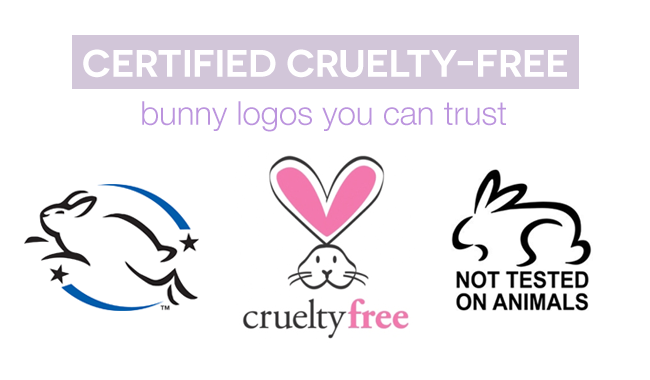
Sometimes anyone can print it, which is why a certification does the checking for you. The Vegan Society’s Vegan Trademark verifies that a product contains no animal ingredients and involves no animal testing, so a lipstick carrying it has already passed the label-read you would otherwise do by hand. “Cruelty-free,” certified by Cruelty Free International’s Leaping Bunny, is a separate promise: no animal testing, which is not the same as no animal ingredients. A lipstick can be cruelty-free and still contain carmine.
So if you want both, look for both marks. And where a product is not certified, the three sections above are your fallback: no carmine under any of its names, no beeswax, plant waxes named instead.
So which one should you buy?
Match the pick to what you are buying for. For an everyday vegan lipstick that behaves like a proper one, Glisten Cosmetics’ Sober Nude Matte Duo Lipstick (£10) is labelled vegan and cruelty-free, a dual-ended matte that does the daily work without fuss. For a real red without a single insect in it, Seeds of Colour’s Ruby Shoes (£21) is the proof the trade-off is manageable: its ruby comes from blackcurrant, radish and paprika pigments in a candelilla-wax balm, no carmine and no beeswax, buildable across lip, cheek and lid. And if you want something sheer and nourishing, an argan-oil tint like Douvalls’ Argan Lip and Cheek Colour Oil (£18) is the gentlest way in, though as with any range, glance at the mark before you buy.
The filter is small enough to hold in your head: no carmine under any of its names, no beeswax, plant waxes named, and a Vegan Trademark if you would rather not check by hand. Everything in the Cruelty Free Lip Colour edit is filtered on the vegan side already, and it keeps the underarm-to-lipstick logic of a wider Healthy Skin routine going. If the ingredients question is what pulls you, it runs through the rest of the bathroom shelf too, which we get into in microplastics in cosmetics.
You do not need a rounded-up list to shop this well. You need one word on the back of the tube, and now you have it.
FAQs
What is the difference between vegan and plant-based lipstick?
Vegan means no animal-derived ingredients at all, which is a defined claim. Plant-based and natural are unregulated marketing terms that say nothing reliable about animal content, so a lipstick can be sold as natural and still contain carmine, a pigment made from insects. If vegan is what you want, read the ingredient list rather than trusting the front of the tube.
How do I know if my lipstick contains carmine?
Check the ingredient list for carmine and its other names: cochineal extract, crimson lake, Natural Red 4, CI 75470, and E120. It is most common in reds, pinks and berry shades. If none of those appear, the colour is coming from plant or mineral pigments instead, which are vegan.
Is vegan red lipstick as long-lasting as normal red lipstick?
It can be, though historically vegan reds traded a little saturation and staying power because carmine is hard to match. Newer mineral and synthetic pigments have closed most of that gap. For the boldest, longest wear, choose a mineral-pigment matte over a sheer plant balm, line your lips, and build the colour in layers.
You have probably tried a natural deodorant already. Worn it for a fortnight, then quietly gone back to the old aluminium stick when it let you down by mid-afternoon or left your underarm red and sore. Here is the part nobody tells you: it did not fail because natural deodorant cannot work. It failed for one of three reasons, and each has a fix.
Most buying guides just hand you a ranked list and wish you luck. That is not much use if the last one you bought was well reviewed and still did not work for you. So this one works backwards, from why yours let you down to the one worth trying next, because the right pick depends entirely on which problem caught you.
Natural Deodorant is not a Worse Antiperspirant, it is a different Product
A natural deodorant manages smell. It does not stop you sweating, and that mix-up is the single most common reason people decide it has failed. If you judged it on how dry your armpit stayed, you judged it on the wrong thing.
Here is why the distinction matters. “Sweat itself does not smell,” says Dr Adam Friedman, professor and chair of dermatology at the George Washington University School of Medicine and Health Sciences. “It’s that the normal bacteria that live on our skin in this particular location convert something in the sweat to something else, and that’s what smells.” A deodorant works on that second step, the bacteria and the odour. An antiperspirant does something different: it uses aluminium salts to plug the sweat ducts so less comes out at all.
So a natural deodorant will let you sweat. That is not it failing. That is it doing a different job from the product you replaced, and the whole point of switching.
Reason One: The Baking Soda gave you a Rash
If your armpit went red, itchy or sore, the culprit is almost always baking soda. Sodium bicarbonate sits at around pH 9, while your skin is slightly acidic at roughly 4.5 to 5.5, and that gap disturbs the skin barrier. Dermatologists now flag it routinely when someone turns up with underarm dermatitis weeks after switching to a “natural” stick, and weeks is the tell: the irritation often builds slowly, so people blame the wrong thing.
The fix is simple. Skip baking soda entirely and choose a formula built on magnesium, zinc or arrowroot instead, which control odour without the alkaline sting. On the label, look for the words “bicarb-free” or “baking soda free,” and if your skin is easily upset, go unscented too, since essential oils are a second, smaller source of irritation.
This is exactly what Kutis Skincare’s Bicarb Free Natural Deodorant (£7.25) is for. It is a plastic-free stick made for reactive skin, and the unscented version strips out both irritation risks at once. If a rash is what sent you back to the aluminium, start here, and give your skin a week to calm down first. It is also the gentlest place to protect the underarm skin behind your broader Healthy Skin routine.
Reason Two: You Quit during the two-week Adjustment
The first fortnight off antiperspirant is worse before it is better, and most people give up right in the dip. Your sweat glands are no longer plugged, so for a couple of weeks you sweat more and smell more while your skin finds its balance. It passes. People who push through almost always stop noticing it.
Riding it out is mostly patience plus small habits. Wash properly morning and evening, reapply once in the afternoon rather than expecting one morning swipe to last sixteen hours, and give it a full two weeks before you judge. A cream or a spray reapplies more easily on the go than a stick, which matters more in that first fortnight than at any point after.
Two weeks is the number to hold onto. Quit on day four and you have tested nothing except the worst part.
Reason Three: It was a weak Formula, so buy a better-made one
Some natural deodorants are simply underpowered, and no amount of patience fixes a thin formula. The ones that hold up name what is in them, lean on essential oils that keep working through the day, and are easy to top up.
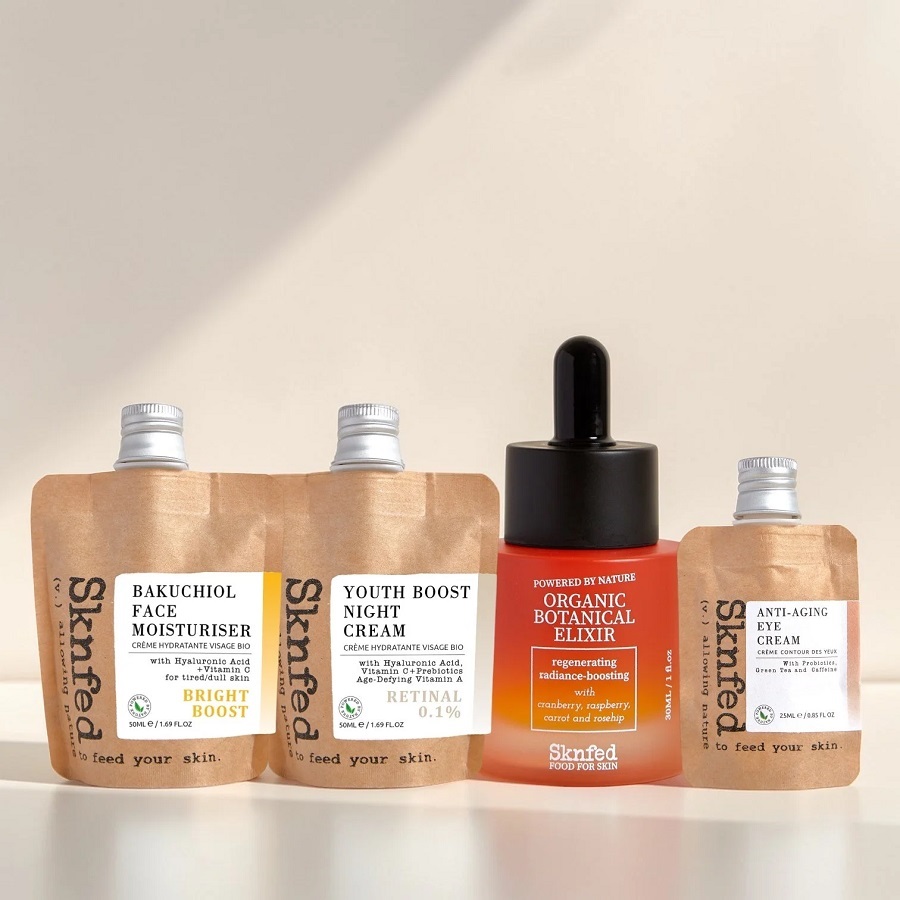
Two on Ziracle earn it for different reasons. Haoma’s Floral Organic Deodorant is the one for a proper, lasting scent: a small-batch English spray built on ten organic plants in a witch hazel base, certified Soil Association Organic and registered with the Vegan Society, with no aluminium and no baking soda. The brand was started by someone who had tried one natural deodorant after another and kept getting the same let-down, which is a fair sign it was built to solve the exact problem you are having. One practical note, it is an alcohol-based spray, so let it dry and skip it straight after shaving. If you would rather ease in with a gentler format, SKNFED’s cream deodorant (£7.50 for the travel size) is aluminium-free and a low-commitment way to find out whether a cream suits you before committing to a full one.
The filter that separates these from the duds is small: a named set of actives, a format you will actually reapply, and, as a tiebreak, real certification or a wall of reviews rather than a nice bottle.
So switch for reasons that hold up rather than a scare. Plenty of people prefer not to block their sweat glands at all, or want fewer synthetic ingredients against their skin and packaging that is not more throwaway plastic. Those are good reasons, and they are honest ones. If it is the ingredients side that pulls you, the same logic runs through the rest of your bathroom shelf, which we get into in microplastics in cosmetics. Fear is not the reason to change. Preference is reason enough.
So which one should you buy?
Match the pick to the problem that caught you. If your skin reacted, go bicarb-free and unscented, which is the Kutis stick. If you want a scent that lasts the day, the Haoma spray is the one. If you are still deciding whether a natural deodorant is for you at all, the SKNFED cream is the low-stakes way in. And whichever you choose, give it the full two weeks, because the switch only sticks when your expectations and your skin have both had time to catch up.
You did not fail at natural deodorant, and it did not fail you. You were sold the wrong expectation with no instructions. Now you have both. Browse the plastic-free, Cruelty Free Deodorant edit and pick the one that fixes your actual problem.
FAQs
Does natural deodorant stop you sweating?
No. Natural deodorant tackles odour, not wetness, by working on the skin bacteria that turn sweat smelly. Only an antiperspirant reduces sweating, using aluminium salts to block the sweat ducts. If a dry underarm is your priority, natural deodorant will disappoint you; if odour is the real issue, it does the job.
How long does switching to natural deodorant take to settle?
About two weeks. Once you stop blocking your sweat glands you will sweat and smell more at first, which is the adjustment most people mistake for failure and quit during. Wash morning and evening, reapply in the afternoon, and give it a full fortnight before deciding.
Is the aluminium in antiperspirant actually dangerous?
The evidence does not support the common fear. Cancer Research UK says there is no convincing evidence that aluminium in antiperspirants affects breast cancer risk, and the US National Cancer Institute agrees. Switching to natural deodorant is a reasonable preference for ingredients or for not blocking sweat, but it is not something to do out of fear of cancer.
Most “vegan gift guides” pad themselves with things that were never going to contain an animal: a candle, a notebook, a pebble on a string. Useful to know they are vegan, but hardly a decision. The gifts where vegan genuinely matters are the ones you would normally have to check: chocolate that usually has milk in it, cheese, balms and creams that lean on beeswax and lanolin, and bags and wallets made of leather. Get those right and you have given something they can enjoy without a second thought.
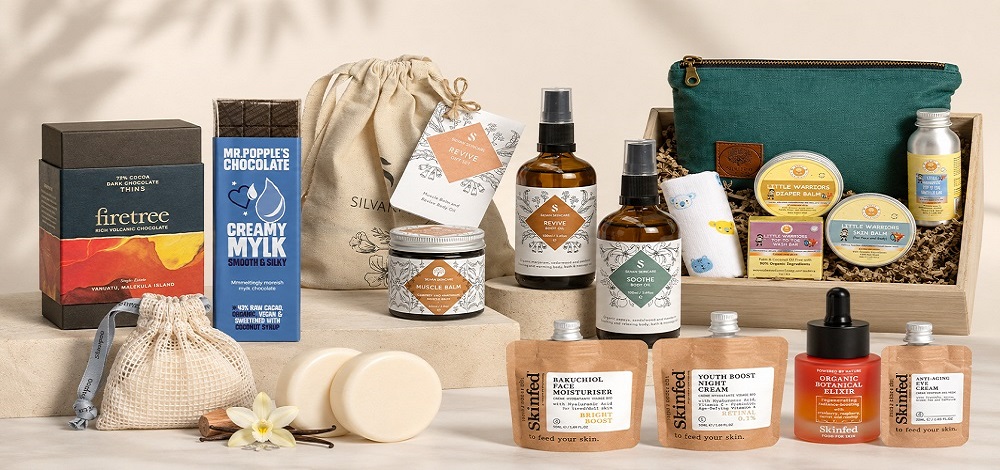
Everything below is screened as free from animal-derived ingredients before it is listed, so the checking is done. Browse the full Vegan Gifts edit to go wider, the Gifts for Her shortlist to narrow it, or our vegan living guide if the recipient is newly plant-based.
A vegan crystal is just a crystal. Vegan chocolate, cheese and leather are the gifts where the label actually earns its place.
Vegan Chocolate
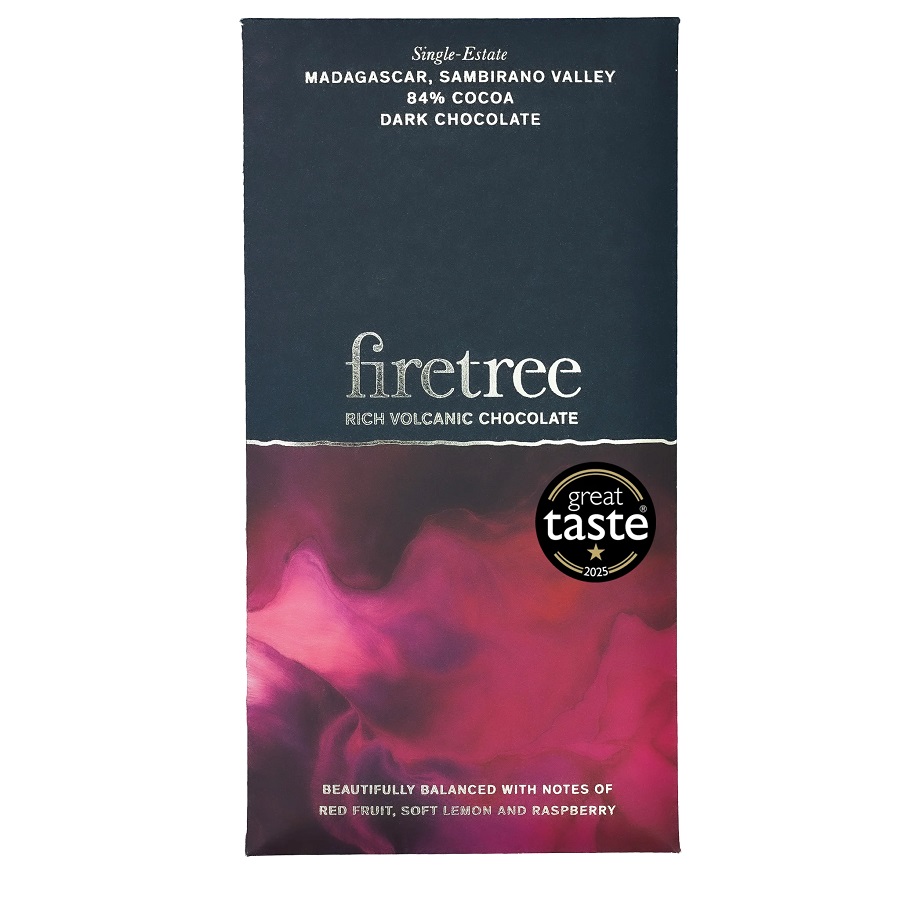
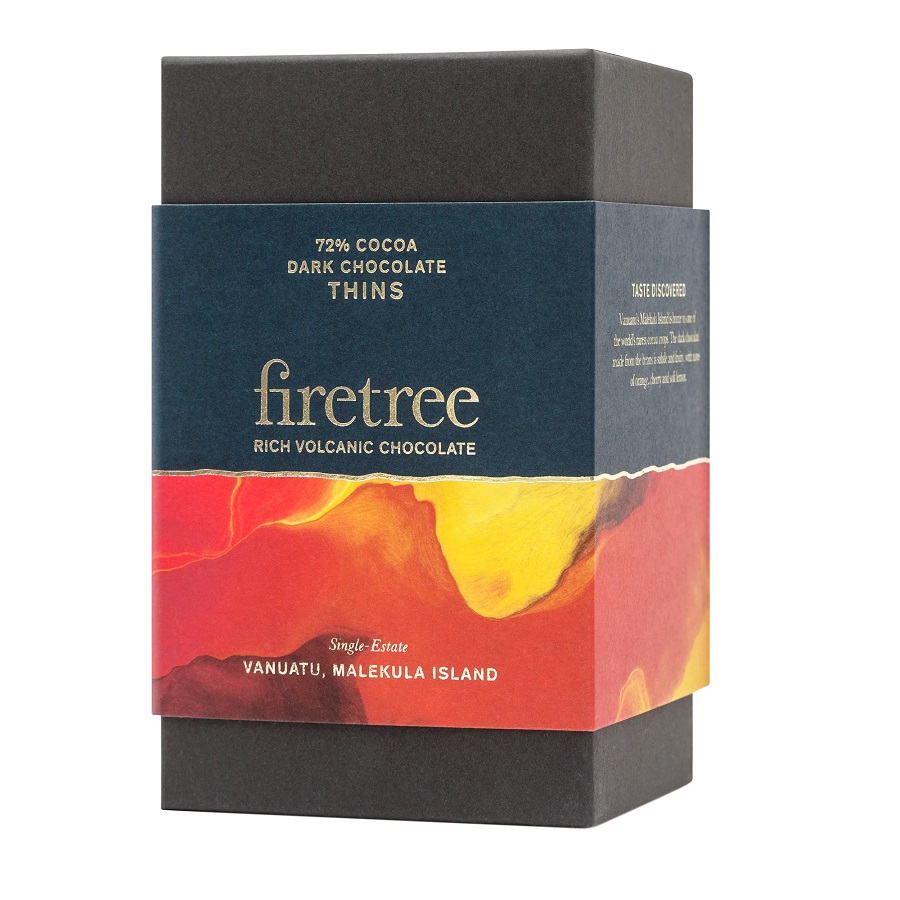
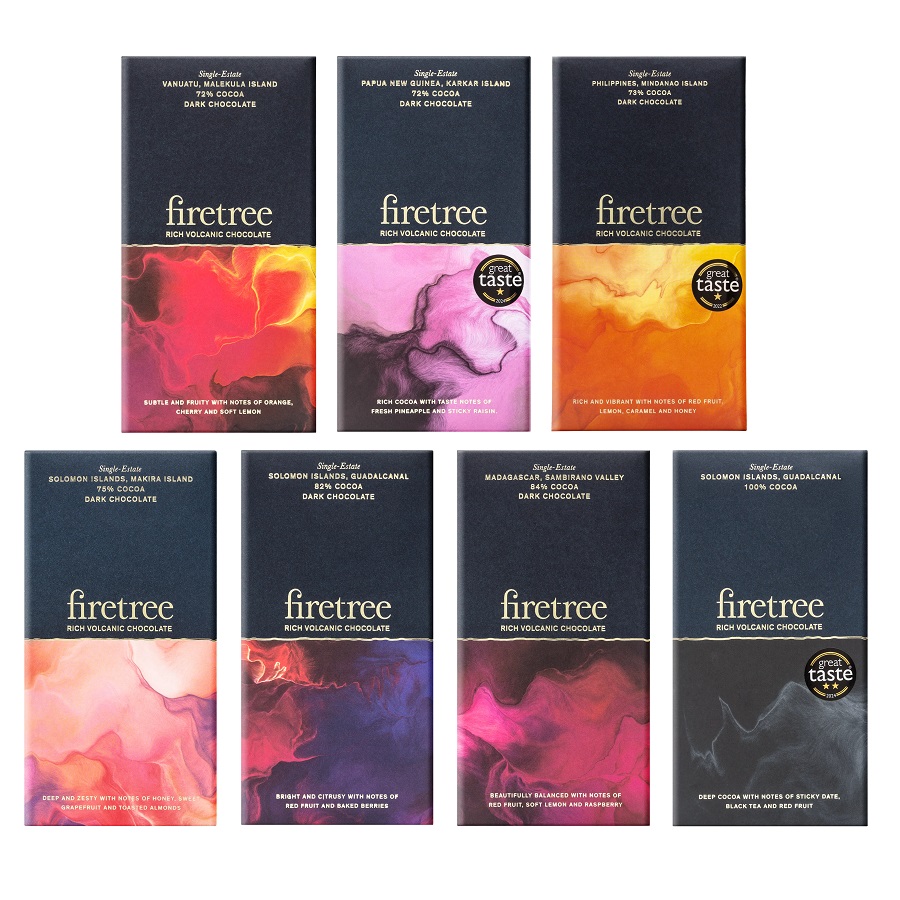
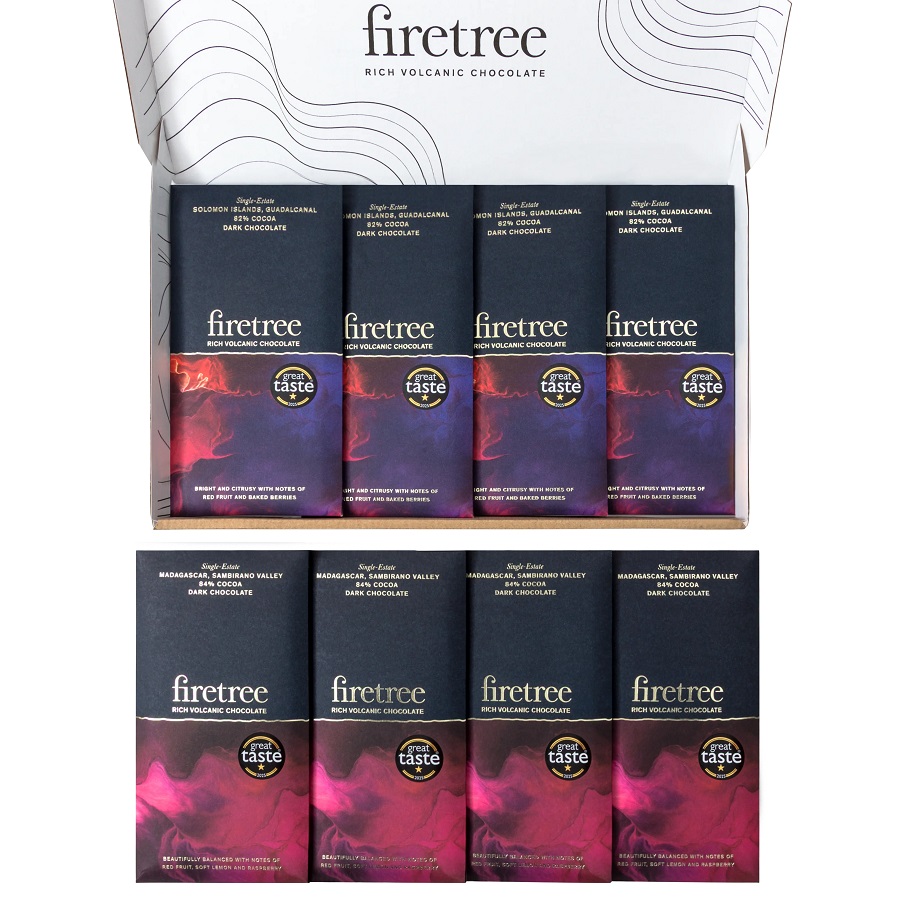
Milk chocolate is the obvious trap, so a good dairy-free bar is the easiest win here. Firetree makes single-origin dark that a chocolate snob will respect, and Mr Popple’s does the harder trick: convincing dairy-free “mylk”.
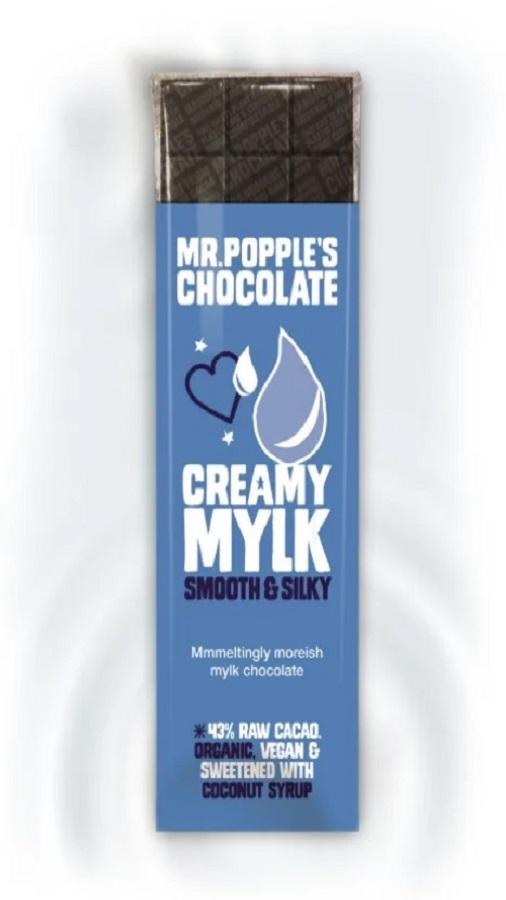
1.Mr Popple’s Creamy Mylk, £2.65. A dairy-free take on milk chocolate, the stocking filler for the person who thinks vegan chocolate has to be dark.
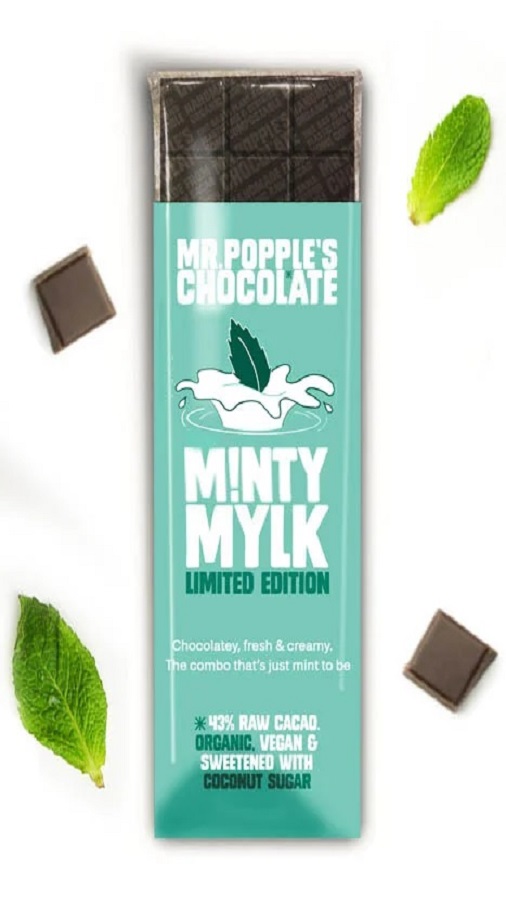
2.Mr Popple’s Minty Mylk, £2.65. The mint version, for the after-dinner-chocolate crowd.
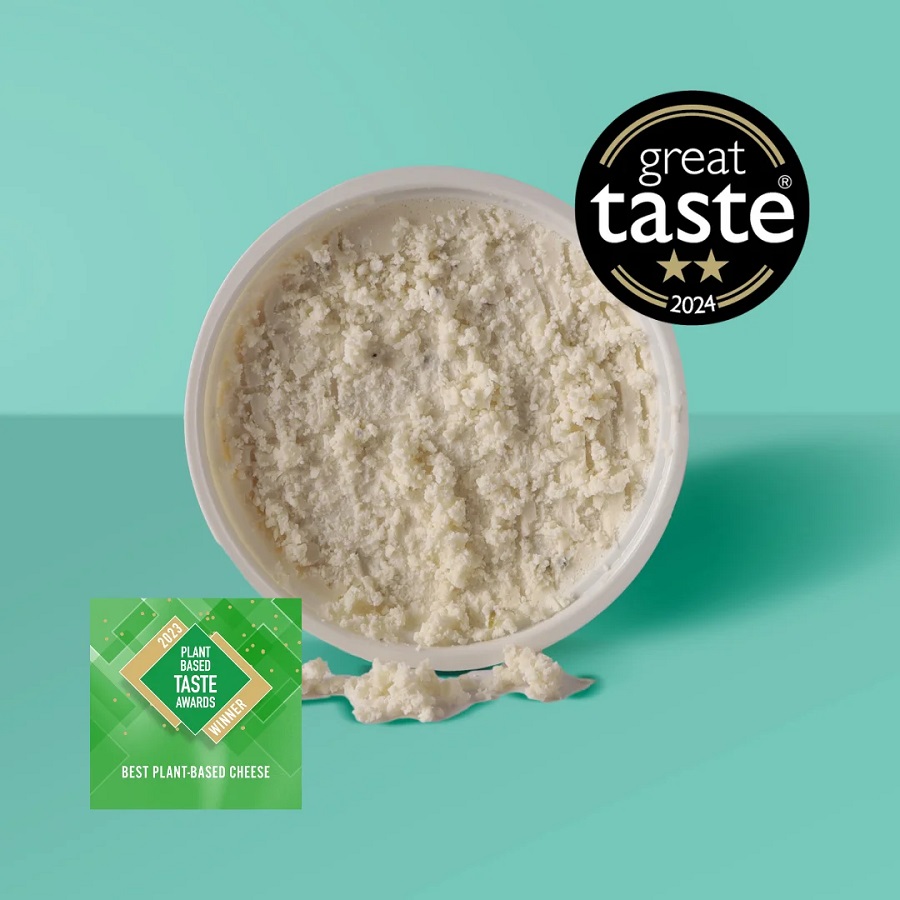
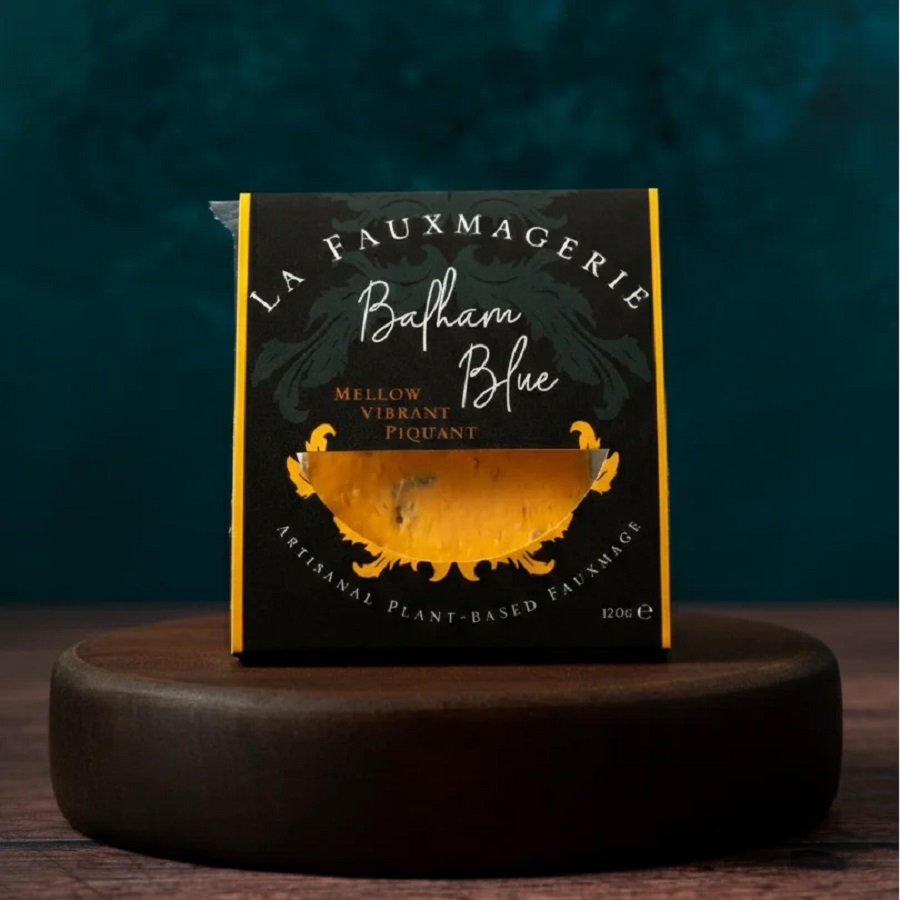
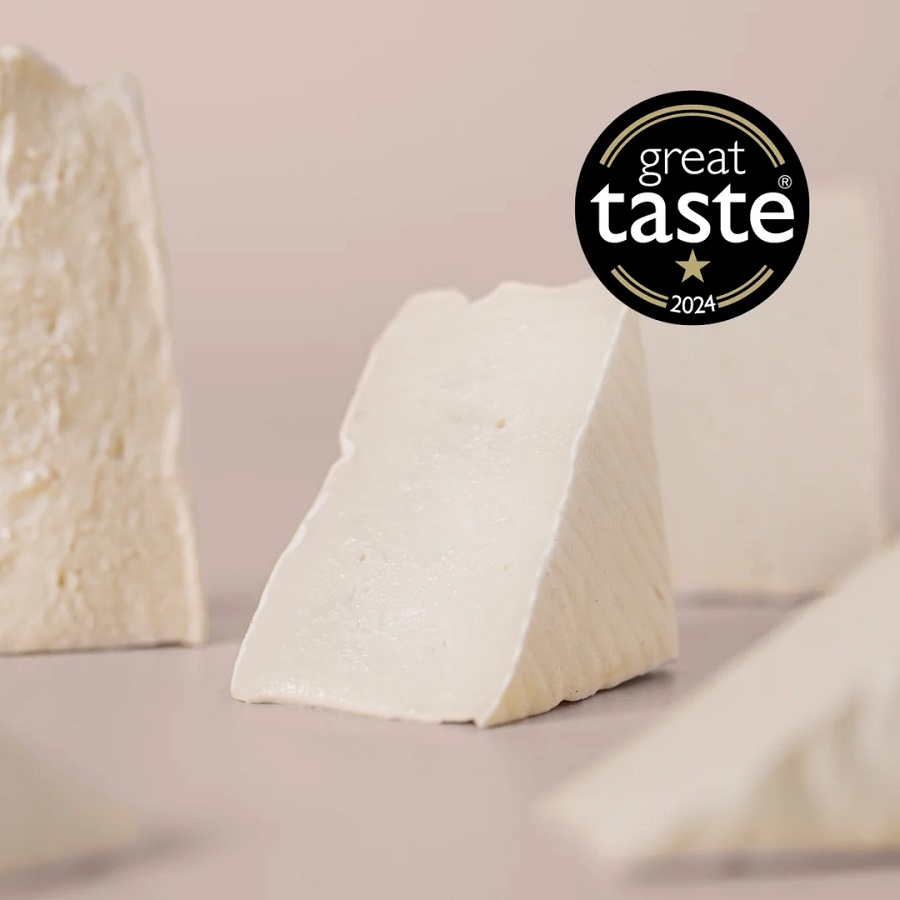
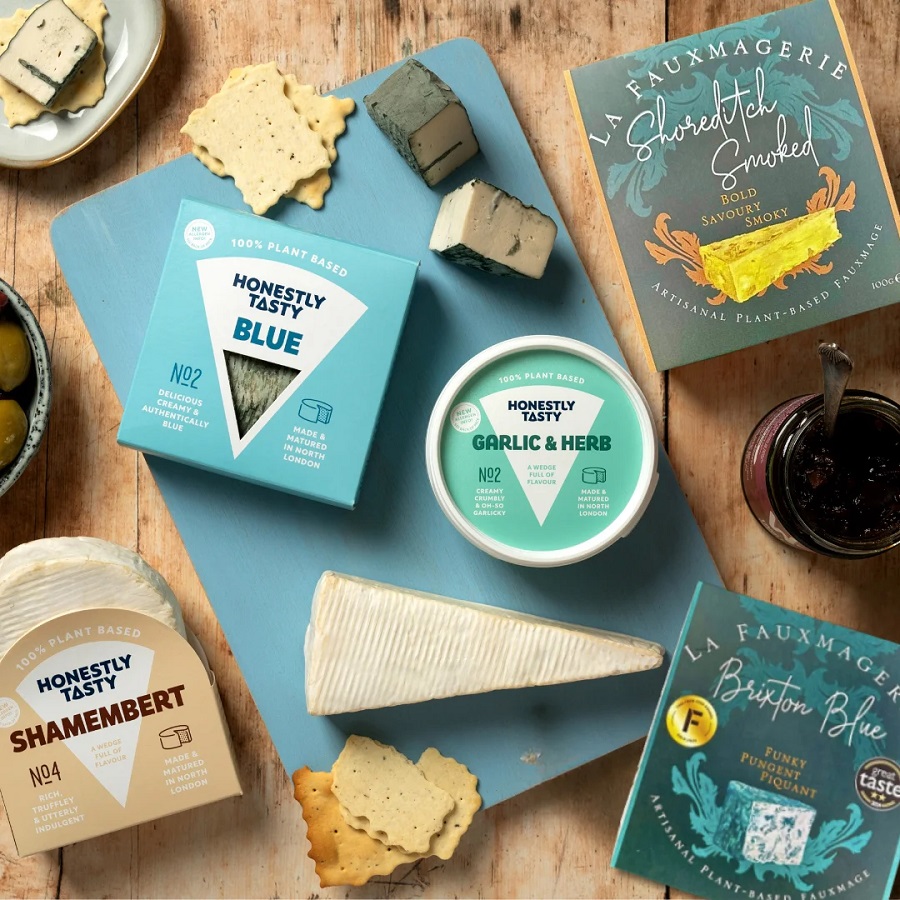
Cheese is the category people do not believe until they try it, which makes it the most surprising gift on this list. Honestly Tasty’s cashew-based range is the one to send a sceptic.
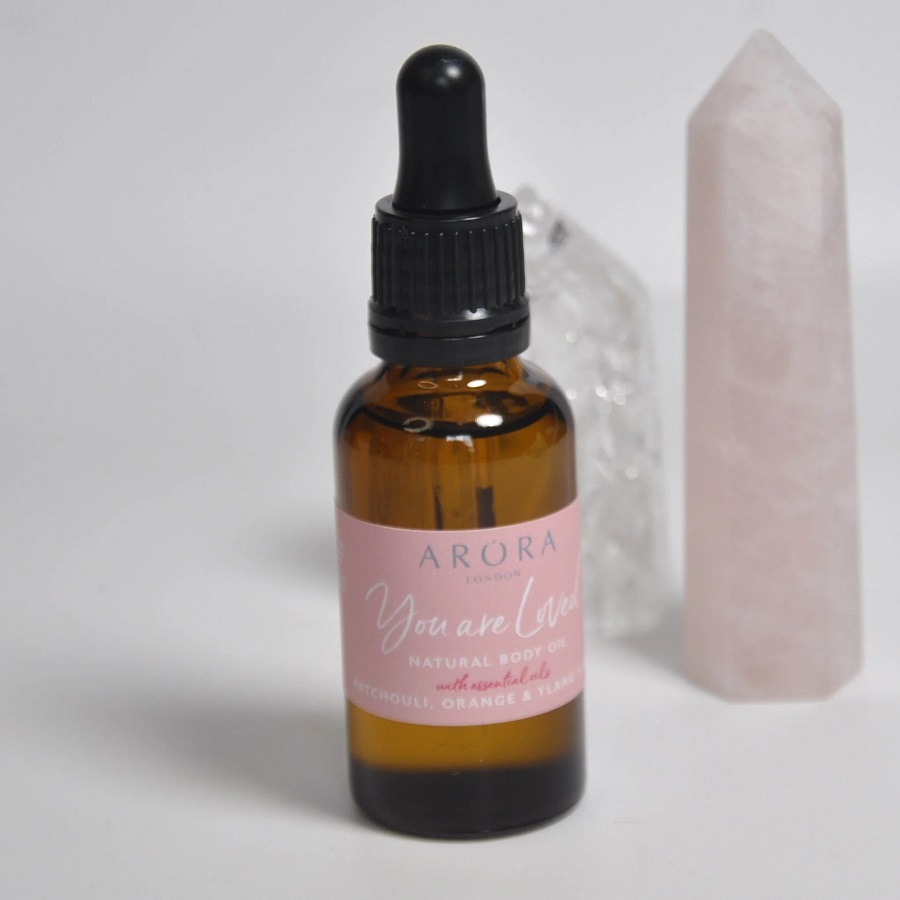
This is where animal ingredients hide in plain sight: beeswax in balms, lanolin in creams, honey in bath products, collagen in serums. A vegan version is a real choice, not a default.
Shampoo often carries silk protein or honey, leather is leather, and even a massage candle usually means beeswax, so these are all categories worth checking.
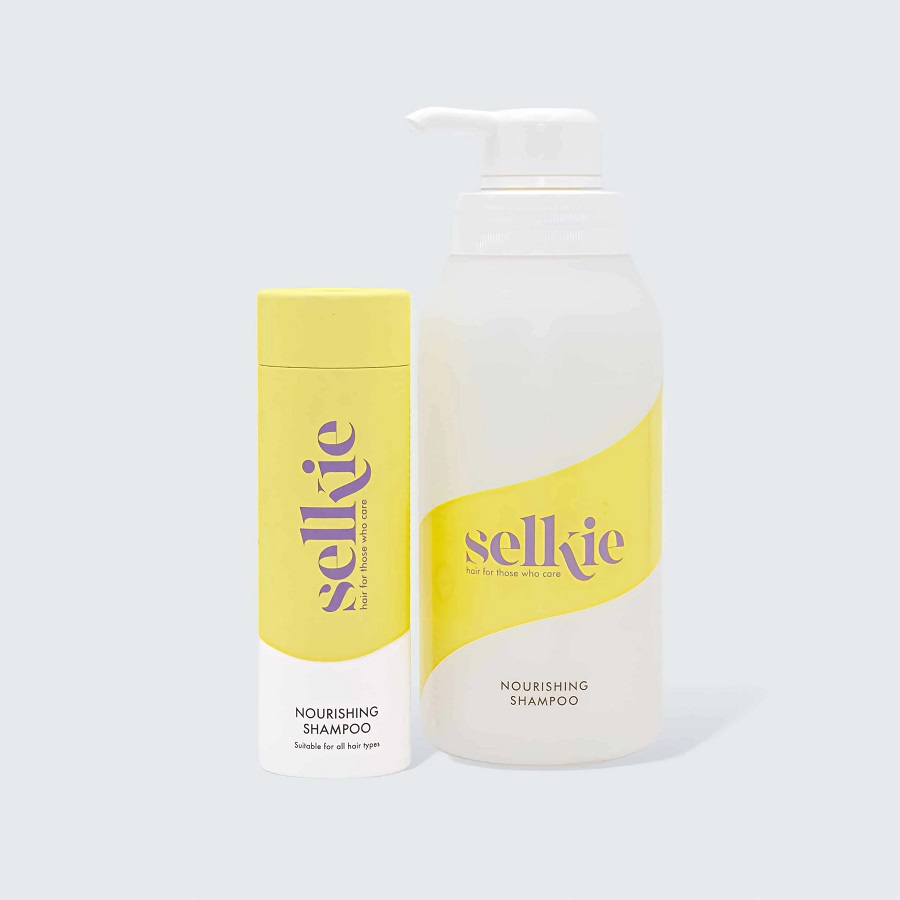
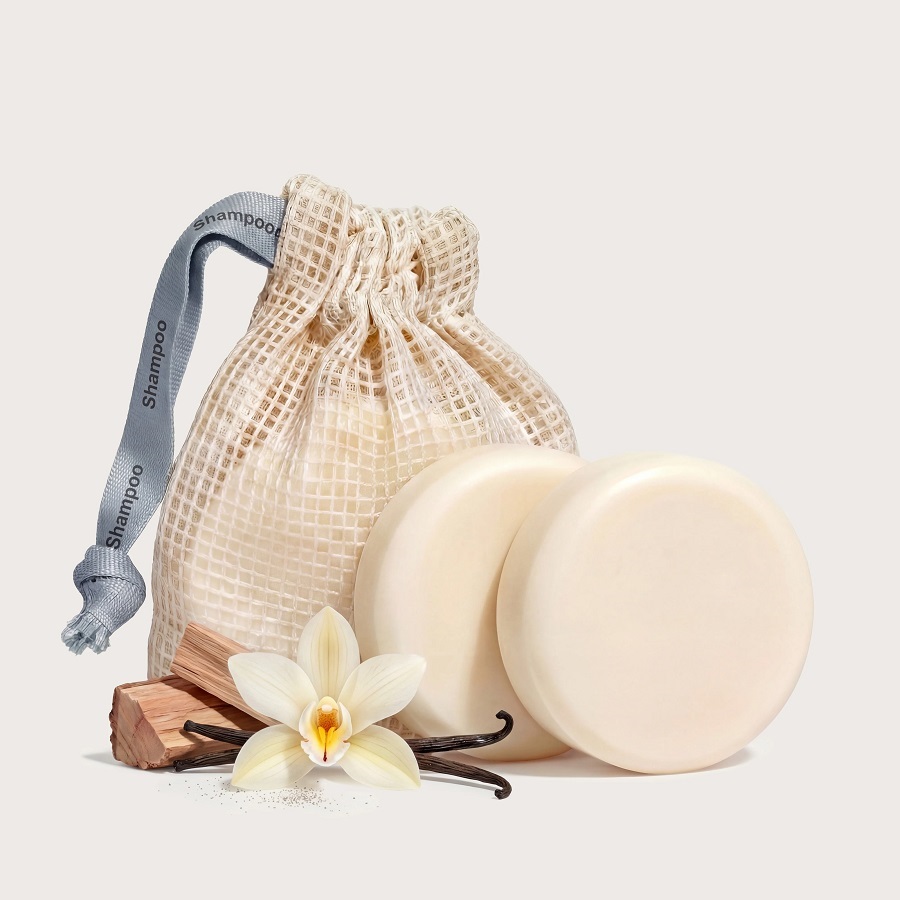
20.Selkie Shampoo Starter Kit, £14.99. Plastic-free haircare made without the silk and honey common in shampoo.
21.Vove Shampoo Bars Set, £17. Rice protein and ginseng bars, a good-looking bathroom gift.
22.Votch Sol Bamboo Leather Card Holder, £39.20 (was £49). A sleek bio-based vegan-leather holder, the real alternative to a leather wallet, and a strong gift for him or her.
The ones in categories that usually are not vegan, so the choice actually counts: dairy-free chocolate, vegan cheese, skincare and balms made without beeswax or lanolin, and vegan-leather accessories. A gift that is vegan by default, like a candle-free crystal or a notebook, is fine but not really a vegan gift.
What is a good vegan birthday present?
For a birthday, the surprising ones land best: a plant-based cheeseboard, a single-origin chocolate set, or a proper skincare gift set. Around £15 to £40 gives you the most choice, and you can scale up to the cheeseboard or the skincare collection for a bigger occasion.
Are these presents all vegan and cruelty-free?
Yes. Every product is checked as free from animal-derived ingredients and by-products before it goes into the range, which matters most for exactly these categories, chocolate, cheese, skincare and leather, where animal ingredients are easy to miss on a label.
There is no dial inside you marked hormone balance, and nothing you can buy will turn it. That phrase belongs to marketing, not medicine. What is real is smaller and stranger: a few free habits that move your hormones, a handful of conditions that need a doctor, and one everyday exposure the wellness aisle never mentions.
Search how to balance your hormones naturally and you land in two worlds that never quite meet. One is clinical: pages about polycystic ovary syndrome, thyroid disease and perimenopause, written by the people who treat them. The other is the wellness aisle, where balance is a mood you buy back with a powder. Both use the same word. Only one of them means a medical condition. What works for Hormonal Health sits in the gap between the two, because that gap is where most of the money, and most of the confusion, lives.
What a Hormonal Imbalance Really Is, and What it has come to Mean
A real hormonal imbalance is a measurable medical condition, not a vague sense of being slightly off. Your hormones are chemical messengers, made mostly by the endocrine system, that regulate metabolism, reproduction, mood and sleep, as the Cleveland Clinic describes them. When one of those systems malfunctions, you get a named condition with a test behind it. Polycystic ovary syndrome, which the NHS estimates affects around 1 in 10 women, is one. An underactive or overactive thyroid is another. Perimenopause, the years of falling and lurching oestrogen before periods stop, is a third. Each comes with something the wellness version does not: a diagnosis, a blood test, a treatment that works.
Somewhere in the last decade the same phrase got borrowed for something much smaller. Feeling tired, bloated, irritable, not quite yourself became “hormone imbalance”, a problem you could supposedly fix with a supplement and a bag of seeds. The word did a lot of quiet work in that shift. It took a real clinical idea and stretched it over an ordinary bad week, then sold you the cure.
Your hormones are not out of balance because you feel tired on any given day.
Endocrinologists notice the overreach. “To some degree, I think we are scapegoating hormones,” Dr Caroline Messer, a board-certified endocrinologist in New York, told Fashionista. “Every time we feel tired or sad, it doesn’t mean it’s necessarily a hormone.” That distinction is the whole point. Some of what you feel is a condition that deserves testing. Most of it is life, and responds to the unglamorous things below.
How to Balance your Hormones Naturally: The Free Habits that do the Real Work
If anything earns the phrase how to balance your hormones naturally, it is four free habits, and between them they do most of the available work. They act mainly on two hormones the wellness aisle rarely names: insulin, which manages your blood sugar, and cortisol, your main stress hormone.
Sleep is the lever with the most pull. In a 1999 study in The Lancet, researchers restricted eleven healthy young men to four hours in bed for six nights and watched them start to process glucose like people at risk of diabetes, with raised cortisol by evening. A few bad nights measurably moved their hormones. Protect a consistent wind-down and a regular wake time before you reach for anything else. The how to sleep better guide and the Sleep Better edit go further.
Stress load is next. Cortisol is meant to spike and fall, but a life that never lets it fall keeps it high, and chronically high cortisol nudges appetite, sleep and mood. You cannot delete stress, but one daily practice that reliably drops your shoulders, a walk, breathing, anything you will actually repeat, does more than a cortisol gummy. The Reduce Stress edit is built around the habits, not the supplements.
What you eat matters most through steadiness, not restriction. Meals built around protein, fibre and vegetables keep insulin from spiking and crashing all day, which is most of what “eating for your hormones” honestly means. You do not need a special protocol, you need lunch that is not just fast carbohydrate.
Movement is the quiet one. Muscles pull glucose out of your blood when they contract, which improves insulin sensitivity, and you do not need a gym to get it. A brisk ten-minute walk after a meal counts. None of this is marketed hard, because none of it carries a margin.
Why Most Hormone-Balancing Supplements are Selling you the Gap
Most “hormone-balancing” supplements are selling the gap between wanting a fix and the free habits being dull. The free levers work, but they are repetitive and slow, and a capsule that promises to do the same thing while you carry on is a far easier sell. That gap, not your hormones, is the product.
Dr Annice Mukherjee, a UK consultant endocrinologist and author of The Complete Guide to the Menopause, is blunt about the appetite for a shortcut. On her clinic site she writes that “there are no miracle cures” and “there is no silver bullet”. The supplement aisle exists precisely because we all want one anyway.
The problem is not herbs or vitamins as a category, it is how the category is sold. A multi-herb “balance” blend with a long front-of-pack claim and a proprietary formula that hides the doses is the format to distrust, because the claim is doing the work the evidence cannot. Even the cautious clinical sources land here: few of these blends have real evidence for what the label promises. A single, named ingredient at a sensible dose for a specific, named problem is a different proposition, and we will come back to it. A catch-all blend promising to fix everything is mostly buying you hope. Browse with that filter and most of the Supplements shelf thins out fast.
The Exposure Almost Nobody Mentions: Everyday Endocrine Disruptors
If you want one product-shaped change with a real mechanism behind it, it is reducing your everyday exposure to endocrine-disrupting chemicals. The Endocrine Society defines these as any chemical “that can interfere with any aspect of hormone action”, and they turn up in some plastics, in synthetic fragrance, and in a share of everyday personal-care products. Two of the most studied are bisphenols and phthalates, both common in plastics and packaging.
This is the angle the wellness aisle skips, and it is the one the endocrine scientists actually care about. “A well-established body of scientific research indicates that endocrine-disrupting chemicals that are part of our daily lives are making us more susceptible to reproductive disorders, cancer, diabetes, obesity, heart disease, and other serious health conditions,” says Andrea C. Gore, PhD, of the University of Texas at Austin and lead author of the 2024 Endocrine Society and IPEN report on EDCs.
Here is where calibration matters, because this is where alarmism usually takes over. The mechanism is real and the concern is reasonable. The certainty at the low, everyday doses most of us encounter is not settled, and anyone selling you a “detox” from it is overstepping the science. The honest position is to reduce avoidable exposure because it is cheap and sensible, not because any single product is proven to be harming you.
The exposure worth changing is not in a supplement bottle, it is in the products you already use every day, and the concern there is real even where the certainty is not.
In practice that means fewer heavily fragranced products where they sit on your skin all day, and less plastic where it meets food or warmth. A simpler Deodorant is an easy first swap, and the Plastic Free range covers the food-contact end. Our piece on microplastics in cosmetics goes deeper on the beauty-cabinet side.
So, what is Worth Buying, and how to choose it
Start from what is already settled. The free habits do most of the everyday work, and a real hormonal condition is a doctor’s job, not a shopping decision. Hold both of those before you spend anything.
Now the honest gap. You will still want something to buy, partly because the free levers are dull and partly because a few swaps are worth making on their own merits. That is reasonable. The trick is buying on a criterion instead of a promise.
For everyday products, the criterion is exposure, not detox. Favour fewer synthetic-fragrance options and lower-plastic formats where they meet your skin or your food, and ignore any product claiming to “balance” or “reset” your hormones from the outside. You are lowering avoidable load, not curing anything, and that framing keeps you honest about what you are paying for. Where it touches food or skin, Organic is a defensible default for the same reason.
For cycle or menopause support, the criterion is specificity. A single named herb at a sensible dose for one named need beats any multi-herb “hormone balance” blend promising to fix the lot. If you want gentle period-time support, a proper herbal Tea for that purpose is a smaller, clearer bet than a catch-all capsule, and the Women’s Health edit is filtered to that kind of single-purpose support.
Swap the product you use every day before you buy the one that promises to fix everything.
If you are heading into perimenopause, that is its own decision with real options worth understanding properly, and our perimenopause and menopause guide walks through what genuine support looks like before you reach for a supplement at all.
When it is not a Lifestyle Thing: The Symptoms that need a Doctor
Some symptoms are not a lifestyle project, they are a reason to see your GP. Periods that become irregular, very heavy or stop altogether. Sudden, unexplained weight or mood change. Persistent fatigue paired with feeling cold and sluggish, which can point to the thyroid. Perimenopause that is derailing your work, sleep or relationships. These deserve testing, not a tea.
The reason to take them seriously is that you can do everything right and still have a real condition underneath. “Sometimes you can be the healthiest version of yourself doing everything right and still be left with something that’s not what you want,” says Dr Jaime Knopman, a board-certified reproductive endocrinologist in New York. Lifestyle is the foundation, not a substitute for a diagnosis.
If any of the above fits you, ask your GP for proper assessment and, where it is warranted, referral to an endocrinologist. Blood tests exist for a reason, and a real imbalance is treated, not balanced away with habits. Self-help is for general support. It is not a diagnostic tool, and treating it as one is how genuine conditions get missed for years.
What to Skip: Seed Cycling, At-home Hormone Kits and Cortisol Detoxes
A few specific products are worth naming, because they are marketed hard and deliver little. At-home saliva hormone test kits sound empowering and mostly are not, because the reference ranges they judge you against are not validated for self-diagnosis, so you pay to be worried by a number that means little out of clinical context. Seed cycling, eating particular seeds in each half of your cycle, is harmless and pleasant and has no real evidence that it shifts hormones. And “cortisol detox” or “cortisol cleanse” products misunderstand the biology outright, because cortisol is not a toxin you flush, it is a hormone you regulate with sleep and stress load. Skip all three with a clear conscience.
The Finding
There is no dial marked balance, and that turns out to be good news rather than bad. It means the work is knowable. Real hormonal conditions are diagnosed and treated. The free habits, sleep, stress, food and movement, do most of the everyday lifting. The supplement aisle is mostly selling the gap between those two facts. And the single product-shaped change with a real mechanism behind it is the least glamorous one, lowering your avoidable exposure to everyday endocrine-disrupting chemicals, held at honest confidence rather than sold as a cure.
If you want to act on that, two moves are worth your money: simpler, lower-fragrance and lower-plastic everyday products where they meet your skin and food, and single-purpose cycle or menopause support chosen for a specific need. The women’s health and period-support edits and our perimenopause and menopause guide are the places to start.
Frequently Asked Questions
Can you really balance your hormones naturally?
You can support the systems that regulate your hormones with sleep, food, movement and a lower stress load, and for most everyday symptoms that is most of the available effect. A genuine medical imbalance, such as a thyroid condition or PCOS, is treated by a doctor, not balanced by lifestyle, and no supplement reliably does it for you.
What are the signs of a hormonal imbalance?
Watch for patterns rather than one-off bad days: periods that become irregular, very heavy or stop, unexplained weight or mood change, or persistent fatigue with feeling cold, which can suggest the thyroid. Ordinary tiredness after a busy week is not the same thing. If a symptom is persistent, sudden or worsening, see your GP for testing.
Do hormone-balancing supplements work?
Most multi-herb “balance” blends have little evidence for the claims on the front of the pack, and proprietary formulas that hide their doses are the ones to distrust. A single, named herb at a sensible dose for one specific need is a more defensible choice than a catch-all blend promising to fix everything at once.
Do endocrine disruptors in everyday products actually affect your hormones?
The mechanism is real and endocrine scientists take it seriously, so reducing avoidable exposure is reasonable. The certainty at the low, everyday doses most people encounter is not settled, which is why the sensible response is fewer fragranced and plastic products where they meet skin or food, not a “detox” that claims to undo harm.
When should I see a doctor about my hormones?
See a doctor when symptoms are specific, persistent or sudden: absent or wildly irregular periods, rapid unexplained weight or mood change, or fatigue with cold intolerance. The self-help levers are for general support, not diagnosis, and a real condition needs proper testing rather than a supplement.
Open the bathroom cabinet of almost anyone in a UK city and you find the same small graveyard: a vitamin C gone brown at the neck, three half-used cleansers, a serum bought at 11pm on a bad-skin night, and somewhere at the back, barely touched, the sunscreen. The order is exactly backwards. The cheap, boring thing at the back does the most, and the expensive, exciting thing at the front does the least.
The short answer to how to get healthy skin is shorter and duller than the aisle implies, and most of it is free. What follows ranks the levers by how much evidence sits behind them, names the few products worth buying, and hands you a way to read a label so you stop restocking that graveyard. The Healthy Skin edit is filtered to the things that survive this filter, but you will not need most of it.
The Cabinet is Full and the Order is Backwards
Your skin is a self-maintaining wall, and most of looking after it is not getting in its way. Dermatologists describe it as bricks and mortar. “The bricks are the skin cells and the mortar is the skin barrier made of proteins and lipids,” says Dr Mona Gohara, assistant clinical professor of dermatology at Yale School of Medicine. That wall keeps water in and irritants out, renews itself roughly every month, and asks for very little in return.
The market needs you to forget that. Skincare products were valued at around 149.4 billion US dollars globally in 2024, according to the 2025 review Nutritional Dermatology in the journal Nutrients, and that figure is built on the serum you did not know you needed, not on the cleanser you already own. Growth depends on the routine getting longer.
Longer is where it goes wrong. Every extra step is another fragrance, another acid, another chance to crack the mortar you are trying to protect. The people with the calmest skin are rarely the ones with the fullest cabinets. They are usually the ones who found three things that work and stopped shopping.
So the rest of this is a ranking, not a list. The levers near the top have decades of evidence. The ones near the bottom have a marketing budget. Start at the top.
The Most Powerful Step is the One you Keep Skipping
Daily sun protection is the most evidence-backed thing you can do for your skin, and it is the step most people treat as optional. It does two jobs at once: it prevents the lines, slackness and dark patches that people later spend hundreds trying to undo, and it lowers the risk of skin cancer. Nothing else on the shelf does both.
“A broad-spectrum sunscreen with an SPF 30 or above is essential to shield your skin from the UV,” says Dr Anjali Mahto, consultant dermatologist and founder of the Self London clinic. Broad-spectrum matters because two kinds of UV reach you. UVB burns, and it is what the SPF number measures. UVA ages, passing deeper and more steadily, which is why a face can look weathered without ever catching a burn. You want protection against both.
The stakes are not vanity. Cancer Research UK says 86% of melanoma cases, the most serious skin cancer, are preventable, with the large majority caused by too much UV. A tan is not a glow, it is the skin’s record of damage already done.
The reason it fails in the UK is that it never feels urgent. Cancer Research UK says more than 90% of UV passes through cloud, so a flat grey Tuesday is still doing quiet work, and the protection gets skipped precisely when it would help most. The other common mistake is amount: most people use a third of what they should, which turns an SPF 30 into something far weaker in practice.
The cabinet holds a hundred products, the evidence points to about five, and the one that matters most is the sunscreen at the back.
And the objection everyone reaches for, that sunscreen blocks vitamin D, does not hold up in normal use. Real-world sunscreen application is patchy enough that it has little measurable effect on vitamin D status, and the NHS already advises everyone in the UK to consider a daily 10 microgram vitamin D supplement through autumn and winter, when the sunlight here is too weak to make enough regardless. Protect your skin and supplement the vitamin separately. They are two different problems.
Cleanse, Moisturise, and Stop Doing So Much
A gentle cleanse and a moisturiser do almost everything else, and most people sabotage both by overdoing them. Washing with a high-pH soap or a hot, long shower strips the barrier you are trying to keep intact. Daily exfoliating acids stacked on top tend to cause the dryness, stinging and breakouts they promise to cure. For a lot of people, the single best change is subtraction.
The routine that holds up is short. Use a cleanser that does not leave skin tight or squeaky, and apply moisturiser while skin is still slightly damp so it traps water rather than letting it evaporate. That is it. A cleansing oil or balm is a low-irritation way to handle the first step, and the Oils & Balms edit is filtered to gentle formulas. Exfoliation mostly happens on its own, and it rarely needs help.
Adjusting for your Skin Type
One routine does not fit every face, and the tweaks are small.
Oily or combination: the instinct is to strip, which backfires, since stripped skin often produces more oil. Keep the gentle cleanser, choose a light, non-greasy moisturiser, and let a single active do the regulating rather than ten harsh products.
Dry: the issue is water loss, not dirt. Cleanse once a day rather than twice, pick a richer cream with an occlusive element, and always apply to damp skin.
Sensitive or reactive: fewer ingredients, no added fragrance, and one change at a time. If your skin flushes or stings easily, patch-test anything new on your jaw for a few days before it goes near your whole face.
The Parts of Healthy Skin that Happen in the Kitchen and the Bedroom
What you do away from the cabinet shows up on your face, and none of it costs anything. Sleep, diet, not smoking and a lower stress load all move skin, and they are the levers no brand can bottle. Smoking is the clearest of them: it breaks down collagen and elastin and ages skin visibly in a way no cream reverses.
Food matters, but modestly and as a pattern rather than a hero ingredient. “There is a clear link between nutrition and skin health,” write Sandi Assaf and Owen Kelly of Sam Houston State University in their 2025 Nutrients review, “however, more research needs to be done.” In practice a plate of mostly whole foods does more than any single superfood or sachet, and the American Academy of Dermatology already advises cutting high-glycaemic foods to help acne. The Eat Well edit is the place for the food side, and a collagen drink is not it.
Sleep is the lever people underrate, because skin does much of its repair overnight. A small 2015 study in Clinical and Experimental Dermatology found that poor sleepers showed slower barrier recovery and more visible signs of ageing than good sleepers. If yours is patchy, the Sleep Better approach and our guide to how to sleep better are a better spend than the night cream that promises the same result. Stress works through the same door, raising cortisol that can tip conditions like acne, eczema and psoriasis into a flare.
None of this is sold hard, because none of it has a margin. It is also the part that compounds: the protection and the sleep you bank in your thirties are what your skin spends in your fifties.
The Two Ingredients Worth the Hype, and How the Rest Get Sold
Two topical actives have the evidence to justify their reputation: retinoids and vitamin C. Retinoids, the vitamin A derivatives, are the best-studied ingredient in skincare for lines and texture. “They’ve been at the forefront of the skin care zeitgeist for a long time because they’re very effective and very well studied,” says Dr Angelo Landriscina, a board-certified dermatologist in New York, who adds that they are still “by no means necessary.” Vitamin C, used in the morning, helps with dullness and uneven tone. Almost everything else on a busy front-of-pack is optional.
This is the rare case where putting something on your skin beats swallowing it, which is the reverse of what the supplement aisle implies. “You can get a much higher concentration in the skin by going through the top, so putting a skincare product on and having it soak through, than through the bottom,” says Dr Michelle Wong, cosmetic chemist and founder of Lab Muffin Beauty Science. A retinoid on your face reaches your face. A collagen capsule mostly reaches your bladder.
The problem is rarely the ingredient and almost always the execution. Good actives get sold underdosed, buried three lines down an ingredient list in amounts too small to do anything, or in vitamin C formulas that oxidise to brown before the bottle is half empty. A ten-active serum that lists all of them in trace quantities is a more expensive way of using none of them.
If you want one, introduce it slowly. A retinoid works on a timescale of two to three months, not three days, and starting two or three nights a week heads off the flaking and redness that makes most people quit in week one. A gentler third option, niacinamide, is well tolerated and helps with oil and barrier support if retinoids are too much for now. Whatever you add, keep wearing the sunscreen, because a retinoid makes skin more sun-sensitive, not less.
Where the Money Leaks: Collagen Drinks, Biotin and Step Ten
A handful of popular buys do far less than the marketing implies, and they are worth naming because that marketing is loud. Biotin does almost nothing for skin in people who are not deficient, and most of us are not. Oral collagen has some trial evidence for skin firmness, but it is weak and largely funded by the brands selling it. The twelve-step routine is the bigger drain, since every extra step adds fragrance, cost and a fresh chance to irritate the barrier you are trying to protect. Heavy fragrance is the most common avoidable irritant in the average cabinet.
The deeper trap is the label, which is written to sound like evidence.
Decoding the Front of the Pack
“Fragrance-free” vs “unscented”: not the same. Fragrance-free means no added fragrance. Unscented can mean a masking fragrance was added to hide a smell, which still counts as fragrance to reactive skin. For sensitive skin, fragrance-free is the one to want.
“Clean”, “natural”, “non-toxic”: none of these has a legal definition in cosmetics, so they promise nothing about whether a product works or suits you. They are positioning, not specification.
“Dermatologist-tested” and “hypoallergenic”: the first only means a dermatologist was involved at some point, not that it was proven effective. The second is unregulated and self-declared. Read the ingredient list instead.
If packaging and formulation both matter to you, our piece on microplastics in cosmetics covers the ingredients worth leaving out, and the Cruelty Free and Organic edits screen for animal testing and farming standards so the label-reading is done for you.
The Short Shelf for Healthy Skin: Four Products and How to Spot the Good Ones
Protect first, support second, and most of the aisle never enters the conversation. A barrier you defend with sun protection and a gentle routine does the bulk of the work for free. The honest gap is that protection has to be bought, a moisturiser earns its keep daily, and a retinoid does more than hope. Three or four products, chosen on specifics rather than promises, cover almost everyone.
Sunscreen: broad-spectrum, SPF 30 or higher, used in enough quantity, roughly two fingers’ length for face and neck, every morning, reapplied in strong sun. The format matters less than the habit, so pick the texture you will actually wear daily. The Sun Care edit is filtered to broad-spectrum options.
Moisturiser: fragrance-free, with named humectants and barrier lipids on the list. Look for glycerin, hyaluronic acid and ceramides, and ignore the price tag, which correlates poorly with whether a cream holds water. The Face Creams edit is the place to start.
One active, bought one at a time: a low-strength retinoid, or a vitamin C in a stable form and opaque, air-tight packaging, not an everything-at-once blend where you cannot tell what is working. The Serums edit holds the single-active options worth the money.
Spending your First £50
If you are starting from nothing, buy in this order and stop when the money runs out.
A broad-spectrum SPF 30 or higher. First, always, before anything else. If you buy one product this is it.
A fragrance-free moisturiser. Second. It protects the barrier and makes everything else more comfortable.
A gentle cleanser, if your current one leaves skin tight.
One active, only once the three above are habits. A retinoid for texture and lines, vitamin C for tone.
Buy the sunscreen and the moisturiser before anything that promises to turn back time. If you would rather shop the vetted-brand version, our roundup of the best zero waste beauty brands is filtered to formulas that clear this bar.
Back to the Cabinet
That graveyard of half-used bottles was never a personal failing. It is what happens when a simple job gets sold as a complicated one, in the wrong order, with the cheapest and most useful thing left at the back. The evidence points the other way: protect your skin from the sun, cleanse and moisturise gently, sleep and eat reasonably well, and add one proven active only if you want to. Everything else is fragrance, packaging and steps doing the work of marketing.
The shelf that delivers is short, and every item on it earns its place on specifics you can check yourself: broad-spectrum SPF, a fragrance-free barrier cream, a single active at a real dose.
The Sun Care, Face Creams and Serums edits are filtered to the versions that meet those criteria, and our follow-on guide to choosing a daily SPF walks through the few worth keeping at the front of the cabinet, not the back.
Frequently Asked Questions
Do you actually need a skincare routine, or is it mostly marketing?
You need to protect and support your skin barrier, which is a short routine: a gentle cleanser, a moisturiser and a daily broad-spectrum SPF. Most of the extra steps and buzzy actives are optional rather than necessary, and a longer routine is not automatically a better one. The reliable parts are cheap and dull.
What does the science say works best for healthy skin?
In order of evidence: daily sun protection first, then a gentle cleanse and moisturiser to keep the barrier intact, then lifestyle factors like sleep, diet and not smoking. Retinoids and vitamin C are the topical actives with the strongest evidence if you want to add one. Almost everything else is optional.
Do you need sunscreen every day in the UK, even when it is cloudy?
Yes. Cancer Research UK says more than 90% of UV passes through cloud, so daily broad-spectrum protection is worthwhile year-round, with the strongest case in spring and summer and at altitude. It also links the large majority of melanoma cases to avoidable UV exposure, and it will not block your vitamin D in normal use.
Do collagen drinks and biotin supplements improve your skin?
For people without a deficiency, biotin does almost nothing, and oral collagen has only weak, mostly industry-funded evidence. A balanced diet does the same job, and topical actives reach the skin more directly than oral supplements, so the money is usually better spent on sun protection and a good moisturiser.
What is the simplest effective skincare routine?
A gentle cleanser, a moisturiser and a broad-spectrum SPF 30 or higher in the morning is enough for most skin. An optional retinoid at night covers lines and texture if you want to go further, introduced slowly, two or three nights a week to start, to avoid irritation.
The bathroom cabinet is the easiest place to cut plastic out of your life. It’s also the place where most eco swap advice falls apart, which is why so many people have a half-empty shampoo bar sulking at the back of a drawer.
Shampoo bars that refuse to lather. Deodorants that tap out by 11am. Swaps that feel like a downgrade dressed up as virtue. This isn’t that list. Here’s what’s worth switching, what to expect, and how to do it without throwing out half a shelf of products you’ve already paid for.
Why the bathroom is the right place to start
The British Beauty Council reports that the beauty industry produces over 120 billion units of packaging each year, and most of it never gets recycled. Only 14% of that packaging makes it to a recycling plant, and just 9% is actually recycled in the UK — the rest goes straight to landfill, where single-use plastic packaging can take up to 450 years to break down.
That’s the problem worth solving, and the bathroom is the obvious place to solve it. Bathroom products are among the most repeatable purchases most people make. Shampoo every few weeks. Moisturiser every couple of months. Change the format of one of those, and the impact compounds with every reorder.
In the UK, around 520 million shampoo bottles are thrown away every year, according to research commissioned by packaging firm DS Smith. That single category, changed, would be a meaningful shift. And shampoo is where this usually starts.
The swaps that work. And the ones that don’t.
Shampoo bars: yes, if you buy the right one
A well-made shampoo bar replaces two to three bottles of liquid shampoo and produces zero plastic waste. The environmental case is clear. The performance case took a while to catch up, but it’s caught up. One bar lasts longer per wash, weighs less to ship, and lives quite happily on a soap dish. You can find pH-balanced bars in our Shampoo edit.
The caveat matters. Not all shampoo bars are equal. Plenty of the first-wave bars used saponified soap bases with a high pH that roughed up the hair cuticle, left residue, and caused the lather problems that put people off the whole category. pH-balanced syndet bars, made with mild synthetic detergents rather than soap, behave far more like a conventional shampoo. According to a 2014 review in the International Journal of Trichology, syndet cleansers are gentler on both hair and scalp than traditional soap formulas.
Look for the distinction when you buy. Give any new bar three to four washes before you judge it. The scalp adjusts.
Conditioner bars: yes
Easier transition than shampoo. Conditioner bars melt on contact with warm water and distribute much like a liquid conditioner. Less adjustment, same plastic saving. Browse the Conditioner range.
Solid soap and body wash bars: yes, and easy
The lowest-friction swap in the bathroom. A good soap bar with moisturising oils performs about as well as most liquid body washes, produces no plastic waste, and lasts longer. No adjustment period. Start here if you’ve never swapped anything before. The Soaps and Cleansers edit is a good first port of call.
Refillable deodorant: yes
The category has come on considerably. Refillable aluminium deodorants with cardboard or pulp refill inserts now perform as well as conventional roll-ons for most people. The upfront cost is higher and the ongoing cost is lower. See the Refillable Deodorant range.
Natural deodorant: worth trying, with care
Aluminium-free natural deodorants work for many people but not everyone. If sweating is a concern, test during a quieter week rather than committing on a high-stakes one. The switch usually takes two to three weeks as the body adjusts. A refillable conventional deodorant is the better answer if the natural version doesn’t hold up for you.
Reusable cotton pads: yes, immediately
Single-use cotton pads are a small but constant source of waste. Reusable cloth rounds wash in with the normal laundry and replace the disposable version entirely. One pack of ten lasts years. The shortest payback period on the list.
Bamboo toothbrushes: yes
The NHS recommends changing your toothbrush, or electric toothbrush head, every three months, or sooner if the bristles are frayed. That’s a lot of plastic across a population. Bamboo handles with nylon bristles are the practical swap — browse the Oral Care edit for options. The bristles still go in general waste, but the handle composts. Fully compostable bristles exist but don’t clean as well, which is a trade-off worth knowing about.
Refillable skincare: prioritise this over format swaps
For moisturisers, serums and cleansers, refillable schemes tend to land a bigger win than switching format entirely. A glass jar refilled ten times is a better outcome than ten compostable single-use alternatives. Look for brands running active refill programmes rather than brands that simply use recycled packaging. The Refillable Skincare edit curates these.
What doesn’t work yet
Mascara, most foundations, and complex multi-component products. The packaging problem on these hasn’t been solved at scale. TerraCycle runs collection schemes for some brands, which is currently the best option. Buying less, buying better, and using products fully before replacing them does more here than any packaging swap.
How to switch without wasting what you’ve already got
The most sustainable thing in your bathroom cabinet is a product you’ve already bought.
Use it up first. The manufacturing cost is already sunk, and chucking a half-full bottle to replace it with something greener is the wrong maths. When a product runs out, replace it with the better version. Start with the things that cycle fastest: shampoo, body wash, soap, cotton pads. Most repetitions, fastest payback. For a similar approach applied to your wardrobe, see our beginner’s fashion guide.
Keep a list. When something runs low, check whether there’s a better format or brand before you reorder the same thing on autopilot. That pause is where most of the change actually happens.
What to buy when the time comes
Every product in the Beauty and Self-Care category on Ziracle has passed the same bar: kind to skin, honest about ingredients, and made with the planet in mind. For eco beauty specifically, that means plastic-free or refillable packaging, formulations without unnecessary synthetics, and brands that are transparent about their supply chain. We also prioritise brands certified Cruelty Free and products made with Organic ingredients where relevant.
The formats to look for: solid bars for hair and body, refillable deodorant, reusable cotton rounds, and skincare brands with active refill schemes. If you want to keep going down this rabbit hole, read our guide to eco swaps for home next, or our rundown of the best zero waste beauty brands.
You now know which swaps are worth making and which ones aren’t ready yet. Next time something runs out, you know exactly what to replace it with.Ready to shop? Browse our edit of Refillable beauty to find products that have already passed the standard.
FAQ
Do shampoo bars actually work as well as liquid shampoo?
Modern pH-balanced syndet bars perform comparably to liquid shampoo for most hair types. The earlier generation of soap-based bars had a high pH that roughed up the hair cuticle, which is where the reputation for poor performance came from. Give a good syndet bar three to four washes before you judge it. The scalp needs a little time to adjust.
Are refillable deodorants worth the higher price?
Yes, over time. The upfront cost of a refillable aluminium case is higher than a conventional plastic deodorant, but the refill inserts are cheaper than buying new roll-ons each time, and the plastic saving is significant over a year. Performance is comparable for most people. Natural aluminium-free versions are worth trying separately, but expect a two to three week adjustment period.
What should I do with half-used products when I switch?
Use them up. Binning a half-full bottle to replace it with something greener makes the manufacturing cost a sunk loss and buys you zero environmental benefit. The right time to swap is when the product runs out. Keep a running list so you remember to reorder the better version rather than the old one on autopilot.
Which eco beauty swap has the biggest impact?
Shampoo, because it’s the most repeatable. Around 520 million shampoo bottles are discarded in the UK each year. Switching a product you buy every few weeks compounds the saving fast. Body wash, soap, and cotton pads come next for the same reason. Mascara and foundation are further down the list because the packaging problem hasn’t been solved at scale yet.
The 3pm crash after a sugary lunch. The low mood that follows a weekend of takeaways. The subtle shift in how manageable everything feels after two weeks of proper meals. None of this is personality. It is biochemistry, and it is one of the more useful things to understand about your own brain.
Food does not just fuel the body. It builds the chemicals the brain uses to regulate mood, motivation, sleep, and stress tolerance. Once you see the pathway, your choices around food start to feel less moral and more mechanical. The work becomes adjusting inputs, not managing guilt.
The gut-brain axis, briefly
Around 90% of the body’s serotonin, the neurotransmitter most closely associated with mood and calm, is produced in the gut rather than the brain. The 2015 Cell paper by Yano and colleagues at Caltech showed that specific gut bacteria signal intestinal cells to produce it. Take those bacteria away in germ-free mice, and serotonin drops by more than half.
Credit: Ben Sweet
The gut and brain are in constant two-way conversation through the vagus nerve, the immune system, and the hormones they each produce. What you eat changes the microbiome. The microbiome changes the neurotransmitters. The neurotransmitters change how you feel, which changes what you reach for next. This is why a bad-eating week lowers mood, and a low mood drives the bad-eating week. The loop is the point.
A 2024 review in Medicine pulled this together across the current literature: gut microbiota modulate serotonin, dopamine, GABA, and glutamate, all of which are directly implicated in depression, anxiety, and stress response. This is no longer fringe nutrition. It is mainstream psychiatric research.
Amino acids build specific feelings
Neurotransmitters are built from amino acids you get from food. Tryptophan becomes serotonin (calm, contentment, steady mood). Tyrosine becomes dopamine (motivation, focus, drive). The body cannot synthesise tryptophan at all, so every molecule you have came from something you ate.
Tryptophan-rich foods: chickpeas, oats, eggs, tofu, turkey, salmon, bananas, almonds, pumpkin seeds. Research published in Nutrients confirmed that tryptophan crosses the blood-brain barrier more efficiently when paired with a carbohydrate, which is why oatcakes with almond butter or lentils with brown rice works better than either alone.
Tyrosine-rich foods: seeds, wholegrains, lentils, nuts, eggs, dairy, lean meat, dark chocolate. Useful for the mornings when the problem is motivation rather than anxiety. Protein at breakfast, rather than leaving it until dinner, front-loads tyrosine for the day.
Why sugar does work, briefly, and then doesn’t
Refined sugar genuinely does raise serotonin in the short term. This is the frustrating part of the comfort-eating loop: it is not imagined. The crash is also not imagined. Blood sugar spikes, then drops below where it started. Mood follows. The brain logs “sugar fixed it” and the pattern reinforces.
The workaround is not willpower. It is choosing foods that raise serotonin without the crash: slow carbohydrates paired with protein, fermented foods that feed the microbiome, consistent meals rather than long gaps followed by collapse. If you want to go deeper on this, the companion piece is natural ways to boost serotonin and dopamine.
The foods that actually build resilience
Omega-3 fatty acids. The brain is roughly 60% fat, and omega-3s (from oily fish, walnuts, flaxseeds) are structural components of brain cells. A 2019 meta-analysis in Translational Psychiatry found omega-3 supplementation produced measurable antidepressant effects, particularly at higher EPA doses.
Credit: Amoon Ra
Fermented foods. Kefir, kimchi, sauerkraut, miso, live yoghurt, kombucha. They introduce bacterial strains that the microbiome uses to produce and modulate neurotransmitters. A 2015 study in Psychiatry Research from William & Mary and the University of Maryland found fermented food intake was associated with reduced social anxiety symptoms in young adults.
B vitamins, zinc, magnesium. Cofactors in the chemistry that converts tryptophan to serotonin and tyrosine to dopamine. Deficiency shows up as a flat mood before it shows up as anything clinical. Wholegrains, leafy greens, nuts, seeds, and eggs cover most of it.
Polyphenols from plants. The colour pigments in berries, dark leafy greens, olive oil, and cacao. Antioxidant effects, anti-inflammatory effects, measurable microbiome effects. Variety matters more than any single “superfood.”
Consistency beats perfection
One salmon dinner will not fix anything. A consistent pattern of protein at breakfast, a mix of plants across the week, fermented foods a few times a week, and less reliance on refined sugar will shift how you feel. A 2017 Australian SMILES trial in BMC Medicine randomised adults with moderate-to-severe depression into either dietary counselling (towards a Mediterranean-style pattern) or social support. After 12 weeks, the diet group showed clinically meaningful improvements in depression scores. A food-as-medicine trial, with food as the only intervention. The SMILES findings have since been largely replicated: a 2025 systematic review and meta-analysis in Nutrition Reviews covering randomised controlled trials found Mediterranean diet interventions significantly alleviated depressive symptoms in adults with depression, and a 2025 meta-analysis in Annals of Internal Medicine confirmed that dietary interventions produce moderate-term reductions in depressive symptoms compared with no specific dietary advice.
A note on absorption: if bloating, IBS, or reflux is disrupting digestion, nutrient uptake drops and the rest of the strategy falters. The best foods for bloating guide covers the absorption side.
When food is part of the answer, and when it is not
Food matters. It is rarely the whole picture. Clinical depression, anxiety disorders, and other mental health conditions usually need more than a dietary shift, and sometimes need medication, therapy, or both. Food supports those treatments, it does not replace them. If mood is sustained low for more than two weeks, or if it is interfering with daily life, talk to your GP. Mind UK’s depression treatment guidance has clear, non-alarmist information on the treatment pathways available, from talking therapies to medication. The NHS clinical depression treatment page is also a useful starting point for understanding what is available on the NHS.
If what you want is a steadier baseline, start small. Protein and slow carbs at breakfast for two weeks. Notice what shifts. The connection becomes undeniable once you feel it.
Explore more in Gut Health, or browse Eat Well for the full set of food-and-mood guides.
FAQs
How quickly does food affect mood?
Some effects are almost immediate: blood sugar stability changes how you feel within a few hours of a meal. Microbiome-level changes take longer. The SMILES trial in BMC Medicine found clinically meaningful improvement in depression scores after 12 weeks of a Mediterranean-style dietary pattern. Most people notice a steadier baseline within two to three weeks of consistent eating.
Does the gut really produce 90% of your serotonin?
Yes, and it is well-established. A 2015 study by Jessica Yano and Elaine Hsiao at Caltech, published in Cell, showed that specific gut bacteria signal intestinal cells to produce serotonin. When the bacteria were removed, serotonin levels dropped by more than half in germ-free mice. The 90% figure refers to where serotonin is produced; only around 5% sits in the brain.
What foods raise serotonin naturally?
Tryptophan-rich foods paired with slow-release carbohydrates. Chickpeas with brown rice, oats with almond butter, eggs on wholegrain toast, salmon with sweet potato. Fermented foods help too, by supporting the gut bacteria that drive serotonin production. B vitamins, found in wholegrains and leafy greens, are essential for the conversion.
Can diet replace antidepressants?
No. Diet is a supporting intervention, not a replacement for clinical treatment. Medication and therapy do work that food cannot do on its own, particularly for moderate-to-severe depression. Food supports those treatments by stabilising the underlying biochemistry. Never stop medication without your GP.
What’s the single most useful change for mood?
Protein at breakfast. Most people eat their protein late in the day (lunch, dinner), which means the brain has limited tyrosine and tryptophan through the morning when motivation and mood tend to be most fragile. Front-loading protein changes the shape of the whole day for more people than any other single intervention.
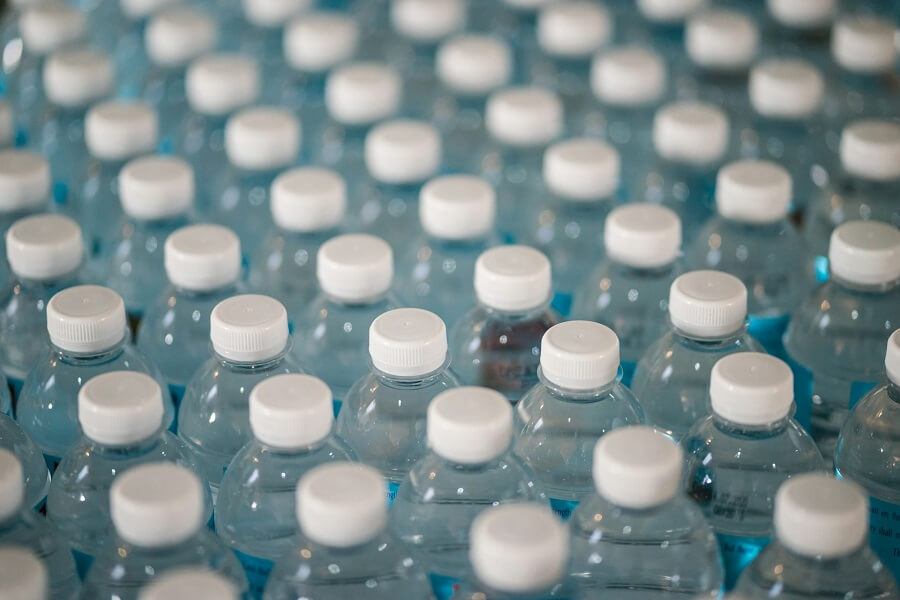
Biodegradable. Compostable. Recyclable. They sit next to each other on packaging, with similar leaf-green logos and similar implicit promises, and they do not mean the same thing. The words describe three different processes, with different timelines, different conditions, and different outcomes for what actually happens to the item after you throw it away.
Marketing departments rely on that confusion. When most people read “biodegradable” on a plastic bottle, they picture it quietly dissolving into soil. What it usually means, in practice, is that it fragments into microplastics that persist in the environment for decades or centuries. The gap between the promise and the practice is where greenwashing lives, and closing it is the main point of this guide.
None of what follows requires a science degree. It requires five minutes of reading the label instead of the logo.
Biodegradable: the weakest claim
Biodegradable, as a word, means capable of being broken down by microorganisms. In practice it has no legally binding timeline, no test for what the material becomes, and no requirement for the residue to be harmless. Which means it is, on its own, almost meaningless as a consumer signal.
Paper is biodegradable. So is cotton, wool, and most untreated plant fibre. Those biodegrade into the same constituents they came from, within months, in normal conditions.
Then there is “biodegradable plastic.” This is the label that does the most damage. In most cases, it refers to plastic that has been chemically engineered to fragment faster than conventional plastic, or blended with additives that speed that fragmentation.
What it becomes as it “biodegrades” is smaller and smaller pieces of plastic -microplastics, then nanoplastics -which do not meaningfully return to nature. They persist, they enter the food chain, and they end up in human blood.
The useful question to ask when you see the word is not “does it break down?” but “what does it break down into?” Paper, plant fibres, and certified compostable materials give a clean answer. Plastic labelled biodegradable usually does not.
Compostable: the precise claim
Compostable is the term that actually means something, because it is tied to a testable standard. In Europe, that standard is EN 13432, published by the European Committee for Standardization in 2000 and adopted by national bodies including the British Standards Institution (BSI). In the UK you will often see it as BS EN 13432
The standard requires four things. The material must disintegrate, meaning fragment to pieces smaller than 2 mm, within 12 weeks in industrial composting conditions. It must fully biodegrade, meaning at least 90% of its organic carbon converts to carbon dioxide within six months, according to the European Bioplastics association. The residue must not harm the compost or the plants grown in it. And it must contain only trace amounts of heavy metals.
Crucially, EN 13432 certifies industrial compostability. Industrial composting runs at around 58°C for several weeks. A home compost heap typically runs at 20 to 30°C, takes much longer, and will not break down most EN 13432-certified materials in any reasonable timeframe. If you want compostable material that also breaks down in a garden compost, look for the separate “OK Compost Home” certification, which tests for 12 months at ambient temperature.
The honest version of the claim is therefore: a certified compostable item will break down completely, in the right facility, without leaving harmful residue. A compostable item in a landfill or your kitchen bin just sits there.
Recyclable: the word that has done the most harm
Recyclable means a material can, in principle, be reprocessed into something new. It does not mean it will be. The gap between those two is the entire problem.
The UK government’s official figures for 2024 show a plastic packaging recycling rate of between 51 and 53.7%, according to DEFRA’s waste statistics, based on data submitted by accredited reprocessors and exporters. That includes plastic exported to other countries for processing, not all of which reaches a reprocessor.
Independent surveys suggest the real-world number for household plastic is considerably lower. The Big Plastic Count 2024, a citizen-science survey of 225,000 UK households run by Greenpeace UK and Everyday Plastic with academic support from the University of Portsmouth, estimated that only around 17% of UK household plastic waste is actually recycled.
The practical rule is this: of the seven plastic types identified by the resin identification code on packaging, only two recycle reliably at scale. PET (code 1, used for drinks bottles) and HDPE (code 2, used for milk bottles and detergent containers). Polypropylene (code 5) is recyclable in principle and increasingly in UK kerbside schemes, but recovery rates are lower. Polystyrene (code 6), PVC (code 3), and mixed plastics (code 7) almost never recycle in practice. Once you colour a plastic, add a film layer, or combine two types into a composite, the cost of separating them usually exceeds the value of the recovered material.
Black plastic ready-meal trays, crisp packets, toothpaste tubes, squeezable sauce bottles, coffee cup lids -these carry the recycling symbol because they contain recyclable polymer, but the sorting infrastructure does not recover them. The symbol is the manufacturer’s aspiration, not the council’s capability.
The downcycling problem
Even when plastic is recycled, it usually comes out lower-quality than it went in. Contaminants accumulate. Polymer chains shorten. A plastic bottle becomes fibre for a fleece jacket, which then becomes filling for upholstery, which then becomes landfill. The material has been recycled, technically, but the recycling has delayed the landfill trip rather than prevented it.
Glass, metal and paper downcycle far less. Aluminium is the standout: it can be recycled indefinitely with minimal quality loss, and around 75% of all aluminium ever produced is still in use today, according to European Aluminium — the industry body representing Europe’s primary aluminium producers, whose figure is consistent with data from the International Aluminium Institute. Glass behaves similarly. This is one reason many circular-economy efforts prioritise these materials over recyclable plastic.
The hierarchy that actually works
Put these three words in order of real-world impact and they invert almost entirely from the marketing.
Reuse beats recycling, every time. A glass jar used a hundred times, a metal water bottle, a refillable aluminium deodorant case -these remove the disposal question from the equation rather than trying to solve it after the fact. Reusable formats carry an initial carbon cost from manufacturing, but that cost is amortised across hundreds or thousands of uses rather than one. Any WRAP analysis of consumer packaging consistently shows reuse as the dominant lever.
Compostable is second best, in the narrow case where there is a certified industrial composting route and the material is certified for it. For most UK households, that means looking for the Seedling logo from Din Certco or the TÜV Austria “OK Compost” mark, and checking whether your local authority collects food waste (this is becoming mandatory across England by March 2026 under the Simpler Recycling reforms).
Recyclable is third best, and only within the plastic types and local infrastructure that actually recycle. The recycling symbol alone is not enough.
Biodegradable, without a specific standard attached, should be treated as a marketing term.
How to shop around this
Four practical rules hold up against almost any “eco-friendly” claim.
Ask what it becomes. Paper and certified compostable items become soil. Aluminium, glass and PET become themselves again. Most plastics become something lower-grade. Biodegradable plastics often become microplastics.
Favour reusable over single-use, even when the single-use is labelled eco. The carbon maths almost always works out after ten to twenty uses, and most reusable containers last for thousands.
Read the small print on “compostable” claims. Industrial-compostable only (which is most of them) is useful only if you have the collection route. Home-compostable items are genuinely compostable in an ordinary garden heap.
Distrust “biodegradable plastic” as a category. If it matters to you that the item returns to nature rather than fragmenting into pollution, choose paper, cardboard, certified compostable plant-based fibres, or a reusable alternative.
Where to start on Ziracle
Every brand in our Refills and Reusables edit has been chosen for the same reason: the packaging is either designed to be used hundreds of times or designed to disappear cleanly at end of life. Filter by Plastic Free for the zero-plastic options, or by Refillable for the refill systems that work across years rather than months.
If your starting point is your kitchen or bathroom, Clean Home is the goal page to bookmark.
FAQs
Can I put a compostable coffee cup in my home compost?
Almost certainly not. Most compostable cups and packaging are certified to EN 13432 for industrial composting only, which runs at around 58°C. A home compost runs at 20 to 30°C and will not break the material down in any reasonable timeframe. Look for the separate “OK Compost Home” certification if home composting matters to you. Otherwise, the compostable cup needs to go into a council food-waste collection where your area has one, or it acts like any other landfill waste.
What happens to recyclable plastic that isn’t actually recycled?
The majority is incinerated for energy recovery in the UK, which means it’s burned in waste-to-energy plants. DEFRA’s figures show this share has grown significantly over the past decade as exports have become harder. The remainder is landfilled or exported to countries with weaker recycling infrastructure. Incineration is less harmful than landfill in narrow carbon-accounting terms but produces local air pollution and releases the carbon embodied in the plastic rather than sequestering it.
Which plastic types actually recycle in the UK?
PET (code 1) and HDPE (code 2) recycle reliably and are collected by almost every UK council. Polypropylene (code 5) is increasingly collected as the Simpler Recycling reforms roll out, but the recycled material has lower quality. Polystyrene (code 6), PVC (code 3), LDPE film (code 4), and composite plastics (code 7) rarely recycle in household streams. From March 2027 plastic film will be collected at kerbside across England, which will improve the picture for some categories but not all.
Is biodegradable plastic actually better than regular plastic?
Generally not, and often worse. Most “biodegradable” plastic is conventional plastic with additives that accelerate fragmentation. It breaks into microplastics faster, which is worse for the environment than slower breakdown. Certified compostable plant-based plastics (like properly certified PLA) are genuinely different and can return to soil, but only in industrial composting conditions. The word “biodegradable” alone, without a standard attached, is not a meaningful claim.
What’s the single most impactful swap I can make?
A reusable water bottle, a reusable coffee cup, and a few reusable bags, used consistently, eliminate hundreds of single-use items from your household each year. Starting here also builds the habit that makes the subsequent swaps (refillable cleaning, shampoo bars, reusable food wraps) easier to maintain. The exact carbon savings depend on what they replace, but reusable almost always wins once you’ve used the item a couple of dozen times.
Skinimalism is stripping your routine back to the bare minimum. Just the essentials. No multi-step regimens, no marketing noise, no assumption that more products equal better skin. It’s a response to something broader: the realisation that social media images of flawless skin set an impossible standard, and that standard is damaging your actual skin and your actual mood.
Overloaded skincare routines damage skin. More products mean more potential irritants, more disruption to your skin barrier, and more waiting around for results that never show. The skinimalism movement is gaining traction because people are discovering that simplicity works better than complexity. Good skin doesn’t require perfection. It requires consistency, the right few ingredients, and freedom from comparison with curated images online.
Here’s how it works, what to keep, what to cut, and why your skin and your head will thank you.
Why minimalism works for skin
Your skin barrier is delicate. It’s designed to keep irritants out and moisture in. When you layer eight different products on it, you’re constantly disrupting that barrier. Each new product introduces potential irritants. Each new ingredient your skin hasn’t seen before requires adjustment. If one of those ingredients triggers a reaction, you don’t know which one because you’re changing too many variables at once.
Credit: Polina Takilevich
A 2021 review in the Journal of Cosmetic Dermatology found that over-exfoliation and multi-active layering are among the most common causes of compromised skin barrier function in otherwise healthy adults, with symptoms including redness, stinging, heightened sensitivity and breakouts that mimic acne. Skinimalism solves this by keeping variables low. With three products, you can track cause and effect. If something goes wrong, you know exactly what caused it.
Why minimalism works for your head
There’s a mental-health piece here too. Scrolling through filtered images of perfect skin creates a gap between what you see and what you experience. That gap creates anxiety. A 2019 review in Body Image summarising multiple studies found that exposure to idealised, edited images on social media is associated with reduced appearance satisfaction and increased anxiety about one’s own skin and body.
Credit: Snog, Marry, Avoid
The acne positivity movement got this right. Your acne isn’t a failure. A routine with eight steps isn’t evidence of care. Sometimes the best thing you can do for problem skin is use less. Skinimalism is partly a skincare philosophy and partly a rejection of comparison culture. It’s saying: good skin doesn’t require perfection. It requires self-acceptance and smart choices about which products actually deliver results.
What skinimalism actually is in practice
Skinimalism means you have a gentle cleanser, a targeted treatment, and a moisturiser with SPF during the day. That’s it. No toners, no essences, no serums for every possible concern. You choose products that actually do something, and you give them time to work before adding more.
Credit: Nicole aka, @theblemishqueen
The baseline is clean skin. You’re removing dirt and excess oil with a gentle approach that doesn’t strip your skin. Browse the Soaps and Cleansers edit for the face-and-body side. Then you address your specific concern. If that’s acne, a treatment with salicylic acid. If it’s sensitivity, something with calming ingredients like niacinamide or centella. Then you seal everything in with a moisturiser.
At night, you repeat the cleanse and treatment, then seal with a heavier moisturiser or a facial oil if your skin is dry. That’s the whole routine. Three products, two times a day. The Serums edit is where your targeted treatment sits, and the Oils and Balms edit covers the final moisturising layer if oil is your preference.
The ingredients that actually work
Vitamin C is an antioxidant that protects against environmental damage and supports collagen production. The American Academy of Dermatology lists it as one of the ingredients with the strongest evidence for anti-ageing benefits when formulated at appropriate concentrations.
Retinol, derived from vitamin A, is the single most-studied anti-ageing ingredient in dermatology, with decades of randomised trials supporting its effects on fine lines and skin texture. Start low and slow, once or twice a week, and build up. It’s not a skinimalism requirement, but if you’re keeping only one active, many dermatologists recommend retinol over almost anything else.
Niacinamide (vitamin B3) calms inflammation, reduces the appearance of pores, and supports the skin barrier. A 2021 meta-analysis in Clinical, Cosmetic and Investigational Dermatology found that topical niacinamide formulations produced modest but consistent improvements in skin elasticity, hydration and pigmentation across multiple trials.
Sunscreen is the non-negotiable one. Daily SPF is the ingredient with the strongest evidence for preventing the visible signs of ageing and reducing skin cancer risk, according to sustained guidance from the NHS. If you keep only one skincare product, make it a broad-spectrum sunscreen.
These aren’t secret ingredients. They’re the ones that appear in legitimate dermatology research and have decades of evidence behind their efficacy. The mistake most people make is assuming they need all of them at once.
A three-step routine you actually do beats an eight-step routine you abandon after a week.
Consistency beats complexity every time
A three-step routine you actually do beats an eight-step routine you abandon after a week. This is the practical argument for skinimalism. You’ll use it consistently. You’ll notice results because there’s nothing else changing. If something happens to your skin, you know exactly what caused it because you’re only using three products.
Consistency is where skin improvement happens. Your skin cells turn over on a roughly 28-day cycle, which is why dermatologists recommend giving any new treatment at least four weeks before judging it. If you’re cycling through products constantly, you’re never giving anything a fair trial. Skinimalism forces consistency because there’s less to change.
Acne is not a skincare failure
Here’s where it really matters: if you have acne, it’s not because your routine isn’t complex enough. Acne is hormonal, bacterial or structural. An expensive ten-step routine doesn’t fix any of that. Sometimes simpler routines actually improve acne because they’re less likely to irritate and compromise the barrier.
The acne positivity movement exists because people internalised a message that clear skin equals self-care and worth. That isn’t true. Acne is a skin condition. Some people get it regardless of what they do. Others can prevent it with basic hygiene and the right treatment. Most people are somewhere in between. Skinimalism gives you permission to have acne and not treat it as a personal failure. If acne is persistent, cystic, or affecting your confidence significantly, a GP or dermatologist is the right next step rather than another bottle from the shelf.
Making the switch without breaking your skin
Don’t strip everything at once. Drop one product this week. See how your skin responds over the full 28-day cycle. Drop another next week if everything’s still fine. This matters because you want to know what actually works for your specific skin type.
If your skin gets worse when you strip it back, you might actually need more support than minimalism. That’s not a failure. It means your baseline needs are higher. The point of skinimalism isn’t achieving the fewest possible products. It’s using the fewest that actually keep your skin healthy and functioning.
Skinimalism is a relief. You stop waiting for the perfect routine and start noticing what your skin actually needs. You stop comparing your baseline to filtered images. You start understanding your own skin because you’re not drowning it in complexity and contradictory products. That’s when real improvement happens.
Every brand in the Beauty and Self-Care category on Ziracle has passed the same standard: honest ingredients, transparent formulation, and packaging that takes the environment seriously. Filter by Organic or Cruelty Free to narrow to products that match the skinimalism brief.
Ready to simplify? Browse the Healthy Skin edit and pick the three products you’ll use every day.
FAQs
What are the three products every skinimalism routine needs?
A gentle cleanser, a targeted treatment for your specific concern, and a moisturiser with SPF during the day. At night, the SPF drops out and you can use a richer moisturiser or a facial oil if your skin is dry. That’s the whole routine. Cleanser, treatment, moisturiser. Adding more isn’t inherently wrong, but it should be because you’ve identified a specific need rather than because the shelf had a fourth thing on it.
Is skinimalism suitable for all skin types?
For most, yes. People with very dry, very reactive, or clinically-diagnosed conditions like rosacea, severe eczema or cystic acne may need additional products or prescription treatments, and skinimalism doesn’t mean avoiding medical care. If your skin gets worse when you strip back, that’s information rather than failure. Build back up gradually with the minimum additions that stabilise your skin.
How long does it take to see results from a simpler routine?
At least four weeks, because skin cells turn over on a roughly 28-day cycle. This is why dermatologists consistently recommend giving any new product or routine change at least four weeks before judging it. Skinimalism often shows initial improvement in barrier function within two weeks (less redness, less stinging, better hydration) but deeper changes to skin texture and clarity take longer.
What ingredients should I actually keep?
The evidence-based shortlist: a gentle cleanser (not a harsh foaming one), sunscreen (broad-spectrum SPF 30 or higher, every day), a moisturiser appropriate to your skin type, and one targeted active if you have a specific concern. Retinol for ageing and texture, niacinamide for sensitivity and barrier support, salicylic acid for oily or acne-prone skin, vitamin C for antioxidant protection. Pick one active, use it consistently, and add more only when the first has had a fair trial.
Can I still use makeup with a skinimalism routine?
Yes. Skinimalism is about the underlying skincare routine, not a ban on cosmetics. What often happens when people simplify their skincare is that they also reduce their makeup, because the skin underneath looks better enough that heavy coverage feels unnecessary. The other direction works too: some people keep their makeup routine the same and just simplify the skincare underneath. Either is fine.
Shopping with your values used to feel like homework. Twenty years ago, finding a pair of jeans that wasn’t made in a sweatshop required hours of digging and usually ended in a frustrated compromise. Now the landscape has shifted. Labels tell you more. Certifications exist. Entire marketplaces have been built around the question.
What has not shifted is the time most people have to spend on it. If conscious consumerism means researching every brand before every purchase, nobody does it for long. Burnout is real, and the shopping-as-homework model is how sustainable intentions die in month three.
This guide is about the opposite approach. Conscious consumerism done well is a set of mental shortcuts, not a research project. A handful of questions you learn to ask, a few certifications that do the verification for you, and a willingness to choose imperfect-but-better over paralysed-by-perfection. Done this way, it stops feeling like effort and starts feeling like ordinary shopping, just pointed in a slightly better direction.
Tiago P. Zanetic’s Tweet of a ‘Nature is Healing’ meme
The honest starting point
Conscious consumerism is not about moral perfection. Nobody shops ethically across every category all the time. Budget, time, access, and life all constrain what is possible in any given week. Setting the bar at total consistency is the surest way to give up the whole project within a year.
The better framing: every purchase is information. You are telling companies, quietly and cumulatively, which practices you support and which you do not. The aggregate of millions of people making slightly better choices is what has pushed the B Corp movement past 10,000 certified companies globally across 160 industries in 102 countries, shifted the high-street response to fair pay, and moved organic from speciality to supermarket aisle. Your individual purchase does not save the world. Your pattern of purchases, multiplied by millions, is what changes the market.
This frees you from the perfection trap. Done is better than perfect, in this as in most things.
The five questions that do most of the work
Five questions, asked of any product you are about to buy, will sort most of the genuinely-better options from the genuinely-worse ones in under a minute.
Where was this made, and by whom? A specific factory in a named city beats “imported” every time. A named workshop is better still.
Were the people who made it paid fairly? You usually cannot verify this directly. What you can verify is whether the brand participates in a fair-pay certification that audits it.
What is it made of, and where did the raw material come from? Cotton from a GOTS-certified farm is different from cotton whose origin the brand cannot trace. Recycled aluminium is different from newly mined.
Was any animal harmed in production or testing? For cosmetics, this is the cruelty-free question. For clothing, it is whether any animal-derived materials came from certified welfare-standard operations.
Is there a certification backing the brand’s claims, or is it marketing? This is the meta-question. A brand that has paid for independent verification has agreed to be held accountable to a named standard. A brand that has not is asking you to trust them on their own word.
Most of the time, the fifth question answers the first four at once.
The four certifications that do the most work
Four certifications are worth learning. They are the shorthand that removes most of the research burden.
Fair Trade certification, run in the UK by the Fairtrade Foundation, audits for minimum prices, a community premium paid on top, safe working conditions, and restrictions on the worst agrochemicals. It applies across coffee, cocoa, bananas, cotton, gold, and a growing list of other commodities. A Fairtrade mark on a product means the producer was paid above a defined floor, regardless of what the open market did that season.
Organic certification (in the UK, this is usually the Soil Association, and for textiles specifically, GOTS -the Global Organic Textile Standard) means the crop was grown without synthetic pesticides, synthetic fertilisers or genetically modified seeds. GOTS goes further on textiles and covers the manufacturing process as well.
Cruelty Free certification (Leaping Bunny is the internationally recognised mark) means no animal testing occurred at any stage of the supply chain, including by third-party suppliers. “Not tested on animals” as an unverified claim is weaker: it often applies only to the final product, not the ingredients.
B Corp status applies to the whole business rather than a specific product. It signals that a company has been independently audited against standards on environmental impact, worker welfare, community engagement and governance. Over 10,000 businesses globally now hold B Corp certification, employing more than one million people across 102 countries. It is not material-specific, but B Corp brands tend to take sourcing seriously as a matter of course.
None of these certifications is perfect. All require ongoing independent scrutiny. But a brand that carries several of them has chosen to be held accountable in ways that a brand with none has not.
The buy-less-but-better principle, without the moralising
The single most effective thing most people can do, across almost every category, is consume less and keep what they do buy for longer. This is not a new insight. What is often missing from it is the cost-per-wear maths that makes it work.
A £12 T-shirt you wear five times before it loses shape costs £2.40 per wear. A £45 organic-cotton T-shirt you wear forty times costs £1.13 per wear. The second option is better for your wardrobe, better for your wallet, and considerably better for the people and land involved in making it. The cheap item feels cheaper. It is not.
The same maths applies to a £9 face cream that lasts three weeks versus a £28 one that lasts three months. To a £15 pair of earrings that tarnishes in a summer versus a £60 pair in recycled silver worn for a decade. To a £20 cushion cover that fades in six months versus a £45 organic-cotton one that holds up for years.
The habit that matters is doing the maths before the purchase rather than after the disappointment.
The food question, and why small shifts matter more than big gestures
Food is where conscious consumerism scales fastest, because most people eat three times a day. A single purchase decision times 1,000 repetitions is a meaningful footprint change without requiring any single moment of heroic commitment.
The Veganuary movement -which recorded roughly 25.8 million global participants across 20+ countries in January 2025 -has made the point that reducing rather than eliminating is the more achievable path for most people. Veganuary’s own participant survey for 2025 found that 81% of participants who were not already vegan planned to at least halve their animal-product intake permanently after the month ended. The interesting finding is not that everyone becomes vegan, but that most people stay somewhere on the spectrum between where they started and where they finished.
The smaller shifts are the reliable ones. A few meat-free dinners a week. A weekly vegetable box from a local grower. Cooking slightly more and eating out slightly less. Buying loose rather than packaged items where your supermarket allows it. Eat Well is the goal page to bookmark if food is where you want to start.
Why small system changes beat individual willpower
The UK’s 5p plastic bag charge, introduced in October 2015 and extended to 10p across all retailers in May 2021, is the case study worth learning from. According to DEFRA’s most recent carrier bag charge data (2024–25), single-use carrier bag sales by major retailers in England are down 79% since the first full year of reporting in 2016–17, equivalent to around 8 bags per person per year, compared to an estimated 140 bags per person before the charge was introduced, representing an almost 94% reduction. The DEFRA data also shows that since its introduction, the charge has raised over £1.3 billion, much of which has been donated to good causes by retailers.
One small policy change shifted behaviour across millions of people without requiring any individual effort of willpower. That pattern is worth internalising. Systems that remove the path of least resistance do more than moral persuasion ever will.
The consumer version of this principle: make the better choice the default. Keep a reusable bag in every coat pocket. Keep a refillable water bottle in the kitchen and the car. Set up a weekly box delivery rather than trying to shop ethically on a rushed Thursday. Most consistent sustainable behaviour comes from designing the system, not from remembering the intention.
Where to start
Pick one category. Food, clothing, personal care, or home cleaning. Try one swap in that category for a month. A reusable water bottle. One Fairtrade brand of coffee. One GOTS-certified item of underwear. A compostable or refillable version of something you already buy.
Live with it for four weeks. Notice whether it works for your life. If it does, keep it and move to the next category. If it does not, try a different version of the same swap before giving up. The second attempt almost always works better than the first, because you have learned something about what matters to you in practice.
The categories compound. By year two, the shift that felt like effort in month one has become the default. By year three, you stop noticing you are doing it. That is the point at which conscious consumerism becomes ordinary consumerism, done slightly more thoughtfully, with less time spent thinking about it.
Where to start on Ziracle
Every brand in the Ziracle edit has been assessed against the same four-part question: does it do what it claims, is it made the way the brand says, is the brand honest about both, and is there independent verification to back it up. You can browse by value – Fair Trade, Organic, Cruelty Free, or B Corp – to filter the edit according to what matters most to you.
For the longer argument about why well-made basics hold up over time, our sustainable denim guide works through the maths on a single category. For the packaging side of the same argument, the plastic-free living guide covers practical, habit-level changes at home.
The honest summary of this entire guide: conscious consumerism is not about self-denial or moral purity. It is about a few mental shortcuts, a handful of certifications worth knowing, and the willingness to let imperfect-but-better be good enough.
FAQs
Isn’t conscious consumerism just expensive consumerism with better PR?
Sometimes, yes. There are plenty of “ethical” products priced well above what their actual sourcing justifies, and plenty of mass-market brands that produce well-sourced basics at competitive prices. The defence is the certification question. A £45 T-shirt with no independent verification is a premium. A £45 T-shirt with GOTS and Fairtrade certification is paying for those audits. Price alone does not signal ethics. Paid-for third-party verification does.
What’s the one certification I should pay attention to if I only learn one?
B Corp, if you want the broadest signal. B Corp applies to the whole business and covers environmental, social, governance and worker-welfare standards. It does not replace specific material certifications (like GOTS for organic textile or Fairtrade for coffee) but it does mean the business behind the product has agreed to be independently audited against a broad standard.
Can I shop consciously on a tight budget?
Yes, with a different approach. The entry points for tight-budget conscious shopping are not premium brands. They are buying less, buying secondhand, using what you own for longer, cooking more from basic ingredients, and picking one or two categories where paying slightly more is worth it. Most genuinely sustainable behaviour is not about expensive purchases. It is about fewer purchases, and the things you already own lasting longer.
How do I avoid greenwashing?
Two quick tests. Does the brand name its specific certifications (with licence numbers where applicable), or does it use vague terms like “eco-friendly,” “natural,” or “green”? And is the claim specific and measurable (this cotton is GOTS-certified), or is it aspirational (we care about the planet)? The first type is verifiable. The second is marketing.
What’s the single most impactful swap I can make?
Statistically, if you eat meat daily, moving to meat a few times a week is the biggest single environmental swap most people can make. If you already eat little meat, the biggest single swap is usually buying fewer clothes and keeping them longer. Both apply to most people. Either is a reasonable place to start.