



Veo and Wearth are now Ziracle. Same mission, better platform. See what's new

Lydia Oyeniran

MSc Fashion Analytics, London College of Fashion (UAL)

Lydia Oyeniran is a researcher, writer, and product development lead at CircKit, the circular design toolkit for fashion. She holds an MSc with Distinction in Fashion Analytics and Forecasting from London College of Fashion, University of the Arts London, where her dissertation built an AI-powered recommender system for mindful consumption. She spent over four years as senior marketing executive at Veo World, the ethical marketplace that became Ziracle, where she wrote many of the articles now in the Journal. She writes about gut health, skincare, sustainable materials, plastic-free living, meditation, diet culture, and eco-friendly home products.

Lydia Oyeniran has published 13 articles

Author Journal

|||||||||||||||

Live Well

The Best Alcohol-Free Drinks (and what the science actually says)

By Lydia Oyeniran ·

September 26, 2023 ·

|||

Live Sustainably

Can Leather Be Sustainable? The Honest Answer

By Lydia Oyeniran ·

August 21, 2023 ·

||||||||||||||||||

Live Well

Anti-Pollution Skincare, Without the Marketing Noise

By Lydia Oyeniran ·

March 8, 2023 ·

buy less

Live Sustainably

Buy Less, Choose Well, Make It Last: How to Make Better Fashion Choices

By Lydia Oyeniran ·

April 12, 2022 ·

|||||||||||||||

Live Well

The Best Organic Facial Oils for Skin that’s Starting to Show its Age

By Lydia Oyeniran ·

September 16, 2021 ·

||||

Live Well

Best Foods for Bloating: What Actually Works and Why

By Lydia Oyeniran ·

September 7, 2021 ·

|||||||||

Live Sustainably

The Sustainable Underwear Guide (The Easiest Swap in your Wardrobe)

By Lydia Oyeniran ·

August 17, 2021 ·

||||sustainable houswarming gifts | marble two tone serving board|||

Live Sustainably

Eco-Home Essentials Worth Building a Room Around

By Lydia Oyeniran ·

August 3, 2021 ·

||||

Live Sustainably

The Plastic-Free Living Guide (without the guilt)

By Lydia Oyeniran ·

July 13, 2021 ·

|||||

Live Well

Creative Ways to Add Meditation into your Day

By Lydia Oyeniran ·

May 20, 2021 ·

The Best Alcohol-Free Drinks (and what the science actually says)

|||||||||||||||

Ten years ago, the non-alcoholic aisle was a lineup of fruit juice and lime and soda. Now it runs from distilled 0% spirits to fermented teas to seriously considered low-ABV options, and the quality gap with the alcoholic versions has closed faster than almost any category in drinks. For anyone reconsidering how often they drink, the practical question has changed. It is no longer whether there is a decent alternative. It is which one.

This is a guide to three categories worth your money, what the evidence says about drinking less, and how to shop without getting taken in by marketing.

Why this category has finally caught up

The UK’s Chief Medical Officers revised their low-risk guidance in 2016 to recommend no more than 14 units of alcohol a week, spread across three or more days, with several drink-free days. A generation of drinkers has taken that seriously, and the drinks industry has followed. Non-alcoholic beer has grown into a real category in UK supermarkets. 0% spirits have moved from novelty to restaurant lists. Kombucha and other fermented drinks have gone from health-food-shop niche to standard stock.

The old assumption that the only alternative to wine was water has dated badly.

0% spirits: the aperitif that behaves like one

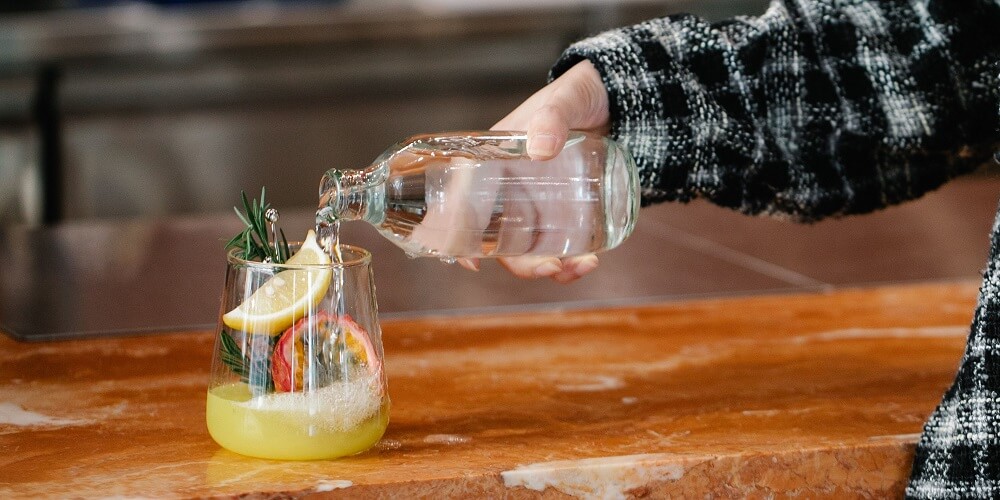
Non-alcoholic botanical spirits are the newest serious category. Brands distil them using the same botanicals that give gin, vermouth and amari their character, then finish them without alcohol. The good ones are built to be mixed, not sipped neat, and behave in a cocktail the way their alcoholic counterparts do. The ritual works. The glass looks right. The evening holds.

What they deliver, and do not, is specific. They give you complex flavour and the shape of a pre-dinner drink. They do not give you the sedative hit. That is the point, and it is why they work at dinner on a Tuesday when you want a grown-up drink but not a grown-up hangover.

Price is the honest trade. A good 0% spirit costs roughly what a mid-range gin costs, which surprises people expecting something cheaper. You are paying for distillation and botanicals, not for alcohol duty, and the production cost is similar.

Low-ABV: the middle ground

Low-ABV drinks, typically between 0.5% and 5% alcohol, are where the category has improved most recently. Early attempts tasted thin. Modern craft versions hold up. You can have one with dinner and still drive home, sleep properly, and wake up clear.

The case for low-ABV over 0% is social and sensory. Sometimes you want the edge of a proper drink, not the shape of one. A low-ABV vermouth in a spritz, a 3% pale ale with a Friday curry. One drink, still within the CMO’s guidance, no consequences the next morning. The combination is what makes this category useful for people who drink socially but want to drink less.

Kombucha: the fermented middle option

Kombucha is fermented sweetened tea, made with a symbiotic culture of bacteria and yeast. It arrives with a fine fizz, a tart-sweet flavour, and a label that usually claims gut-health benefits. The honest state of the evidence is more nuanced than the marketing.

A 2024 clinical trial published in Scientific Reports found that four weeks of daily kombucha consumption produced measurable shifts in the gut microbiome, including enrichment of Weizmannia coagulans, a probiotic strain associated with digestive health. A 2025 systematic review of eight clinical trials in the journal Fermentation concluded that kombucha consumption was associated with improvements in gastrointestinal symptoms, particularly stool consistency, with modest effects on gut microbiota composition overall. Claims about energy, immunity and sleep remain largely untested in humans.

The takeaway: kombucha is probably good for your gut at the margin. It is not a cure for anything. It is a genuinely nice drink that does more for digestion than a diet cola and contains a fraction of the sugar of a regular soft drink, if you choose the right brand.

What actually happens when you drink less

The evidence for better sleep is the strongest of the benefits people cite. A 2024 systematic review and meta-analysis in Sleep Medicine Reviews, pooling 27 studies, found that even a low dose of alcohol (around two standard drinks) reduced REM sleep, with effects worsening as the dose went up. 

An earlier review in Alcoholism: Clinical and Experimental Research (Ebrahim et al., 2013) established the pattern still cited today: alcohol gets you to sleep faster, then fragments the second half of the night as it metabolises. Less REM means less emotional processing and less memory consolidation, which is why you can sleep a full eight hours after drinking and still feel depleted.

Beyond sleep, the effects are real but less dramatic than wellness content often suggests. Most people notice steadier mood and better morning energy within a week or two of cutting back. Skin can look clearer. Digestion often settles. Weight change, where it happens, is usually slow rather than dramatic, and usually follows from reduced late-night eating and alcohol calories combined rather than from any metabolic magic.

The single honest summary: less alcohol means better sleep, and better sleep improves almost everything else.

For more on why sleep architecture matters, see our sleep guide.

What to look for when you shop

A few rules hold across the three categories.

Shorter ingredient lists almost always beat longer ones. In 0% spirits, look for real botanicals rather than flavourings. In kombucha, look for live cultures, a short sugar list, and ideally the specific strains named on the label. In low-ABV, look for craft brewers rather than re-labelled supermarket lager.

Avoid artificial sweeteners. The whole point of the category is that these drinks are enjoyable on their own terms, not as diet versions of something else.

Taste before you commit. Buy one bottle rather than a case, and try it properly. A drink you actively enjoy is one you will keep reaching for. A drink you tolerate goes back of the cupboard within a month.

Price to quality ratio matters more here than in most drinks categories. A £25 0% spirit that makes a cocktail you look forward to is better value than a £10 one you stop using after two weekends.

Where to start on Ziracle

Every brand in our Food and Drink edit has passed the same standard: honest ingredients, transparent sourcing, and production that takes ethics seriously. Filter by Organic for whole-ingredient options, or browse by category: Kombucha, Low and No Alcohol, or the full Cellar range including teas and coffees.

If you are using drinks changes as part of a broader digestive reset, our bloating guide covers the food side.

For integrated support across digestion and daily choices, Gut Health is the goal page to bookmark.

FAQs

Is low-alcohol drinking actually better than sober?

For most people who are not avoiding alcohol for medical or recovery reasons, low-ABV can work well as a stepping stone or as a long-term pattern. The CMO’s 14-units-a-week guidance was built around the assumption that most people will still drink sometimes. The evidence against drinking heavily is strong. The evidence against having one low-ABV beer with dinner is not. The right choice depends on why you are cutting back and what works for your life.

Does kombucha really help your gut?

The evidence points to modest benefits rather than dramatic ones. The 2024 Scientific Reports trial found measurable but subtle changes in gut microbiome composition after four weeks of daily kombucha consumption. A 2025 systematic review in Fermentation found consistent improvements in stool consistency and some microbiota shifts, with most other health claims not yet supported by clinical evidence. Kombucha is a reasonable daily drink for digestive comfort. It is not a cure for IBS, a weight-loss aid, or a replacement for a varied diet.

How long does it take to notice the effects of drinking less?

Most people notice improved sleep quality within the first week. Mood, morning energy and skin appearance usually shift within two to four weeks. Longer-term markers like liver enzymes and blood pressure tend to move over a few months. The Drinkaware website summarises what to expect on a typical month-long reduction.

Are 0% spirits just expensive tonic water?

The well-made ones are distilled using the same botanicals and processes as their alcoholic counterparts, which is why they cost what they cost. A good 0% spirit in a cocktail behaves differently from tonic water alone, with bitterness, depth and botanical complexity you cannot get from a mixer. If you are only drinking them straight over ice, the difference is smaller. If you are building cocktails, it matters.

Why does alcohol disrupt sleep even when it helps me fall asleep faster?

Because it changes the architecture of the night. The 2024 Sleep Medicine Reviews meta-analysis found that even two standard drinks reduce REM sleep, the stage where your brain processes emotion and memory. You fall asleep faster because alcohol is a sedative, and wake up less rested because the second half of the night becomes fragmented as the alcohol metabolises. The net effect, especially above two drinks, is worse sleep than you would have had sober.

Can Leather Be Sustainable? The Honest Answer

|||

The fashion industry has a long way to go on sustainability. As shoppers push brands to clean up their environmental impact and show their working on ethics and transparency, fashion houses find themselves caught between people, planet and profit. That tension is nowhere more visible than in the debate around leather.

Search data from fashion search platform Lyst has tracked the shift clearly in its recent Conscious Fashion Reports, with interest in vegan and plant-based materials rising steadily year on year while interest in conventional leather has softened. Shoppers are voting with their keyboards. The material itself is still catching up.

So why are many brands still dragging their feet? Because leather is lucrative. According to Grand View Research, the global luxury leather goods market was valued at over $50 billion in 2023, with continued growth projected through the rest of the decade. That’s a serious revenue pool to walk away from on principle, and it helps explain why the industry has been slow to change.

Is traditional leather sustainable?

Supporters of the leather industry often argue that leather is sustainable because it’s a natural, biodegradable material that uses waste from meat production. On the surface, the case sounds neat. Meat is produced anyway, hides would otherwise be discarded, and turning them into a durable material is better than landfilling them.

The argument misses the point. Commercial cattle farming is itself a major contributor to the environmental impact of global consumption. Figures from the Food and Agriculture Organization of the United Nations put the livestock sector at around 14.5% of all human-caused greenhouse gas emissions, with cattle responsible for about two-thirds of that share.

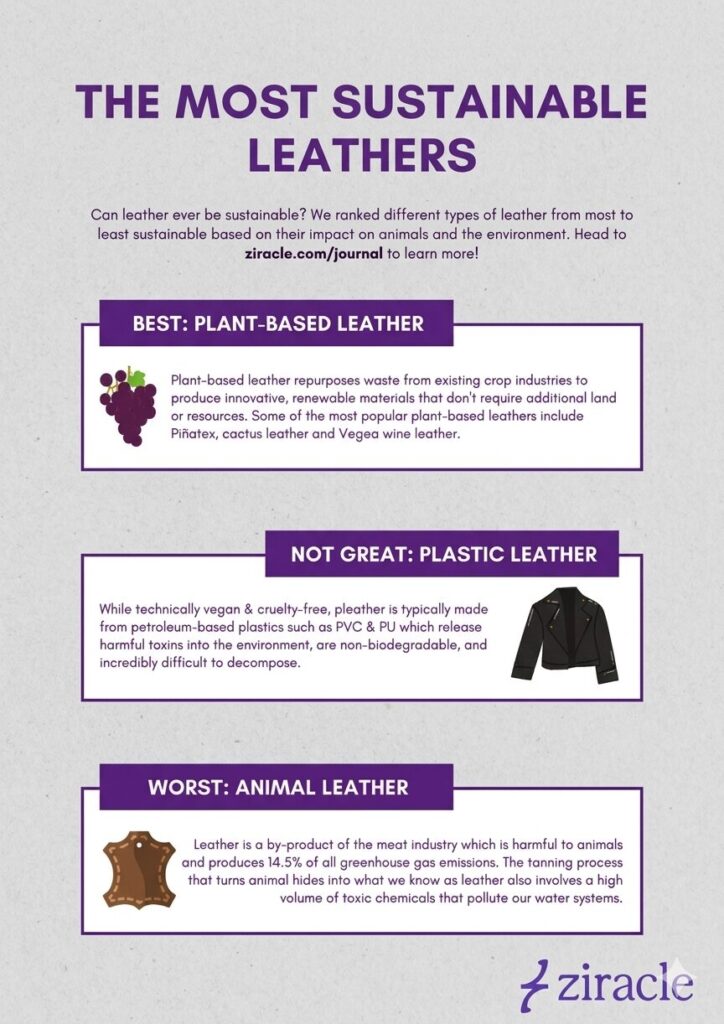
Can leather ever be sustainable? We ranked different types of leather from most to least sustainable based on their impact on animals and the environment. Best: plant-based leather, Not Great: plastic leather, Worst: animal leather

The tanning process that turns raw hides into leather also involves heavy use of chemicals, particularly chromium salts. A 2021 review in the Journal of Cleaner Production documented how chromium from tannery wastewater can leach into soil and water systems and cause long-term contamination in communities near production sites, which are disproportionately in lower-income countries. With that kind of footprint sitting behind every hide, the argument that leather is a clean waste product doesn’t hold.

Calling leather sustainable because it’s a meat byproduct ignores the entire industry that creates the hides in the first place. So what’s the alternative?

The problem with faux leather

Faux leather was initially pitched as the more ethical answer to animal leather, and it has genuine advantages. These materials use no animal byproducts, which makes them vegan and cruelty-free. For anyone trying to avoid contributing to animal agriculture, that’s a meaningful win.

The catch is what they’re actually made from. The most common faux leathers on the market are petroleum-based plastics: polyvinyl chloride (PVC) and polyurethane (PU). Both are fossil-fuel-derived, both release toxins during manufacture, and both shed microplastics as they wear. According to the European Environmental Bureau’s 2021 assessment, PVC in particular carries a heavy burden across its lifecycle, which is why it’s been progressively phased out by many major fashion brands. PU production has also improved, with water-based polyurethane dispersion reducing the solvent load and pushing performance closer to what traditional leather offers.

That’s progress, but it isn’t the answer. PVC and PU are both non-biodegradable and add directly to the growing pile of global plastic waste. Vegan-friendly faux leathers aren’t the eco-friendly alternative the industry actually needs.

Vegan and sustainable aren’t the same thing.

Enter plant-based leathers

Plant-based leathers are the most interesting development in this space. They use agricultural waste or low-impact crops to produce materials that look and behave like leather, without the animal hide and without the plastic backbone. From pineapple leaves to cactus pads to grape skins, here are three of the most promising alternatives changing what’s possible.

1. Piñatex

Credit: Ananas Anam, the makers of Piñatex®

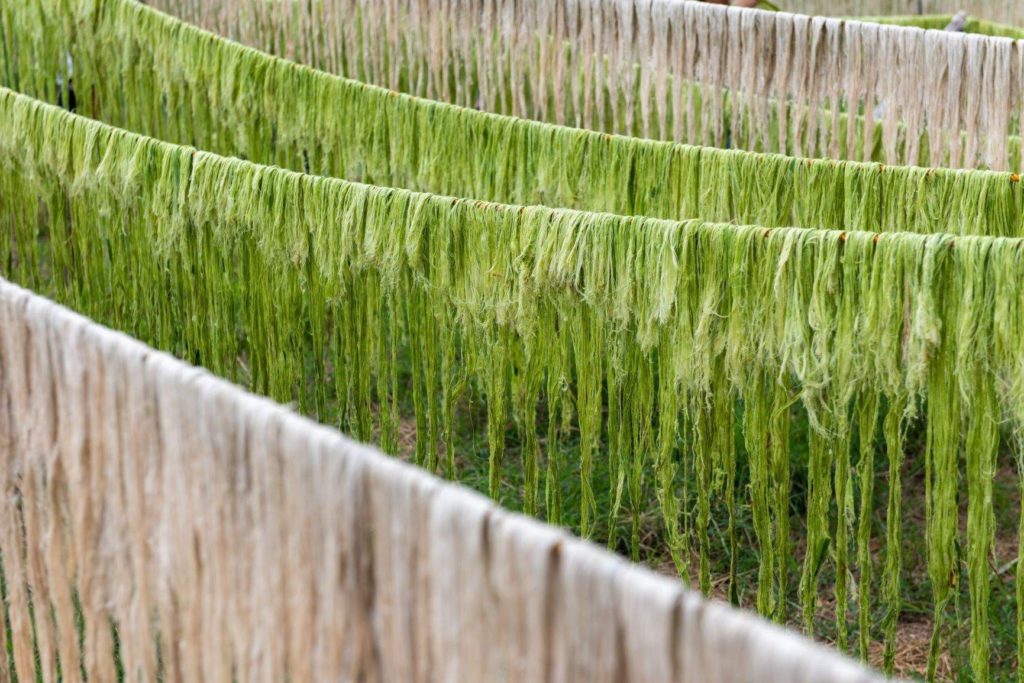
Piñatex, developed by Ananas Anam, is produced using the cellulose fibres of pineapple leaves that are a byproduct of the pineapple fruit industry. Because the raw material is an existing waste stream, no additional land, water or fertiliser is needed to produce it. It contains none of the harmful toxins found in traditional animal leather or conventional faux leather. The material is used by brands ranging from small independents to larger fashion houses including H&M and Hugo Boss, and has been certified as a PETA-Approved Vegan material.

2. Cactus leather

Credit: Bohema Clothing | veo.world/brand/bohema-clothing

Cactus leather, most notably Desserto, is made in Mexico from nopal cactus. Cactus plants naturally absorb a high volume of CO2 as they grow, and they can help regenerate soil in degraded areas thanks to their resilience and low water demand. The production process uses only the mature leaves of the plant without damaging it, allowing the same plants to be harvested repeatedly. No additional land or environmental resources are needed to scale the material.

3. Wine leather

Credit: ACBC | veo.world/brand/acbc

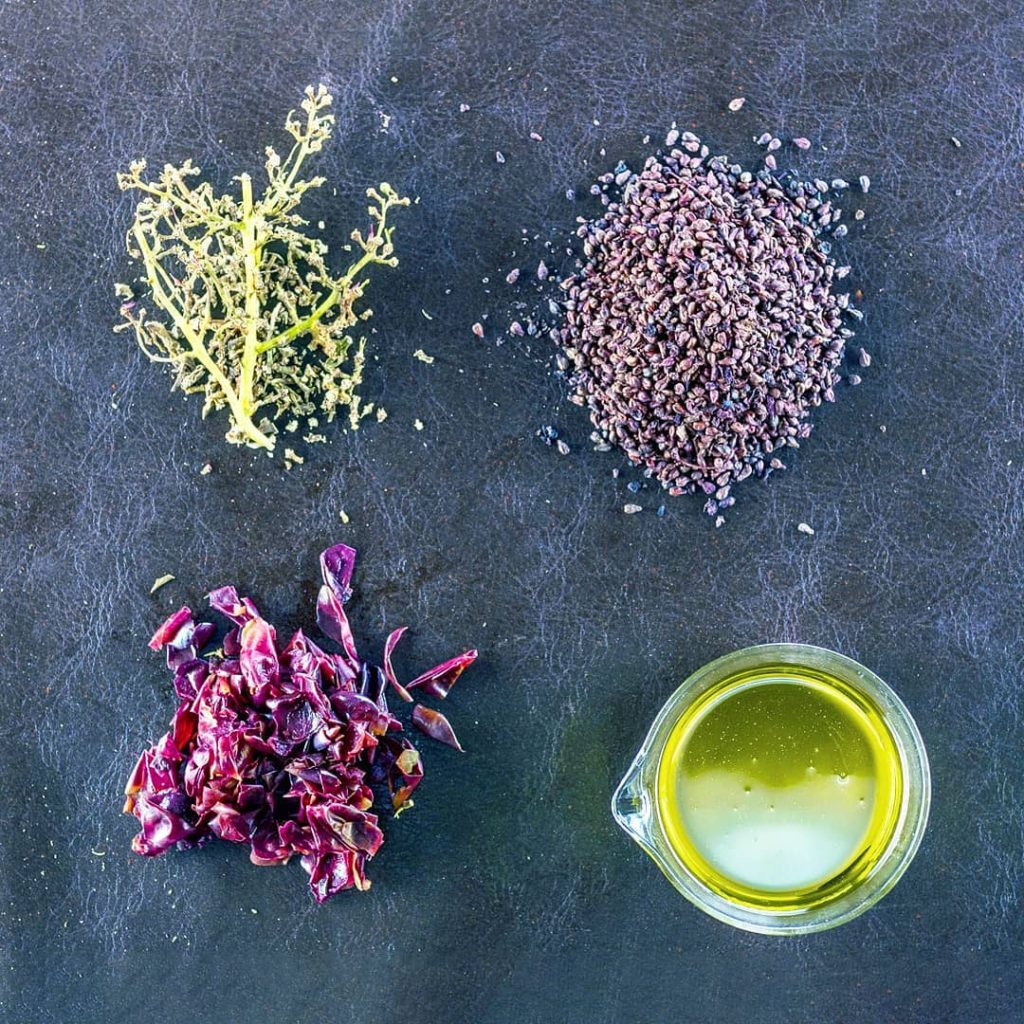
Wine leather (the best-known being Italian innovator Vegea) is made using pomace: the skin, seeds and stalks of grape clusters left over from winemaking. According to the International Organisation of Vine and Wine, global wine production generates millions of tonnes of grape marc a year, which gives wine leather a reliable and substantial supply of raw material. The production process has low environmental impact, low production costs, and no polluting substances. It comes from a renewable source and needs no additional resources to produce.

What these materials still need to prove

Plant-based materials are a clear improvement on both hide and conventional faux leather, but many are still works in progress. Most plant-based alternatives on the market today are blended with polyurethane or other petroleum-based resins to give them the feel, strength and flexibility that leather is prized for. That means the finished material isn’t fully plant-based and isn’t fully biodegradable at end of life.

The industry is working on it. Fully plant-based, compostable versions are appearing in limited runs, and recycling pathways are being developed. Mushroom-based leathers like MycoWorks‘ Reishi and Bolt Threads‘ Mylo have attracted significant investment and brand partnerships, with the potential to remove the PU backing entirely over time. Shoppers should know that buying a plant-based leather bag today isn’t the same as buying a compostable one. It’s a better option than hide or plastic, but it isn’t a closed-loop material yet.

Progress, not perfection

The honest answer to whether leather can be sustainable is: it’s complicated. No single material is the hero of the story. Animal leather carries a heavy climate and welfare cost. Plastic faux leather trades one problem for another. Plant-based alternatives are the most promising option by a distance, but they aren’t yet a finished solution.

What you can do is buy less leather overall, make what you own last, and choose better alternatives when you do buy new. For the broader picture, read our guides to eco swaps for fashion and why sustainable fashion costs more.

Every brand in the Apparel and Style category on Ziracle has passed the same standard: kind to the people making the clothes, transparent about materials and supply chain, built to last longer than a season. For anyone avoiding animal products specifically, filter by Vegan and Cruelty Free to find pieces made without hides. For footwear, the Footwear edit carries options using recycled, natural and plant-based materials.

Ready to shop? Browse the Vegan edit and pick pieces that work for your wardrobe.

FAQs

Is leather actually a waste product of the meat industry?

In accounting terms, hides are a secondary output of cattle raised primarily for meat and dairy. But treating leather as a pure waste product ignores the scale of the industry it depends on. The FAO estimates livestock accounts for around 14.5% of global greenhouse gas emissions, with cattle responsible for roughly two-thirds of that. The tanning process adds a separate footprint through chromium use and wastewater impact. Leather is only a waste product if you’ve already decided the industry producing it is acceptable.

Is vegan leather always better for the environment?

No. Most vegan leathers on the market are polyurethane or, less commonly now, PVC. Both are petroleum-derived plastics that shed microplastics and don’t biodegrade. They’re better than animal leather on welfare grounds and often on emissions per square metre, but they create a different environmental problem in their place. Plant-based alternatives (Piñatex, cactus leather, wine leather, mushroom leather) are the option that addresses both welfare and material footprint, though most still include some PU backing for durability.

How do I tell if a bag or pair of shoes uses real plant-based leather?

Look for named materials rather than generic “vegan leather” descriptions. Piñatex, Desserto, Vegea, Mylo and Reishi are specific trademarked materials with traceable supply chains, and brands using them tend to say so explicitly on the product page. “Vegan leather” without further detail is usually polyurethane. Certifications help too: PETA-Approved Vegan is a baseline signal, and Cradle to Cradle certification indicates the material has been assessed for end-of-life impact.

Is plant-based leather as durable as animal leather?

For most uses, yes. Piñatex, cactus leather and wine leather are designed to meet the performance standards of the products they’re used in, and major fashion houses including Hugo Boss and H&M have incorporated them into mainstream collections. Durability depends more on the construction of the finished product than the base material. A well-made plant-based bag will outlast a badly-made leather one. The area where plant-based materials still lag slightly is in heavy-duty applications like work boots or saddlery, where traditional leather retains specific properties that haven’t yet been fully replicated.

Should I throw out my existing leather items?

No. The most sustainable item you own is the one you already have, regardless of what it’s made of. The manufacturing impact is already sunk. Wear and repair what you’ve got until it wears out. When it does, replace with a plant-based or recycled alternative. Throwing away wearable items to replace them with greener versions is counterproductive on both environmental and financial grounds.

Anti-Pollution Skincare, Without the Marketing Noise

||||||||||||||||||

Anti-pollution skincare is one of the few wellness categories where the underlying problem is genuinely serious and the marketing around it is genuinely excessive. The air in most UK cities is measurably damaging your skin, the evidence for that has been strong for well over a decade, and the industry has responded with hundreds of products, some of which do meaningful work and most of which just slap “anti-pollution” on a standard serum and raise the price. This is the version that separates them.

What pollution actually does to skin

The World Health Organization considers air pollution the single largest environmental health risk globally. The UK-specific picture is not quite as bleak as it used to be (nitrogen dioxide has fallen in most English cities since 2010) but it is still a problem. UK Government 2024 data shows London Marylebone Road exceeded the 10 µg/m³ PM2.5 target last year, and the WHO’s own guideline is half that, at 5 µg/m³. Most of the country, on that stricter measure, breathes air that is over the limit.

Skin, as the body’s largest organ and the one most directly exposed, takes the hit. The landmark 2010 Vierkötter study in the Journal of Investigative Dermatology was the first large epidemiological work linking airborne particulate matter exposure to measurable skin ageing in women. A follow-up Hüls study in 2016 found that women in high-PM areas had around 20% more pigment spots on the forehead and cheeks than those in cleaner air.

The mechanism is now well-characterised. PM2.5 particles are small enough to penetrate the skin barrier, where they generate free radicals, degrade collagen and elastin via matrix metalloproteinases, disrupt the skin’s microbiome, and erode tight-junction proteins like filaggrin. The end result, according to a 2025 review in the Annals of Dermatology, is accelerated wrinkles, pigmentation, inflammation, and a higher incidence of acne, eczema, and rosacea flares.

Two sentences worth holding onto. Pollution does not produce one new skin problem. It makes most of them worse.

Start here. The three things that actually matter

These come first, before any marketed “anti-pollution” product.

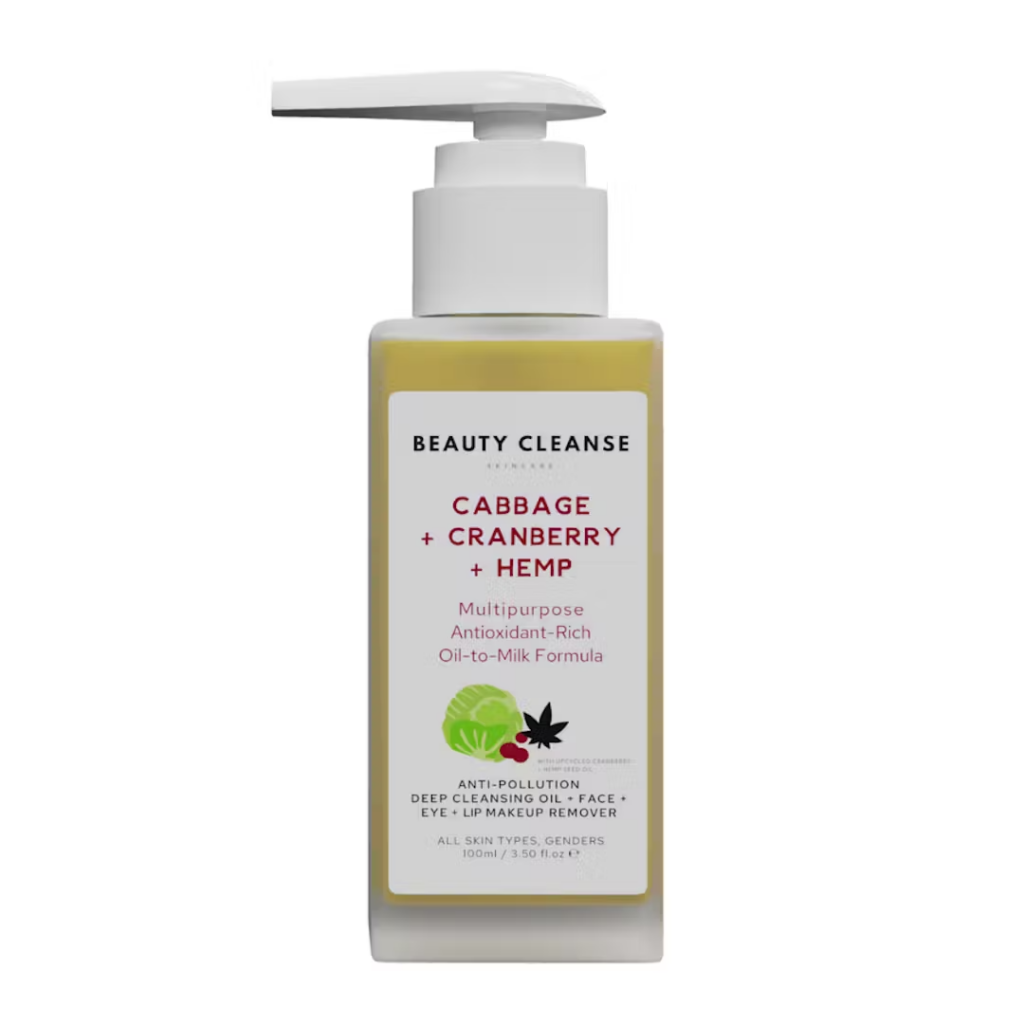
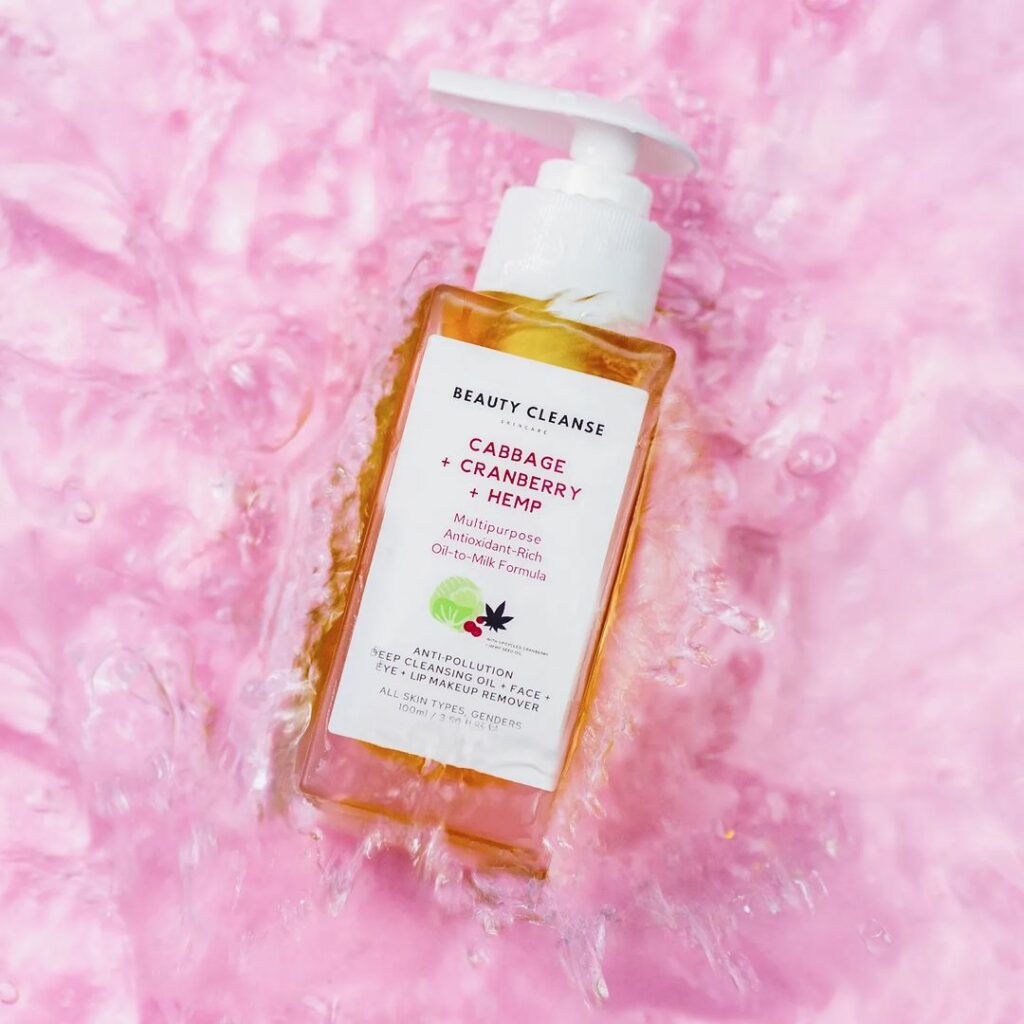
Superfood Cabbage & Cranberry & Hemp Anti-Pollution Deep Cleansing Oil & Makeup Remover | 100ml

01. Cleanse properly at night. The single most important thing you can do. Pollutant particles, PM2.5, soot, VOCs, deposit on the skin across the day and sit there oxidising until they come off. A thorough double cleanse (oil first to dissolve lipid-bound particulates and sunscreen, then a gentle second cleanse) removes most of what has accumulated. Skipping this step makes everything else you do less useful. Format recommendation: a plant-oil cleanser (jojoba, sunflower, hemp seed) for step one, followed by a pH-balanced syndet cleanser or gentle milk. Browse Face & Skincare for cleansing formats.

02. Use a vitamin C serum in the morning. The best-evidenced antioxidant for daytime skin protection. Vitamin C (ascorbic acid, usually at 10–20%) neutralises the free radicals that pollution generates, and a 2012 paper in the Journal of Investigative Dermatology confirmed it boosts the effectiveness of SPF against oxidative stress. Apply on clean skin, under moisturiser and sunscreen. Format recommendation: a stabilised L-ascorbic acid serum in airtight, opaque packaging (vitamin C oxidises on contact with light and air, which is why a clear-bottle serum that has gone orange in your bathroom is no longer working).

03. Sunscreen, every day, even in British winter. Pollution and UV are synergistic: a 2020 review in Current Environmental Health Reports found that PM’s damage is amplified by UV exposure and vice versa. SPF 30 minimum, broad spectrum, applied generously. This one non-negotiable finishes more of the job than most standalone “anti-pollution” products ever will. Browse Face & Skincare for SPF.

The supporting cast

04. Niacinamide. Strengthens the skin barrier and reduces transepidermal water loss, which is how pollution weakens skin in the first place. A 5% niacinamide serum or moisturiser alongside (not in the same step as) vitamin C is the quiet workhorse of anti-pollution routines.

05. A ferment or prebiotic to support the skin microbiome. The 2025 Annals of Dermatology review flagged that PM2.5 disrupts the skin microbiome, promoting inflammatory bacteria over the beneficial strains that keep skin calm. Fermented lysates, prebiotics, and probiotic extracts help rebuild that balance. The category is young, the evidence is still building, but the mechanism is sound.

06. A weekly clay or charcoal mask. For the deep-clean element. Activated charcoal and bentonite clay physically pull oxidised particulate matter and sebum from pores in a way daily cleansers cannot. Once a week is enough. More is drying.

07. An antioxidant-rich facial oil at night. Rosehip, sea buckthorn, marula, prickly pear. They deliver fat-soluble antioxidants (vitamin E, carotenoids, tocotrienols) that water-based serums cannot, and they seal in the rest of your routine. If you want to go deeper on this, the organic facial oils guide has more.

Ingredients with the strongest evidence

Vitamin C, niacinamide, vitamin E, ferulic acid, resveratrol, green tea polyphenols (EGCG), and astaxanthin all have reasonable clinical data behind their anti-pollution claims. The marketing term you will see often is “ectoin” — an extremophile-derived osmolyte used in some barrier-repair serums. The evidence is mostly industry-sponsored and the dermatology literature has not yet caught up, so treat it as promising rather than proven.

Ingredients marketed as anti-pollution that are just ingredients

Most “detox” claims are not mechanism, they are vibes. Kelp, algae, and cabbage extracts are perfectly fine skincare ingredients for other reasons (hydration, mild antioxidant effect), but the idea that they pull toxins from your skin in any meaningful way is not supported. Same with anything marketed as drawing “deep impurities” unless there is clay or charcoal doing the actual physical work.

Packaging matters for anti-pollution skincare specifically

This is a pollution article, so it is worth pointing out: most anti-pollution skincare is sold in hard-to-recycle mixed plastic, which contributes to the same problem the product claims to fight. Glass and aluminium, ideally refillable, solve this. Browse Beauty Refills for what this looks like in practice. If you want the wider context on microplastic shedding in cosmetics, the microplastics in cosmetics piece covers the detail.

The ones that aren’t ready yet

Pollution-protective SPFs with “anti-PM barrier” claims. The science here is thin. A good broad-spectrum SPF already does more than most of these pretend to, and paying a premium for the claim is not supported by independent data.

Ingestible anti-pollution supplements. The mechanism (systemic antioxidants reducing oxidative skin damage) is plausible; the evidence in humans is weak. Eating a plant-rich diet does most of what these promise, at a fraction of the price.

If you care about skin and you live in a UK city, the simple, boring version of this works: cleanse well at night, vitamin C in the morning, SPF every day, and a weekly deep clean. Everything else is refinement. The industry is selling you complexity; the dermatology is selling you consistency.

Ready to rebuild the routine? Explore Healthy Skin for the full edit.

FAQs

Does air pollution really damage your skin?

Yes, and the evidence is well-established. The landmark Vierkötter 2010 study in the Journal of Investigative Dermatology was the first to show airborne particulate matter was linked to measurable skin ageing in women. A 2016 follow-up found roughly 20% more facial pigment spots in women living in high-PM areas. A 2025 review in the Annals of Dermatology confirms pollution accelerates wrinkles, pigmentation, and inflammation, and worsens acne, eczema, and rosacea.

What is the single most important anti-pollution step?

A thorough cleanse at the end of the day. Pollutant particles accumulate on skin across the day and oxidise there until they come off. A double cleanse (oil first, then a gentle second cleanser) removes most of what has settled on the skin. Skipping this step makes every other anti-pollution product less effective.

Is vitamin C actually evidence-based for this?

Yes. It is the best-evidenced topical antioxidant for daytime use. A 2012 paper in the Journal of Investigative Dermatology showed vitamin C neutralises pollution-generated free radicals and boosts the effectiveness of sunscreen against oxidative stress. Look for 10–20% L-ascorbic acid in opaque, airtight packaging. If your serum has gone orange, it has oxidised and stopped working.

Do I need a dedicated anti-pollution product?

Probably not. A well-formulated vitamin C serum, a good cleanser, SPF, and a niacinamide moisturiser cover almost everything an “anti-pollution” line claims to do, usually with better-established ingredients and without the premium. The exception is a weekly clay or charcoal mask, which physically removes deposited particulate in a way other products cannot.

How bad is UK air pollution for skin?

Worse than most people assume. The UK Government’s 2024 compliance data showed one London monitoring site still exceeded the national PM2.5 target of 10 µg/m³ last year, and the WHO’s stricter guideline is 5 µg/m³, which most urban areas of the UK exceed. Chronic exposure at these levels is enough to accelerate extrinsic skin ageing, on the evidence available.

Buy Less, Choose Well, Make It Last: How to Make Better Fashion Choices

buy less

The fashion industry has a long way to go on sustainability. A collective addiction to rock-bottom prices and fleeting trends has produced a fast fashion culture that’s damaging the planet at an alarming rate, and the people making the clothes alongside it.

The numbers are hard to argue with. A 2019 UK Parliament Environmental Audit Committee report, titled Fixing Fashion, set out the scale of the industry’s impact on carbon emissions, water use and waste, and called for urgent policy intervention. You can make a case for the positive role fast fashion plays in making clothes accessible at lower incomes. What you can’t do is pretend the net balance is positive.

Each year around Fashion Revolution Week, the industry is held up to the light. Fashion Revolution was founded in response to the Rana Plaza garment factory collapse in 2013, which killed over 1,100 workers and injured thousands more. Over a decade on, fashion brands are still profiting from practices that go largely unregulated. During the pandemic, many major brands refused to pay garment factories for cancelled orders to reduce their own losses, which left workers unemployed and triggered the global #PayUp campaign run by Remake.

More people are thinking about what their fashion choices actually do to workers, communities and the climate. The good news is that meaningful change doesn’t require a wardrobe overhaul. It needs a handful of habit shifts. Five practical ways to buy less, choose well, and make it last.

01. Stop following trends and develop your own style

Credit: Hemper Handmade | veo.world/hemperhandmade

Most of the appeal of fast fashion comes from being able to wear the same trend as your friends, your favourite celebrity or an influencer. Emulating people you admire can feel empowering, especially when the likes start rolling in. But the confidence that comes from a unique look you’ve built yourself doesn’t disappear with the next drop.

Developing your own style delivers two things at once. You feel more comfortable in what you wear, and you stop spending money on clothes you’ll throw away the moment the trend has moved on. A strong personal style is a natural hedge against the churn of the trend cycle. It also tends to lead to more interesting outfits than anything a fast fashion shelf can offer.

02. Seek out high-quality, versatile pieces

infographic that shows the true cost per wear of throwaway 'wear once' fast fashion culture vs buying something more expensive and high quality which lasts longer | how to make better fashion choices
Credit: Veo

When it comes to making better fashion choices, you essentially have two options. You can spend your money on lots of low-quality pieces that are on-trend right now but cheap enough to discard once they’ve been photographed. Or you can spend a similar amount on fewer, better pieces that go with almost everything and last for years.

It’s tempting to feel like you’ve won at shopping when you walk out with a long list of cheap items. Most of those pieces end up at the back of the wardrobe within weeks. The real value is a wardrobe you can mix and match, that produces classic outfits you wear again and again, with each piece earning its place over years of wear. Browse the Clothing edit for pieces designed to last.

03. Look for environmentally-friendly materials

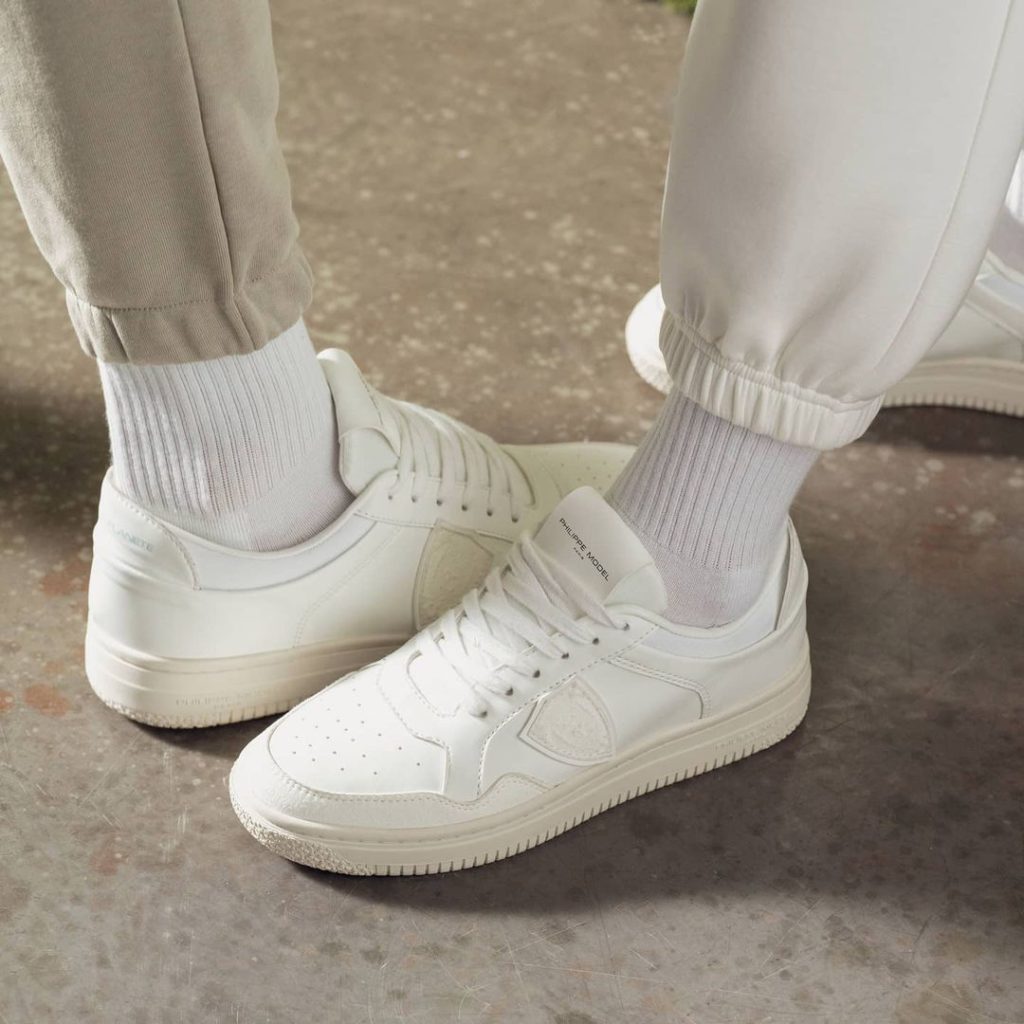
ACBC sneakers made from Bio Skin, a material developed from corn starch | choose environmentally friendly materials: make better fashion choices
Credit: ACBC | veo.world/acbc

The materials in your clothes matter enormously. According to WWF, it takes around 2,700 litres of water to produce a single conventional cotton t-shirt, roughly the amount one person drinks in two and a half years. That’s before you factor in the pesticides, synthetic fertilisers and labour conditions involved in conventional cotton production.

Avoid conventional cotton, polyester, acrylic, nylon and viscose where you can. They’re difficult to recycle, draw heavily on water and fossil fuels, and release hazardous dyes and microplastics into the environment every time you wash them. Look instead for certified Organic alternatives like organic cotton, organic hemp and organic linen, or recycled options like recycled cotton and recycled polyester (rPET). Recycled polyester is made from plastic bottles and helps keep waste out of landfill rather than generating new virgin fibre.

New biomaterials are appearing every year. Piñatex is made from pineapple leaf waste. Cactus leather is made from nopal. Wine leather is made from the skins and stalks left over from winemaking. They aren’t perfect yet, but they represent a far better direction of travel than fossil-fuel-based synthetics. For a deeper look at leather alternatives specifically, see our can leather be sustainable guide.

One cotton t-shirt takes the same amount of water to produce as one person drinks in two and a half years.

04. Take better care of the clothes you have

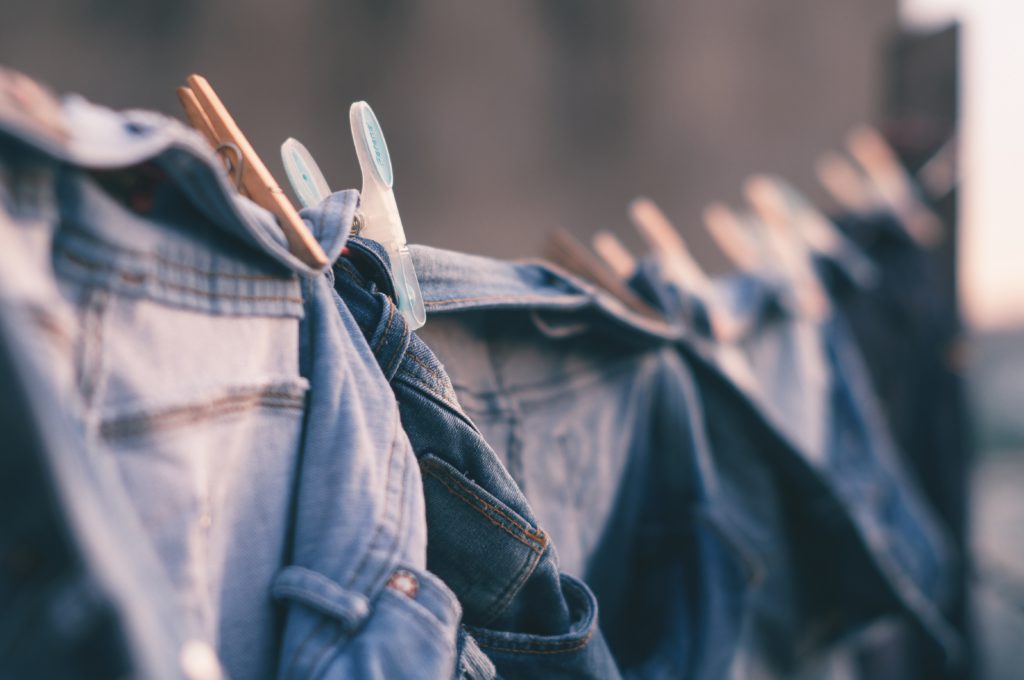
Take better care of your clothes by washing less, learning to repair clothing, air drying your clothes: make better fashion choices
Credit: Bruno Nascimento

Even if you can’t replace everything in your wardrobe with eco-friendly fabrics, one thing you can always do is take better care of what you already own. Simple habits make a real difference over time.

Check the care instructions on the label and actually follow them. Wash clothes less often. Over-washing fades dyes, breaks down fibres, and releases more microplastics and detergent residues into waterways. A 2020 study in the Philosophical Transactions of the Royal Society B found that washing synthetic textiles is one of the largest sources of microplastic pollution in the ocean. Hang things to dry rather than tumbling them. Spot-clean where you can. Store clothes properly: fold knitwear rather than hanging it, use cedar instead of mothballs, rotate what you pull out of your drawers so the same pieces aren’t wearing through first.

Learn a few basic repairs. Sewing on a button, fixing a small rip, or replacing a zip are all things you can learn on YouTube in under ten minutes. If you don’t want to do it yourself, a local tailor or alterations service can extend the life of a garment for a fraction of the replacement cost. Repair should be the default, not a last resort.

05. If you must buy fast fashion, buy it second-hand

If you must buy fast fashion, buy it secondhand e.g. on depop, vinted etc | make better fashion choices
Credit: Ivana Cajina

Ideally we’d all avoid fast fashion altogether. Realistically, the transition takes time. Sustainable brands can be less accessible depending on where you live, what your budget is, and what sizes and styles you need. So if you do end up buying something from a fast fashion label, avoid creating additional demand by shopping it second-hand.

There’s now a huge range of platforms for buying and reselling used clothes, from Depop and Vinted to eBay and local consignment stores. Shopping second-hand keeps products in circulation for longer, supports a circular economy, and costs less than buying new. It’s one of the easiest switches to make, and one of the highest-impact.

Progress, not perfection

Buying less and choosing well isn’t a lifestyle overhaul. It’s a handful of small habits applied consistently. Develop your own style so you’re not chasing trends. Buy fewer, better pieces. Choose materials that aren’t actively damaging. Take care of what you own. Go second-hand before you go new. Five shifts, done over time, add up to a very different wardrobe and a much smaller footprint.

For more on the broader picture, read our guide to what slow fashion actually is and our breakdown of why sustainable fashion costs more.

Every brand in the Apparel and Style category on Ziracle has passed the same standard: kind to the people making the clothes, transparent about materials and supply chain, built to last longer than a season. For brands whose materials and supply chains hold up to scrutiny, filter by Fair Trade or B Corp.

Ready to shop? Start with pieces you’ll wear at least thirty times.

FAQs

What’s the single most impactful change I can make to my wardrobe?

Wear what you already own for longer. WRAP’s research consistently finds that extending the active life of clothing by nine months reduces its carbon, water and waste footprints by 20 to 30%. That single change outperforms switching brands, because most of a garment’s impact is baked in at manufacture. The next most impactful shift is buying second-hand before new when something does need replacing.

How do I develop my own style so I stop buying into trends?

Start by auditing what you already own. Note the pieces you reach for most often, and what they have in common: the fit, the fabric, the colour palette, the formality. Your existing favourites are a direct map of what works on you. Build from there, and treat new purchases as additions to that core rather than departures from it. It sounds simple, but most people never actually do it, and the ones who do stop buying into trends almost by accident.

Is recycled polyester actually better than regular polyester?

Somewhat. Recycled polyester (rPET) uses less energy and water to produce than virgin polyester, and diverts plastic bottles from landfill. It still sheds microfibres in the wash and isn’t biodegradable. The honest framing: rPET is better than virgin polyester for any given use case, but natural fibres or Tencel are usually better than either. For activewear where synthetic properties are genuinely needed, rPET is the sensible compromise.

What’s the 2,700 litres figure about cotton t-shirts?

WWF’s estimate that one conventional cotton t-shirt requires around 2,700 litres of water to produce across its full supply chain (growing, dyeing, finishing). That’s roughly equivalent to the water one person drinks over two and a half years. Organic cotton requires meaningfully less water than conventional cotton because it’s usually rain-fed rather than irrigated. Linen and hemp need even less.

How do I tell if a brand is genuinely ethical or just marketing?

Look for specifics, not slogans. Named factories with addresses, published supply chain information, certifications you can verify (GOTS, Fair Trade, OEKO-TEX, B Corp), repair or take-back programmes, and smaller collection volumes with longer release cycles. Brands that describe themselves as ‘sustainable’ or ‘conscious’ without backing it up with documentation usually aren’t. The 2023 Fashion Transparency Index from Fashion Revolution is a useful reference for how the major brands currently score.

The Best Organic Facial Oils for Skin that’s Starting to Show its Age

|||||||||||||||

Here is something worth getting straight from the top: the article you are probably looking for is called “essential oils for wrinkles,” and it is the wrong article. Essential oils are the volatile, aromatic compounds, frankincense, ylang ylang, rose otto. They smell beautiful and they do some things, but they are not what actually works on fine lines. What works is facial oils, also known as carrier oils, the heavier plant-pressed lipids like rosehip, argan, and jojoba. The distinction matters because it changes what you buy. Get the right one and you have a genuinely useful addition to your skincare. Get the aromatherapy blend and you have something that smells lovely and does very little for your skin.

What actually causes the signs that bother people

Free radicals, UV exposure, and a slowdown in natural oil production. A 2020 review in Current Environmental Health Reports confirmed that traffic-related pollution and UV are the two biggest accelerants of extrinsic ageing, working synergistically. Intrinsic ageing adds its own layer: after roughly age 30, collagen production drops by around 1% a year, sebum output falls, and the lipid barrier thins. The result is drier, thinner, more reactive skin that shows damage more easily than it used to.

Facial oils address two of those three things directly. They replace lost lipids, and the better ones bring antioxidants that neutralise free radicals. They will not undo UV damage, and they are not a substitute for sunscreen or retinol. What they are is the quietly effective, evening-based workhorse that most anti-ageing routines benefit from.

The ones with the strongest evidence

Work top to bottom. These are ordered by the strength of the clinical data behind them, not by price or novelty.

01. Rosehip seed oil (Rosa canina). The most interesting plant oil in skincare. It contains naturally occurring trans-retinoic acid (the active form of vitamin A, the same molecule as prescription tretinoin) at concentrations between 0.01% and 0.1%, per a 2015 analysis in Skin Pharmacology and Physiology. A 2015 randomised trial in Clinical Interventions in Aging gave 34 adults aged 35–65 a standardised rosehip preparation for eight weeks and measured significant reductions in crow’s-feet wrinkles and improvements in skin moisture and elasticity. A smaller 2025 pilot study in MDPI Cosmetics found measurable wrinkle and UV-spot reduction after five weeks of topical use. Format recommendation: cold-pressed, unrefined, stored in dark glass. Oxidises quickly, so buy small bottles and keep them out of sunlight.

02. Argan oil. Rich in vitamin E, squalene, and linoleic acid. A 2015 study in Clinical Interventions in Aging found that daily application to the face increased skin elasticity measurably over 60 days in postmenopausal women. Best for people whose main issue is dryness and a thinning barrier rather than hyperpigmentation.

03. Squalane (plant-derived, usually olive). Not strictly an oil, but the closest mimic of the skin’s own sebum, which makes it exceptionally well-tolerated. Sits under or over other oils without interfering. No strong anti-ageing data of its own, but it solves the delivery-vehicle problem for everything else in the routine.

04. Jojoba oil. Also a wax ester rather than a true oil, also very close to sebum in structure. Good for oily or combination skin that cannot tolerate heavier oils. Mild evidence for barrier support; not a standalone anti-ageing agent.

05. Sea buckthorn oil. Very high in vitamin C, carotenoids, and omega-7. Antioxidant-rich. Will stain cotton a faint orange if you use too much, which is a good reminder that you almost certainly are. A few drops, no more.

06. Marula oil. High in monounsaturated fats and tocopherols. Lighter texture than rosehip, less prone to oxidation. Limited direct clinical data, but the lipid profile is genuinely good.

The role essential oils actually play

Essential oils (frankincense, ylang ylang, sweet orange, lavender) appear in most “anti-ageing facial oil” blends at 0.5–2% for fragrance, mood, and mild antioxidant contribution. That is a legitimate role, but it is supporting, not leading. Frankincense in particular is often marketed as a cell-regenerative active; the evidence is limited to in vitro work on boswellic acids and has not been replicated on human facial skin. Enjoy the scent, do not pay a premium for the claim.

One note of caution: citrus essential oils (bergamot, sweet orange, lemon) can be mildly phototoxic, so a blend that contains them is best used at night only, not in the morning.

How to use a facial oil without wasting it

Clean, slightly damp skin. Four to six drops warmed between clean palms, then pressed into the face rather than rubbed. If the skin is already treated with a water-based serum, the oil goes last, sealing everything in. If oil is the only leave-on step, a heavier moisturiser is not required; the oil does the barrier work.

One thing that sabotages oil use more than anything else: applying it under SPF in the morning. Most mineral and hybrid sunscreens do not play well with a heavy oil underneath, and the finish tends to pill. Oils work best as a nighttime step. If you want a morning option, squalane or jojoba are the ones that layer well under most sunscreens; leave the heavier oils for evening.

The ones that aren’t ready yet

“Anti-ageing” essential-oil blends without a substantial carrier-oil base. If the ingredient list starts with rose or frankincense before any carrier is named, you are paying for fragrance at skincare prices.

CBD facial oils marketed for wrinkles. The skincare evidence is genuinely thin. CBD may help with inflammation and reactive skin, which is useful, but it is not an anti-ageing ingredient on any rigorous reading of the data.

Anything promising to “boost collagen” topically without retinoids, vitamin C, or peptides. These are the three ingredient classes with credible topical collagen evidence. A facial oil alone does not belong in that category.

If you live in a UK city, the useful version of all this is short: a rosehip or rosehip-argan blend at night, a vitamin C serum in the morning, daily SPF, and sleep. Everything else is refinement.

Browse Oils & Balms for the edit, or explore Healthy Skin for the full routine.

FAQs

What’s the best facial oil for fine lines?

Rosehip seed oil has the strongest clinical evidence for reducing the appearance of fine lines. A 2015 randomised trial in Clinical Interventions in Aging, using a standardised rosehip preparation on 34 adults aged 35–65, found measurable reductions in crow’s-feet wrinkles and improvements in elasticity after eight weeks. The active ingredient is trans-retinoic acid, the same molecule as prescription retinoids, present naturally at low concentrations in cold-pressed rosehip oil.

Are essential oils actually good for wrinkles?

Not really, and this is worth getting right. “Essential oils” (frankincense, ylang ylang, lavender) are the fragrance fraction of most facial-oil blends. They contribute a mild antioxidant effect and a pleasant scent, but the clinical evidence for wrinkle reduction sits with the carrier oils (rosehip, argan, jojoba), not the essentials. Be cautious of products that lead with essential-oil marketing.

How long does it take to see results?

Five to eight weeks of daily consistent use is the honest answer, based on the clinical trial data. The 2015 rosehip trial measured results at 8 weeks. The 2025 MDPI Cosmetics pilot saw changes by 5 weeks. If a product promises visible results overnight, it is selling you hydration, not structural change.

Can I use facial oil instead of moisturiser?

For some skin types, yes. A good plant oil provides lipid barrier support, locks in water, and delivers antioxidants in a single step, so a separate moisturiser is often unnecessary, especially at night. If your skin is very dry or very dehydrated, layering a water-based serum or hydrator under the oil works better than oil alone. Combination and oily skins usually prefer jojoba or squalane, which are the closest mimics of natural sebum.

Why do facial oils go rancid?

Oils oxidise when exposed to light, heat, and air, and oxidised oils on skin cause free-radical damage rather than preventing it. This is why the packaging matters: dark glass, small sizes, a pump or dropper rather than an open-mouth bottle, and ideally a vitamin E component to slow oxidation. If an oil smells sour, waxy, or markedly different from when you bought it, it has gone off. Replace it.

Best Foods for Bloating: What Actually Works and Why

||||

Bloating is one of those symptoms that’s easy to dismiss. It’s not serious. You just ate too much. But when it’s chronic, bloating becomes a daily barrier. Brain fog from the bloating itself, then fatigue from the stress of managing it, then the anxiety of never quite knowing when you’ll feel okay. Your gut is connected to your whole system, and a struggling gut affects everything. This isn’t just digestion.

Your gut produces many of the neurotransmitters that regulate mood and stress response. Chronic bloating is often a sign that gut bacteria need support. Here’s what’s actually going on, what triggers the problem, and which foods have the strongest evidence for rebuilding the system.

Understanding the gut-brain connection

Your gut doesn’t only break down food. It communicates with your brain. A 2015 review in Annals of Gastroenterology summarised the evidence that gut microbiota produce neurotransmitters including serotonin, GABA and dopamine, which are delivered to the brain through the vagus nerve. When your gut is inflamed or imbalanced, you feel it everywhere. Some people get brain fog. Others get anxiety that doesn’t have a logical trigger. Some people feel flat and unmotivated. The physical bloating is the obvious symptom. The mental impact runs deeper.

The research on this connection has grown significantly over the last decade. A 2019 study in Nature Microbiology led by researchers at KU Leuven identified specific bacterial species in the gut whose relative abundance correlated with self-reported quality of life, including markers of depression. Gut health directly influences mental clarity, emotional stability and energy levels. When gut bacteria are imbalanced, your body can’t produce enough of the neurotransmitters that keep you calm and focused. These aren’t personality flaws. They’re physical symptoms of a depleted gut environment. For a fuller treatment of this connection, see our guide to how food affects mood.

What triggers bloating in the first place

Bloating usually signals one of three things: food intolerance, insufficient fibre, or bacterial imbalance. You’re either reacting to something specific in your diet, your gut bacteria are struggling to process what you’re eating, or you don’t have enough beneficial bacteria to regulate things properly.

Most people try the standard advice to just ‘eat more fibre’ and wonder why it makes things worse. If your gut bacteria are depleted, adding more fibre without first rebuilding the bacteria that process it can increase gas production and worsen bloating in the short term. The NHS’s guidance on bloating and wind reflects this: it recommends an incremental approach to fibre, identifying trigger foods and considering professional advice if symptoms persist. You need to rebuild the bacterial team before asking it to do more work. That’s where fermented foods come in.

Fermented foods and bacterial rebalancing

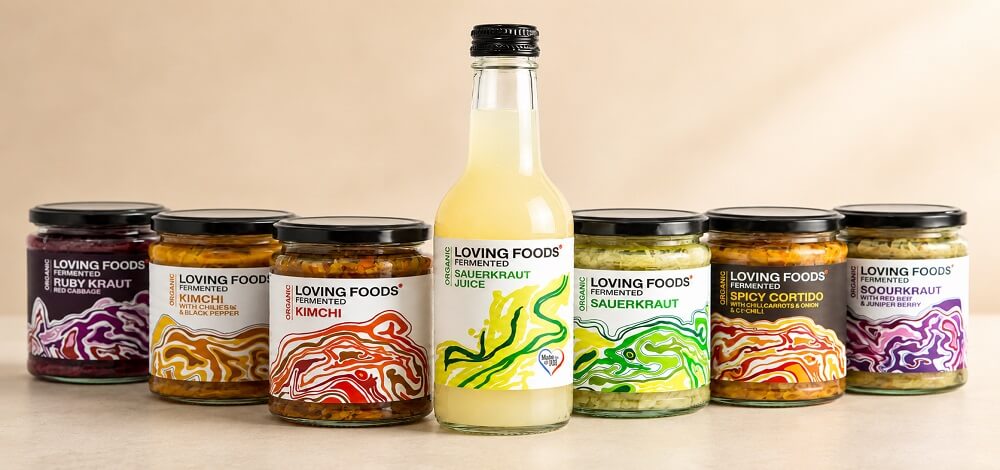
Fermented foods contain live bacteria that can help rebalance the gut microbiome. A 2021 randomised trial from Stanford University School of Medicine, published in Cell, found that a ten-week high-fermented-foods diet significantly increased microbial diversity and reduced markers of inflammation compared with a high-fibre control diet.

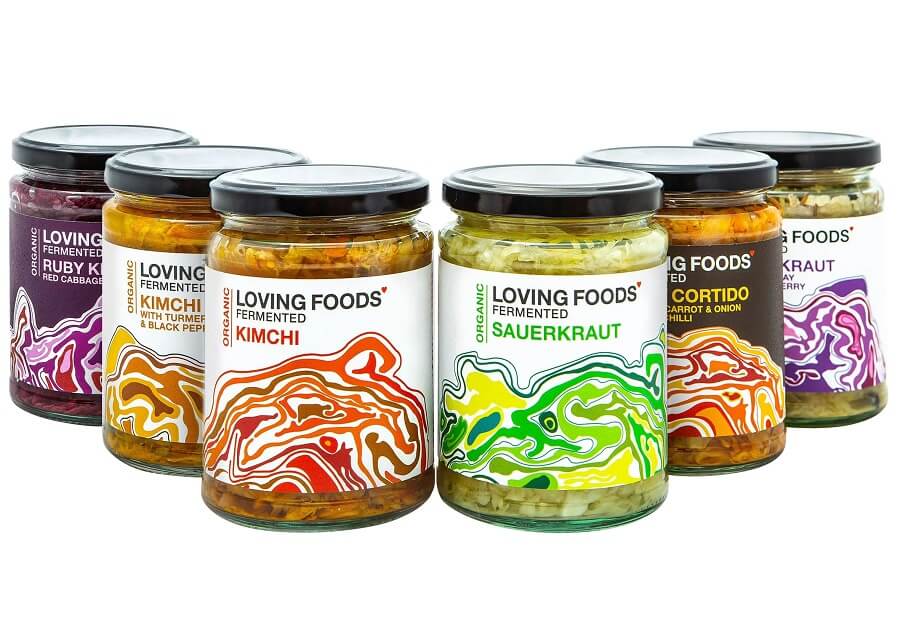
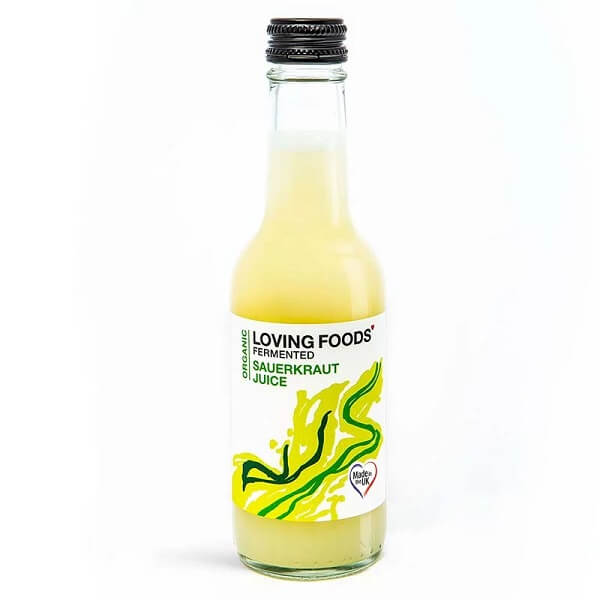
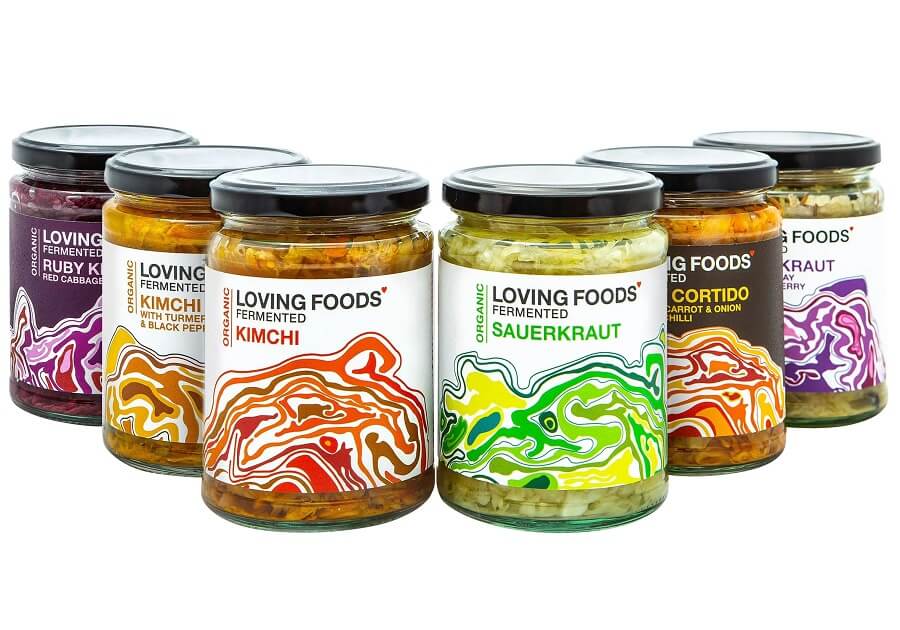
Credit: Loving Foods

Kimchi, made from fermented cabbage, introduces beneficial strains and contains compounds that reduce inflammation. The fermentation process also breaks down certain sugars that might otherwise cause bloating, making the food easier to digest. Kombucha, fermented from tea, serves a similar function. Miso, tempeh, sauerkraut and kefir all follow the same principle: fermentation creates an environment where beneficial bacteria flourish. These aren’t trendy foods. They’re functional tools for rebuilding bacterial ecosystems. Browse the Fermented Foods edit for options.

Dark chocolate and flavonoid metabolism

Dark chocolate contains flavonoids, which are antioxidant compounds. These flavonoids are broken down by your gut bacteria into smaller molecules that have anti-inflammatory effects throughout the body. A 2019 study in the Journal of Nutritional Biochemistry found that regular consumption of cocoa flavanols was associated with changes in gut microbial composition and reduced inflammatory markers.

Credit: Freedom Chocolate via @the.allergytable on Instagram

The mechanism is chemistry, not magic. Your gut bacteria eat the flavonoids and convert them into anti-inflammatory compounds called phenolic metabolites. The quality of your bacteria determines how well this works. If your gut bacteria are healthy, dark chocolate becomes a functional food. If they’re depleted, you won’t get the benefit, which is why starting with fermented foods before layering in dark chocolate often makes sense. Choose dark chocolate with at least 70% cocoa content for meaningful flavonoid levels. Browse the Chocolate edit for higher-cocoa options.

Your gut bacteria produce many of the neurotransmitters that affect your mood.

Peppermint for muscle relaxation

Peppermint tea works through a different mechanism than fermented foods. The menthol in peppermint relaxes the smooth muscles in the digestive tract, reducing spasms that trap gas and cause bloating. A 2019 meta-analysis in BMC Complementary Medicine and Therapies reviewed 12 randomised controlled trials on peppermint oil and found significant reductions in abdominal pain and IBS symptoms compared with placebo.

Credit: NEMI Teas

For many people, a cup of peppermint tea after meals becomes part of the routine that keeps bloating at bay. It’s not addressing the root cause if the issue is bacterial imbalance, but if the bloating is coming from muscle tension and trapped gas, it’s functional relief. Peppermint also stimulates bile production, which supports fat digestion. Browse the Tea edit for peppermint and other gut-supporting blends.

Building your bloating-free routine

None of this works in isolation. You’re looking for a combination approach. Introduce fermented foods regularly to rebuild your bacteria, and give your gut time to adjust. Start with small portions: a spoonful of sauerkraut or kimchi with one meal per day. Gradually increase over weeks as your system adapts. Peppermint tea can become part of your daily routine, especially after larger meals. Dark chocolate becomes a snack that’s also functional.

You’re not forcing any one food to be a cure. You’re building a food environment where your gut can stabilise. This takes consistency and patience, and the results compound over weeks and months rather than days.

What you eat affects how you feel, right down to mood and energy. That’s not about calories. It’s about whether your gut has the resources to function properly. The bacteria need fibre to eat. They need fermented foods to establish and flourish. They need anti-inflammatory support from dark chocolate and peppermint. They need variety from different food sources. Start by adding one fermented food to your week. Pay attention to what changes in digestion, energy and mood. After a few weeks, add another layer. This is how you move from chronic bloating to occasional comfort.

If bloating is persistent, worsening, or accompanied by weight loss, blood in stools, or severe pain, see your GP. The advice above is for everyday digestive discomfort, not for conditions that need clinical investigation.

For more on building a gut-supporting routine, read our guides to how food affects mood and benefits of buying organic.

Every brand in the Food and Drink category on Ziracle has passed the same standard: honest ingredients, transparent sourcing, and production that takes ethics seriously. For gut-supporting products specifically, filter by Organic.

Ready to start? Browse the Gut Health edit and pick one fermented food to add to your week.

FAQs

Do fermented foods actually reduce bloating, or is it hype?

The evidence is stronger than most gut-health claims. A 2021 randomised trial from Stanford University School of Medicine, published in Cell, found that a ten-week high-fermented-foods diet increased microbial diversity and reduced inflammatory markers compared with a high-fibre control. The effect was specifically tied to consuming multiple fermented foods daily (yoghurt, kefir, kombucha, kimchi, sauerkraut), not a single product. Build up slowly. Two to four weeks of consistency is usually enough to notice a difference.

How long does it take to see results from fermented foods?

Two to four weeks for most people. The Stanford trial measured changes over ten weeks, but participants reported noticing digestive differences much earlier. If you’re starting from a low-diversity baseline (lots of processed food, recent antibiotic courses, chronic bloating), the first few days can actually feel worse as your gut adjusts. Start with a spoonful of one fermented food daily and build from there rather than dumping multiple new foods into your diet at once.

Is peppermint tea safe to drink every day?

For most adults, yes. Peppermint tea is generally well tolerated and has a long history of safe traditional use for digestion. The main exception is gastro-oesophageal reflux: peppermint can relax the lower oesophageal sphincter, which may worsen reflux symptoms in some people. If you have persistent reflux, check with your GP before making peppermint a daily habit. For most people without reflux, a cup after meals is a reasonable addition.

Can dark chocolate really help with bloating?

Indirectly, through its effects on gut bacteria rather than directly on bloating. A 2019 study in the Journal of Nutritional Biochemistry found that cocoa flavanols influence gut microbial composition and reduce inflammatory markers. This is a long-game benefit, not an acute one. A square of dark chocolate won’t stop bloating in the moment, but regular consumption of 70%+ dark chocolate as part of a broader gut-supporting diet contributes to a healthier bacterial ecosystem. Don’t rely on it alone.

When should I see a GP rather than trying food-based approaches?

If bloating is persistent (lasting more than two to three weeks), worsening over time, or accompanied by unexplained weight loss, blood in stools, changes in bowel habit, severe pain, or difficulty swallowing. These can be symptoms of conditions (including IBS, IBD, coeliac disease, or more serious causes) that need clinical investigation rather than dietary self-management. The food-based approaches above are for everyday digestive discomfort and general gut health maintenance, not for ongoing or worsening symptoms.

The Sustainable Underwear Guide (The Easiest Swap in your Wardrobe)

|||||||||

Underwear is the quietest part of your wardrobe and one of the most worth rethinking. You wear it every day. It sits against your skin for hours. You replace it more often than almost anything else you own. And most of what you’ve been buying from the high street is made cheaply, made by people paid badly, and designed to fall apart fast enough to keep you coming back.

That makes it the cleanest place to start shopping differently. The spend is small. The feel is immediate. The verification is easier than with almost any other category. And the difference between a drawer of cheap synthetic underwear and a drawer of well-made organic basics is the kind of change you notice within a week of switching.

This is a guide to what matters, what doesn’t, and how to buy basics that last without replacing everything at once.

Why cotton matters more than most materials you buy

Conventional cotton is one of the most chemically intensive crops in the world. According to the Pesticide Action Network UK, cotton covers around 2.5% of global agricultural land but accounts for roughly 8 to 16% of worldwide insecticide use, depending on which data set you look at. In developing countries, where most cotton is grown, that share climbs higher. The pesticides used on cotton include chemicals classified by the World Health Organization as hazardous to human health.

Organic cotton is cotton grown without synthetic pesticides, synthetic fertilisers or genetically modified seeds. The most robust independent verification for it is the Global Organic Textile Standard, known as GOTS, which audits the full supply chain from farm to finished garment against both environmental and social criteria, including fair wages and safe working conditions.

The fibre matters more in underwear than in most garments for a simple reason: skin contact. Pesticide and chemical residues from conventional processing can remain on finished fabric, and underwear is against your most sensitive skin for more hours of the day than any other piece you wear. If you have reactive skin, eczema, or unexplained irritation at the bikini line, switching to GOTS-certified organic cotton is one of the first things worth trying.

Why fast-fashion underwear is a false economy

Walk into most high-street retailers and a pack of five pairs costs less than a lunch. The fabric is a thin cotton-synthetic blend. The elastic is cheap polyester and rubber that loses its stretch within a dozen washes. The dyes fade, the seams fray, the gusset wears through. You replace the whole drawer every twelve to eighteen months and throw the old pairs in the bin, where they sit in landfill for decades.

The cost per wear of that model is worse than it looks. Five pairs for £12, replaced three times over two years, is £36 for thirty-six months of wear. Five pairs of well-made organic cotton briefs at £15 each (£75 total), worn for three to four years, works out significantly cheaper per day. You pay more upfront and spend less overall. The waste reduction is the separate bonus.

The fast-fashion model is designed to depend on replacement. Sustainable underwear brands are designed to depend on retention.

What to actually look for

Four things matter, in rough order of importance.

GOTS certification on the fabric. This is the single strongest signal. GOTS covers how the cotton is grown, how it’s dyed, how it’s processed, and how the workers at every stage are treated. A GOTS label is the shortcut that removes the research burden. When a brand has it, you do not need to verify the individual claims.

Thicker, higher-quality fabric. Not just thread count, but weight. A pair of well-made organic cotton briefs weighs noticeably more than a supermarket pair. This is usually a sign the cotton is longer-staple and the knit tighter, both of which extend lifespan. If the fabric feels papery in hand, it will behave that way on your body.

Flat seams and a reinforced gusset. These are the failure points in cheap underwear. Flat-locked seams move with the skin instead of digging into it. A reinforced gusset (ideally a second layer of organic cotton) outlasts single-layer constructions by a wide margin.

Elastic that isn’t ordinary polyester. This is where the sustainable underwear category has improved most in the last five years. Biodegradable elastic alternatives, including GOTS-approved natural rubber-based options, hold their shape through more washes than conventional synthetic elastic and do not persist in landfill forever. Not every sustainable brand uses them, and the ones that do will say so clearly. Silence on this is worth noticing.

Other materials worth knowing:

TENCEL (trademarked Lyocell) is made from sustainably managed wood pulp, is biodegradable, and has a softer hand than cotton. It works particularly well in warm weather. Modal, similar in origin, is silkier but tends to be less durable.

Recycled polyester is occasionally used in sports underwear. It is better than virgin polyester but still sheds microplastics in the wash, which matters more for underwear worn under activewear than for everyday basics.

Bamboo fabric is a different category again. Most “bamboo” clothing is bamboo-derived rayon, which requires heavy chemical processing that undermines much of the sustainability case. GOTS does not certify most bamboo textiles for this reason. Treat the word with caution.

The pieces that actually last

Buy the shapes you already reach for, in neutral colours, from brands that make few styles and make them well.

Briefs, midis, boy shorts, high-waisted pants. Bralettes and soft-cup bras in your everyday size. Two or three colours maximum: black, nude, and one other. Patterns and trend-led shapes date faster than solids and cost the same, which makes them poor value even before sustainability enters the equation.

Check whether the brand offers repair, resizing or take-back. A few of the better sustainable underwear brands in the UK have started offering these services, and they are strong signals of brands that expect their products to stay in your drawer rather than on a shelf.

Start small, not all at once

You do not need to replace every pair you own this month. Sustainable shopping does not require a clean slate. It requires a better next purchase.

Buy two pairs of GOTS-certified organic cotton briefs in your usual size. Wear them for a fortnight. Wash them a few times. Pay attention to how they feel at the end of a long day compared with the synthetic pairs you already own, and how they look after washing compared with the cheap pairs that usually start pilling by week two.

Most people who switch this way replace gradually. A pair a month, or two when you need them, over a year or two. The drawer changes without a big spend, and the change feels sustainable in the ordinary sense of the word too, meaning you actually stick with it.

Where to start on Ziracle

Every brand in our Apparel and Style edit has passed the same standard: honest materials, transparent production, and claims that hold up to a second look. The Intimates and Sleep range is where to start for daily basics, and Underwear specifically for the swap this guide is most concerned with. Filter by Organic for GOTS-certified fabric across the edit.

For the broader argument about investing in better fabric at the denim end of the wardrobe, see our sustainable denim guide.

If sensitive skin is the reason you’re reading this, Healthy Skin is the goal page to bookmark.

FAQs

Does organic cotton really feel different against the skin?

Most people notice a softer, more broken-in feel compared with cheap conventional cotton, and fewer cases of skin irritation over time. The ingredient-level reason is that GOTS-certified organic cotton has not been bleached, dyed or finished with the harshest chemicals often used in conventional processing. For reactive skin, the difference is usually noticeable within a couple of weeks. For less sensitive skin, it shows up more in durability than in feel.

Is GOTS better than other organic cotton certifications?

Yes, for most consumer purposes. The Organic Content Standard (OCS) certifies that cotton was grown organically but does not cover the rest of the manufacturing process. GOTS covers the whole supply chain, including dyes, processing chemicals and worker conditions, and is audited independently. If you see OCS on a label, it means the raw cotton is organic but the finished garment may still have been treated with processing chemicals GOTS would not allow.

How much more does sustainable underwear actually cost?

Around two to three times the price of fast-fashion equivalents at the initial buy, but typically less per wear over the garment’s lifetime. A £15 pair of GOTS-certified briefs worn for three years costs about 1.4p per wear. A £2.40 high-street pair worn for eighteen months before it’s thrown out costs about 0.4p per wear but produces far more waste and contributes to the supply chain this guide is arguing against.

What’s wrong with bamboo underwear?

Most bamboo fabric is actually bamboo viscose or rayon, which is made by breaking down bamboo with chemical solvents in a process that carries significant environmental cost. GOTS certifies very little of it for that reason. Some bamboo lyocell processes are closed-loop and more defensible, but they are rare. If a brand sells “bamboo” underwear, check which specific process is used. Vague bamboo claims are usually not what they sound like.

Do I need to replace my whole underwear drawer to make a difference?

No. The largest improvement comes from changing what you replace your current pairs with as they wear out. A one-in, one-out replacement cycle over a year or two is almost always better than a full replacement at once, which is expensive and wastes the useful life still in your current pairs.

Eco-Home Essentials Worth Building a Room Around

||||sustainable houswarming gifts | marble two tone serving board|||

Making a house feel like a home is a quiet kind of craft. A candle that smells like early evening, a cushion that pulls a room together, a cleaning spray that doesn’t announce itself the moment you walk in. The eco version of all of this isn’t about looking ascetic or cutting back for its own sake. It’s about choosing the version of each object that works just as well, looks just as good, and doesn’t leave a plastic bottle or a questionable ingredient list behind.

The case for being careful about what you bring into the home is well-documented. The US Environmental Protection Agency has tracked for years how volatile organic compounds (VOCs) from conventional cleaning products, air fresheners and paraffin candles raise the VOC load of indoor air, often to levels several times higher than outdoor air. A 2019 review in the International Journal of Environmental Research and Public Health linked sustained exposure to indoor VOCs with respiratory irritation and long-term health effects. Choosing plant-based cleaners, natural-wax candles and non-toxic fragrance isn’t a niche preference. It’s an everyday way to cut your home’s exposure to the stuff you don’t want to be breathing in.

What follows is a room-by-room approach to building an eco home, organised around the categories where home essentials tend to stack up. Five areas, each with the format worth looking for and the reasoning behind it.

The eco version isn’t about looking ascetic. It’s about choosing the version of each object that works just as well and looks just as good.

Living room: plant-based scent over synthetic diffusers

Most supermarket diffusers carry essential-oil-adjacent synthetic fragrance compounds in a petrochemical carrier oil. They’re cheap, they throw scent far, and they contribute a steady trickle of VOCs to the air you breathe at home. The better version uses real essential-oil blends in a natural plant-based carrier, usually a light vegetable oil, with simple reed delivery and glass packaging.

Scents that read as calming in a living room tend to sit in the woody and soft-floral families: cedarwood, linden, sandalwood, rose geranium. Packaging worth looking for is clear or amber glass with paper labelling. Avoid plug-ins, perfume aerosols and anything with ‘air freshener’ in the name, which usually indicates synthetic fragrance concentrates rather than essential oil. Browse the Home Fragrance edit for options.

Sofa and soft furnishings: handmade textiles that change a room

A cushion is a small purchase that changes the tone of a whole room. The eco version usually comes down to two questions: what’s the fibre (organic cotton, linen, recycled cotton, hemp) and who made it (a machine-press factory, or a cooperative of artisan weavers).

Hand-loomed or hand-printed textiles cost more than their mass-produced equivalents for the reasons the Fair Trade movement has documented for decades: the people making them are paid properly, the techniques (block printing, traditional looming, natural dyes) take time, and the pieces are genuinely unique rather than batch-identical. A 2023 UN Women report found that women working in artisan textile cooperatives globally see meaningful income improvements when production moves to Fair Trade partnerships rather than conventional supply chains. Browse the Cushions and Covers edit and filter by Fair Trade to find pieces produced this way.

Kitchen and dining: artisan serving ware over mass-produced sets

The kitchen accumulates serving pieces faster than almost any other room. The eco approach isn’t to own fewer of them. It’s to choose pieces that work as everyday gear and as statement objects, so you don’t need a separate set of each.

Wood and marble serving boards, finished by hand and often made from offcuts of ancient hardwoods or marble waste, are one of the best examples. Each piece is slightly different. They’re sturdy enough to use every day and attractive enough to put on the table for dinner. Cooperative-made kitchenware from countries with strong artisan traditions typically returns a higher share of the retail price to the maker than a conventional retail supply chain does, which is part of the case for paying more for a hand-finished piece. Browse the Dinnerware edit for options.

Reclaimed materials are worth looking for specifically. Coconut shell bowls, made from the shells left over after the coconut flesh is harvested, are one of the clearer upcycling stories in homeware. The shells would otherwise be burned as agricultural waste. Hand-carved and finished with food-safe oils, they work as breakfast bowls, snack bowls, jewellery catchers or bathroom organisers.

Utility and cleaning: refillable over disposable

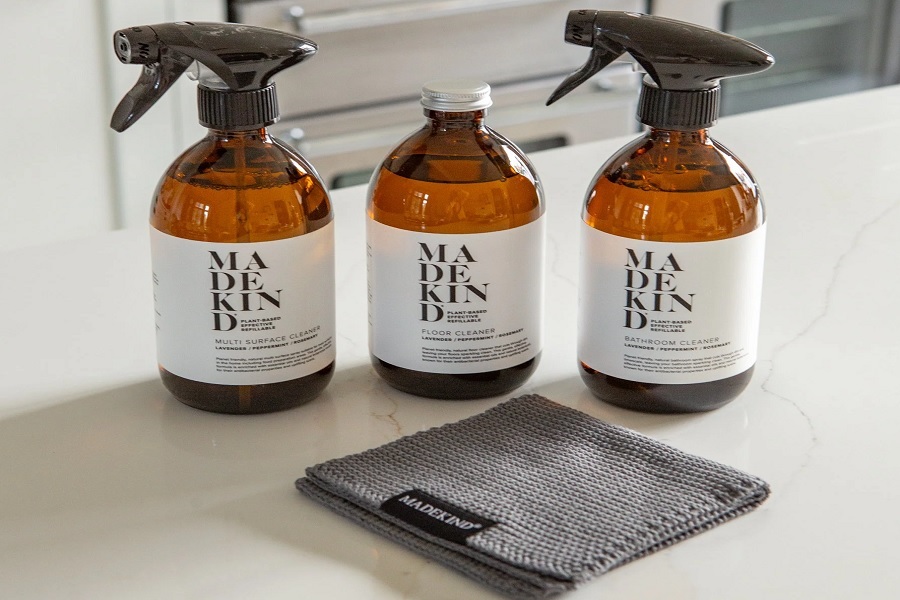
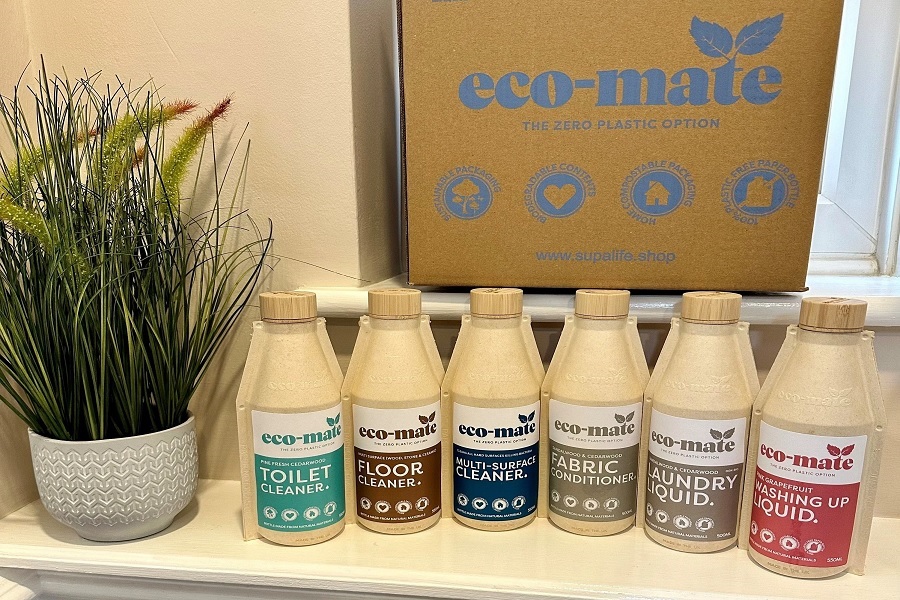
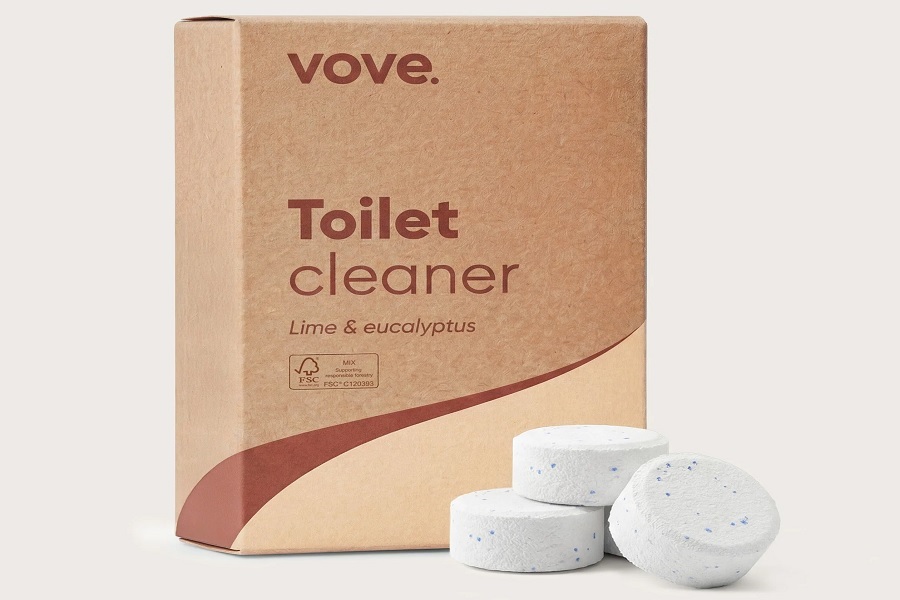
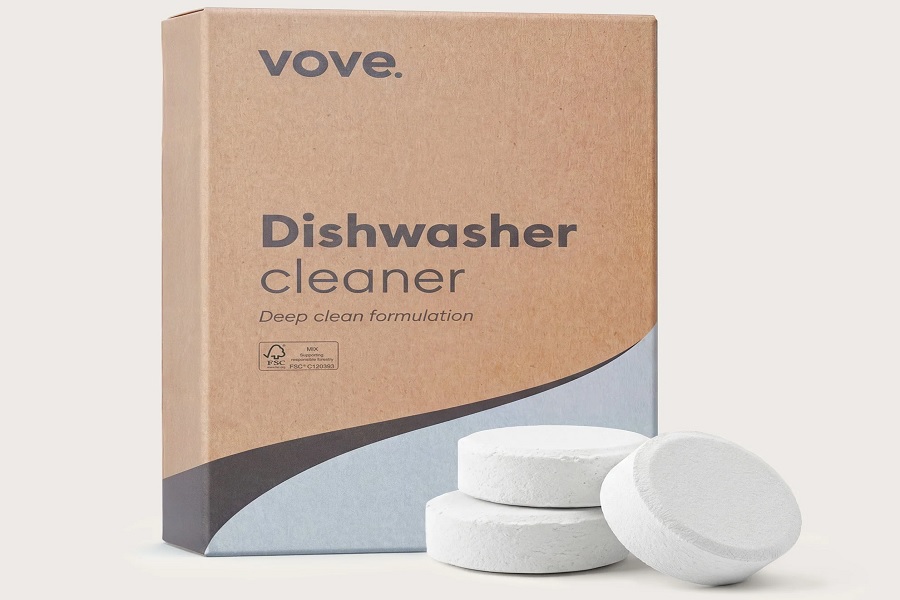
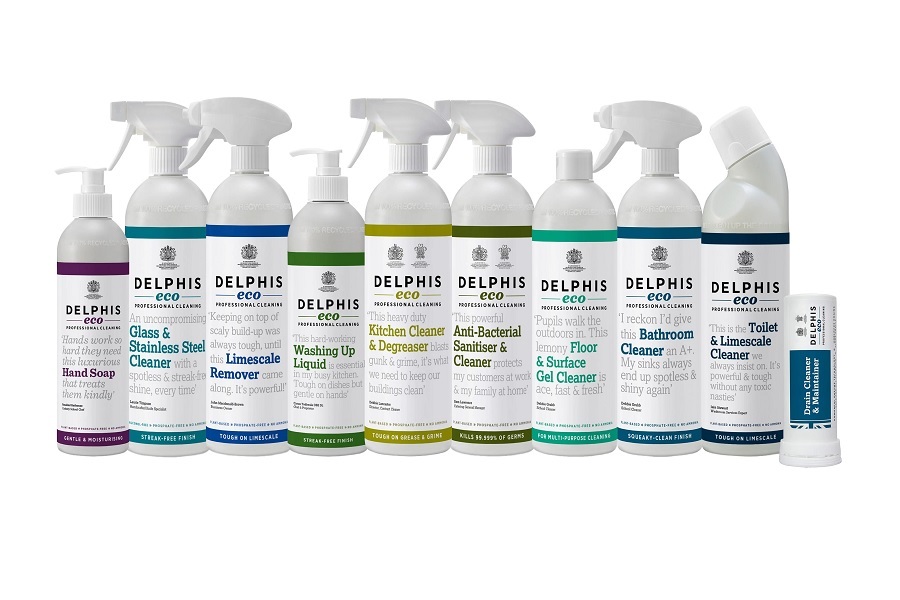
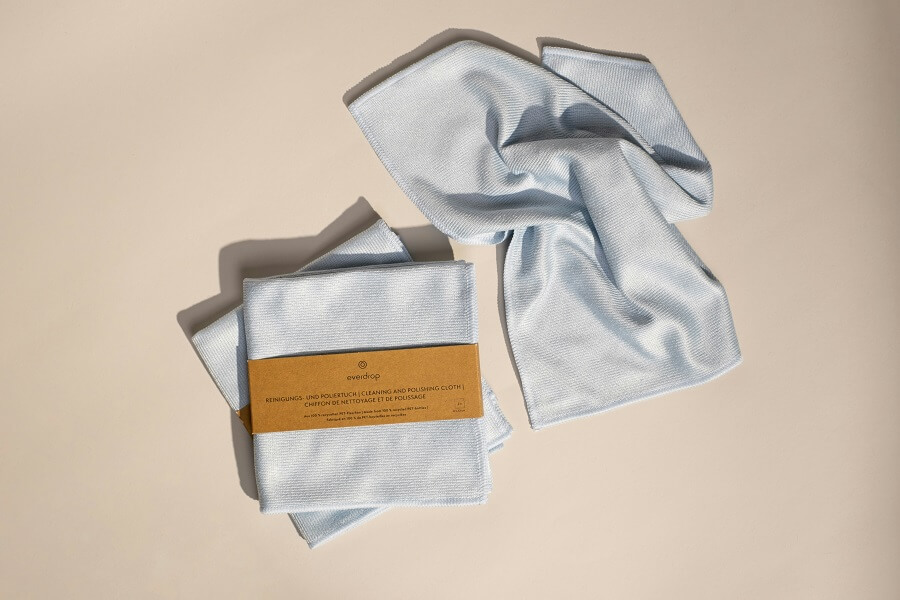
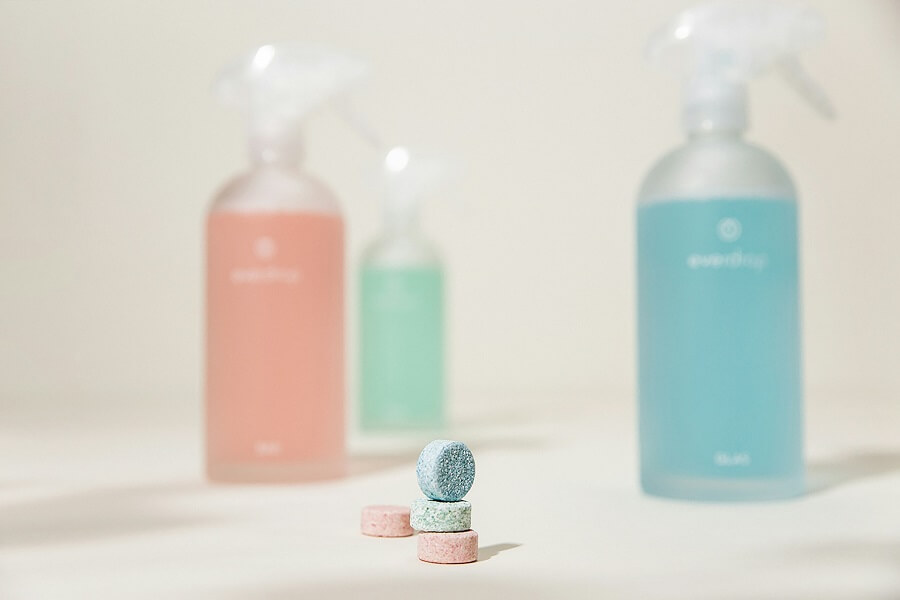
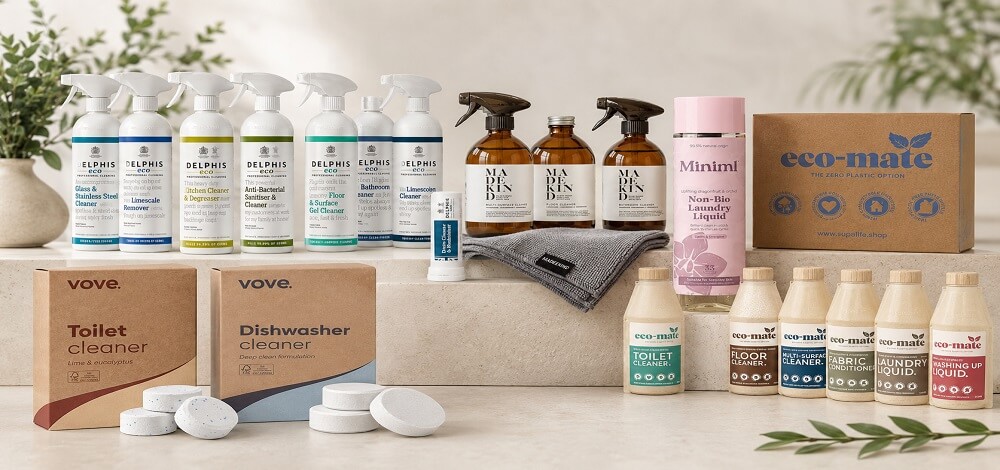
Cleaning products are one of the worst-offending categories for single-use plastic in the home, and also one of the easiest to fix. The swap is straightforward: a refillable glass or aluminium dispenser kept indefinitely, with concentrated refills in compostable sachets or tablets that dissolve in water.

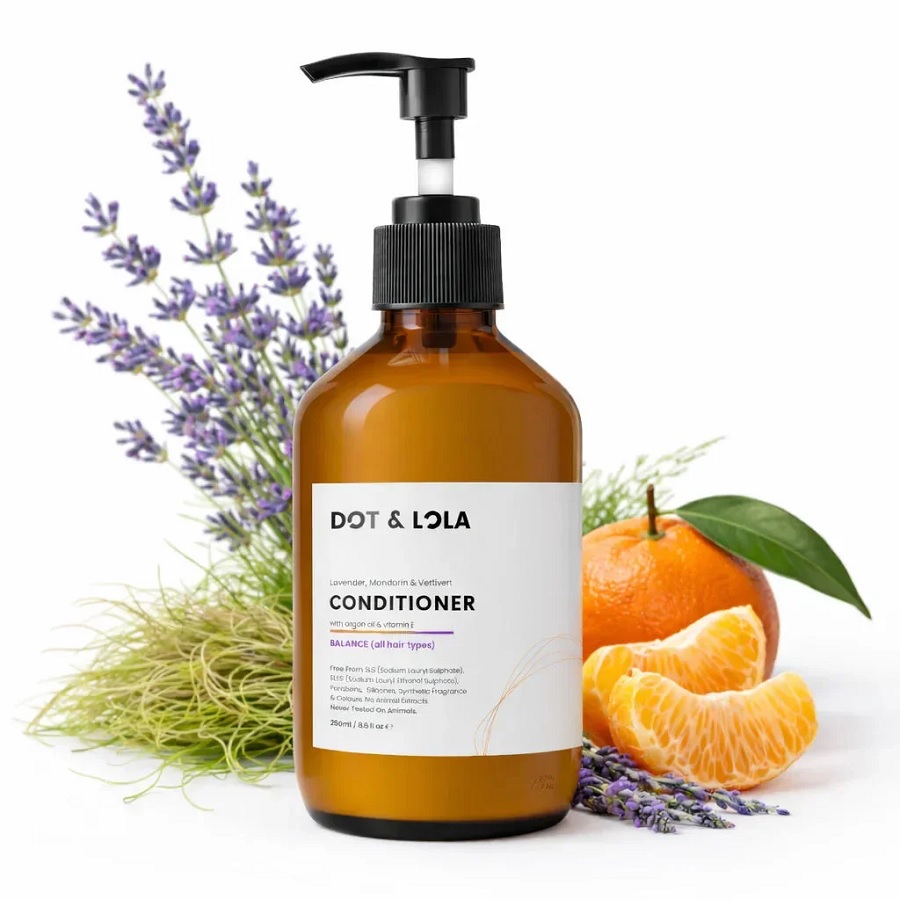
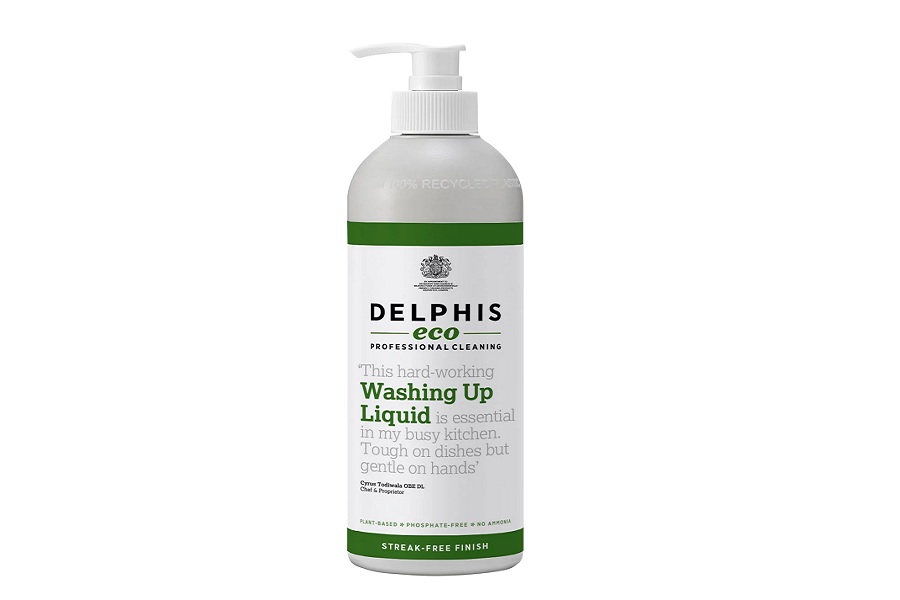
A 2023 Which? review found that concentrated refillable cleaning products use substantially less plastic and far less water than ready-mixed sprays, because you’re not shipping water around the country. Plant-based formulas (rosemary, lemon and juniper oils for bathroom cleaners; bicarbonate-based pastes for kitchen surfaces) clean well without the chemical residue of conventional sprays, and once you have the dispenser, the only thing that enters your house with each reorder is the refill itself. Browse the Refillable Multi-Surface edit or the Refillable Washing Up edit for options.

Bedroom: natural-fibre bedding over synthetic

Bedding is worth getting right because you spend a third of your life in contact with it. Synthetic bedding (polyester, polyester blends) sheds microfibres with every wash and traps heat in a way that most people find uncomfortable. Natural-fibre bedding (organic cotton, linen, bamboo) breathes better, lasts longer, and washes cleanly into wastewater that doesn’t carry microplastics into rivers.

Certifications worth looking for: GOTS (Global Organic Textile Standard) for organic cotton, OEKO-TEX Standard 100 for chemical safety in the finished fabric, and Fair Trade for supply-chain fairness. Linen in particular is worth knowing about. It uses far less water to grow than cotton, needs no irrigation in European climates, and its longevity is measured in decades rather than years. Browse the Bedding edit.

Small pieces, calmer rooms

An eco home isn’t built in a weekend or with one big order. It’s built one replacement at a time: when the old thing runs out, you choose a better version of it. A diffuser that isn’t a plug-in. A cushion that came from a loom rather than a factory. A cleaning spray that refills rather than multiplies. After a few months of these small decisions, the rooms you live in start to feel different, partly because the air is cleaner, partly because everything in them was chosen with some thought.

For more on building the habit, see our guides to eco swaps for home and eco swaps for beauty.

Every brand in the Home and Sanctuary category on Ziracle has passed the same standard: built to last, transparent about materials and supply chain, and made by people paid properly. Filter by Plastic Free or Organic to narrow the selection to products that meet the stricter end of the standard.

Ready to shop? Browse the Home and Decor edit and start with the room you spend the most time in.

FAQs

Are plant-based cleaners actually as effective as conventional ones?

For everyday cleaning, yes. Which?’s 2023 testing found that concentrated plant-based cleaners perform comparably to mainstream brand sprays on common household surfaces, while using substantially less plastic packaging. Where conventional chemical cleaners still have an edge is in heavy-duty disinfection (bleach-based products for deep cleaning during illness, for example) and in removing mould or persistent limescale. For the 90% of weekly cleaning that isn’t about disinfection, plant-based refillable formats are a clean substitute.

Why are natural wax candles better than paraffin?

Paraffin is a petroleum by-product, and burning it indoors releases VOCs and fine particulates into the air you breathe. Soy, coconut and beeswax candles burn cleaner, with significantly lower particulate emissions. The EPA’s indoor air quality guidance has flagged candle soot from paraffin as a meaningful contributor to indoor air pollution over time. The scent performance of well-made natural wax candles is comparable to paraffin, especially when scented with real essential oils rather than synthetic fragrance.

Are handmade textiles worth the price premium?

For pieces you’ll use every day for years, usually yes. Handmade cushions, throws and bedding are more durable than machine-pressed equivalents because the construction is denser and the fibres are typically higher-grade. The Fair Trade premium funds better wages and working conditions for the makers, which is part of what you’re paying for. Cost per use tends to favour handmade pieces over time, the same way cost per wear favours well-made clothing over fast fashion.

Which eco-home swap gives the biggest benefit?

Refillable cleaning products. Cleaning sprays and laundry detergent cycle through the home faster than almost any other packaged category, so switching to refillable formats removes a significant volume of single-use plastic from your household waste. It’s also the category where the performance gap between eco and conventional options has closed most completely. Start there.

How do I tell if a candle or diffuser is genuinely natural?

Look at the wax base on candles (soy, coconut or beeswax, not paraffin) and the carrier oil on diffusers (a named vegetable oil, not an unspecified ‘fragrance carrier’). For the scent itself, the ingredient list should name specific essential oils (bergamot, cedarwood, rose geranium) rather than the generic ‘parfum’ or ‘fragrance,’ which in cosmetics labelling can cover any combination of synthetic fragrance compounds. Certifications worth looking for include natural cosmetic marks like Soil Association COSMOS or Ecocert.

The Plastic-Free Living Guide (without the guilt)

||||

The headline number that is supposed to motivate you is the 2017 figure from the Ellen MacArthur Foundation, which projected that on current trends the oceans could contain more plastic than fish by weight by 2050. Most people absorb the statistic, feel the appropriate spike of dread, and then do nothing differently. The information itself is rarely the problem. The problem is that dread does not convert to habit change, and guilt-driven perfectionism collapses within a month.

This guide is the alternative approach. Reducing plastic is not a moral purity project. It is a set of small behavioural shifts, each one of which would barely show up on its own, but which compound into something meaningful across a year. Nobody becomes zero-waste. Most households can reasonably cut between 30% and 60% of the plastic they currently throw away without sacrificing anything that actually matters to them. That is the productive target, not a spotless bin.

The single honest fact that makes the case

The same Ellen MacArthur Foundation report found that globally, only 14% of plastic packaging is collected for recycling after use. The rest escapes into the environment, goes to landfill, or gets incinerated. Recycling, taken at face value, solves about one-seventh of the problem.

Credit: Ocean Bottle | veo.world/oceanbottle

This is why the single most effective thing you can do is not recycle more. It is use less of the packaging in the first place. Reuse beats recycle, every time. A glass jar used a hundred times, a fabric bag used weekly for two years, a refillable bottle used for a decade – these remove the disposal problem from the equation rather than trying to solve it after the fact.

The rest of this guide is the practical version of that principle, in the categories where most household plastic actually lives.

Do one week of noticing before you change anything

Before you swap anything, spend a week paying attention to where plastic enters your home. Not obsessively. Just enough to build a mental map.

Credit: Unicorn Grocery Manchester

Most people discover that the bulk of their household plastic comes from three or four specific places. Food packaging, mainly from the weekly supermarket shop. Cleaning products and toiletries. Takeaway and food delivery containers. The occasional big category like nappies or cat litter.

Knowing which categories are your largest is what makes the next step manageable. There is no sense in obsessing over a single plastic toothbrush a month if the real volume in your bin is coming from grocery shopping. The categories are not all equal.

Keep it simple: for seven days, notice what you throw away and group it roughly. A mental audit is fine. A literal list in your phone is better.

Start with the one category that matters most in your house

Trying to switch everything at once is how almost everyone gives up. Behaviour-change research is consistent: adding one new habit at a time and letting it become automatic before adding the next is roughly twice as likely to stick than trying to overhaul multiple categories simultaneously.

Pick the category your week of noticing identified as largest. For most people that is one of three:

Food shopping. The shift here is buying loose rather than packaged where your supermarket allows it, taking your own bags and containers for the counters that will use them, and finding one or two local refill options for dry goods like pasta, rice, oats, and lentils. Most UK towns now have at least one refill shop. The Ethical Consumer directory lists them; so does a Google search for “refill shop [your town]”.

Cleaning products and toiletries. The refill shift is most developed here. Most major UK supermarkets now stock concentrated cleaning products (Ecover, Method, Smol) where you reuse one bottle and top up with water. Shampoo bars, conditioner bars and solid soaps replace plastic bottles one-for-one. Refillable aluminium deodorants replace plastic roll-ons. None of these require a research project. They just require buying the refill version the next time the current one runs out.

Water and drinks. A single reusable water bottle, used daily for a year, replaces hundreds of single-use bottles. A reusable coffee cup does the same for takeaway coffees. The carbon payback on both typically sits around twenty uses, which is a fortnight for most people.

Pick the category most relevant to your week’s audit. Commit to the swap for a month. Move on only when the first one is automatic.

Use what you already own before you buy new

Plastic containers you already own are not the enemy. The environmental cost of making them has been paid. Throwing them away to buy a “plastic-free” alternative is worse than keeping and reusing them.

Credit: Milly & Sissy | veo.world/millyandsissy

A used ice cream tub is a free food-storage container. A passata jar with a good seal is a free spice jar. A shampoo bottle with a pump mechanism is a free refillable soap dispenser if you buy bulk hand soap. The Japanese concept of mottainai – the sense that it is a shame to waste the useful life in something – captures the principle better than most sustainability slogans.

The rule of thumb: only buy a purpose-made reusable when the thing it replaces is actually worn out, when you genuinely do not have a workable substitute, or when the new item will be used so often that the upfront cost pays back quickly. For most households, the reusable items that clearly meet this test are: one good water bottle, one good coffee cup, two or three cloth shopping bags, and a few beeswax food wraps. Everything else, use what you have.

Find one refill option locally, use it for a month

The single most effective habit-forming step is establishing one refill routine you actually maintain. For most households, that means locating a local refill shop – or a refill section at the local supermarket – and using it once for one product category.

The category matters less than the establishment of the routine. Washing-up liquid. Laundry detergent. Olive oil. Pasta. Lentils. Shampoo. Whichever you use most. Buy a bottle or container from the shop, or bring one from home, and do the refill once. Then bring it back next time.

DEFRA research on household waste shows that refill-based buying reduces household packaging waste by a meaningful margin, and that most people who start refilling for one category add others within six to twelve months. The second category is easier than the first. By the third, it is the default rather than the novelty.

Learn the plastic codes, but do not rely on them

The resin identification code on plastic packaging – the number from 1 to 7 inside the triangle of arrows – tells you which type of plastic it is. In theory this tells you what recycles and what does not. In practice, only two of the seven reliably recycle at UK scale.

Credit: Sigmund

PET (code 1, drinks bottles, clear food packaging) recycles well. HDPE (code 2, milk bottles, detergent bottles) recycles well. Polypropylene (code 5) is increasingly collected kerbside but recycles less cleanly. The rest – PVC, LDPE, polystyrene, mixed plastics – almost never recycle in practice, according to the 2024 Big Plastic Count survey by Greenpeace UK and Everyday Plastic, which estimated that only around 17% of UK household plastic is actually recycled, with the majority being incinerated.

The practical upshot: when you do have to buy plastic, choose codes 1 or 2 where possible. But recognise that the recycling symbol on most other plastics is the manufacturer’s aspiration, not the council’s capability. For the longer explanation, see our biodegradable, compostable, recyclable guide.

What good looks like after a year

A realistic end state after twelve months of slow, non-dramatic change for most households:

A reusable water bottle, coffee cup, and three or four cloth shopping bags, used consistently. One local refill routine established and maintained – usually cleaning products, sometimes toiletries, occasionally dry food. Solid-bar replacements for a few of the bathroom products that used to come in bottles. A handful of food-shopping habits that cut the weekly plastic – buying loose fruit and veg where available, bringing containers to the butcher or cheese counter, skipping the thin produce bags.

Not zero plastic. Nowhere near it. But reliably 30 to 60% less plastic in the weekly bin, with no ongoing mental effort because the habits have settled into routines. That is the honest, sustainable version of plastic-free living.

Where to start on Ziracle

Every brand in our Refills and Reusables edit has been chosen for the same reason: the packaging is either designed to be used hundreds of times or designed to disappear cleanly at the end of life. Filter by Plastic Free for the zero-plastic options, Refillable for the systems that top up rather than replace, or Reusable for items built to last thousands of uses.

For the habit-level changes that extend this across other categories of household consumption, see our zero waste swaps guide.

If you are starting with the kitchen or bathroom, Clean Home is the goal page to bookmark for products that do not hide packaging problems behind marketing claims.

FAQs

Is reusable really better when you count the carbon cost of making it?

For almost every reusable item, yes, once you have used it a few dozen times. The carbon payback on a reusable cotton bag typically sits around twenty to forty uses versus a single-use plastic bag. A stainless steel water bottle pays back within a couple of weeks of regular use compared with buying bottled water. The exception is items you buy and barely use. A cupboard of unused reusables is worse than buying single-use, precisely because the manufacturing carbon was wasted. Buy only what you will actually use consistently.

What about bioplastics like PLA – are they better?

Sometimes, in narrow circumstances. Compostable plant-based plastics like PLA can return to soil in industrial composting facilities (at around 58°C), but not in a home compost or a general-waste bin. If your council collects food waste and accepts bioplastics in it, compostable packaging is a meaningful improvement. If it does not, the compostable plastic performs similarly to conventional plastic in the actual waste stream.

How do I handle people who make comments about my reusables?

You do not, mostly. The social friction around sustainable behaviour is usually imagined rather than real. A reusable coffee cup or water bottle is unremarkable in 2026. A refillable shampoo bottle raises no eyebrows at the supermarket. If anyone does comment, a brief factual answer and a subject change works fine. This is not a debate you need to win.

Can I really go fully plastic-free?

Almost nobody does, and the people who try usually burn out within six months. Fully plastic-free living in the UK in 2026 excludes most supermarkets, most pharmacies, and a significant fraction of the modern food supply. The productive target is reducing unnecessary plastic, which is usually 30 to 60% of what a household currently throws away. The last 40% is structural and mostly outside individual control. That is what collective action, producer-responsibility policy, and the extended producer responsibility reforms coming into force in 2025-27 are for.

Where should I start if I only change one thing?

A reusable water bottle, used daily in place of any single-use bottles you would otherwise buy. It is the single swap with the best ratio of easy-to-adopt to waste-reduced for most people, and the habit it builds (noticing when you are about to buy single-use and choosing not to) transfers to almost every other category.

Creative Ways to Add Meditation into your Day

|||||

Most advice on meditation assumes you have twenty quiet minutes and a cushion. Most people have neither. The research does not actually require that. A 2014 study in Psychoneuroendocrinology from Carnegie Mellon University found that 25 minutes of mindfulness meditation for three consecutive days was enough to measurably reduce participants’ psychological response to stress. A 2021 review in PLOS One found daily 10-minute sessions for four weeks significantly improved trait mindfulness in over 500 adults.

Which means the barrier to entry is low. Lower than the industry selling you apps would suggest. The useful forms of meditation fit inside the routines you already have: waiting for the kettle, walking to the station, washing up after dinner. This is a list of those. Ordered by how easily they slot into a normal day.

What actually works, and what doesn’t

A landmark 2014 JAMA Internal Medicine meta-analysis of 47 randomised controlled trials (roughly 3,500 participants) concluded mindfulness meditation produced moderate reductions in anxiety, depression, and pain. The evidence for sleep, weight, and cognition is weaker. The point is not that meditation fixes everything. The point is that for stress, anxiety, and rumination, it has the strongest evidence base of any non-clinical intervention available.

Around 16% of UK adults had practised mindfulness by 2021, up from 15% in 2018, per a 2024 PLOS One paper. The proportion is growing, mostly among young and middle-aged adults in London and the South East. If you are sceptical because it sounds vaguely hippyish, you are increasingly in the minority.

Start here. The easiest three

These three require nothing you do not already own and nothing you are not already doing.

01. Kettle meditation. Two minutes. Stand at the counter while the kettle boils, feet planted, shoulders down. Notice the sound of the water heating. The way the steam rises. The warmth when your hand closes around the mug. This is it. You do not need to empty your mind or achieve anything. You are just paying attention for as long as the water takes. Drink the tea the same way. Chamomile, green, rooibos — whatever you already drink works. The point is presence, not the plant.

Credit: NEMI Teas | veo.world/nemiteas

02. Shower meditation. Four minutes. Also called waterfall meditation, though the name is more dramatic than the practice. Focus on the physical sensation: water temperature, pressure, the feel of it on your scalp and shoulders. When your mind drifts to the day ahead (and it will), notice the drift and come back to the water. That noticing-and-returning is the entire mechanism. The rest is just warm water.

Credit: Sop | veo.world/sop

03. Walking meditation. Five to fifteen minutes. Pick a familiar route and do it without your phone, earphones, or podcast. Attention on the feet meeting the ground, the rhythm of your breath, the air on your face. If you live somewhere green, even briefly, better. A 2019 study in Frontiers in Psychology found 20 minutes of contact with nature measurably reduced cortisol. Walking meditation overlaps that benefit with the attention practice.

Once the easy ones are routine

04. Movement meditation. The thing yoga and running and swimming have in common when done without a podcast: the repetitive, rhythmic attention on breath and body creates the same state as formal sitting meditation. For people who find stillness difficult, this is usually the way in. Controlled breath, one muscle group at a time, no distraction stacked on top.

Credit: Iron Roots | veo.world/ironroots

05. Cleaning meditation. The one that sounds strangest and works surprisingly well. Washing up, wiping surfaces, folding laundry. Simple, repetitive tasks with a defined start and end. The mind naturally settles into a state psychologists call flow, and flow has a similar neurochemical signature to formal meditation. The only requirement is that you do it without a podcast playing. Headphones defeat the purpose.

Credit: Delphis Eco | veo.world/delphiseco

06. Breath boxes, on demand. Four seconds in, four seconds hold, four seconds out, four seconds hold. Repeat for one to two minutes. Usable at your desk, in a meeting, on the Tube. A 2017 study in Frontiers in Psychology found diaphragmatic breathing over eight weeks significantly reduced cortisol in healthy adults. This is the same principle, compressed into moments.

07. Loving-kindness meditation, at night. Slightly different animal. Instead of observing, you silently repeat warm phrases towards yourself, then people you love, then someone neutral, then someone you find difficult. A 2015 Emory University review in Mindfulness found the practice measurably increased positive emotion and social connection over time. Good for the night before a hard day, or for anyone whose mind runs anxious at bedtime.

The ones that aren’t ready yet

Expensive meditation apps. Calm and Headspace work for the people they work for, but there is no evidence they outperform free guided meditations on YouTube or the free Insight Timer app. If paying helps you stick with it, that is its own reason. Do not mistake cost for efficacy.

Biofeedback headbands and stress-tracking wearables. The evidence is genuinely thin. Most of what they measure is heart-rate variability, which is a reasonable proxy for stress but a poor teacher of meditation skill. The money is better spent on a 10-minute daily practice.

The idea that you have to clear your mind. You cannot, and nobody can. Thoughts will keep arriving. The practice is the noticing and returning, not the absence of thought. This is the single most common reason people quit after a week, and it is based on a misunderstanding.

You now have seven versions to choose from. Pick one. Use it tomorrow. Two weeks is usually enough to feel whether it is landing.

Ready to go deeper? Explore Mindfulness & Meditation for related reads and tools, or browse Reduce Stress for the full edit.

FAQs

How long do I need to meditate for it to work?

Less than most people assume. A 2014 study in Psychoneuroendocrinology at Carnegie Mellon University found 25 minutes for three consecutive days was enough to measurably reduce psychological stress response. A 2021 PLOS One trial found 10 minutes daily for four weeks improved trait mindfulness in over 500 adults. Consistency matters more than duration. A daily 5-minute practice outperforms a weekly 30-minute one for most people.

Is it normal for my mind to wander during meditation?

Yes. Noticing that your mind has wandered and gently returning to the breath is not a failure of meditation. It is meditation. This is the single most common reason people quit after a week, and it is based on a misunderstanding of how the practice works.

What’s the difference between mindfulness and meditation?

Mindfulness is the state: non-judgmental attention to the present moment. Meditation is the practice: a structured way of cultivating that state. You can be mindful without meditating (while washing up, walking, listening to someone speak), and you can meditate without being particularly mindful if your technique is off. The everyday forms in this article are closer to applied mindfulness than formal meditation.

Does meditation actually reduce stress?

The best available evidence says yes, for anxiety, depression, and pain, with moderate effect sizes. A 2014 JAMA Internal Medicine meta-analysis of 47 randomised controlled trials found mindfulness meditation produced moderate reductions in these outcomes. The evidence is weaker for sleep, weight, and cognition. For stress specifically, multiple cortisol-measurement trials have shown measurable biological reductions, particularly from consistent practice over 8 weeks or more.

Can meditation be harmful?

Rarely, but occasionally. A 2024 PLOS One study found around a quarter of UK mindfulness users reported negative effects during the pandemic, and a 2024 Cambridge trial found meditation can induce altered states of consciousness in a substantial minority of practitioners. If you have a history of psychosis, severe anxiety, or unprocessed trauma, it is worth starting with short sessions and ideally under professional guidance. For most people, in small daily doses, the practice is safe.