

Organic Beauty
Finding genuinely organic beauty and self-care products can simplify your routine, as everything here is free from synthetic pesticides, GMOs, and artificial fragrances. We focus on brands that use certified organic ingredients, ensuring what you put on your skin is as close to nature as possible. This means fewer irritants and more effective botanical extracts, all while supporting farming practices that are better for the planet. Choose from skincare, makeup, and hair care that meets rigorous organic standards, so you can trust every item in your bathroom cabinet.
Related Categories
367 products · sorted by most popular
Brands
Certifications
Product type
Dietary
For
Hair concern
Set type
Skin concern
Colour
Volume
Material
Scent
Skin Type
Hair Type

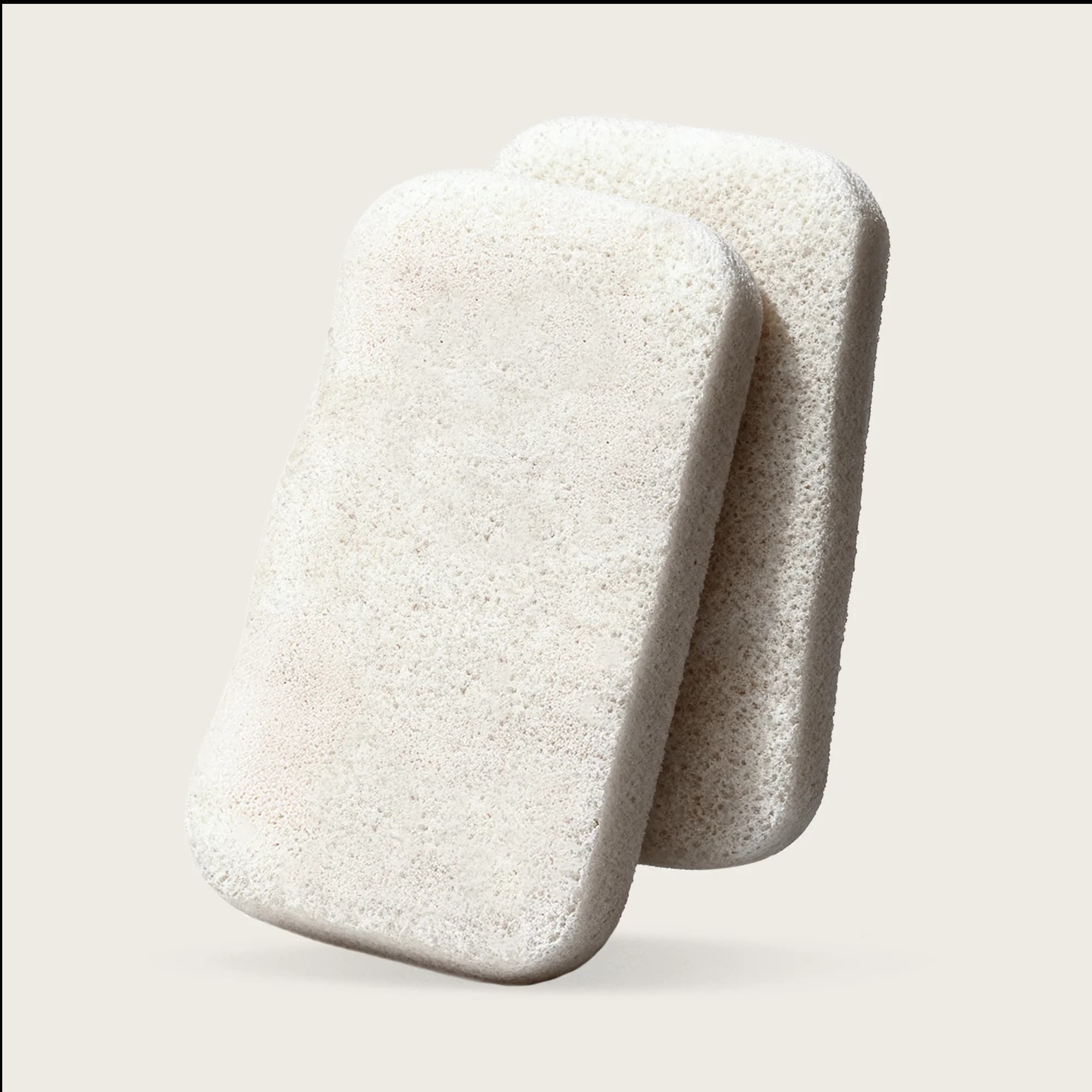

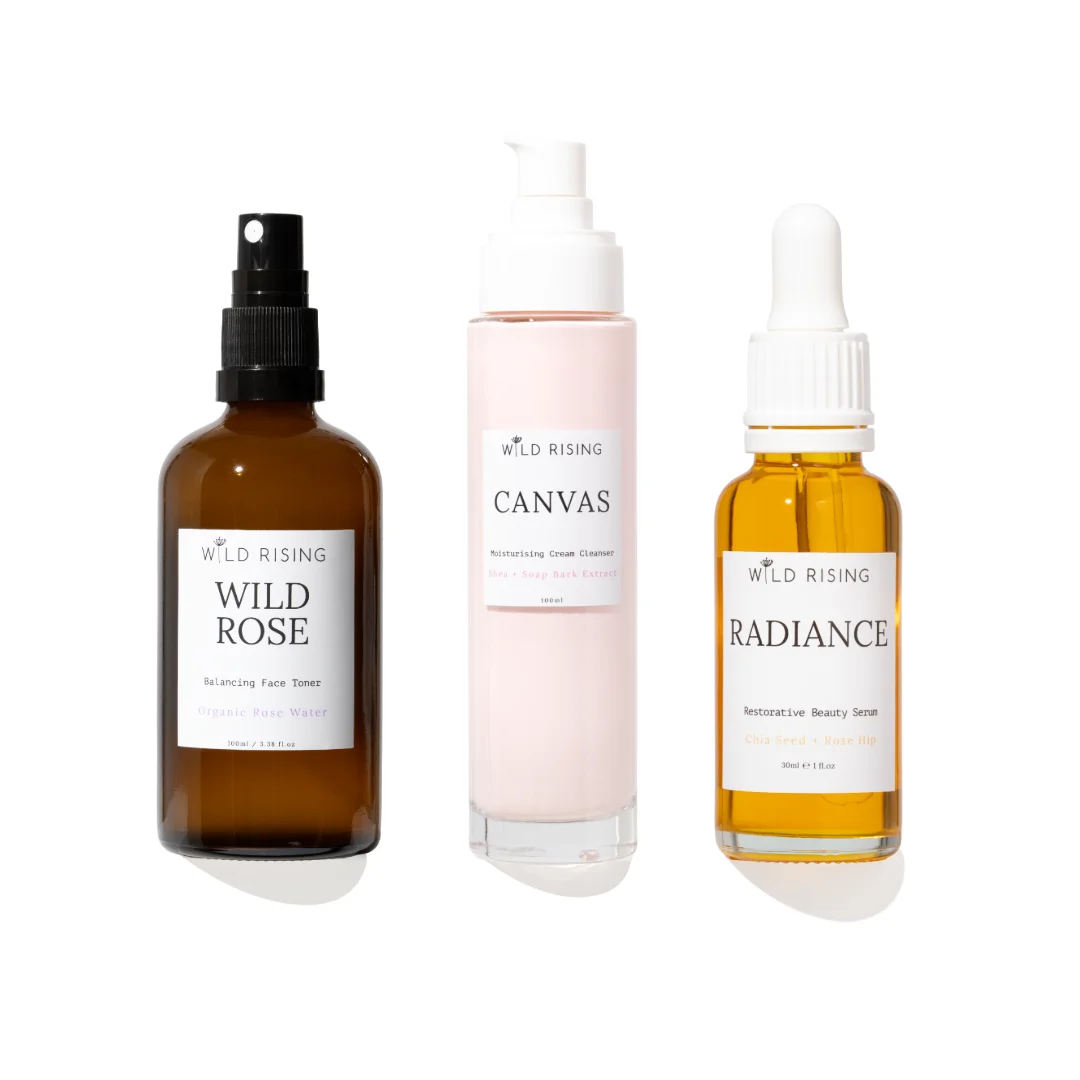


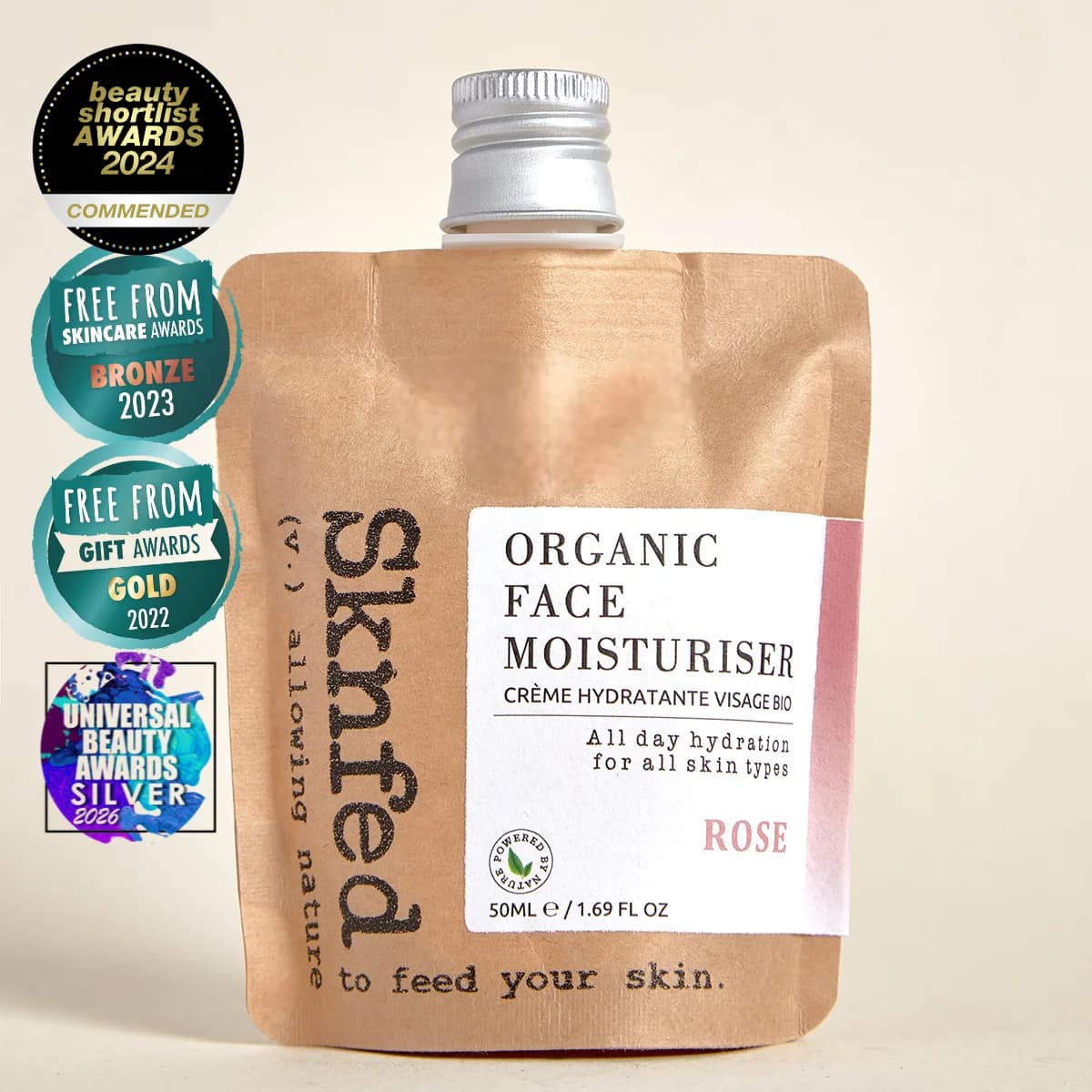


Showing 20 of 367 products
Load moreHow to Choose Organic Beauty Products That Actually Work
When selecting organic beauty products, it is helpful to look beyond the 'organic' label alone and consider the ingredient list. True organic formulations prioritise plant-derived ingredients grown without synthetic pesticides or fertilisers, which often means they are richer in beneficial antioxidants and vitamins. For instance, a moisturiser with a high percentage of organic shea butter or jojoba oil will offer deep nourishment without synthetic fillers. Pay attention to the percentage of organic ingredients, often stated on the packaging, as this indicates the product's overall commitment to organic principles. Look for products that clearly list their organic certifications, such as COSMOS Organic or Ecocert, which provide independent verification of their claims. These certifications ensure that the entire production process, from farming to manufacturing, adheres to strict organic standards. Choosing products with minimal, recognisable ingredients can also help you avoid unnecessary additives and focus on the power of nature.
Understanding Organic Certifications in Beauty
Organic certifications are crucial for verifying the integrity of organic beauty products. They provide an independent assurance that a product meets specific standards for organic ingredient content, manufacturing processes, and environmental impact. For example, the COSMOS Organic standard, widely recognised across Europe, requires that at least 95% of the physically processed agro-ingredients are organic, and at least 20% of the total product must be organic (10% for rinse-off products). Other reputable certifications include Ecocert and Soil Association Organic, each with their own detailed criteria. These certifications not only ensure the absence of synthetic chemicals, parabens, and phthalates but also often cover ethical sourcing, sustainable packaging, and cruelty-free practices. Understanding these labels helps you confidently choose products that align with your values and deliver on their organic promise. Without such certifications, a product might contain some organic ingredients but not meet the comprehensive standards for true organic status.
Frequently asked questions
Q. What does 'organic' mean for beauty products?
For beauty products, 'organic' means that the ingredients, particularly plant-derived ones, have been grown and processed without synthetic pesticides, herbicides, GMOs, or artificial fertilisers. This approach aims to minimise chemical exposure and support more sustainable agricultural practices. Certified organic products also often exclude harsh chemicals, parabens, phthalates, and synthetic fragrances from their formulations.
Q. How can I tell if a beauty product is truly organic?
The most reliable way to identify a truly organic beauty product is by looking for recognised third-party certifications on the packaging. Labels like COSMOS Organic, Ecocert, or Soil Association Organic indicate that an independent body has verified the product's adherence to strict organic standards, covering both ingredients and manufacturing processes. These certifications ensure transparency and authenticity.
Q. Are organic beauty products better for sensitive skin?
Many people with sensitive skin find organic beauty products beneficial because they typically contain fewer synthetic chemicals, artificial fragrances, and harsh preservatives that can trigger irritation. By focusing on natural, plant-based ingredients, organic formulations often provide a gentler alternative. However, it is always wise to patch test new products, even organic ones, as individual sensitivities can vary.
Q. Do organic beauty products have a shorter shelf life?
Organic beauty products can sometimes have a slightly shorter shelf life than conventional products due to the absence of synthetic preservatives. However, many brands use natural preservation systems, such as vitamin E, rosemary extract, or specific essential oils, to maintain product stability. Always check the 'period after opening' (PAO) symbol, typically a small open jar icon, to determine how long a product is good for once opened.
Q. What are the environmental benefits of choosing organic beauty?
Choosing organic beauty products supports farming practices that are better for the environment. Organic agriculture avoids synthetic pesticides and fertilisers, which helps protect soil health, water quality, and biodiversity. It also often promotes sustainable sourcing and reduces the overall ecological footprint of cosmetic production, contributing to a healthier planet.