

Eco sponges, cleaning brushes & cloths
34 products4 brandsfrom £2.45
Eco sponges made from loofah and wood pulp, compostable sponge cloths, wooden brushes and organic cotton dishcloths for every corner of the kitchen.Eco sponges made from loofah and wood pulp, compostable sponge cloths, wooden brushes and organic cotton dishcloths for every corner of the kitchen. Natural bristle cleaning brushes last longest when you rinse them and hang them up to dry between uses.
34 products4 brandsfrom £2.45


Vove
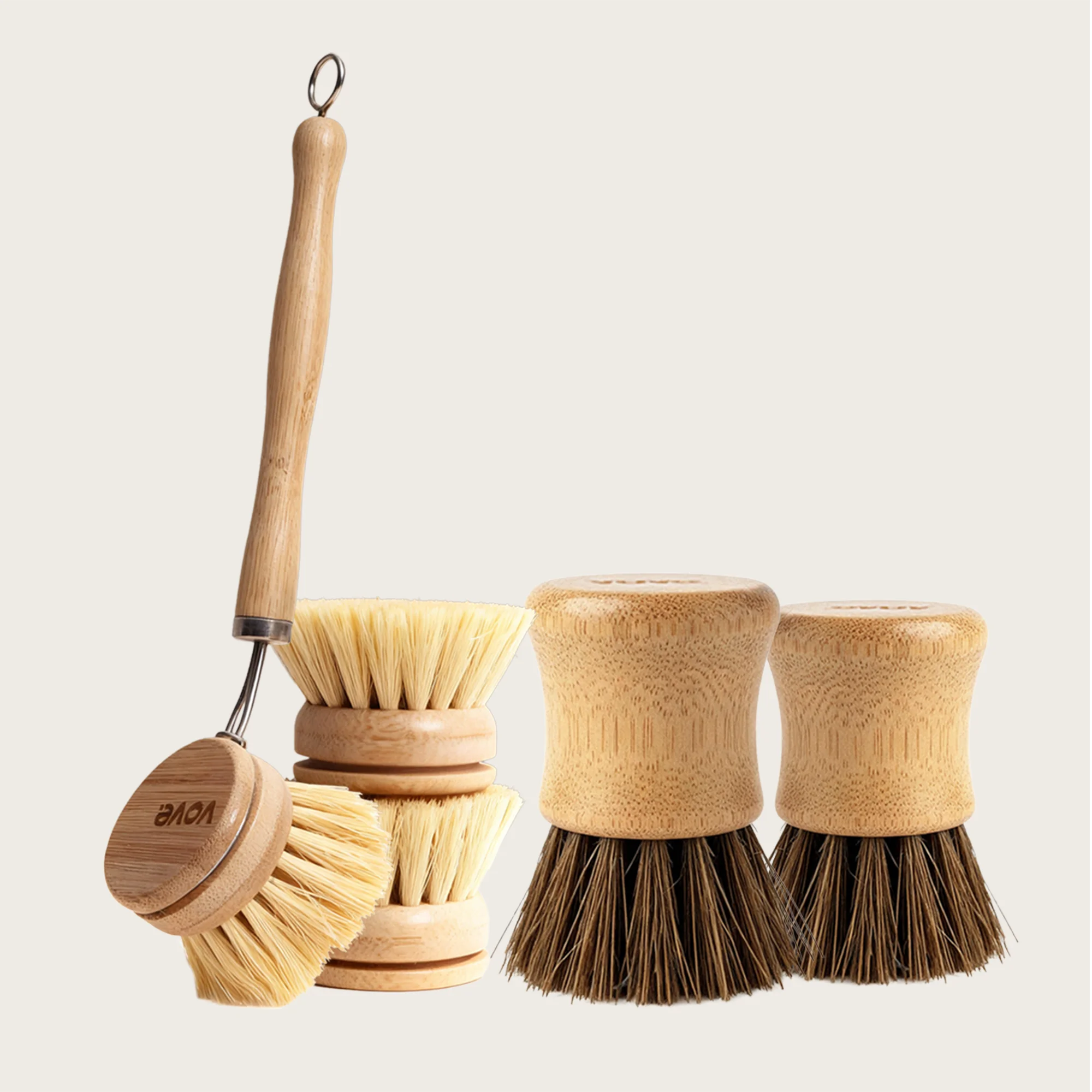
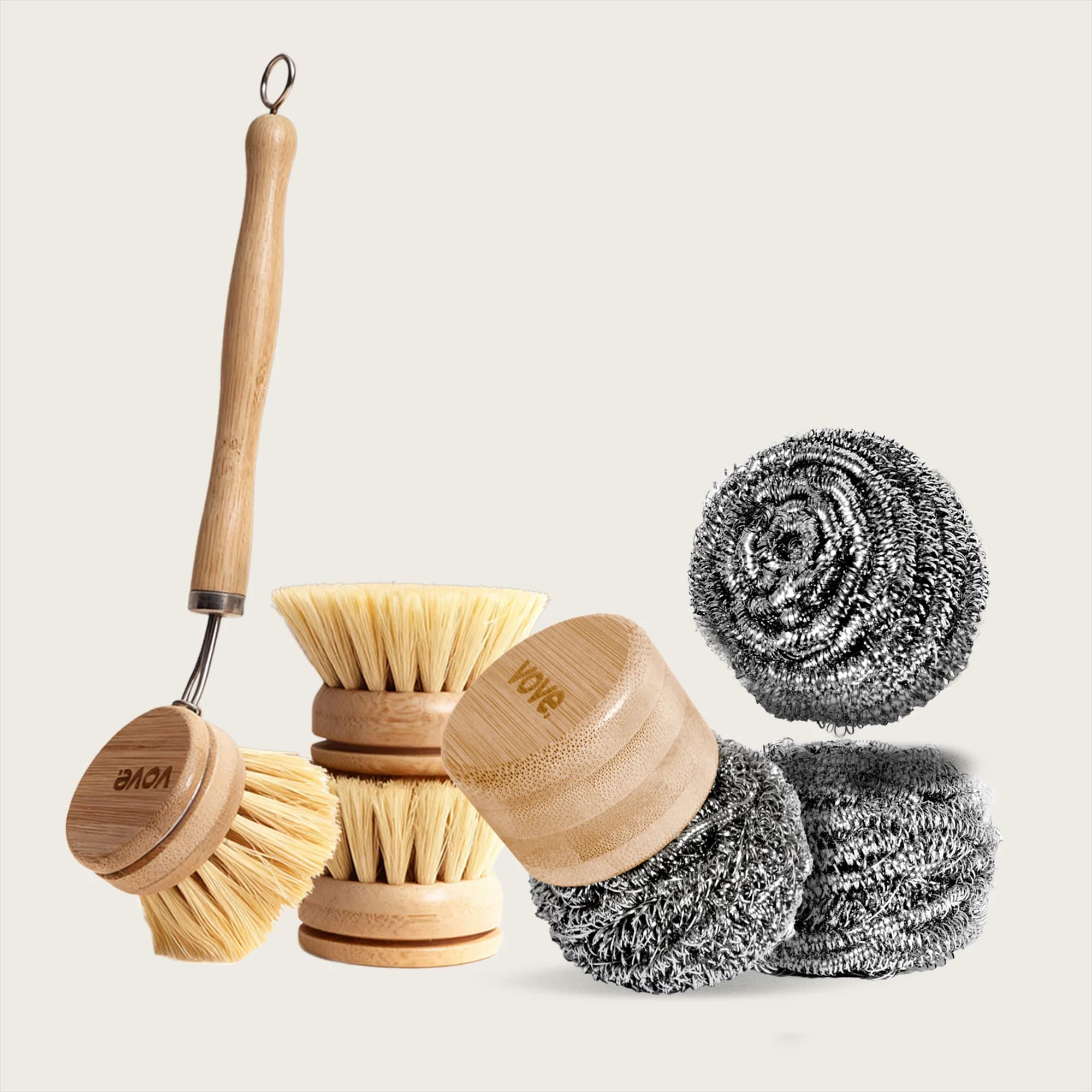
Bamboo Brush Set – FSC Certified

Vove
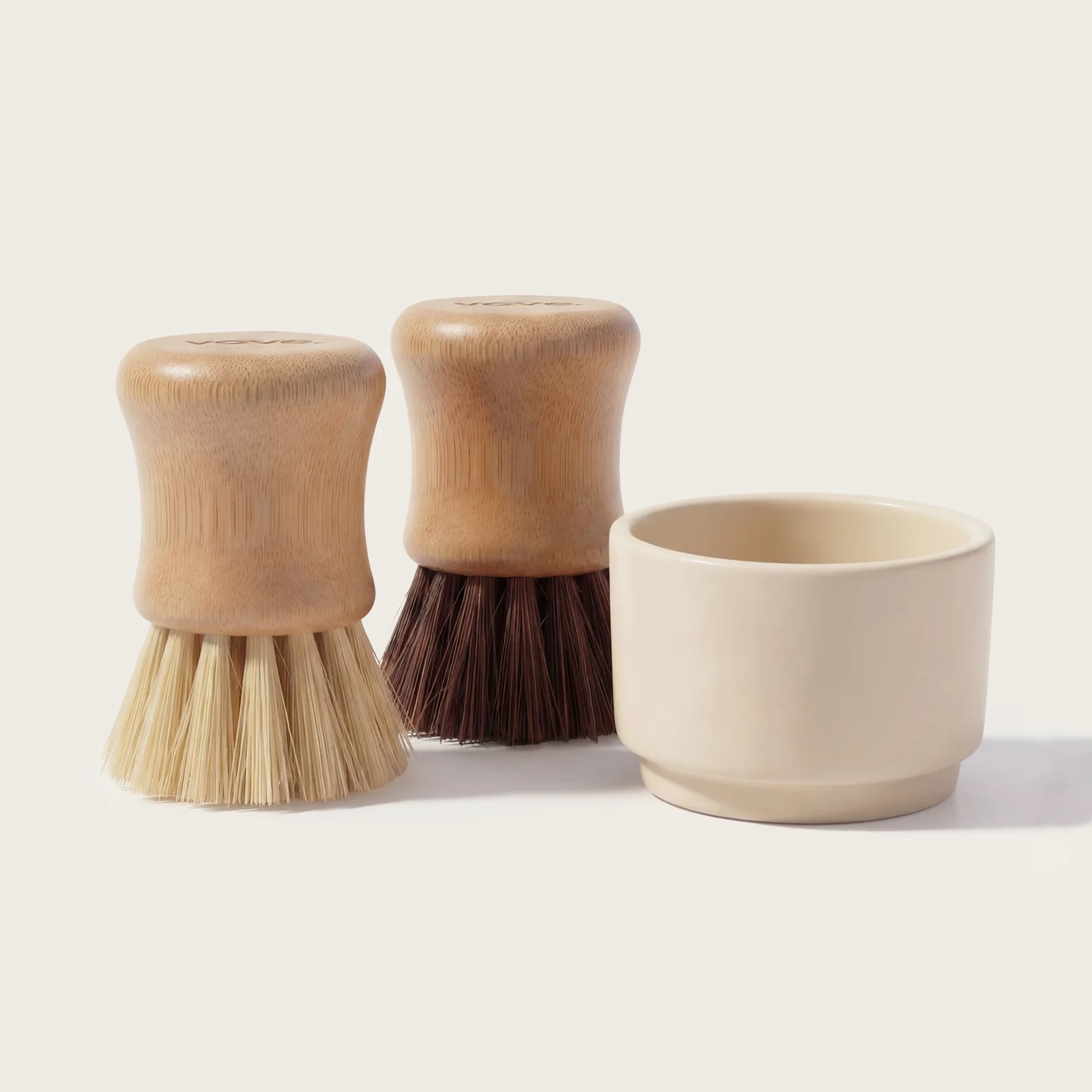
Scrubber Set – Replaceable Heads




Showing 20 of 34 products
Load moreMore in Clean Home
Choosing eco sponges
A standard kitchen sponge is foam plastic that sheds as it wears. Eco sponges swap that for plant fibres that do the same job and break down at the end. MadeKind sells Seep eco sponge scourers, made from loofah and wood pulp, which are plastic free, compostable and non-scratch. MadeKind also sells copper scourers for pans. Each brand here is clear about the materials it uses and how its tools are made.
Compostable sponge cloths and reusable cleaning cloths
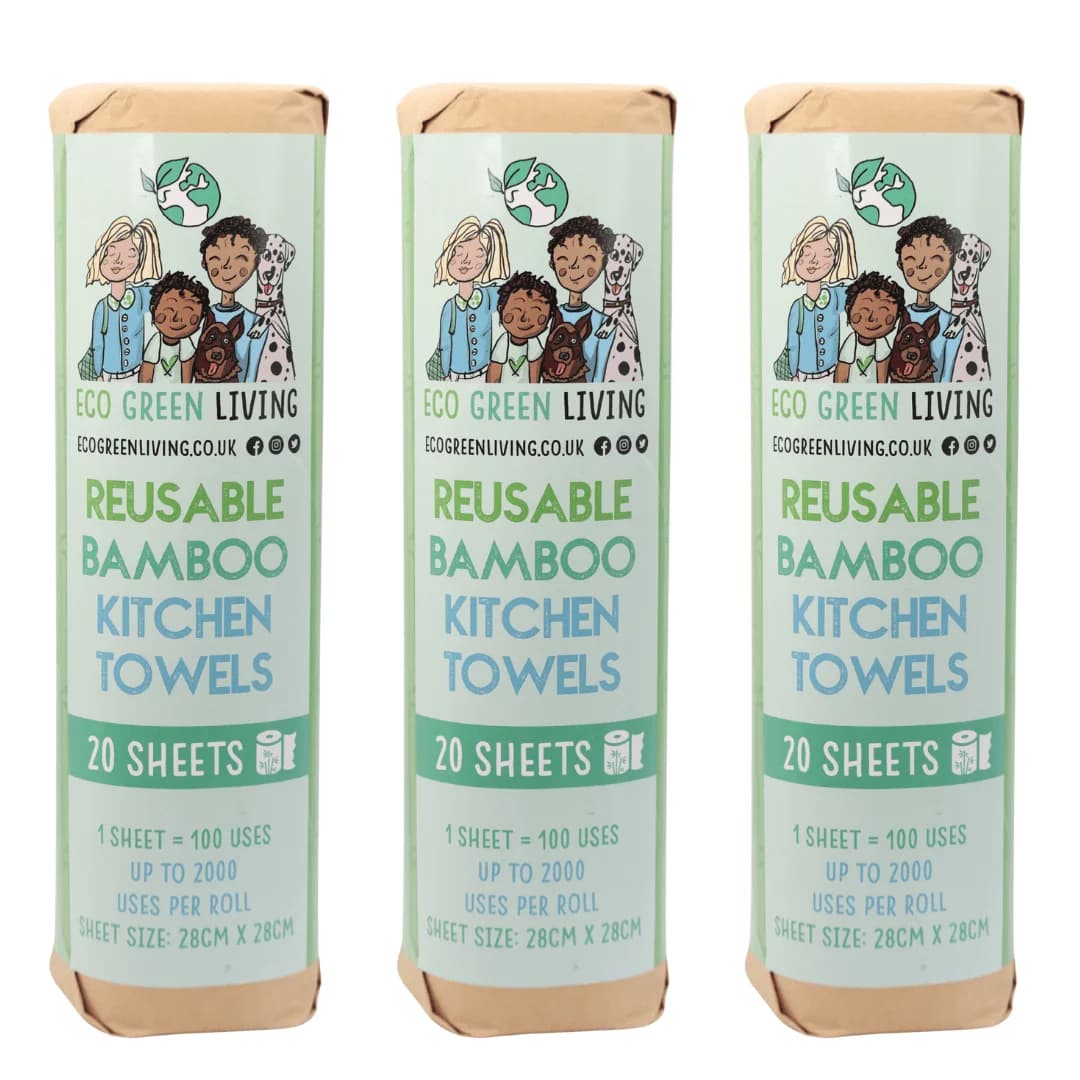
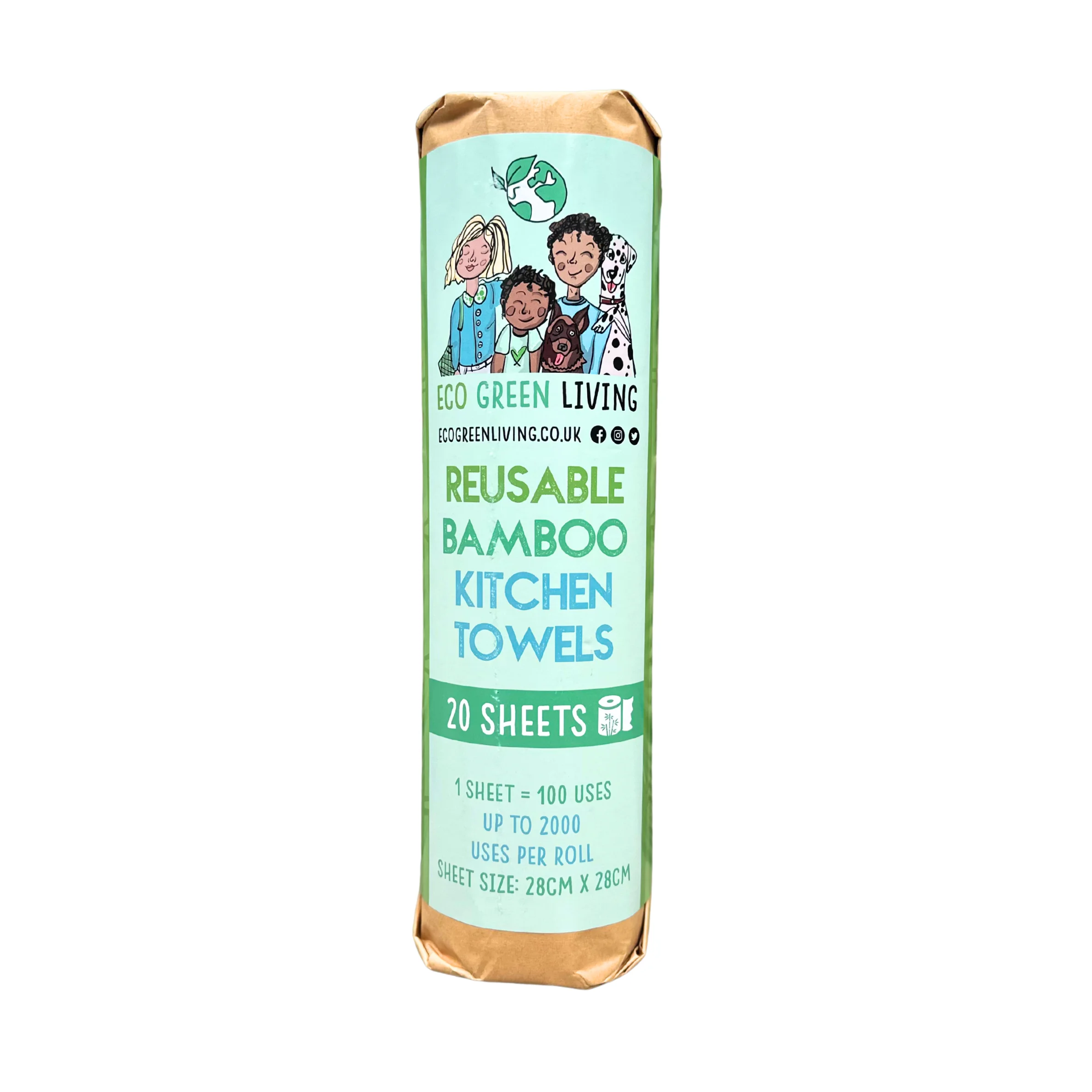
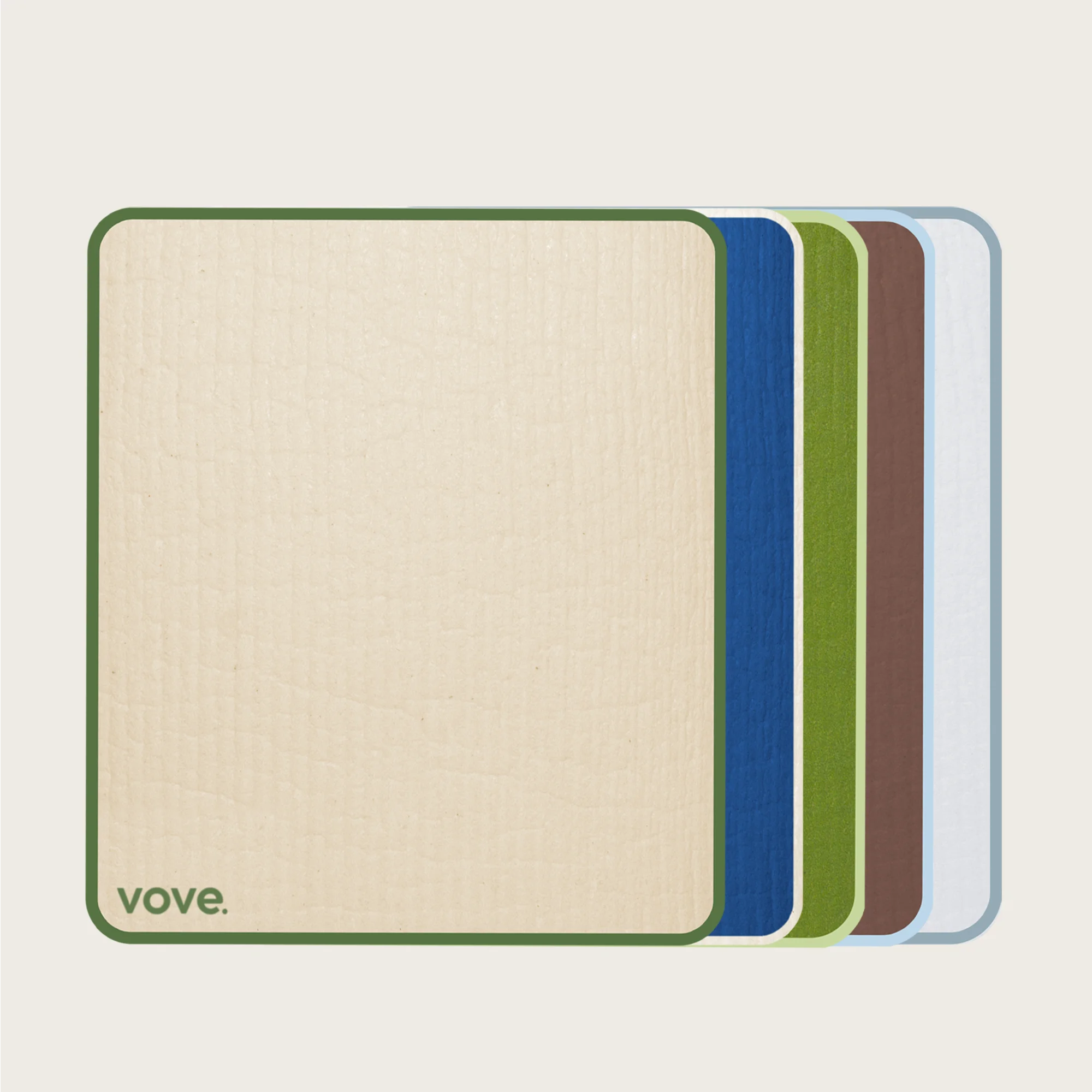
Compostable sponge cloths, sometimes called Swedish dish cloths, are made from cellulose and cotton. They soak up spills, dry quickly and can go in the home compost when worn out. Wild & Stone makes compostable Swedish dish cloths in a set of four, and Vove makes sponge cloths. For reusable cleaning cloths, MadeKind sells organic cotton knitted dishcloths in charcoal grey, sage green and ocean blue, and Wild & Stone makes a knitted organic cotton dishcloth. Eco Green Living makes reusable bamboo kitchen towels. Machine wash eco cleaning cloths at 60°C every few days to keep them fresh.
Wooden cleaning brushes
Wooden cleaning brushes use FSC wood or bamboo handles with plant fibre bristles such as coconut, sisal or tampico. MadeKind sells a wooden pot brush, a wooden vegetable brush, a scrubbing brush and a curved handle brush. Vove makes a scrub brush set, a bottle brush set, a bamboo brush set and a scrubber set in FSC wood with plant fibres. Wild & Stone makes a coconut fibre brush and a wooden pot brush, and Bouclé sells a seagrass brush.
Gloves and other eco cleaning tools
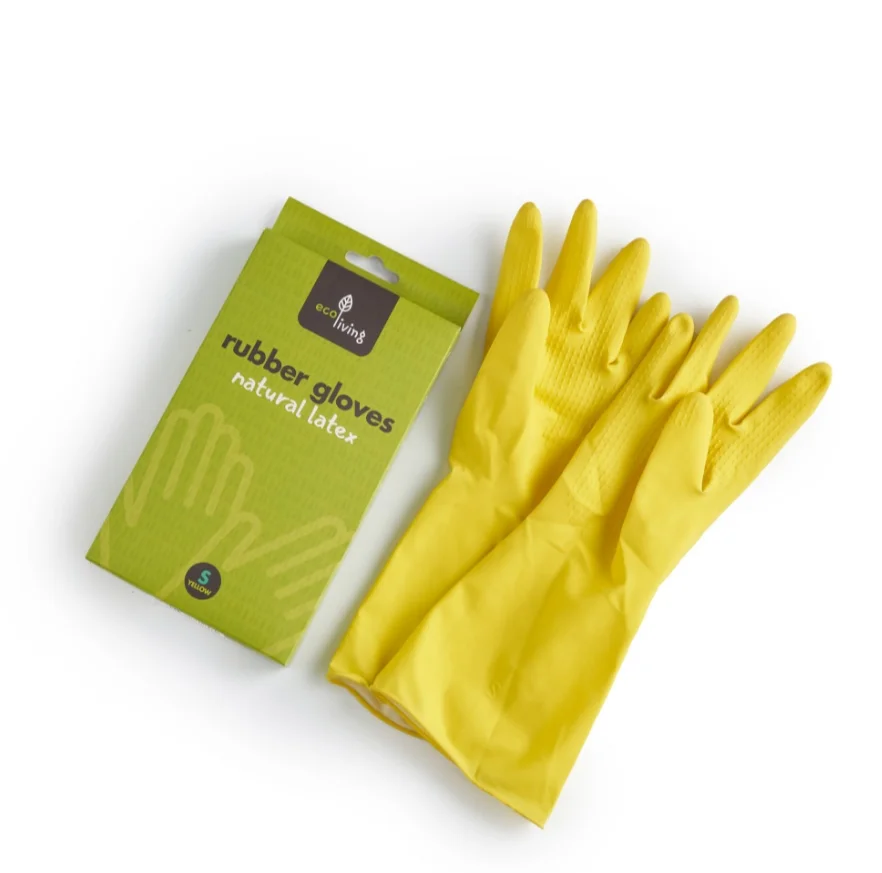
WABLU makes natural latex rubber cleaning gloves, and MadeKind sells Seep eco rubber gloves. eco-mate makes a reusable trigger spray head, and Delphis Eco makes a pelican pump for decanting. Swap your eco sponges every few weeks, or sooner if they smell, and keep one for dishes and another for the bathroom so they never cross over. Washing Up has washing up liquid and dish brushes, Multi-Purpose has surface sprays, Kitchen Linen has tea towels, and Zero waste swaps for everyday life: The prioritised list has more simple swaps.
Common questions
How long do eco sponges last?
Most last a few weeks of daily use. Rinse and squeeze them after use and let them dry, then compost them when they start to fall apart.
How do you clean a sponge cloth?
Rinse it after each use and machine wash it at 60°C, or put it in the top rack of the dishwasher. Let it dry fully between uses.
Can you compost Swedish dish cloths?
Yes. Swedish dish cloths made from cellulose and cotton can go in the home compost. Cut them into strips so they break down faster.
What are wooden brush bristles made from?
Usually plant fibres such as coconut, sisal or tampico, set into an FSC wood or bamboo handle. Hang brushes up to dry so the wood lasts longer.