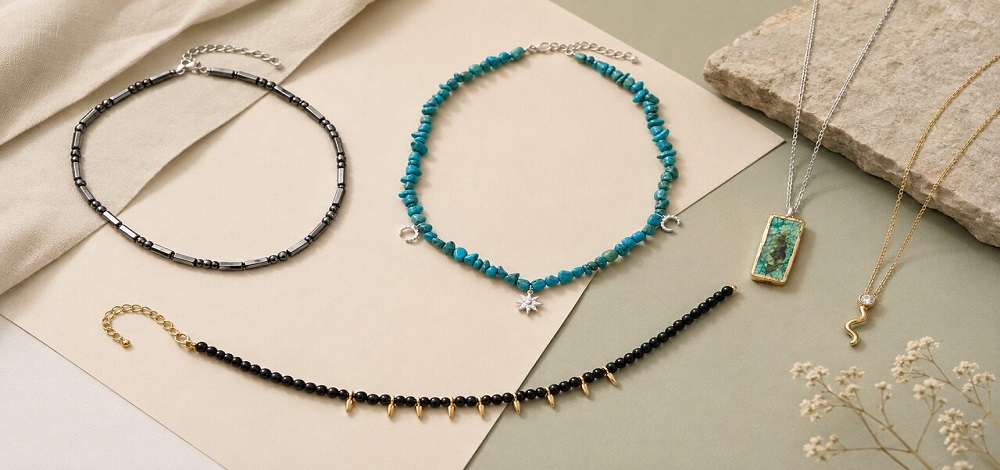
The words “handmade” and “fair-trade” do a lot of quiet work on a jewellery label, and they don’t mean the same thing. Handmade is about how a piece was made, by a person rather than a machine. Fair-trade is about who made it and whether they were treated and paid fairly. A necklace can be one without the other: mass-stamped by a certified fair-trade cooperative, or lovingly hand-finished in a workshop that pays badly. Both words are also, on their own, just words.
Which is the real problem in this corner of the shelf. No category leans harder on story, “artisan,” “ethically made,” “empowering communities,” and no category makes it easier to print those stories without proof. So the useful way to shop necklaces here isn’t to be moved by the story. It’s to ask whether the story can be backed up.
Handmade and Fair-Trade are not the same Promise
Keep the two claims separate, because a piece often delivers only one. Handmade tells you about craft: a person cut, set, soldered or strung it, so it carries small variations a machine wouldn’t, and usually more hours of skill. Fair-trade tells you about people: the makers worked in safe conditions, for fair pay, often through a cooperative that reinvests in their community. The first is about the object, the second is about the hands.
You want to know which you’re buying, because they cost differently and mean differently. A handmade piece from a British studio and a fair-trade piece from a women’s cooperative are both worth having, for different reasons, and a piece that’s genuinely both is the fullest version of the promise. What you don’t want is to pay for both and get neither but the words.
The One Question that Cuts Through Both: Who Made This?
Ask “who made this, and were they paid fairly?” and a real piece can answer, while a fake one can only offer adjectives. A genuine maker names names: a workshop, a named artisan tradition, a cooperative in a named place, or a recognised standard like the World Fair Trade Organization or Fairtrade behind it. A hollow claim gives you “our artisans” and a soft-focus photo, and nothing you could check.
That’s the whole point of fair trade, and it isn’t only about the price. “Fair Trade means far more than paying a fair price, we aim to use fashion as a tool to empower the world’s most economically marginalised people,” says Safia Minney, founder of the pioneering fair-trade label People Tree. So the test is proof of the people, not warmth of the wording. A brand that generates real, counted hours of paid work for named communities is making a fair-trade claim you can stand on. One that gestures at “empowerment” without a mechanism is making a mood.
A real handmade or fair-trade necklace can tell you who made it. A fake one can only tell you a feeling.
The Picks That Can Answer It
Everything below is verified in stock and chosen because it can answer the question, with a named maker, community or standard. Ziracle’s fair-trade necklaces come mainly from two specialists, So Just Shop and Rize, so several picks share them, alongside a UK-handmade option for contrast. Prices and stock were checked at the time of writing and move with the sales.
Best fair-trade with a real maker story: So Just Shop Bela Gold Necklace, £49. Handcrafted from recycled gold-plated sterling silver by women-led artisan groups across Kenya, India, Nepal and Colombia, from a brand that generated 80,000 hours of paid work for its artisans in a single year. This is what “who made it” looks like when the answer is real.
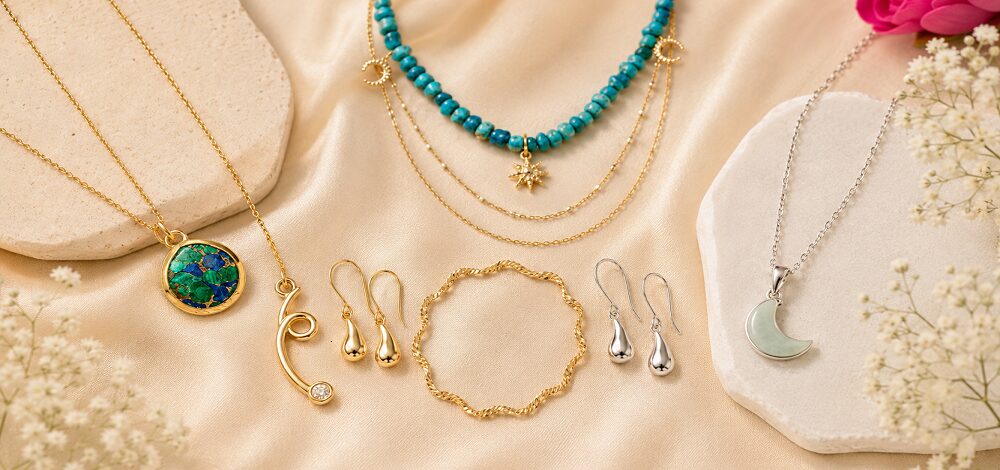
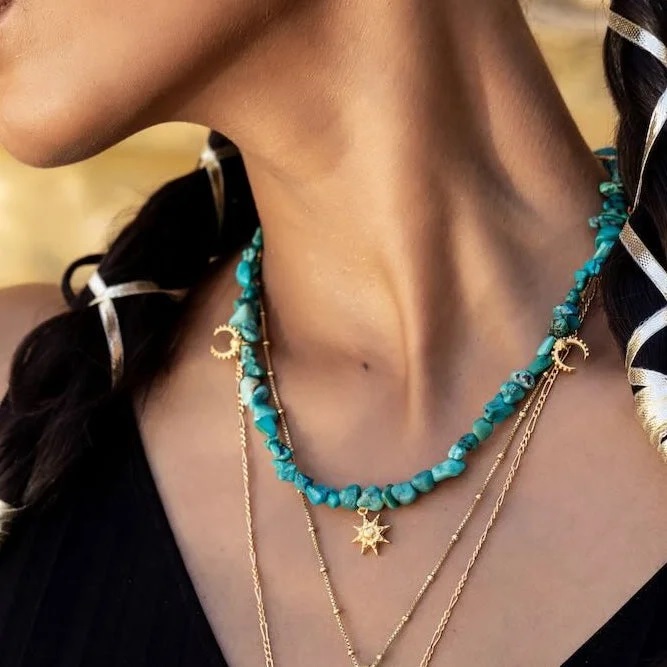
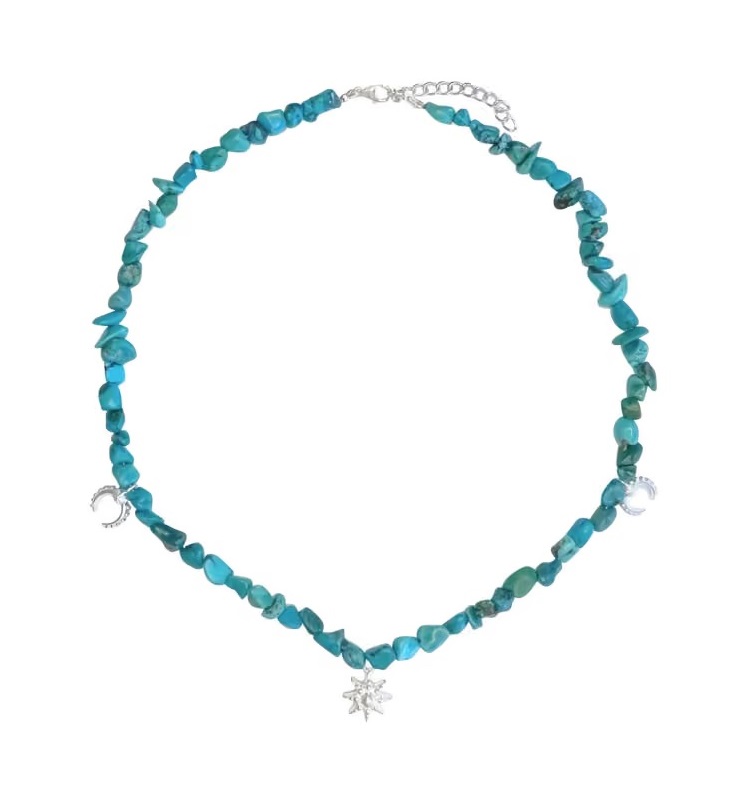
Best fair-trade statement piece: Rize Stellar Turquoise Necklace, £115. Handcrafted by Fairtrade artisans in recycled silver, with a turquoise stone that carries the piece. The one to buy when you want the necklace to be noticed and the provenance to hold up when someone asks.
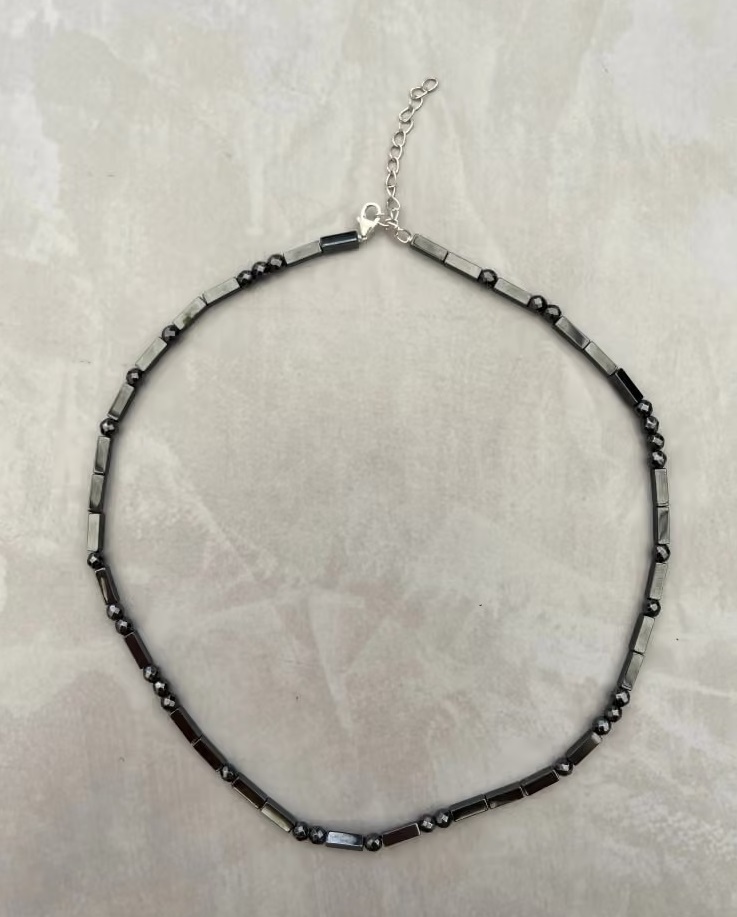
Best affordable Fairtrade: Rize Hematite Necklace, £45. A handcrafted Fairtrade-artisan choker at a gift-friendly price, proof that the fair-trade tier doesn’t start high. The easy first fair-trade necklace to buy for yourself or someone else.
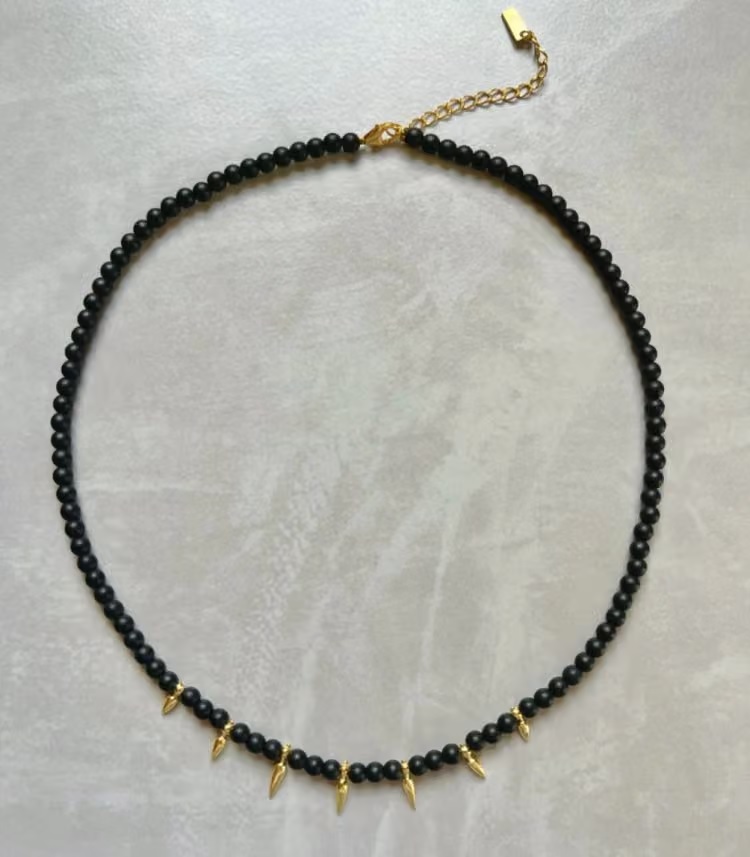
Best everyday fair-trade and recycled: Rize Tribal Spike Necklace, £70. Fairtrade and made with recycled metal, simple enough to wear daily, which is where a necklace earns its keep. The workhorse of this list.
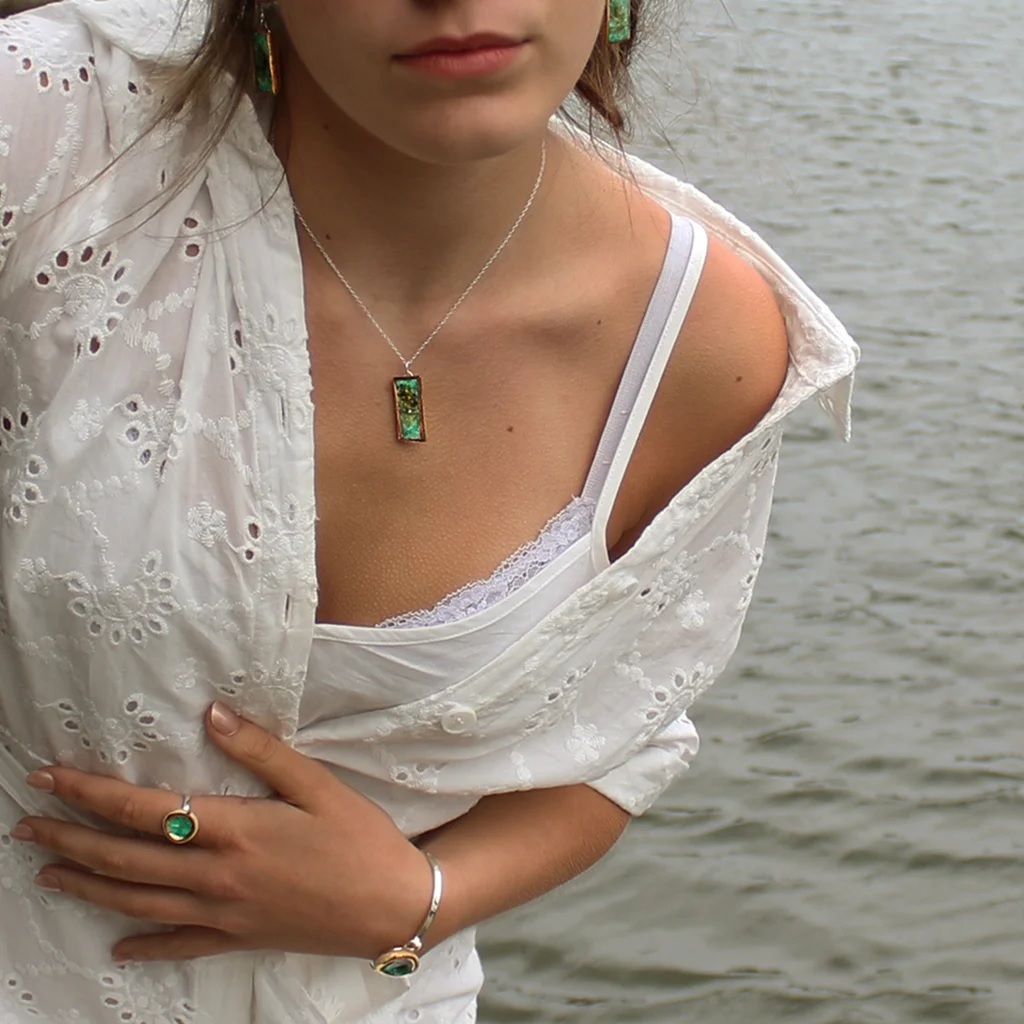
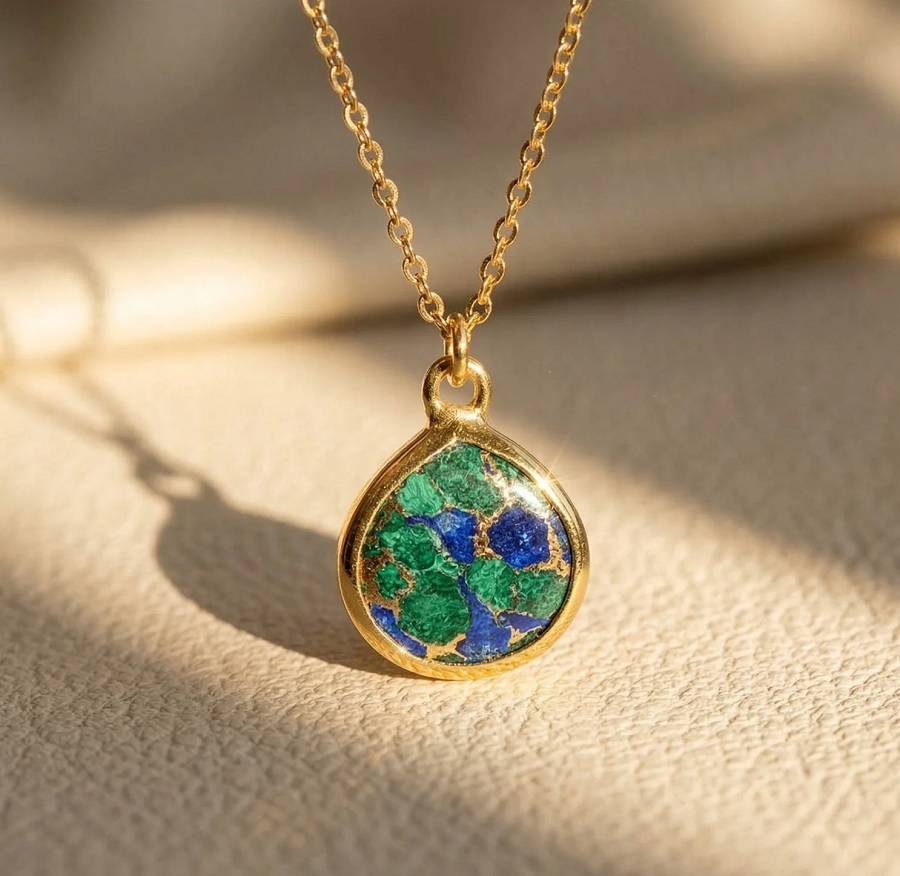
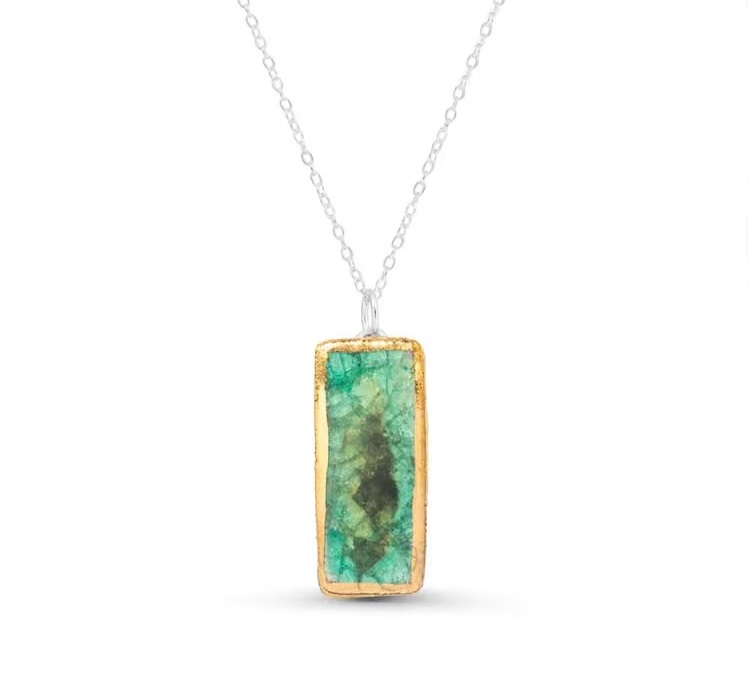
Best UK-handmade: Habulous Emerald Reef Sterling Silver Pendant, £45. Here the proof is a named British studio rather than a fair-trade certificate: handcrafted in solid sterling silver, the handmade promise without the overseas supply chain. A good example of one claim honestly met, not both.
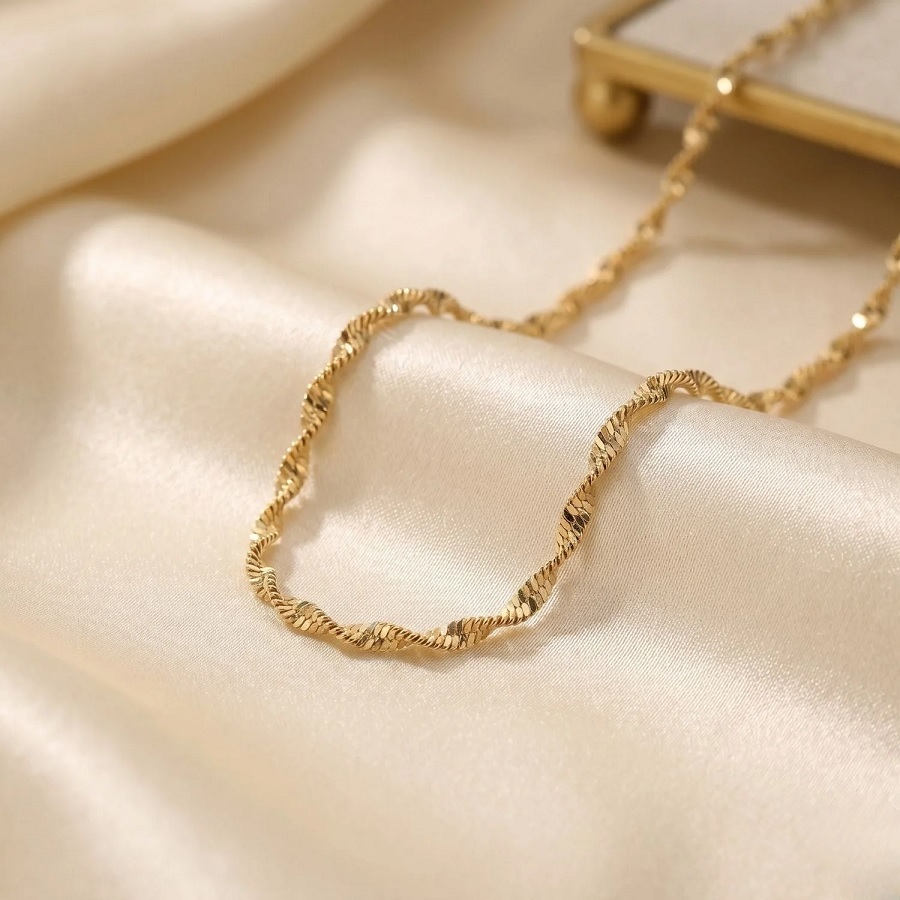
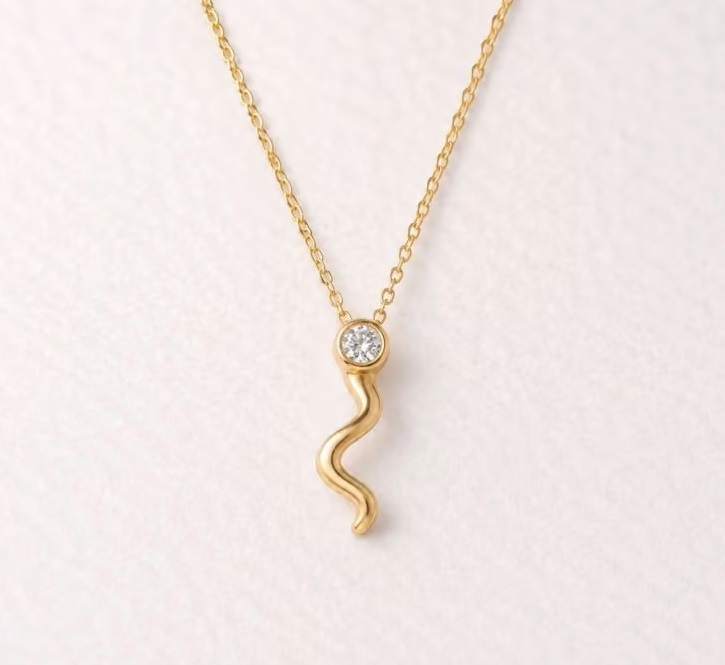
Best handmade for a milestone: Lily Flo Almost Effortless Diamond Wave Necklace, £345. Handmade in London in recycled gold, this is the fine, keep-forever end, handmade rather than fair-trade certified, with the workshop named. The piece for an occasion that deserves one.
What A Fair Price Actually Buys, And Why It Costs More
A genuine handmade or fair-trade necklace usually costs more than a machine-made high-street one, and that gap is the product. You are paying for real hours of skilled work and for makers who were paid properly for them, rather than for volume and thin margins passed down the chain. The premium isn’t a tax on your conscience, it’s the actual cost of the thing being what it claims.
That’s also why the proof matters so much. If you’re paying the fair-trade price, you should get the fair-trade reality, a named community, a standard, counted work, not just the word. Buy where the story checks out, and the extra you spend does what it says. You can see the wider fair-trade range under Fair Trade.
So Which Should You Buy?
Decide which promise you want, then buy the piece that proves it. For fair-trade, look for a named cooperative or a recognised standard and buy from the specialists that publish their impact. For handmade, look for a named maker or studio. For both, So Just Shop and Rize are where the two claims meet on Ziracle, and a UK studio like Habulous or Lily Flo answers the handmade question in Britain. Whatever you choose, let the piece answer “who made this?” before you pay.
Get that right and a necklace stops being a nice story you can’t check, and becomes one you can, which is the difference between a gift that means something and a gift that says something. This piece sits within the wider sustainable jewellery guide if you want the metals side too.
Buy the necklace that can tell you who made it.
FAQs
They are two separate claims. Handmade means a person made the piece by hand rather than a machine, so it reflects real craft and small individual variations. Fair-trade means the people who made it worked in fair conditions for fair pay, usually verified through a cooperative or a recognised standard. A necklace can be handmade but not fair-trade, fair-trade but largely machine-assisted, or genuinely both, so it’s worth knowing which one you’re paying for.
A real one names names. Genuine fair-trade brands identify the cooperative or community, publish their impact, or carry a recognised standard like the World Fair Trade Organization or Fairtrade. Genuine handmade pieces name the maker or studio. If a claim rests only on words like “artisan” or “ethically made” with nothing you can check, treat it as marketing until proven otherwise.
Usually a little, and the reason is the point. The price reflects paying skilled makers properly for real hours of work, rather than squeezing costs down the supply chain. You’re buying the labour and the fairness as much as the metal and the stone, so the premium is the actual cost of the piece being what it claims to be.