Veo and Wearth are now Ziracle. Same mission, better platform. See what's new

Zero Waste Beauty: The Formats Worth your Money

plastic free eye shadow palette||||||||zero waste makeup|organic makeup rounds|exfoliate concentrated skincare bar|bamboo makeup brushes|plastic-free soap|refill vegan haircare||biodegradable glitter eyeshadow||natural refining body scrub|Natural Vegan Deodorant|biodegradable glitter eyeshadow||bamboo toothbrush|lavender scrub|bamboo safety razor|charcoal toothpaste|||

Most beauty sold as “eco” is a bottle with a leaf on the label. The brands actually doing the work redesigned the packaging out at the product stage, not bolted a recycling scheme onto the end. The difference shows in the bathroom cabinet over a year. One kind fills your bin with plastic you cannot recycle. The other is a set of reusable containers you top up.

The scale of the problem is not a small one. The Plastic Pollution Coalition reported in 2022, drawing on Zero Waste Week research, that the global cosmetics industry produces more than 120 billion units of packaging a year, most of it not meaningfully recyclable. The same analysis cited Greenpeace USA figures showing that since 1950, only around 9% of all plastic ever produced has actually been recycled. The rest is in landfill, incinerators, or the sea. Beauty is one of the single biggest contributors.

This guide is format-led rather than brand-led for a reason. Brands come and go, packaging claims drift over time, and what matters most when you shop is what the container is, not whose name is on it. Five formats, six questions, and a clearer sense of where your money is actually working.

01. Refillable compacts for colour cosmetics

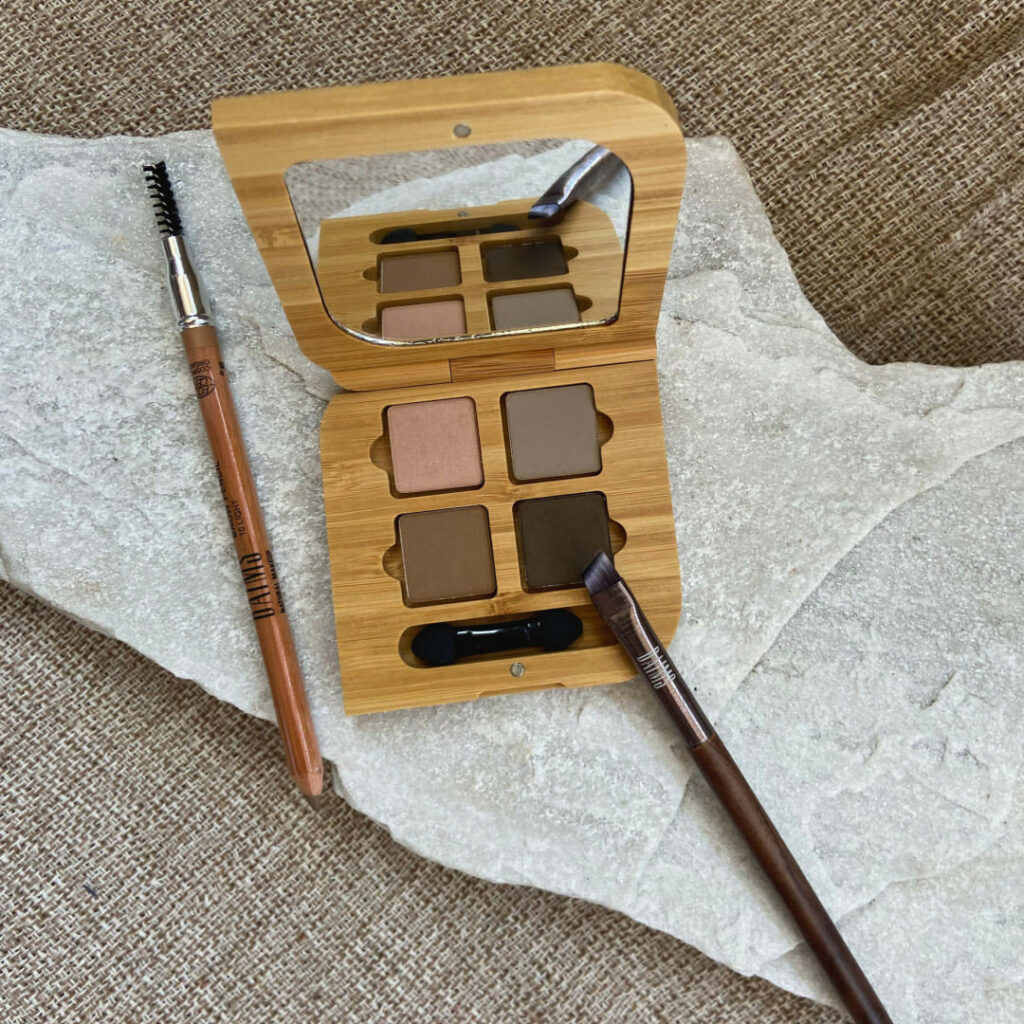
The easiest wins sit in makeup. Mineral pigments compress cleanly into a pan, which means blushes, bronzers, eyeshadows and pressed powders can live inside a refillable compact you keep for years. Good systems use a bamboo or aluminium outer case and a drop-in pan that pops out when the colour runs down.

plastic free eye shadow palette
Brand: BAIMS Natural Makeup

What to look for: a brand that commits to backward compatibility, so a refill you buy in three years still fits the compact you bought today. Refills usually come in around 30 to 40% cheaper than a new full-size compact, which means the maths works before you factor in the packaging saved. The systems that fail are the ones where the brand redesigns the compact every eighteen months and leaves you with a drawer of obsolete shells.

Mineral pigments have the secondary benefit of working well on reactive skin. No emulsifiers to stabilise a liquid formula, no preservatives for a water-based one, fewer triggers across the board. If you are building a low-waste routine from scratch, start here. Browse our full Colour & Cosmetics edit for the refillable-first options.

02. Solid bars for skin and body

Solid cleansers, shampoo bars and body bars are the format most people try first, and the one most people abandon fastest if they pick a bad one. The problem is not bars. The problem is bad bars.

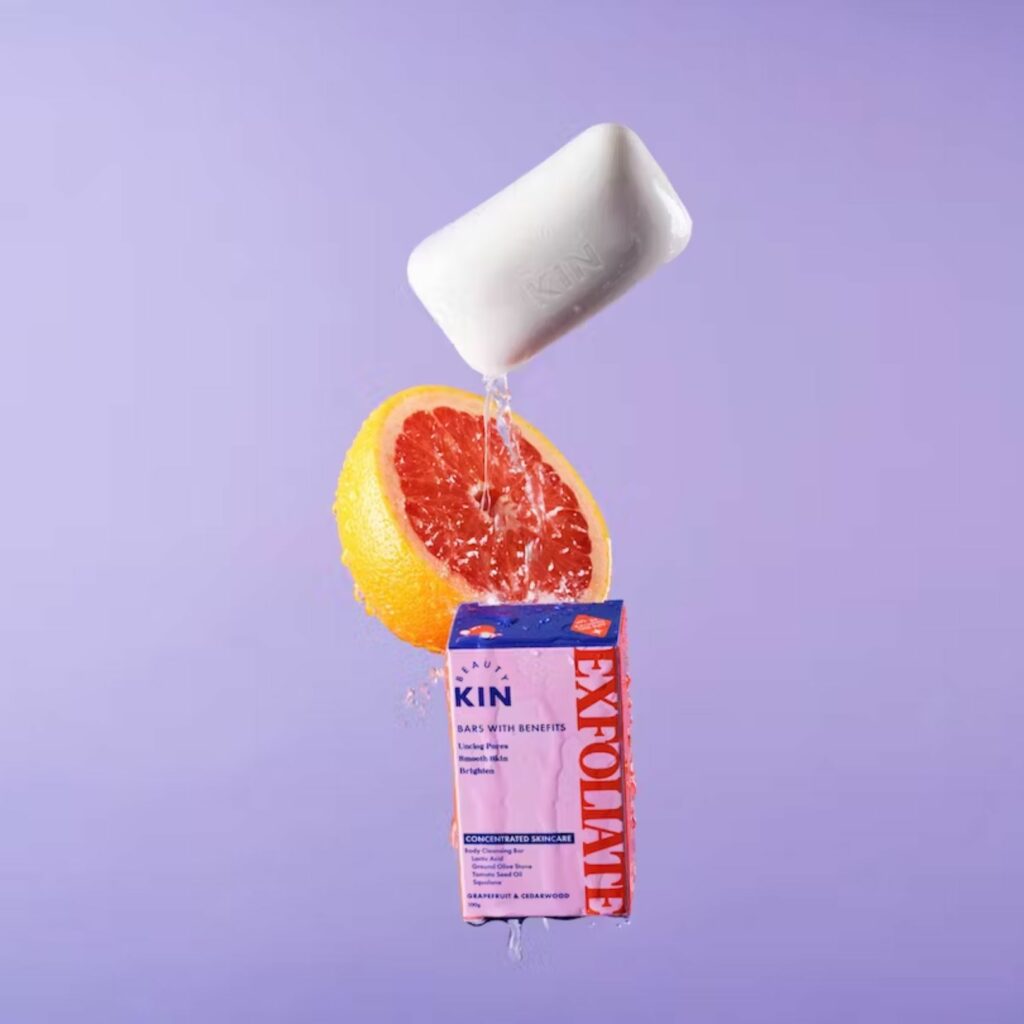
Brand: Beauty Kin

A cold-processed soap made with actual oils (olive, coconut, shea) cleans without stripping skin. A syndet bar -built on synthetic surfactants at skin-neutral pH -works for people who react to traditional soap. Either can be genuinely good. What to avoid is a commodity soap bar with a “natural” sticker, which typically is neither gentle nor particularly natural.

One well-made body bar replaces two to three standard bottles of liquid body wash. The water is gone, so the packaging is smaller, the shipping is lighter, and you are not paying to ship liquid around the country. A 2024 lifecycle assessment from CarbonBright found that shampoo concentrate in standard packaging produced around 1.01 kg of CO2 equivalent per use versus 1.25 kg for a full-size liquid bottle, with solid formats cutting the footprint further. The format works. The ingredient deck on the back tells you whether the specific bar works.

03. Shampoo and conditioner bars that actually wash

First-generation shampoo bars were scratchy. Second-generation ones are not. A sulphate-free, silicone-free bar delivers roughly 50 to 80 washes per bar if you store it properly, which roughly equates to two to three standard shampoo bottles.

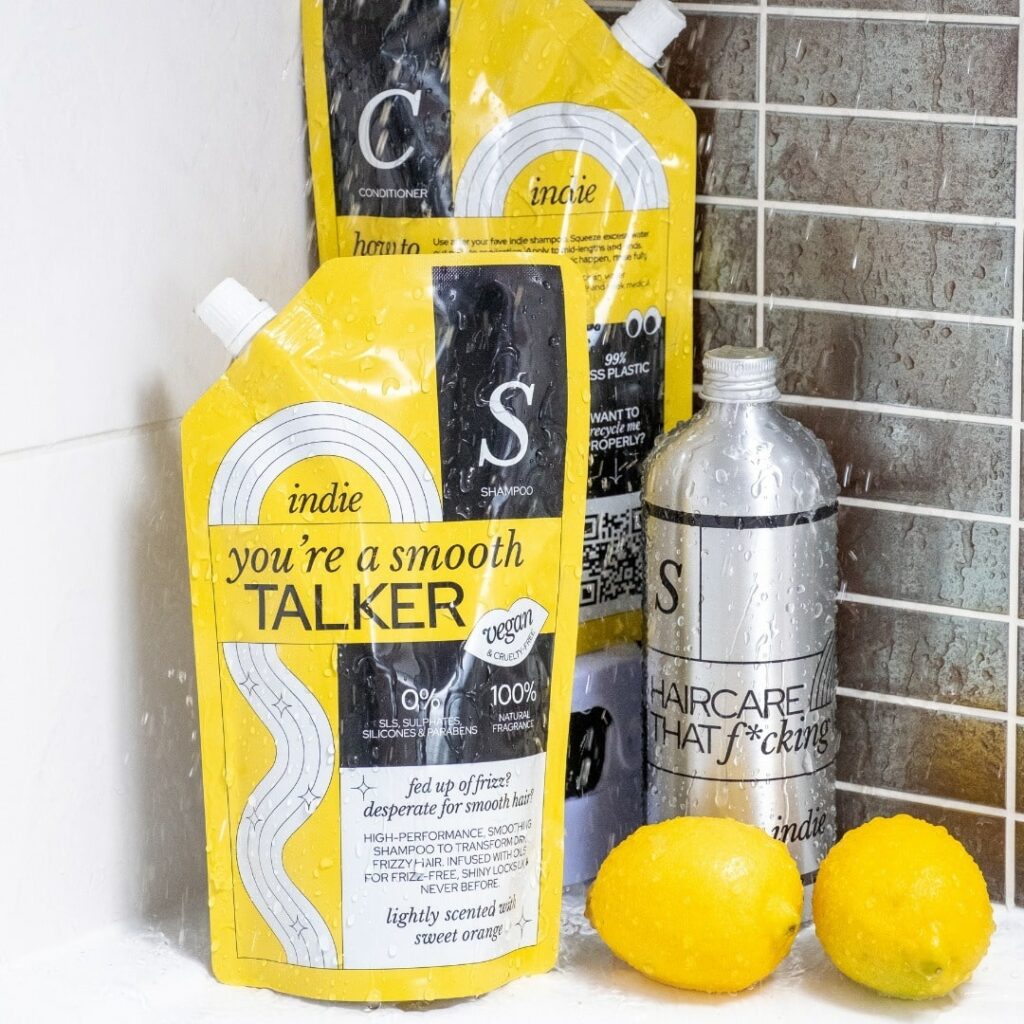
refill vegan haircare
Brand: Indie Refill

The failure point is always storage. Leaving a bar in a puddle at the bottom of the shower is how you lose it in a fortnight. A draining dish, or better a tin that doubles as a travel case, is non-negotiable. Conditioner bars are the harder format to get right and where cheap bars quickly announce themselves on fine hair. Look for vegetable glycerin, cocoa butter or shea in the ingredient list rather than surfactants alone.

The Ellen MacArthur Foundation’s work on circular business models in beauty identifies personal care as one of the highest-impact categories for the switch from single-use to refill. Daily-use products compound fastest, which is exactly why shampoo is worth the effort.

04. Dental and deodorant, where daily use adds up

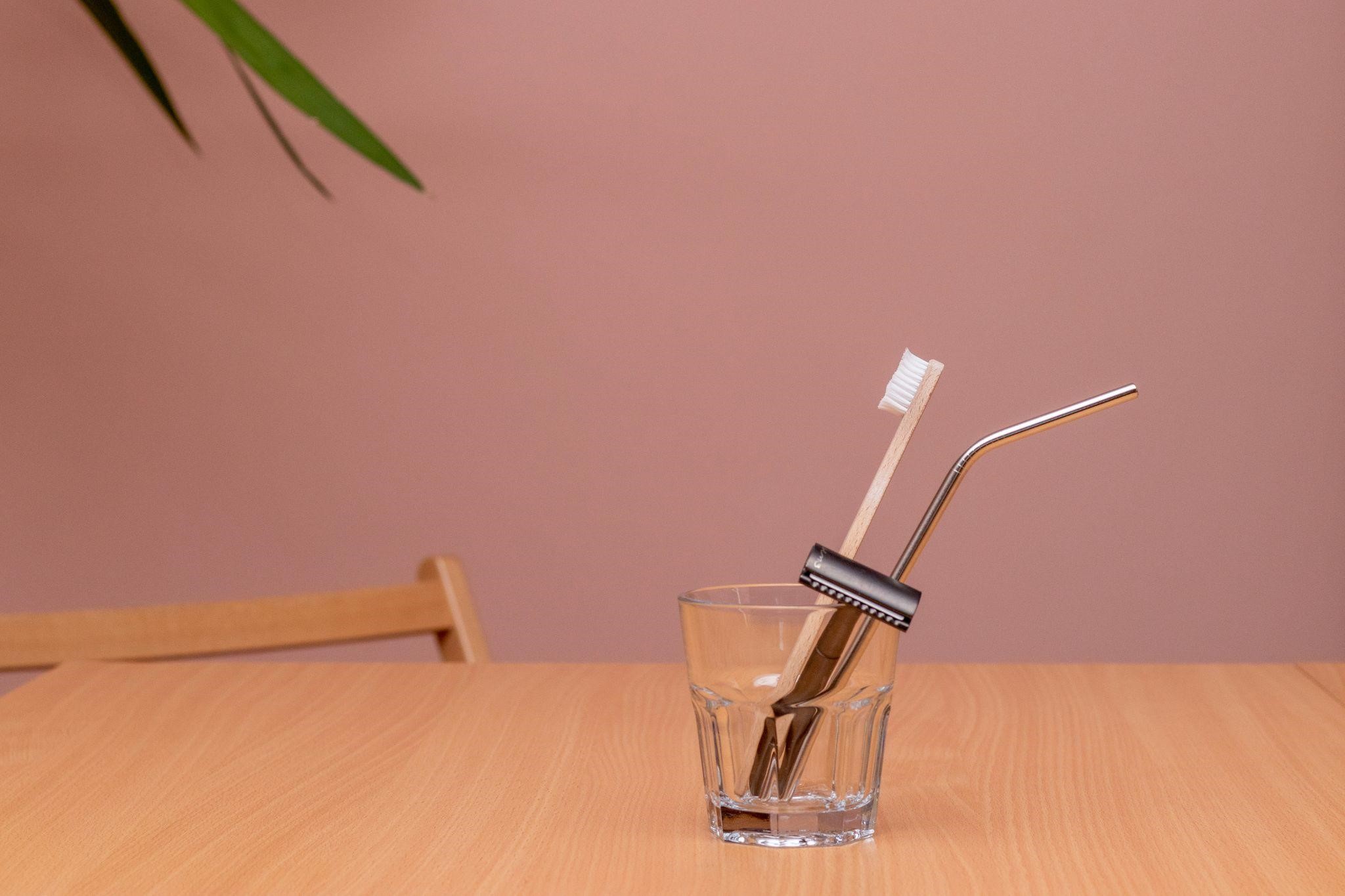
A toothbrush is replaced every three months. A lifetime of plastic brushes is a small pile of unrecyclable plastic no council stream touches. A bamboo handle with a replaceable bristle head cuts the waste to the bristle tuft. A stainless steel handle with a snap-in bamboo head does better again and lasts years.

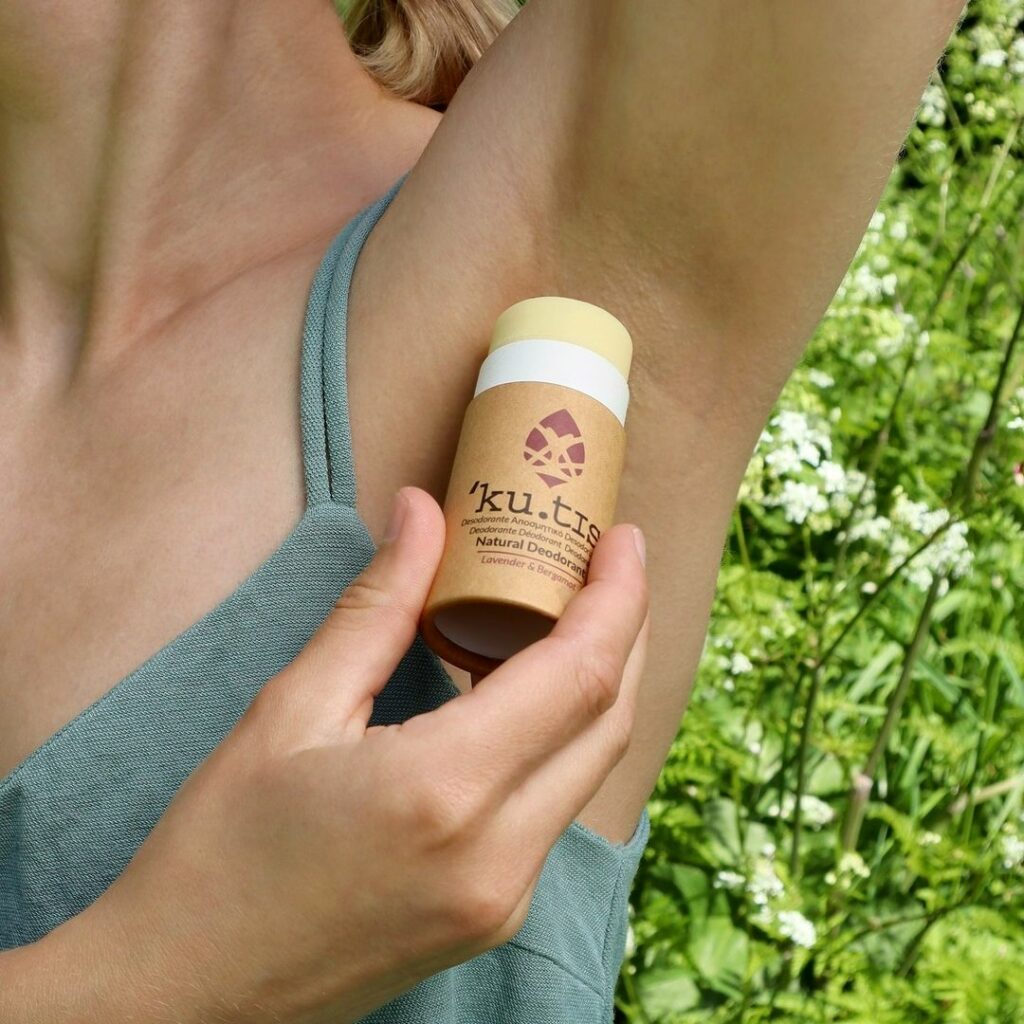
Natural Vegan Deodorant
Brand: Kutis Skincare

For toothpaste, look for toothpowder in a glass or aluminium tin, or chewable tabs in cardboard or refillable glass. Fluoride versions of both exist for anyone following NHS and British Dental Association guidance on cavity prevention. Fluoride-free options exist too, if that is your preference, though the dental case for fluoride is strong.

For deodorant, a solid stick in a cardboard push-tube or a refillable aluminium case works for most people. Look for plant waxes, mineral powders and bicarbonate-based formulations rather than aluminium salts. Application is slightly different from a spray or roll-on and takes about a week to adjust to. After that most people find they prefer it.

05. Tools that last

Reusable cotton rounds in organic cotton or bamboo terry replace the disposable pads most removers are formulated around. A set of twelve, washed weekly with a bag of laundry, lasts a year or more. A good bamboo-handled brush with synthetic bristles, kept clean, outlives three generations of disposable applicators.

bamboo safety razor
Brand: Clean U Skincare

A well-made tool you keep for years beats any number of disposables.

For face tools -jade rollers, gua sha, dermarollers -the sustainability case runs the other way: longevity is automatic if the material is solid (stone, metal, glass). The question there is whether the tool does what the brand claims. Most of the evidence for facial-massage tools is anecdotal. They are pleasant to use. They move lymph. They do not replace sunscreen, sleep, or retinol.

Where to start on Ziracle

Every brand in our Beauty and Self-Care edit has passed the same standard: honest ingredients, transparent production, and packaging that earns its place rather than just its marketing. Filter by Plastic Free for the zero-waste formats, or by Refillable for the refill-first systems. For the wider view on swaps across the category, see our eco swaps for beauty guide.

If reactive or sensitive skin is why you started looking at this, Healthy Skin is the goal page we most often point people to.

Zero waste beauty is not a discipline of self-denial. The formats exist, the performance holds up, and the maths works the moment you commit to the first compact, the first bar, the first handle. Everything after that is refills.

FAQs

What actually makes a beauty brand “zero waste”?

A brand that designed the packaging out at the product stage, not one that bolted a recycling scheme onto the end. That means refillable formats, solid formulations, compostable wrappers or reusable containers as the default, not as a premium upsell. A useful test: if the brand’s lowest-waste option is also its cheapest per use, the model is genuine. If the zero-waste line is the premium tier, the strategy is marketing.

Do shampoo bars really last longer than liquid shampoo?

A well-formulated bar gives roughly 50 to 80 washes, which is about two to three bottles of standard liquid shampoo. The variable is storage. Keep the bar on a draining dish or in a tin that doubles as a travel case, and let it dry between uses. A bar left in a puddle dissolves in a fortnight. If you travel a lot, the format also clears airport liquid rules without a second thought.

Are refillable makeup compacts actually compatible across years?

Only if the brand commits to backward compatibility. Ask before you buy the first compact whether refills bought in two or three years will still fit the current shell. The good systems guarantee this, because the whole point of the format is retention. A refill system that goes obsolete every eighteen months is the worst of both worlds.

Is solid dental care as effective as toothpaste from a tube?

Toothpowders and chewable tabs with fluoride deliver the same active ingredient as standard toothpaste and meet the same dental guidance. The format has matured past its early limitations. The British Dental Association’s fluoride recommendations apply whether your paste arrives in a tube or a tin. Fluoride-free versions exist for anyone who prefers them, but the cavity-prevention case for fluoride is strong and worth knowing.

Do zero waste beauty products cost more?

Sometimes at the first purchase, almost never across a year. Refills typically come in 30 to 40% below the full-format price, and a solid bar outlasts the bottled equivalent by a factor of two or three. The payback usually sits inside the first re-purchase cycle. The exception is the very cheapest mass-market products, which are hard to beat on headline price but always beat on total cost of ownership.

Anti-Pollution Skincare, Without the Marketing Noise

||||||||||||||||||

Anti-pollution skincare is one of the few wellness categories where the underlying problem is genuinely serious and the marketing around it is genuinely excessive. The air in most UK cities is measurably damaging your skin, the evidence for that has been strong for well over a decade, and the industry has responded with hundreds of products, some of which do meaningful work and most of which just slap “anti-pollution” on a standard serum and raise the price. This is the version that separates them.

What pollution actually does to skin

The World Health Organization considers air pollution the single largest environmental health risk globally. The UK-specific picture is not quite as bleak as it used to be (nitrogen dioxide has fallen in most English cities since 2010) but it is still a problem. UK Government 2024 data shows London Marylebone Road exceeded the 10 µg/m³ PM2.5 target last year, and the WHO’s own guideline is half that, at 5 µg/m³. Most of the country, on that stricter measure, breathes air that is over the limit.

Skin, as the body’s largest organ and the one most directly exposed, takes the hit. The landmark 2010 Vierkötter study in the Journal of Investigative Dermatology was the first large epidemiological work linking airborne particulate matter exposure to measurable skin ageing in women. A follow-up Hüls study in 2016 found that women in high-PM areas had around 20% more pigment spots on the forehead and cheeks than those in cleaner air.

The mechanism is now well-characterised. PM2.5 particles are small enough to penetrate the skin barrier, where they generate free radicals, degrade collagen and elastin via matrix metalloproteinases, disrupt the skin’s microbiome, and erode tight-junction proteins like filaggrin. The end result, according to a 2025 review in the Annals of Dermatology, is accelerated wrinkles, pigmentation, inflammation, and a higher incidence of acne, eczema, and rosacea flares.

Two sentences worth holding onto. Pollution does not produce one new skin problem. It makes most of them worse.

Start here. The three things that actually matter

These come first, before any marketed “anti-pollution” product.

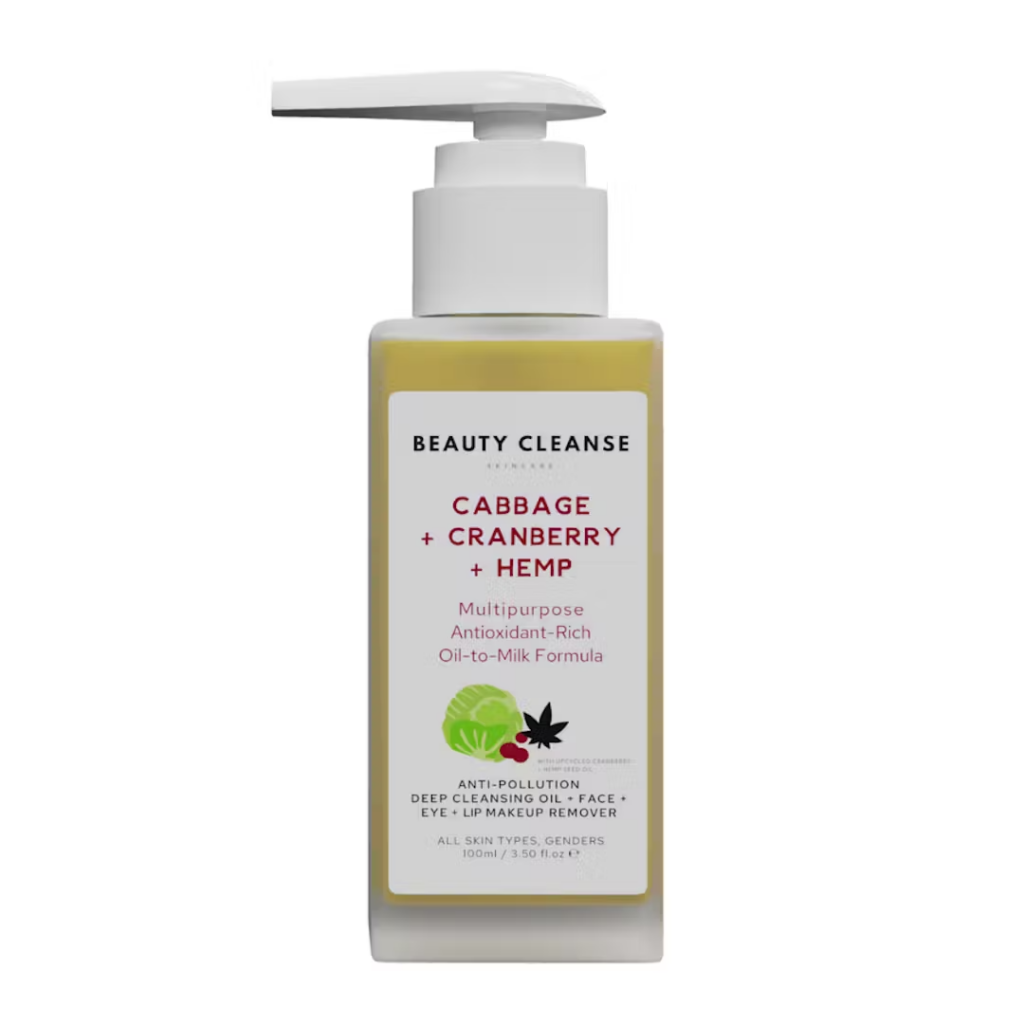
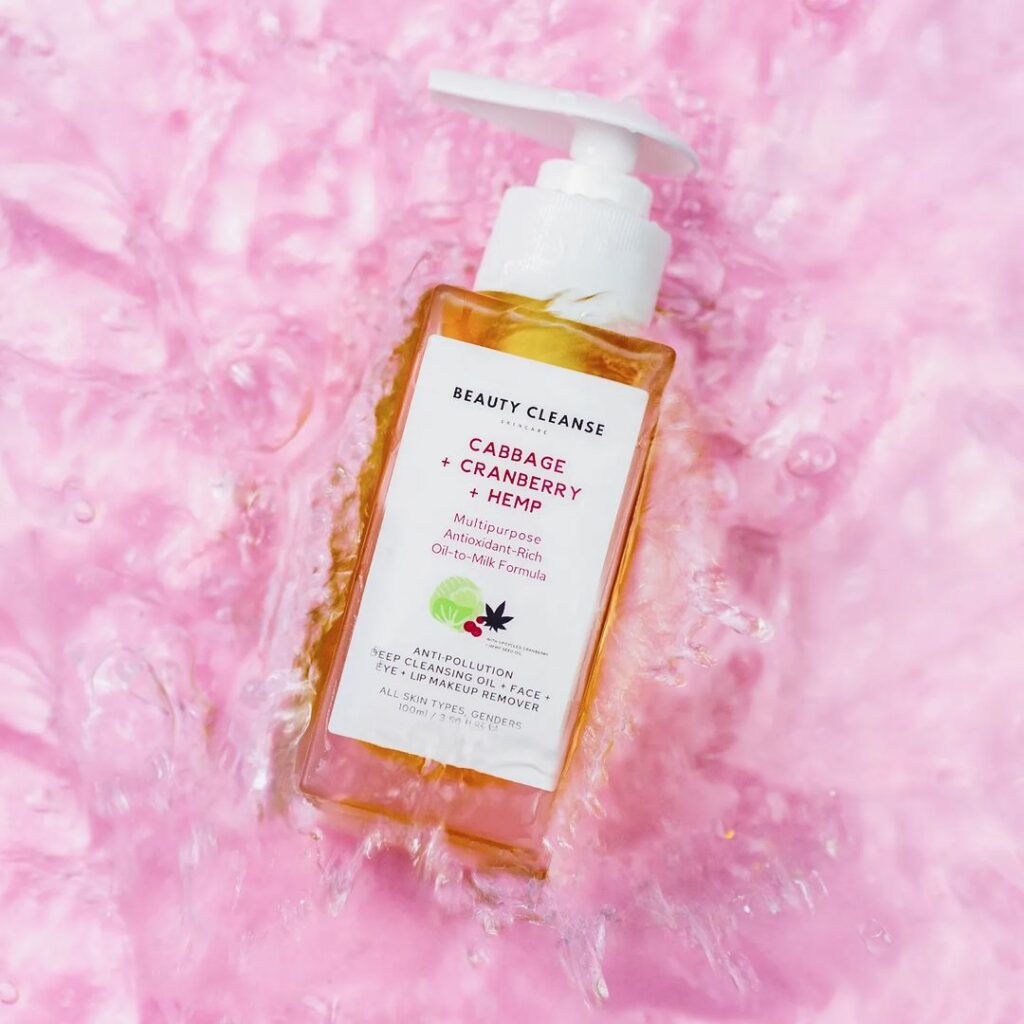
Superfood Cabbage & Cranberry & Hemp Anti-Pollution Deep Cleansing Oil & Makeup Remover | 100ml

01. Cleanse properly at night. The single most important thing you can do. Pollutant particles, PM2.5, soot, VOCs, deposit on the skin across the day and sit there oxidising until they come off. A thorough double cleanse (oil first to dissolve lipid-bound particulates and sunscreen, then a gentle second cleanse) removes most of what has accumulated. Skipping this step makes everything else you do less useful. Format recommendation: a plant-oil cleanser (jojoba, sunflower, hemp seed) for step one, followed by a pH-balanced syndet cleanser or gentle milk. Browse Face & Skincare for cleansing formats.

02. Use a vitamin C serum in the morning. The best-evidenced antioxidant for daytime skin protection. Vitamin C (ascorbic acid, usually at 10–20%) neutralises the free radicals that pollution generates, and a 2012 paper in the Journal of Investigative Dermatology confirmed it boosts the effectiveness of SPF against oxidative stress. Apply on clean skin, under moisturiser and sunscreen. Format recommendation: a stabilised L-ascorbic acid serum in airtight, opaque packaging (vitamin C oxidises on contact with light and air, which is why a clear-bottle serum that has gone orange in your bathroom is no longer working).

03. Sunscreen, every day, even in British winter. Pollution and UV are synergistic: a 2020 review in Current Environmental Health Reports found that PM’s damage is amplified by UV exposure and vice versa. SPF 30 minimum, broad spectrum, applied generously. This one non-negotiable finishes more of the job than most standalone “anti-pollution” products ever will. Browse Face & Skincare for SPF.

The supporting cast

04. Niacinamide. Strengthens the skin barrier and reduces transepidermal water loss, which is how pollution weakens skin in the first place. A 5% niacinamide serum or moisturiser alongside (not in the same step as) vitamin C is the quiet workhorse of anti-pollution routines.

05. A ferment or prebiotic to support the skin microbiome. The 2025 Annals of Dermatology review flagged that PM2.5 disrupts the skin microbiome, promoting inflammatory bacteria over the beneficial strains that keep skin calm. Fermented lysates, prebiotics, and probiotic extracts help rebuild that balance. The category is young, the evidence is still building, but the mechanism is sound.

06. A weekly clay or charcoal mask. For the deep-clean element. Activated charcoal and bentonite clay physically pull oxidised particulate matter and sebum from pores in a way daily cleansers cannot. Once a week is enough. More is drying.

07. An antioxidant-rich facial oil at night. Rosehip, sea buckthorn, marula, prickly pear. They deliver fat-soluble antioxidants (vitamin E, carotenoids, tocotrienols) that water-based serums cannot, and they seal in the rest of your routine. If you want to go deeper on this, the organic facial oils guide has more.

Ingredients with the strongest evidence

Vitamin C, niacinamide, vitamin E, ferulic acid, resveratrol, green tea polyphenols (EGCG), and astaxanthin all have reasonable clinical data behind their anti-pollution claims. The marketing term you will see often is “ectoin” — an extremophile-derived osmolyte used in some barrier-repair serums. The evidence is mostly industry-sponsored and the dermatology literature has not yet caught up, so treat it as promising rather than proven.

Ingredients marketed as anti-pollution that are just ingredients

Most “detox” claims are not mechanism, they are vibes. Kelp, algae, and cabbage extracts are perfectly fine skincare ingredients for other reasons (hydration, mild antioxidant effect), but the idea that they pull toxins from your skin in any meaningful way is not supported. Same with anything marketed as drawing “deep impurities” unless there is clay or charcoal doing the actual physical work.

Packaging matters for anti-pollution skincare specifically

This is a pollution article, so it is worth pointing out: most anti-pollution skincare is sold in hard-to-recycle mixed plastic, which contributes to the same problem the product claims to fight. Glass and aluminium, ideally refillable, solve this. Browse Beauty Refills for what this looks like in practice. If you want the wider context on microplastic shedding in cosmetics, the microplastics in cosmetics piece covers the detail.

The ones that aren’t ready yet

Pollution-protective SPFs with “anti-PM barrier” claims. The science here is thin. A good broad-spectrum SPF already does more than most of these pretend to, and paying a premium for the claim is not supported by independent data.

Ingestible anti-pollution supplements. The mechanism (systemic antioxidants reducing oxidative skin damage) is plausible; the evidence in humans is weak. Eating a plant-rich diet does most of what these promise, at a fraction of the price.

If you care about skin and you live in a UK city, the simple, boring version of this works: cleanse well at night, vitamin C in the morning, SPF every day, and a weekly deep clean. Everything else is refinement. The industry is selling you complexity; the dermatology is selling you consistency.

Ready to rebuild the routine? Explore Healthy Skin for the full edit.

FAQs

Does air pollution really damage your skin?

Yes, and the evidence is well-established. The landmark Vierkötter 2010 study in the Journal of Investigative Dermatology was the first to show airborne particulate matter was linked to measurable skin ageing in women. A 2016 follow-up found roughly 20% more facial pigment spots in women living in high-PM areas. A 2025 review in the Annals of Dermatology confirms pollution accelerates wrinkles, pigmentation, and inflammation, and worsens acne, eczema, and rosacea.

What is the single most important anti-pollution step?

A thorough cleanse at the end of the day. Pollutant particles accumulate on skin across the day and oxidise there until they come off. A double cleanse (oil first, then a gentle second cleanser) removes most of what has settled on the skin. Skipping this step makes every other anti-pollution product less effective.

Is vitamin C actually evidence-based for this?

Yes. It is the best-evidenced topical antioxidant for daytime use. A 2012 paper in the Journal of Investigative Dermatology showed vitamin C neutralises pollution-generated free radicals and boosts the effectiveness of sunscreen against oxidative stress. Look for 10–20% L-ascorbic acid in opaque, airtight packaging. If your serum has gone orange, it has oxidised and stopped working.

Do I need a dedicated anti-pollution product?

Probably not. A well-formulated vitamin C serum, a good cleanser, SPF, and a niacinamide moisturiser cover almost everything an “anti-pollution” line claims to do, usually with better-established ingredients and without the premium. The exception is a weekly clay or charcoal mask, which physically removes deposited particulate in a way other products cannot.

How bad is UK air pollution for skin?

Worse than most people assume. The UK Government’s 2024 compliance data showed one London monitoring site still exceeded the national PM2.5 target of 10 µg/m³ last year, and the WHO’s stricter guideline is 5 µg/m³, which most urban areas of the UK exceed. Chronic exposure at these levels is enough to accelerate extrinsic skin ageing, on the evidence available.

Zero Waste Swaps for Everyday Life: The Prioritised List

Most zero waste lists are alphabetical, or organised by room, or just everything someone could think of dropped into a single bulleted dump. None of that tells you where to start. This is the version that does.

Every swap here has been checked for actual impact and actual performance. They’re in order, highest return first. The deep-dive articles are linked where the detail lives.

How to use this list

Work top to bottom. Don’t buy anything new to make a swap happen. Use what you already own until it runs out, then replace it with the better version. The most sustainable product is always the one you’ve already bought.

If a swap isn’t on this list, it’s either in the “not ready yet” section at the bottom, or it’s one of those things that sounds important but isn’t.

Start here. The highest-return swaps

These three come first, regardless of which room you’re starting in. Between them they cover the highest-volume, most repeatable categories of household plastic.

01. Switch cleaning products to concentrated refillable formats

A refillable glass or aluminium bottle plus concentrated tablets or drops replaces an entire under-sink cabinet of single-use plastic. A 2023 Which? review found concentrated formats use substantially less plastic and far less water than ready-mixed sprays, because you’re not shipping water around the country. For most households this is the biggest single swap. Full guide: eco swaps for home. Shop: Refillable Multi-Surface.

02. Switch laundry detergent to laundry sheets

Detergent bottles are bulky, heavy, almost never recyclable, and replaced constantly. Laundry sheets in cardboard packaging do the same job and produce none of the packaging. Modern formulations work at all temperatures in all machine types. Shop: Refillable Laundry.

03. Buy loose fruit and vegetables where you can

Food and drink packaging made up 83% of the plastic items counted in the 2022 Big Plastic Count, the largest UK household plastic survey to date. Fresh produce is one of the biggest single categories within that. Bring your own bag. Buy loose where available. Choose cardboard or paper over plastic film where it’s not. Full guide: eco swaps for food and drink.

The bathroom

04. Shampoo bar (syndet, not soap-based)

One bar replaces two to three plastic bottles. The key: buy a pH-balanced syndet bar, not a traditional soap bar. A 2014 review in the International Journal of Trichology found syndet cleansers are gentler on the hair cuticle and scalp than soap-based formulas. Give any new bar three to four washes before judging. Full guide: eco swaps for beauty.

05. Reusable cotton rounds

One of the fastest payback swaps on the list. A pack of ten reusable cloth rounds replaces hundreds of disposable cotton pads over a year. Machine washable. No adjustment required.

06. Refillable deodorant

Refillable aluminium deodorants with replaceable inserts perform as well as conventional roll-ons for most people. Higher upfront cost, lower ongoing cost and waste. Shop: Refillable Deodorant.

07. Bamboo toothbrush

The handle composts, the nylon bristles still go in general waste. Imperfect, but a clear improvement on a fully plastic brush replaced every three months.

08. For activewear, look for OEKO-TEX Standard 100

Testing reported by Environmental Health News in 2022, using an EPA-certified lab, found that around one in four pairs of popular leggings had detectable fluorine (a PFAS indicator). Three in four showed none. OEKO-TEX Standard 100 screens for these. Natural fibres work for lower-intensity exercise where moisture-wicking matters less. Full guide: eco swaps for fashion.

The kitchen and food shopping

09. Reusable water bottle and coffee cup

The most avoidable single-use plastic in most people’s daily lives. One good bottle removes the category. Shop: Water Bottles.

10. Glass, cardboard or aluminium over plastic for pantry staples

Passata in a carton rather than a plastic bottle. Tinned tomatoes rather than plastic pouches. Nut butter in a glass jar rather than a plastic tub. Identical product inside. The packaging decision costs no extra effort at the point of purchase. Shop: The Pantry.

11. Beeswax wrap for most uses

Cling film is almost never recyclable by UK councils. Beeswax wrap covers bowls, wraps sandwiches, keeps cut vegetables fresh. Doesn’t work for raw meat, needs cold water for washing. Otherwise, a direct replacement.

12. Compostable kitchen sponge

Research published in 2022 in Science of the Total Environment estimated that a single synthetic kitchen sponge can release millions of microplastic fibres over its lifetime, mostly into wastewater. Loofah, wood-pulp cellulose and sisal scourers do the same cleaning job without the plastic. Low cost, no adjustment.

13. Buy in bulk for staples you use reliably

Oats, rice, lentils, flour. Larger bags produce less packaging per portion. Many zero-waste shops also offer loose options. Shop: Bulk Pantry.

14. Reusable produce bags

Lightweight mesh or cotton. Replaces the roll of thin plastic bags. Washes easily, lasts for years.

Cleaning and laundry (beyond the two big wins above)

15. Washing-up liquid: switch to concentrate or a solid bar

Concentrated washing-up liquid diluted into a refillable bottle reduces bottle turnover considerably. A solid bar eliminates it entirely. Shop: Refillable Washing Up.

16. Dishwasher tablets in plastic-free packaging

Most conventional tablets come individually wrapped in plastic film inside a plastic tub. Cardboard-boxed or compostable-wrapped alternatives perform comparably.

17. A Guppyfriend bag for washing synthetics

Catches microplastic fibres shed during washing before they enter wastewater. Works with any machine, any detergent. Not a fix at source, but a meaningful reduction.

Fashion and wardrobe

18. Buy secondhand first

For jeans, knitwear, outerwear, basics, the UK secondhand market is deep. Vinted, Depop, eBay, charity shops. Essentially no manufacturing footprint beyond transport.

19. Wear things more

The biggest environmental lever in fashion isn’t what you buy. It’s how many times you wear it. WRAP’s research consistently finds that extending the active life of a garment by nine months reduces its carbon, water and waste footprints by around 20 to 30%. Cost per wear is the right frame: a £90 well-made item worn 90 times costs £1 per wear. A £15 fast-fashion equivalent worn five times costs £3 per wear.

The most sustainable product is always the one you’ve already bought.

20. When buying new, look for OEKO-TEX, GOTS or named factories

The signals that a brand has thought beyond the label.

21. Wash at 30 degrees and line dry

A life-cycle analysis by WRAP found that the use phase (washing, drying, ironing) accounts for a meaningful share of a garment’s total carbon footprint. One of the lowest-effort reductions available.

The ones that aren’t ready yet

Some things get asked about a lot. These are the honest answers.

Crisp packets and snack packaging. Almost all of it is plastic film or foil-laminate, collected by almost no UK councils. TerraCycle runs drop-off schemes for some brands. Not yet a consumer problem with a consumer solution.

Mascara, most foundations, and multi-component cosmetics. The packaging on these hasn’t been solved at scale. Buy less, use products fully, use TerraCycle points where available.

Compostable bin liners for general waste. They need industrial composting conditions to break down, which most UK councils don’t provide. Recycled-content plastic liners are the more honest swap for general waste until kerbside infrastructure catches up. Compostable liners do work for food caddy liners going to food waste collection.

Textile recycling into new garments. According to the Ellen MacArthur Foundation, less than 1% of the material used to produce clothing is recycled into new clothing, because the fibre-to-fibre infrastructure doesn’t yet exist at scale. Donation and secondhand keep clothes in use. Actual closed-loop recycling is not a real option for most consumers yet.

You now have the list in the right order. Next time something runs out, you know exactly what to replace it with.

Ready to start? Browse the Refillable edit and pick one swap to begin with.

FAQs

What’s the single most impactful zero waste swap I can make?

Switching from conventional spray cleaners to concentrated, refillable alternatives. Cleaning products cycle through the average household faster than almost any other packaged category, and a refillable bottle with concentrate tablets removes most of the single-use plastic from the under-sink cupboard. Which?’s 2023 testing found concentrated formats use substantially less plastic and far less water than ready-mixed sprays.

Do I have to switch everything at once?

No, and it’s a bad idea to try. The right approach is to use what you already own, then replace each item with a better version when it runs out. Cleaning products cycle fastest, so start there. Fashion and home decor cycle slowest, so those change over years rather than weeks. Trying to switch everything in one go is both wasteful and expensive.

Where does most household plastic actually come from?

Food and drink packaging. The 2022 Big Plastic Count found it accounted for 83% of the plastic items thrown away by the average UK household each week. That’s why the food aisle is the biggest remaining opportunity once you’ve tackled cleaning and beauty. Much of it is harder to change, because so much of it is supermarket decision rather than consumer decision, but loose produce, carton over bottle, and glass over plastic all count.

Are zero waste swaps more expensive?

It depends how you count. Upfront, some are more expensive (a refillable aluminium deodorant case, a stainless steel water bottle). Over the lifetime of the product, almost all are cheaper, because the refills cost less than replacement units and the item itself lasts far longer. The genuinely cheaper categories from day one: soap bars versus liquid body wash, laundry sheets versus liquid detergent, and reusable cotton rounds versus disposables.

What about compostable packaging? Is it actually better?

Only if it ends up somewhere that can compost it. Compostable food-caddy liners work because food waste goes to industrial composting facilities. Compostable general-waste liners usually don’t, because they need the same conditions to break down and most UK councils don’t offer that pathway for general waste. The rule of thumb: compostable is only genuinely better than recycled plastic where there’s a real route for it to be composted.

Eco-Home Essentials Worth Building a Room Around

||||sustainable houswarming gifts | marble two tone serving board|||

Making a house feel like a home is a quiet kind of craft. A candle that smells like early evening, a cushion that pulls a room together, a cleaning spray that doesn’t announce itself the moment you walk in. The eco version of all of this isn’t about looking ascetic or cutting back for its own sake. It’s about choosing the version of each object that works just as well, looks just as good, and doesn’t leave a plastic bottle or a questionable ingredient list behind.

The case for being careful about what you bring into the home is well-documented. The US Environmental Protection Agency has tracked for years how volatile organic compounds (VOCs) from conventional cleaning products, air fresheners and paraffin candles raise the VOC load of indoor air, often to levels several times higher than outdoor air. A 2019 review in the International Journal of Environmental Research and Public Health linked sustained exposure to indoor VOCs with respiratory irritation and long-term health effects. Choosing plant-based cleaners, natural-wax candles and non-toxic fragrance isn’t a niche preference. It’s an everyday way to cut your home’s exposure to the stuff you don’t want to be breathing in.

What follows is a room-by-room approach to building an eco home, organised around the categories where home essentials tend to stack up. Five areas, each with the format worth looking for and the reasoning behind it.

The eco version isn’t about looking ascetic. It’s about choosing the version of each object that works just as well and looks just as good.

Living room: plant-based scent over synthetic diffusers

Most supermarket diffusers carry essential-oil-adjacent synthetic fragrance compounds in a petrochemical carrier oil. They’re cheap, they throw scent far, and they contribute a steady trickle of VOCs to the air you breathe at home. The better version uses real essential-oil blends in a natural plant-based carrier, usually a light vegetable oil, with simple reed delivery and glass packaging.

Scents that read as calming in a living room tend to sit in the woody and soft-floral families: cedarwood, linden, sandalwood, rose geranium. Packaging worth looking for is clear or amber glass with paper labelling. Avoid plug-ins, perfume aerosols and anything with ‘air freshener’ in the name, which usually indicates synthetic fragrance concentrates rather than essential oil. Browse the Home Fragrance edit for options.

Sofa and soft furnishings: handmade textiles that change a room

A cushion is a small purchase that changes the tone of a whole room. The eco version usually comes down to two questions: what’s the fibre (organic cotton, linen, recycled cotton, hemp) and who made it (a machine-press factory, or a cooperative of artisan weavers).

Hand-loomed or hand-printed textiles cost more than their mass-produced equivalents for the reasons the Fair Trade movement has documented for decades: the people making them are paid properly, the techniques (block printing, traditional looming, natural dyes) take time, and the pieces are genuinely unique rather than batch-identical. A 2023 UN Women report found that women working in artisan textile cooperatives globally see meaningful income improvements when production moves to Fair Trade partnerships rather than conventional supply chains. Browse the Cushions and Covers edit and filter by Fair Trade to find pieces produced this way.

Kitchen and dining: artisan serving ware over mass-produced sets

The kitchen accumulates serving pieces faster than almost any other room. The eco approach isn’t to own fewer of them. It’s to choose pieces that work as everyday gear and as statement objects, so you don’t need a separate set of each.

Wood and marble serving boards, finished by hand and often made from offcuts of ancient hardwoods or marble waste, are one of the best examples. Each piece is slightly different. They’re sturdy enough to use every day and attractive enough to put on the table for dinner. Cooperative-made kitchenware from countries with strong artisan traditions typically returns a higher share of the retail price to the maker than a conventional retail supply chain does, which is part of the case for paying more for a hand-finished piece. Browse the Dinnerware edit for options.

Reclaimed materials are worth looking for specifically. Coconut shell bowls, made from the shells left over after the coconut flesh is harvested, are one of the clearer upcycling stories in homeware. The shells would otherwise be burned as agricultural waste. Hand-carved and finished with food-safe oils, they work as breakfast bowls, snack bowls, jewellery catchers or bathroom organisers.

Utility and cleaning: refillable over disposable

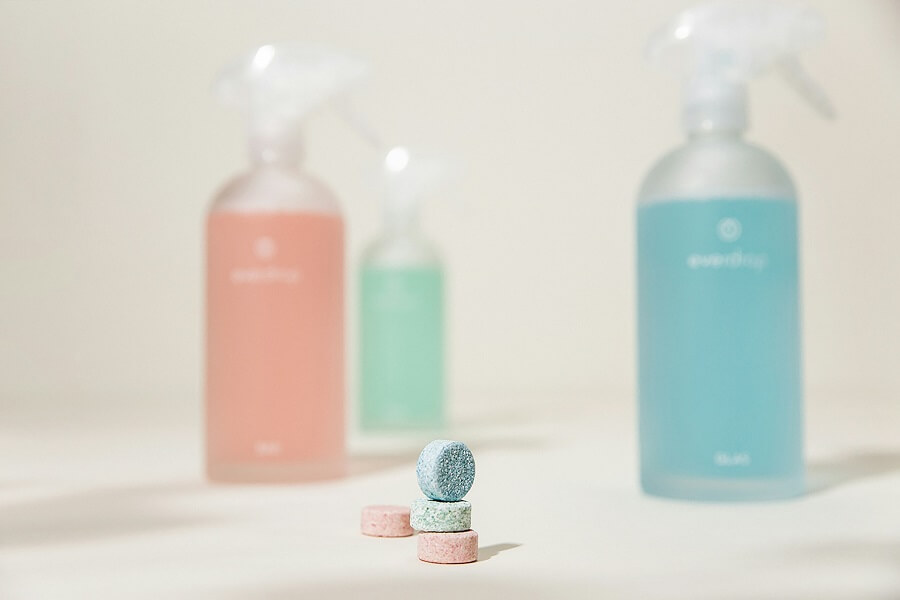
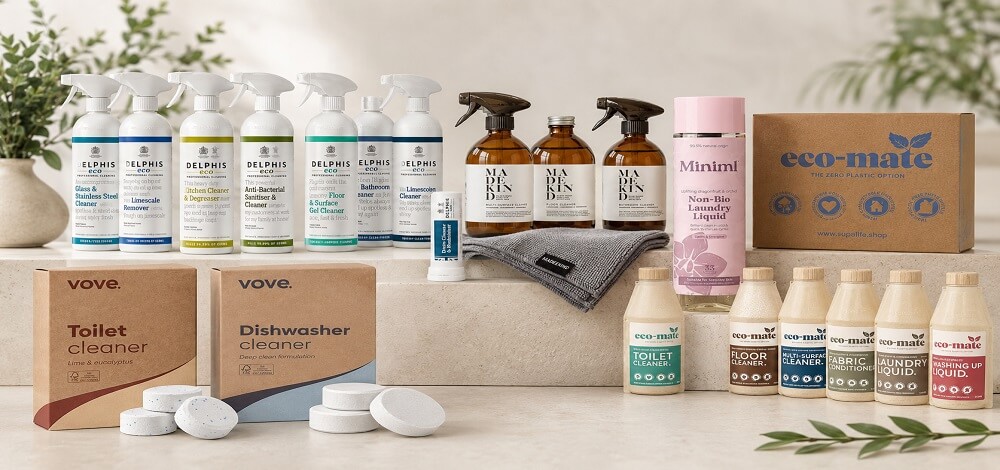
Cleaning products are one of the worst-offending categories for single-use plastic in the home, and also one of the easiest to fix. The swap is straightforward: a refillable glass or aluminium dispenser kept indefinitely, with concentrated refills in compostable sachets or tablets that dissolve in water.

A 2023 Which? review found that concentrated refillable cleaning products use substantially less plastic and far less water than ready-mixed sprays, because you’re not shipping water around the country. Plant-based formulas (rosemary, lemon and juniper oils for bathroom cleaners; bicarbonate-based pastes for kitchen surfaces) clean well without the chemical residue of conventional sprays, and once you have the dispenser, the only thing that enters your house with each reorder is the refill itself. Browse the Refillable Multi-Surface edit or the Refillable Washing Up edit for options.

Bedroom: natural-fibre bedding over synthetic

Bedding is worth getting right because you spend a third of your life in contact with it. Synthetic bedding (polyester, polyester blends) sheds microfibres with every wash and traps heat in a way that most people find uncomfortable. Natural-fibre bedding (organic cotton, linen, bamboo) breathes better, lasts longer, and washes cleanly into wastewater that doesn’t carry microplastics into rivers.

Certifications worth looking for: GOTS (Global Organic Textile Standard) for organic cotton, OEKO-TEX Standard 100 for chemical safety in the finished fabric, and Fair Trade for supply-chain fairness. Linen in particular is worth knowing about. It uses far less water to grow than cotton, needs no irrigation in European climates, and its longevity is measured in decades rather than years. Browse the Bedding edit.

Small pieces, calmer rooms

An eco home isn’t built in a weekend or with one big order. It’s built one replacement at a time: when the old thing runs out, you choose a better version of it. A diffuser that isn’t a plug-in. A cushion that came from a loom rather than a factory. A cleaning spray that refills rather than multiplies. After a few months of these small decisions, the rooms you live in start to feel different, partly because the air is cleaner, partly because everything in them was chosen with some thought.

For more on building the habit, see our guides to eco swaps for home and eco swaps for beauty.

Every brand in the Home and Sanctuary category on Ziracle has passed the same standard: built to last, transparent about materials and supply chain, and made by people paid properly. Filter by Plastic Free or Organic to narrow the selection to products that meet the stricter end of the standard.

Ready to shop? Browse the Home and Decor edit and start with the room you spend the most time in.

FAQs

Are plant-based cleaners actually as effective as conventional ones?

For everyday cleaning, yes. Which?’s 2023 testing found that concentrated plant-based cleaners perform comparably to mainstream brand sprays on common household surfaces, while using substantially less plastic packaging. Where conventional chemical cleaners still have an edge is in heavy-duty disinfection (bleach-based products for deep cleaning during illness, for example) and in removing mould or persistent limescale. For the 90% of weekly cleaning that isn’t about disinfection, plant-based refillable formats are a clean substitute.

Why are natural wax candles better than paraffin?

Paraffin is a petroleum by-product, and burning it indoors releases VOCs and fine particulates into the air you breathe. Soy, coconut and beeswax candles burn cleaner, with significantly lower particulate emissions. The EPA’s indoor air quality guidance has flagged candle soot from paraffin as a meaningful contributor to indoor air pollution over time. The scent performance of well-made natural wax candles is comparable to paraffin, especially when scented with real essential oils rather than synthetic fragrance.

Are handmade textiles worth the price premium?

For pieces you’ll use every day for years, usually yes. Handmade cushions, throws and bedding are more durable than machine-pressed equivalents because the construction is denser and the fibres are typically higher-grade. The Fair Trade premium funds better wages and working conditions for the makers, which is part of what you’re paying for. Cost per use tends to favour handmade pieces over time, the same way cost per wear favours well-made clothing over fast fashion.

Which eco-home swap gives the biggest benefit?

Refillable cleaning products. Cleaning sprays and laundry detergent cycle through the home faster than almost any other packaged category, so switching to refillable formats removes a significant volume of single-use plastic from your household waste. It’s also the category where the performance gap between eco and conventional options has closed most completely. Start there.

How do I tell if a candle or diffuser is genuinely natural?

Look at the wax base on candles (soy, coconut or beeswax, not paraffin) and the carrier oil on diffusers (a named vegetable oil, not an unspecified ‘fragrance carrier’). For the scent itself, the ingredient list should name specific essential oils (bergamot, cedarwood, rose geranium) rather than the generic ‘parfum’ or ‘fragrance,’ which in cosmetics labelling can cover any combination of synthetic fragrance compounds. Certifications worth looking for include natural cosmetic marks like Soil Association COSMOS or Ecocert.

The Plastic-Free Living Guide (without the guilt)

||||

The headline number that is supposed to motivate you is the 2017 figure from the Ellen MacArthur Foundation, which projected that on current trends the oceans could contain more plastic than fish by weight by 2050. Most people absorb the statistic, feel the appropriate spike of dread, and then do nothing differently. The information itself is rarely the problem. The problem is that dread does not convert to habit change, and guilt-driven perfectionism collapses within a month.

This guide is the alternative approach. Reducing plastic is not a moral purity project. It is a set of small behavioural shifts, each one of which would barely show up on its own, but which compound into something meaningful across a year. Nobody becomes zero-waste. Most households can reasonably cut between 30% and 60% of the plastic they currently throw away without sacrificing anything that actually matters to them. That is the productive target, not a spotless bin.

The single honest fact that makes the case

The same Ellen MacArthur Foundation report found that globally, only 14% of plastic packaging is collected for recycling after use. The rest escapes into the environment, goes to landfill, or gets incinerated. Recycling, taken at face value, solves about one-seventh of the problem.

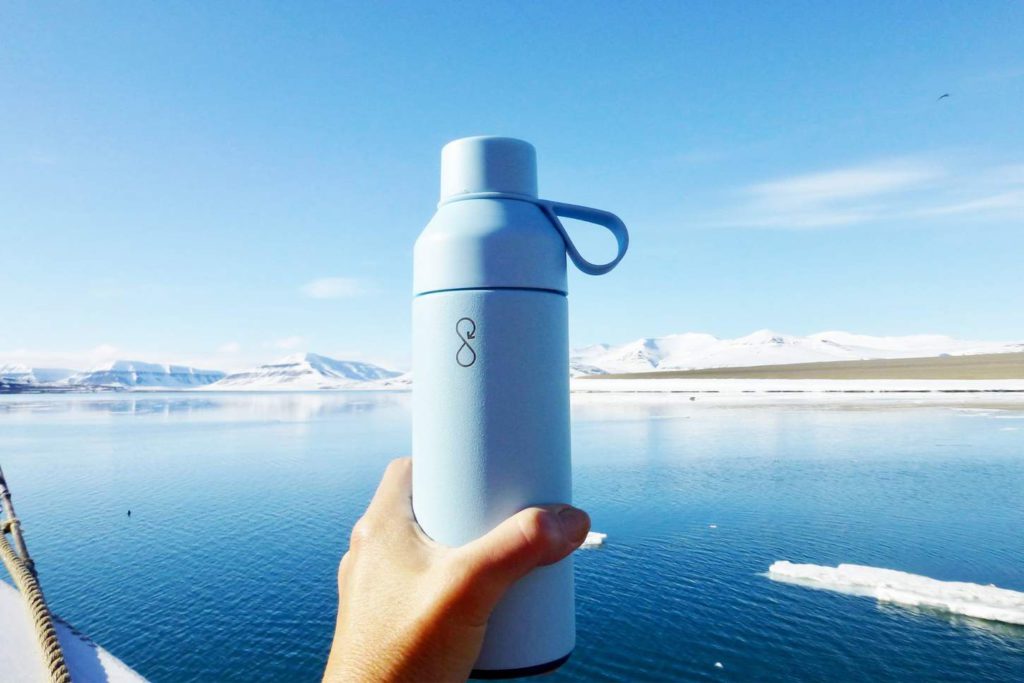
Credit: Ocean Bottle | veo.world/oceanbottle

This is why the single most effective thing you can do is not recycle more. It is use less of the packaging in the first place. Reuse beats recycle, every time. A glass jar used a hundred times, a fabric bag used weekly for two years, a refillable bottle used for a decade – these remove the disposal problem from the equation rather than trying to solve it after the fact.

The rest of this guide is the practical version of that principle, in the categories where most household plastic actually lives.

Do one week of noticing before you change anything

Before you swap anything, spend a week paying attention to where plastic enters your home. Not obsessively. Just enough to build a mental map.

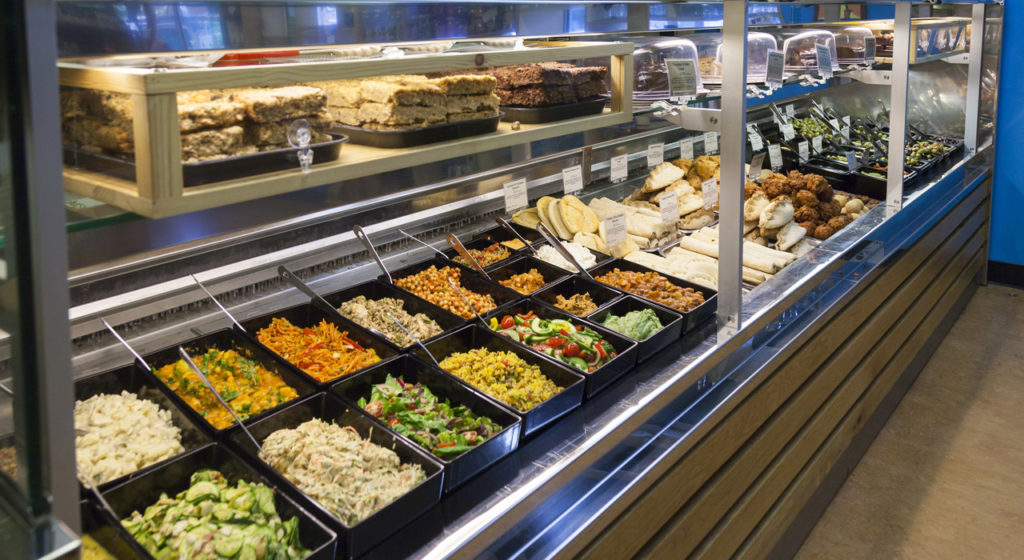
Credit: Unicorn Grocery Manchester

Most people discover that the bulk of their household plastic comes from three or four specific places. Food packaging, mainly from the weekly supermarket shop. Cleaning products and toiletries. Takeaway and food delivery containers. The occasional big category like nappies or cat litter.

Knowing which categories are your largest is what makes the next step manageable. There is no sense in obsessing over a single plastic toothbrush a month if the real volume in your bin is coming from grocery shopping. The categories are not all equal.

Keep it simple: for seven days, notice what you throw away and group it roughly. A mental audit is fine. A literal list in your phone is better.

Start with the one category that matters most in your house

Trying to switch everything at once is how almost everyone gives up. Behaviour-change research is consistent: adding one new habit at a time and letting it become automatic before adding the next is roughly twice as likely to stick than trying to overhaul multiple categories simultaneously.

Pick the category your week of noticing identified as largest. For most people that is one of three:

Food shopping. The shift here is buying loose rather than packaged where your supermarket allows it, taking your own bags and containers for the counters that will use them, and finding one or two local refill options for dry goods like pasta, rice, oats, and lentils. Most UK towns now have at least one refill shop. The Ethical Consumer directory lists them; so does a Google search for “refill shop [your town]”.

Cleaning products and toiletries. The refill shift is most developed here. Most major UK supermarkets now stock concentrated cleaning products (Ecover, Method, Smol) where you reuse one bottle and top up with water. Shampoo bars, conditioner bars and solid soaps replace plastic bottles one-for-one. Refillable aluminium deodorants replace plastic roll-ons. None of these require a research project. They just require buying the refill version the next time the current one runs out.

Water and drinks. A single reusable water bottle, used daily for a year, replaces hundreds of single-use bottles. A reusable coffee cup does the same for takeaway coffees. The carbon payback on both typically sits around twenty uses, which is a fortnight for most people.

Pick the category most relevant to your week’s audit. Commit to the swap for a month. Move on only when the first one is automatic.

Use what you already own before you buy new

Plastic containers you already own are not the enemy. The environmental cost of making them has been paid. Throwing them away to buy a “plastic-free” alternative is worse than keeping and reusing them.

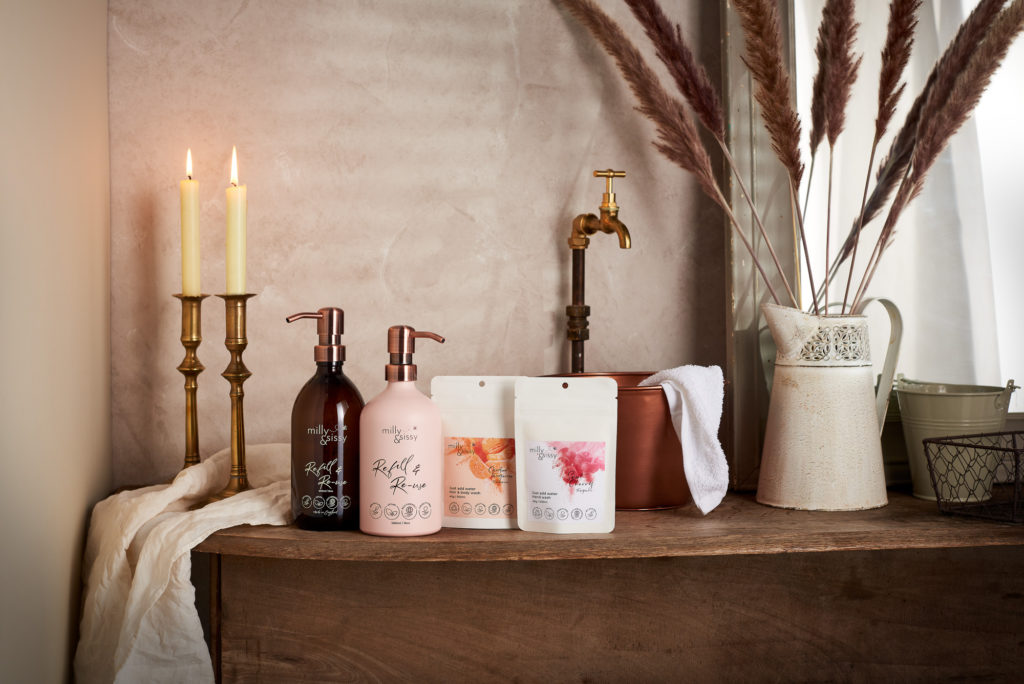
Credit: Milly & Sissy | veo.world/millyandsissy

A used ice cream tub is a free food-storage container. A passata jar with a good seal is a free spice jar. A shampoo bottle with a pump mechanism is a free refillable soap dispenser if you buy bulk hand soap. The Japanese concept of mottainai – the sense that it is a shame to waste the useful life in something – captures the principle better than most sustainability slogans.

The rule of thumb: only buy a purpose-made reusable when the thing it replaces is actually worn out, when you genuinely do not have a workable substitute, or when the new item will be used so often that the upfront cost pays back quickly. For most households, the reusable items that clearly meet this test are: one good water bottle, one good coffee cup, two or three cloth shopping bags, and a few beeswax food wraps. Everything else, use what you have.

Find one refill option locally, use it for a month

The single most effective habit-forming step is establishing one refill routine you actually maintain. For most households, that means locating a local refill shop – or a refill section at the local supermarket – and using it once for one product category.

The category matters less than the establishment of the routine. Washing-up liquid. Laundry detergent. Olive oil. Pasta. Lentils. Shampoo. Whichever you use most. Buy a bottle or container from the shop, or bring one from home, and do the refill once. Then bring it back next time.

DEFRA research on household waste shows that refill-based buying reduces household packaging waste by a meaningful margin, and that most people who start refilling for one category add others within six to twelve months. The second category is easier than the first. By the third, it is the default rather than the novelty.

Learn the plastic codes, but do not rely on them

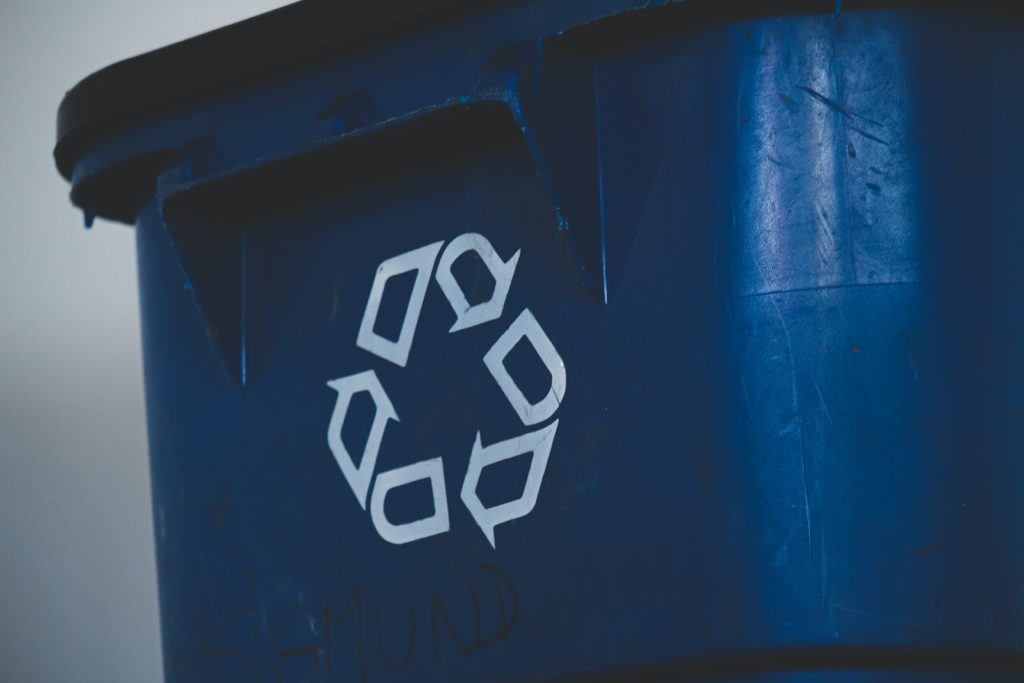
The resin identification code on plastic packaging – the number from 1 to 7 inside the triangle of arrows – tells you which type of plastic it is. In theory this tells you what recycles and what does not. In practice, only two of the seven reliably recycle at UK scale.

Credit: Sigmund

PET (code 1, drinks bottles, clear food packaging) recycles well. HDPE (code 2, milk bottles, detergent bottles) recycles well. Polypropylene (code 5) is increasingly collected kerbside but recycles less cleanly. The rest – PVC, LDPE, polystyrene, mixed plastics – almost never recycle in practice, according to the 2024 Big Plastic Count survey by Greenpeace UK and Everyday Plastic, which estimated that only around 17% of UK household plastic is actually recycled, with the majority being incinerated.

The practical upshot: when you do have to buy plastic, choose codes 1 or 2 where possible. But recognise that the recycling symbol on most other plastics is the manufacturer’s aspiration, not the council’s capability. For the longer explanation, see our biodegradable, compostable, recyclable guide.

What good looks like after a year

A realistic end state after twelve months of slow, non-dramatic change for most households:

A reusable water bottle, coffee cup, and three or four cloth shopping bags, used consistently. One local refill routine established and maintained – usually cleaning products, sometimes toiletries, occasionally dry food. Solid-bar replacements for a few of the bathroom products that used to come in bottles. A handful of food-shopping habits that cut the weekly plastic – buying loose fruit and veg where available, bringing containers to the butcher or cheese counter, skipping the thin produce bags.

Not zero plastic. Nowhere near it. But reliably 30 to 60% less plastic in the weekly bin, with no ongoing mental effort because the habits have settled into routines. That is the honest, sustainable version of plastic-free living.

Where to start on Ziracle

Every brand in our Refills and Reusables edit has been chosen for the same reason: the packaging is either designed to be used hundreds of times or designed to disappear cleanly at the end of life. Filter by Plastic Free for the zero-plastic options, Refillable for the systems that top up rather than replace, or Reusable for items built to last thousands of uses.

For the habit-level changes that extend this across other categories of household consumption, see our zero waste swaps guide.

If you are starting with the kitchen or bathroom, Clean Home is the goal page to bookmark for products that do not hide packaging problems behind marketing claims.

FAQs

Is reusable really better when you count the carbon cost of making it?

For almost every reusable item, yes, once you have used it a few dozen times. The carbon payback on a reusable cotton bag typically sits around twenty to forty uses versus a single-use plastic bag. A stainless steel water bottle pays back within a couple of weeks of regular use compared with buying bottled water. The exception is items you buy and barely use. A cupboard of unused reusables is worse than buying single-use, precisely because the manufacturing carbon was wasted. Buy only what you will actually use consistently.

What about bioplastics like PLA – are they better?

Sometimes, in narrow circumstances. Compostable plant-based plastics like PLA can return to soil in industrial composting facilities (at around 58°C), but not in a home compost or a general-waste bin. If your council collects food waste and accepts bioplastics in it, compostable packaging is a meaningful improvement. If it does not, the compostable plastic performs similarly to conventional plastic in the actual waste stream.

How do I handle people who make comments about my reusables?

You do not, mostly. The social friction around sustainable behaviour is usually imagined rather than real. A reusable coffee cup or water bottle is unremarkable in 2026. A refillable shampoo bottle raises no eyebrows at the supermarket. If anyone does comment, a brief factual answer and a subject change works fine. This is not a debate you need to win.

Can I really go fully plastic-free?

Almost nobody does, and the people who try usually burn out within six months. Fully plastic-free living in the UK in 2026 excludes most supermarkets, most pharmacies, and a significant fraction of the modern food supply. The productive target is reducing unnecessary plastic, which is usually 30 to 60% of what a household currently throws away. The last 40% is structural and mostly outside individual control. That is what collective action, producer-responsibility policy, and the extended producer responsibility reforms coming into force in 2025-27 are for.

Where should I start if I only change one thing?

A reusable water bottle, used daily in place of any single-use bottles you would otherwise buy. It is the single swap with the best ratio of easy-to-adopt to waste-reduced for most people, and the habit it builds (noticing when you are about to buy single-use and choosing not to) transfers to almost every other category.

Eco Swaps for Home: The Ones that Actually Move the Needle

Most eco swap guides treat the home as one undifferentiated problem. The house is not that. It’s a few high-impact rooms and a lot of noise, and if you don’t know the difference, you end up with a drawer full of bamboo cutlery and a cupboard still stacked with plastic bottles.

So here’s the honest version. Where the plastic actually comes from, which swaps shift the numbers, and which ones you can skip without losing sleep.

Where household plastic actually comes from

According to a 2022 Greenpeace study, UK households throw away an average of 66 pieces of plastic packaging every week. That isn’t forgotten bottles at the back of the recycling bin. That’s the packaging that cycles through the house week after week: cleaning sprays, laundry detergent, food wrap, bin liners.

Cleaning and laundry are where the opportunity lives. Both categories are almost entirely liquid, almost entirely plastic-packaged, and almost entirely replaceable with formats that work as well. The average household gets through dozens of spray bottles, detergent bottles, washing-up bottles, and fabric softener bottles a year, all of them single-use.

Most of them can’t be recycled in kerbside collection either. The trigger-spray mechanism on a kitchen cleaner combines several plastic types that can’t be separated at the recycling plant, which means the whole bottle tends to be down-cycled or landfilled. The kitchen and bathroom contribute the rest: food wrap, sponges, bin liners, cotton buds, miscellaneous single-use packaging. Some of that is hard to replace. Most of it isn’t.

The swaps that actually make a difference

Concentrated, refillable cleaning products: the biggest single win

Switching from ready-to-use spray cleaners to concentrated refillable formats is the most impactful swap in the house. Which? tested concentrated cleaning products in 2023 and found they use substantially less plastic and far less water than the standard ready-mixed equivalent, because you’re not shipping water in a bottle across the country. Performance has caught up: concentrated cleaners from dedicated refillable brands clean as well as conventional products. Browse the Refillable Multi-Surface range for options.

The format worth looking for is a refillable glass or aluminium bottle plus concentrated tablets or drops that dissolve in water. One bottle, kept indefinitely. Refills ordered when you need them. The plastic is pulled out of the cycle almost entirely.

Laundry sheets and strips: yes

Laundry detergent bottles are bulky, heavy, and almost never made from easily recyclable plastic. Laundry sheets, which dissolve in the wash and come in cardboard, replace them cleanly. Performance has improved a lot from the first generation. They work in standard and high-efficiency machines, at all temperatures, and take up a fraction of the space. See the Refillable Laundry edit.

Washing-up liquid: switch to concentrate or a solid bar

One of the highest-turnover plastic items in most kitchens. Concentrated washing-up liquid diluted into a refillable bottle cuts the number of bottles dramatically. Solid washing-up bars, used with a wooden dish brush, remove plastic altogether. Both work. The bar asks for the most adjustment. The concentrate is the gentler switch. Browse the Refillable Washing Up range.

Kitchen sponges: swap immediately

Conventional synthetic sponges shed microplastics into wastewater with every wash-up and go in the bin within weeks. Research published in 2022 in Science of the Total Environment estimated that a single kitchen sponge can release millions of microplastic fibres over its lifetime. Compostable alternatives (loofah, wood-pulp cellulose sponges, natural sisal scourers) do the same job without the plastic. Low cost, immediate swap, no adjustment. You’ll find them in the Cleaning Tools edit.

Beeswax wrap and reusable food covers: yes for most uses

Cling film is one of the few plastic products that can’t be recycled by most UK councils. Beeswax wrap covers bowls, wraps sandwiches, and keeps cut vegetables fresh. It doesn’t work for raw meat, and it washes in cold water only. For most other uses it’s a direct replacement. Silicone stretch lids are the alternative for bowls and containers if beeswax isn’t practical.

Bin liners: trickier than it looks

Compostable liners are worth using for your food waste caddy, where they go into food waste collection and break down properly under the industrial composting conditions those facilities provide. For general waste bins the picture is messier. Compostable liners need the same industrial conditions to break down, which most UK councils don’t provide. Recycled-content plastic bin liners are the more honest swap for general waste until the infrastructure catches up.

Dishwasher tablets: switch to plastic-free packaging

Most dishwasher tablets come individually wrapped in plastic film inside a plastic tub. Plastic-free alternatives in cardboard boxes or compostable wrappers are widely available now and perform comparably. Simple swap, no adjustment. See the Refillable Washing Up range again for tablet options.

What doesn’t need changing

Most kitchen appliances, Storage & Most furniture. The home swap conversation focuses disproportionately on things that either aren’t plastic-heavy or can’t yet be replaced at equivalent quality. The cleaning and laundry aisle is where the wins are. Start there.

How to switch without replacing everything at once

The principle holds here too: the most sustainable product in the house is the one you already own. Use what you have. Replace with better when it runs out.

Cleaning products cycle through every few weeks, which makes them the fastest category to improve. Pick one item. The kitchen spray is a good place to start. When it’s empty, replace it with a refillable bottle and a concentrated refill. Then do the same for the next thing that runs out. Within a few months, most of the cleaning aisle sorts itself without a single bottle wasted.

The cleaning aisle is where most household plastic hides. It’s also where the alternatives work best.

Laundry is the next target. A box of sheets lasts as long as a bottle of liquid detergent and produces none of the packaging. After that, the kitchen: sponges, food wrap, washing-up liquid. By the time you’ve worked through those, the remaining plastic in the house is mostly packaging that came home with your food. That’s a supply-chain problem, not a consumer one. For the same approach applied to your bathroom, see our guide to eco swaps for beauty. For the kitchen specifically, the eco swaps for food and drink guide picks up where this one stops.

What to buy when something runs out

Every product in the Clean Home category on Ziracle has passed the same standard: effective, transparently formulated, plastic-free or refillable wherever that’s possible. For home cleaning specifically, that means biodegradable ingredients, refillable formats, and no misleading claims about what the packaging actually does to the environment. Many of the brands are certified B Corp or are Plastic Free.

The formats worth prioritising: concentrated cleaning tablets or drops with a refillable bottle, laundry sheets in cardboard, compostable sponges, washing-up concentrate. The brands that earn their place are the ones that have thought through the whole system, beyond the label on the front.

Next time a cleaning bottle runs empty, you know what to replace it with.

Ready to switch? Browse the Refillable edit and pick the first thing that runs out.

FAQ

What’s the single biggest eco swap I can make in my home?

Switch from conventional ready-to-use spray cleaners to concentrated, refillable alternatives. Which?’s 2023 testing found concentrated cleaners use substantially less plastic and water than ready-mixed sprays, because you’re not paying to ship water around the country. One refillable bottle, kept indefinitely, plus tablets or drops that dissolve in tap water. Performance is comparable to conventional cleaners.

Do laundry sheets actually work as well as liquid detergent?

For most households, yes. Modern laundry sheets dissolve fully in both standard and high-efficiency machines, work at all temperatures, and clean comparably to liquid detergents for everyday loads. They struggle more with heavily soiled items or stains that need pre-treating. For households with small children or sports kits, a liquid detergent refill may still be the better fit. For the average weekly wash, sheets are a clean swap.

Are compostable bin liners worth using?

For the food waste caddy, yes. Food waste goes to industrial composting facilities where compostable liners break down as designed. For general waste bins, compostable liners rarely get the industrial conditions they need and end up behaving much like plastic in landfill. Recycled-content plastic liners are the more honest swap for general waste until kerbside infrastructure catches up.

How bad are conventional kitchen sponges?

Bad enough to swap. A 2022 study in Science of the Total Environment estimated that each synthetic kitchen sponge releases millions of microplastic fibres across its lifetime, mostly into wastewater during washing-up. Compostable alternatives (loofah, cellulose, natural sisal) do the same job and go on the compost heap when they wear out. Low cost, no adjustment period. Swap when the current one wears out.

Where should I start if I only want to change one thing?

The kitchen spray cleaner. It’s the item that cycles fastest, the format where refills work best, and the swap that compounds most quickly as you replace each bottle. When it runs out, order a refillable bottle and a concentrate refill. Next time something else runs out, repeat.

Eco Swaps for Beauty: The Ones that Actually Work

The bathroom cabinet is the easiest place to cut plastic out of your life. It’s also the place where most eco swap advice falls apart, which is why so many people have a half-empty shampoo bar sulking at the back of a drawer.

Shampoo bars that refuse to lather. Deodorants that tap out by 11am. Swaps that feel like a downgrade dressed up as virtue. This isn’t that list. Here’s what’s worth switching, what to expect, and how to do it without throwing out half a shelf of products you’ve already paid for.

Why the bathroom is the right place to start

The British Beauty Council reports that the beauty industry produces over 120 billion units of packaging each year, and most of it never gets recycled. A 2023 report from the British Beauty Council put the recycling rate for cosmetic packaging at around 9 percent in the UK, which means most of what you drop in the recycling bin from your bathroom ends up in landfill or incineration anyway.

That’s the problem worth solving, and the bathroom is the obvious place to solve it. Bathroom products are among the most repeatable purchases most people make. Shampoo every few weeks. Moisturiser every couple of months. Change the format of one of those, and the impact compounds with every reorder.

In the UK, around 520 million shampoo bottles are thrown away every year. That single category, changed, would be a meaningful shift. And shampoo is where this usually starts.

The swaps that work. And the ones that don’t.

Shampoo bars: yes, if you buy the right one

A well-made shampoo bar replaces two to three bottles of liquid shampoo and produces zero plastic waste. The environmental case is clear. The performance case took a while to catch up, but it’s caught up. One bar lasts longer per wash, weighs less to ship, and lives quite happily on a soap dish. You can find pH-balanced bars in our Shampoo edit.

The caveat matters. Not all shampoo bars are equal. Plenty of the first-wave bars used saponified soap bases with a high pH that roughed up the hair cuticle, left residue, and caused the lather problems that put people off the whole category. pH-balanced syndet bars, made with mild synthetic detergents rather than soap, behave far more like a conventional shampoo. According to a 2014 review in the International Journal of Trichology, syndet cleansers are gentler on both hair and scalp than traditional soap formulas.

Look for the distinction when you buy. Give any new bar three to four washes before you judge it. The scalp adjusts.

Conditioner bars: yes

Easier transition than shampoo. Conditioner bars melt on contact with warm water and distribute much like a liquid conditioner. Less adjustment, same plastic saving. Browse the Conditioner range.

Solid soap and body wash bars: yes, and easy

The lowest-friction swap in the bathroom. A good soap bar with moisturising oils performs about as well as most liquid body washes, produces no plastic waste, and lasts longer. No adjustment period. Start here if you’ve never swapped anything before. The Soaps and Cleansers edit is a good first port of call.

Refillable deodorant: yes

The category has come on considerably. Refillable aluminium deodorants with cardboard or pulp refill inserts now perform as well as conventional roll-ons for most people. The upfront cost is higher and the ongoing cost is lower. See the Refillable Deodorant range.

Natural deodorant: worth trying, with care

Aluminium-free natural deodorants work for many people but not everyone. If sweating is a concern, test during a quieter week rather than committing on a high-stakes one. The switch usually takes two to three weeks as the body adjusts. A refillable conventional deodorant is the better answer if the natural version doesn’t hold up for you.

Reusable cotton pads: yes, immediately

Single-use cotton pads are a small but constant source of waste. Reusable cloth rounds wash in with the normal laundry and replace the disposable version entirely. One pack of ten lasts years. The shortest payback period on the list.

Bamboo toothbrushes: yes

The British Dental Association recommends changing your toothbrush every three months. That’s a lot of plastic across a population. Bamboo handles with nylon bristles are the practical swap. The bristles still go in general waste, but the handle composts. Fully compostable bristles exist but don’t clean as well, which is a trade-off worth knowing about.

Refillable skincare: prioritise this over format swaps

For moisturisers, serums and cleansers, refillable schemes tend to land a bigger win than switching format entirely. A glass jar refilled ten times is a better outcome than ten compostable single-use alternatives. Look for brands running active refill programmes rather than brands that simply use recycled packaging. The Refillable Skincare edit curates these.

What doesn’t work yet

Mascara, most foundations, and complex multi-component products. The packaging problem on these hasn’t been solved at scale. TerraCycle runs collection schemes for some brands, which is currently the best option. Buying less, buying better, and using products fully before replacing them does more here than any packaging swap.

How to switch without wasting what you’ve already got

The most sustainable thing in your bathroom cabinet is a product you’ve already bought.

Use it up first. The manufacturing cost is already sunk, and chucking a half-full bottle to replace it with something greener is the wrong maths. When a product runs out, replace it with the better version. Start with the things that cycle fastest: shampoo, body wash, soap, cotton pads. Most repetitions, fastest payback. For a similar approach applied to your wardrobe, see our beginner’s fashion guide.

Keep a list. When something runs low, check whether there’s a better format or brand before you reorder the same thing on autopilot. That pause is where most of the change actually happens.

What to buy when the time comes

Every product in the Beauty and Self-Care category on Ziracle has passed the same bar: kind to skin, honest about ingredients, and made with the planet in mind. For eco beauty specifically, that means plastic-free or refillable packaging, formulations without unnecessary synthetics, and brands that are transparent about their supply chain. We also prioritise brands certified Cruelty Free and products made with Organic ingredients where relevant.

The formats to look for: solid bars for hair and body, refillable deodorant, reusable cotton rounds, and skincare brands with active refill schemes. If you want to keep going down this rabbit hole, read our guide to eco swaps for home next, or our rundown of the best zero waste beauty brands.

You now know which swaps are worth making and which ones aren’t ready yet. Next time something runs out, you know exactly what to replace it with.Ready to shop? Browse our edit of Refillable beauty to find products that have already passed the standard.

FAQ

Do shampoo bars actually work as well as liquid shampoo?

Modern pH-balanced syndet bars perform comparably to liquid shampoo for most hair types. The earlier generation of soap-based bars had a high pH that roughed up the hair cuticle, which is where the reputation for poor performance came from. Give a good syndet bar three to four washes before you judge it. The scalp needs a little time to adjust.

Are refillable deodorants worth the higher price?

Yes, over time. The upfront cost of a refillable aluminium case is higher than a conventional plastic deodorant, but the refill inserts are cheaper than buying new roll-ons each time, and the plastic saving is significant over a year. Performance is comparable for most people. Natural aluminium-free versions are worth trying separately, but expect a two to three week adjustment period.

What should I do with half-used products when I switch?

Use them up. Binning a half-full bottle to replace it with something greener makes the manufacturing cost a sunk loss and buys you zero environmental benefit. The right time to swap is when the product runs out. Keep a running list so you remember to reorder the better version rather than the old one on autopilot.

Which eco beauty swap has the biggest impact?

Shampoo, because it’s the most repeatable. Around 520 million shampoo bottles are discarded in the UK each year. Switching a product you buy every few weeks compounds the saving fast. Body wash, soap, and cotton pads come next for the same reason. Mascara and foundation are further down the list because the packaging problem hasn’t been solved at scale yet.

How to Declutter your Home Sustainably

|Easy eco swaps for a more healthy and sustainable lifestyle: health and beauty|

Minimalism: for some people it’s the path to a calmer life, for others it’s a luxury only a few can afford to think about. Whatever you make of the label, most of us can agree on one thing. Our homes carry a lot of stuff. The question isn’t really whether you should own less. It’s whether the things you already own are being used well, and what happens to the things you decide to let go of.

It’s worth being specific about why this matters. A 2010 study by Saxbe and Repetti, published in Personality and Social Psychology Bulletin, found that people who described their homes as cluttered had higher levels of cortisol, the body’s main stress hormone, across the day than those who described their homes as restorative. Follow-up research by Vartanian, Kernan and Wansink, published in 2017 in Environment and Behavior, showed that a chaotic kitchen environment led people to eat substantially more sweet snacks than people in a tidy one. Clutter isn’t only a visual problem. It changes how you feel and how you behave.

The problem with decluttering is that it can become a wasteful practice in its own right. In the rush to that clean-space feeling, we throw out things that could have been used, worn, passed on or repaired. A sustainable declutter doesn’t mean filling a bin bag and feeling lighter. It means finding the route for each item that keeps it out of landfill for as long as possible. Here’s how to work through the three rooms where clutter tends to stack up fastest.

Bedroom and wardrobe

Credit: Thom Bradley

A wardrobe reset is often the first thing people reach for when they want a clean-out. The instinct is right. The execution matters. Throwing fast-fashion pieces straight into a bin bag, whether for waste or for the local charity shop, isn’t the answer it feels like.

Charity shops in the UK receive far more clothing than they can sell, particularly in the lower-quality fast-fashion end of the pile. What doesn’t sell on the shop floor is often baled up and exported. A 2023 Greenpeace investigation documented how large volumes of discarded UK and European clothing end up in East African countries including Kenya, where unsellable textile imports have been dumped in landfills, rivers and wetlands for years. Sending clothes ‘away’ usually means sending them somewhere else’s problem.

A better order of operations.

First, repair. Anything still wearable that only needs a button, a seam or a zip should go to a separate repair pile and then to a local tailor, cobbler or community repair cafe.

Second, pass on directly. Clothing swaps with friends and family, Depop, Vinted, eBay and local selling groups move clothes to people who want them, without going through the charity-shop sort.

Third, donate with care. If you’re giving to a charity shop, be honest about condition. Good-quality, clean, fully functional pieces are useful. Pilled fast-fashion basics usually aren’t. Look into specialist charities for work clothing, winter coats and maternity wear where the donation goes directly to someone who needs it.

Finally, textile recycling as a last resort. If a piece is truly beyond repair, textile recycling banks or brand take-back schemes are better than the general waste bin.

If you do need to replace pieces, that’s where the deeper principles of slow fashion kick in: buy less, buy better, and choose pieces you’ll wear for years. For the full argument, see our guide to what slow fashion actually is.

Sending clothes ‘away’ usually means sending them somewhere else’s problem.

Bathroom and beauty products

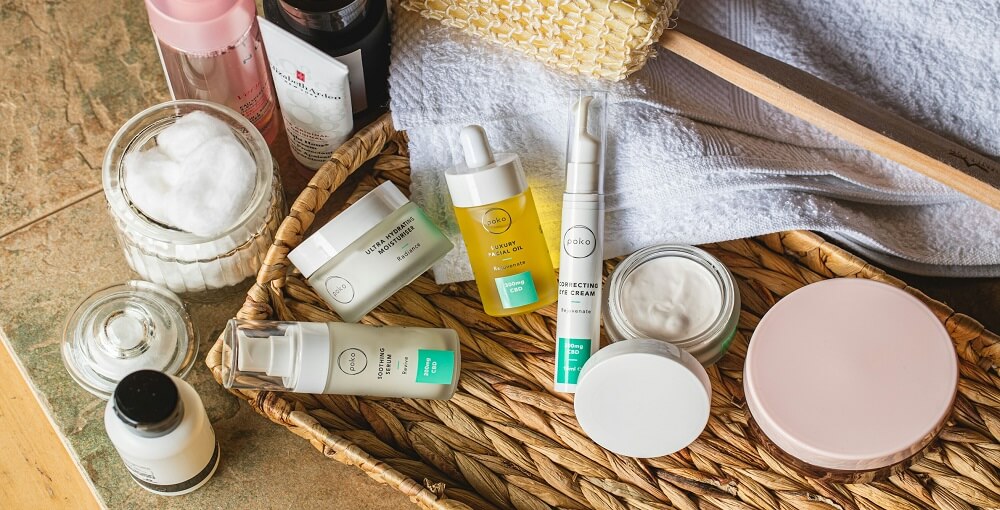
Credit: Annie Spratt

Beauty cabinets accumulate quickly. A trend you tried once, a gift that wasn’t quite right, a moisturiser you meant to finish. Throwing half-full bottles into the bin doesn’t clear clutter so much as move it, from your shelf into a landfill.

A more useful split.

If it’s expired, irritated your skin, or smells off, it goes. The NHS advises against using out-of-date skincare because bacterial contamination is a real risk once preservatives break down, and expired cosmetics should not be passed on.

If it’s unopened or lightly used and you know you won’t reach for it, give it away. A friend, a family member, a local women’s shelter or a community swap event will often take unopened products. Beauty Banks specifically distributes unused toiletries to people experiencing hygiene poverty in the UK. Some retailers also run take-back programmes for empty packaging. Check the brand before you bin.

If it’s something you originally bought for a reason and just stopped reaching for, use it. Rotate it to the front of the cabinet for a month and see whether it earns a place. If it doesn’t, you’ve at least finished it rather than wasted it.

When the time comes to restock, clean, cruelty-free and lower-waste replacements are easier to find than they used to be. Our guide to eco swaps for beauty is a useful starting point.

Kitchen and pantry

Credit: Nadia Pimenova

Zero-waste kitchen organisation is one of the most photogenic corners of the internet, and one of the easiest to get wrong. Matching glass jars, woven baskets and a labelled everything look clean on a phone screen. Buying them all in one sweep isn’t particularly clean for the planet.

The more useful version of the same instinct: work with what you have. The Tupperware in the back of the cupboard, the jam jars with labels still on, the takeaway containers you washed out. All of it is already in your house and already paid for. Pool them, sort them, label them clearly. Your pantry won’t look Pinterest-perfect. It’ll work just as well, and you won’t have added a new haul of containers to the world to hold the same amount of food.

The pattern is the same in every kitchen drawer. Before you buy a new version of something, check whether an existing version could do the job. The sustainable answer is almost always the one you already own. If you genuinely do need new storage (glass jars for bulk-bought grains, for instance), browse the Kitchen Storage edit for options made to last.

The sustainable declutter, in one line

Decluttering sustainably isn’t about getting rid of everything you own. It’s about using what you have more fully, finding careful next homes for the things you can’t, and being honest with yourself about what you actually need to replace. Fewer things bought badly. More things used well.

For more on the second half of that equation, see our guides to eco swaps for home and how to make better fashion choices.

Every brand in the Home and Sanctuary and Beauty and Self-Care categories on Ziracle has passed the same standard: built to last, transparent about materials and supply chain, and designed around longevity rather than disposability. Filter by Refillable across both departments to find products that don’t add to the stack you’re trying to clear.

Ready to shop? Browse the Clean Home edit for the things you will use and finish.

FAQs

Is decluttering really worth it, beyond aesthetics?

Yes, measurably. A 2010 study in Personality and Social Psychology Bulletin found that people who described their homes as cluttered had higher cortisol levels throughout the day than people who described their homes as restorative. Follow-up research in Environment and Behavior linked chaotic kitchen environments to meaningfully higher snack intake. The effect isn’t huge in any single moment, but it compounds over the hours you spend at home each week. A calmer space isn’t vanity. It’s measurable stress reduction.

What’s wrong with just donating everything to a charity shop?

Charity shops are overwhelmed, particularly with low-quality fast-fashion donations. A significant share of what doesn’t sell on the shop floor gets baled up and exported to countries in East Africa and elsewhere, where it often ends up in landfills, rivers or wetlands. Greenpeace’s 2023 investigation documented this route clearly. Donation isn’t wrong. Indiscriminate donation is. Sort honestly: good quality, clean, fully functional pieces are genuinely useful to charity shops. Pilled fast-fashion basics usually aren’t.

Where can I pass on clothes that are too worn for charity shops?

Textile recycling banks (usually at supermarket car parks or recycling centres), brand take-back schemes, H&M’s garment collecting programme, and online marketplaces like Vinted and eBay for anything still wearable. Some local councils also run fabric recycling collections. The general waste bin should be the genuine last resort, not the default.

What do I do with expired beauty products?

Bin the product itself, but recycle the packaging where you can. Most empty plastic bottles with a recycling symbol go in your kerbside recycling. Some brands (including MAC, Kiehl’s and L’Occitane) run take-back programmes for their own empty packaging. TerraCycle runs collection schemes for harder-to-recycle items like mascara tubes and lipstick bullets. If the product is unopened and in date, Beauty Banks distributes unused toiletries to people experiencing hygiene poverty in the UK.

How often should I declutter, realistically?

Less often than Instagram suggests. A full wardrobe and bathroom audit once or twice a year is plenty for most people. More useful is a running one-in, one-out habit: when you buy something new, pass on something already in the wardrobe or cupboard. That stops the accumulation in the first place, which is a better problem to solve than the declutter it would otherwise require.

Eco Swaps for Food and Drink: Where the Plastic Actually Comes From

You’ve switched the shampoo bar. You’ve swapped the kitchen spray. The bathroom cabinet looks different, the cupboard under the sink looks different, and yet the recycling bin is still full every week, still mostly plastic, still mostly from food. That’s not a failure of effort. It’s where the problem actually lives.

So here’s what’s worth changing in the food aisle, what’s genuinely difficult, and why the hardest parts aren’t yours to fix.

Why food and drink is where most household plastic starts

A 2022 Greenpeace and Everyday Plastic count, the largest household plastic survey ever run in the UK, found that 83% of the plastic counted came from food and drink packaging. That isn’t shampoo bottles or cleaning products. That’s the packaging your food arrives in, week after week, from the supermarket.

The two largest categories within that: snack packaging and fruit and veg packaging. Between them they make up most of what the average household throws away. WRAP estimates that fresh fruit and vegetables alone generate tens of thousands of tonnes of hard-to-recycle plastic each year, and most of it is film. Soft plastic film is one of the hardest consumer materials to recycle at scale, and the vast majority of it in UK households ends up in general waste.

This matters for how you approach the food aisle. The cleaning and beauty swaps covered elsewhere in this series sit largely within your control. You choose the format, you swap the product. Food packaging is different. Some of it you can change. Some of it is a supermarket and supply-chain problem wearing a consumer-choice costume.

The swaps that are actually within reach

Buy loose fruit and veg where you can

The single most impactful food swap on the list. WRAP’s 2022 research found that removing plastic packaging from a handful of the most commonly bought fruit and vegetable items could prevent around 100,000 tonnes of food and plastic waste each year in the UK, in part by letting people buy only what they need rather than being forced into a pre-weighed pack. The plastic on most pre-packed fresh produce is film, which is rarely kerbside-recyclable and usually ends up incinerated.

Most supermarkets now offer at least some loose options. Bring a paper bag or a reusable produce bag. Where loose isn’t available, go for cardboard or paper over plastic film where there’s a choice. It isn’t always possible. When it is, it’s the highest-return swap in the food aisle.

Switch to a reusable bottle and cup

A reusable water bottle removes the most avoidable category of single-use plastic from most people’s days. The same applies to a reusable coffee cup if you buy coffee on the go. Both are low-cost, immediate, and ask for no adjustment once the habit lands. Browse the Water Bottles edit and Reusable Coffee Cups edit.

Choose glass, cardboard or aluminium over plastic where the product is identical

For pantry staples: passata in a carton rather than a plastic bottle, tinned tomatoes rather than plastic pouches, glass jars of nut butter rather than plastic tubs. The product inside is identical. The packaging choice isn’t. This is the kind of swap that costs no extra effort at the point of purchase and compounds across dozens of items a year. See The Pantry range for staples already packaged well.

Buy in bulk where you use something reliably

A large bag of oats produces less packaging per portion than five small ones. Same with rice, lentils, flour, and most dried goods. Buying the largest practical size of products you’ll definitely get through is one of the lower-effort packaging reductions available. Many independent shops and zero-waste retailers now offer loose options for dried goods, coffee, and oils. The Bulk Pantry edit collects this kind of product in one place.

Reusable produce bags

Swapping the single-use plastic bags in the fruit and veg aisle for lightweight mesh or cotton reusables is a small but consistent win. They wash easily and last for years. Not transformative on their own, but they add up alongside the other changes.

What’s harder than it looks, and why it’s not your fault

Some of it you can change. Some of it is a supermarket and supply-chain problem wearing a consumer-choice costume.

Crisps, biscuits, cereal bars, confectionery. The hardest food category to improve. Almost all of it is plastic film or foil-laminate. Neither is collected by most UK councils. Neither has a widely available plastic-free alternative that performs comparably at the supermarket scale. TerraCycle runs collection schemes for some brands, but these require dropping packaging at specific points rather than putting it in the kerbside bin.

Ready meals, deli packaging, pre-marinated meat trays fall into the same category. The plastic trays and film lids are rarely recyclable at home. Alternatives exist in some supermarkets (paper-based trays, cardboard sleeves) but they’re inconsistent and not always clearly labelled.

Plastic film on multipacks: the wrap holding together a four-pack of tinned tomatoes or a six-pack of yoghurt pots is almost never recyclable at home. According to WRAP’s Recycling Tracker, only a minority of UK local authorities collect flexible plastic kerbside, though the larger supermarkets have installed soft-plastic collection points in many stores. Using these is worth doing. Relying on them as the main solution is not.

The honest position: a lot of food packaging waste isn’t within the consumer’s control at current supermarket infrastructure. Buying better where you can, supporting refill and loose options where they exist, and accepting that the rest is a supply-chain problem is the most realistic stance. Every choice adds up. But not every choice is yours to make. For the same approach applied to your bathroom and home, see our guides to eco swaps for beauty and eco swaps for home.

What to buy when you’re shopping well

Every product in the Food and Drink category on Ziracle has passed the same standard: good food, responsibly sourced, packaged with as little unnecessary plastic as possible. For this category specifically, that means Organic where it matters, minimal or plastic-free packaging, and brands that are transparent about what’s in the product and where it came from. Many carry Fair Trade certification for supply-chain transparency beyond the packaging question.

The formats worth looking for: glass jars, cardboard, aluminium, and brands with refillable or return schemes. The brands that earn their place are the ones where the food itself is worth buying and the packaging is a considered choice rather than an afterthought.

You now know where most of the plastic in your kitchen actually comes from, which swaps are worth making, and which ones are beyond what any single shopper can solve. Which means the next supermarket trip looks a bit different.Ready to switch?

Browse the Plastic Free edit and start with one item at a time.

FAQs

What percentage of household plastic comes from food and drink?

According to the 2022 Big Plastic Count, run by Greenpeace and Everyday Plastic across more than 220,000 UK participants, food and drink packaging accounted for 83% of the plastic items counted in the average household’s weekly waste. That’s why the food aisle is where the biggest opportunity sits, even after you’ve switched cleaning and beauty products.

Is buying loose fruit and vegetables actually worth the effort?

Yes. WRAP’s 2022 research found that removing plastic from a small handful of the most-bought fresh items could prevent around 100,000 tonnes of food and plastic waste a year in the UK, in part because loose produce lets people buy only what they need rather than being forced into pre-weighed packs that often go off. Bring a paper bag or a reusable mesh produce bag.

Can I recycle the plastic film on multipacks or fresh produce?

Rarely at home. Soft plastic film is one of the hardest consumer materials to recycle at scale, and only a minority of UK councils collect it kerbside according to WRAP’s 2023 Recycling Tracker. Many larger supermarkets (Tesco, Sainsbury’s, Co-op) now have in-store soft plastic collection points. Use them where you can. Don’t count on them as the main solution.

Are reusable water bottles really a meaningful swap?

For single-use plastic bottles specifically, yes. It removes one of the most avoidable categories of daily plastic. The environmental payback depends on the material (a stainless steel bottle takes a few months of regular use to break even against single-use plastic, a glass one longer), but once you’re past that threshold the maths works. Same applies to a reusable coffee cup if you buy coffee out.

What about snacks and biscuits?

The hardest category. Almost all mainstream snack packaging is plastic film or foil-laminate, neither of which is typically recyclable at home. TerraCycle runs collection schemes for some brands, and supermarket soft plastic bins accept some types. Beyond that, buying fewer individually wrapped items and choosing brands that use cardboard or paper where possible is the realistic stance. Much of it isn’t a consumer problem to solve alone.

The Grocery Shop that Actually Cuts Waste

eco-friendly grocery shop|||||||

Household food waste in the UK runs at around 6 million tonnes a year, of which 4.4 million tonnes is edible food thrown away, according to WRAP’s 2022 Household Food and Drink Waste report. That comes to roughly 210 kilos per household, and a financial cost of around £1,000 per year for a family of four. The emissions cost is about 16 million tonnes of CO2 equivalent, which is more than some small countries’ total annual output.

The point of this statistic is not to make you feel bad. It is that the single highest-leverage sustainability intervention most UK households can make – higher than switching to a green tariff, higher than cutting car journeys, higher than almost any specific eco-swap you could name – is wasting less of the food they already buy. The environmental saving is real. The financial saving is substantial. And the behaviour change required is smaller than people expect.

This is a guide to the grocery shop that makes that shift happen in practice. Not a new diet. Not a shopping list of unfamiliar products. Just the specific habits that WRAP’s own research consistently finds separate households that waste a lot of food from households that waste very little.

The single fact that matters most

Nearly 40% of edible food wasted in UK homes is thrown away because it was not used in time, according to WRAP’s research. Another quarter is because people cooked, prepared or served too much. A further 22% is waste because people decided they did not want to eat something.

None of that is primarily a product problem. All of it is a planning problem. The bread goes stale, the salad wilts, the second half of the yogurt pot times out, the ambitious Thursday dinner does not actually get cooked. What happens in the kitchen is downstream of what happened at the shop. The shop is where most of this gets fixed.

Six steps, applied in order, do most of the work.

Step one: shop your kitchen before you shop the shop

Fifteen minutes at home before you write a list. Open the fridge, the freezer, the dry-goods cupboard, the fruit bowl. Note what is about to turn. Note what is already there. Build the week’s meals around using those things first.

Credit: Toa Heftiba

This step alone prevents duplicate buying, catches the food about to expire, and puts the ingredients you already own at the front of the week rather than at the back. A half-onion, a wilting pepper, and a handful of frozen peas become the base of a curry on Monday rather than bin contents on Sunday.

The mental shift: search for recipes that use what you have, not recipes that require you to buy everything. A quick search on any recipe site, or the BBC Good Food “what’s in your cupboard” function, will turn up four or five options for almost any combination of leftovers.

Step two: plan seven days on paper

Fifteen more minutes with a piece of paper. Breakfast, lunch, dinner, for seven days. Not elaborate. Beans on toast counts. Jacket potato counts. A repeat of Tuesday’s dinner on Wednesday with the leftovers counts.

Credit: Ella Olsson

Assume two meals will go off-plan (unexpected takeaway, dinner at a friend’s, a rushed Tuesday when you grab a sandwich at work). Build five or six meals into the plan rather than seven. The flex matters. A rigid seven-meal plan that collapses on Thursday leaves ingredients stranded.

From this plan, write your shopping list. This single habit – planning meals before writing the list – is what WRAP research repeatedly identifies as the largest behavioural lever on household food waste.

Step three: buy only what you can actually store

The family-pack temptation is the biggest single driver of supermarket over-buying. A five-pack of peppers at a 20% discount is only a saving if you eat all five. For a household of two, it usually is not.

Credit: Nadia Pimenova

The rule that works: buy the quantity your meal plan calls for, plus a small buffer for sandwiches or breakfast. Not a discount-triggered quantity. Not a “might-need-it” quantity. The supermarket’s per-unit discount is often worse value than the smaller pack you will actually finish, once spoilage is factored in.

Good storage extends what you do buy. Glass jars for dry goods let you see what you have and how much is left. A fridge with clear containers at the front, rather than a drawer of opaque Tupperware at the bottom, means food you meant to eat gets eaten. The best storage tends to be clear, airtight, and visible. Most of it does not have to be new: repurposed jam jars and takeaway containers work as well as anything sold for the purpose.

Step four: take bags, and containers, to the shop

The UK’s 5p bag charge introduced in 2015, extended to 10p across all retailers in 2021, has reduced single-use bag sales in England’s main supermarkets by more than 95%, according to DEFRA. Most households now have a small collection of reusable bags. The question is whether you remember to bring them.

Credit: Gaelle Marcel

The habit that works: keep a rolled-up tote bag in every coat pocket, handbag, and glove compartment you use. The single thing that breaks this habit is leaving the bags at home. Store them where they will be picked up automatically rather than where they have to be remembered.

For the next step up, bring reusable containers for counter services: butcher, deli, fishmonger, bakery. Many counter staff will happily tare your container on the scales. Some supermarkets now accept the same at their fresh counters. The small friction of asking disappears after two or three tries.

Step five: shop loose where you can, local where it works

Loose fruit and vegetables are usually cheaper than the pre-packed versions. The packaging accounts for a meaningful part of the supermarket price, and buying loose lets you take exactly the quantity you need. Most UK supermarkets now offer loose variants for common items. The selection expands every year.

Credit: Tim Mossholder

Local greengrocers, market stalls and farmers’ markets tend to stock loose produce as the default, often at prices below supermarket pre-packed equivalents. They are also useful for the things supermarkets do badly: properly ripe fruit, seasonal vegetables, bread with a short ingredient list.

Not everything has to shift. A weekly supermarket shop for the majority of your groceries, plus one weekly visit to a greengrocer or market for fresh produce, is a realistic split for most urban households. For the broader category of refillable and reusable groceries, our plastic-free living guide covers the household-wide version of this habit.

Step six: buy versatile, cook repeatedly

The single biggest predictor of whether a specialist ingredient gets used is whether it appears in more than one recipe you cook regularly. The fancy jar of miso, the unfamiliar grain, the single-recipe sauce – these are the items most likely to sit in the cupboard for a year and then be thrown out.

Credit: Syd Wachs

Stock versatile staples. Tinned tomatoes. Dried lentils and beans. Rice, pasta, oats. Onions, garlic, ginger. Olive oil, stock cubes, a small selection of dried herbs and spices you use often rather than a large selection you use rarely. These cover hundreds of meals between them.

Treat the specialist ingredient differently. Either buy the smallest quantity available (many spice shops and zero-waste shops sell spices by the gram), or commit to cooking the dish that uses it at least twice within a month. The second-cook principle converts most single-recipe buys into regular-pantry items.

What this looks like after six weeks

The honest end-state for most households who adopt these six steps is:

Shopping trips are slightly shorter because the list is specific and the store layout is familiar. The weekly bill is typically 15 to 25% lower, because the over-buying has stopped. The bin of edible food thrown away at the end of the week has dropped substantially. The fridge, at the point of the next shop, is empty rather than stacked with things to be rushed through. The occasional genuinely ambitious meal – the Sunday roast, the birthday dinner – still happens, but on top of a steady rhythm of simpler weeknight meals rather than in place of them.

This is not a lifestyle. It is a slightly better version of something you already do every week. The environmental benefit is a side effect of the fact that shopping with a plan is also cheaper, calmer, and quicker.

Where to start on Ziracle

Every brand in our Food and Drink edit has been assessed against the same standard: honest ingredients, transparent sourcing, and packaging that earns its place rather than only its marketing. Filter by Organic for produce and pantry staples certified to proper standards, or by Plastic Free for the items where the packaging is as considered as the contents.

For the storage side of the shift, Refills and Reusables covers containers, bags, wraps and the other small items that make the rest of this guide easier to maintain.

For the wider argument about how grocery shopping fits into household consumption overall, see our guide to what is conscious consumerism.

If food is where you are starting your broader sustainability shift, Eat Well is the goal page to bookmark.

FAQs

How much money can meal planning actually save?

WRAP’s estimate is that UK households of four waste around £1,000 of food a year on average. A meal plan that cuts that waste in half saves roughly £500, which is more than most people save through any single other sustainable-living change. The bigger saving often comes from shopping to a list, which reliably reduces impulse purchases by a significant margin across most households.

Isn’t cooking from scratch more expensive than ready meals?

Per-meal, almost never. Staples bought in reasonable quantities – rice, pasta, pulses, onions, tinned tomatoes, a few vegetables – make meals at under £2 per person that compete with the cheapest end of ready meals. The gap grows as you move up the ready-meal price range. The argument against cooking from scratch is almost always time rather than money, and batch-cooking (cooking once, eating twice) closes most of that gap too.

Are loose vegetables actually cheaper than pre-packaged?

Usually yes, by 10-30% on unit price, because you are not paying for the plastic wrap and the portion decision is yours. There are exceptions – some multi-buy offers on pre-packed items beat loose prices – but in general, loose is the better default. Check per-kilo prices rather than pack prices if you want to be sure.

What should I do with food that’s about to go off?

The core techniques are batch cooking, freezing, and casual improvisation. Wilting vegetables become soup. Stale bread becomes croutons, breadcrumbs or French toast. Yoghurt approaching its date works in marinades, baking and smoothies. The Love Food Hate Waste website has sections on “what can I do with” specific ingredients if improvisation is not your strength. Freezing is dramatically underused: most things freeze well if bagged properly, and the freezer is where your edible food waste largely stops being waste.

Is the environmental impact of food waste really that large?

Yes, substantially. WRAP estimates that UK household food waste alone produces the equivalent of around 16 million tonnes of CO2 a year, partly from the emissions embedded in producing the food and partly from methane when it rots in landfill. Globally, food waste accounts for an estimated 8 to 10% of greenhouse gas emissions. Reducing food waste is genuinely one of the highest-leverage household interventions on the climate side as well as the financial side.