Home & Sanctuary
Kitchen & dining, home & decor, bedroom & sleep, bathroom & ritual, clean home, garden & pet, work & creative.
1990 products55 brandsfrom £0.50


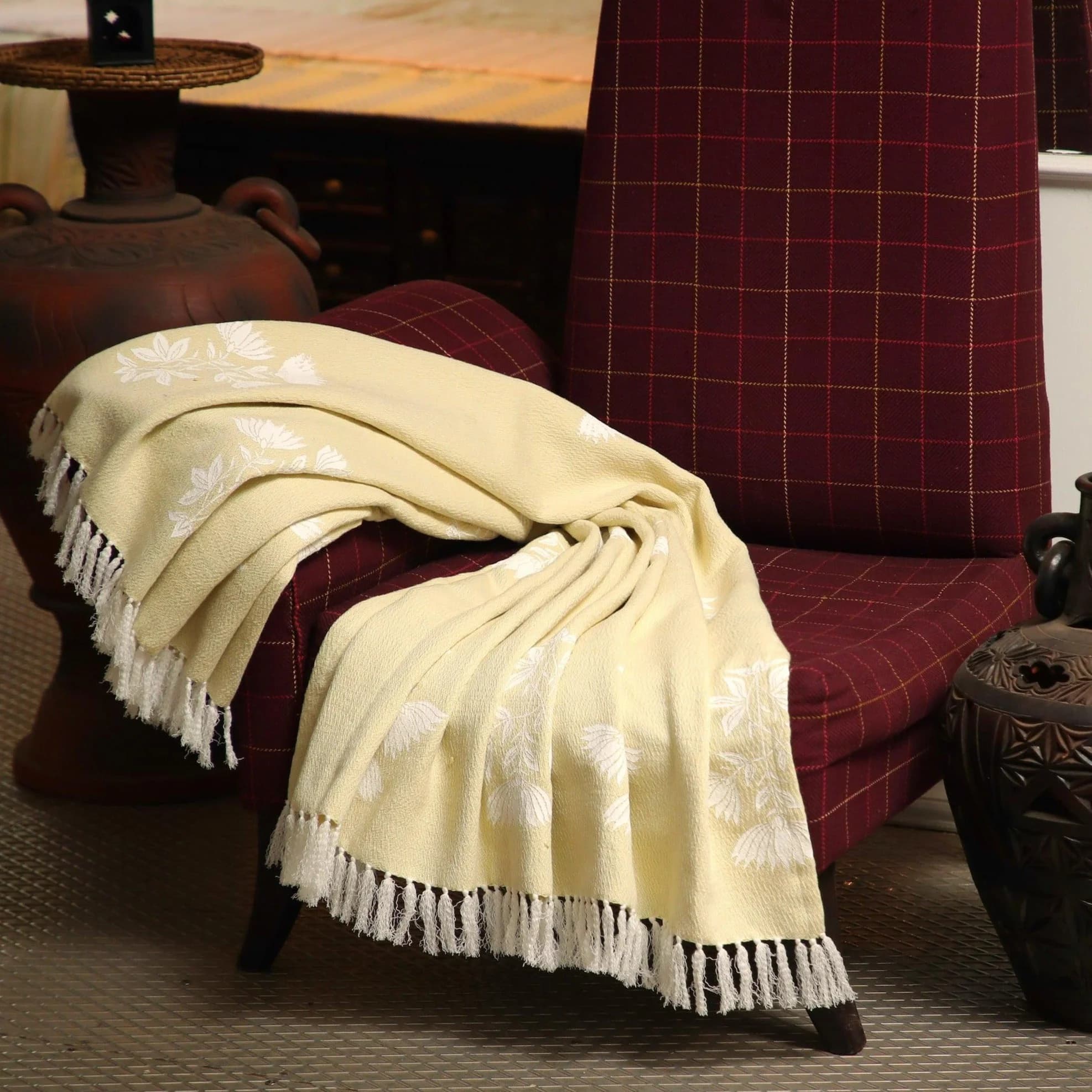




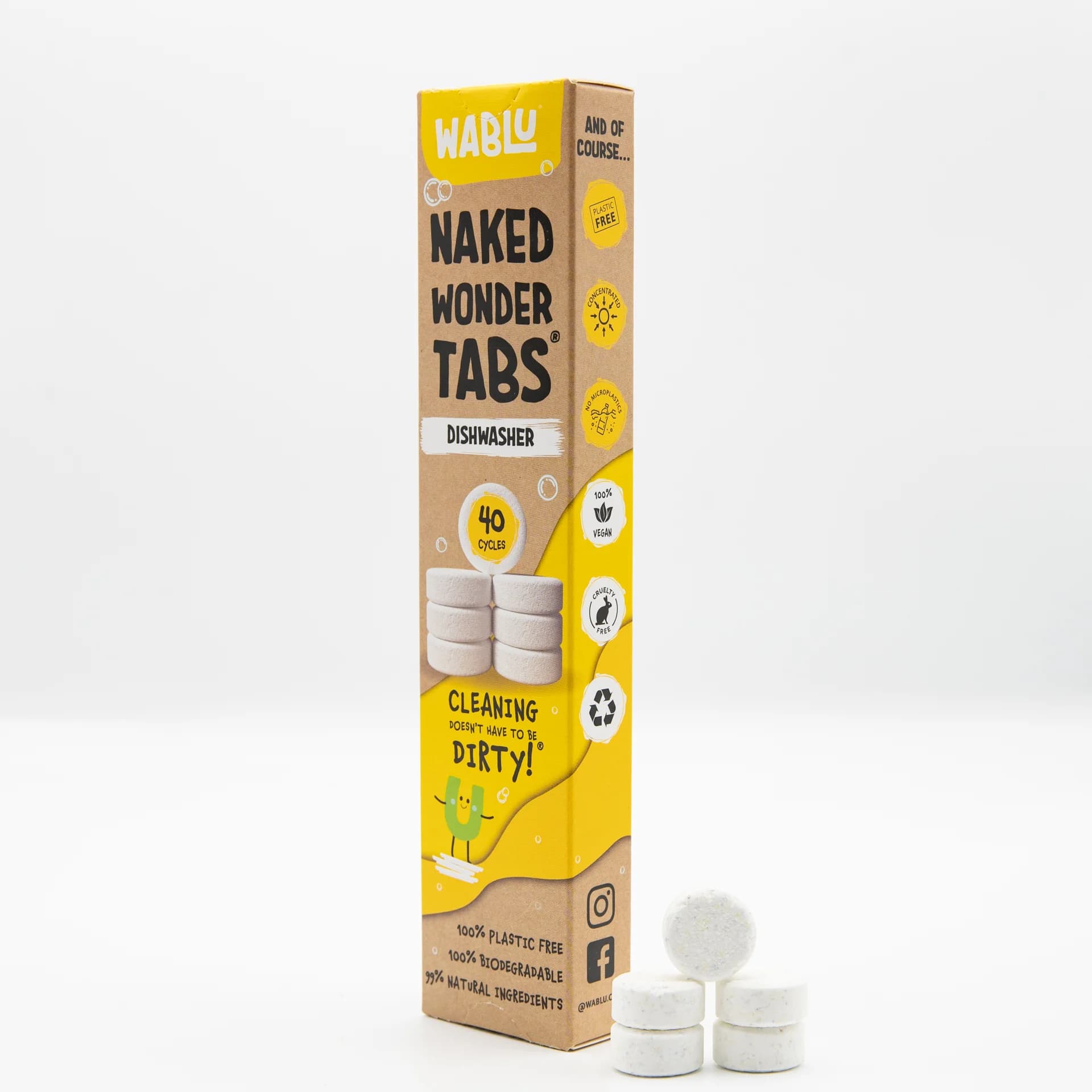
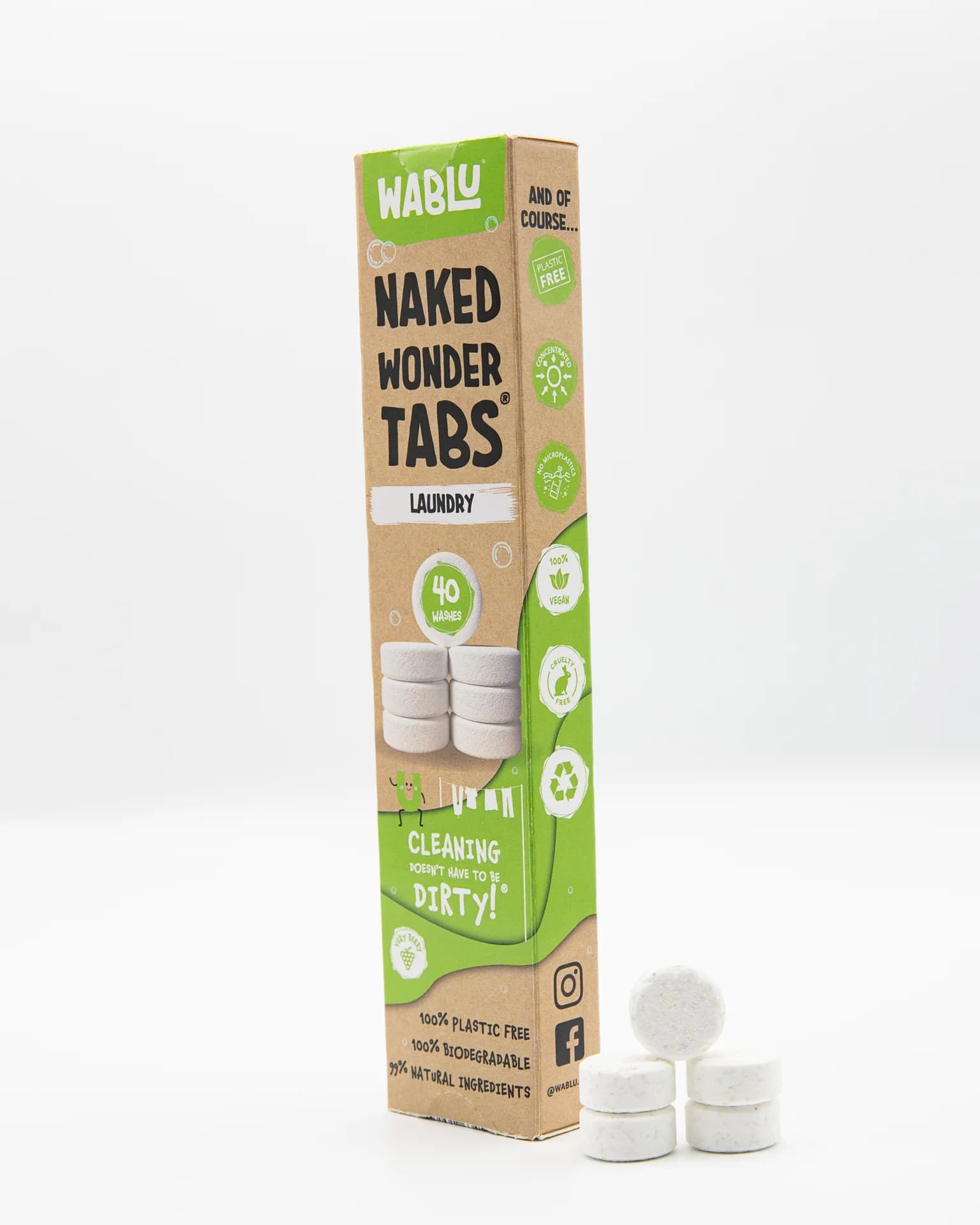
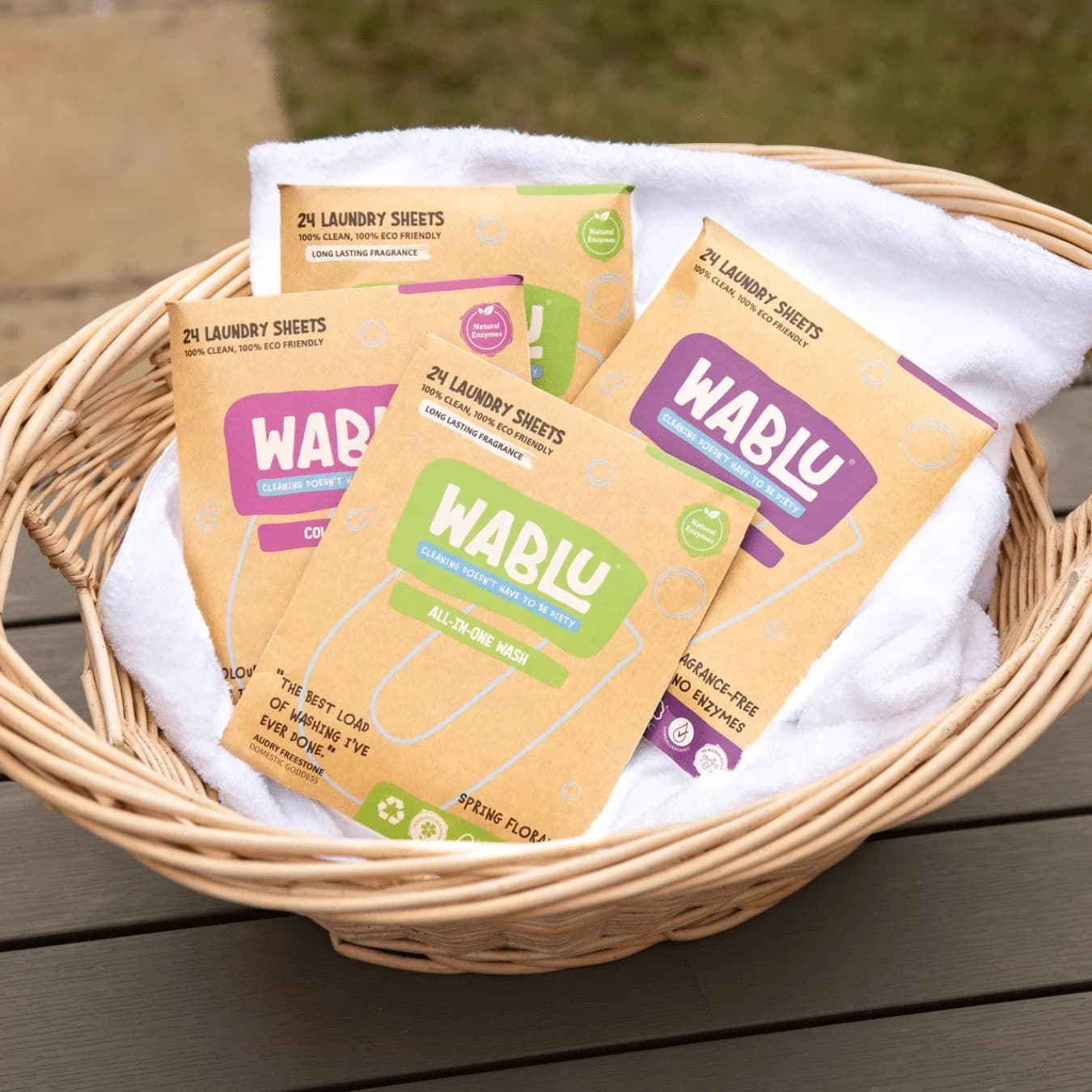
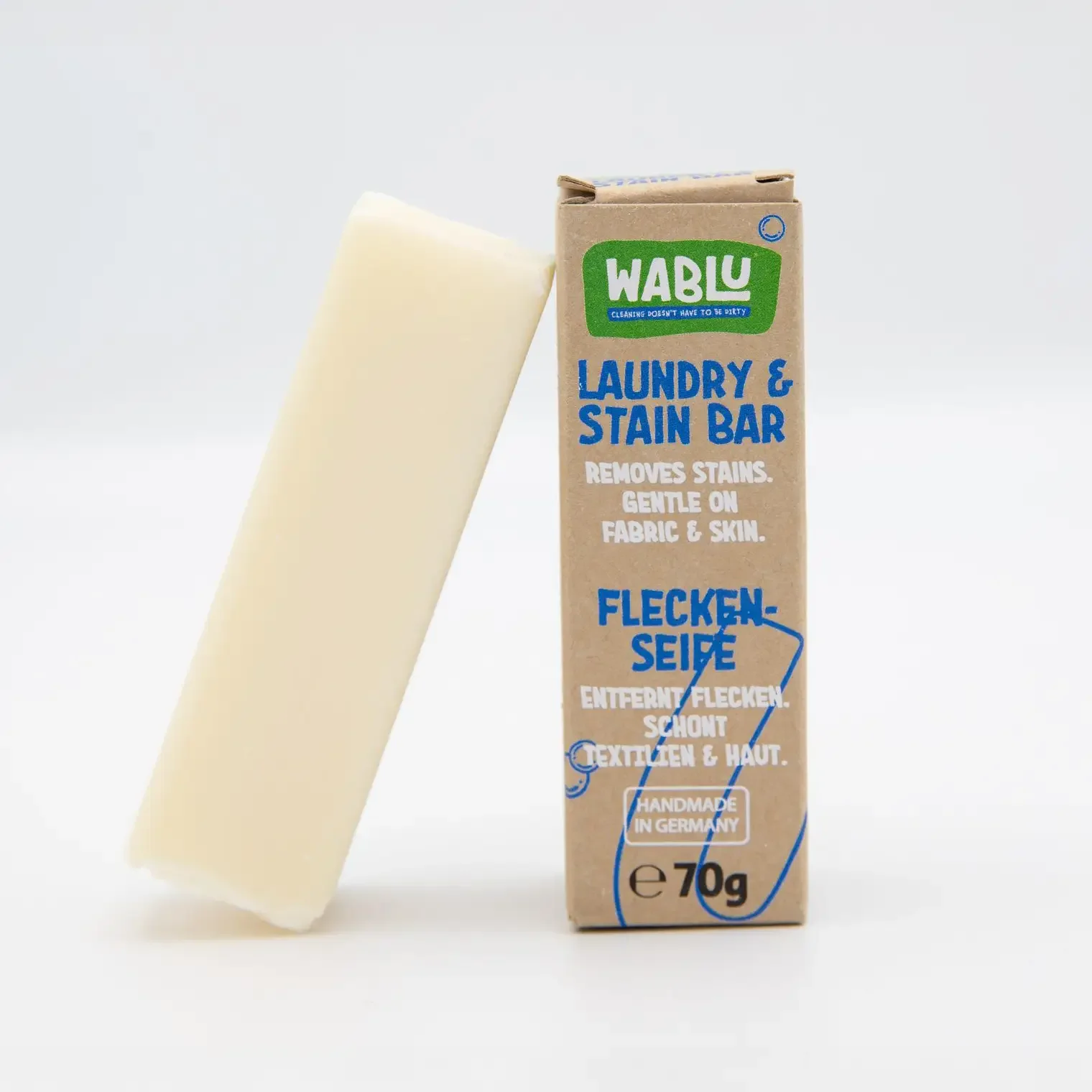
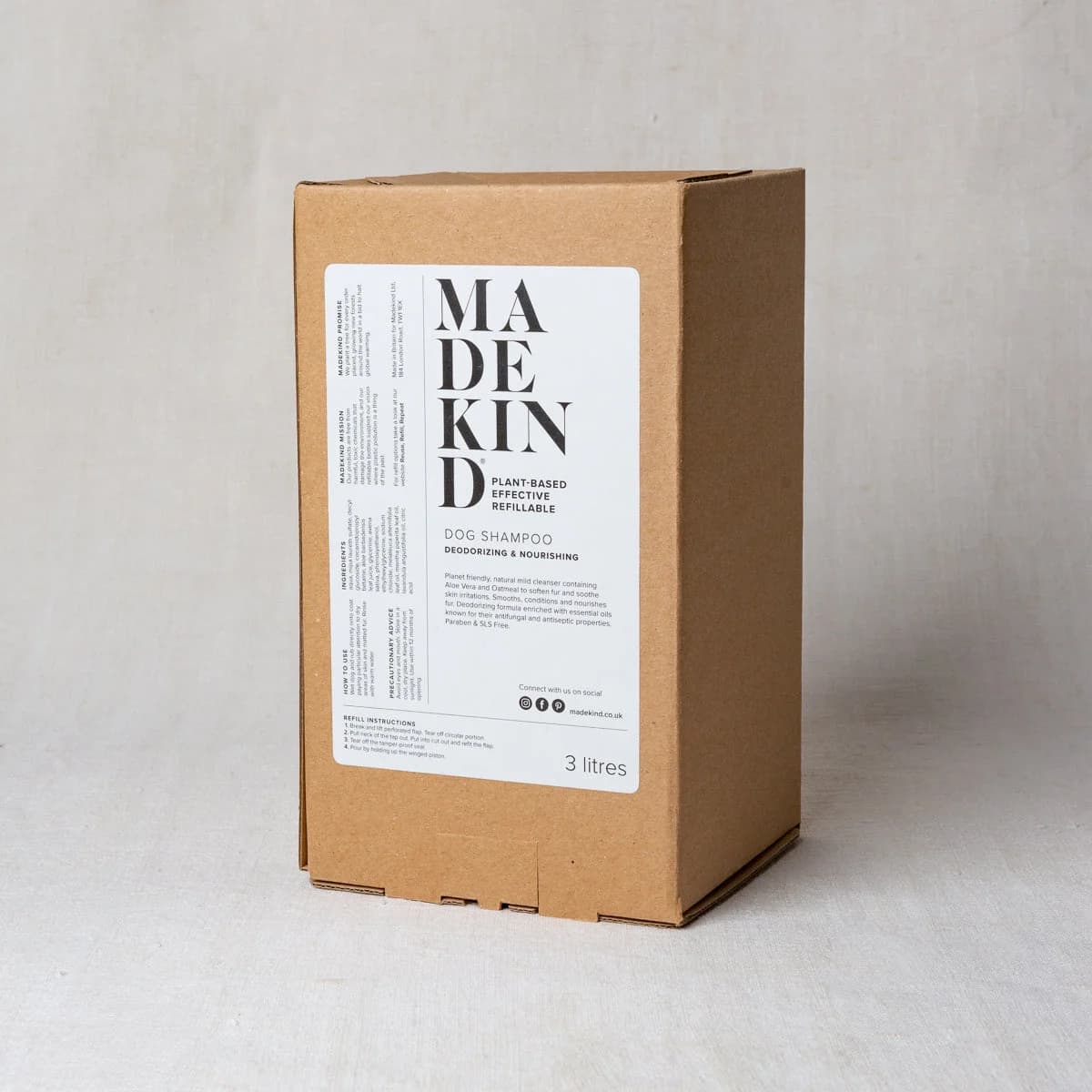


How we check Home & Sanctuary
Every brand here is checked against the same Ziracle standard before anything is listed — documentation reviewed, third-party certifications weighted above self-declaration, and brands reassessed after listing day.
Read our full methodology →How to Build a Healthier Home Environment
Building a healthier home environment starts with understanding the hidden elements that can affect your well-being. Consider the air quality in your home; many common household products release volatile organic compounds (VOCs) that can accumulate indoors. Opt for natural air purifiers, such as those made with activated charcoal, or look for cleaning products with transparent ingredient lists that explicitly state they are VOC-free. Textiles also play a significant role. Choosing bedding, towels, and furnishings made from organic cotton, linen, or hemp can reduce exposure to pesticides and synthetic fibres, which often contain dyes and finishes that can irritate skin and respiratory systems. Look for certifications like GOTS (Global Organic Textile Standard) for textiles, which ensures ecological and social criteria are met throughout the supply chain. Prioritise items that are durable and repairable, moving away from a disposable mindset. This not only reduces waste but also encourages a more mindful approach to consumption, where each item is valued for its longevity and utility.
What to Prioritise for a Sustainable Home
When making choices for your home, prioritising sustainability means focusing on materials, energy efficiency, and waste reduction. Start with energy consumption by switching to LED lighting, which uses significantly less electricity and lasts much longer than traditional bulbs. For cleaning, consider concentrated formulas or refillable options to minimise plastic waste and reduce the carbon footprint associated with transporting water-heavy products. Look for products made from recycled or upcycled materials, giving new life to resources that would otherwise go to landfill. Water conservation is another key area; simple changes like low-flow showerheads and taps can make a big difference without compromising performance. Finally, think about the end-of-life for products you bring into your home. Can they be composted, recycled, or easily repaired? Choosing items with a clear, responsible disposal pathway is a crucial step in creating a truly sustainable Home & Sanctuary. This approach helps ensure that your choices today contribute to a healthier planet tomorrow.
Common questions
What makes a home product 'healthy'?
A healthy home product is one that contributes positively to your physical and mental well-being without introducing harmful substances. This often means it is free from endocrine-disrupting chemicals, synthetic fragrances, and known allergens. For example, cleaning products should use plant-derived ingredients rather than harsh petrochemicals, and home textiles should be made from natural, untreated fibres to avoid skin irritations and respiratory issues. The goal is to reduce your exposure to potential irritants and toxins in your daily environment.
How can I choose sustainable home essentials?
To choose sustainable home essentials, focus on products that minimise environmental impact throughout their lifecycle. Look for items made from renewable, recycled, or upcycled materials, such as bamboo, recycled glass, or reclaimed wood. Prioritise durability and repairability to extend product life and reduce waste. Packaging should be minimal, recyclable, or compostable. Additionally, consider brands that use renewable energy in their manufacturing processes and have transparent supply chains, ensuring ethical sourcing and production.
What are common hidden toxins in home products?
Common hidden toxins in home products include phthalates, often found in synthetic fragrances and plastics; parabens, used as preservatives; and formaldehyde, which can off-gas from furniture, carpets, and some cleaning agents. VOCs (volatile organic compounds) are also prevalent in paints, air fresheners, and conventional cleaners. These substances can contribute to indoor air pollution and have been linked to various health concerns. Ziracle prioritises products that actively avoid these ingredients.
How does Ziracle ensure products for the Home & Sanctuary are genuinely good?
Ziracle ensures products for the Home & Sanctuary are genuinely good by vetting them against strict criteria that prioritise health, kindness, and sustainability. We examine ingredient lists for transparency and absence of harmful chemicals, verify ethical sourcing and manufacturing practices, and assess packaging for its environmental footprint. We look for evidence-backed claims, such as certifications for organic materials or fair trade, ensuring that every product meets a high standard before it is offered to you.
What's the easiest way to start making my home more sustainable?
The easiest way to start making your home more sustainable is by focusing on high-use, high-impact items. Switching to refillable cleaning products or solid soap bars can significantly reduce plastic waste. Replacing single-use kitchen items with reusable alternatives, like beeswax wraps instead of cling film, is another simple step. Upgrading to energy-efficient LED light bulbs throughout your home also provides immediate environmental benefits and reduces energy consumption without requiring a major lifestyle change.