Veo and Wearth are now Ziracle. Same mission, better platform. See what's new

Why Sustainable Fashion Usually Costs More (and why it’s still cheaper)

Sustainable fashion has a higher sticker price for reasons that make sense. Cost per wear brings the maths back into balance.

Annabel Lindsay

Circular Fashion, CircKit

Published : July 19, 2023

Updated : May 29, 2026

by Hamish Lawson
5 min read
Header image showing flatlay's of similar outfits but one is from Veo and one is from fast fashion brands.||||||||||||||Image shows a Cost Per Wear comparison between 2 yellow slips skirts. The first one is a sustainable option from Veo

Sustainable fashion usually comes with a higher price tag than fast fashion when you compare the sticker prices side by side. Look past that, and the numbers tell a different story.

Ethical fashion brands are committed to safe working conditions and fair wages for garment workers. They use higher-quality materials and design pieces to last. That costs more than clothing made in exploitative conditions with poor fabrics and finishes. What feels expensive at checkout is often cheaper over the life of the garment. The maths is worth doing properly once.

What fast fashion prices actually hide

A £20 fast fashion dress isn’t a fair benchmark for what a dress costs to make. The 2023 Fashion Transparency Index, published by Fashion Revolution, found that only 1% of the 250 major brands reviewed disclosed the number of workers in their supply chain being paid a living wage. The low price on the tag is subsidised by someone, somewhere in the supply chain, absorbing the real cost.

Sustainable fashion prices are closer to what clothing costs when the people making it are paid properly and the materials are chosen for durability rather than the lowest possible unit cost. That doesn’t make fast fashion affordable. It makes fast fashion artificially cheap.

The most sustainable clothing is what you already own

Before buying anything new, there’s a hierarchy worth working through. Artist Sarah Lazarovic’s Buyerarchy of Needs sets it out in order: use what you have, then borrow, then swap, then buy secondhand, then make, and only then buy new. The point isn’t to guilt anyone out of buying. It’s to remind us that the most sustainable garment is usually one that already exists.
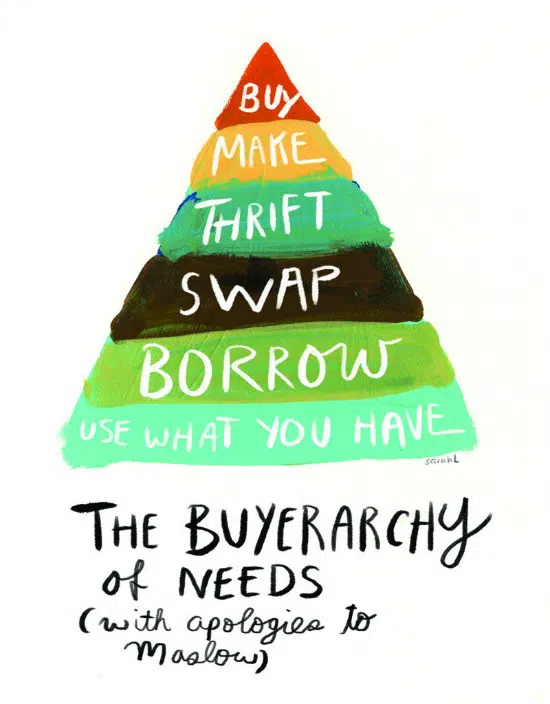
Image shows a pyramid illustration with 6 layers, depicting the stages recommended that we check. Buy, make, thrift, swap, borrow, use what you have.

Sometimes buying new is necessary. Clothes wear out. Bodies change. Circumstances shift. The useful question isn’t whether to buy new. It’s what to buy, how often, and from whom.

Cost per wear: the real maths

Cost per wear is simple: price divided by number of times worn. The Ellen MacArthur Foundation’s 2017 New Textiles Economy report found that the average piece of clothing is worn far fewer times before being thrown away than it was a generation ago, with the report estimating that clothing utilisation (the number of times a garment is worn before disposal) has dropped by around 36% compared with 15 years earlier. Globally, the report estimated one garbage truck of textiles is landfilled or incinerated every second.

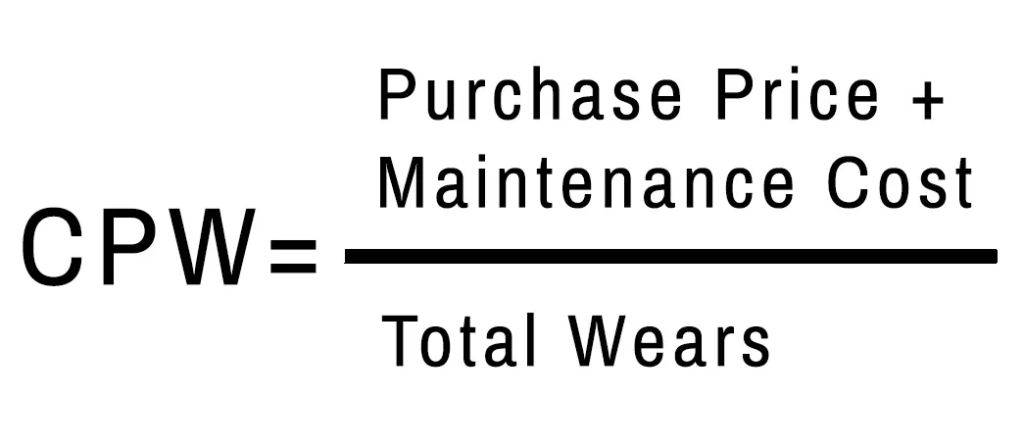
That £20 high-street dress worn seven times costs nearly £3 per wear. A well-made £80 equivalent worn 80 times costs £1 per wear. Over the full life of both garments, the cheaper one is the more expensive one. It also produces more waste, causes more harm, and leaves you with less of a wardrobe at the end.

The calculation only works if clothes actually get worn. A £200 coat worn twice is worse value than a £30 coat worn 50 times. Durability matters, but so does fit, style, and whether the item is something you reach for on a Tuesday rather than saving for a wedding. Sustainable doesn’t mean wearable by default.

“Buy less, choose well, make it last.” Vivienne Westwood’s line has done more work than most essays on the subject, which is why it keeps getting repeated.

Finding your own style, not the trend cycle’s

Fast fashion, and fast homeware behind it, has trained us to believe in a false narrative of micro-trends. What you buy and love one week is aesthetically outdated by the next. A 2022 WRAP study found that around 26% of adult wardrobes in the UK contain items that haven’t been worn for at least a year. The trend cycle is designed to move faster than your wardrobe can keep up with. The only way to keep buying is to keep discarding.

The way out is to know your own style well enough that the trend cycle stops dictating it. That takes time. It also reduces spending and waste without requiring any conscious effort. You just stop buying things that won’t last you past the month.

What to do when buying new

Buy from brands that have earned the price. Look for Fair Trade or equivalent certification, transparent supply chains, natural or certified recycled fibres, and brands that publish where their factories are. For a deeper look at what to check, see our beginner’s fashion guide and our list of the best sustainable clothing brands.

Match reduced consumption with better consumption. Sustainability isn’t a permission slip to buy more expensive versions of the same volume. It’s a shift in how often you buy, not a replacement of the fast-fashion cadence at higher price points. Browse the Clothing edit when something does need replacing.

Progress, not perfection

Nobody buys sustainably all of the time. Nobody needs to. The point is to shift the direction of travel, not to hit a perfect score. Start small and pick one category to change first, not the whole wardrobe. Do your own research where claims feel vague. Hold brands to the standard they advertise. Remember that any step in the right direction is worth more than a perfect plan you never start.

Sustainable fashion costs more at the till for reasons that make sense: the people making it are paid properly, the materials are chosen to last, and the price reflects what clothing actually costs when nothing is being hidden from view. Cost per wear brings the maths back into balance. Next time something needs replacing, you know how to think about the price.Ready to shop? Browse the Apparel and Style edit and filter by the certifications that matter to you. Brands carrying B Corp status are a good place to start.

FAQs

Why is sustainable fashion always so expensive?

Because the price reflects what clothing costs to make when garment workers are paid a living wage, materials are chosen for durability, and the supply chain is transparent. The 2023 Fashion Transparency Index found that only 1% of major brands disclosed paying a living wage across their supply chain. Fast fashion prices are only possible because those costs are being absorbed somewhere else, usually by the people making the clothes. Sustainable brands aren’t overcharging. Fast fashion is undercharging.

Is cost per wear really a fair way to compare prices?

For most clothing categories, yes. If a £20 dress falls apart after seven wears and an £80 equivalent lasts 80, the £80 version is cheaper per wear and produces less waste. Cost per wear stops working when the expensive item sits unworn in a wardrobe. It’s a framework that rewards actually wearing what you buy, which is why it aligns with the environmental argument too.

Should I throw out my fast fashion clothes to buy sustainable ones?

No. The most sustainable item in your wardrobe is the one you already own, whatever it’s made of. The environmental cost of manufacturing is already sunk. Throwing away wearable clothing to replace it with greener versions is counterproductive. Wear what you have until it wears out. Replace with better when it does.

Are there affordable sustainable fashion options?

Yes, once you reframe “affordable.” Secondhand is the most genuinely affordable sustainable option, and the UK market is deep across Vinted, Depop, eBay, and charity shops. Renting for occasion wear costs less than buying and produces no additional manufacturing footprint. For new purchases, buying less frequently but better is usually the affordable path, because you’re amortising a higher upfront cost across many more wears.

What should I look for when buying new?

Named certifications (GOTS for organic, OEKO-TEX for chemical safety, Fair Trade for supply-chain fairness, B Corp for whole-business standards), brands that publish the factories they work with, natural or certified recycled fibres, and a repair or take-back programme. Brands with a handful of those signals are doing more than brands with none.


Deepen your understanding of metabolic health and longevity in our dedicated wellness series.

Explore Live Well

Annabel Lindsay

Circular Fashion, CircKit

Annabel Lindsay is a circular fashion advocate and brand communications manager at CircKit, a fashion technology company building tools for circular design. She spent nearly three years as social media executive at Veo World, the ethical marketplace that became Ziracle, where she wrote many of the articles now in the Journal. She has hosted panels at Manchester Fashion Week alongside the founders of Fashion Revolution and People Tree, and guest lectures at Manchester Fashion Institute. She writes about sustainable fashion, sustainable jewellery, organic living, conscious consumerism, mindfulness, and eco-friendly activities for kids.

READ NEXT

Why Sustainable Fashion Usually Costs More (and why it’s still cheaper)

Sustainable fashion usually comes with a higher price tag than fast fashion when you compare the sticker prices side by side. Look past that, and the numbers tell a different story.

Ethical fashion brands are committed to safe working conditions and fair wages for garment workers. They use higher-quality materials and design pieces to last. That costs more than clothing made in exploitative conditions with poor fabrics and finishes. What feels expensive at checkout is often cheaper over the life of the garment. The maths is worth doing properly once.

What fast fashion prices actually hide

A £20 fast fashion dress isn’t a fair benchmark for what a dress costs to make. The 2023 Fashion Transparency Index, published by Fashion Revolution, found that only 1% of the 250 major brands reviewed disclosed the number of workers in their supply chain being paid a living wage. The low price on the tag is subsidised by someone, somewhere in the supply chain, absorbing the real cost.

Sustainable fashion prices are closer to what clothing costs when the people making it are paid properly and the materials are chosen for durability rather than the lowest possible unit cost. That doesn’t make fast fashion affordable. It makes fast fashion artificially cheap.

The most sustainable clothing is what you already own

Before buying anything new, there’s a hierarchy worth working through. Artist Sarah Lazarovic’s Buyerarchy of Needs sets it out in order: use what you have, then borrow, then swap, then buy secondhand, then make, and only then buy new. The point isn’t to guilt anyone out of buying. It’s to remind us that the most sustainable garment is usually one that already exists.

Image shows a pyramid illustration with 6 layers, depicting the stages recommended that we check. Buy, make, thrift, swap, borrow, use what you have.

Sometimes buying new is necessary. Clothes wear out. Bodies change. Circumstances shift. The useful question isn’t whether to buy new. It’s what to buy, how often, and from whom.

Cost per wear: the real maths

Cost per wear is simple: price divided by number of times worn. The Ellen MacArthur Foundation’s 2017 New Textiles Economy report found that the average piece of clothing is worn far fewer times before being thrown away than it was a generation ago, with the report estimating that clothing utilisation (the number of times a garment is worn before disposal) has dropped by around 36% compared with 15 years earlier. Globally, the report estimated one garbage truck of textiles is landfilled or incinerated every second.

That £20 high-street dress worn seven times costs nearly £3 per wear. A well-made £80 equivalent worn 80 times costs £1 per wear. Over the full life of both garments, the cheaper one is the more expensive one. It also produces more waste, causes more harm, and leaves you with less of a wardrobe at the end.

The calculation only works if clothes actually get worn. A £200 coat worn twice is worse value than a £30 coat worn 50 times. Durability matters, but so does fit, style, and whether the item is something you reach for on a Tuesday rather than saving for a wedding. Sustainable doesn’t mean wearable by default.

“Buy less, choose well, make it last.” Vivienne Westwood’s line has done more work than most essays on the subject, which is why it keeps getting repeated.

Finding your own style, not the trend cycle’s

Fast fashion, and fast homeware behind it, has trained us to believe in a false narrative of micro-trends. What you buy and love one week is aesthetically outdated by the next. A 2022 WRAP study found that around 26% of adult wardrobes in the UK contain items that haven’t been worn for at least a year. The trend cycle is designed to move faster than your wardrobe can keep up with. The only way to keep buying is to keep discarding.

The way out is to know your own style well enough that the trend cycle stops dictating it. That takes time. It also reduces spending and waste without requiring any conscious effort. You just stop buying things that won’t last you past the month.

What to do when buying new

Buy from brands that have earned the price. Look for Fair Trade or equivalent certification, transparent supply chains, natural or certified recycled fibres, and brands that publish where their factories are. For a deeper look at what to check, see our beginner’s fashion guide and our list of the best sustainable clothing brands.

Match reduced consumption with better consumption. Sustainability isn’t a permission slip to buy more expensive versions of the same volume. It’s a shift in how often you buy, not a replacement of the fast-fashion cadence at higher price points. Browse the Clothing edit when something does need replacing.

Progress, not perfection

Nobody buys sustainably all of the time. Nobody needs to. The point is to shift the direction of travel, not to hit a perfect score. Start small and pick one category to change first, not the whole wardrobe. Do your own research where claims feel vague. Hold brands to the standard they advertise. Remember that any step in the right direction is worth more than a perfect plan you never start.

Sustainable fashion costs more at the till for reasons that make sense: the people making it are paid properly, the materials are chosen to last, and the price reflects what clothing actually costs when nothing is being hidden from view. Cost per wear brings the maths back into balance. Next time something needs replacing, you know how to think about the price.Ready to shop? Browse the Apparel and Style edit and filter by the certifications that matter to you. Brands carrying B Corp status are a good place to start.

FAQs

Why is sustainable fashion always so expensive?

Because the price reflects what clothing costs to make when garment workers are paid a living wage, materials are chosen for durability, and the supply chain is transparent. The 2023 Fashion Transparency Index found that only 1% of major brands disclosed paying a living wage across their supply chain. Fast fashion prices are only possible because those costs are being absorbed somewhere else, usually by the people making the clothes. Sustainable brands aren’t overcharging. Fast fashion is undercharging.

Is cost per wear really a fair way to compare prices?

For most clothing categories, yes. If a £20 dress falls apart after seven wears and an £80 equivalent lasts 80, the £80 version is cheaper per wear and produces less waste. Cost per wear stops working when the expensive item sits unworn in a wardrobe. It’s a framework that rewards actually wearing what you buy, which is why it aligns with the environmental argument too.

Should I throw out my fast fashion clothes to buy sustainable ones?

No. The most sustainable item in your wardrobe is the one you already own, whatever it’s made of. The environmental cost of manufacturing is already sunk. Throwing away wearable clothing to replace it with greener versions is counterproductive. Wear what you have until it wears out. Replace with better when it does.

Are there affordable sustainable fashion options?

Yes, once you reframe “affordable.” Secondhand is the most genuinely affordable sustainable option, and the UK market is deep across Vinted, Depop, eBay, and charity shops. Renting for occasion wear costs less than buying and produces no additional manufacturing footprint. For new purchases, buying less frequently but better is usually the affordable path, because you’re amortising a higher upfront cost across many more wears.

What should I look for when buying new?

Named certifications (GOTS for organic, OEKO-TEX for chemical safety, Fair Trade for supply-chain fairness, B Corp for whole-business standards), brands that publish the factories they work with, natural or certified recycled fibres, and a repair or take-back programme. Brands with a handful of those signals are doing more than brands with none.
Leave a Comment