









The reason most “sleep aids” disappoint is that people buy them to be switched off like a light. Sleep doesn’t work that way. You can’t force it, and the harder you try, the more awake you tend to feel. Nothing on a shelf sedates you into a good night. What the genuinely useful products do is quieter than that: they remove a specific thing that’s keeping you up, so sleep can arrive on its own.
Which makes the whole Stress and Sleep aisle easy to shop once you stop asking “what’s the strongest one” and start asking “what’s actually keeping me awake.” Get that right and the aid does its small, real job. Get it wrong and you’ve bought a nice candle for a magnesium problem.
Before You Buy Anything: The Free Stuff Does the Heavy Lifting
The most effective sleep aids cost nothing, and skipping them is why products underwhelm. A dark, cool, quiet room, a consistent sleep and wake time, and no screens in the last hour do more than anything you can buy, which is exactly what the NHS advises first for poor sleep. These aren’t a warm-up act for the real fix. They are the fix, and the products are support.
There’s a reason effort backfires. “The harder you try to sleep, the more likely you are to stay awake,” is how Professor Colin Espie, Professor of Sleep Medicine at the University of Oxford, sums up the central trap, because trying is a form of alertness. So the job of a sleep aid isn’t to knock you out, it’s to lower the arousal that trying creates.
One UK-specific note before you shop. Melatonin, the supplement sold freely in the US, is a prescription-only medicine here, classed as such by the regulator, the MHRA. You cannot buy it over the counter, and the gummies shipped from abroad aren’t the answer. If sleeplessness has lasted more than a few weeks, that’s a conversation with your GP, not a supplement.
You cannot buy sleep. You can only remove what is blocking it.
Match the Aid to What is Actually Keeping You Up

Sort the aids by the blocker they clear, and the choice makes itself. There are really only a handful of common ones. A mind that won’t switch off, where the issue is stress and rumination, not tiredness. No wind-down, where you go from screen to pillow with no gear-change. A body that won’t unclench, physical tension that keeps you surfacing. And a bright, warm, stimulating bedroom that works against you all night.
Each has a different answer. A racing mind is helped by a calming ritual and, for some people, a stress-targeted herbal, not by a heavier sedative. No wind-down is fixed by a cue that tells your body the day is over, a scent, a warm bath, a candle you light at the same time each night. A tense body responds to warmth and touch, a massage oil or a bath soak. And a bad bedroom is a fix of dark and cool, a mask and cooler bedding, not a pill. Naming your blocker is most of the work.
The Picks, Sorted By Your Blocker
Everything below is verified in stock and chosen for the specific blocker it clears, not for sedative promises none of them can keep. Ziracle’s sleep range leans on Bouclé for aromatherapy, so several picks share it, across different jobs. Prices and stock were checked at the time of writing and move with the sales.
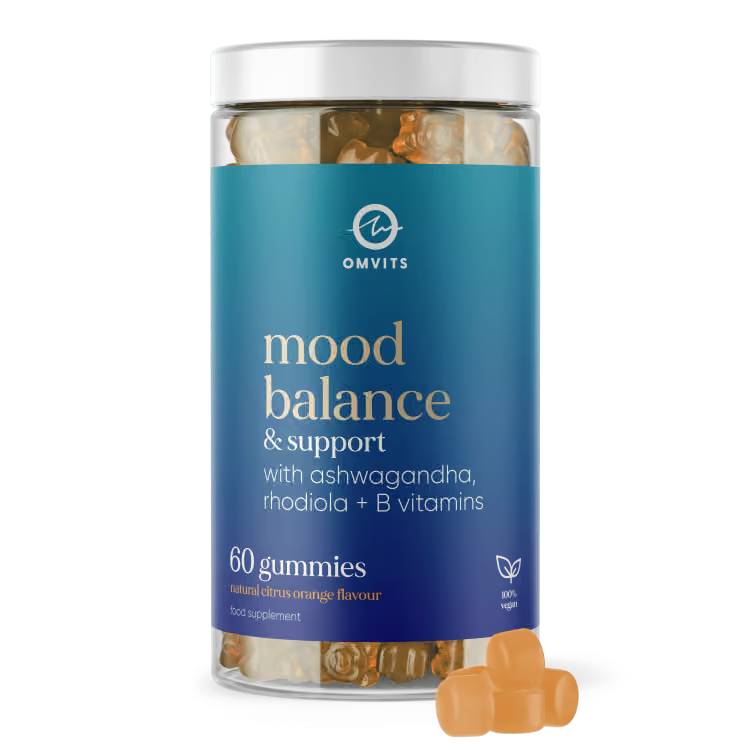
If your mind won’t switch off: Omvits Mood Balance & Support Gummies, around £14. Ashwagandha and rhodiola are adaptogens with suggestive, not conclusive, evidence for easing stress, and it’s the daytime stress that often shows up as a racing mind at night. Worth trying if that’s your blocker, taken as directed, not as a sedative.
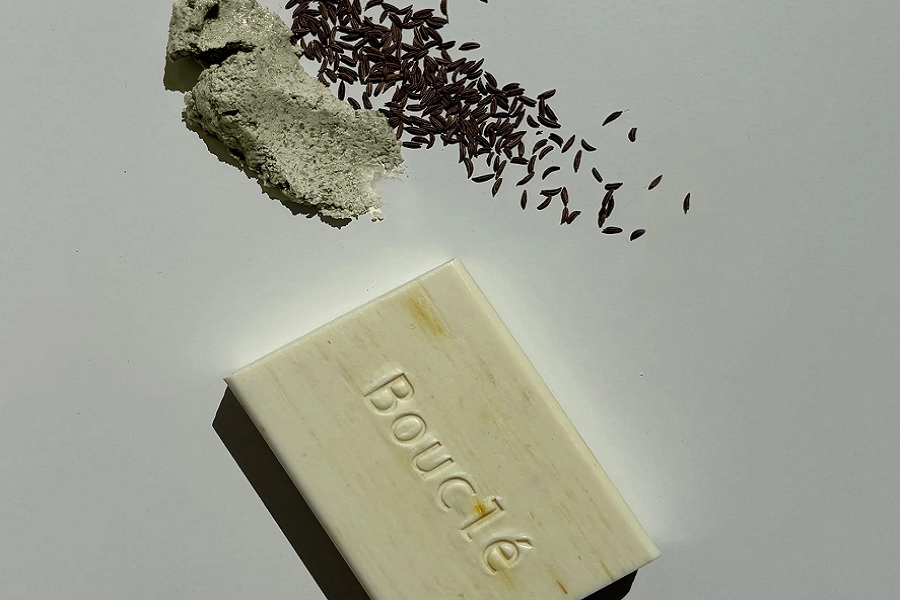
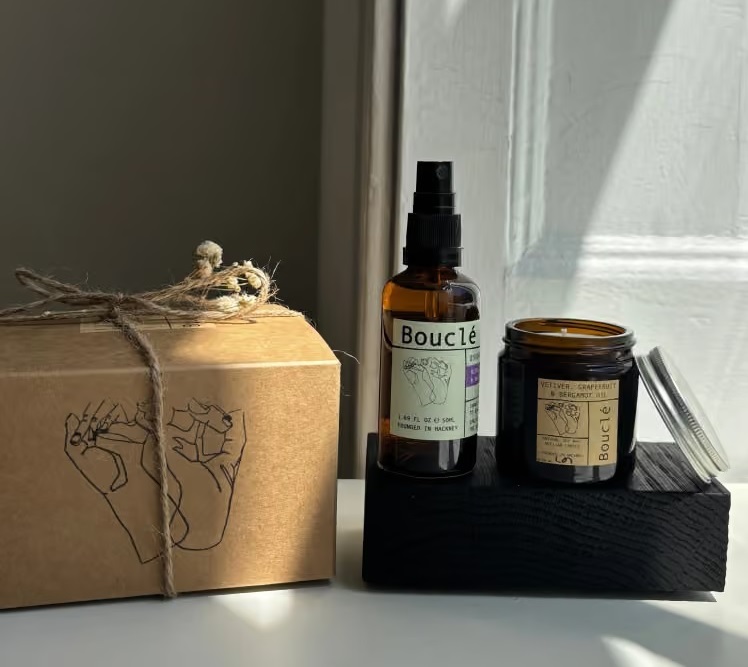
If you have no wind-down: Bouclé Deep Sleep Aromatherapy Gift Set, £29.50. A lavender-led ritual set that gives you the gear-change between day and bed most poor sleepers are missing. The value is the routine as much as the scent: same steps, same time, every night.

If you’re wired at lights-out: Bouclé Candle & Spray Scent Duo, £24.50. A pillow and room spray plus a candle, used as a consistent cue, tells an over-alert brain the day is closing. Lavender’s evidence is modest but real for relaxation, and the ritual does the rest.
If your body won’t unclench: Haoma Relax Organic Massage Oil, £32. Warmth and touch are underrated for physical tension, and a short massage before bed shifts the body out of alert mode. The pick when it’s your shoulders, not your thoughts, keeping you up.

If you’re on a budget: Lovewell Signature Aromatherapy Votive Candle, £12. The cheapest way to build a wind-down cue: one candle, lit at the same point each evening, becomes the signal that the day is done. Small, but it’s the routine that works, not the price.

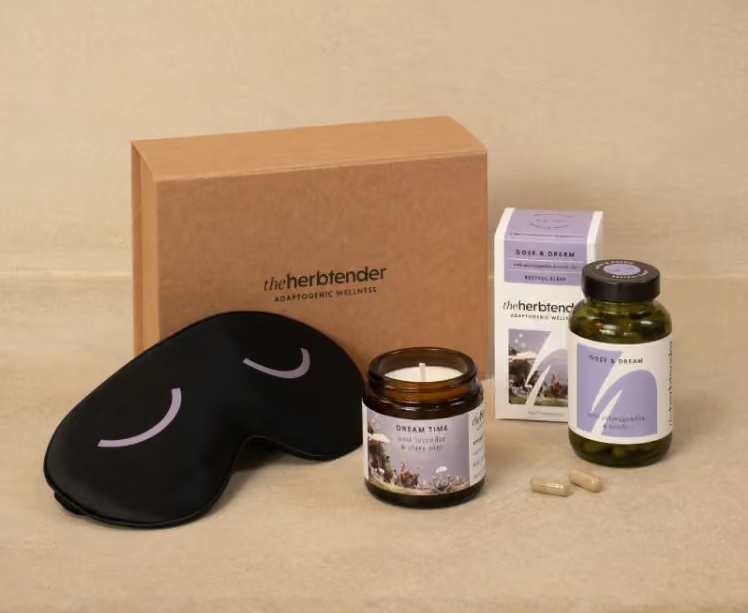
If you want it all in one: The Herbtender Sweet Dreams Gift Set, £45. A herbal sleep supplement, a silk eye mask and a candle together, which covers the mind, the light and the ritual in one box. A sensible starting point if you’re not sure which blocker is yours, or a gift for someone who is.
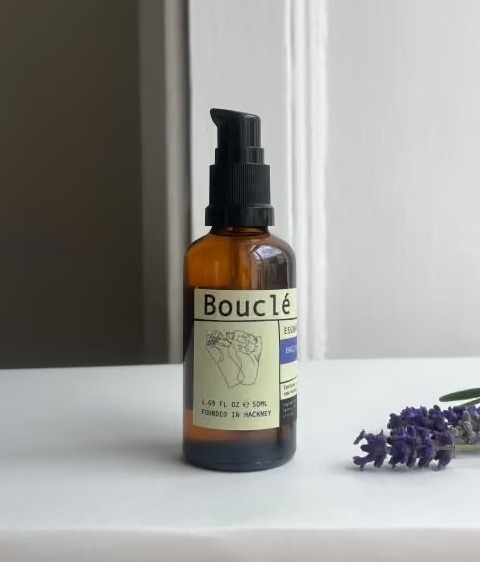
If it’s a bath-time wind-down you want: Bouclé English Lavender Aromatherapy Body Oil, £14.50. A warm bath an hour before bed is one of the better-evidenced wind-down moves, because the after-bath cool-down helps trigger sleepiness. This adds the scent cue to it.
On magnesium, worth a word: it’s genuinely useful for some people, and it’s best obtained from food first, dark leafy greens, nuts and legumes. If you supplement, the form to look for is magnesium glycinate, sometimes labelled bisglycinate, which absorbs well and is gentle on the stomach, and the wider Stress and Sleep range is filtered to that kind of thing.
What the Evidence Does and Doesn’t Say
Be clear-eyed about these, because the honest version still leaves plenty worth buying. The behavioural basics have the strongest evidence by far. Lavender and aromatherapy have modest evidence for relaxation and sleep quality, which is a fair reason to use them as cues, not a claim they cure insomnia. Adaptogens like ashwagandha are suggestive rather than settled. Valerian and passionflower are traditional and mildly supported. None of them is a sedative, and none replaces seeing a GP if poor sleep is persistent or affecting your health.
So treat these as what they are: gentle, low-risk ways to clear a specific blocker and build a routine, working alongside the free basics rather than instead of them. That’s a real role, and an honest one.
So What Should You Buy?
Name your blocker, then buy the one thing that clears it. If your mind races, start with a wind-down ritual and consider a stress-targeted herbal. If you have no routine, buy a cue and use it at the same time nightly. If your body is tense, reach for warmth and touch. And whatever you buy, keep the free basics going underneath it, because they’re doing most of the work.
Do that and a sleep aid stops being a disappointing pill you hoped would switch you off, and becomes a small, reliable nudge toward sleep you were capable of anyway. The full Stress and Sleep range and the wider Sleep Better edit are sorted on the same terms.
Stop shopping for a sedative. Buy the thing that removes what’s keeping you up.
FAQs
The free ones: a dark, cool, quiet room, a consistent sleep schedule, and no screens in the last hour, which the NHS advises before anything else. No supplement or spray sedates you, so the best product is simply the one that clears your specific blocker, a calming ritual for a racing mind, a scent cue for no wind-down, warmth for a tense body. If sleeplessness persists for more than a few weeks, see your GP.
No. Melatonin is a prescription-only medicine in the UK, classified that way by the regulator, the MHRA, unlike in the US where it’s sold as a supplement. You can only get it through a doctor, and buying it from abroad isn’t a safe workaround. For persistent insomnia, speak to your GP, who can advise on whether melatonin or a behavioural approach like CBT for insomnia is appropriate.
Modestly, for some people. Magnesium is genuinely useful if you’re short of it and is best obtained from food first, with magnesium glycinate the most absorbable supplement form. Valerian and passionflower have traditional use and mild supporting evidence for relaxation. None is a sedative or a cure for insomnia, so treat them as gentle support alongside good sleep habits, not a replacement for them.