










































You probably need fewer beard care products than the average grooming routine suggests. Here is how to tell which is which, from the back of the pack.
Nearly every problem sold as a beard problem is a skin problem. The itch, the flaking, the coarse texture that no amount of oil seems to fix. Take care of the skin underneath first, and you may find that you don’t need as many beard-specific products.
This isn’t simply about keeping your routine minimal. It is what dermatologists have been saying for years, quietly, on pages that sell nothing: beard care is a Healthy Skin problem wearing a longer ingredient list. Beard care routines can quickly become more complicated than they need to be, and the reason is not complexity. It is that three products will not sustain a subscription.
Your beard is not the problem, the skin under it is
Facial hair sits on skin that has stopped behaving like normal facial skin. Dead cells that would otherwise shed away get trapped in the hair. Sebum, which is produced at the follicle and travels up the shaft, stops arriving once the hair is long enough. The result is skin that is simultaneously congested and dry, which is a combination almost nothing on the beard shelf is formulated for.
“Skin cells shed at a rapid and alarming pace,” says Alok Vij, MD, a dermatologist at Cleveland Clinic. “Whenever dead skin cells and oil from the skin combine with moisture, bacteria, yeast and every other microorganism you think of, they can hide, grow and proliferate.”
Thinking about the skin underneath your beard can change which products are actually useful. Read it as hair and you reach for conditioner. Read it as skin and you reach for a cleanser and a moisturiser, which is roughly what board-certified dermatologist Anthony Rossi recommends in the American Academy of Dermatology’s three-step plan: wash, moisturise, comb through.
Everything in Men’s Skincare is doing more work for a beard than most beard-specific products are. Looking after the skin underneath can also help keep the beard softer and more comfortable.
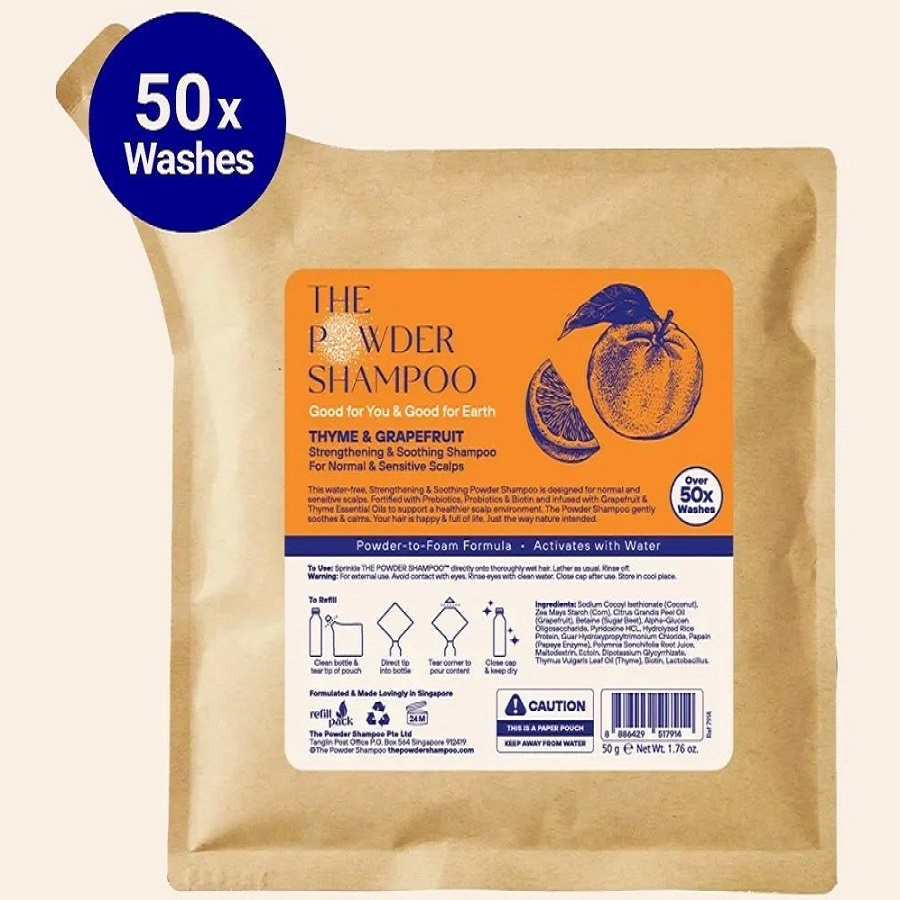
Do you need a beard shampoo, or will the one in your shower do?

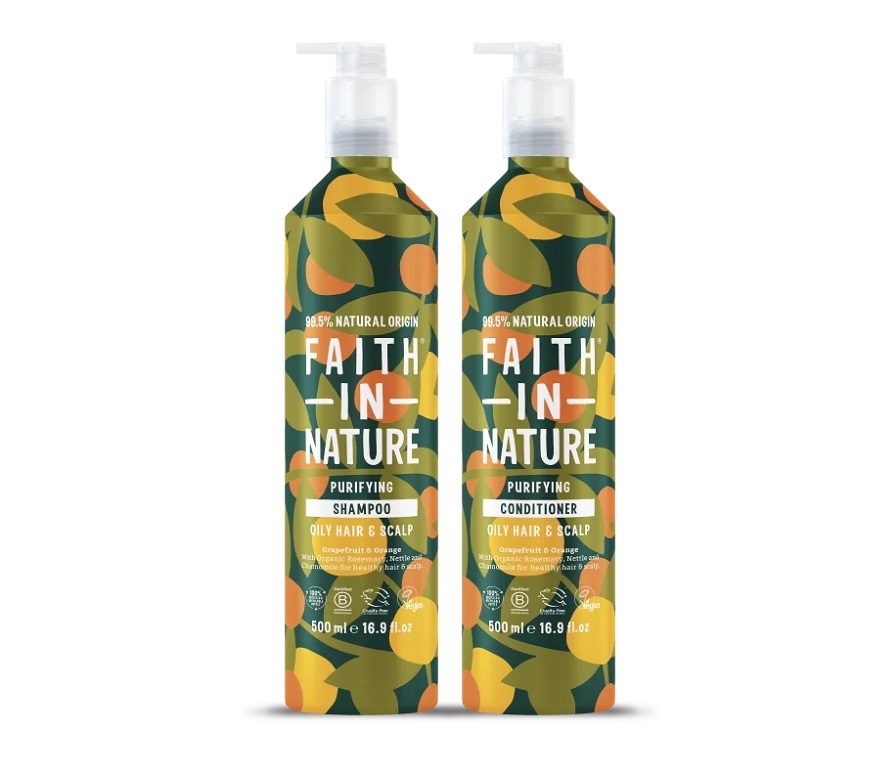
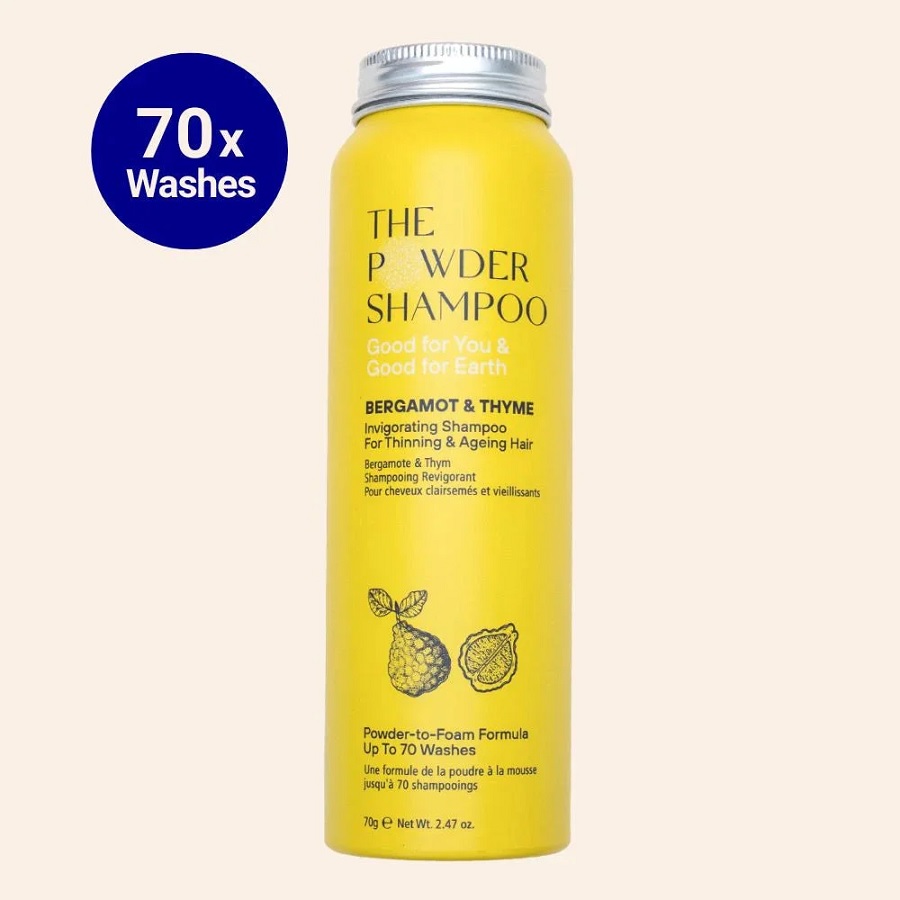
For most beards, the one in your shower is fine. A dedicated beard shampoo isn’t always necessary, particularly if you already use a gentle cleanser, because the variable that matters is how often you wash and with what strength, not whether the bottle says beard on it.
Facial skin is thinner than scalp skin and it is being washed more often.
The real risk is that a strong scalp shampoo used daily on the face strips the barrier and produces exactly the dryness the beard oil is then bought to fix. A gentle facial cleanser, or a mild shampoo used a few times a week rather than daily, avoids the problem at the source.
What does matter is technique. Use a good shampoo on the area and scrub down on the skin itself, so the suds clear the excess bacteria and shed skin cells rather than simply passing over the hair. The important part is cleansing the skin underneath, rather than focusing only on the beard.
If your skin is oily or acne-prone, a gel cleanser with salicylic acid earns its place. If it is dry or reactive, fragrance-free and creamy. Neither of those needs the word beard on the label.
Beard oil and beard balm are not competing products
They do different jobs, and the choice is about length, not preference. Oil is a skin conditioner that happens to travel down the hair. Balm sits on the surface, seals moisture in, and adds light hold. Almost every guide presents them as an either-or. Almost none says plainly that one of them is optional for most people.
At stubble length and on a short beard, oil is all you need. The skin is the whole problem and there is not enough hair to shape. Once the beard is long enough to hold a shape, balm starts to earn its keep, because by then it has surface area to lose moisture from and a form worth setting.
Balm is the one to skip if you are only buying one, unless your beard is long enough to have a shape worth holding.
There’s also something worth checking if you’re looking for a vegan option. Beard balm is conventionally formulated with beeswax, which is what gives it hold and occlusion. That quietly rules most balms out for anyone shopping Vegan, and no one flags it on the front of the tin. Candelilla and carnauba wax both work as substitutes, so a vegan balm is possible, it just has to be made deliberately. Check the ingredients rather than the marketing.
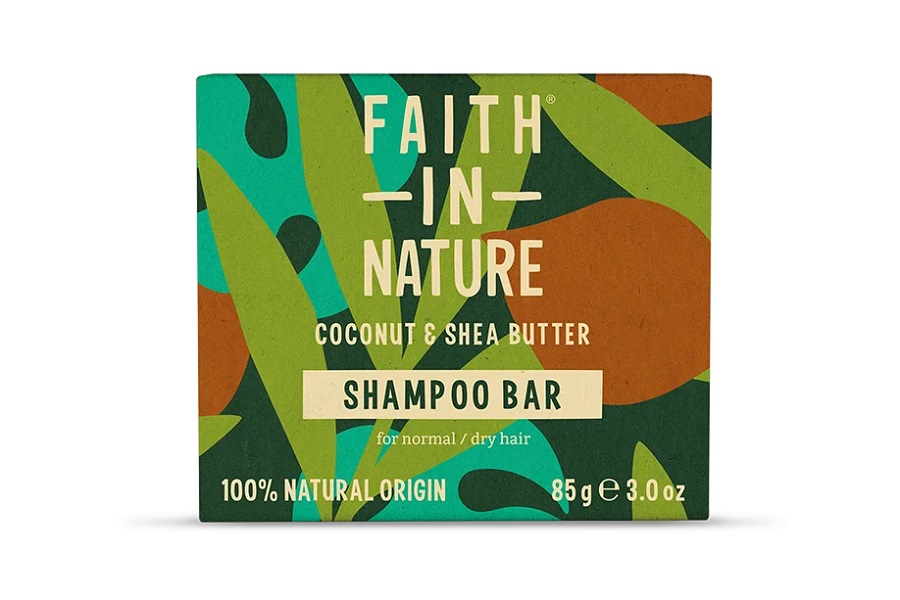
Everything in Beard Care is one of these two formats. For most routines, those two formats cover the main needs
Beardruff, itch, and the study everyone misquotes
Some common beard concerns need treatment, while others have been exaggerated. The flaking is real and treatable. The itch is usually the same thing. The hygiene panic is built on a study that was not about beards.
Flaking under a beard is more often seborrhoeic dermatitis than dryness, and the two respond to different things. It is driven by an inflammatory reaction to Malassezia yeast that lives on everyone’s skin, which is why oil alone never resolves it. “If you start to get red, scaly and itchy, over-the-counter anti-dandruff shampoos can be helpful to get rid of it,” says Vij. Ketoconazole, selenium sulfide or zinc pyrithione, used on the skin beneath rather than the hair. If it persists past a few weeks, see a GP or a pharmacist.
Ingrown hairs are the other genuine problem, and they belong to the Shaving end of the routine rather than the beard end. Shave with the grain, after warm water, with a blade you change often.
Then there is the claim you have seen a hundred times, that beards carry more bacteria than dog fur. It comes from a 2018 study in European Radiology by Andreas Gutzeit’s group, and the study was investigating whether dogs and humans could safely share an MRI scanner. It sampled 18 bearded men and 30 dogs, and included no clean-shaven control group. Total bacterial load did come out higher in the beards. But human-pathogenic organisms turned up in 7 of 18 beards against 4 of 30 dogs, a difference that did not reach statistical significance at p = 0.074.
It’s worth keeping that context in mind when you see the study quoted as evidence that beards are unhygienic
The larger study points the other way. Wakeam and colleagues sampled 408 male healthcare workers for the Journal of Hospital Infection in 2014 and found the clean-shaven ones were more likely to carry Staphylococcus aureus, 52.6% against 41.2%.
How to read a beard oil label in four seconds
A good cleansing and moisturising routine can address many of the basics before you add another product. But the skin under a beard in a British winter is drier than behaviour alone will fix, and that is a real gap rather than a manufactured one. An oil closes it. The question is which one, and the answer is on the back of the pack.
A carrier oil leads the ingredient list. Jojoba, argan, sweet almond, grapeseed, named individually. Jojoba is not technically an oil at all: it is a liquid wax ester whose fatty acids and alcohols resemble the wax esters in human sebum, which is why it integrates into the skin’s own lipids rather than sitting on top of them. If the first ingredient is a “fragrance oil blend” or an unspecified “natural oil complex”, put it down. The same carrier oils do the same work on the rest of the face, and the organic facial oils guide ranks them by the clinical evidence behind each one.
Fragrance sits below third position. Essential oils are fine and they are also the cheapest thing in the bottle. High in the list means you are buying a scent with a carrier, not a treatment with a scent.
A named certification, not the word natural. Natural means nothing and is not regulated. Organic under a named standard like Soil Association or COSMOS means something specific about how the oil was grown and processed.
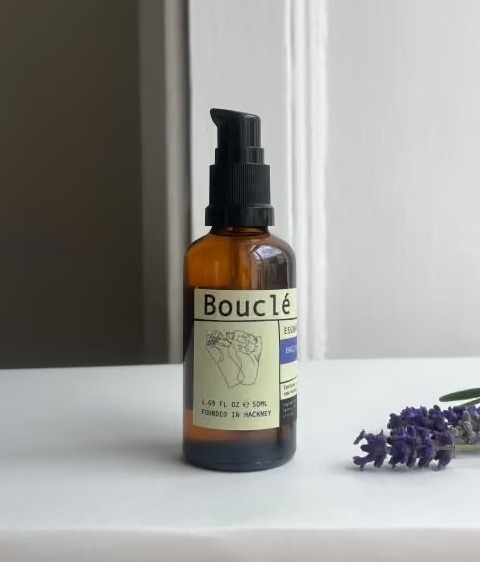
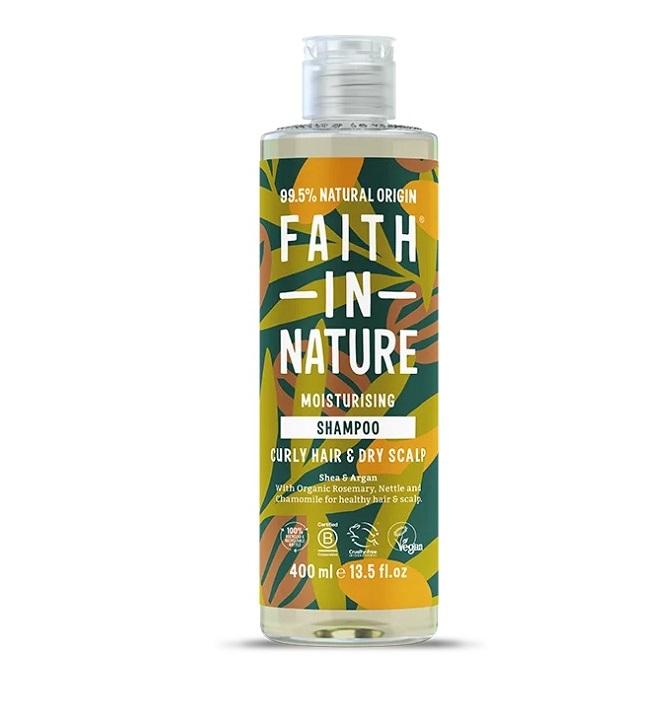
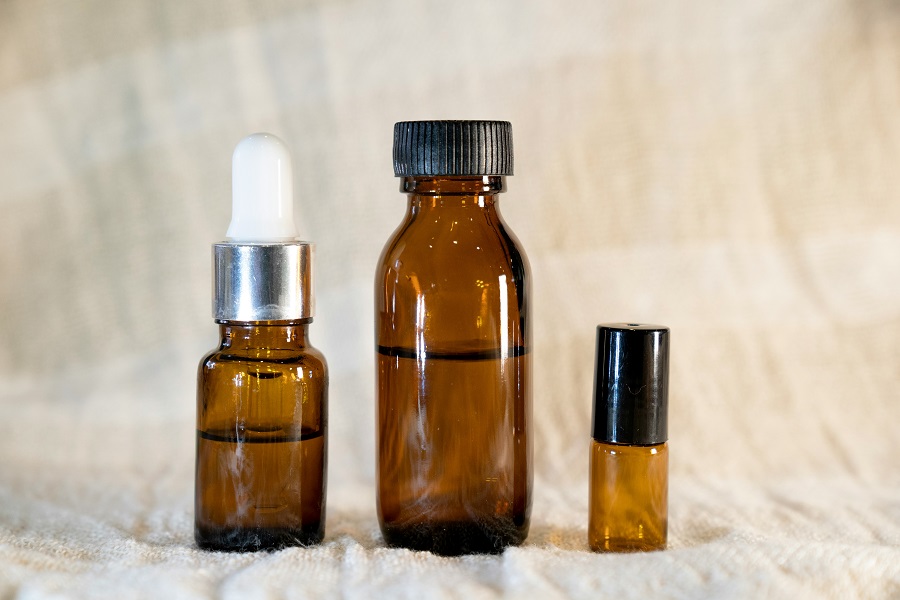
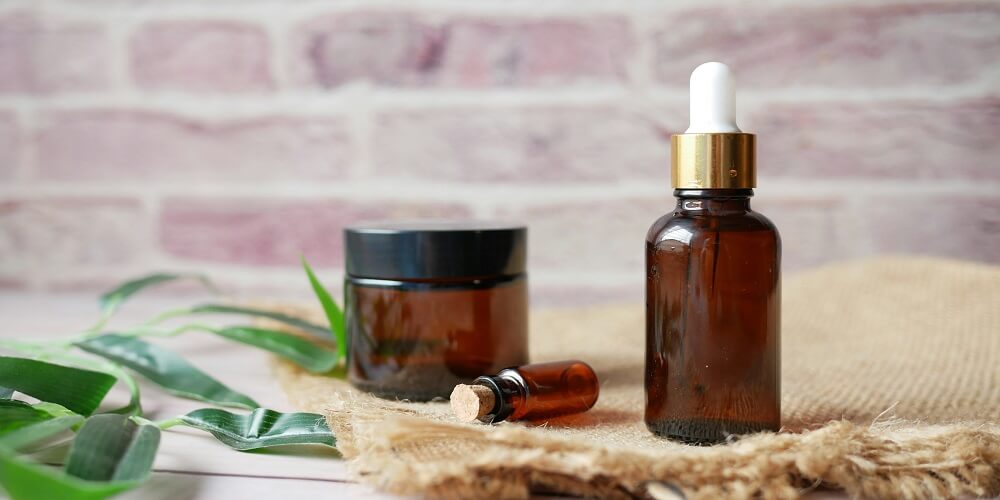
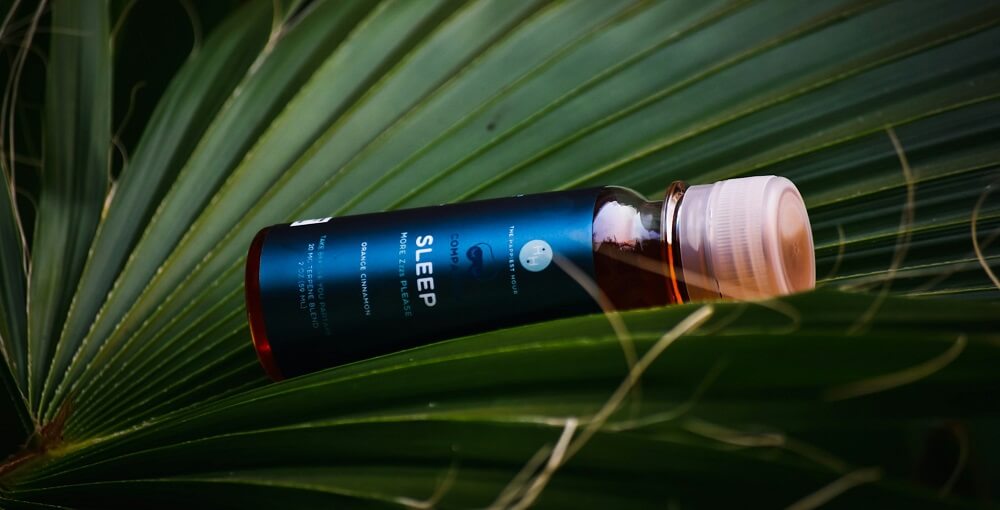
Glass with a pipette. Not aesthetics. The triglyceride oils, argan and sweet almond and grapeseed, go rancid as they oxidise, and a rancid oil is doing nothing useful on skin that is already irritated. Amber or dark glass slows it, a pipette limits air exposure, and a flip-cap plastic bottle does neither. Jojoba is the exception here, unusually stable, which is one more mark in its favour.
For balm, look for the wax by name. Beeswax, candelilla or carnauba, stated. If the tin will not tell you which, that is a formulation it does not want examined.
These checks can make it much easier to narrow down your options. Grooming & Shaving is where the oils and balms sit alongside the cleansers and shave products that do the upstream work, and every ingredient list is on the product page where you can apply the filter yourself.
The beard care routine that earns its place
A gentle cleanser used on the skin, not just the hair. One oil, chosen on ingredient order rather than on the label. A balm only if the beard is long enough to hold a shape. That is the whole thing, and it costs less than the starter kit.
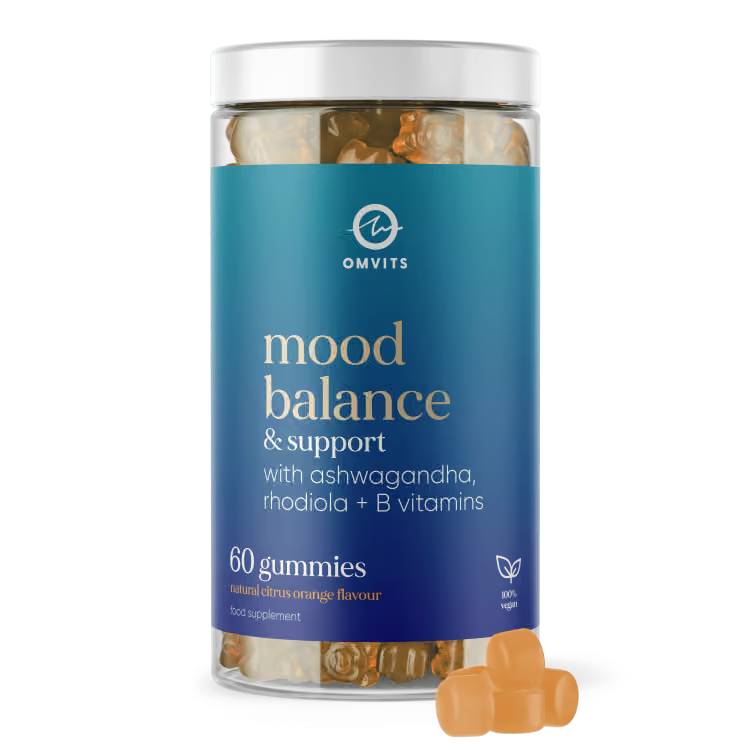
What you can skip: the dedicated beard shampoo, the growth serum, the vitamin gummies, the two-in-one conditioner, the scented spray, the derma roller, the second oil in a different scent, the subscription.
If you are buying this for someone else, the same filter applies and it travels well. Read the back of the pack, not the front.
FAQ
How often should you put oil on your beard?
Once a day for most people, applied to slightly damp skin straight after washing, and worked down to the skin rather than through the hair. More than that is the most common overcorrection for a problem that is usually washing frequency or water temperature. If your beard looks greasy by lunchtime, you are using too much or applying it to hair rather than skin.
Can you use hair conditioner on your beard?
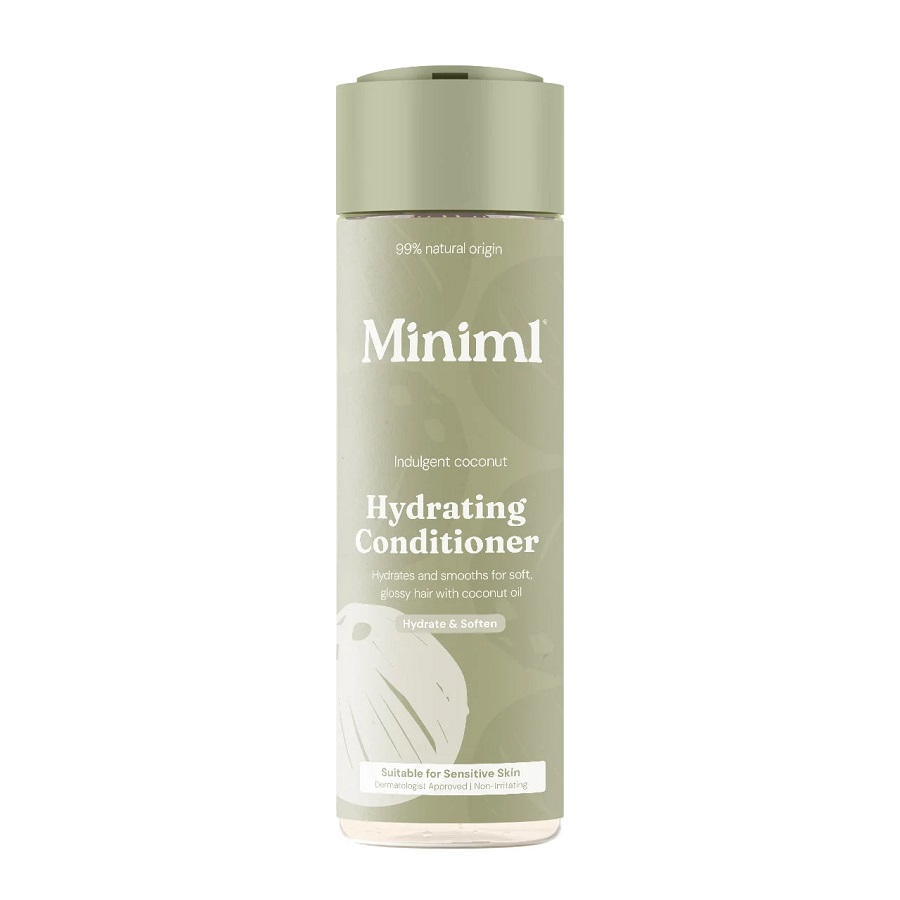
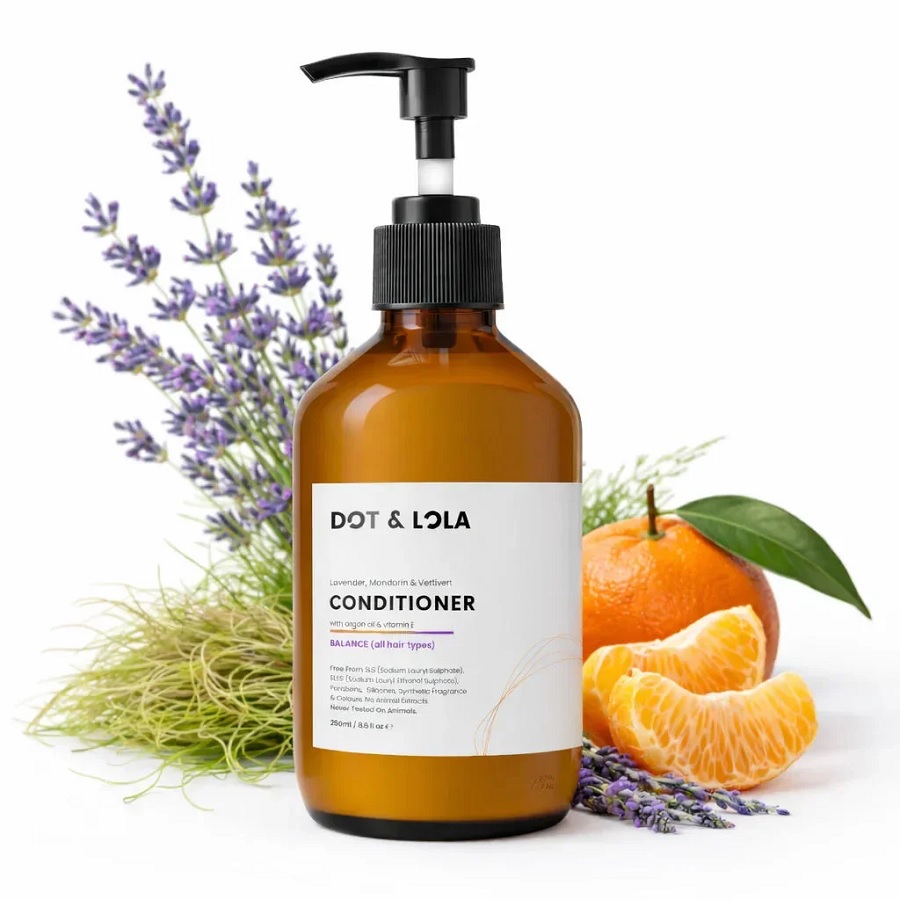
Yes for softening the hair, no as a substitute for treating the skin underneath. Scalp conditioners are formulated for hair density and washing patterns that do not match the face, and many are heavier than facial skin tolerates. If you use one, rinse it out fully and still moisturise the skin beneath afterwards.
Does beard oil help a patchy beard fill in?
No. Beard density is genetic and hormonal, and no topical oil changes either. What oil does is improve how the existing hair looks by softening it and changing how light sits on it, and by reducing the flaking that makes gaps more obvious. Any product promising growth is selling you something the ingredient list cannot deliver.