
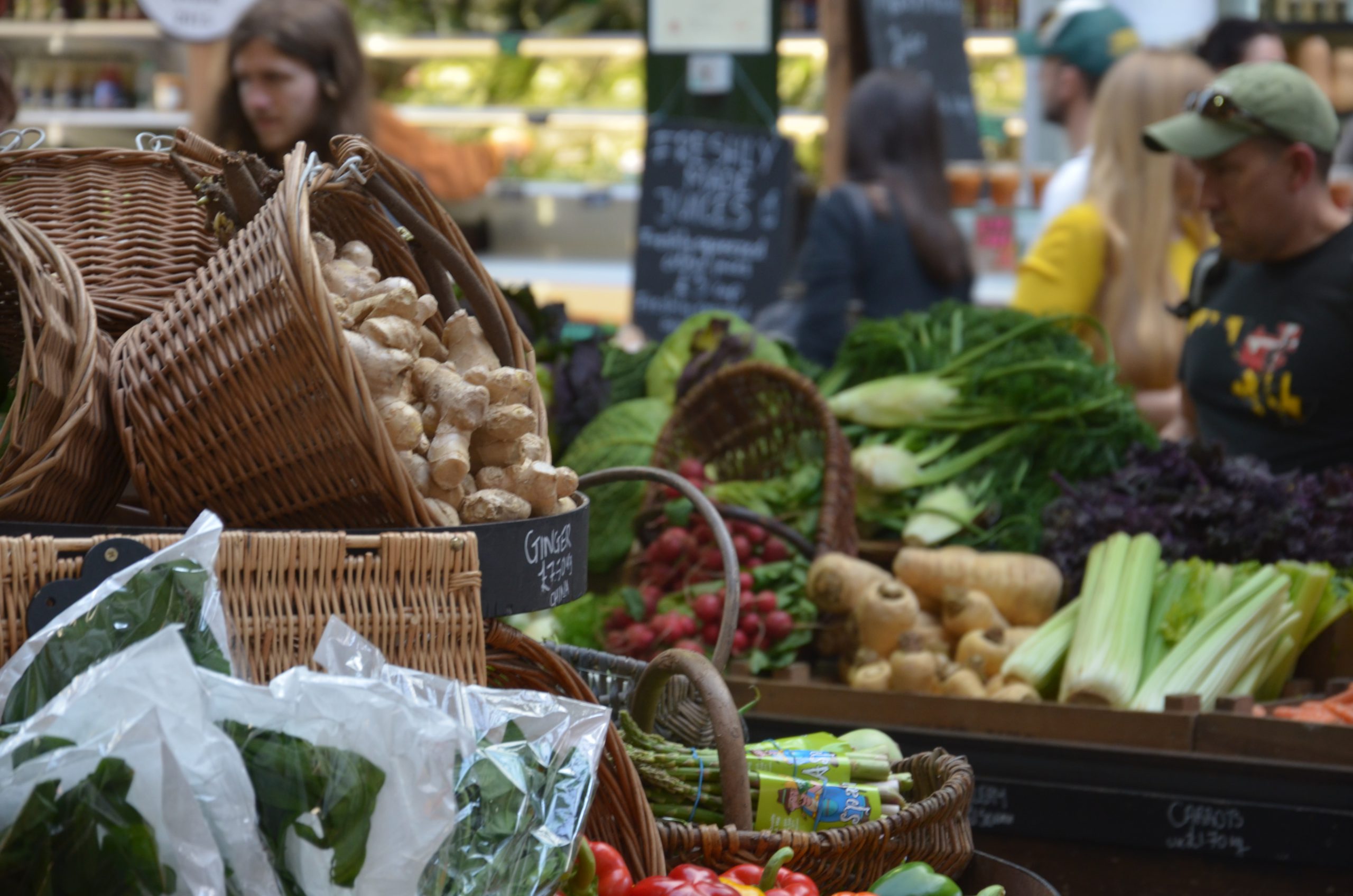
Household food waste in the UK runs at around 6 million tonnes a year, of which 4.4 million tonnes is edible food thrown away, according to WRAP’s 2022 Household Food and Drink Waste report. That comes to roughly 210 kilos per household, and a financial cost of around £1,000 per year for a family of four. The emissions cost is about 16 million tonnes of CO2 equivalent, which is more than some small countries’ total annual output.
The point of this statistic is not to make you feel bad. It is that the single highest-leverage sustainability intervention most UK households can make – higher than switching to a green tariff, higher than cutting car journeys, higher than almost any specific eco-swap you could name – is wasting less of the food they already buy. The environmental saving is real. The financial saving is substantial. And the behaviour change required is smaller than people expect.
This is a guide to the grocery shop that makes that shift happen in practice. Not a new diet. Not a shopping list of unfamiliar products. Just the specific habits that WRAP’s own research consistently finds separate households that waste a lot of food from households that waste very little.
The single fact that matters most
Nearly 40% of edible food wasted in UK homes is thrown away because it was not used in time, according to WRAP’s research. Another quarter is because people cooked, prepared or served too much. A further 22% is waste because people decided they did not want to eat something.
None of that is primarily a product problem. All of it is a planning problem. The bread goes stale, the salad wilts, the second half of the yogurt pot times out, the ambitious Thursday dinner does not actually get cooked. What happens in the kitchen is downstream of what happened at the shop. The shop is where most of this gets fixed.
Six steps, applied in order, do most of the work.
Step one: shop your kitchen before you shop the shop
Fifteen minutes at home before you write a list. Open the fridge, the freezer, the dry-goods cupboard, the fruit bowl. Note what is about to turn. Note what is already there. Build the week’s meals around using those things first.
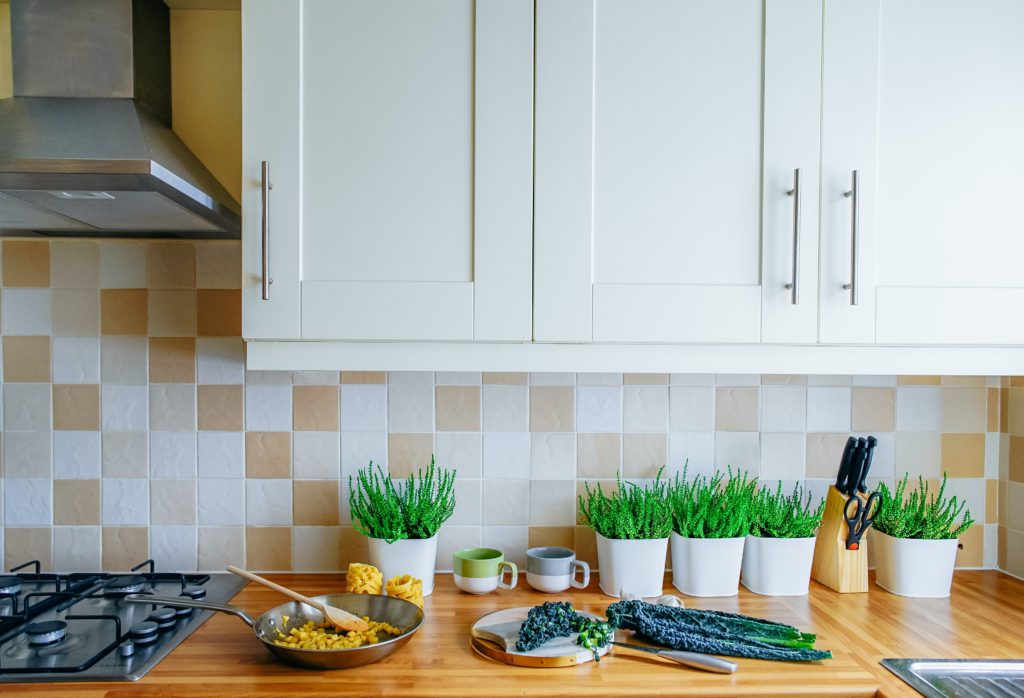
This step alone prevents duplicate buying, catches the food about to expire, and puts the ingredients you already own at the front of the week rather than at the back. A half-onion, a wilting pepper, and a handful of frozen peas become the base of a curry on Monday rather than bin contents on Sunday.
The mental shift: search for recipes that use what you have, not recipes that require you to buy everything. A quick search on any recipe site, or the BBC Good Food “what’s in your cupboard” function, will turn up four or five options for almost any combination of leftovers.
Step two: plan seven days on paper
Fifteen more minutes with a piece of paper. Breakfast, lunch, dinner, for seven days. Not elaborate. Beans on toast counts. Jacket potato counts. A repeat of Tuesday’s dinner on Wednesday with the leftovers counts.
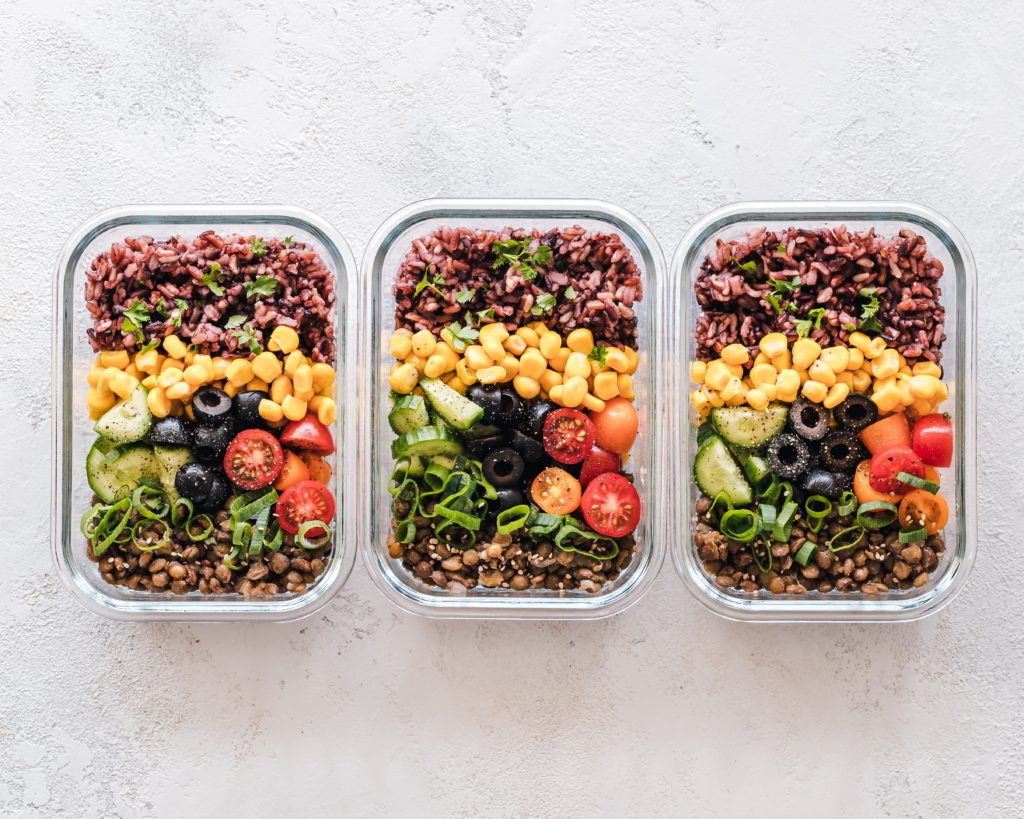
Assume two meals will go off-plan (unexpected takeaway, dinner at a friend’s, a rushed Tuesday when you grab a sandwich at work). Build five or six meals into the plan rather than seven. The flex matters. A rigid seven-meal plan that collapses on Thursday leaves ingredients stranded.
From this plan, write your shopping list. This single habit – planning meals before writing the list – is what WRAP research repeatedly identifies as the largest behavioural lever on household food waste.
Step three: buy only what you can actually store
The family-pack temptation is the biggest single driver of supermarket over-buying. A five-pack of peppers at a 20% discount is only a saving if you eat all five. For a household of two, it usually is not.
The rule that works: buy the quantity your meal plan calls for, plus a small buffer for sandwiches or breakfast. Not a discount-triggered quantity. Not a “might-need-it” quantity. The supermarket’s per-unit discount is often worse value than the smaller pack you will actually finish, once spoilage is factored in.
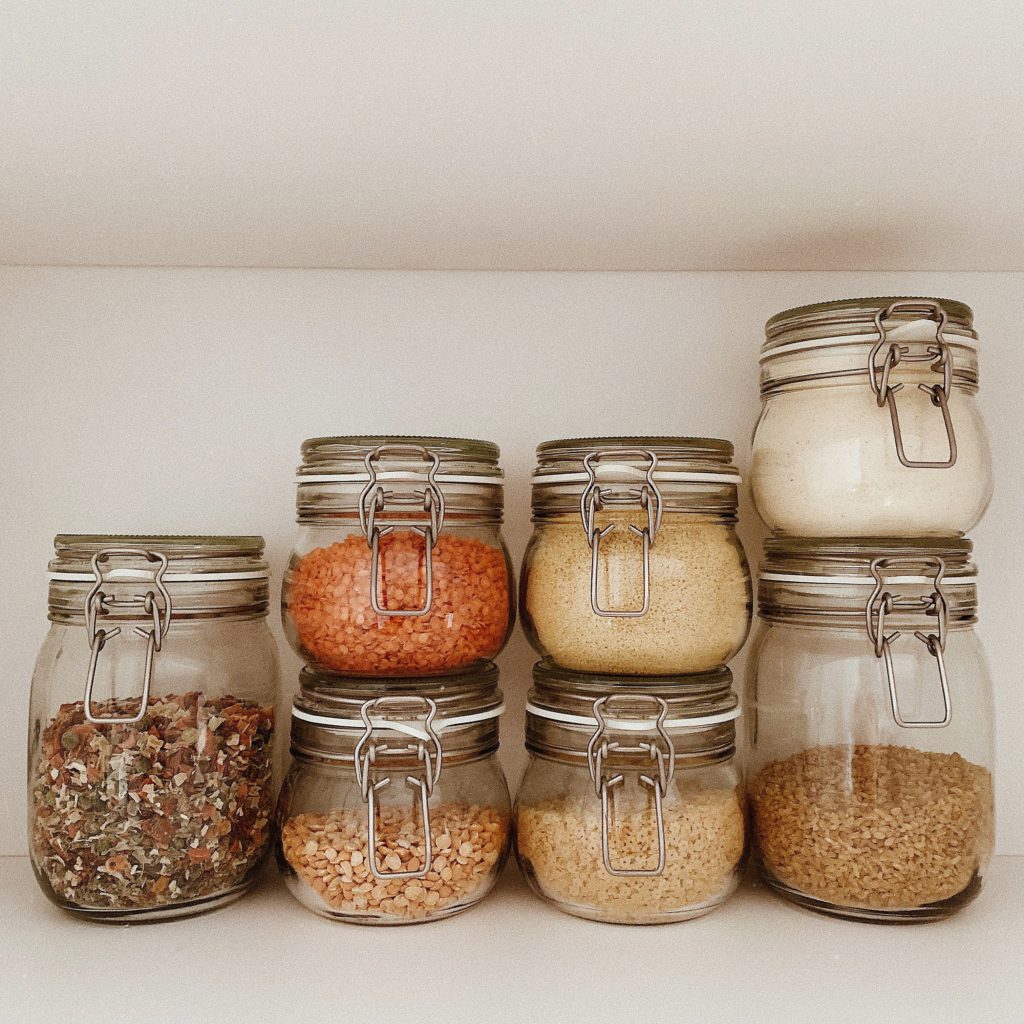
Good storage extends what you do buy. Glass jars for dry goods let you see what you have and how much is left. A fridge with clear containers at the front, rather than a drawer of opaque Tupperware at the bottom, means food you meant to eat gets eaten. The best storage tends to be clear, airtight, and visible. Most of it does not have to be new: repurposed jam jars and takeaway containers work as well as anything sold for the purpose.
Step four: take bags, and containers, to the shop
The UK’s plastic bag charge — introduced at 5p in 2015 and extended to 10p across all retailers in 2021 — has significantly reduced single-use carrier bag sales. According to DEFRA’s most recent carrier bag charge data (2024–25), sales by major retailers in England are down 79% since the first full year of reporting in 2016–17, equivalent to approximately 8 bags per person per year compared to an estimated 140 bags per person before the charge was introduced — a reduction of nearly 94% from the pre-charge baseline. Since its introduction, the charge has raised over £1.3 billion, most of which retailers have donated to good causes. Most households now have a small collection of reusable bags. The question is whether you remember to bring them.
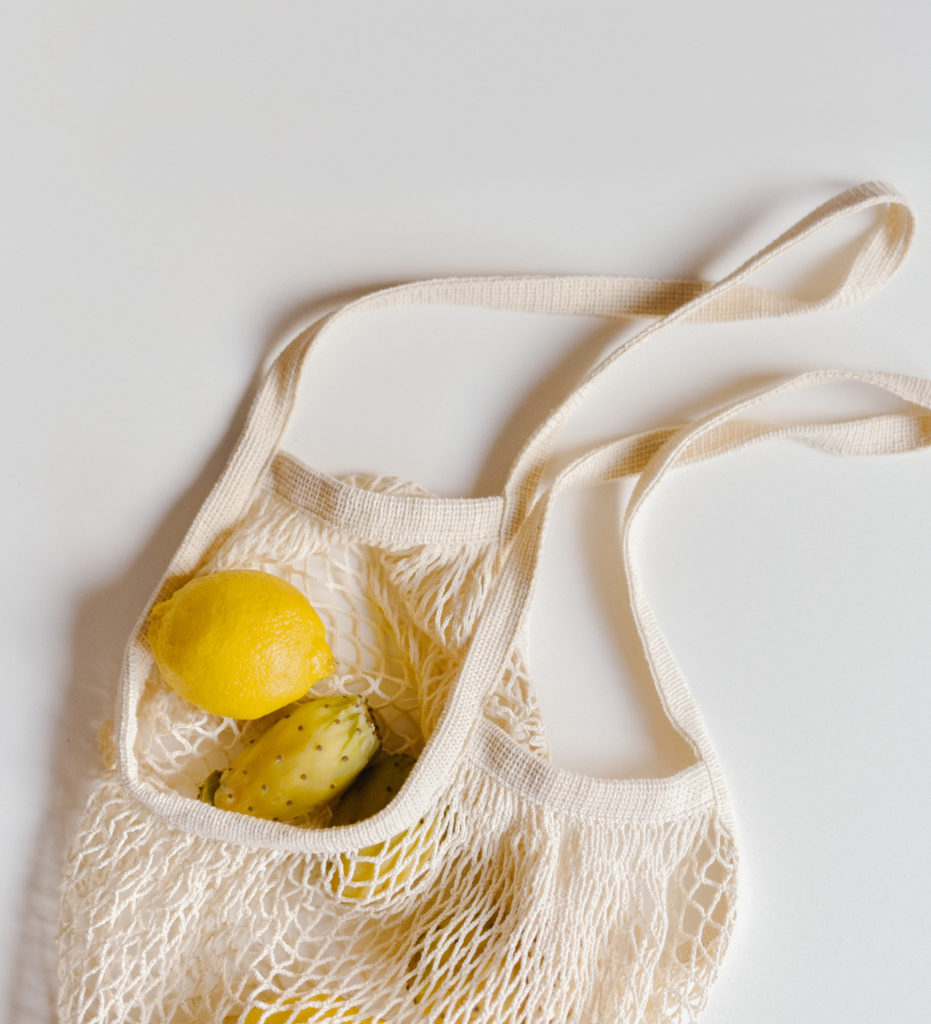
The habit that works: keep a rolled-up tote bag in every coat pocket, handbag, and glove compartment you use. The single thing that breaks this habit is leaving the bags at home. Store them where they will be picked up automatically rather than where they have to be remembered.
For the next step up, bring reusable containers for counter services: butcher, deli, fishmonger, bakery. Many counter staff will happily tare your container on the scales. Some supermarkets now accept the same at their fresh counters. The small friction of asking disappears after two or three tries.
Step five: shop loose where you can, local where it works
Loose fruit and vegetables are usually cheaper than the pre-packed versions. The packaging accounts for a meaningful part of the supermarket price, and buying loose lets you take exactly the quantity you need. Most UK supermarkets now offer loose variants for common items. The selection expands every year.
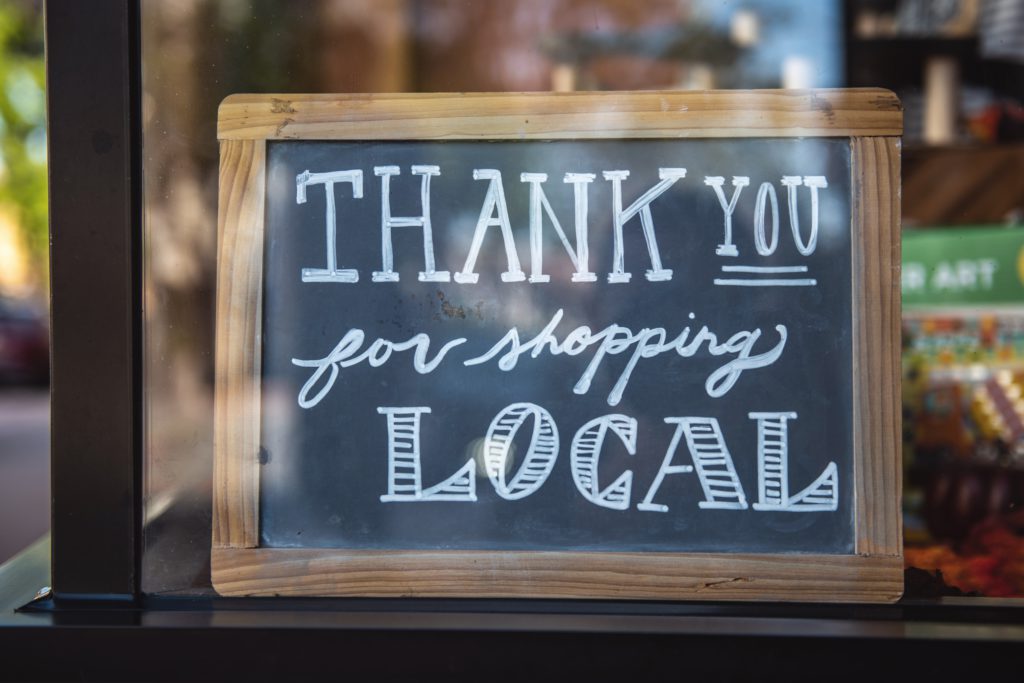
Local greengrocers, market stalls and farmers’ markets tend to stock loose produce as the default, often at prices below supermarket pre-packed equivalents. They are also useful for the things supermarkets do badly: properly ripe fruit, seasonal vegetables, bread with a short ingredient list.
Not everything has to shift. A weekly supermarket shop for the majority of your groceries, plus one weekly visit to a greengrocer or market for fresh produce, is a realistic split for most urban households. For the broader category of refillable and reusable groceries, our plastic-free living guide covers the household-wide version of this habit.
Step six: buy versatile, cook repeatedly
The single biggest predictor of whether a specialist ingredient gets used is whether it appears in more than one recipe you cook regularly. The fancy jar of miso, the unfamiliar grain, the single-recipe sauce – these are the items most likely to sit in the cupboard for a year and then be thrown out.

Stock versatile staples. Tinned tomatoes. Dried lentils and beans. Rice, pasta, oats. Onions, garlic, ginger. Olive oil, stock cubes, a small selection of dried herbs and spices you use often rather than a large selection you use rarely. These cover hundreds of meals between them.
Treat the specialist ingredient differently. Either buy the smallest quantity available (many spice shops and zero-waste shops sell spices by the gram), or commit to cooking the dish that uses it at least twice within a month. The second-cook principle converts most single-recipe buys into regular-pantry items.
What this looks like after six weeks
The honest end-state for most households who adopt these six steps is:
Shopping trips are slightly shorter because the list is specific and the store layout is familiar. The weekly bill is typically 15 to 25% lower, because the over-buying has stopped. The bin of edible food thrown away at the end of the week has dropped substantially. The fridge, at the point of the next shop, is empty rather than stacked with things to be rushed through. The occasional genuinely ambitious meal – the Sunday roast, the birthday dinner – still happens, but on top of a steady rhythm of simpler weeknight meals rather than in place of them.
This is not a lifestyle. It is a slightly better version of something you already do every week. The environmental benefit is a side effect of the fact that shopping with a plan is also cheaper, calmer, and quicker.
Where to start on Ziracle
Every brand in our Food and Drink edit has been assessed against the same standard: honest ingredients, transparent sourcing, and packaging that earns its place rather than only its marketing. Filter by Organic for produce and pantry staples certified to proper standards, or by Plastic Free for the items where the packaging is as considered as the contents.
For the storage side of the shift, Refills and Reusables covers containers, bags, wraps and the other small items that make the rest of this guide easier to maintain.
For the wider argument about how grocery shopping fits into household consumption overall, see our guide to what is conscious consumerism.
If food is where you are starting your broader sustainability shift, Eat Well is the goal page to bookmark.
FAQs
WRAP’s estimate is that UK households of four waste around £1,000 of food a year on average. A meal plan that cuts that waste in half saves roughly £500, which is more than most people save through any single other sustainable-living change. The bigger saving often comes from shopping to a list, which reliably reduces impulse purchases by a significant margin across most households.
Per-meal, almost never. Staples bought in reasonable quantities – rice, pasta, pulses, onions, tinned tomatoes, a few vegetables – make meals at under £2 per person that compete with the cheapest end of ready meals. The gap grows as you move up the ready-meal price range. The argument against cooking from scratch is almost always time rather than money, and batch-cooking (cooking once, eating twice) closes most of that gap too.
Usually yes, by 10-30% on unit price, because you are not paying for the plastic wrap and the portion decision is yours. There are exceptions – some multi-buy offers on pre-packed items beat loose prices – but in general, loose is the better default. Check per-kilo prices rather than pack prices if you want to be sure.
The core techniques are batch cooking, freezing, and casual improvisation. Wilting vegetables become soup. Stale bread becomes croutons, breadcrumbs or French toast. Yoghurt approaching its date works in marinades, baking and smoothies. The Love Food Hate Waste website has sections on “what can I do with” specific ingredients if improvisation is not your strength. Freezing is dramatically underused: most things freeze well if bagged properly, and the freezer is where your edible food waste largely stops being waste.
Yes, substantially. WRAP estimates that UK household food waste alone produces the equivalent of around 16 million tonnes of CO2 a year, partly from the emissions embedded in producing the food and partly from methane when it rots in landfill. Globally, food waste accounts for an estimated 8 to 10% of greenhouse gas emissions. Reducing food waste is genuinely one of the highest-leverage household interventions on the climate side as well as the financial side.