
Most zero waste lists are alphabetical, or organised by room, or just everything someone could think of dropped into a single bulleted dump. None of that tells you where to start. This is the version that does.
Every swap here has been checked for actual impact and actual performance. They’re in order, highest return first. The deep-dive articles are linked where the detail lives.
How to use this list
Work top to bottom. Don’t buy anything new to make a swap happen. Use what you already own until it runs out, then replace it with the better version. The most sustainable product is always the one you’ve already bought.
If a swap isn’t on this list, it’s either in the “not ready yet” section at the bottom, or it’s one of those things that sounds important but isn’t.
Start here. The highest-return swaps
These three come first, regardless of which room you’re starting in. Between them they cover the highest-volume, most repeatable categories of household plastic.
01. Switch cleaning products to concentrated refillable formats
A refillable glass or aluminium bottle plus concentrated tablets or drops replaces an entire under-sink cabinet of single-use plastic. Which?’s analysis of refillable and concentrated products found concentrated formats use substantially less plastic and far less water than ready-mixed sprays, because you’re not shipping water around the country, and that 11 of 12 popular refillable products tested worked out cheaper per ml than their original counterparts. For most households this is the biggest single swap. Full guide: eco swaps for home. Shop: Refillable Multi-Surface.
02. Switch laundry detergent to laundry sheets
Detergent bottles are bulky, heavy, almost never recyclable, and replaced constantly. Laundry sheets in cardboard packaging do the same job and produce none of the packaging. Modern formulations work at all temperatures in all machine types. Shop: Refillable Laundry.
03. Buy loose fruit and vegetables where you can
Food and drink packaging made up 81% of the plastic items counted in the 2024 Big Plastic Count, run by Greenpeace UK and Everyday Plastic — the largest UK household plastic survey to date, involving 225,000 participants. Fresh produce is one of the biggest single categories within that. Bring your own bag. Buy loose where available. Choose cardboard or paper over plastic film where it’s not.
Full guide: eco swaps for food and drink.
The bathroom
04. Shampoo bar (syndet, not soap-based)
One bar replaces two to three plastic bottles. The key: buy a pH-balanced syndet bar, not a traditional soap bar. A 2014 review in the International Journal of Trichology found syndet cleansers are gentler on the hair cuticle and scalp than soap-based formulas. Give any new bar three to four washes before judging. Full guide: eco swaps for beauty.
05. Reusable cotton rounds
One of the fastest payback swaps on the list. A pack of ten reusable cloth rounds replaces hundreds of disposable cotton pads over a year. Machine washable. No adjustment required.
06. Refillable deodorant
Refillable aluminium deodorants with replaceable inserts perform as well as conventional roll-ons for most people. Higher upfront cost, lower ongoing cost and waste. Shop: Refillable Deodorant.
07. Bamboo toothbrush
The handle composts, the nylon bristles still go in general waste. Imperfect, but a clear improvement on a fully plastic brush replaced every three months.
08. For activewear, look for OEKO-TEX Standard 100
Testing reported by Environmental Health News in 2022, and a 2024 follow-up testing 32 brands, both using EPA-certified labs, found that around one in four pairs of popular leggings had detectable fluorine (a PFAS indicator), with the pattern persisting despite brand pledges to phase PFAS out. OEKO-TEX Standard 100 screens for these. Natural fibres work for lower-intensity exercise where moisture-wicking matters less. Full guide: eco swaps for fashion.
The kitchen and food shopping
09. Reusable water bottle and coffee cup
The most avoidable single-use plastic in most people’s daily lives. One good bottle removes the category. Shop: Water Bottles.
10. Glass, cardboard or aluminium over plastic for pantry staples
Passata in a carton rather than a plastic bottle. Tinned tomatoes rather than plastic pouches. Nut butter in a glass jar rather than a plastic tub. Identical product inside. The packaging decision costs no extra effort at the point of purchase. Shop: The Pantry.
11. Beeswax wrap for most uses
Cling film is almost never recyclable by UK councils. Beeswax wrap covers bowls, wraps sandwiches, keeps cut vegetables fresh. Doesn’t work for raw meat, needs cold water for washing. Otherwise, a direct replacement.
12. Compostable kitchen sponge
Research published in 2022 in Science of the Total Environment estimated that a single synthetic kitchen sponge can release millions of microplastic fibres over its lifetime, mostly into wastewater. Loofah, wood-pulp cellulose and sisal scourers do the same cleaning job without the plastic. Low cost, no adjustment.
13. Buy in bulk for staples you use reliably
Oats, rice, lentils, flour. Larger bags produce less packaging per portion. Many zero-waste shops also offer loose options. Shop: Bulk Pantry.
14. Reusable produce bags
Lightweight mesh or cotton. Replaces the roll of thin plastic bags. Washes easily, lasts for years.
Cleaning and laundry (beyond the two big wins above)
15. Washing-up liquid: switch to concentrate or a solid bar
Concentrated washing-up liquid diluted into a refillable bottle reduces bottle turnover considerably. A solid bar eliminates it entirely. Shop: Refillable Washing Up.
16. Dishwasher tablets in plastic-free packaging
Most conventional tablets come individually wrapped in plastic film inside a plastic tub. Cardboard-boxed or compostable-wrapped alternatives perform comparably.
17. A Guppyfriend bag for washing synthetics
Catches microplastic fibres shed during washing before they enter wastewater. Works with any machine, any detergent. Not a fix at source, but a meaningful reduction.
Fashion and wardrobe
18. Buy secondhand first
For jeans, knitwear, outerwear, basics, the UK secondhand market is deep. Vinted, Depop, eBay, charity shops. Essentially no manufacturing footprint beyond transport.
19. Wear things more
The biggest environmental lever in fashion isn’t what you buy. It’s how many times you wear it. WRAP’s research consistently finds that extending the active life of a garment by nine months reduces its carbon, water and waste footprints by around 20 to 30%. Cost per wear is the right frame: a £90 well-made item worn 90 times costs £1 per wear. A £15 fast-fashion equivalent worn five times costs £3 per wear.
The most sustainable product is always the one you’ve already bought.
20. When buying new, look for OEKO-TEX, GOTS or named factories
The signals that a brand has thought beyond the label.
21. Wash at 30 degrees and line dry
A life-cycle analysis by WRAP found that the use phase (washing, drying, ironing) accounts for a meaningful share of a garment’s total carbon footprint. One of the lowest-effort reductions available.
The ones that aren’t ready yet
Some things get asked about a lot. These are the honest answers.
Crisp packets and snack packaging. Almost all of it is plastic film or foil-laminate, collected by almost no UK councils. TerraCycle runs drop-off schemes for some brands. Not yet a consumer problem with a consumer solution.
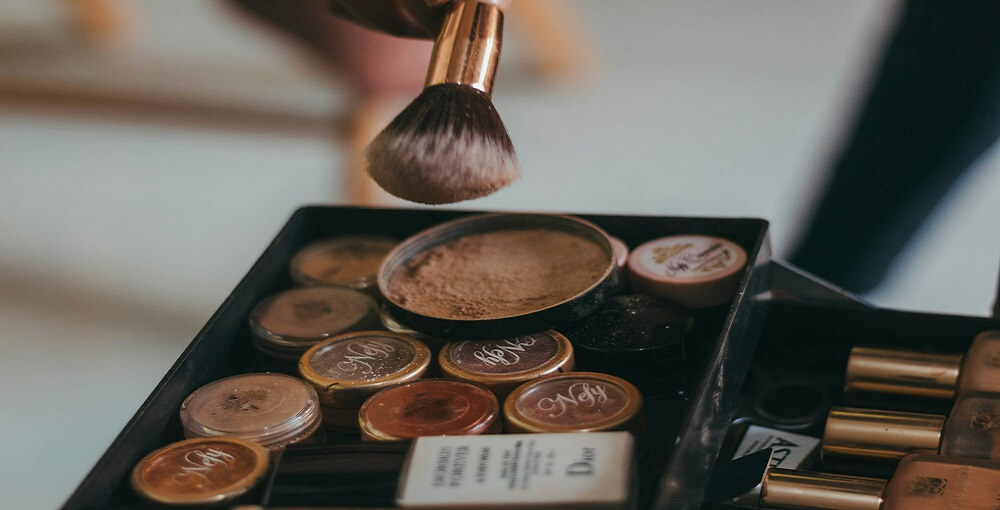
Mascara, most foundations, and multi-component cosmetics. The packaging on these hasn’t been solved at scale. Buy less, use products fully, use TerraCycle points where available.
Compostable bin liners for general waste. They need industrial composting conditions to break down, which most UK councils don’t provide. Recycled-content plastic liners are the more honest swap for general waste until kerbside infrastructure catches up. Compostable liners do work for food caddy liners going to food waste collection.
Textile recycling into new garments. According to the Ellen MacArthur Foundation, less than 1% of the material used to produce clothing is recycled into new clothing, because the fibre-to-fibre infrastructure doesn’t yet exist at scale. Donation and secondhand keep clothes in use. Actual closed-loop recycling is not a real option for most consumers yet.
You now have the list in the right order. Next time something runs out, you know exactly what to replace it with.
Ready to start? Browse the Refillable edit and pick one swap to begin with.
FAQs
Switching from conventional spray cleaners to concentrated, refillable alternatives. Cleaning products cycle through the average household faster than almost any other packaged category, and a refillable bottle with concentrate tablets removes most of the single-use plastic from the under-sink cupboard. Which?’s testing found concentrated formats use substantially less plastic and far less water than ready-mixed sprays, and that refillable formats are typically cheaper per ml than their original counterparts.
No, and it’s a bad idea to try. The right approach is to use what you already own, then replace each item with a better version when it runs out. Cleaning products cycle fastest, so start there. Fashion and home decor cycle slowest, so those change over years rather than weeks. Trying to switch everything in one go is both wasteful and expensive.
Food and drink packaging. The 2024 Big Plastic Count found it accounted for 81% of the plastic items thrown away by the average UK household each week, broadly consistent with the 83% recorded in the first count in 2022. That’s why the food aisle is the biggest remaining opportunity once you’ve tackled cleaning and beauty. Much of it is harder to change, because so much of it is supermarket decision rather than consumer decision, but loose produce, carton over bottle, and glass over plastic all count.
It depends how you count. Upfront, some are more expensive (a refillable aluminium deodorant case, a stainless steel water bottle). Over the lifetime of the product, almost all are cheaper, because the refills cost less than replacement units and the item itself lasts far longer. The genuinely cheaper categories from day one: soap bars versus liquid body wash, laundry sheets versus liquid detergent, and reusable cotton rounds versus disposables.
Only if it ends up somewhere that can compost it. Compostable food-caddy liners work because food waste goes to industrial composting facilities. Compostable general-waste liners usually don’t, because they need the same conditions to break down and most UK councils don’t offer that pathway for general waste. The rule of thumb: compostable is only genuinely better than recycled plastic where there’s a real route for it to be composted.