

Natural deodorant: plastic-free sticks & tins
29 products4 brandsfrom £6
Natural deodorant in plastic-free sticks, tins and kraft paper tubes, with bicarb-free formulas for sensitive skin.Natural deodorant in plastic-free sticks, tins and kraft paper tubes, with bicarb-free formulas for sensitive skin. Organic deodorant options use plant oils and butters. Give a plastic free deodorant two to three weeks, as your body adjusts after switching from antiperspirant.
29 products4 brandsfrom £6

SKNFED
Discovery Travel Kit


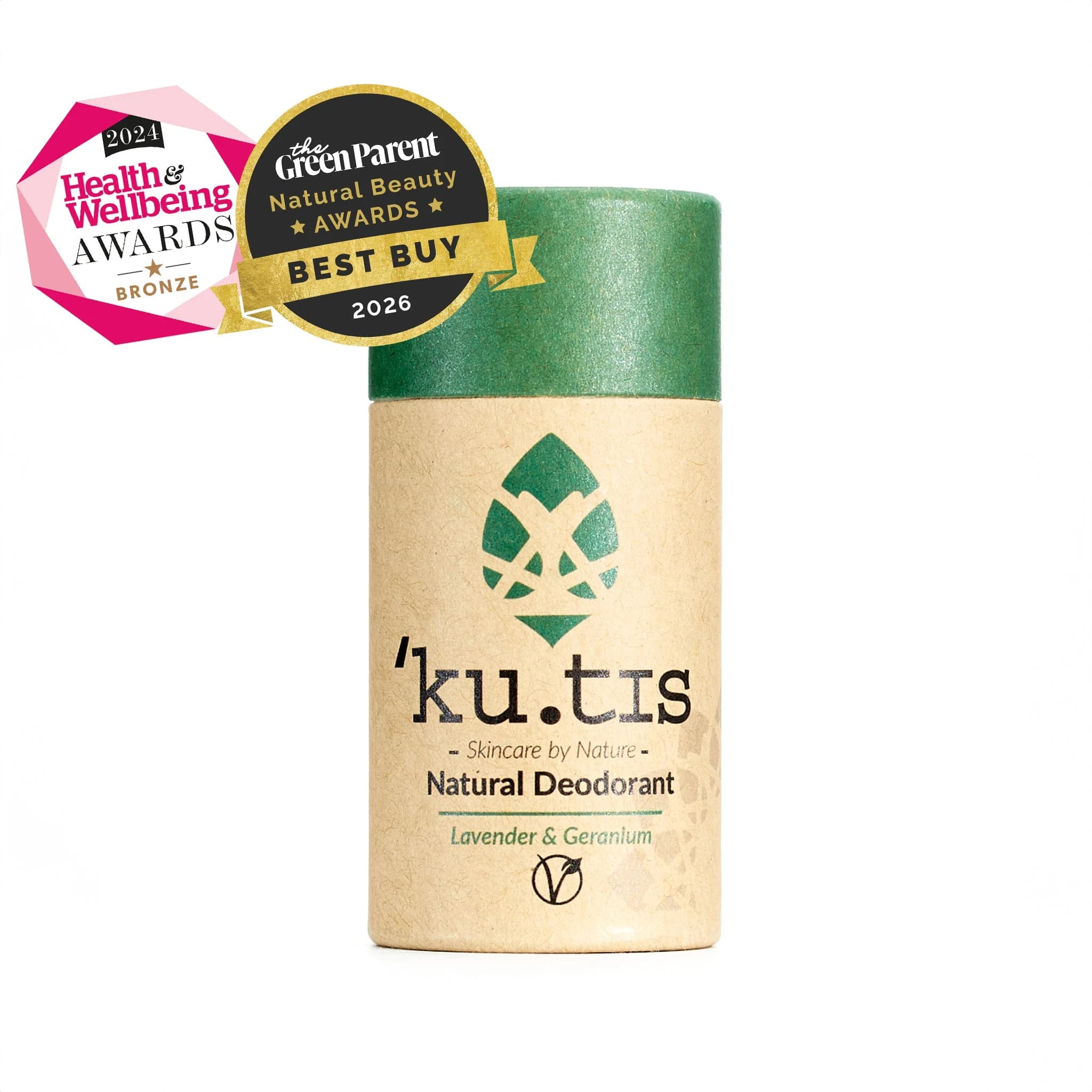

Kutis Skincare
Bright & Zesty Bundle





Showing 20 of 29 products
Load moreMore in Body & Bath
How natural deodorant works
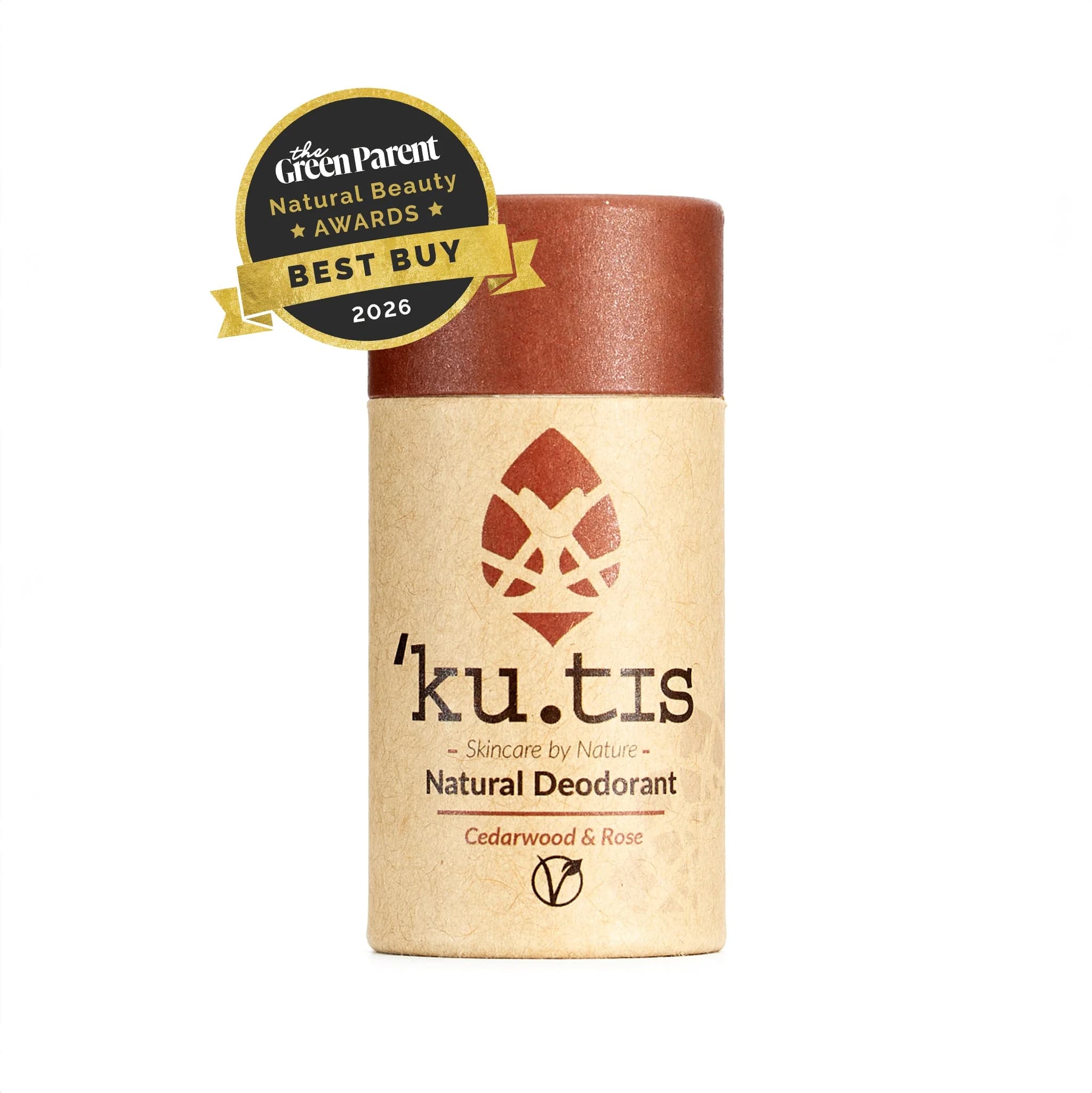
Natural deodorant neutralises odour and absorbs moisture instead of blocking sweat. That is the main difference from a conventional antiperspirant, which uses aluminium salts to reduce sweating. These formulas let you sweat but keep you smelling fresh, usually with ingredients such as bicarbonate of soda, arrowroot powder, kaolin clay and plant butters. Many people need a week or two to adjust when they switch. Kutis Skincare makes most of the range here, in sticks and tins, using bicarbonate of soda to neutralise odour, arrowroot to absorb moisture and coconut oil to condition the skin.
Bicarb-free deodorant for sensitive skin
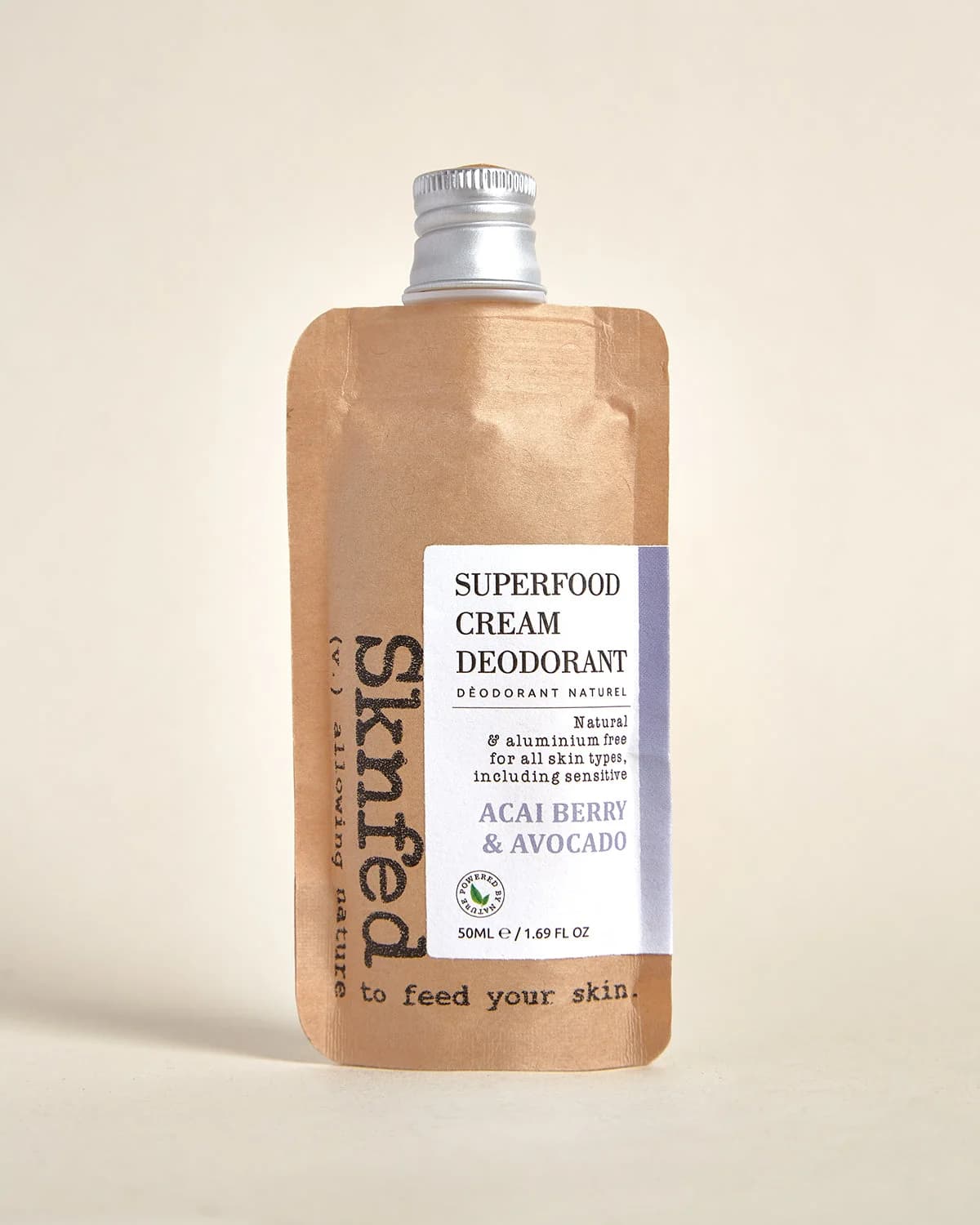
Bicarbonate of soda works well for many people but can irritate sensitive underarms. If you notice redness, switch to a bicarb free deodorant, which uses ingredients such as arrowroot, kaolin and zinc instead. Kutis makes bicarb-free versions of several scents, and SKNFED makes a cream deodorant with arrowroot, kaolin, shea butter and avocado oil. Sensitive skin deodorant works best applied to clean, dry skin, and not straight after shaving.
Plastic free deodorant and natural deodorant sticks
Plastic free deodorant comes in tins, glass jars or paper tubes instead of plastic. A natural deodorant stick in a push-up paper tube is the easiest swap from a conventional stick, while a tin or cream is applied with your fingertips. Kutis and Sintra Naturals make vegan deodorant sticks, SKNFED packs its cream deodorant in kraft paper, and Haoma makes organic deodorant in fresh and floral scents. Plastic Free Deodorant and Vegan Deodorant narrow the range.
Making the switch to natural deodorant
Apply a small amount to clean, dry skin and let it warm before spreading, especially from a tin. Reapply in the afternoon on busy days, and wear breathable fabrics such as cotton and linen while your body adjusts. Keep sticks somewhere cool in summer, because plant butters soften in heat. If a stick feels hard in winter, hold it against your skin for a few seconds before applying so it glides on. The best natural deodorants, and why your last one failed compares formulas in more detail, and Body Wash has natural shower gels to go with it.
Common questions
Is natural deodorant an antiperspirant?
No. Natural deodorant neutralises odour and absorbs some moisture, but it does not block sweat glands the way an aluminium-based antiperspirant does. You will still sweat, but you should stay fresh.
Why does natural deodorant sometimes irritate my skin?
Bicarbonate of soda can irritate sensitive underarms in some people. A bicarb-free deodorant with arrowroot or kaolin is usually gentler, and applying to dry skin rather than straight after shaving helps.
How long does it take to adjust to natural deodorant?
Many people find it takes one to two weeks to adjust after switching from an antiperspirant. Reapplying during the day and choosing breathable fabrics helps in that time.
How do I use deodorant from a tin?
Scoop a pea-sized amount with your fingertip, let it warm for a few seconds, then smooth it onto clean, dry underarms. A little goes a long way.