The front of a lipstick can say natural, plant-based, even cruelty-free, and the colour inside can still be made from crushed insects. Vegan and plant-based are two different promises, and the beauty aisle leans on the blur between them. The upside: you can tell them apart yourself in about ten seconds, once you know the one word to look for.
Most vegan lipstick guides just hand you a list of tubes and trust the word on the front. That is not much help when the front is the least regulated part of the packaging. So this one teaches you to read the back, because once you can, you can judge any lipstick in any shop, not just the ones somebody rounded up.
Vegan and Plant-Based are Two Different Promises
Vegan means one specific thing: no animal-derived ingredients. Plant-based and natural mean whatever the brand wants, because neither is regulated. A lipstick can be marketed as natural and still be coloured with an animal product, and it can be certified vegan while leaning heavily on synthetics. The two words are not interchangeable, and treating them as if they are is exactly the mistake the label is hoping you make.
So “plant-based” on the front is a vibe, not a guarantee. If being vegan is what you actually care about, you cannot take the marketing’s word for it. You have to look at the ingredients, and the good news is you only need to know a handful.
The one Ingredient that decides it: Carmine
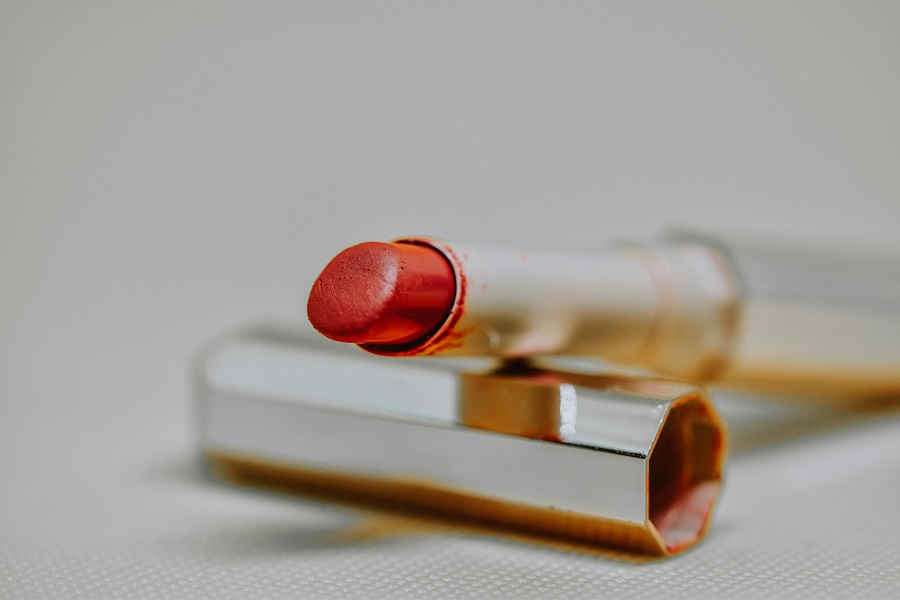
If a lipstick is not vegan, carmine is usually the reason. Carmine is a red pigment made from crushed female cochineal insects, and according to Marie Claire UK it takes around 70,000 of them to produce a single pound of the dye. It has coloured lipstick for centuries because it is vivid and holds its shade through heat and wear, which is precisely why it is still everywhere.
The catch for label-reading is that carmine travels under several names. On an ingredient list it can appear as carmine, cochineal extract, crimson lake, Natural Red 4, CI 75470, or E120. Learn those six and you can screen any red, pink or berry lipstick in seconds, because that is where it hides. See any of them, and whatever the front of the tube claims, the product is not vegan.
The word on the back tells you the truth the word on the front is dodging.
The other Animal Ingredients Hiding further Down
Carmine is the famous one. Beeswax is the quiet one. Listed as cera alba, beeswax is one of the most common lipstick bases there is, and lanolin, silk and honey turn up in formulas too. A vegan lipstick swaps beeswax for plant waxes instead, usually candelilla or carnauba, so those are the words you want to see in that slot.
And a values-led shop is not a shortcut here either. Ziracle’s own Lip Colour aisle still lets you filter for beeswax formulas, because plenty of lovely, well-made lip products contain it. Natural does not mean vegan, even in a curated edit. You still check.
The Honest Catch: A Vegan Red Asks a Small Trade
The reason carmine held on so long is performance, and it is worth being straight about that rather than pretending the switch is free. “Carmine is everywhere, from food and alcohol to paint, medication and lipstick,” says Carisa Janes, founder and chief executive of Hourglass Cosmetics, speaking on the launch of the brand’s carmine-free red. “Creating a vegan alternative felt like an impossible feat at times, but it was such an important step.” She would know: making a true vegan red was hard enough that most of the industry did not bother for years.
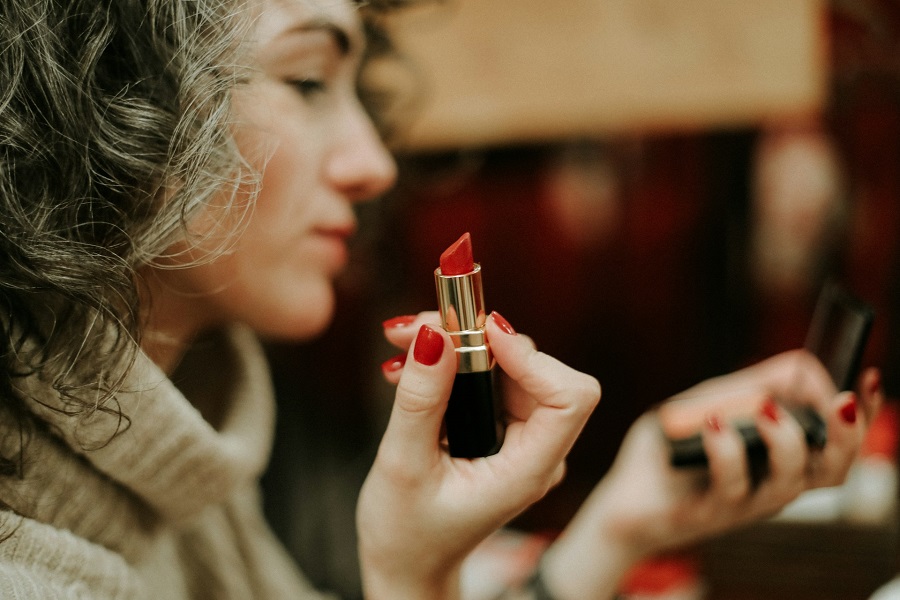
In practice, that means a plant-pigmented lip colour tends to give you a buildable flush rather than a bold, opaque swipe, and older vegan reds could fade or shift faster than a carmine one. The gap has narrowed a lot as mineral and synthetic pigments have improved, and you can close the rest yourself: line the lips first, build the colour in thin layers, and blot. If you want a loud, long red, choose a mineral-pigment matte rather than a sheer balm and go in knowing which you picked.
Does the Word “Vegan” on the Front Mean Anything?
Sometimes anyone can print it, which is why a certification does the checking for you. The Vegan Society’s Vegan Trademark verifies that a product contains no animal ingredients and involves no animal testing, so a lipstick carrying it has already passed the label-read you would otherwise do by hand. “Cruelty-free,” certified by Cruelty Free International’s Leaping Bunny, is a separate promise: no animal testing, which is not the same as no animal ingredients. A lipstick can be cruelty-free and still contain carmine.
So if you want both, look for both marks. And where a product is not certified, the three sections above are your fallback: no carmine under any of its names, no beeswax, plant waxes named instead.
So which one should you buy?
Match the pick to what you are buying for. For an everyday vegan lipstick that behaves like a proper one, Glisten Cosmetics’ Sober Nude Matte Duo Lipstick (£10) is labelled vegan and cruelty-free, a dual-ended matte that does the daily work without fuss. For a real red without a single insect in it, Seeds of Colour’s Ruby Shoes (£21) is the proof the trade-off is manageable: its ruby comes from blackcurrant, radish and paprika pigments in a candelilla-wax balm, no carmine and no beeswax, buildable across lip, cheek and lid. And if you want something sheer and nourishing, an argan-oil tint like Douvalls’ Argan Lip and Cheek Colour Oil (£18) is the gentlest way in, though as with any range, glance at the mark before you buy.
The filter is small enough to hold in your head: no carmine under any of its names, no beeswax, plant waxes named, and a Vegan Trademark if you would rather not check by hand. Everything in the Cruelty Free Lip Colour edit is filtered on the vegan side already, and it keeps the underarm-to-lipstick logic of a wider Healthy Skin routine going. If the ingredients question is what pulls you, it runs through the rest of the bathroom shelf too, which we get into in microplastics in cosmetics.
You do not need a rounded-up list to shop this well. You need one word on the back of the tube, and now you have it.
FAQs
Vegan means no animal-derived ingredients at all, which is a defined claim. Plant-based and natural are unregulated marketing terms that say nothing reliable about animal content, so a lipstick can be sold as natural and still contain carmine, a pigment made from insects. If vegan is what you want, read the ingredient list rather than trusting the front of the tube.
Check the ingredient list for carmine and its other names: cochineal extract, crimson lake, Natural Red 4, CI 75470, and E120. It is most common in reds, pinks and berry shades. If none of those appear, the colour is coming from plant or mineral pigments instead, which are vegan.
It can be, though historically vegan reds traded a little saturation and staying power because carmine is hard to match. Newer mineral and synthetic pigments have closed most of that gap. For the boldest, longest wear, choose a mineral-pigment matte over a sheer plant balm, line your lips, and build the colour in layers.