Veo and Wearth are now Ziracle. Same mission, better platform. See what's new

Best organic cotton clothing for women

The best organic cotton buy is the piece that does the most jobs. Shop for versatility and wear-count, let GOTS settle the ethics, and one good piece will out-earn a rail of nice intentions.

Published : July 23, 2026 by Annabel Lindsay

Updated : August 27, 2026 by Ziracle Editorial

6 min read
Best organic cotton clothing womens UK

A full wardrobe and nothing to wear is rarely a shortage of clothes. It’s a shortage of clothes that go with each other and get worn. Which is the quiet flaw in how organic cotton usually gets sold to women: as a virtuous swap, one nice-sounding piece at a time, when the thing that actually lowers a garment’s footprint is how many mornings it earns a place on your body.

So the smartest way to shop women’s clothing in organic cotton isn’t to hunt for the greenest label. The fibre question is settled once in the organic cotton clothing guide, so here the focus is versatility and wear-count. Get that right, and the organic premium pays back many times over.

Before You Buy Anything: Wear-Count Beats Fibre, Every Time

Organic cotton is a real improvement at the farm, and it’s the smallest part of whether a garment does any good. Growing it organically cuts the synthetic pesticides and fertilisers and is gentler on soil and growers. But a garment’s biggest impact is use, and a “sustainable” piece worn twice and forgotten is just tidier waste.

The maths is stark. Research by WRAP, the UK sustainability charity, found that extending a garment’s active life by nine months cuts its carbon, water and waste footprints by roughly 20 to 30 percent each, and that around a quarter of the clothing in UK wardrobes goes unworn. “The most sustainable garment is the one already in your wardrobe,” as Orsola de Castro, co-founder of Fashion Revolution and author of Loved Clothes Last, puts it. The point isn’t to buy nothing. It’s to buy the piece you’ll keep reaching for.

That’s why versatility is the real buying signal. A jumpsuit that’s a whole outfit in one decision, a legging that works under a dress or with a jumper, a plain tee that goes with everything: these get the wears, so they earn the fibre. The novelty piece almost never does.

The greenest garment in your wardrobe is the one you’ll wear out first.

The Picks, Sorted by the Job You Need Doing

Everything below is organic cotton, verified in stock, and chosen for how many jobs it does. Ziracle’s women’s organic cotton range leans heavily on Komodo, so a few picks share it, but the list below also pulls in Sutsu, Reflexone and AMOKA DALO. Each piece still has to clear the same test. Prices and stock were checked at the time of writing and move with the sales.

Best one-and-done outfit: Komodo DAY Organic Cotton Jumpsuit, around £72. A whole outfit in a single decision, which is what makes a jumpsuit the highest cost-per-wear buy in the wardrobe: dress it down with trainers or up with sandals and it covers a week of mornings. Organic cotton, so it survives the frequent washing a favourite gets.
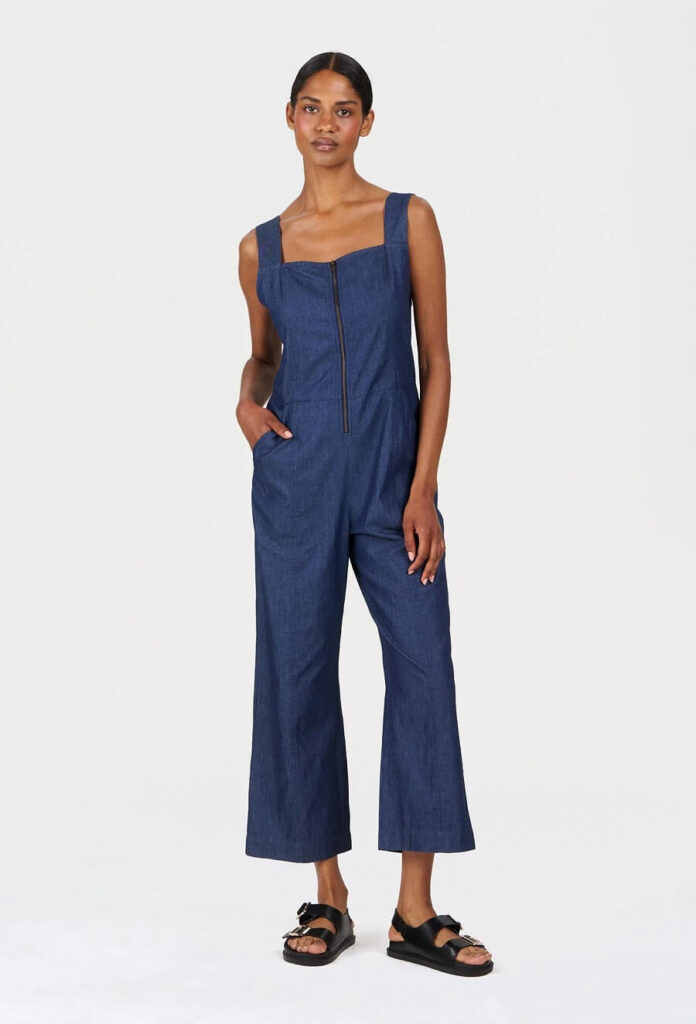
Komodo DAY Organic Cotton Jumpsuit

Best everyday tee: Sutsu Three Bears T-Shirt, around £25. The plain organic cotton tee that goes under everything and over nothing, from a slow-fashion label that builds heavier basics made to last. This is the piece you’ll wear most, so the one where organic cotton earns its keep hardest.
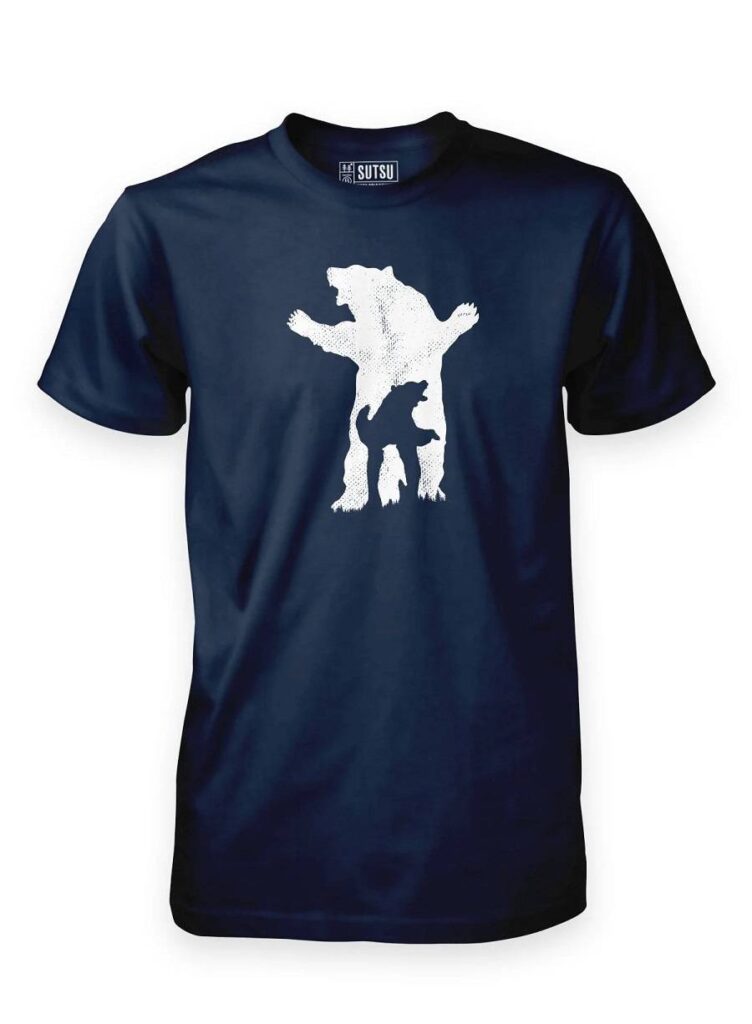
Sutsu Three Bears T-Shirt

Best joggers: Reflexone Club Joggers, £40. Certified organic cotton fleece at a hefty 300gsm, so they take repeated washing without going thin, and they’re vegan, GM-free and printed in the UK in a renewable-energy factory. An oversized cream jogger does double duty as loungewear and out-the-door wear, which is exactly the versatility you’re paying for.
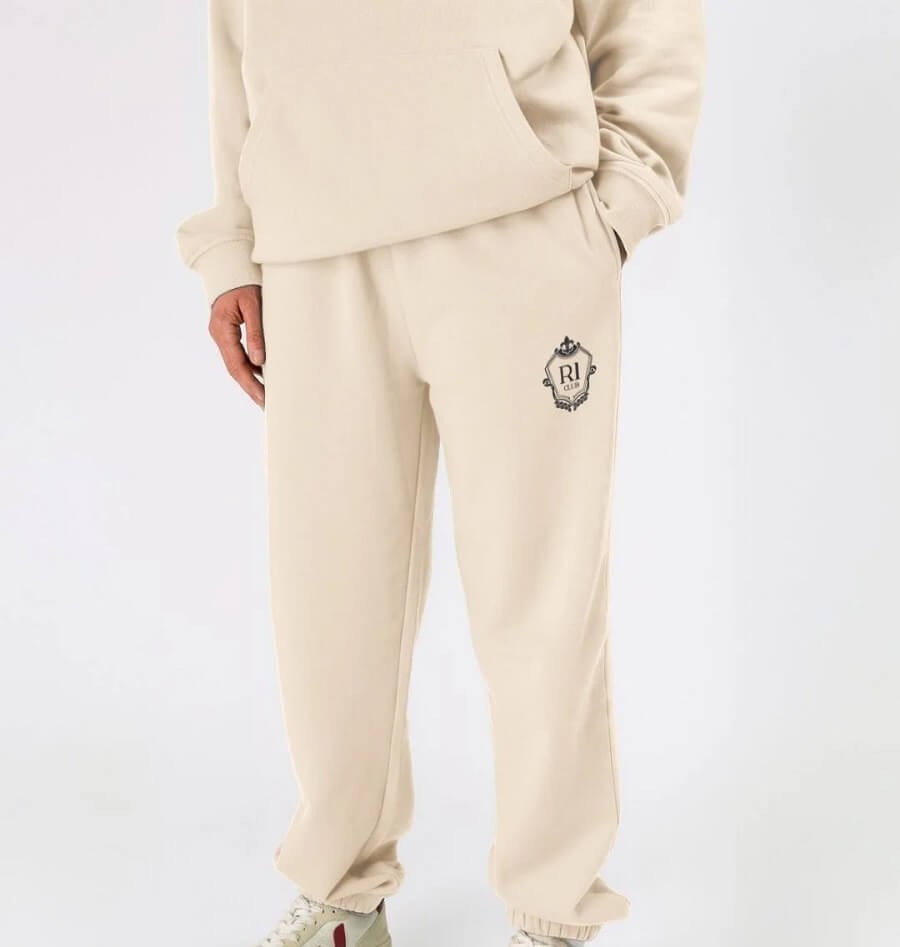
Reflexone Club Joggers

Best sleepwear that travels: AMOKA DALO Salvador Organic Cotton Pyjama Set. 100 percent GOTS-certified organic cotton from a small-batch British label, cut from a Guayabera-style top and drawstring shorts that read as smart enough to wear beyond the bedroom. It works for sleeping, lounging, or as a lightweight cover-up on holiday, so it earns its place three ways, and it arrives in a reusable fabric bag rather than plastic.
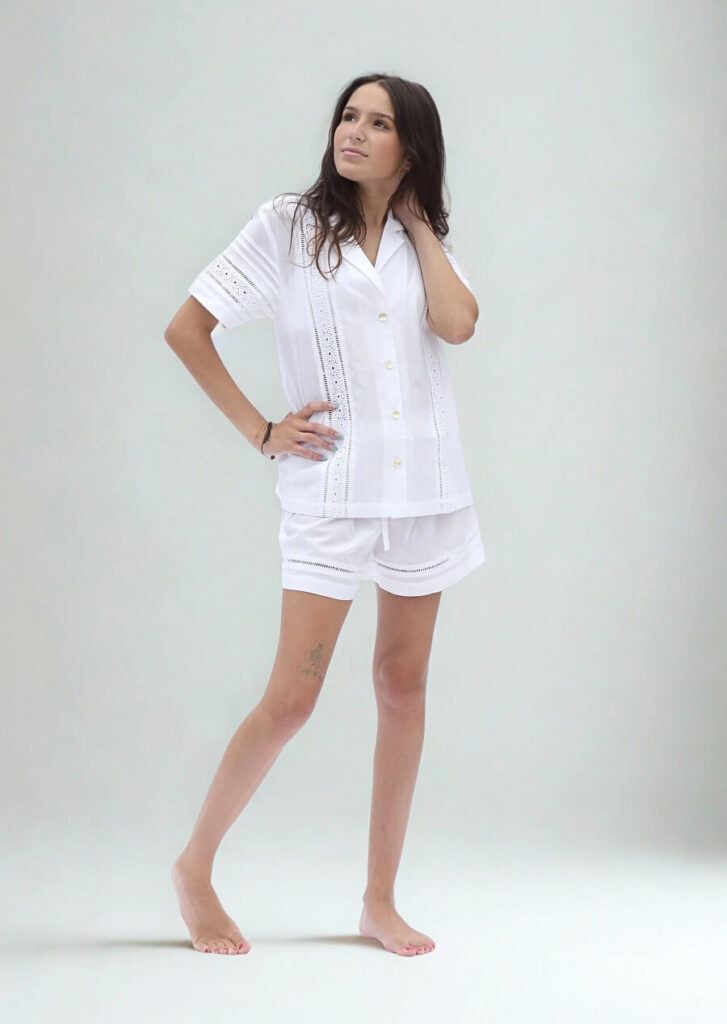
AMOKA DALO Salvador Organic Cotton Pyjama Set

Best versatile layer: Komodo Sylvie Organic Cotton Legging, £40. A GOTS-certified organic cotton legging is the quiet workhorse of a wardrobe: under a dress, with an oversized jumper, on its own for yoga. It earns wear-count in a way a statement piece never can, which is what makes it a smarter buy than it looks.
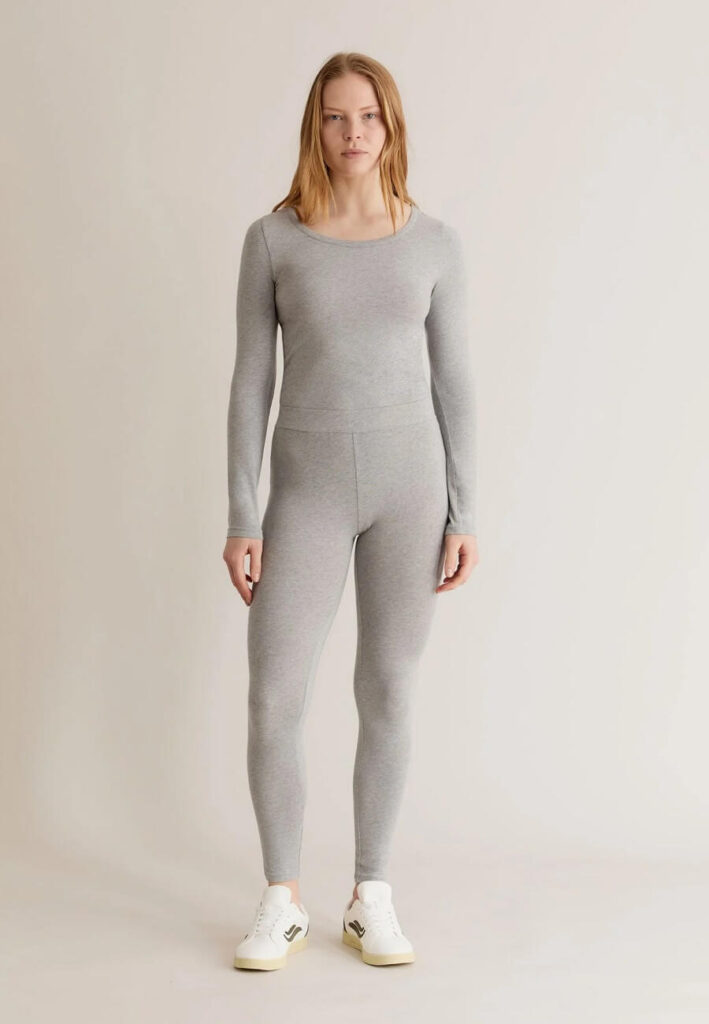
Komodo Sylvie Organic Cotton Legging

Best workwear trouser: Komodo Khari Organic Cotton Trousers, £90. A proper tailored-ish organic cotton trouser in black that reads as smart at a desk and relaxed at dinner. Buy one good pair, wear them weekly for years, and the per-wear cost drops to pennies.
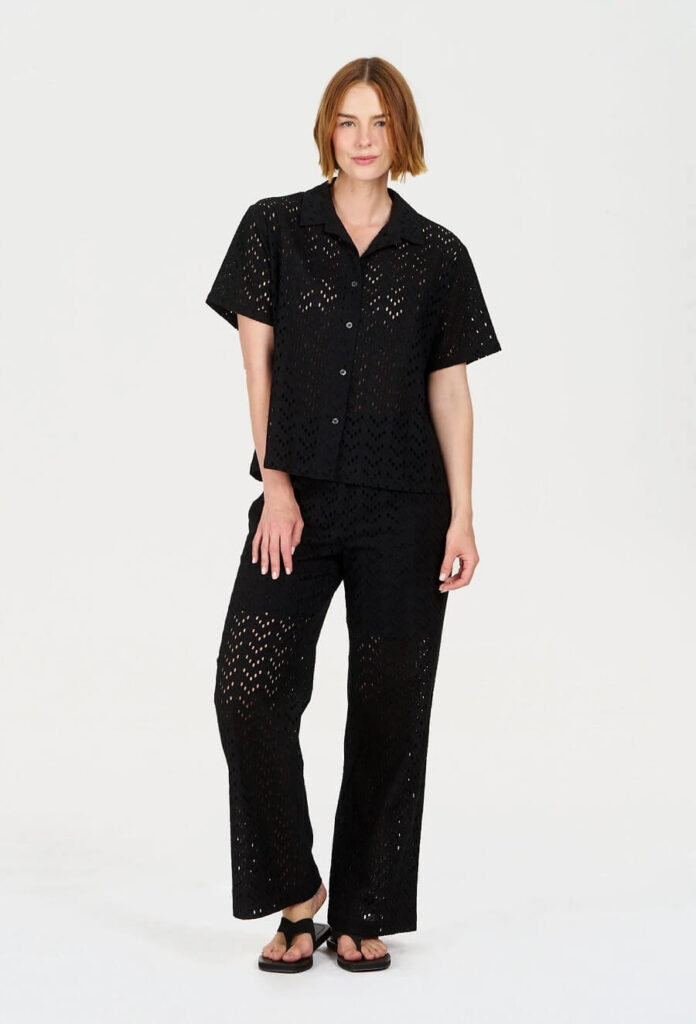
Komodo Khari Organic Cotton Trousers

Best on a budget: Komodo Solstice Organic Cotton Skirt, around £20 in the sale. Proof the entry price needn’t mean a throwaway: an organic cotton cheesecloth skirt that pairs with the tee and the leggings above for three more outfits. On a budget, the real test isn’t the sticker, it’s how many things it goes with, and this clears it.
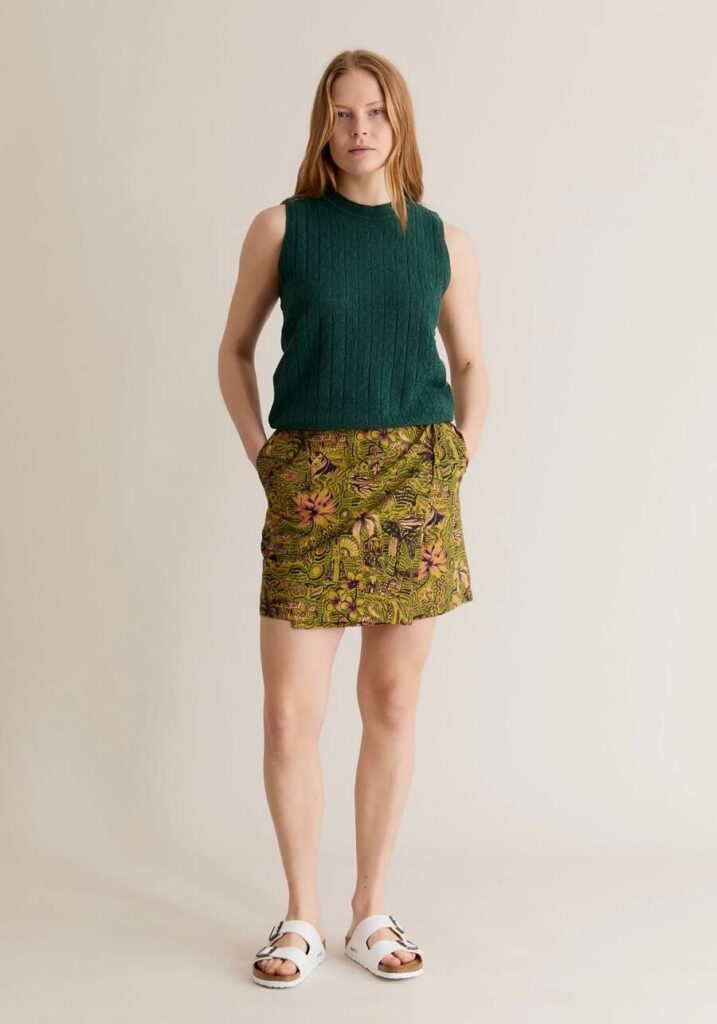
Komodo Solstice Organic Cotton Skirt

Best warm-weather short: AMOKA DALO Marguerite Organic Cotton Boxer Shorts, £33. Organic cotton lounge shorts in a blue and white floral print, from the same British small-batch label, made for hot nights and slow mornings. They pair with the plain tee above, which is the whole trick: buy pieces that connect to what you already have.
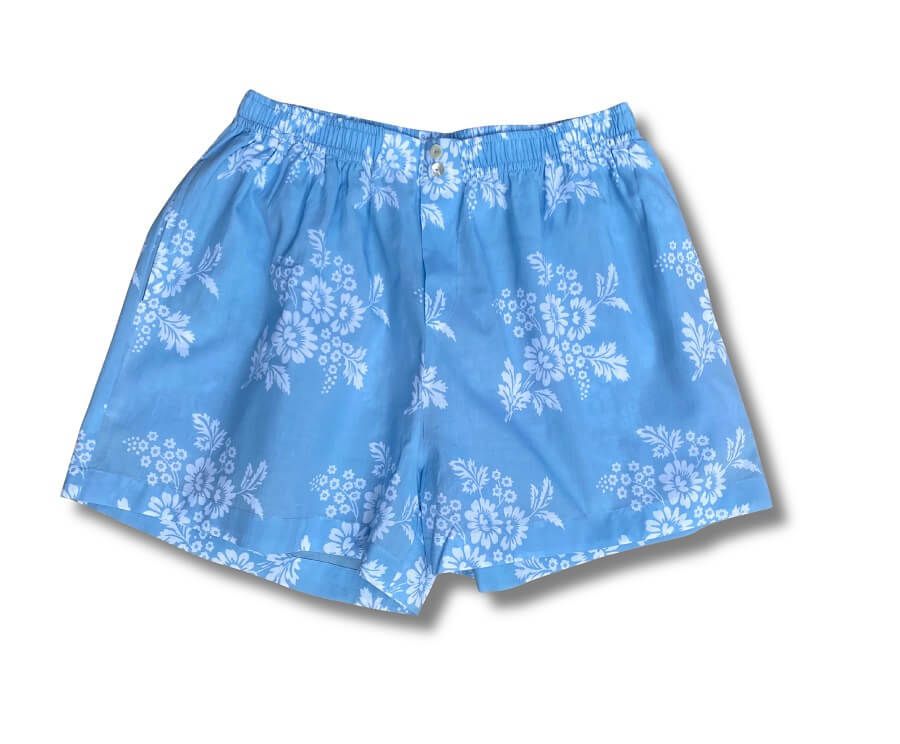
AMOKA DALO Marguerite Organic Cotton Boxer Shorts

How to Tell the Organic Claim is Real

“Organic cotton” on a label certifies nothing by itself, so the proof worth looking for is GOTS. The Global Organic Textile Standard certifies the whole supply chain, from fibre through dyeing and sewing, with independent annual audits, and it builds in human-rights and social criteria. One mark tells you the cotton is really organic and the people who made it were treated decently, which is why the GOTS-certified picks above are flagged as such.

Two grades are worth knowing: “organic” means at least 95 percent certified organic fibre, “made with organic materials” at least 70 percent. Where a piece isn’t certified, favour a brand that’s specific about its supply chain over one that just prints the word. You can filter the whole rail to certified pieces under Organic.

So What Should You Buy?

Buy for versatility and wear-count, check for GOTS or real transparency, and keep the piece for years. Start with the highest-utility items, the jumpsuit, the plain tee, the leggings that go under everything, and let each new piece connect to three you already own. A rail of well-meant clothes you never wear is the opposite of the point. A handful you reach for daily is the whole of it.

Get that right and the fibre becomes the least interesting thing about the decision. If you’re buying for a partner too, the men’s organic cotton guide runs on the same logic, weighted to durability.

Buy the piece that does three jobs. Wear it out. That’s the whole guide.

FAQs

Is organic cotton clothing actually better for the environment?

At the farm, yes: organic cotton is grown without synthetic pesticides or fertilisers, which is gentler on soil and growers. But the fibre is a small part of a garment’s total footprint, and how long you wear it matters more. WRAP found that keeping clothes in use nine months longer cuts their carbon, water and waste footprints by around 20 to 30 percent, so a well-worn organic piece far outperforms a barely-worn one.

What does GOTS-certified mean, and is it worth looking for?

GOTS, the Global Organic Textile Standard, certifies the whole supply chain from fibre to finished garment, with independent annual audits, and includes human-rights and social criteria. It’s the difference between an “organic cotton” claim anyone can print and one that’s been checked. “Organic” grade means at least 95 percent certified organic fibre, and “made with organic” means at least 70 percent.

Which organic cotton pieces give the most wear for the money?

The most versatile ones. A jumpsuit is a whole outfit in one decision, and a plain tee or a pair of leggings goes with almost everything you already own, so all three rack up wears fast and drop to a low cost per wear. Statement pieces and novelty prints tend to get worn a handful of times, so they rarely justify the organic premium.


Annabel Lindsay

Circular Fashion, CircKit

Annabel Lindsay is a circular fashion advocate and brand communications manager specialising in fashion technology and circular design. She spent nearly three years as social media executive at Veo World, the ethical marketplace that became Ziracle, where she created many of the articles now in this Journal. She has hosted panels at Manchester Fashion Week alongside founders of leading ethical fashion organisations and guest lectures at Manchester Fashion Institute. She writes about sustainable fashion, sustainable jewellery, organic living, conscious consumerism, mindfulness, and eco-friendly activities for kids.

READ NEXT

A full wardrobe and nothing to wear is rarely a shortage of clothes. It’s a shortage of clothes that go with each other and get worn. Which is the quiet flaw in how organic cotton usually gets sold to women: as a virtuous swap, one nice-sounding piece at a time, when the thing that actually lowers a garment’s footprint is how many mornings it earns a place on your body.

So the smartest way to shop women’s clothing in organic cotton isn’t to hunt for the greenest label. The fibre question is settled once in the organic cotton clothing guide, so here the focus is versatility and wear-count. Get that right, and the organic premium pays back many times over.

Before You Buy Anything: Wear-Count Beats Fibre, Every Time

Organic cotton is a real improvement at the farm, and it’s the smallest part of whether a garment does any good. Growing it organically cuts the synthetic pesticides and fertilisers and is gentler on soil and growers. But a garment’s biggest impact is use, and a “sustainable” piece worn twice and forgotten is just tidier waste.

The maths is stark. Research by WRAP, the UK sustainability charity, found that extending a garment’s active life by nine months cuts its carbon, water and waste footprints by roughly 20 to 30 percent each, and that around a quarter of the clothing in UK wardrobes goes unworn. “The most sustainable garment is the one already in your wardrobe,” as Orsola de Castro, co-founder of Fashion Revolution and author of Loved Clothes Last, puts it. The point isn’t to buy nothing. It’s to buy the piece you’ll keep reaching for.

That’s why versatility is the real buying signal. A jumpsuit that’s a whole outfit in one decision, a legging that works under a dress or with a jumper, a plain tee that goes with everything: these get the wears, so they earn the fibre. The novelty piece almost never does.

The greenest garment in your wardrobe is the one you’ll wear out first.

The Picks, Sorted by the Job You Need Doing

Everything below is organic cotton, verified in stock, and chosen for how many jobs it does. Ziracle’s women’s organic cotton range leans heavily on Komodo, so a few picks share it, but the list below also pulls in Sutsu, Reflexone and AMOKA DALO. Each piece still has to clear the same test. Prices and stock were checked at the time of writing and move with the sales.

Best one-and-done outfit: Komodo DAY Organic Cotton Jumpsuit, around £72. A whole outfit in a single decision, which is what makes a jumpsuit the highest cost-per-wear buy in the wardrobe: dress it down with trainers or up with sandals and it covers a week of mornings. Organic cotton, so it survives the frequent washing a favourite gets.

Komodo DAY Organic Cotton Jumpsuit

Best everyday tee: Sutsu Three Bears T-Shirt, around £25. The plain organic cotton tee that goes under everything and over nothing, from a slow-fashion label that builds heavier basics made to last. This is the piece you’ll wear most, so the one where organic cotton earns its keep hardest.

Sutsu Three Bears T-Shirt

Best joggers: Reflexone Club Joggers, £40. Certified organic cotton fleece at a hefty 300gsm, so they take repeated washing without going thin, and they’re vegan, GM-free and printed in the UK in a renewable-energy factory. An oversized cream jogger does double duty as loungewear and out-the-door wear, which is exactly the versatility you’re paying for.

Reflexone Club Joggers

Best sleepwear that travels: AMOKA DALO Salvador Organic Cotton Pyjama Set. 100 percent GOTS-certified organic cotton from a small-batch British label, cut from a Guayabera-style top and drawstring shorts that read as smart enough to wear beyond the bedroom. It works for sleeping, lounging, or as a lightweight cover-up on holiday, so it earns its place three ways, and it arrives in a reusable fabric bag rather than plastic.

AMOKA DALO Salvador Organic Cotton Pyjama Set

Best versatile layer: Komodo Sylvie Organic Cotton Legging, £40. A GOTS-certified organic cotton legging is the quiet workhorse of a wardrobe: under a dress, with an oversized jumper, on its own for yoga. It earns wear-count in a way a statement piece never can, which is what makes it a smarter buy than it looks.

Komodo Sylvie Organic Cotton Legging

Best workwear trouser: Komodo Khari Organic Cotton Trousers, £90. A proper tailored-ish organic cotton trouser in black that reads as smart at a desk and relaxed at dinner. Buy one good pair, wear them weekly for years, and the per-wear cost drops to pennies.

Komodo Khari Organic Cotton Trousers

Best on a budget: Komodo Solstice Organic Cotton Skirt, around £20 in the sale. Proof the entry price needn’t mean a throwaway: an organic cotton cheesecloth skirt that pairs with the tee and the leggings above for three more outfits. On a budget, the real test isn’t the sticker, it’s how many things it goes with, and this clears it.

Komodo Solstice Organic Cotton Skirt

Best warm-weather short: AMOKA DALO Marguerite Organic Cotton Boxer Shorts, £33. Organic cotton lounge shorts in a blue and white floral print, from the same British small-batch label, made for hot nights and slow mornings. They pair with the plain tee above, which is the whole trick: buy pieces that connect to what you already have.

AMOKA DALO Marguerite Organic Cotton Boxer Shorts

How to Tell the Organic Claim is Real

“Organic cotton” on a label certifies nothing by itself, so the proof worth looking for is GOTS. The Global Organic Textile Standard certifies the whole supply chain, from fibre through dyeing and sewing, with independent annual audits, and it builds in human-rights and social criteria. One mark tells you the cotton is really organic and the people who made it were treated decently, which is why the GOTS-certified picks above are flagged as such.

Two grades are worth knowing: “organic” means at least 95 percent certified organic fibre, “made with organic materials” at least 70 percent. Where a piece isn’t certified, favour a brand that’s specific about its supply chain over one that just prints the word. You can filter the whole rail to certified pieces under Organic.

So What Should You Buy?

Buy for versatility and wear-count, check for GOTS or real transparency, and keep the piece for years. Start with the highest-utility items, the jumpsuit, the plain tee, the leggings that go under everything, and let each new piece connect to three you already own. A rail of well-meant clothes you never wear is the opposite of the point. A handful you reach for daily is the whole of it.

Get that right and the fibre becomes the least interesting thing about the decision. If you’re buying for a partner too, the men’s organic cotton guide runs on the same logic, weighted to durability.

Buy the piece that does three jobs. Wear it out. That’s the whole guide.

FAQs

Is organic cotton clothing actually better for the environment?

At the farm, yes: organic cotton is grown without synthetic pesticides or fertilisers, which is gentler on soil and growers. But the fibre is a small part of a garment’s total footprint, and how long you wear it matters more. WRAP found that keeping clothes in use nine months longer cuts their carbon, water and waste footprints by around 20 to 30 percent, so a well-worn organic piece far outperforms a barely-worn one.

What does GOTS-certified mean, and is it worth looking for?

GOTS, the Global Organic Textile Standard, certifies the whole supply chain from fibre to finished garment, with independent annual audits, and includes human-rights and social criteria. It’s the difference between an “organic cotton” claim anyone can print and one that’s been checked. “Organic” grade means at least 95 percent certified organic fibre, and “made with organic” means at least 70 percent.

Which organic cotton pieces give the most wear for the money?

The most versatile ones. A jumpsuit is a whole outfit in one decision, and a plain tee or a pair of leggings goes with almost everything you already own, so all three rack up wears fast and drop to a low cost per wear. Statement pieces and novelty prints tend to get worn a handful of times, so they rarely justify the organic premium.

Leave a Comment