

Plastic Free Home
A plastic free home is simpler to achieve than you might think, starting with everyday swaps that reduce waste and reliance on single-use plastics. Here, you will find durable alternatives for kitchen, cleaning, and storage, all designed to last and be genuinely plastic-free. We focus on materials like glass, stainless steel, bamboo, and natural fibres, ensuring every item supports a healthier environment and a more mindful way of living. From food storage to laundry solutions, these products help you create a home that aligns with your values without compromising on utility or style.
Related Categories
195 products · sorted by most popular
Brands
Certifications
Product type
Use
Colour
Volume
Material
Scent
Style


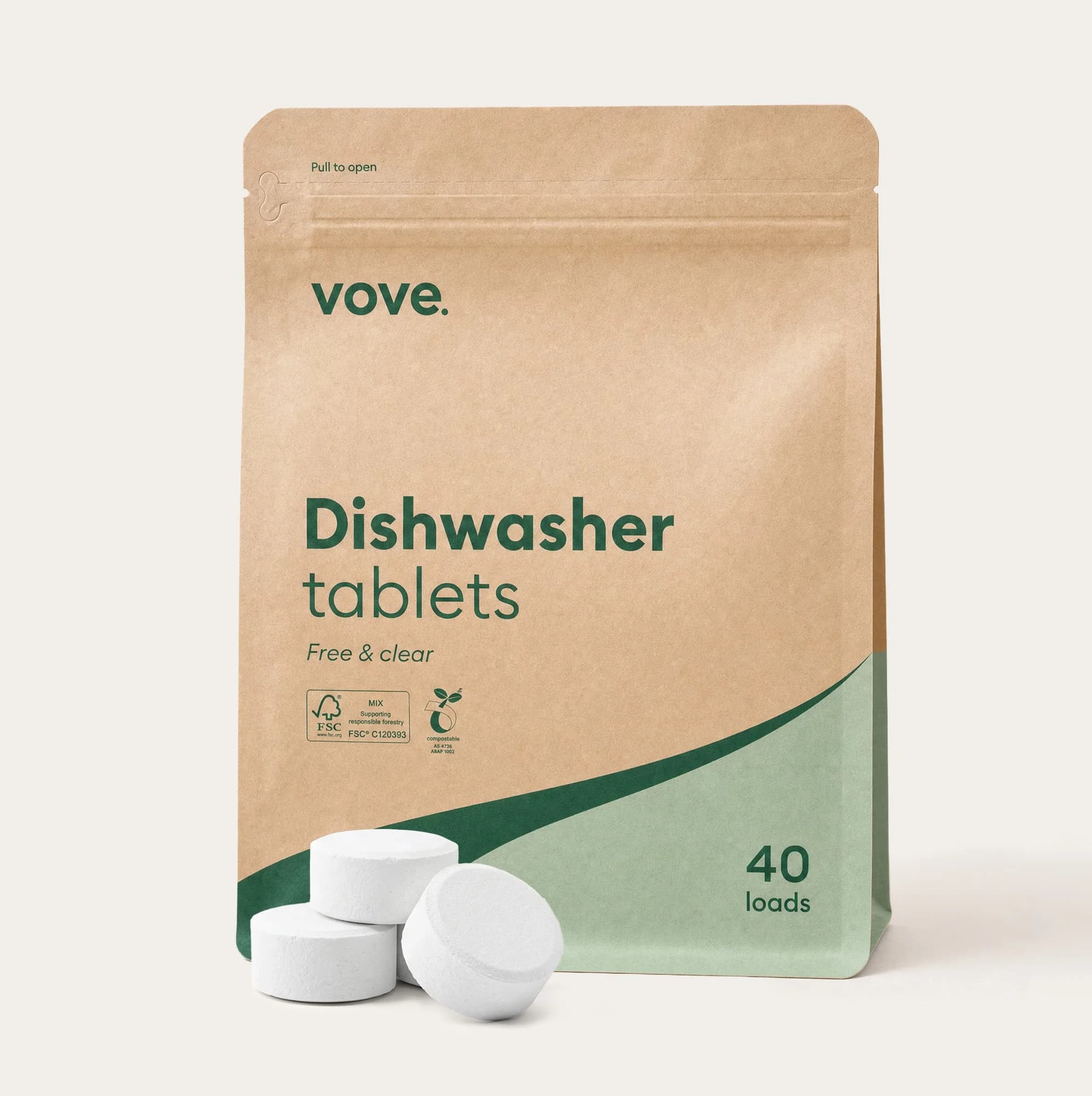
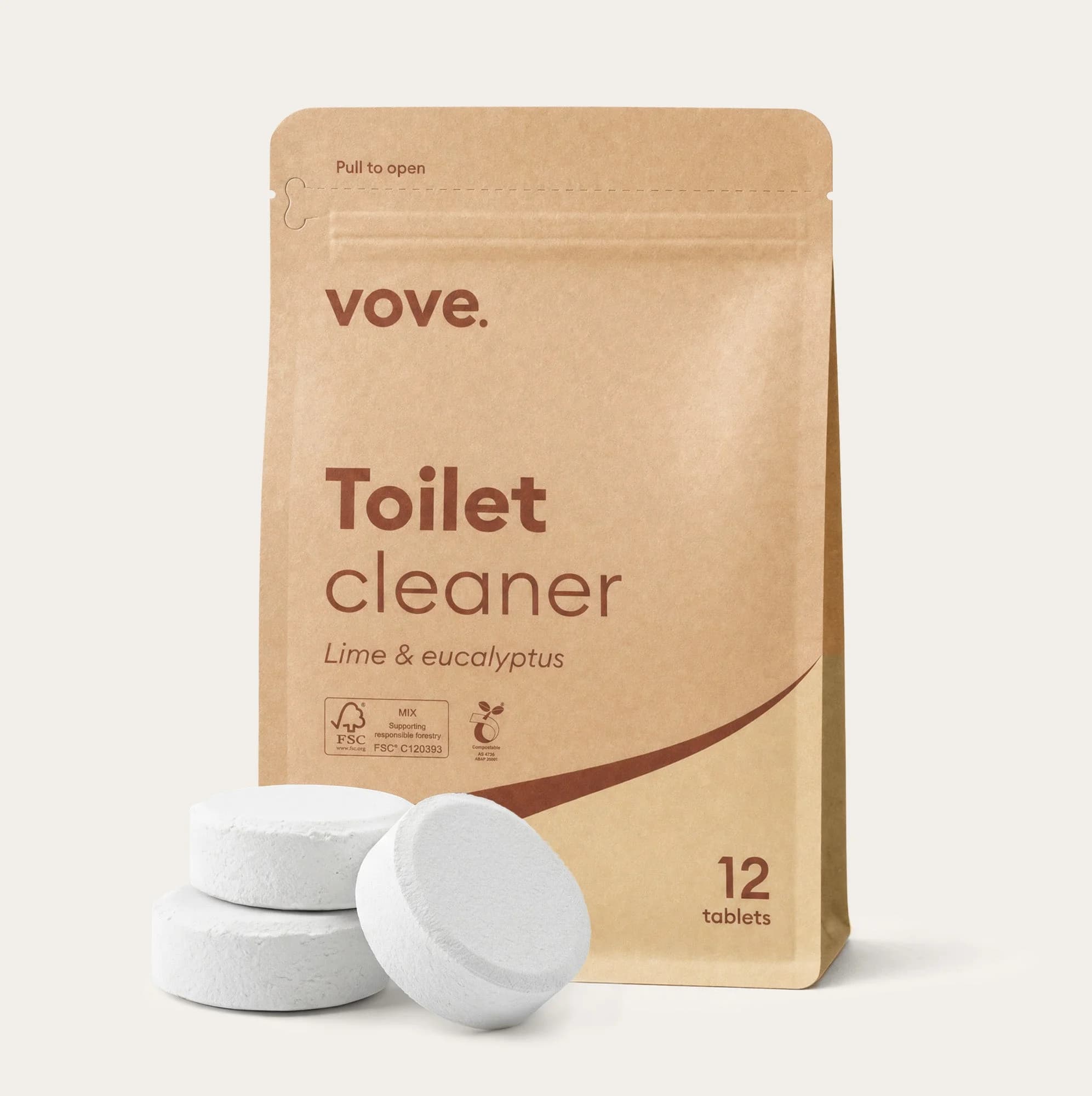


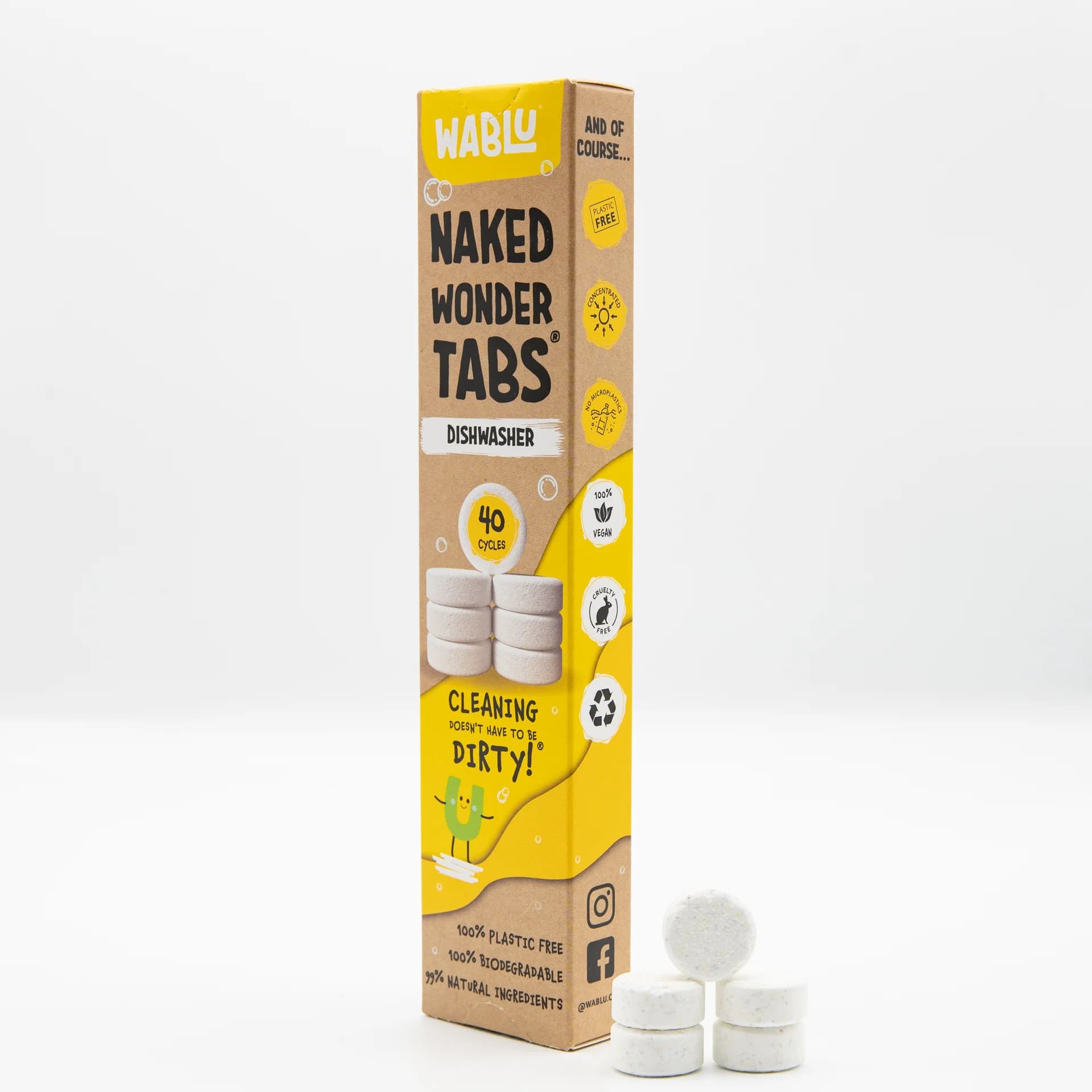

Green Island
Silicone Food Bag 1.5L

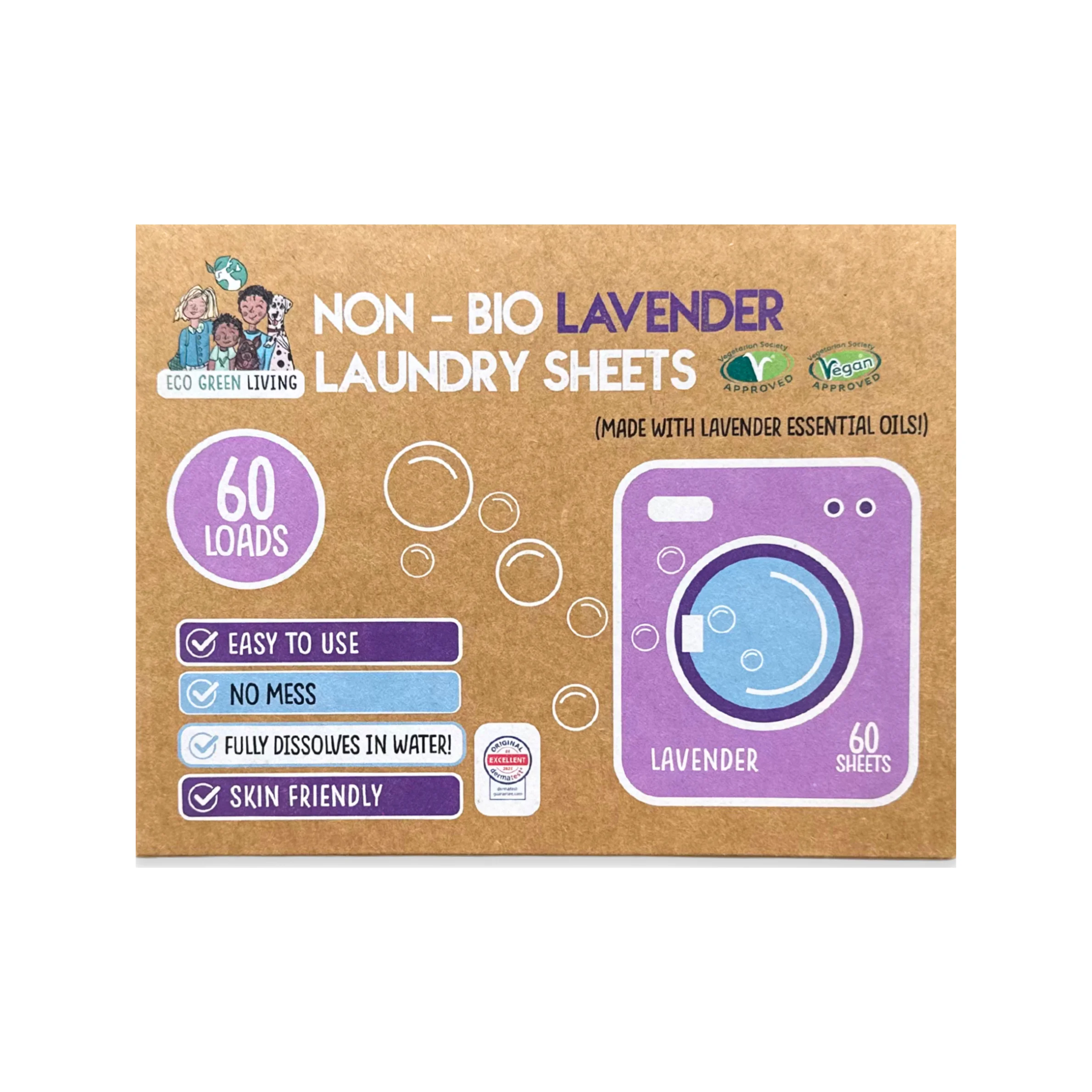




Showing 20 of 195 products
Load moreMaking the Switch to a Plastic Free Home
Transitioning to a plastic free home involves rethinking common household items and opting for more sustainable materials. Start by identifying areas where plastic is most prevalent, such as the kitchen, bathroom, and utility room. In the kitchen, consider replacing plastic food containers with glass or stainless steel alternatives, which are not only more durable but also safer for food storage as they do not leach chemicals. Look for reusable produce bags made from organic cotton or mesh to avoid single-use plastic bags at the grocery store. For cleaning, switch to solid soap bars and refillable cleaning product systems that use concentrated formulas, significantly reducing plastic bottle waste. Even small changes, like using a wooden dish brush instead of a plastic one, contribute to a larger impact.
Beyond the immediate environmental benefits, choosing plastic-free products often means investing in higher quality, longer-lasting items. Many plastic alternatives are designed for durability and can withstand years of use, ultimately saving you money and reducing the need for frequent replacements. Look for certifications that confirm materials are genuinely plastic-free and sourced responsibly. For instance, bamboo products should be FSC-certified, and textiles should be made from organic or recycled fibres. Prioritise brands that offer transparent information about their supply chains and manufacturing processes. By making informed choices, you can build a home environment that is both beautiful and genuinely sustainable, reducing your household's plastic footprint one thoughtful swap at a time.
What to Look for in Plastic Free Home Essentials
When choosing plastic free home essentials, the material is paramount. Prioritise items made from natural, renewable, or highly recyclable resources. For kitchenware, stainless steel and glass are excellent choices for their durability, hygiene, and inertness, meaning they will not react with food or leach chemicals. Bamboo and wood are ideal for utensils, cutting boards, and brushes, provided they are sustainably sourced and treated without harmful chemicals. In cleaning, look for products with packaging made from recycled paper, glass, or aluminium, and consider concentrated or solid formats that eliminate the need for plastic bottles entirely. Natural rubber, silicone (though technically a polymer, it is often considered a better alternative to conventional plastics due to its durability and resistance to extreme temperatures), and natural fibres like cotton, hemp, and jute are also valuable for various household uses, from storage bags to bath mats.
Beyond the primary material, consider the entire lifecycle of the product. Does it come in plastic-free packaging? Is it designed for longevity, or will it need frequent replacement? Products that are easy to repair or have components that can be individually replaced are often a better investment. For textiles, verify that any dyes used are non-toxic and that the fibres are free from microplastic shedding. Avoid items that claim to be "biodegradable" without further explanation, as many such products require specific industrial composting conditions that are not widely available. Instead, focus on truly reusable, durable items that minimise waste from the outset. By applying these criteria, you can confidently select plastic free home essentials that genuinely support a more sustainable lifestyle.
Frequently asked questions
Q. What does 'plastic free home' truly mean?
A plastic free home primarily means reducing or eliminating conventional plastics from your living space, particularly single-use items. This involves choosing durable alternatives made from materials like glass, stainless steel, wood, bamboo, and natural fibres for everything from food storage to cleaning supplies. It also extends to avoiding microplastics found in some synthetic textiles and personal care products, aiming for a healthier environment and reduced waste.
Q. How can I start making my home plastic free?
Begin with high-impact areas like the kitchen and bathroom. Swap plastic food containers for glass or stainless steel, and replace plastic wrap with beeswax wraps. In the bathroom, switch to solid shampoo and soap bars, and use bamboo toothbrushes. Gradually replace plastic cleaning bottles with refillable systems or concentrated tablets. Small, consistent changes are more sustainable than trying to overhaul everything at once.
Q. Are plastic free products always more expensive?
While the initial cost of some plastic free alternatives might be higher, they often prove more economical in the long run due to their durability and reusability. For example, a high-quality stainless steel water bottle or glass food containers will last for years, replacing numerous single-use plastic items. Investing in refillable cleaning systems also reduces ongoing costs and packaging waste.
Q. What are the best plastic free alternatives for food storage?
For food storage, glass containers with airtight lids are excellent for meal prep and leftovers, as they are non-toxic and easy to clean. Stainless steel containers are lightweight and durable, perfect for packed lunches. Beeswax wraps offer a flexible, reusable alternative to plastic film for covering bowls and wrapping sandwiches. Mason jars are also versatile for dry goods, liquids, and even freezing.
Q. How does Ziracle ensure products are genuinely plastic free?
Ziracle vets all plastic free home products to ensure they are made from materials like glass, stainless steel, wood, bamboo, or natural fibres, with no conventional plastic components. We prioritise brands that provide transparent material sourcing and manufacturing details. We look for certifications where applicable and focus on product longevity and end-of-life considerations to ensure they genuinely contribute to a plastic-free lifestyle.