






























Veo and Wearth are now Ziracle. Same mission, better platform. See what's new

Ziracle Journal

Honest reads on living well and living sustainably.

Mindfulness products that actually help your mental health

Mindfulness products that actually help your mental health

The mindfulness products worth keeping are the ones that lower the barrier to habits that actually shift the dial. Here is the short list.

By Annabel Lindsay

September 28, 2026

Why sustainable fashion usually costs more (and why it’s still cheaper)

Why sustainable fashion usually costs more (and why it’s still cheaper)

Sustainable fashion has a higher sticker price for reasons that make sense. Cost per wear brings the maths back into balance.

By Annabel Lindsay

September 28, 2026

Creative ways to add meditation into your day

Creative ways to add meditation into your day

Seven ways to add meditation to your day without a cushion or twenty quiet minutes, from kettle moments to walking and breath boxes.

By Lydia Oyeniran

September 28, 2026

The plastic-free living guide (without the guilt)

The plastic-free living guide (without the guilt)

A practical plastic-free living guide: one category at a time, one refill routine, and the swaps that cut 30 to 60% of household plastic.

By Lydia Oyeniran

September 28, 2026

What is conscious consumerism (and how to do it without becoming a full-time researcher)

What is conscious consumerism (and how to do it without becoming a full-time researcher)

What conscious consumerism really means: the five questions, four certifications and small swaps that do most of the work without the homework.

By Amelia Marshall

August 27, 2026

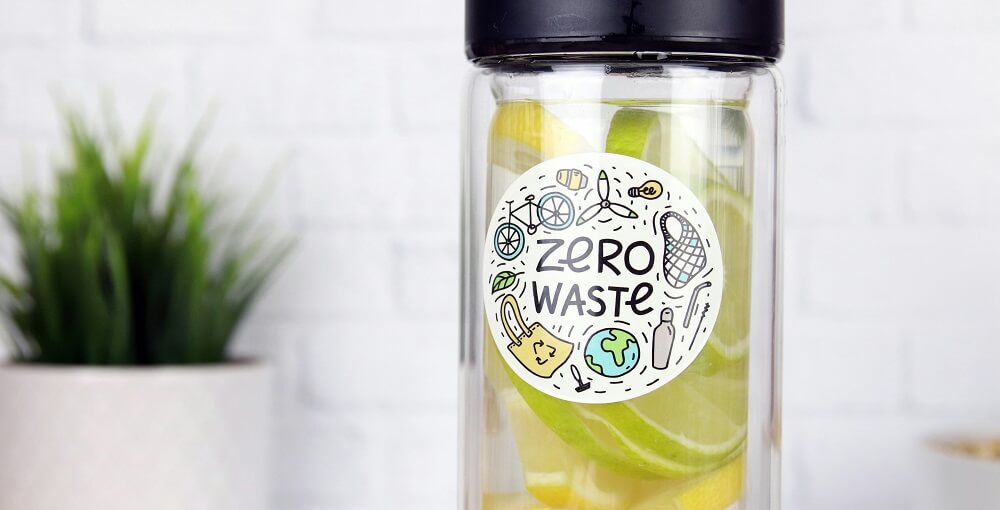
Zero waste swaps for everyday life: The prioritised list

Zero waste swaps for everyday life: The prioritised list

The zero waste swaps that actually move the numbers, in order of impact. Work top to bottom, replace when things run out.

By Lydia Oyeniran

September 28, 2026

How to declutter your home sustainably

How to declutter your home sustainably

A sustainable declutter keeps things out of landfill. How to work through the bedroom, bathroom and kitchen without making a new problem.

By Lydia Oyeniran

September 28, 2026

Vegan presents and gift ideas: 25 where it actually matters

Vegan presents and gift ideas: 25 where it actually matters

A vegan crystal is just a crystal. Vegan chocolate, cheese, balms and bags are a real choice, because those things usually are not vegan. These 25 presents are the ones where the label actually does some work, all screened as truly free from animal ingredients.

By Amelia Marshall

August 27, 2026

Skinimalism guide: Why less is more for your skin (and your mind)

Skinimalism guide: Why less is more for your skin (and your mind)

A skinimalism guide: the three-product routine, the ingredients that actually work, and why a simpler approach beats a stacked shelf.

By Amelia Marshall

September 28, 2026

Best reed diffusers and natural home fragrance

Best reed diffusers and natural home fragrance

A reed diffuser is a running cost dressed up as a purchase. Here is how to work out what one truly costs a month, what the oil is mostly made of, and when a refill beats buying another bottle, plus the UK picks worth it.

By Annabel Lindsay

September 28, 2026

How food affects your mood

How food affects your mood

How food affects your mood, from gut-made serotonin to the amino acids that build motivation, and what to actually eat.

By Amelia Marshall

September 28, 2026

The best natural deodorants, and why your last one failed

The best natural deodorants, and why your last one failed

Most people who gave up on natural deodorant did not buy a dud. They hit one of three fixable problems. Here is how to tell which one caught you, and the UK-made ones worth switching to.

By Amelia Marshall

September 25, 2026

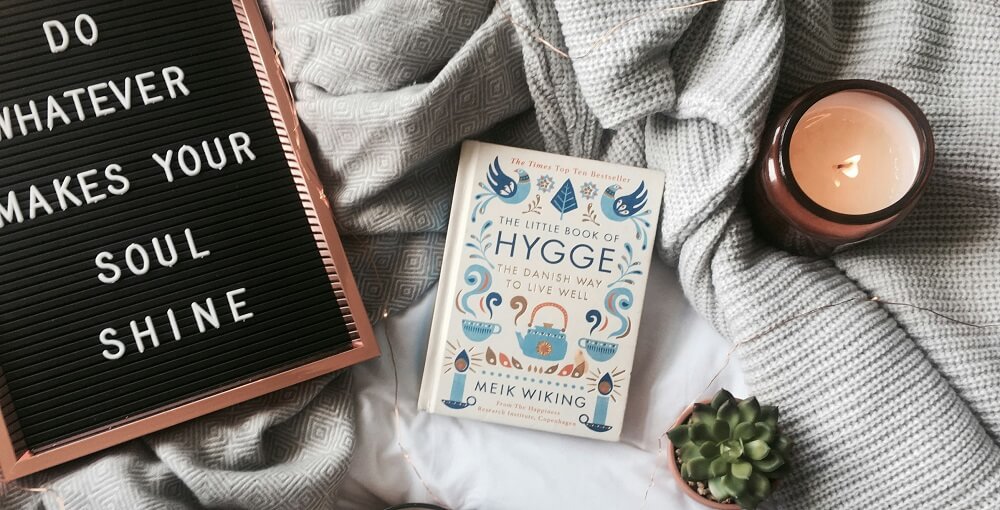
How to bring more hygge into your life

How to bring more hygge into your life

What hygge actually means, why the feeling behind it matters year-round, and how to build a room that invites it in.

By Annabel Lindsay

September 28, 2026

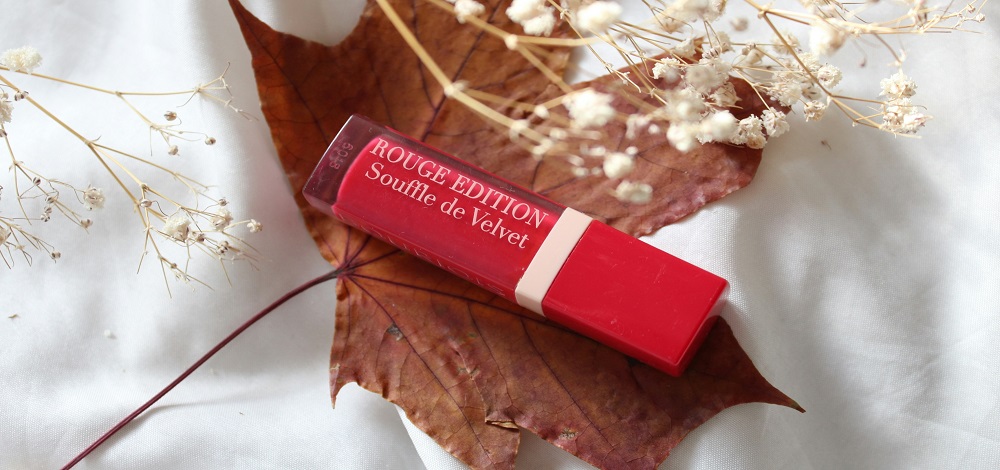
The best plant-based and vegan lipstick, and how to read the label yourself

The best plant-based and vegan lipstick, and how to read the label yourself

Vegan does not mean natural, natural does not mean vegan, and one red pigment decides most of it. Here is how to read a lipstick label yourself, the honest trade-off nobody mentions, and the UK picks worth it.

By Amelia Marshall

September 28, 2026

Is wool sustainable? The honest answer

Is wool sustainable? The honest answer

Wool is more complicated than the mental image suggests. What modern production actually involves, and what the alternatives can do.

By Annabel Lindsay

September 28, 2026

Self-care for stress: Small rituals that actually help

Self-care for stress: Small rituals that actually help

Small, evidence-backed rituals for stress: a morning reset, a midday breath, an evening wind-down, and when to add an adaptogen.

By Annabel Lindsay

September 28, 2026

The sustainable underwear guide (the easiest swap in your wardrobe)

The sustainable underwear guide (the easiest swap in your wardrobe)

A sustainable underwear guide: why GOTS-certified organic cotton matters, what to look for, and how to swap your drawer without replacing it all.

By Lydia Oyeniran

September 28, 2026

Self-care guide: The maintenance that keeps everything else running

Self-care guide: The maintenance that keeps everything else running

A self-care guide built on what the research supports: journalling, movement, sleep, and when to stop managing alone.

By Annabel Lindsay

September 28, 2026

Eco swaps for food and drink: Where the plastic actually comes from

Eco swaps for food and drink: Where the plastic actually comes from

Where most household plastic actually comes from, the food aisle swaps worth making, and what isn't yours to fix.

By Janet Home

September 28, 2026

Zero waste beauty: The formats worth your money

Zero waste beauty: The formats worth your money

Zero waste beauty by format, not by brand: refillable compacts, solid bars, dental and deodorant swaps that actually work.

By Annabel Lindsay

September 28, 2026

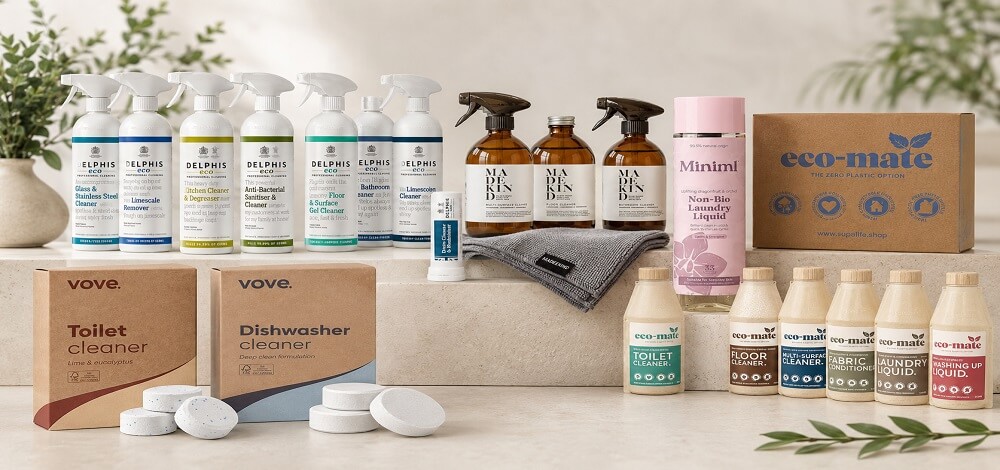
Best eco-friendly cleaning products

Best eco-friendly cleaning products

Most eco cleaners used to be watery and useless. A handful now match conventional ones on grease and limescale, and the real win is switching to concentrates and refills that cut plastic and cost. Here are the ones worth buying, and how to spot them.

By Lydia Oyeniran

September 28, 2026

The best organic facial oils for skin that’s starting to show its age

The best organic facial oils for skin that’s starting to show its age

The best organic facial oils for fine lines: rosehip, argan, squalane and the rest, ranked by the clinical evidence behind them.

By Lydia Oyeniran

September 28, 2026

Biodegradable, compostable, recyclable: What these words actually mean

Biodegradable, compostable, recyclable: What these words actually mean

Biodegradable, compostable and recyclable all mean different things. Here's what each word really promises and how to read the labels.

By Amelia Marshall

September 28, 2026

The sustainable jewellery guide: What “ethical” actually means

The sustainable jewellery guide: What “ethical” actually means

What sustainable jewellery actually means, the certifications worth knowing, and how to tell real traceability from marketing.

By Annabel Lindsay

September 28, 2026

Organic cotton clothing: The label is the last decision, not the first

Organic cotton clothing: The label is the last decision, not the first

Organic cotton is worth choosing. It is also the last decision that matters, not the first. Here are the four things that decide a garment's footprint, ranked, and where the fibre honestly sits among them.

By Hamish Lawson

September 28, 2026

How to reduce stress: What the evidence actually says

How to reduce stress: What the evidence actually says

Stress advice usually lands as a flat list of twenty things to try. Here is what actually moves cortisol, ranked, plus the one line on a supplement label that decides whether it is worth your money.

By Lydia Oyeniran

September 28, 2026

Best foods for bloating: What actually works and why

Best foods for bloating: What actually works and why

The best foods for bloating, the science on why they work, and the order to add them to your diet for real gut relief.

By Lydia Oyeniran

September 28, 2026

Best natural sleep aids

Best natural sleep aids

No pill, spray or candle makes you sleep. What the good ones do is clear whatever is keeping you awake, a racing mind, a bright warm room, a body that won't unclench. So the question isn't which sleep aid is best, it's what is stopping you, and which aid removes it. Here is how to match the two.

By Hamish Lawson

September 28, 2026

What gut health actually means, and what actually moves it

What gut health actually means, and what actually moves it

Gut health is built, not bought. Here is what the evidence actually backs, where fermented foods earn their place, and the one line on a probiotic label that tells you whether it is worth your money.

By Lydia Oyeniran

September 28, 2026

How to buy better coffee: What the certifications actually mean

How to buy better coffee: What the certifications actually mean

The Fairtrade logo does not cover everything. Here is what the main coffee certifications actually do, and what to look for beyond them.

By Janet Home

September 28, 2026

The case for buying organic (and where to start)

The case for buying organic (and where to start)

What organic actually means, why it is worth the switch, and the everyday categories where the benefit compounds fastest.

By Annabel Lindsay

September 28, 2026

Is foraging the next step for slow beauty?

Is foraging the next step for slow beauty?

A seasonal guide to foraging for skincare in the UK, with four practical recipes and safety notes for each plant.

By Janet Home

September 28, 2026

Eco-friendly activities for kids that are actually fun

Eco-friendly activities for kids that are actually fun

Eco-friendly activities for kids that actually hold their attention: making, growing, cooking and outdoor play that teaches something real.

By Annabel Lindsay

September 28, 2026

The best alcohol-free drinks (and what the science actually says)

The best alcohol-free drinks (and what the science actually says)

The best alcohol-free drinks worth your money: 0% spirits, low-ABV, and kombucha, with the science on what drinking less actually does.

By Lydia Oyeniran

September 28, 2026

Your immune system does not need boosting, it needs supporting

Your immune system does not need boosting, it needs supporting

The immunity aisle is full of things promising to supercharge your defences. Your immune system does not work like that, and the few things that genuinely help are mostly free. Here is what supports it, what just sells, and the short list worth your money.

By Janet Home

September 28, 2026

The best sustainable clothing brands: A shorter list, for good reason

The best sustainable clothing brands: A shorter list, for good reason

A shorter list of sustainable clothing brands worth buying from. Every one has passed the bar on materials, production and ethics.

By Hamish Lawson

September 28, 2026

Organic kimchi and fermented foods: A gut-health buying guide

Organic kimchi and fermented foods: A gut-health buying guide

Organic kimchi is having a moment, and most of the jars on offer are worth buying. The one thing that separates a gut-friendly kimchi from an expensive pickle is a single word on the label. Here are the organic, live-culture options worth your money, and how to pick between them.

By Lydia Oyeniran

September 28, 2026

You cannot clean your home without chemicals, and you do not need to

You cannot clean your home without chemicals, and you do not need to

"Chemical-free" cleaning is a marketing fiction. Water is a chemical. The real question is which ingredients, how much fragrance, and whether you are spraying any of it into the air you breathe. Here is what to distrust, what actually cleans, and the short kit worth buying.

By Lydia Oyeniran

September 28, 2026

The best vegan gifts for her

The best vegan gifts for her

A vegan gift should be something she would have chosen herself, not a compromise she has to be polite about. These are the ones where "vegan" actually does some work, the skincare, chocolate, cheese and leather that usually are not, all screened as truly free from animal ingredients.

By Janet Home

August 27, 2026

Healthy skin: The short list of what works, and the long aisle you can skip

Healthy skin: The short list of what works, and the long aisle you can skip

The skincare market wants you buying fifteen steps. The evidence points to about five, most of them free. Here is the short list, in the right order, the few products that earn a place, and how to read the label well enough to spot them.

By Amelia Marshall

September 28, 2026

How to practise self-love (without the bubble bath trap)

How to practise self-love (without the bubble bath trap)

Five evidence-backed ways to practise self-love day to day: sleep, food, skincare, slow breathing and a walk.

By Janet Home

September 28, 2026

A beginner’s guide to sustainable fashion: What slow fashion actually means

A beginner’s guide to sustainable fashion: What slow fashion actually means

What slow fashion actually means, why fast fashion is hard to resist, and the three questions to ask before you buy anything new.

By Annabel Lindsay

September 28, 2026

How to sleep better

How to sleep better

Most sleep advice skips the mechanism. Here is what works, in the right order, based on how sleep biology actually functions.

By Hamish Lawson

September 28, 2026

Balancing your hormones: What helps, what is hype, and what to change

Balancing your hormones: What helps, what is hype, and what to change

Most of what you are sold about balancing your hormones is a product in a nicer font. Here is what truly shifts them, what needs a doctor instead, and the one swap worth making in your bathroom cabinet.

By Amelia Marshall

September 28, 2026

The sustainable denim guide: What a better pair of jeans really costs

The sustainable denim guide: What a better pair of jeans really costs

A sustainable denim guide: the real cost of a pair of jeans, how to spot a pair built to last, and how to make the pair you own last longer.

By Annabel Lindsay

September 28, 2026

Eco-home essentials worth building a room around

Eco-home essentials worth building a room around

A room-by-room guide to eco home essentials worth choosing, with the format to look for and the reason to prefer it.

By Lydia Oyeniran

September 28, 2026

Eco swaps for beauty: The ones that actually work

Eco swaps for beauty: The ones that actually work

The bathroom swaps worth making, the ones that aren't ready yet, and how to switch without wasting what you already own.

By Amelia Marshall

September 28, 2026

Best organic cotton clothing for women

Best organic cotton clothing for women

The best organic cotton buy is the piece that does the most jobs. Shop for versatility and wear-count, let GOTS settle the ethics, and one good piece will out-earn a rail of nice intentions.

By Annabel Lindsay

September 28, 2026

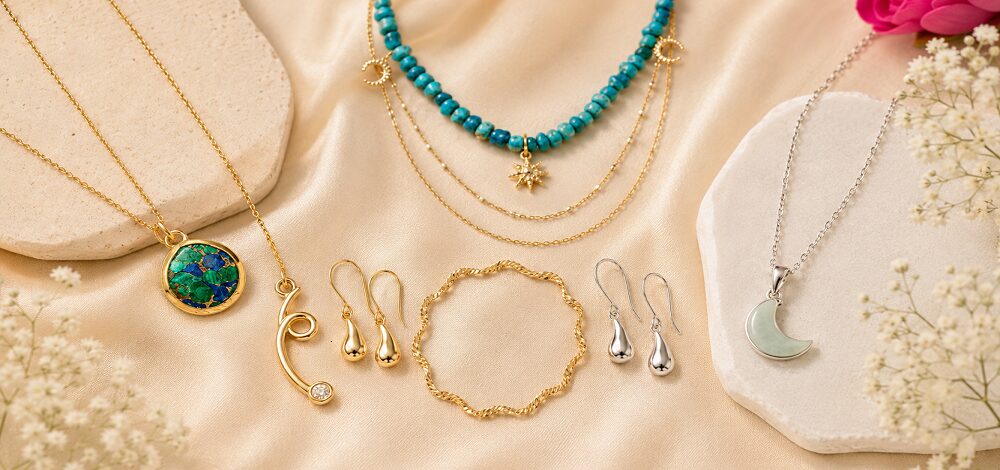
Best sustainable jewellery

Best sustainable jewellery

Sustainable jewellery comes down to two words on the tag: what the metal is, and how much of it there is. Recycled metal and solid construction last a lifetime; thin plating wears off and gets rebought. Here is how to read the tag, and the UK pieces worth keeping.

By Annabel Lindsay

September 28, 2026

From bottle to bar: Why you should switch to zero-waste hair care

From bottle to bar: Why you should switch to zero-waste hair care

Why modern shampoo bars work, how to switch without ruining your hair, and what the maths looks like on plastic, price and travel.

By Janet Home

September 28, 2026

Beard care, minus the eight products you do not need

Beard care, minus the eight products you do not need

You probably need fewer beard care products than the average

By Ziracle Editorial

September 28, 2026

The grocery shop that actually cuts waste

The grocery shop that actually cuts waste

Eco-friendly grocery shopping that actually cuts food waste: six steps, a seven-day plan, and the habits that save money as well as packaging.

By Lydia Oyeniran

September 28, 2026

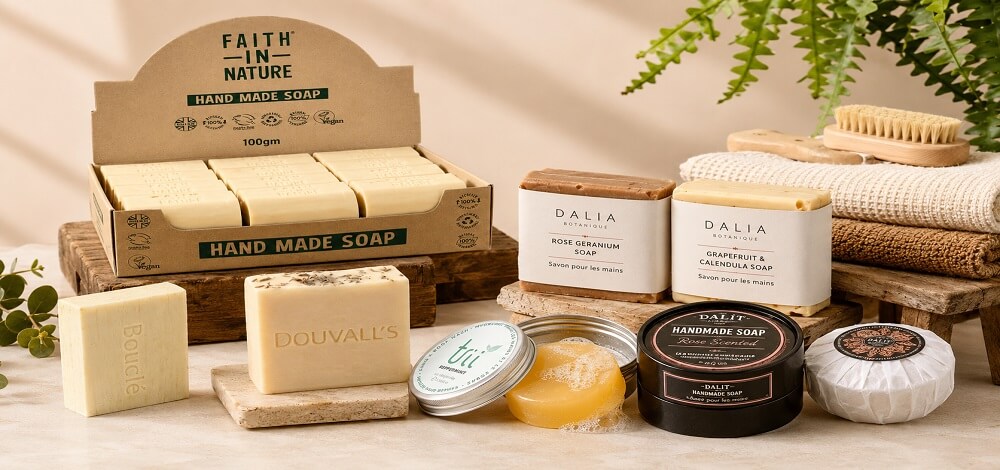
Best natural soap bars

Best natural soap bars

"Natural" on a soap bar tells you almost nothing. Some are gentle, glycerin-rich and lovely; some are harsh enough to leave your skin tight and squeaky. Here is how to tell them apart, and the UK bars worth buying for each kind of skin.

By Hamish Lawson

September 28, 2026

Vegan living guide: What to eat, why it matters, and how to actually stick with it

Vegan living guide: What to eat, why it matters, and how to actually stick with it

A vegan living guide built on the evidence: what to eat, which nutrients need attention, and how to stick with it without making it a project.

By Hamish Lawson

September 28, 2026

Handmade and fair-trade necklaces

Handmade and fair-trade necklaces

"Handmade" and "fair-trade" are two different promises, and both are easy to print and hard to prove. The test for either is one question: who made this, and were they paid fairly? Here is how to read the answer, and the UK necklaces that can give one.

By Annabel Lindsay

September 28, 2026

Beyond diet culture: Why the restriction model keeps failing, and what works instead

Beyond diet culture: Why the restriction model keeps failing, and what works instead

Why restriction-based diet culture keeps failing, the biology behind it, and how a neutral relationship with food actually looks.

By Lydia Oyeniran

September 28, 2026

Natural ways to boost serotonin and dopamine

Natural ways to boost serotonin and dopamine

Eight evidence-based daily practices to boost serotonin and dopamine naturally, from morning light and movement to scent, sleep and protein.

By Janet Home

September 28, 2026

Can leather be sustainable? The honest answer

Can leather be sustainable? The honest answer

Animal hide, plastic faux leather, or plant-based alternatives. The honest answer on whether leather can be sustainable, and what to buy.

By Lydia Oyeniran

September 28, 2026

Best organic cotton clothing for men

Best organic cotton clothing for men

The organic bit is the easy part. On men's staples, what earns the money is fabric weight and how many times you wear it, so buy heavy, buy plain, and buy the proof.

By Hamish Lawson

September 28, 2026

A practical guide to plant-based eating: How to do it well

A practical guide to plant-based eating: How to do it well

You do not need to go fully vegan to get most of the benefit. Here is what the evidence says, what to stock, and how to make it work.

By Janet Home

September 28, 2026

Daily habits for mental health: Small changes, real results

Daily habits for mental health: Small changes, real results

Small consistent habits beat big overhauls for mental health. Here is what the research actually shows, and where to start tomorrow.

By Janet Home

September 28, 2026

Anti-pollution skincare, without the marketing noise

Anti-pollution skincare, without the marketing noise

Anti-pollution skincare that actually works: the three steps that matter, the ingredients with the evidence, and the claims to skip.

By Lydia Oyeniran

September 28, 2026

Buy less, choose well, make it last: How to make better fashion choices

Buy less, choose well, make it last: How to make better fashion choices

Five practical habit shifts to buy less, choose well, and make it last. What to avoid, what to look for, and how to care for what you own.

By Lydia Oyeniran

September 28, 2026

The truth about microplastics in our cosmetics

The truth about microplastics in our cosmetics

What microplastics actually are, why they matter, and ten practical swaps that stop you adding to the problem at source.

By Janet Home

September 28, 2026

Eco swaps for home: The ones that actually move the needle

Eco swaps for home: The ones that actually move the needle

Where household plastic actually comes from, which home swaps shift the numbers, and which ones you can skip without losing sleep.

By Lydia Oyeniran

September 28, 2026

How to eat well: A framework, not another diet

How to eat well: A framework, not another diet

Forget the rules that contradict each other next week. Eating well is a short set of directions you can lean into, not a test you pass or fail. Here is the framework, the handful of things genuinely worth changing, and how to stock a kitchen that makes all of it easier.

By Hamish Lawson

September 28, 2026

Eco swaps for fashion: How to buy less, spend less, and wear better

Eco swaps for fashion: How to buy less, spend less, and wear better

Where fashion's impact actually comes from, why cost per wear changes the maths, and which wardrobe swaps do the real work.

By Annabel Lindsay

September 28, 2026

Best sustainable shampoo and conditioner

Best sustainable shampoo and conditioner

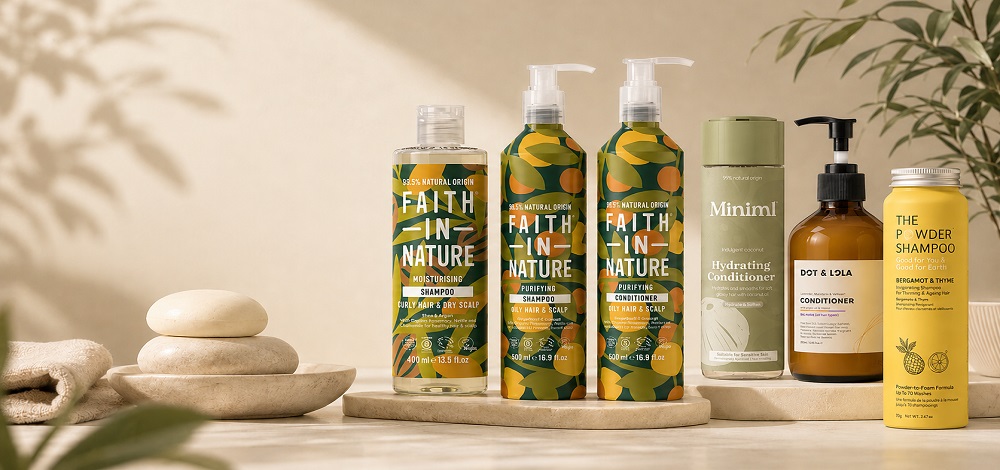
A bottle of liquid shampoo is mostly water. So sustainable hair care is a format question first, powder, bar or refill instead of a fresh plastic bottle, and a hair-type question second, because the greenest format is useless if it leaves your hair waxy and you go back to the bottle. Here is how to choose both.

By Lydia Oyeniran

September 28, 2026

Slow fashion: How to stop moving so fast

Slow fashion: How to stop moving so fast

What fast fashion actually does, what slow fashion is as a response, and how to shift your wardrobe without giving up style.

By Janet Home

September 28, 2026

Self-care guide: The maintenance that keeps everything else running

Self-care guide

Stress doesn’t stay in your head. It settles in your body, disrupts your sleep, and weakens your immune system over time. Self-care isn’t a luxury or a reward. It’s the maintenance that keeps everything else running.

Why self-care matters more than you think

You’ve probably heard the empty cup metaphor before. It’s overused because it’s true. When you’re running on fumes, everything costs more: your energy, your patience, your ability to make good decisions. The NHS Five Steps to Mental Wellbeing — connect with others, be physically active, learn new skills, give to others, and pay attention to the present moment — consistently shows that small, regular practices outperform reactive fixes. You don’t need a crisis to start taking care of yourself. You need a Tuesday.

Chronic stress suppresses your immune function, raises cortisol, and disrupts sleep architecture. A 2017 meta-analysis in Brain, Behavior, and Immunity synthesising data across decades of research found that psychological stress measurably increases inflammatory markers in the body, including C-reactive protein and interleukin-6. The connection between mental load and physical health isn’t theoretical. It’s measurable, and it’s the reason self-care belongs in the same category as brushing your teeth: non-negotiable maintenance.

Self-care as prevention, not recovery

The best time to sleep well is before you’re exhausted. The best time to move your body is before anxiety locks up your chest. Self-care gets positioned as something you earn after a hard week. That framing is backwards. It’s preventative.

The research on journaling supports this clearly. A 2018 randomised controlled trial in JMIR Mental Health found that participants who completed structured positive affect journaling for 15 minutes three days a week reported significantly lower mental distress and higher wellbeing after one month compared with a control group, with benefits persisting at follow-up. Separately, a UCL-led randomised trial in JMIR Mental Health comparing expressive writing with an internet support group found both produced measurable improvements in depression, anxiety, social support and life satisfaction across 863 participants over six months.

This means choosing small, regular practices over grand gestures. A ten-minute journalling session most mornings moves the needle more than a one-off spa day. A walk outside three times a week does more for your stress levels than any single intervention. The consistency is what builds resilience. Think of it like compound interest for your nervous system.

If stress management is something you’re actively working on, our guide to self-care for stress goes deeper on the specific practices that help most.

What self-care looks like when it’s working

Self-care is specific to what your body is actually asking for. If you’re wired and anxious, a high-intensity workout won’t help. If you’re flat and unmotivated, rest isn’t what you need. Movement is. This is where paying attention to yourself becomes the practice.

Journalling works because it externalises the noise. You’re not trying to solve anything. You’re emptying your mind onto a page. Within a few weeks, patterns emerge. You notice what actually drains you and what restores you. Then you build your routine around those truths rather than around what you’ve been told you should want.

Your body doesn’t distinguish between types of stress. A work deadline triggers the same cortisol response as a near-miss in traffic. Harvard Health explains this well: the fight-or-flight response was designed for physical danger, but modern life triggers it constantly. The antidote is movement. A 2023 umbrella review in the British Journal of Sports Medicine synthesising 97 meta-analyses found that regular physical activity produced reductions in symptoms of depression and anxiety comparable in magnitude to psychotherapy for many populations. Twenty minutes of anything that raises your heart rate signals to your nervous system that the threat has passed. That’s the reset.

You’re not trying to solve anything. You’re just emptying your mind onto a page.

Sleep is the foundation of everything else

When you’re stressed, sleep becomes fragile. The advice about wind-down routines and screens off by 10pm is real, but the deeper piece is consistency. Your body runs on circadian rhythms. Going to bed at the same time most nights, even when you don’t feel tired, builds sleep resilience over weeks. The Sleep Foundation recommends keeping your schedule within 30 minutes of the same time, including weekends.

Caffeine has a half-life of around five hours, according to a 2023 review in the journal Sleep. A coffee at 4pm is still half-active at 9pm. Alcohol disrupts REM sleep even when it feels sedating. These aren’t opinions. They’re pharmacology. If you’re working on your sleep, these two interventions make the biggest difference before you change anything else. For the full walkthrough, see our how to sleep better guide.

For products and routines that support your nervous system, browse the Stress and Sleep edit.

The tools that make the practice stick

A notebook and pen are enough. Having something you actually want to write in makes it more likely you’ll use it. A journal with paper you enjoy touching feels different from a scrap of paper. Similarly, if movement is your anchor, a mat you like unrolling matters more than the perfect yoga sequence. These aren’t fancy needs. They’re practical: the tools work better when you’re more likely to reach for them.

The same principle applies to the rest of your routine. A candle you light most evenings, a robe you actually want to wear when you get out of the shower, a supplement you take with your morning coffee because the ritual of it has become automatic. Products that support your self-care routine, from skincare to home environment, are worth choosing with care. Browse the Beauty and Self-Care and Wellness and Vitality categories for options that have already passed the quality and ethics bar.

When self-care isn’t enough

This matters most. Self-care practices help you manage stress and improve your baseline. They don’t replace professional support. If you’re experiencing depression, anxiety, burnout, or any mental health condition, a journal and a yoga mat won’t fix it. They might help you feel slightly better while you get actual help.

NHS Talking Therapies (formerly IAPT) is free, self-referral, and available across England — you do not need a GP referral to access it. The Samaritans are available on 116 123, free, 24/7, if you need to talk to someone tonight. Your GP is the starting point for ongoing support.

Self-care isn’t selfish. It’s the only way to show up for anything else. Start with one practice: a morning journal, a consistent bedtime, a walk three times a week. Build it for two weeks before adding another. That’s the whole method. Your body will tell you what matters next.

For more on specific practices, read our guides to daily habits for mental health and how to practise self-love.

Ready to build your routine? Browse the Reduce Stress edit and start with one product you’ll actually use.

FAQs

Does self-care actually work, or is it just marketing?

The face-mask-and-candle version does modest work at best. The practice-based version (consistent journalling, regular movement, sleep hygiene, structured time off screens) has a substantial evidence base. A 2018 UCL study in JMIR Mental Health found measurable reductions in anxiety and depressive symptoms from a few minutes of daily expressive writing. A 2023 umbrella review in the British Journal of Sports Medicine found regular physical activity produced effects on depression and anxiety comparable in magnitude to psychotherapy for many populations. The ritual itself matters less than the routine it supports.

How long before self-care practices start to feel like they’re working?

Two to four weeks of consistency is the window most research measures, which is why starting with one practice and giving it a fortnight before judging it is the realistic approach. Gratitude journalling, breathwork and movement all show up in trials with measurable effects at four weeks. Sleep routines can take longer because circadian rhythms adjust slowly. Supplements like ashwagandha typically need eight to twelve weeks before their effects are clear. Consistency matters more than intensity.

What’s the difference between self-care and self-indulgence?

Self-care is the maintenance of your capacity to function and feel well over time, usually involving small repeated actions that aren’t particularly exciting: sleep, movement, boundaries, connection, time outdoors. Self-indulgence is the occasional treat (a takeaway, a late night, a bottle of wine) which has its place but doesn’t do the underlying work. Both are fine. The confusion is treating self-indulgence as a self-care strategy. A bubble bath every Sunday is self-care if it’s part of a broader routine; it’s not self-care if your sleep is shot and your relationships are strained and the bath is the only thing you’re doing.

What should I do first if I’ve never really done this?

Pick one thing and do it for two weeks. Write three lines in a journal every morning before you open your phone. Walk for 20 minutes three times a week, outside if possible. Go to bed within 30 minutes of the same time most nights. Any one of these, held for a fortnight, will tell you more about what your body needs than reading about self-care will. Add another practice when the first one has started to feel automatic, which usually takes longer than you’d expect.

When should I see a GP instead of trying to manage this myself?

If symptoms are affecting your sleep most nights for more than a few weeks, if you’re having panic attacks, if your mood is persistently low, if you’re having thoughts of harming yourself, or if work and relationships are being materially affected. Self-care is useful for everyday maintenance of mental health. It isn’t a substitute for clinical support. NHS Talking Therapies is free, self-referral, and available across England; no GP referral is needed. The Samaritans are free and available 24/7 on 116 123.

Zero waste swaps for everyday life: The prioritised list

Zero waste swaps: bamboo toothbrush, metal straw and safety razor in a glass

Most zero waste lists are alphabetical, or organised by room, or just everything someone could think of dropped into a single bulleted dump. None of that tells you where to start. This is the version that does.

Every swap here has been checked for actual impact and actual performance. They’re in order, highest return first. The deep-dive articles are linked where the detail lives.

How to use this list

Work top to bottom. Don’t buy anything new to make a swap happen. Use what you already own until it runs out, then replace it with the better version. The most sustainable product is always the one you’ve already bought.

If a swap isn’t on this list, it’s either in the “not ready yet” section at the bottom, or it’s one of those things that sounds important but isn’t.

Start here. The highest-return swaps

These three come first, regardless of which room you’re starting in. Between them they cover the highest-volume, most repeatable categories of household plastic.

01. Switch cleaning products to concentrated refillable formats

A refillable glass or aluminium bottle plus concentrated tablets or drops replaces an entire under-sink cabinet of single-use plastic. Which?’s analysis of refillable and concentrated products found concentrated formats use substantially less plastic and far less water than ready-mixed sprays, because you’re not shipping water around the country, and that 11 of 12 popular refillable products tested worked out cheaper per ml than their original counterparts. For most households this is the biggest single swap. Full guide: eco swaps for home. Shop: Refillable Multi-Surface.

02. Switch laundry detergent to laundry sheets

Detergent bottles are bulky, heavy, almost never recyclable, and replaced constantly. Laundry sheets in cardboard packaging do the same job and produce none of the packaging. Modern formulations work at all temperatures in all machine types. Shop: Refillable Laundry.

03. Buy loose fruit and vegetables where you can

Food and drink packaging made up 81% of the plastic items counted in the 2024 Big Plastic Count, run by Greenpeace UK and Everyday Plastic — the largest UK household plastic survey to date, involving 225,000 participants. Fresh produce is one of the biggest single categories within that. Bring your own bag. Buy loose where available. Choose cardboard or paper over plastic film where it’s not.

Full guide: eco swaps for food and drink.

The bathroom

04. Shampoo bar (syndet, not soap-based)

One bar replaces two to three plastic bottles. The key: buy a pH-balanced syndet bar, not a traditional soap bar. A 2014 review in the International Journal of Trichology found syndet cleansers are gentler on the hair cuticle and scalp than soap-based formulas. Give any new bar three to four washes before judging. Full guide: eco swaps for beauty.

05. Reusable cotton rounds

One of the fastest payback swaps on the list. A pack of ten reusable cloth rounds replaces hundreds of disposable cotton pads over a year. Machine washable. No adjustment required.

06. Refillable deodorant

Refillable aluminium deodorants with replaceable inserts perform as well as conventional roll-ons for most people. Higher upfront cost, lower ongoing cost and waste. Shop: Refillable Deodorant.

07. Bamboo toothbrush

The handle composts, the nylon bristles still go in general waste. Imperfect, but a clear improvement on a fully plastic brush replaced every three months.

08. For activewear, look for OEKO-TEX Standard 100

Testing reported by Environmental Health News in 2022, and a 2024 follow-up testing 32 brands, both using EPA-certified labs, found that around one in four pairs of popular leggings had detectable fluorine (a PFAS indicator), with the pattern persisting despite brand pledges to phase PFAS out. OEKO-TEX Standard 100 screens for these. Natural fibres work for lower-intensity exercise where moisture-wicking matters less. Full guide: eco swaps for fashion.

The kitchen and food shopping

09. Reusable water bottle and coffee cup

The most avoidable single-use plastic in most people’s daily lives. One good bottle removes the category. Shop: Water Bottles.

10. Glass, cardboard or aluminium over plastic for pantry staples

Passata in a carton rather than a plastic bottle. Tinned tomatoes rather than plastic pouches. Nut butter in a glass jar rather than a plastic tub. Identical product inside. The packaging decision costs no extra effort at the point of purchase. Shop: The Pantry.

11. Beeswax wrap for most uses

Cling film is almost never recyclable by UK councils. Beeswax wrap covers bowls, wraps sandwiches, keeps cut vegetables fresh. Doesn’t work for raw meat, needs cold water for washing. Otherwise, a direct replacement.

12. Compostable kitchen sponge

Research published in 2022 in Science of the Total Environment estimated that a single synthetic kitchen sponge can release millions of microplastic fibres over its lifetime, mostly into wastewater. Loofah, wood-pulp cellulose and sisal scourers do the same cleaning job without the plastic. Low cost, no adjustment.

13. Buy in bulk for staples you use reliably

Oats, rice, lentils, flour. Larger bags produce less packaging per portion. Many zero-waste shops also offer loose options. Shop: Bulk Pantry.

14. Reusable produce bags

Lightweight mesh or cotton. Replaces the roll of thin plastic bags. Washes easily, lasts for years.

Cleaning and laundry (beyond the two big wins above)

15. Washing-up liquid: switch to concentrate or a solid bar

Concentrated washing-up liquid diluted into a refillable bottle reduces bottle turnover considerably. A solid bar eliminates it entirely. Shop: Refillable Washing Up.

16. Dishwasher tablets in plastic-free packaging

Most conventional tablets come individually wrapped in plastic film inside a plastic tub. Cardboard-boxed or compostable-wrapped alternatives perform comparably.

17. A Guppyfriend bag for washing synthetics

Catches microplastic fibres shed during washing before they enter wastewater. Works with any machine, any detergent. Not a fix at source, but a meaningful reduction.

Fashion and wardrobe

18. Buy secondhand first

For jeans, knitwear, outerwear, basics, the UK secondhand market is deep. Vinted, Depop, eBay, charity shops. Essentially no manufacturing footprint beyond transport.

19. Wear things more

The biggest environmental lever in fashion isn’t what you buy. It’s how many times you wear it. WRAP’s research consistently finds that extending the active life of a garment by nine months reduces its carbon, water and waste footprints by around 20 to 30%. Cost per wear is the right frame: a £90 well-made item worn 90 times costs £1 per wear. A £15 fast-fashion equivalent worn five times costs £3 per wear.

The most sustainable product is always the one you’ve already bought.

20. When buying new, look for OEKO-TEX, GOTS or named factories

The signals that a brand has thought beyond the label.

21. Wash at 30 degrees and line dry

A life-cycle analysis by WRAP found that the use phase (washing, drying, ironing) accounts for a meaningful share of a garment’s total carbon footprint. One of the lowest-effort reductions available.

The ones that aren’t ready yet

Some things get asked about a lot. These are the honest answers.

Crisp packets and snack packaging. Almost all of it is plastic film or foil-laminate, collected by almost no UK councils. TerraCycle runs drop-off schemes for some brands. Not yet a consumer problem with a consumer solution.

Mascara, most foundations, and multi-component cosmetics. The packaging on these hasn’t been solved at scale. Buy less, use products fully, use TerraCycle points where available.

Compostable bin liners for general waste. They need industrial composting conditions to break down, which most UK councils don’t provide. Recycled-content plastic liners are the more honest swap for general waste until kerbside infrastructure catches up. Compostable liners do work for food caddy liners going to food waste collection.

Textile recycling into new garments. According to the Ellen MacArthur Foundation, less than 1% of the material used to produce clothing is recycled into new clothing, because the fibre-to-fibre infrastructure doesn’t yet exist at scale. Donation and secondhand keep clothes in use. Actual closed-loop recycling is not a real option for most consumers yet.

You now have the list in the right order. Next time something runs out, you know exactly what to replace it with.

Ready to start? Browse the Refillable edit and pick one swap to begin with.

FAQs

What’s the single most impactful zero waste swap I can make?

Switching from conventional spray cleaners to concentrated, refillable alternatives. Cleaning products cycle through the average household faster than almost any other packaged category, and a refillable bottle with concentrate tablets removes most of the single-use plastic from the under-sink cupboard. Which?’s testing found concentrated formats use substantially less plastic and far less water than ready-mixed sprays, and that refillable formats are typically cheaper per ml than their original counterparts.

Do I have to switch everything at once?

No, and it’s a bad idea to try. The right approach is to use what you already own, then replace each item with a better version when it runs out. Cleaning products cycle fastest, so start there. Fashion and home decor cycle slowest, so those change over years rather than weeks. Trying to switch everything in one go is both wasteful and expensive.

Where does most household plastic actually come from?

Food and drink packaging. The 2024 Big Plastic Count found it accounted for 81% of the plastic items thrown away by the average UK household each week, broadly consistent with the 83% recorded in the first count in 2022. That’s why the food aisle is the biggest remaining opportunity once you’ve tackled cleaning and beauty. Much of it is harder to change, because so much of it is supermarket decision rather than consumer decision, but loose produce, carton over bottle, and glass over plastic all count.

Are zero waste swaps more expensive?

It depends how you count. Upfront, some are more expensive (a refillable aluminium deodorant case, a stainless steel water bottle). Over the lifetime of the product, almost all are cheaper, because the refills cost less than replacement units and the item itself lasts far longer. The genuinely cheaper categories from day one: soap bars versus liquid body wash, laundry sheets versus liquid detergent, and reusable cotton rounds versus disposables.

What about compostable packaging? Is it actually better?

Only if it ends up somewhere that can compost it. Compostable food-caddy liners work because food waste goes to industrial composting facilities. Compostable general-waste liners usually don’t, because they need the same conditions to break down and most UK councils don’t offer that pathway for general waste. The rule of thumb: compostable is only genuinely better than recycled plastic where there’s a real route for it to be composted.

How to buy better coffee: What the certifications actually mean

Coffee beans, ground coffee and a fresh latte laid out on wooden boards

You already know coffee has problems. You have probably seen the Fairtrade logo and assumed it covered everything. It does not. Here is what the main certifications actually do, and what to look for beyond them.

The brands that look the most considered on the shelf are not always the ones doing the most at origin. According to the International Coffee Organization, around 125 million people depend on coffee for their livelihoods across more than 60 producing countries, a figure reaffirmed in Fairtrade International’s 2023 price review and cited in subsequent peer-reviewed research. Most of them are among the poorest farmers on the planet. What you buy every morning is not a small choice.

Why coffee is more complicated than most people realise

Global coffee production has risen significantly over recent decades, according to the ICO’s Coffee Development Report 2024, which also identifies the circular economy as the sector’s most critical structural opportunity. That growth has put enormous pressure on farmers in the tropical regions where coffee grows: pressure to produce more, faster, on thinner margins, in conditions that are getting harder every year. That growth has put enormous pressure on farmers in the tropical regions where coffee grows: pressure to produce more, faster, on thinner margins, in conditions that are getting harder every year.

The environmental picture is complicated too. Traditional shade-grown coffee, grown beneath a forest canopy, supports biodiversity, sequesters carbon and protects soil health. The Smithsonian Migratory Bird Center describes shade-grown plantations as the next best thing to a natural forest. But as demand has grown, most production has shifted to sun-grown monocultures that require intensive pesticide and fertiliser use, accelerate deforestation and strip the soil.

Climate change is compounding this. A 2022 study led by Roman Grüter at Zurich University of Applied Sciences, published in PLOS ONE, found that more than 50% of the land currently suitable for Arabica coffee production may no longer be viable by 2050 under standard emissions scenarios, a finding subsequently reinforced by a 2026 Rabobank analysis warning that 20% of current Arabica growing areas could become climatically unsuitable within 25 years, with Honduras potentially losing up to 88% of its suitable production area. The farmers most exposed to this are also the least able to adapt.

On the labour side, the picture is equally stark. Many smallholder coffee farmers earn less than $4 a day. Production costs have risen sharply since the pandemic. Fairtrade International has reported that by 2022, one Colombian farmer’s input costs had more than doubled in two years, while commodity prices stayed volatile. Child labour, though increasingly monitored, remains a documented problem in parts of the supply chain.

None of this means stop drinking coffee. It means the choice of which coffee to buy is one that actually matters.

What do the coffee certifications actually mean, and which ones count?

There are more coffee certifications than most people have time to research. Here is what the main ones actually do.

Fair Trade is the most recognised and one of the most substantive. It guarantees farmers a minimum price regardless of what the commodity market is doing, protection that matters enormously when global prices crash. On top of that, buyers pay a Fairtrade Premium: an additional sum that cooperatives invest in community projects covering schools, healthcare, clean water and infrastructure.

Fairtrade International has paid over $1 billion in cumulative financial benefits to producers since 1998. In August 2023, the Fairtrade minimum price for washed Arabica rose to $1.80 per pound, plus a $0.20 Fairtrade Premium and, if organic, an additional $0.40 organic differential. That was the first substantive raise in more than a decade.

None of this means stop drinking coffee. It means the choice of which coffee to buy is one that actually matters.

Organic certification addresses the environmental side. It prohibits synthetic pesticides and fertilisers. According to the FAO, pesticide use in some coffee-producing countries rose sharply through the 2010s, and organic methods improve soil health, protect biodiversity and reduce chemical contamination of local waterways.

Rainforest Alliance focuses on environmental and social practices at farm level. The orientation is process-led rather than price-led. Farms must demonstrate they are working toward sustainability goals rather than hitting fixed benchmarks. Meaningful, but less protective of farmer income than Fairtrade.

B Corp certification at the roaster level is the most thorough signal available. It audits the whole business: sourcing practices, worker conditions, environmental impact, governance. B Lab launched V2.0 of its standards in April 2025, with V2.1 following in August, replacing the old points-based system with mandatory performance requirements across seven Impact Topics covering governance, climate action, human rights, fair work and environmental practice. A B Corp coffee brand has committed to the standard across its entire operation.

The combination that does the most work: Fairtrade plus organic at origin, for both farmer welfare and environmental impact, with B Corp at the roaster level adding confidence that the business itself is built around the right principles.

One honest caveat: certifications are not perfect. Becoming certified can be prohibitively expensive for smallholder farmers already working on tight margins. Some excellent coffee is produced by farmers who cannot afford certification but maintain high standards.

This is where direct trade relationships – roasters buying directly from farms they visit and audit themselves can fill the gap. The distinction worth knowing: direct trade is an ideology, not a regulated standard. When you see it on a bag, it means what the roaster says it means. Ask questions.

The environmental side: packaging, carbon, and what to look for

The conversation about sustainable coffee usually stops at the bean. It should not.

Packaging is the issue most brands still have not solved. Standard coffee bags are multi-layer laminates – foil, plastic and sometimes paper that are almost impossible to recycle through standard household streams. Compostable bags are better but require industrial composting facilities most people do not have access to. The most practical options are brands that use fully recyclable packaging, offer refill programmes, or use whole-bean formats that reduce per-cup waste.

Coffee pods are the most wasteful format by volume. A single-use pod produces more packaging waste per cup than any other brewing method. If convenience is the priority, look for brands offering compostable or reusable options. Be clear-eyed about whether “home compostable” claims are backed by accessible composting infrastructure.

Your milk matters more than you think. A CDP analysis produced with Terrascope and Olam Food Ingredients found that a 12 oz black coffee generates about 0.258 kg CO₂e per cup, while a latte’s emissions rise to 0.844 kg CO₂e — roughly three times the footprint, driven almost entirely by the carbon intensity of dairy. This finding is consistent with a 2026 systematic review of coffee lifecycle assessments published in ScienceDirect, which confirmed dairy additions as the dominant emissions driver across brewing methods, and with a 2025 analysis by Trellis finding that dairy milk lattes generate more than three times the emissions of black coffee — a figure consistent across major coffee retailers globally.

How to make your daily cup go further

A few practical changes matter without requiring a complete routine overhaul.

Buy whole beans and grind at home. Fresh grinding reduces packaging waste and produces a better cup. It also nudges you toward buying less frequently and more intentionally.

Choose a reusable cup if you buy out. The environmental cost of a disposable cup is small compared to the bean and milk, but a cost with no benefit is a cost worth cutting.

Ask your coffee shop where their beans come from. A reasonable question, and independent shops with good sourcing relationships will always be able to answer it. The ones that cannot are telling you something.

Look beyond the front of the bag. “Ethically sourced,” “responsibly grown” and “sustainably inspired” mean nothing without a certification or a named sourcing relationship behind them. Fairtrade plus organic is the combination that does the most work. B Corp at the roaster level tells you the whole business is built around the right principles across every product line. For more on what to look for when claims feel vague, read our guide to best sustainable clothing brands, which applies the same certification logic to fashion.

The bag in front of you in the supermarket knows how to look considered. The certification on the back tells you whether it actually is. Browse Coffee in Food and Drink to find the brands that meet the standard.

FAQ

Is Fairtrade coffee actually better for farmers?

Yes, with caveats. Fairtrade guarantees a minimum price that kicks in when global commodity prices fall below it, which matters most in market crashes. It also pays an additional Fairtrade Premium that cooperatives invest in community projects. Since 1998, Fairtrade International has paid over $1 billion in cumulative benefits to producers. Not a perfect system, but the most protective of farmer income among the major certifications.

Fairtrade vs Rainforest Alliance: which one should I look for?

They solve different problems. Fairtrade is price-oriented and protects farmer income, particularly in market downturns. Rainforest Alliance is process-oriented and focuses on environmental and social practices at farm level. For farmer welfare, Fairtrade is more protective. For biodiversity and environmental practice, Rainforest Alliance does more. Coffee carrying both is doing the most work.

Are coffee pods really as bad as people say?

By volume of packaging per cup, yes. A single-use pod produces more waste than any other brewing method. Compostable and reusable options exist, and a compostable pod is better than a plastic and aluminium one. But “home compostable” often requires industrial facilities most households do not have. The most effective fix is to brew from whole beans where you can and reserve pods for the moments you genuinely need them.

Does switching from dairy to oat or soy milk really change my coffee’s carbon footprint?

Yes, meaningfully. A 2023 CDP analysis found emissions from a 12 oz latte are roughly three times those of a black coffee, with dairy the main driver. Switching to oat, soy or almond milk cuts the milk-related footprint by the majority. If you drink lattes daily, the single change with the largest environmental effect on your cup is this one.

What does “direct trade” mean when I see it on a coffee bag?

Direct trade is not a regulated certification. It is an ideology: the roaster has bought the coffee directly from the farm, usually with a premium over commodity price and a long-term relationship. Some of the best direct trade relationships pay more than Fairtrade and do more at origin. Some “direct trade” labels are close to meaningless. When you see the phrase, check whether the roaster names the farm, the price paid and the length of the relationship.

The best organic facial oils for skin that’s starting to show its age

Best Organic Facial Oils

Here is something worth getting straight from the top: the article you are probably looking for is called “essential oils for wrinkles,” and it is the wrong article. Essential oils are the volatile, aromatic compounds, frankincense, ylang ylang, rose otto. They smell beautiful and they do some things, but they are not what actually works on fine lines. What works is facial oils, also known as carrier oils, the heavier plant-pressed lipids like rosehip, argan, and jojoba. The distinction matters because it changes what you buy. Get the right one and you have a genuinely useful addition to your skincare. Get the aromatherapy blend and you have something that smells lovely and does very little for your skin.

What actually causes the signs that bother people

Free radicals, UV exposure, and a slowdown in natural oil production. A 2020 review in Current Environmental Health Reports confirmed that traffic-related pollution and UV are the two biggest accelerants of extrinsic ageing, working synergistically. Intrinsic ageing adds its own layer: after roughly age 30, collagen production drops by around 1% a year, sebum output falls, and the lipid barrier thins. The result is drier, thinner, more reactive skin that shows damage more easily than it used to.

Facial oils address two of those three things directly. They replace lost lipids, and the better ones bring antioxidants that neutralise free radicals. They will not undo UV damage, and they are not a substitute for sunscreen or retinol. What they are is the quietly effective, evening-based workhorse that most anti-ageing routines benefit from.

The ones with the strongest evidence

Work top to bottom. These are ordered by the strength of the clinical data behind them, not by price or novelty.

01. Rosehip seed oil (Rosa canina). The most interesting plant oil in skincare. It contains naturally occurring trans-retinoic acid (the active form of vitamin A, the same molecule as prescription tretinoin) at concentrations between 0.01% and 0.1%, per a 2015 analysis in Skin Pharmacology and Physiology. A 2015 randomised trial in Clinical Interventions in Aging gave 34 adults aged 35–65 a standardised rosehip preparation for eight weeks and measured significant reductions in crow’s-feet wrinkles and improvements in skin moisture and elasticity. A smaller 2025 pilot study in MDPI Cosmetics found measurable wrinkle and UV-spot reduction after five weeks of topical use. Format recommendation: cold-pressed, unrefined, stored in dark glass. Oxidises quickly, so buy small bottles and keep them out of sunlight.

02. Argan oil. Rich in vitamin E, squalene, and linoleic acid. A 2015 study in Clinical Interventions in Aging found that daily application to the face increased skin elasticity measurably over 60 days in postmenopausal women. Best for people whose main issue is dryness and a thinning barrier rather than hyperpigmentation.

03. Squalane (plant-derived, usually olive). Not strictly an oil, but the closest mimic of the skin’s own sebum, which makes it exceptionally well-tolerated. Sits under or over other oils without interfering. No strong anti-ageing data of its own, but it solves the delivery-vehicle problem for everything else in the routine.

04. Jojoba oil. Also a wax ester rather than a true oil, also very close to sebum in structure. Good for oily or combination skin that cannot tolerate heavier oils. Mild evidence for barrier support; not a standalone anti-ageing agent.

05. Sea buckthorn oil. Very high in vitamin C, carotenoids, and omega-7. Antioxidant-rich. Will stain cotton a faint orange if you use too much, which is a good reminder that you almost certainly are. A few drops, no more.

06. Marula oil. High in monounsaturated fats and tocopherols. Lighter texture than rosehip, less prone to oxidation. Limited direct clinical data, but the lipid profile is genuinely good.

The role essential oils actually play

Essential oils (frankincense, ylang ylang, sweet orange, lavender) appear in most “anti-ageing facial oil” blends at 0.5–2% for fragrance, mood, and mild antioxidant contribution. That is a legitimate role, but it is supporting, not leading. Frankincense in particular is often marketed as a cell-regenerative active; the evidence is limited to in vitro work on boswellic acids and has not been replicated on human facial skin. Enjoy the scent, do not pay a premium for the claim.

One note of caution: citrus essential oils (bergamot, sweet orange, lemon) can be mildly phototoxic, so a blend that contains them is best used at night only, not in the morning.

How to use a facial oil without wasting it

Clean, slightly damp skin. Four to six drops warmed between clean palms, then pressed into the face rather than rubbed. If the skin is already treated with a water-based serum, the oil goes last, sealing everything in. If oil is the only leave-on step, a heavier moisturiser is not required; the oil does the barrier work.

One thing that sabotages oil use more than anything else: applying it under SPF in the morning. Most mineral and hybrid sunscreens do not play well with a heavy oil underneath, and the finish tends to pill. Oils work best as a nighttime step. If you want a morning option, squalane or jojoba are the ones that layer well under most sunscreens; leave the heavier oils for evening.

The ones that aren’t ready yet

“Anti-ageing” essential-oil blends without a substantial carrier-oil base. If the ingredient list starts with rose or frankincense before any carrier is named, you are paying for fragrance at skincare prices.

CBD facial oils marketed for wrinkles. The skincare evidence is genuinely thin. CBD may help with inflammation and reactive skin, which is useful, but it is not an anti-ageing ingredient on any rigorous reading of the data.

Anything promising to “boost collagen” topically without retinoids, vitamin C, or peptides. These are the three ingredient classes with credible topical collagen evidence. A facial oil alone does not belong in that category.

If you live in a UK city, the useful version of all this is short: a rosehip or rosehip-argan blend at night, a vitamin C serum in the morning, daily SPF, and sleep. Everything else is refinement.

Browse Oils & Balms for the edit, or explore Healthy Skin for the full routine.

FAQs

What’s the best facial oil for fine lines?

Rosehip seed oil has the strongest clinical evidence for reducing the appearance of fine lines. A 2015 randomised trial in Clinical Interventions in Aging, using a standardised rosehip preparation on 34 adults aged 35–65, found measurable reductions in crow’s-feet wrinkles and improvements in elasticity after eight weeks. The active ingredient is trans-retinoic acid, the same molecule as prescription retinoids, present naturally at low concentrations in cold-pressed rosehip oil.

Are essential oils actually good for wrinkles?

Not really, and this is worth getting right. “Essential oils” (frankincense, ylang ylang, lavender) are the fragrance fraction of most facial-oil blends. They contribute a mild antioxidant effect and a pleasant scent, but the clinical evidence for wrinkle reduction sits with the carrier oils (rosehip, argan, jojoba), not the essentials. Be cautious of products that lead with essential-oil marketing.

How long does it take to see results?

Five to eight weeks of daily consistent use is the honest answer, based on the clinical trial data. The 2015 rosehip trial measured results at 8 weeks. The 2025 MDPI Cosmetics pilot saw changes by 5 weeks. If a product promises visible results overnight, it is selling you hydration, not structural change.

Can I use facial oil instead of moisturiser?

For some skin types, yes. A good plant oil provides lipid barrier support, locks in water, and delivers antioxidants in a single step, so a separate moisturiser is often unnecessary, especially at night. If your skin is very dry or very dehydrated, layering a water-based serum or hydrator under the oil works better than oil alone. Combination and oily skins usually prefer jojoba or squalane, which are the closest mimics of natural sebum.

Why do facial oils go rancid?

Oils oxidise when exposed to light, heat, and air, and oxidised oils on skin cause free-radical damage rather than preventing it. This is why the packaging matters: dark glass, small sizes, a pump or dropper rather than an open-mouth bottle, and ideally a vitamin E component to slow oxidation. If an oil smells sour, waxy, or markedly different from when you bought it, it has gone off. Replace it.

Best foods for bloating: What actually works and why

Best foods for bloating

Bloating is one of those symptoms that’s easy to dismiss. It’s not serious. You just ate too much. But when it’s chronic, bloating becomes a daily barrier. Brain fog from the bloating itself, then fatigue from the stress of managing it, then the anxiety of never quite knowing when you’ll feel okay. Your gut is connected to your whole system, and a struggling gut affects everything. This isn’t just digestion.

Your gut produces many of the neurotransmitters that regulate mood and stress response. Chronic bloating is often a sign that gut bacteria need support. Here’s what’s actually going on, what triggers the problem, and which foods have the strongest evidence for rebuilding the system.

Understanding the gut-brain connection

Your gut doesn’t only break down food. It communicates with your brain. A 2015 review in Annals of Gastroenterology summarised the evidence that gut microbiota produce neurotransmitters including serotonin, GABA and dopamine, which are delivered to the brain through the vagus nerve. When your gut is inflamed or imbalanced, you feel it everywhere. Some people get brain fog. Others get anxiety that doesn’t have a logical trigger. Some people feel flat and unmotivated. The physical bloating is the obvious symptom. The mental impact runs deeper.

The research on this connection has grown significantly over the last decade. A 2019 study in Nature Microbiology led by researchers at KU Leuven identified specific bacterial species in the gut whose relative abundance correlated with self-reported quality of life, including markers of depression. Gut health directly influences mental clarity, emotional stability and energy levels. When gut bacteria are imbalanced, your body can’t produce enough of the neurotransmitters that keep you calm and focused. These aren’t personality flaws. They’re physical symptoms of a depleted gut environment. For a fuller treatment of this connection, see our guide to how food affects mood.

What triggers bloating in the first place

Bloating usually signals one of three things: food intolerance, insufficient fibre, or bacterial imbalance. You’re either reacting to something specific in your diet, your gut bacteria are struggling to process what you’re eating, or you don’t have enough beneficial bacteria to regulate things properly.

Most people try the standard advice to just ‘eat more fibre’ and wonder why it makes things worse. If your gut bacteria are depleted, adding more fibre without first rebuilding the bacteria that process it can increase gas production and worsen bloating in the short term. The NHS’s guidance on bloating reflects this: it recommends an incremental approach to fibre, identifying trigger foods and considering professional advice if symptoms persist. NICE clinical guidelines on irritable bowel syndrome (CG61) — the most authoritative UK clinical standard for gut symptoms including bloating — specifically recommend that insoluble fibre (such as bran) should be reduced or avoided if it worsens symptoms, and that any increase in dietary fibre should use soluble fibre such as oats or ispaghula. Healthcare professionals are advised to review fibre intake carefully while monitoring its effect on symptoms rather than simply recommending more of it. You need to rebuild the bacterial team before asking it to do more work. That’s where fermented foods come in.

Fermented foods and bacterial rebalancing

Fermented foods contain live bacteria that can help rebalance the gut microbiome. A 2021 randomised trial from Stanford University School of Medicine, published in Cell, found that a ten-week high-fermented-foods diet significantly increased microbial diversity and reduced markers of inflammation compared with a high-fibre control diet.

Loving Foods fermented kimchi jar beside a plate of loaded nachos
Credit: Loving Foods

Kimchi, made from fermented cabbage, introduces beneficial strains and contains compounds that reduce inflammation. The fermentation process also breaks down certain sugars that might otherwise cause bloating, making the food easier to digest. Kombucha, fermented from tea, serves a similar function. Miso, tempeh, sauerkraut and kefir all follow the same principle: fermentation creates an environment where beneficial bacteria flourish. These aren’t trendy foods. They’re functional tools for rebuilding bacterial ecosystems. Browse the Fermented Foods edit for options.

Dark chocolate and flavonoid metabolism

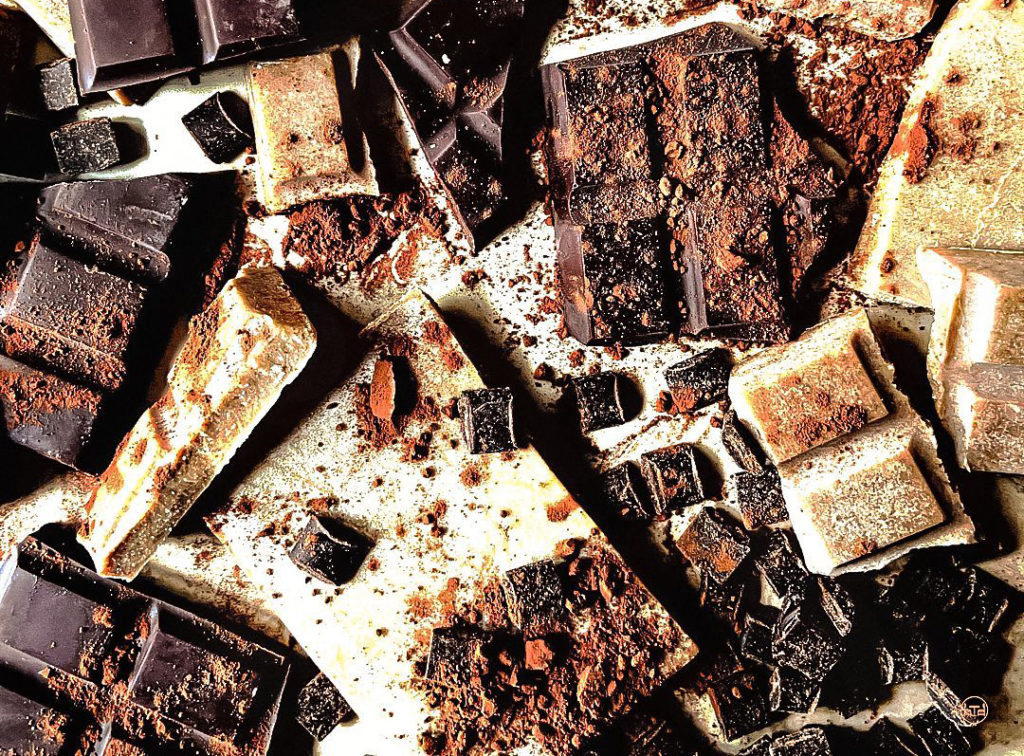
Dark chocolate contains flavonoids, which are antioxidant compounds. These flavonoids are broken down by your gut bacteria into smaller molecules that have anti-inflammatory effects throughout the body. A 2019 study in the Journal of Nutritional Biochemistry found that regular consumption of cocoa flavanols was associated with changes in gut microbial composition and reduced inflammatory markers.

Chunks of dark chocolate dusted with cocoa powder
Credit: Freedom Chocolate via @the.allergytable on Instagram

The mechanism is chemistry, not magic. Your gut bacteria eat the flavonoids and convert them into anti-inflammatory compounds called phenolic metabolites. The quality of your bacteria determines how well this works. If your gut bacteria are healthy, dark chocolate becomes a functional food. If they’re depleted, you won’t get the benefit, which is why starting with fermented foods before layering in dark chocolate often makes sense. Choose dark chocolate with at least 70% cocoa content for meaningful flavonoid levels. Browse the Chocolate edit for higher-cocoa options.

Your gut bacteria produce many of the neurotransmitters that affect your mood.

Peppermint for muscle relaxation

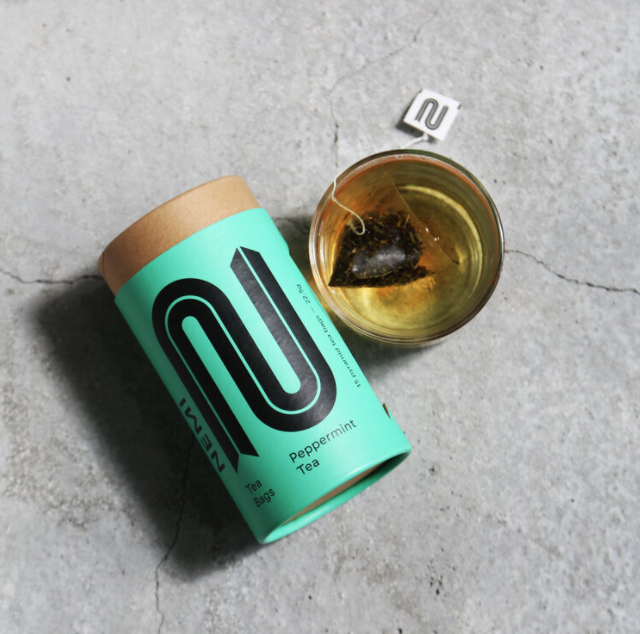
Peppermint tea works through a different mechanism than fermented foods. The menthol in peppermint relaxes the smooth muscles in the digestive tract, reducing spasms that trap gas and cause bloating. A 2019 meta-analysis in BMC Complementary Medicine and Therapies reviewed 12 randomised controlled trials on peppermint oil and found significant reductions in abdominal pain and IBS symptoms compared with placebo.

NEMI Teas peppermint tea tube with a freshly brewed cup
Credit: NEMI Teas

For many people, a cup of peppermint tea after meals becomes part of the routine that keeps bloating at bay. It’s not addressing the root cause if the issue is bacterial imbalance, but if the bloating is coming from muscle tension and trapped gas, it’s functional relief. Peppermint also stimulates bile production, which supports fat digestion. Browse the Tea edit for peppermint and other gut-supporting blends.

Building your bloating-free routine

None of this works in isolation. You’re looking for a combination approach. Introduce fermented foods regularly to rebuild your bacteria, and give your gut time to adjust. Start with small portions: a spoonful of sauerkraut or kimchi with one meal per day. Gradually increase over weeks as your system adapts. Peppermint tea can become part of your daily routine, especially after larger meals. Dark chocolate becomes a snack that’s also functional.

You’re not forcing any one food to be a cure. You’re building a food environment where your gut can stabilise. This takes consistency and patience, and the results compound over weeks and months rather than days.

What you eat affects how you feel, right down to mood and energy. That’s not about calories. It’s about whether your gut has the resources to function properly. The bacteria need fibre to eat. They need fermented foods to establish and flourish. They need anti-inflammatory support from dark chocolate and peppermint. They need variety from different food sources. Start by adding one fermented food to your week. Pay attention to what changes in digestion, energy and mood. After a few weeks, add another layer. This is how you move from chronic bloating to occasional comfort.

If bloating is persistent, worsening, or accompanied by weight loss, blood in stools, or severe pain, see your GP. The advice above is for everyday digestive discomfort, not for conditions that need clinical investigation.

For more on building a gut-supporting routine, read our guides to how food affects mood and benefits of buying organic.

Every brand in the Food and Drink category on Ziracle has passed the same standard: honest ingredients, transparent sourcing, and production that takes ethics seriously. For gut-supporting products specifically, filter by Organic.

Ready to start? Browse the Gut Health edit and pick one fermented food to add to your week.

FAQs

Do fermented foods actually reduce bloating, or is it hype?

The evidence is stronger than most gut-health claims. A 2021 randomised trial from Stanford University School of Medicine, published in Cell, found that a ten-week high-fermented-foods diet increased microbial diversity and reduced inflammatory markers compared with a high-fibre control. The effect was specifically tied to consuming multiple fermented foods daily (yoghurt, kefir, kombucha, kimchi, sauerkraut), not a single product. Build up slowly. Two to four weeks of consistency is usually enough to notice a difference.

How long does it take to see results from fermented foods?

Two to four weeks for most people. The Stanford trial measured changes over ten weeks, but participants reported noticing digestive differences much earlier. If you’re starting from a low-diversity baseline (lots of processed food, recent antibiotic courses, chronic bloating), the first few days can actually feel worse as your gut adjusts. Start with a spoonful of one fermented food daily and build from there rather than dumping multiple new foods into your diet at once.

Is peppermint tea safe to drink every day?

For most adults, yes. Peppermint tea is generally well tolerated and has a long history of safe traditional use for digestion. The main exception is gastro-oesophageal reflux: peppermint can relax the lower oesophageal sphincter, which may worsen reflux symptoms in some people. If you have persistent reflux, check with your GP before making peppermint a daily habit. For most people without reflux, a cup after meals is a reasonable addition.

Can dark chocolate really help with bloating?

Indirectly, through its effects on gut bacteria rather than directly on bloating. A 2019 study in the Journal of Nutritional Biochemistry found that cocoa flavanols influence gut microbial composition and reduce inflammatory markers. This is a long-game benefit, not an acute one. A square of dark chocolate won’t stop bloating in the moment, but regular consumption of 70%+ dark chocolate as part of a broader gut-supporting diet contributes to a healthier bacterial ecosystem. Don’t rely on it alone.

When should I see a GP rather than trying food-based approaches?

If bloating is persistent (lasting more than two to three weeks), worsening over time, or accompanied by unexplained weight loss, blood in stools, changes in bowel habit, severe pain, or difficulty swallowing. These can be symptoms of conditions (including IBS, IBD, coeliac disease, or more serious causes) that need clinical investigation rather than dietary self-management. The food-based approaches above are for everyday digestive discomfort and general gut health maintenance, not for ongoing or worsening symptoms.

Natural ways to boost serotonin and dopamine

Natural Ways to Boost Serotonin and Dopamine

Flat Tuesday mornings. Coffee in, emails open, nothing lifts. Not depression, exactly. Just off. The fix is probably not another wellness trend. It is two specific brain chemicals, serotonin and dopamine, and a handful of small things that shift them.

The NHS England Adult Psychiatric Morbidity Survey 2023–24 found that one in five adults in England now has a common mental health condition, predominantly anxiety or depression — up from one in six recorded in 2014 — with mixed anxiety and depression accounting for approximately one-fifth of all working days lost in the UK. Medication is the right answer for many, and Mind UK has the clearest evidence-based information on it. This article is not a replacement for that. It is what the research says about daily choices that move the same dials.

What the two chemicals actually do

Serotonin is the one that makes you feel settled. It regulates mood, sleep, appetite, and digestion. When it runs low the body notices before the mind does: restless nights, a flatter emotional baseline, a gut that feels off.

Dopamine is the one that makes you want to get out of bed. It drives motivation and the brain’s reward system. Low dopamine shows up as listlessness and the strange feeling that things you normally enjoy have lost their colour.

The distinction matters because the fixes differ. You need both working, and it helps to know which one is missing.

01. Feed the gut, not the brain

Around 90% of the body’s serotonin is produced in the gut, not the brain. A 2015 Caltech study, published in Cell, identified specific gut bacteria that drive this production. The gut speaks to the head through the vagus nerve, which means that feeding your microbiome is the most direct route to a steadier mood.

Tryptophan is the raw material. The body cannot make it, so it has to come from food: butternut squash seeds, walnuts, oats, tofu, eggs, bananas. Research in Nutrients found tryptophan pairs best with a carbohydrate, which helps it cross the blood-brain barrier. Almonds with oatcakes works better than almonds on their own.

Full guide: how food affects mood. Shop: Gut Health.

02. Move for 20 minutes, most days

Woman jogging outdoors in early morning light
Credit: Andrew Tanglao

The single most reliable lever. A 2017 review in Brain Plasticity, led by neuroscientist Wendy Suzuki at New York University, found that a single bout of aerobic exercise raises both dopamine and serotonin, and that regular movement strengthens the neural pathways that produce them.

Twenty minutes is enough. Mode matters less than consistency: a brisk walk, a yoga flow, a cycle to work. Most people notice the shift within days, not weeks. It is measurable biology, not placebo.

03. Use scent deliberately

Bergamot, lavender, and lemon essential oils reach the limbic system directly through the olfactory nerve, which is why they act faster than most interventions. A 2019 review in Frontiers in Pharmacology found measurable anxiolytic and mood-elevating effects across multiple clinical studies of lavender in particular.

The trick is to use the same scent in the same way, repeatedly. Lavender on your pillow. Bergamot in the diffuser at 4pm. The nervous system learns to associate the scent with settling, so the effect compounds. Shop: Aromatherapy.

04. Meditate, briefly, daily

Person sitting in quiet meditation at sunset overlooking mountains
Credit: Daniel Mingook Kim

Even short meditation sessions activate dopamine release in the brain’s reward centre. A 2002 study in Cognitive Brain Research, using PET imaging at the John F. Kennedy Institute in Copenhagen, found a 65% increase in endogenous dopamine release during yoga nidra meditation compared to rest. Longitudinal studies since have found measurable increases in grey matter density in regions linked to attention and emotional regulation.

Five minutes counts. The method that matters is the one you will actually do. Full guide: how to add meditation.

05. Sunlight, early

Morning light exposure is the clearest non-pharmacological regulator of serotonin in the literature. A study in The Lancet led by neurologist Gavin Lambert at the Baker Heart Research Institute found brain serotonin turnover rises in direct proportion to the hours of bright sunlight on any given day, regardless of season.

Ten minutes outside before 10am, without sunglasses. It also anchors your circadian rhythm, which sorts out sleep, which sorts out most of the rest. Shop: Reduce Stress.

06. Cold exposure, with caveats

Cold water immersion has become the dopamine trend of the last few years, largely on the back of research from Czech physiologist Petr Šrámek, whose 2000 study in the European Journal of Applied Physiology found a 250% increase in dopamine following one hour of cold-water immersion at 14°C. That is a striking number, but the dose used in the study is far from a 30-second cold shower.

A cold shower still has value: it sharpens alertness and delivers a short noradrenaline kick. Just do not expect the dopamine curve from the study. And if you have a heart condition, ask your GP first.

07. Protein at breakfast

High-protein tempeh ribs by Better Nature on a serving tray
Credit: Better Nature | Wellness

Dopamine is built from the amino acid tyrosine. Eating protein at breakfast, rather than leaving it until lunch, gives the brain the building blocks earlier in the day, when motivation is most needed. Eggs, Greek yoghurt, lentils on toast, tofu scramble. Nothing elaborate. Shop: Nutrition & Superfoods.

08. Sleep before optimisation

This one sits last because it is the easiest to skip and the hardest to fake. A 2007 study in Neuropsychopharmacology found that even one night of poor sleep reduces dopamine receptor availability the following day. Every other item on this list works better when sleep is handled. Build sleep first. The rest is leverage.

Medication and natural strategies are not either-or

If you are on SSRIs or another mood medication, these practices run alongside it, not instead of it. Medication resets the baseline; daily practices optimise from there. Do not change a prescription without your GP. Many people find the natural strategies only start to land once medication has done the heavier lifting first.

The ones that sound important but aren’t

Adaptogenic mushrooms and nootropic stacks. The clinical evidence is thin and the marketing is loud. Not a waste of money necessarily, but nowhere near the return of the items above.

Dopamine detoxes. Not a neurochemically coherent concept. Reducing compulsive phone use is a good idea for attention and sleep. Framing it as a detox misunderstands how dopamine works.

Serotonin supplements. You cannot supplement serotonin directly; it does not cross the blood-brain barrier. 5-HTP and tryptophan supplements exist but interact with SSRIs and other medications. Food first, supplement only with medical advice.

If the day ahead looks flat, the chemistry is addressable. Start with movement and morning light. Add protein at breakfast. You will notice the shift within the week.

Ready to build the routine? Browse the Reduce Stress edit and pick one place to start.

FAQs

What actually raises serotonin naturally?

Sunlight, movement, and tryptophan-rich food, in that order of reliability. Morning light has the clearest evidence base for serotonin specifically. A 2002 study in The Lancet found brain serotonin turnover rises in direct proportion to hours of bright light exposure each day. Pair that with twenty minutes of movement and tryptophan at meals, and you have the three highest-return levers.

What raises dopamine without supplements?

Protein at breakfast (for the tyrosine), short daily meditation, and sunlight. A 2002 study at the John F. Kennedy Institute found meditation produced a 65% increase in dopamine release compared to rest. Morning light and protein front-load the system for the day. Brief cold exposure adds something, but less than the headlines suggest at domestic doses.

Can I do this if I’m already on antidepressants?

Yes, alongside your medication, not instead of it. SSRIs change the baseline availability of serotonin in the brain, and daily practices optimise from that baseline. Some supplements (notably 5-HTP and St John’s Wort) interact dangerously with SSRIs, so food-first is the safer route. Speak to your GP before adding any supplement.

How long before I notice a difference?

Movement and sunlight produce shifts within days. Dietary changes take a week or two to register, because the gut microbiome takes time to adjust. Meditation compounds over weeks, which is why it is the easiest to quit before it starts working. Give any single change two weeks before judging.

What about gut health and mood?

Around 90% of serotonin is produced in the gut, not the brain. A 2015 Caltech study identified specific gut bacteria that drive production. Feeding the microbiome (fibre, fermented foods, tryptophan-rich foods) is one of the most direct mood interventions available, and one of the slowest to be felt, which is why people give up on it. Consistency matters more than intensity.

The sustainable underwear guide (the easiest swap in your wardrobe)

Sustainable Underwear

Underwear is the quietest part of your wardrobe and one of the most worth rethinking. You wear it every day. It sits against your skin for hours. You replace it more often than almost anything else you own. And most of what you’ve been buying from the high street is made cheaply, made by people paid badly, and designed to fall apart fast enough to keep you coming back.

That makes it the cleanest place to start shopping differently. The spend is small. The feel is immediate. The verification is easier than with almost any other category. And the difference between a drawer of cheap synthetic underwear and a drawer of well-made organic basics is the kind of change you notice within a week of switching.

This is a guide to what matters, what doesn’t, and how to buy basics that last without replacing everything at once.

Why cotton matters more than most materials you buy

Conventional cotton is one of the most chemically intensive crops in the world. Cotton covers around 2.4–2.5% of global agricultural land but accounts for a disproportionately large share of worldwide insecticide use — figures cited by the Pesticide Action Network UK and the Better Cotton Initiative put cotton’s share of global insecticide sales at around 10–16%, depending on the methodology and period measured. In developing countries, where most cotton is grown, that share climbs higher. The pesticides used on cotton include chemicals classified by the World Health Organization as hazardous to human health. In developing countries, where most cotton is grown, that share climbs higher. The pesticides used on cotton include chemicals classified by the World Health Organization as hazardous to human health.

Organic cotton knickers in pink gingham with fresh daisies

Organic cotton is cotton grown without synthetic pesticides, synthetic fertilisers or genetically modified seeds. The most robust independent verification for it is the Global Organic Textile Standard, known as GOTS, which audits the full supply chain from farm to finished garment against both environmental and social criteria, including fair wages and safe working conditions.

The fibre matters more in underwear than in most garments for a simple reason: skin contact. Pesticide and chemical residues from conventional processing can remain on finished fabric, and underwear is against your most sensitive skin for more hours of the day than any other piece you wear. If you have reactive skin, eczema, or unexplained irritation at the bikini line, switching to GOTS-certified organic cotton is one of the first things worth trying.

Why fast-fashion underwear is a false economy

Walk into most high-street retailers and a pack of five pairs costs less than a lunch. The fabric is a thin cotton-synthetic blend. The elastic is cheap polyester and rubber that loses its stretch within a dozen washes. The dyes fade, the seams fray, the gusset wears through. You replace the whole drawer every twelve to eighteen months and throw the old pairs in the bin, where they sit in landfill for decades.

Model sitting wearing a soft lavender lace bralette and briefs

The cost per wear of that model is worse than it looks. Five pairs for £12, replaced three times over two years, is £36 for thirty-six months of wear. Five pairs of well-made organic cotton briefs at £15 each (£75 total), worn for three to four years, works out significantly cheaper per day. You pay more upfront and spend less overall. The waste reduction is the separate bonus.

The fast-fashion model is designed to depend on replacement. Sustainable underwear brands are designed to depend on retention.

What to actually look for

Four things matter, in rough order of importance.

Model wearing a grey organic cotton bralette by a window

GOTS certification on the fabric. This is the single strongest signal. GOTS covers how the cotton is grown, how it’s dyed, how it’s processed, and how the workers at every stage are treated. A GOTS label is the shortcut that removes the research burden. When a brand has it, you do not need to verify the individual claims.

Thicker, higher-quality fabric. Not just thread count, but weight. A pair of well-made organic cotton briefs weighs noticeably more than a supermarket pair. This is usually a sign the cotton is longer-staple and the knit tighter, both of which extend lifespan. If the fabric feels papery in hand, it will behave that way on your body.

Flat seams and a reinforced gusset. These are the failure points in cheap underwear. Flat-locked seams move with the skin instead of digging into it. A reinforced gusset (ideally a second layer of organic cotton) outlasts single-layer constructions by a wide margin.

Elastic that isn’t ordinary polyester. This is where the sustainable underwear category has improved most in the last five years. Biodegradable elastic alternatives, including GOTS-approved natural rubber-based options, hold their shape through more washes than conventional synthetic elastic and do not persist in landfill forever. Not every sustainable brand uses them, and the ones that do will say so clearly. Silence on this is worth noticing.

Other materials worth knowing:

TENCEL (trademarked Lyocell) is made from sustainably managed wood pulp, is biodegradable, and has a softer hand than cotton. It works particularly well in warm weather. Modal, similar in origin, is silkier but tends to be less durable.

Recycled polyester is occasionally used in sports underwear. It is better than virgin polyester but still sheds microplastics in the wash, which matters more for underwear worn under activewear than for everyday basics.

Bamboo fabric is a different category again. Most “bamboo” clothing is bamboo-derived rayon, which requires heavy chemical processing that undermines much of the sustainability case. GOTS does not certify most bamboo textiles for this reason. Treat the word with caution.

The pieces that actually last

Buy the shapes you already reach for, in neutral colours, from brands that make few styles and make them well.

Legs in sheer black tights resting on a green velvet chair

Briefs, midis, boy shorts, high-waisted pants. Bralettes and soft-cup bras in your everyday size. Two or three colours maximum: black, nude, and one other. Patterns and trend-led shapes date faster than solids and cost the same, which makes them poor value even before sustainability enters the equation.

Check whether the brand offers repair, resizing or take-back. A few of the better sustainable underwear brands in the UK have started offering these services, and they are strong signals of brands that expect their products to stay in your drawer rather than on a shelf.

Start small, not all at once

You do not need to replace every pair you own this month. Sustainable shopping does not require a clean slate. It requires a better next purchase.

Buy two pairs of GOTS-certified organic cotton briefs in your usual size. Wear them for a fortnight. Wash them a few times. Pay attention to how they feel at the end of a long day compared with the synthetic pairs you already own, and how they look after washing compared with the cheap pairs that usually start pilling by week two.

Most people who switch this way replace gradually. A pair a month, or two when you need them, over a year or two. The drawer changes without a big spend, and the change feels sustainable in the ordinary sense of the word too, meaning you actually stick with it.

Where to start on Ziracle

Every brand in our Apparel and Style edit has passed the same standard: honest materials, transparent production, and claims that hold up to a second look. The Intimates and Sleep range is where to start for daily basics, and Underwear specifically for the swap this guide is most concerned with. Filter by Organic for GOTS-certified fabric across the edit.

For the broader argument about investing in better fabric at the denim end of the wardrobe, see our sustainable denim guide.

If sensitive skin is the reason you’re reading this, Healthy Skin is the goal page to bookmark.

FAQs

Does organic cotton really feel different against the skin?

Most people notice a softer, more broken-in feel compared with cheap conventional cotton, and fewer cases of skin irritation over time. The ingredient-level reason is that GOTS-certified organic cotton has not been bleached, dyed or finished with the harshest chemicals often used in conventional processing. For reactive skin, the difference is usually noticeable within a couple of weeks. For less sensitive skin, it shows up more in durability than in feel.

Is GOTS better than other organic cotton certifications?

Yes, for most consumer purposes. The Organic Content Standard (OCS) certifies that cotton was grown organically but does not cover the rest of the manufacturing process. GOTS covers the whole supply chain, including dyes, processing chemicals and worker conditions, and is audited independently. If you see OCS on a label, it means the raw cotton is organic but the finished garment may still have been treated with processing chemicals GOTS would not allow.

How much more does sustainable underwear actually cost?

Around two to three times the price of fast-fashion equivalents at the initial buy, but typically less per wear over the garment’s lifetime. A £15 pair of GOTS-certified briefs worn for three years costs about 1.4p per wear. A £2.40 high-street pair worn for eighteen months before it’s thrown out costs about 0.4p per wear but produces far more waste and contributes to the supply chain this guide is arguing against.

What’s wrong with bamboo underwear?

Most bamboo fabric is actually bamboo viscose or rayon, which is made by breaking down bamboo with chemical solvents in a process that carries significant environmental cost. GOTS certifies very little of it for that reason. Some bamboo lyocell processes are closed-loop and more defensible, but they are rare. If a brand sells “bamboo” underwear, check which specific process is used. Vague bamboo claims are usually not what they sound like.

Do I need to replace my whole underwear drawer to make a difference?

No. The largest improvement comes from changing what you replace your current pairs with as they wear out. A one-in, one-out replacement cycle over a year or two is almost always better than a full replacement at once, which is expensive and wastes the useful life still in your current pairs.

Is foraging the next step for slow beauty?

Is foraging the next step for slow beauty

Benzoyl peroxide. Dihydroxyacetone. Glycerin. Emollient. The ingredients list on most skincare products reads like a chemistry paper. Many of those ingredients are harmless, some are useful, and a fair number are there mainly to extend shelf life. All of them come wrapped in beautiful packaging with a price tag to match.

Slow beauty is a direct response to that status quo, asking the same questions slow fashion asks but about what we put on our skin. Fewer ingredients. Local and seasonal where possible. Less packaging, less shelf-life engineering, and more attention to the full journey of the product. Foraging for your own skincare ingredients sits comfortably inside that movement, and it’s a surprisingly practical place to start if you want a near-zero-waste beauty routine.

Foraging is the practice of sourcing ingredients from the wild, most often for food, but also for home remedies and skincare. There’s an abundance of natural ingredients with skincare benefits growing in British woodlands, hedgerows and gardens, and many of them can be combined with other natural sources to produce serums, toners, scrubs and bath salts. Most cost little to nothing beyond the effort of finding them.

Natural ingredients grow by season, so you can’t forage the same things all year. Here’s a seasonal guide to the most useful plants for skincare, where to find them, and four recipes to get started. A few important notes on safety first.

A note on foraging safely

Before you head out, read the Woodland Trust’s foraging guidelines. The short version: only forage what you can identify with total confidence, take small amounts from abundant sources, never uproot plants (which is illegal on land you don’t own under the Wildlife and Countryside Act 1981), and never forage in protected sites.

Plant identification matters enormously. Some plants that look edible are toxic, and several common look-alikes can cause serious harm. If you’re in any doubt, leave it alone and check a reliable reference like Kew’s guide to poisonous plants or go with someone experienced. When you’re foraging for skincare in particular, patch-test on a small area of skin before applying anything more widely. Natural doesn’t automatically mean non-irritant.

One more thing. The NHS is clear that herbal and plant-based products are not a substitute for medical treatment. If you have a persistent skin condition, see a dermatologist. Foraged skincare is for everyday routines, not for treating serious issues.

Spring

Chickweed

Where: shady, moist locations including gardens and woodland edges. Chickweed forms small low-growing mats with distinctive white star-shaped flowers.

image of chickweed growing between light grey rocks

Benefits: chickweed has traditionally been used to soothe a range of skin issues thanks to its natural antiseptic, antifungal and anti-inflammatory properties. It’s often used as a quick remedy for itchiness and surface irritation.

Dandelion

Where: dandelions prefer moist, sunny areas, only going dormant in the coldest winters. They’re one of the easiest foraging plants to find in the UK because they grow almost everywhere, including lawns and pavements.

dandelions in long grass next to pink flowers

Benefits: the sap from dandelions is naturally alkaline, which makes it useful against germs, bacteria and fungus. It’s been used traditionally to treat ringworm and eczema. Seen as a natural detoxifier, dandelion juice also appears in homemade acne treatments, and the plant’s vitamin C content can support the appearance of scars and inflammation.

Goose grass

Where: turf, landscaped areas like crop fields, orchards and gardens. Goose grass, also known as cleavers, is the sticky plant children used to throw at each other in playgrounds.

close up image of goosegrass.

Benefits: goose grass has long been used in folk medicine for skin complaints like psoriasis and eczema, and for helping small cuts, scrapes and abrasions to heal. It’s usually applied as a cooled infusion or a cold-pressed juice.

Wild garlic

Where: near marshland or water drainage ditches across much of the UK, often carpeting the floor of damp woodland in spring. You’ll usually smell it before you see it.

huge pile of wild garlic in a dark brown wicker basket

Benefits: wild garlic is rich in allicin, which gives it antiviral, antifungal and antiseptic properties. It’s used in cleansing products and in homemade acne treatments because it helps remove the bacteria that cause breakouts. Garlic also contains vitamin C, known to support collagen production and protect against the effects of UV exposure.

Recipe: dandelion face serum

Designed to brighten the complexion and firm the skin. The flower’s properties are known for supporting the appearance of age spots and scars, so it works well as a serum layer before your moisturiser, morning or night.

Ingredients: 6 fresh dandelion flowers and leaves, 1 aloe vera leaf, 1 teaspoon vitamin E oil.

  1. Wash the flowers and chop off the base of the stems to remove any dirt. Leave to drain.
  2. Slice the aloe vera leaf down the middle and scoop out the gel to fill half a cup.
  3. Blend the dandelions and aloe vera gel in a food processor or NutriBullet.
  4. Leave the mixture to sit for one hour.
  5. Using a cloth or strainer, squeeze the gel into a bowl until all you have left is dandelion pulp in the strainer and dandelion-infused gel in the bowl.
  6. Gently mix in the vitamin E.
  7. Pour into a pot or bottle, preferably dark glass to preserve the contents for longer.
  8. Apply to clean skin morning and night. Use within 10 weeks.

Summer

Chanterelle mushrooms

Where: growing in clusters in mossy coniferous forests, and also in mountainous birch forests. Chanterelles have a distinctive trumpet shape and a golden-yellow colour, with false gills rather than true ones.

Chanterelle mushrooms in wicker baskets

Benefits: like many fungi, chanterelles are rich in vitamin D. They’re also rich in niacin, which has been used traditionally to address conditions like eczema and rosacea by helping to reduce redness, inflammation and irritation. Only forage mushrooms with expert ID. Several UK species are lethally toxic.

Blackberries

Where: commonly found in brambles across most UK woodland and along hedgerows. Pick them ripe and jet-black, never at the roadside where exhaust residue will have settled on the fruit.

black berries

Benefits: blackberries are rich in antioxidants, which support circulation and immune function. They feature in face masks because of their astringent properties. The high vitamin C content supports collagen production, and the antioxidants help the skin look brighter and healthier.

Hazelnuts

Where: moist, lowland soil and under the shade of oak trees. The nuts ripen in late summer and early autumn.

Green hazelnuts ripening on the branch

Benefits: hazelnuts contain a high concentration of antioxidants and are often applied to the skin as a cold-pressed oil. Naturally rich in fatty acids and vitamin E, hazelnut-based products support hydration and elasticity. They’re also a good protein source if you want to take some home for the kitchen.

Honeysuckle

Where: honeysuckle grows close to home, often on the exteriors of buildings and along hedgerows and woodland fringes. Its strong sweet scent makes it easy to find in the evening.

close up image of honeysuckle

Benefits: honeysuckle features in traditional remedies for eczema, acne and rosacea. Oil distilled from the plant is also used in hair products to strengthen roots and strands. As an essential oil, honeysuckle is used in aromatherapy and is thought to help with headaches, sinus pressure and stress.

Recipe: rose face spritz

Doubles as a face toner and as a cooling spritz on hot days. Use fresh, unsprayed roses from your own garden or a friend’s.

Ingredients: 7 roses, 1.5 litres of distilled water.

  1. Gently pull the petals from the roses and place them in a colander under lukewarm running water to remove any dirt.
  2. Once clean, put the petals in a pan with the distilled water. If 1.5 litres isn’t enough to cover them, add more.
  3. Over a low to medium heat, bring the petals to a simmer for about 25 minutes until they’ve lost their colour and gone very pale pink.
  4. Strain the mixture and separate the petals from the water. Don’t throw the petals away, you can add them to a bath that evening.
  5. Pour the rose water into a dark bottle and use as a cooling face spritz throughout summer.

Foraging is a near-zero-waste way to learn what actually grows around you.

Autumn

Rosehips

Where: rosehips develop from the seed pods of wild roses along hedgerows, waste ground and woodland edges. They ripen from late summer onwards and are at their best after the first frost.

Benefits: rosehips are known for their astringent properties, which help tighten the skin and close pores. They also contain lycopene and beta carotene (the same compound that gives carrots their colour) and have been used to address hyperpigmentation: skin that has darkened in places due to sun, hormones or medication. Rosehip oil is a staple in natural skincare for its essential fatty acid content.

Hawthorn

Where: hawthorn grows in hedgerows, woodland and scrubland. The berries (haws) ripen to a deep red in autumn.

close up image of orange hawthorn berries

Benefits: hawthorn berries are naturally rich in polyphenols, and are traditionally associated with supporting the immune system and cardiovascular health. Cosmetically, they appear in hair products where they have a reputation for supporting fast hair growth and strong roots.

Walnuts

Where: in woodland, most commonly in southern parts of England. Wild walnut trees are less common than their cousins in orchards, so take only what you’ll use.

arial shot of walnuts in a bowl next to a walnut cracker and shells.

Benefits: most of the skincare benefits come from the shell and leaves, which makes walnuts an excellent near-zero-waste option. Walnut extracts help protect the skin from free radicals, and the shells make a brilliant natural exfoliant thanks to their rough texture. Grind them fine before use on the face. Shells are gentler on arms, legs and feet.

Recipe: walnut body scrub

Supports circulation, buffs away dead skin cells, and leaves skin smoother and brighter. Use no more than once or twice a week.

Ingredients: 12 walnuts, 30g refined shea butter, 30g almond oil, 5g vitamin E oil, 5 drops rosehip oil.

  1. Remove the shells from the walnuts.
  2. Grind the walnut shells into tiny particles. You can do this in a pestle and mortar, in a canvas bag with a rolling pin, or in a blender. Set aside.
  3. Put the shea butter and almond oil in a heat-proof bowl and place it over a pan of hot water, as you would to melt chocolate.
  4. On a low heat, let the shea butter melt into the oil.
  5. Once fully melted, remove from heat and allow to set. You can speed this up in the fridge.
  6. Use a wooden spoon to mix until the product turns fluffy.
  7. Add the crushed walnut particles, vitamin E and rosehip oil. Stir through.
  8. Spoon into a dark glass jar to keep it fresh. Use in the shower on damp skin, avoiding the face.

Winter

Nettles

Where: nettles prefer rich, moist soil and are commonly found near rivers, streams and lakes. Wear gloves when harvesting. Nettles lose their sting once they’re cooked or properly processed.

image of stinging nettles.

Benefits: prepared properly, nettles are a rich source of antioxidants and have a reputation for supporting skin against the effects of heavily polluted air. They’re also traditionally used as a hair rinse, where they’re thought to inhibit a hormone associated with hair loss and stimulate the scalp.

Beech nuts

Where: beech nuts prefer dry conditions and acidic soil. They can be tricky to find, but mature woodland is a good place to start, particularly where there are large beech trees.

beech nuts

Benefits: beech nuts have a reputation as a powerful antiseptic and are traditionally associated with strong hair growth. Oil distilled from beech nuts is thought to strengthen follicle cells and slow hair loss. Important caveat: parts of the beech tree are toxic, so don’t attempt to forage or prepare beech nuts without expert guidance.

Rowan berries

Where: rowan trees grow at high altitude, particularly in the Scottish Highlands, and produce bright orange-red berry clusters. Rowan is also common in urban parks and gardens across the UK.

close up of Rowan berries

Benefits: packed with vitamin C, rowan berries are associated with supporting collagen production, which helps keep skin feeling firm and reduces the appearance of wrinkles over time. They can also be applied to dry or sore patches of skin for itchiness and irritation, and have traditionally been used for eczema and other skin inflammations. Raw rowan berries are mildly toxic, so they need to be cooked before use.

Pine

Where: Scots pine is the only truly native pine in the UK. It thrives on heathland and is widely planted for timber. It’s also found in the Caledonian Forest in the Scottish Highlands.

woman with a small tattoo touching a pine tree

Benefits: pine nut-based products help combat the effects of free radicals, which are associated with higher pollution levels, and feature in many anti-ageing formulations. Naturally fragrant, pine nuts are also used in perfumes and shower gels.

Recipe: rosehip bath salts

A luxurious bath salt infused with rosehips you can forage through autumn and into winter. Rosehips are rich in essential fatty acids which help nourish and rehydrate dry winter skin. Pour a hot bath, sprinkle in your salts, and let the mixture do the work.

Ingredients: 10 to 15 rosehips, Himalayan bath salts, almond oil, 4 rose petals, 4 drops of lavender essential oil.

Part one: infuse the oil.

  1. Chop any stalks and leaves from the rosehips and wash them with cold water in a strainer.
  2. Fill a jar (jam size works well) one-third with rosehips and top it up with almond oil.
  3. Leave to infuse for a minimum of four hours. The longer you leave it, the better the result.
  4. Strain the rosehip oil into a clean jar so you now have rosehip-infused almond oil.

Part two: mix the bath salts.

  1. In a mixing bowl, add the Himalayan bath salts.
  2. Mix in one teaspoon of your rosehip oil and the lavender essential oil. You can add more lavender if you like a stronger smell.
  3. Grind the rose petals in a pestle and mortar, then add them to the mix.
  4. Stir everything together and spoon into a jar, ready to sprinkle into your next bath.

Progress, not perfection

Foraging your own skincare isn’t going to replace your whole bathroom cabinet. It’s not meant to. Think of it the way you might think of growing your own herbs. You’ll still buy most of what you use, but the bits you make yourself tend to be the pieces you enjoy the most, and they come with no packaging, no shipping, no ingredient list to decode.

The bigger shift is the mindset. Foraging pushes you to notice what actually grows around you. That noticing tends to spread to the other parts of your routine, which is how slow beauty becomes a habit rather than a one-off project.

For more on slow beauty, read our guides to eco swaps for beauty and the truth about microplastics in our cosmetics.

Every brand in the Beauty and Self-Care category on Ziracle has passed the same standard: honest ingredients, transparent formulation, and packaging that takes the environment seriously. For products with short ingredient lists and whole-plant formulations, filter by Organic or Plastic Free to match the spirit of the foraged routine above.Ready to shop?

Browse the Healthy Skin edit for brands that work with whole ingredients from the start.

FAQs

Is foraging for skincare actually legal in the UK?

On land where you have permission, and within sensible limits, yes. The Wildlife and Countryside Act 1981 makes it illegal to uproot any wild plant without the landowner’s permission, and foraging in designated protected sites (National Nature Reserves, SSSIs) generally requires specific consent. Picking small amounts of leaves, flowers and fruit from common plants on public land for personal use is usually acceptable. Commercial foraging or stripping a site clean is not. The Woodland Trust’s guidelines are the most accessible starting point.

Is foraged skincare actually better for your skin than shop-bought?

It depends what you’re comparing it to. Foraged skincare has short ingredient lists, no packaging and no preservatives, which appeals to people who want minimal formulations. It also has a very short shelf life (typically two to ten weeks depending on the recipe) and no standardised potency, because plant concentrations vary with season, soil and species. For everyday use by people without sensitive skin, it’s a reasonable alternative. For anyone with reactive skin, eczema, or a specific condition, professionally formulated skincare is usually the more reliable choice. Always patch-test first.

What should I never forage without expert help?

Mushrooms, first and most importantly. Several UK species are lethally toxic, and some of them look very similar to edible ones. Beech nuts, which contain compounds that can be toxic if not properly processed. Anything you can’t identify with complete confidence. The rule of thumb: if you aren’t 100% sure what it is, leave it alone. Kew Gardens and the Woodland Trust both publish clear identification guides online.

How long does foraged skincare last?

Most of the recipes in this guide last between two and ten weeks, stored in dark glass in a cool place. The lack of preservatives is part of why they’re gentle, and also why they go off faster than shop-bought products. If something changes colour, smell, or texture, throw it out. Making smaller batches more often is the practical way to work with natural formulations.

Can I forage ingredients in a city?

With care, yes. Parks, community gardens, and private gardens (with permission) often have useful plants. Avoid anything within a few metres of busy roads, where exhaust particulates settle on leaves and fruit. Don’t forage in sites sprayed with herbicides or where dogs regularly urinate. Urban blackberries and elderflower are particularly popular and usually safe if picked sensibly away from traffic.

Eco-home essentials worth building a room around

Eco-Home Essentials

Making a house feel like a home is a quiet kind of craft. A candle that smells like early evening, a cushion that pulls a room together, a cleaning spray that doesn’t announce itself the moment you walk in. The eco version of all of this isn’t about looking ascetic or cutting back for its own sake. It’s about choosing the version of each object that works just as well, looks just as good, and doesn’t leave a plastic bottle or a questionable ingredient list behind.

The case for being careful about what you bring into the home is well-documented. The US Environmental Protection Agency has tracked for years how volatile organic compounds (VOCs) from conventional cleaning products, air fresheners and paraffin candles raise the VOC load of indoor air, often to levels several times higher than outdoor air. A 2019 review in the International Journal of Environmental Research and Public Health linked sustained exposure to indoor VOCs with respiratory irritation and long-term health effects. Choosing plant-based cleaners, natural-wax candles and non-toxic fragrance isn’t a niche preference. It’s an everyday way to cut your home’s exposure to the stuff you don’t want to be breathing in.

What follows is a room-by-room approach to building an eco home, organised around the categories where home essentials tend to stack up. Five areas, each with the format worth looking for and the reasoning behind it.

The eco version isn’t about looking ascetic. It’s about choosing the version of each object that works just as well and looks just as good.

Living room: plant-based scent over synthetic diffusers

Most supermarket diffusers carry essential-oil-adjacent synthetic fragrance compounds in a petrochemical carrier oil. They’re cheap, they throw scent far, and they contribute a steady trickle of VOCs to the air you breathe at home. The better version uses real essential-oil blends in a natural plant-based carrier, usually a light vegetable oil, with simple reed delivery and glass packaging.

Scents that read as calming in a living room tend to sit in the woody and soft-floral families: cedarwood, linden, sandalwood, rose geranium. Packaging worth looking for is clear or amber glass with paper labelling. Avoid plug-ins, perfume aerosols and anything with ‘air freshener’ in the name, which usually indicates synthetic fragrance concentrates rather than essential oil. Browse the Home Fragrance edit for options.

Sofa and soft furnishings: handmade textiles that change a room

A cushion is a small purchase that changes the tone of a whole room. The eco version usually comes down to two questions: what’s the fibre (organic cotton, linen, recycled cotton, hemp) and who made it (a machine-press factory, or a cooperative of artisan weavers).

UN Women’s 2025 Women and the World of Work report documents how women artisans in textile cooperatives — including India’s hand block printing sector, identified as the second-largest employer of rural Indian women — see meaningful income improvements and greater economic independence when connected to international Fair Trade markets rather than conventional supply chains. Browse the Cushions and Covers edit and filter by Fair Trade to find pieces produced this way.

Kitchen and dining: artisan serving ware over mass-produced sets

The kitchen accumulates serving pieces faster than almost any other room. The eco approach isn’t to own fewer of them. It’s to choose pieces that work as everyday gear and as statement objects, so you don’t need a separate set of each.

Wood and marble serving boards, finished by hand and often made from offcuts of ancient hardwoods or marble waste, are one of the best examples. Each piece is slightly different. They’re sturdy enough to use every day and attractive enough to put on the table for dinner. Cooperative-made kitchenware from countries with strong artisan traditions typically returns a higher share of the retail price to the maker than a conventional retail supply chain does, which is part of the case for paying more for a hand-finished piece. Browse the Dinnerware edit for options.

Reclaimed materials are worth looking for specifically. Coconut shell bowls, made from the shells left over after the coconut flesh is harvested, are one of the clearer upcycling stories in homeware. The shells would otherwise be burned as agricultural waste. Hand-carved and finished with food-safe oils, they work as breakfast bowls, snack bowls, jewellery catchers or bathroom organisers.

Utility and cleaning: refillable over disposable

Cleaning products are one of the worst-offending categories for single-use plastic in the home, and also one of the easiest to fix. The swap is straightforward: a refillable glass or aluminium dispenser kept indefinitely, with concentrated refills in compostable sachets or tablets that dissolve in water.

Which?’s analysis of refillable and concentrated products found that concentrated refillable cleaning products use substantially less plastic and far less water than ready-mixed sprays, because you’re not shipping water around the country, and that 11 of 12 popular refillable products tested worked out cheaper per ml than their original counterparts.

Bedroom: natural-fibre bedding over synthetic

Bedding is worth getting right because you spend a third of your life in contact with it. Synthetic bedding (polyester, polyester blends) sheds microfibres with every wash and traps heat in a way that most people find uncomfortable. Natural-fibre bedding (organic cotton, linen, bamboo) breathes better, lasts longer, and washes cleanly into wastewater that doesn’t carry microplastics into rivers.

Certifications worth looking for: GOTS (Global Organic Textile Standard) for organic cotton, OEKO-TEX Standard 100 for chemical safety in the finished fabric, and Fair Trade for supply-chain fairness. Linen in particular is worth knowing about. It uses far less water to grow than cotton, needs no irrigation in European climates, and its longevity is measured in decades rather than years. Browse the Bedding edit.

Small pieces, calmer rooms

An eco home isn’t built in a weekend or with one big order. It’s built one replacement at a time: when the old thing runs out, you choose a better version of it. A diffuser that isn’t a plug-in. A cushion that came from a loom rather than a factory. A cleaning spray that refills rather than multiplies. After a few months of these small decisions, the rooms you live in start to feel different, partly because the air is cleaner, partly because everything in them was chosen with some thought.

For more on building the habit, see our guides to eco swaps for home and eco swaps for beauty.

Every brand in the Home and Sanctuary category on Ziracle has passed the same standard: built to last, transparent about materials and supply chain, and made by people paid properly. Filter by Plastic Free or Organic to narrow the selection to products that meet the stricter end of the standard.

Ready to shop? Browse the Home and Decor edit and start with the room you spend the most time in.

FAQs

Are plant-based cleaners actually as effective as conventional ones?

For everyday cleaning, yes. Which?’s 2023 testing found that concentrated plant-based cleaners perform comparably to mainstream brand sprays on common household surfaces, while using substantially less plastic packaging. Where conventional chemical cleaners still have an edge is in heavy-duty disinfection (bleach-based products for deep cleaning during illness, for example) and in removing mould or persistent limescale. For the 90% of weekly cleaning that isn’t about disinfection, plant-based refillable formats are a clean substitute.

Why are natural wax candles better than paraffin?

Paraffin is a petroleum by-product, and burning it indoors releases VOCs and fine particulates into the air you breathe. Soy, coconut and beeswax candles burn cleaner, with significantly lower particulate emissions. The EPA’s indoor air quality guidance has flagged candle soot from paraffin as a meaningful contributor to indoor air pollution over time. The scent performance of well-made natural wax candles is comparable to paraffin, especially when scented with real essential oils rather than synthetic fragrance.

Are handmade textiles worth the price premium?

For pieces you’ll use every day for years, usually yes. Handmade cushions, throws and bedding are more durable than machine-pressed equivalents because the construction is denser and the fibres are typically higher-grade. The Fair Trade premium funds better wages and working conditions for the makers, which is part of what you’re paying for. Cost per use tends to favour handmade pieces over time, the same way cost per wear favours well-made clothing over fast fashion.

Which eco-home swap gives the biggest benefit?

Refillable cleaning products. Cleaning sprays and laundry detergent cycle through the home faster than almost any other packaged category, so switching to refillable formats removes a significant volume of single-use plastic from your household waste. It’s also the category where the performance gap between eco and conventional options has closed most completely. Start there.

How do I tell if a candle or diffuser is genuinely natural?

Look at the wax base on candles (soy, coconut or beeswax, not paraffin) and the carrier oil on diffusers (a named vegetable oil, not an unspecified ‘fragrance carrier’). For the scent itself, the ingredient list should name specific essential oils (bergamot, cedarwood, rose geranium) rather than the generic ‘parfum’ or ‘fragrance,’ which in cosmetics labelling can cover any combination of synthetic fragrance compounds. Certifications worth looking for include natural cosmetic marks like Soil Association COSMOS or Ecocert.

A beginner’s guide to sustainable fashion: What slow fashion actually means

Rail of colourful secondhand patterned shirts on wooden hangers

Sustainable fashion has a vocabulary problem. Slow fashion, ethical fashion, conscious fashion, eco fashion – all of them gesture at something real, but none of them tell you what to actually do differently. Here is the practical version.

If you have ever read about sustainable fashion and come away feeling vaguely guilty but no more informed, that is not your fault. Most of the content in this space either preaches or sells.

Here is the practical version: what slow fashion actually means, why fast fashion is so difficult to resist, and how to build a different relationship with clothes without starting over.

What slow fashion actually means (and what it does not)

The term was coined by Kate Fletcher, now Professor at the Centre for Sustainable Fashion at London College of Fashion, in an article titled “Slow Fashion” published in The Ecologist in September 2007. She defined slow fashion as quality-based rather than time-based – not simply about slowing down, but about designing, producing and consuming differently.

The framing she used then still holds. Slow fashion is not the opposite of fast fashion the way slow food is the opposite of fast food. A matter of values, not speed.

Fast fashion treats clothing as disposable. Slow fashion treats it as something worth keeping. Fast fashion profits from volume. Slow fashion profits from quality. Fast fashion obscures its supply chain. Slow fashion makes it legible.

What slow fashion is not: a specific aesthetic. Neutrals and linen and minimalism have stuck as associations, but the concept was never about any of them. Nor is it a price bracket. A secondhand coat bought for £15 is slow fashion. A £300 coat worn twice is not.

Slow is not the opposite of fast – there is no dualism – but a different approach where designers, buyers, retailers, and consumers are more aware of the impacts products have on workers, communities, and ecosystems. – Kate Fletcher, Slow Fashion: An Invitation for Systems Change, Fashion Practice (2010)

Why fast fashion is designed to be hard to resist

Feeling tempted by fast fashion is not a character flaw. The temptation is the intended outcome of a system that has spent decades optimising for exactly that response.

Fast fashion brands rotate stock constantly, in some cases weekly, to create the perception that items are scarce and temporary. Research into consumer behaviour confirms that scarcity cues – “only two left in stock” warnings, countdown timers – trigger fear of missing out and reduce the time people spend evaluating whether they actually want something. The purchase becomes emotional rather than considered. That is the design.

Low prices reinforce it. When something costs £12, the mental calculation shifts: the potential loss of missing out feels greater than the cost of buying. The item goes in the basket without the question most people would ask about a £120 equivalent: do I actually need this? Will I actually wear it?

The store layout, the social media feed, the influencer haul, the flash sale notification – none of these are accidents. They are a carefully engineered system for bypassing the pause between impulse and purchase. Knowing this does not make the impulse go away. But it does change what you do with it.

What questions should you ask before you buy anything?

Slow fashion in practice is mostly a set of questions rather than a set of rules. Three are worth building into the habit.

Will I wear this at least 30 times? The simplest test for whether a purchase makes sense on any measure, financial or environmental. Be honest. Not aspirational-honest, where you imagine the version of yourself who wears it constantly. Actually honest. If the answer is probably not, put it back.

Do I know who made it, and in what conditions? This does not require a deep investigation for every purchase. Brands that are transparent about their supply chain make the information easy to find: named factories, published audits, third-party certification. Brands that are not transparent make it impossible to find. The difference tells you something.

Am I buying this because I want it, or because I was told I might miss it? Harder in the moment. Easier with practice. The trick is to add time. Leaving something in a basket for 48 hours and checking whether you still want it removes the scarcity pressure and lets the actual desire, or lack of it, surface.

None of these questions require becoming an expert in supply chains or textiles. They require slowing down by about 90 seconds before clicking buy.

How to build a wardrobe you actually wear

WRAP’s landmark Clothing Longevity and Circular Business Models Receptivity in the UK study — still the largest audit of its kind, covering more than 44,800 items of clothing — found that the average UK adult has 118 items of clothing in their wardrobe, of which around 26% (31 items) have not been worn for at least a year, amounting to 1.6 billion unworn items nationwide. The most recent UK Textiles Pact Annual Progress Update (2024–25) shows the scale of the ongoing challenge: although signatories cut carbon and water impact per tonne by 6% and 9% respectively since 2019, total emissions from UK textiles actually rose by 10% in 2024, driven by a 17% increase in the volume of new clothing placed on the market. Before buying anything new, the single most useful exercise is to work out what you already own and actually wear. Most people find they reach for the same 20 or 30 items repeatedly, regardless of how much else is in the wardrobe.

Start there. The clothes you already wear are the foundation. Everything else is either filling a genuine gap or filling space.

Genuine gaps are things you reach for but do not have: a coat that works for work and weekends, a pair of trousers that fits properly, a dress that is not too formal and not too casual. These are worth buying well. Not necessarily expensive, but considered – secondhand first, then new from a brand worth supporting.

Space-filling purchases are the ones that seemed like a good idea in the shop and never quite worked once you got them home. Fast fashion excels at producing these, because the combination of low prices and high trend-turnover makes space-filling feel rational in the moment. It is not.

A wardrobe that works is one where most things go with most other things, where there are no items that require a specific other item to function, and where you could get dressed on a bad day and still look like yourself. That is not a capsule wardrobe prescription. That is a practical description of what clothes are for.

Where to find brands worth buying from

When you are ready to buy new, here is how to tell the difference between a brand that means it and one that does not.

Named factories and published supply chain information. Any brand committed to ethical production can tell you where its clothes are made and who makes them. If that information does not exist on the website, the information does not exist.

Third-party certification. Fair Trade, B Corp, GOTS (Global Organic Textile Standard), and OEKO-TEX Standard 100 are the most meaningful certifications in this space. They verify different things: labour standards, environmental practices, chemical safety. None of them is a guarantee of perfection, but all of them require external verification rather than self-declaration.

Fewer, slower collections. Brands that produce two or three collections a year are building around quality and longevity. Brands that produce new drops every week are building around volume. The production model tells you something about the values behind it.

Every brand in the Apparel and Style category on Ziracle has been assessed against these same criteria: kind to the people making the clothes, transparent about materials and production, built to last. For the specific brands we have verified, start with our guide to the best sustainable clothing brands.

You now know what slow fashion actually means, why the system makes it hard to behave that way, and what questions change how you shop. Which means the next time you are about to buy something, you have a different set of tools for deciding whether to. Browse Apparel and Style to see every brand that has already passed the Ziracle standard on materials, production and ethics.

FAQ

What is the difference between slow fashion, sustainable fashion and ethical fashion?

The terms overlap but are not identical. Slow fashion is the oldest, coined by Kate Fletcher in 2007, and focuses on quality, durability and the pace of production. Sustainable fashion is the broadest term and typically refers to environmental impact across the garment lifecycle. Ethical fashion usually foregrounds labour conditions and fair wages. A brand that does all three well will describe itself with whichever term fits the audience. The label matters less than what is actually being done.

Is secondhand always better than buying new?

In environmental terms, almost always yes, because the production cost has already been paid. The more interesting question is what to do when secondhand does not work for the specific piece you need. Buying one well-made garment from a transparent brand, then wearing it for a decade, sits comfortably alongside buying secondhand as an honest answer.

Will I wear this 30 times? Why that specific number?

The 30-wears test was popularised by the campaigner Livia Firth as a simple rule of thumb for distinguishing a real purchase from an impulse. It is not based on a specific environmental calculation, but it maps well onto cost per wear and onto whether the garment earns its place in the wardrobe. If the honest answer is no, the purchase probably does not make sense on any other measure either.

What certifications should I look for when buying sustainable clothes?

Fair Trade for labour standards, B Corp for whole-business accountability, GOTS for organic textile processing, and OEKO-TEX Standard 100 for chemical safety. None of them is perfect, but all of them require external audit. Brands that hold two or more of these, and that name their factories publicly, are doing more than most.

How do I resist fast fashion without feeling restrictive?

Stop framing it as restriction. The premise of slow fashion is that a smaller, better-considered wardrobe produces more satisfaction than a larger, fast-turnover one. The practical version: add 48 hours between wanting something and buying it, unfollow the accounts that make you want things you did not know existed, and give yourself permission to buy fewer, better things. Restriction frames the change as loss. It is not.