
Veo and Wearth are now Ziracle. Same mission, better platform. See what's new

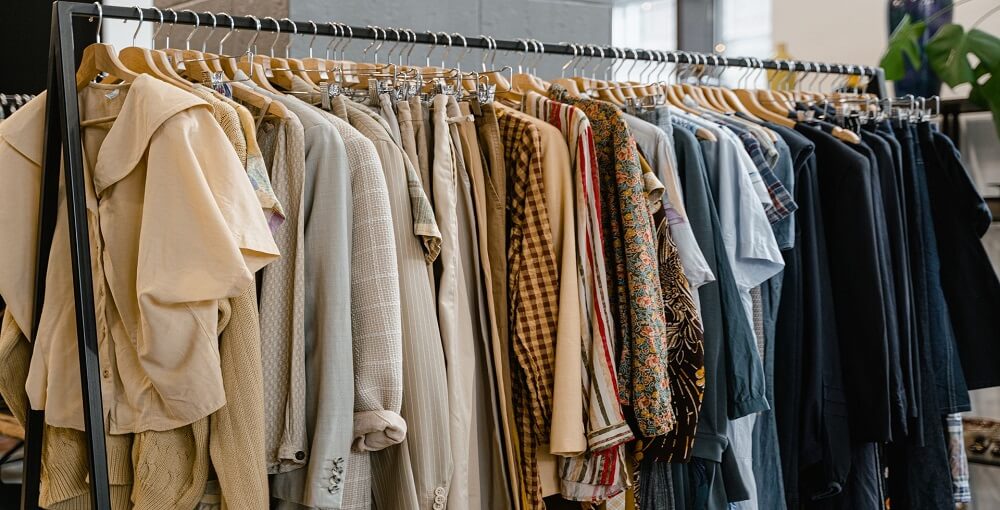
The Best Sustainable Clothing Brands: a Shorter List, for Good Reason

Most sustainable fashion guides solve for length, not quality. This list is shorter. Every brand here has already passed the same standard.

Fifty brands. A hundred brands. All with the same certifications listed in the same order, none of them properly interrogated.

This list is shorter. That is the point. Every brand here has already passed the same standard, on what it is made from, how it is made, and whether the people making it are treated fairly. We checked. You can shop.

Why most sustainable fashion lists are not worth trusting

The problem with most sustainable brand roundups is not bad intent. It is that “sustainable” has become a label anyone can apply to anything. A brand using organic cotton in one product line while the rest of the range runs on virgin polyester from an unaudited factory can still call itself sustainable. The certifications help, but they vary enormously in what they actually require.

The scale of the problem is worth knowing. According to the UN Environment Programme, the fashion industry accounts for up to 10% of global carbon emissions annually, more than international flights and maritime shipping combined. The Ellen MacArthur Foundation’s 2017 report A New Textiles Economy found global clothing production roughly doubled over the prior 15 years while the number of times each garment was worn before being discarded fell by 36%. Textile production uses an estimated 93 billion cubic metres of water per year, according to UNCTAD and produces around 20% of global wastewater.

Behind those numbers are supply chains that routinely underpay garment workers and use chemical processes that contaminate local water sources. Knowing this, the reader who cares still faces the same problem: figuring out which brands are actually doing things differently, and which ones are doing the minimum to use the word. For more on the economics behind this, read our guide to why sustainable fashion costs more.

That work is what Ziracle exists to do. The brands below are not here because they have a good story. They are here because the story checks out.

What actually makes a clothing brand sustainable

Three things need to be true at once, and most brands only manage two.

Materials. Organic cotton, linen, hemp, TENCEL, recycled polyester and deadstock fabrics all have meaningfully lower environmental footprints than virgin conventional alternatives. GOTS certification (Global Organic Textile Standard) is the most rigorous materials standard available. It covers the fibre, the processing and the manufacturing stages.

Production. Where and how a garment is made matters as much as what it is made from. Fair Trade wages, safe conditions and supply chain transparency are the baseline. B Corp certification covers this most rigorously. B Lab launched V2.0 of the standards in April 2025, with V2.1 following in August, replacing the old points-based system with mandatory performance requirements across seven Impact Topics: Purpose & Stakeholder Governance, Climate Action, Human Rights, Fair Work, Environmental Stewardship & Circularity, Justice Equity Diversity & Inclusion, and Government Affairs & Collective Action. A brand can no longer score well on one and scrape by on another.

Longevity. A sustainably made garment that falls apart after ten washes is not a sustainable purchase. Construction quality, design that holds up beyond a single season, and circularity programmes – take-back, repair and recycling – are what separate properly considered brands from those doing the minimum.

The brands worth buying from

Every brand on Ziracle has already passed the bar on materials, production and ethics. The list below is shorter than most. That is how it should be.

01. Komodo

Komodo is the one that earns the “original” claim on merit. Founded in 1988, before ethical fashion had a name, by a founder who built relationships with small factories in Bali, Nepal and India and simply kept them. The collections use GOTS certified organic cotton, recycled wool, lambswool, TENCEL and hand-woven fabrics.

The supply chain page names the factories and explains the relationships. Broad range across women’s clothing and men’s, with the kind of design confidence that comes from more than 35 years of doing this properly. The benchmark against which most other ethical fashion brands should be measured.

02. Sutsu

Sutsu has solved one of the biggest problems in sustainable fashion: overproduction. They hold no stock at all. Every garment is made when you order it, which eliminates waste at the manufacturing stage entirely. B Corp certified, Fair Wear Foundation suppliers, organic cotton and recycled fibres, PETA approved Vegan, OEKO-TEX Standard 100.

Six trees planted per order, and every product page shows what it costs to make. The adventure-led, unisex aesthetic wears its ethics so lightly you barely notice them, which is exactly right.

03. Flax and Loom

Flax and Loom produces some of the most considered denim available in the UK. Organic cotton and linen, natural dyes, ethical manufacturing with full supply chain transparency. For anyone who has been putting off finding a better pair of jeans, this is where to start.

04. Mirla Beane

Mirla Beane was founded specifically to challenge the idea that ethical fashion means basic fashion. Co-founders Lauren and Melanie spent decades in the industry before launching a brand that proves design-led and sustainable are not mutually exclusive. Bold prints, natural and organic fabrics, local manufacturing. For anyone who has found the rest of the ethical fashion market a bit beige, this is the brand to know.

05. Nautra

Nautra takes a specific angle: every garment is made from recycled fishing nets and ocean-bound plastic. The range covers swimwear, activewear and outerwear, with each collection named after a marine animal and part of the proceeds directed to ocean conservation. UK-founded. For sustainable swimwear and activewear specifically, one of the strongest options on the market.

06. Heiko

Heiko Clothing makes organic and recycled basics from Fair Trade and Fairtrade certified suppliers, with fully biodegradable and recyclable packaging throughout. The designs are playful and illustrative – a different register to the more minimal brands on this list – and pieces start from £19.95. For anyone building a more considered wardrobe without committing to premium price points across the board.

07. Ration.L

Ration.L makes vegan, gender-neutral trainers and accessories from recycled and cruelty-free materials, produced using renewable energy in ethical factories. Female-founded and designed in Britain, with 5% of profits going to the Brain and Spine Foundation. From £70 a pair, one of the more accessible entry points in properly sustainable footwear.

08. Elliott Footwear

Elliott Footwear is the world’s first climate positive sneaker brand, founded in Copenhagen. Sustainable, recycled and vegan, with a minimalist design aesthetic. For those looking for a trainer that does not compromise on either look or credentials.

09. Plainandsimple

Plainandsimple takes circularity seriously in a way most brands do not. Their take-back programme lets you return worn garments for free recycling in exchange for 15% off your next order. GOTS certified organic materials, fair labour production, and a minimalist approach to design that invites a slower relationship with your wardrobe.

10. Bikini Season

Bikini Season is a London-based swimwear brand using ECONYL, a regenerated nylon made from recycled ocean waste including fishing nets. The material can be recycled indefinitely without losing quality. OEKO-TEX certified care labels, organic cotton packaging. Sustainable swimwear that does not look like a compromise.

What should you look for when shopping beyond this list?

If you are buying from a brand not on Ziracle, these are the signals worth checking.

B Corp certification is the most meaningful single credential, because it audits the whole business across the seven Impact Topics rather than the product alone. GOTS covers organic textile processing end to end. Fair Trade and Fair Wear Foundation certifications address worker welfare specifically. A brand that names its factories and publishes its materials sourcing is doing more than most.

Vague language is the tell. “Eco-conscious,” “sustainably inspired” and “made with care for the planet” mean nothing specific. When a brand is doing things properly, it can say exactly what and exactly where.

How to build a wardrobe that holds up

The most sustainable item of clothing is the one you already own. The second most sustainable is the one you will still be wearing in five years.

Cost per wear is a more useful frame than price per item. A £120 jacket worn 200 times costs 60p per wear. A £30 jacket worn ten times costs £3. The maths of fast fashion only works if you do not do the maths.

Buy fewer things, from brands that make them properly. Wear them until they are worn out. Then return, repair or recycle where programmes exist.

The industry has spent years making this feel complicated. It is not. Buy less, from people who have already done the homework. Browse Apparel and Style and filter by Fair Trade, Organic or B Corp to see every brand that has passed the standard.

FAQ

How do I know if a sustainable fashion brand is actually sustainable?

Look for three things at once: credible materials certifications like GOTS for textiles, business-wide certifications like B Corp for governance and workers, and specific supply chain transparency. A brand that names its factories, publishes its materials sources and holds at least one third-party certification is doing more than most. Vague language and glossy imagery are the tell.

What is the difference between GOTS and Fair Trade certification?

GOTS is a materials certification: it covers organic fibre processing and manufacturing from fibre to finished garment. Fair Trade focuses on worker welfare, guaranteed minimum pricing and community investment. They answer different questions. A GOTS garment is made from properly processed organic material. A Fair Trade garment is made by people paid fairly. The strongest brands hold both.

Is buying secondhand more sustainable than buying new from a sustainable brand?

Usually, yes. The most sustainable item of clothing is the one already in circulation, because the environmental cost of production has already been paid. The more interesting question is what to do when secondhand does not work for the piece you actually need. Buying one well-made garment from a transparent brand, then wearing it for a decade, sits comfortably alongside buying secondhand as the honest answer.

Is a £120 jacket really better than three £30 ones?

On cost per wear, almost always. A £120 jacket worn 200 times costs 60p per wear. A £30 jacket worn ten times costs £3. The maths of fast fashion only works if you do not do the maths. Construction and fabric quality are what let a garment reach 200 wears in the first place.

Which values filters should I prioritise when shopping on Ziracle?

For clothing, Fair Trade and Organic cover the two most load-bearing claims: fair labour and materials that do not depend on heavy pesticide use. B Corp sits on top of both, because it audits the whole business. If animal welfare matters most, filter Vegan. If the garment’s end-of-life matters most, look for brands with active take-back programmes in their product pages.
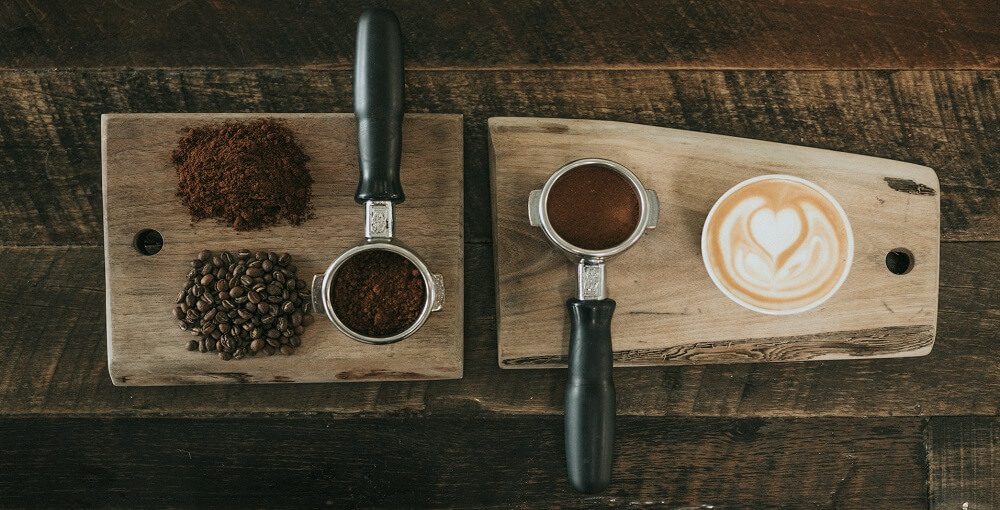

How to Buy Better Coffee: What the Certifications Actually Mean

You already know coffee has problems. You have probably seen the Fairtrade logo and assumed it covered everything. It does not. Here is what the main certifications actually do, and what to look for beyond them.

The brands that look the most considered on the shelf are not always the ones doing the most at origin. According to the International Coffee Organization, around 125 million people depend on coffee for their livelihoods across more than 60 producing countries. Most of them are among the poorest farmers on the planet. What you buy every morning is not a small choice.

Why coffee is more complicated than most people realise

Global coffee production has risen by more than 60% since the 1990s, according to ICO data. That growth has put enormous pressure on farmers in the tropical regions where coffee grows: pressure to produce more, faster, on thinner margins, in conditions that are getting harder every year.

The environmental picture is complicated too. Traditional shade-grown coffee, grown beneath a forest canopy, supports biodiversity, sequesters carbon and protects soil health. The Smithsonian Migratory Bird Center describes shade-grown plantations as the next best thing to a natural forest. But as demand has grown, most production has shifted to sun-grown monocultures that require intensive pesticide and fertiliser use, accelerate deforestation and strip the soil.

Climate change is compounding this. A 2022 study led by Roman Grüter at Zurich University of Applied Sciences, published in PLOS ONE, found that more than 50% of the land currently suitable for Arabica coffee production may no longer be viable by 2050 under standard emissions scenarios. The farmers most exposed to this are also the least able to adapt.

On the labour side, the picture is equally stark. Many smallholder coffee farmers earn less than $4 a day. Production costs have risen sharply since the pandemic. Fairtrade International has reported that by 2022, one Colombian farmer’s input costs had more than doubled in two years, while commodity prices stayed volatile. Child labour, though increasingly monitored, remains a documented problem in parts of the supply chain.

None of this means stop drinking coffee. It means the choice of which coffee to buy is one that actually matters.

What do the coffee certifications actually mean, and which ones count?

There are more coffee certifications than most people have time to research. Here is what the main ones actually do.

Fair Trade is the most recognised and one of the most substantive. It guarantees farmers a minimum price regardless of what the commodity market is doing, protection that matters enormously when global prices crash. On top of that, buyers pay a Fairtrade Premium: an additional sum that cooperatives invest in community projects covering schools, healthcare, clean water and infrastructure.

Fairtrade International has paid over $1 billion in cumulative financial benefits to producers since 1998. In August 2023, the Fairtrade minimum price for washed Arabica rose to $1.80 per pound, plus a $0.20 Fairtrade Premium and, if organic, an additional $0.40 organic differential. That was the first substantive raise in more than a decade.

None of this means stop drinking coffee. It means the choice of which coffee to buy is one that actually matters.

Organic certification addresses the environmental side. It prohibits synthetic pesticides and fertilisers. According to the FAO, pesticide use in some coffee-producing countries rose sharply through the 2010s, and organic methods improve soil health, protect biodiversity and reduce chemical contamination of local waterways.

Rainforest Alliance focuses on environmental and social practices at farm level. The orientation is process-led rather than price-led. Farms must demonstrate they are working toward sustainability goals rather than hitting fixed benchmarks. Meaningful, but less protective of farmer income than Fairtrade.

B Corp certification at the roaster level is the most thorough signal available. It audits the whole business: sourcing practices, worker conditions, environmental impact, governance. B Lab launched V2.0 of its standards in April 2025, with V2.1 following in August, replacing the old points-based system with mandatory performance requirements across seven Impact Topics covering governance, climate action, human rights, fair work and environmental practice. A B Corp coffee brand has committed to the standard across its entire operation.

The combination that does the most work: Fairtrade plus organic at origin, for both farmer welfare and environmental impact, with B Corp at the roaster level adding confidence that the business itself is built around the right principles.

One honest caveat: certifications are not perfect. Becoming certified can be prohibitively expensive for smallholder farmers already working on tight margins. Some excellent coffee is produced by farmers who cannot afford certification but maintain high standards.

This is where direct trade relationships – roasters buying directly from farms they visit and audit themselves can fill the gap. The distinction worth knowing: direct trade is an ideology, not a regulated standard. When you see it on a bag, it means what the roaster says it means. Ask questions.

The environmental side: packaging, carbon, and what to look for

The conversation about sustainable coffee usually stops at the bean. It should not.

Packaging is the issue most brands still have not solved. Standard coffee bags are multi-layer laminates – foil, plastic and sometimes paper that are almost impossible to recycle through standard household streams. Compostable bags are better but require industrial composting facilities most people do not have access to. The most practical options are brands that use fully recyclable packaging, offer refill programmes, or use whole-bean formats that reduce per-cup waste.

Coffee pods are the most wasteful format by volume. A single-use pod produces more packaging waste per cup than any other brewing method. If convenience is the priority, look for brands offering compostable or reusable options. Be clear-eyed about whether “home compostable” claims are backed by accessible composting infrastructure.

Your milk matters more than you think. A 2023 CDP analysis, produced with Terrascope and Olam Food Ingredients, found that a 12 oz black coffee generates about 0.258 kg CO₂e per cup, while a latte’s emissions rise to 0.844 kg CO₂e – roughly three times the footprint, driven almost entirely by the carbon intensity of dairy. If you drink coffee with milk regularly, switching to a plant-based alternative cuts the cup’s environmental footprint substantially.

How to make your daily cup go further

A few practical changes matter without requiring a complete routine overhaul.

Buy whole beans and grind at home. Fresh grinding reduces packaging waste and produces a better cup. It also nudges you toward buying less frequently and more intentionally.

Choose a reusable cup if you buy out. The environmental cost of a disposable cup is small compared to the bean and milk, but a cost with no benefit is a cost worth cutting.

Ask your coffee shop where their beans come from. A reasonable question, and independent shops with good sourcing relationships will always be able to answer it. The ones that cannot are telling you something.

Look beyond the front of the bag. “Ethically sourced,” “responsibly grown” and “sustainably inspired” mean nothing without a certification or a named sourcing relationship behind them. Fairtrade plus organic is the combination that does the most work. B Corp at the roaster level tells you the whole business is built around the right principles across every product line. For more on what to look for when claims feel vague, read our guide to best sustainable clothing brands, which applies the same certification logic to fashion.

The bag in front of you in the supermarket knows how to look considered. The certification on the back tells you whether it actually is. Browse Coffee in Food and Drink and filter by Fair Trade, Organic or B Corp to find the brands that meet the standard.

FAQ

Is Fairtrade coffee actually better for farmers?

Yes, with caveats. Fairtrade guarantees a minimum price that kicks in when global commodity prices fall below it, which matters most in market crashes. It also pays an additional Fairtrade Premium that cooperatives invest in community projects. Since 1998, Fairtrade International has paid over $1 billion in cumulative benefits to producers. Not a perfect system, but the most protective of farmer income among the major certifications.

Fairtrade vs Rainforest Alliance: which one should I look for?

They solve different problems. Fairtrade is price-oriented and protects farmer income, particularly in market downturns. Rainforest Alliance is process-oriented and focuses on environmental and social practices at farm level. For farmer welfare, Fairtrade is more protective. For biodiversity and environmental practice, Rainforest Alliance does more. Coffee carrying both is doing the most work.

Are coffee pods really as bad as people say?

By volume of packaging per cup, yes. A single-use pod produces more waste than any other brewing method. Compostable and reusable options exist, and a compostable pod is better than a plastic and aluminium one. But “home compostable” often requires industrial facilities most households do not have. The most effective fix is to brew from whole beans where you can and reserve pods for the moments you genuinely need them.

Does switching from dairy to oat or soy milk really change my coffee’s carbon footprint?

Yes, meaningfully. A 2023 CDP analysis found emissions from a 12 oz latte are roughly three times those of a black coffee, with dairy the main driver. Switching to oat, soy or almond milk cuts the milk-related footprint by the majority. If you drink lattes daily, the single change with the largest environmental effect on your cup is this one.

What does “direct trade” mean when I see it on a coffee bag?

Direct trade is not a regulated certification. It is an ideology: the roaster has bought the coffee directly from the farm, usually with a premium over commodity price and a long-term relationship. Some of the best direct trade relationships pay more than Fairtrade and do more at origin. Some “direct trade” labels are close to meaningless. When you see the phrase, check whether the roaster names the farm, the price paid and the length of the relationship.

How To Sleep Better

How to sleep better: what the research actually says

Most sleep advice is either obvious or wrong. The gap between generic tips and what actually changes your sleep is wider than most people realise. Here is what the research says, stripped of the noise.

Go to bed at the same time. Cut the caffeine. Put your phone down. You already know all of it, and you are still lying awake at 2am. The problem with generic sleep advice is that it skips the mechanism. It tells you what to do without telling you why, which makes it easy to give up when it does not work in three days. The fix for most people’s sleep is not a new pill or a smarter tracker. It is a handful of specific changes, in the right order, based on how the biology actually works. We checked the research. Here is what stands up.

Why sleep feels harder than it used to, and why that is not just you

Around 1 in 3 adults in the UK experiences regular difficulty sleeping, according to NHS Inform, and the rates have been climbing for years. This is not a discipline problem. Modern life disrupts the biology of sleep in ways willpower alone cannot fix.

Your body regulates sleep through two overlapping systems. The circadian rhythm is your internal 24-hour clock, anchored almost entirely by light. Sleep pressure is the build-up of adenosine in the brain the longer you are awake. When both systems sync, sleep happens without thinking about it. When either is knocked off by irregular schedules, artificial light, stress or alcohol, the whole thing gets noisy. 

Matthew Walker, Professor of Neuroscience and Psychology at UC Berkeley and director of the Center for Human Sleep Science, puts the priority plainly: “Regularity is king“. Anchor your sleep and wake times to the same slot every day, and you improve both how much sleep you get and how useful it is.

Chronic poor sleep affects mood, concentration, immune function, metabolism and heart health. The NHS recommends most adults need between 7 and 9 hours a night. Not as a target to chase, but as a baseline the body needs to do its work. If you are running consistently under that, everything else you do for your health is working uphill.

How does stress actually damage sleep?

Stress and sleep sit inside a feedback loop. Poor sleep raises cortisol the next day. Raised cortisol makes it harder to fall asleep the next night. Breaking the loop usually means working both ends at once, which is why the Reduce Stress approach matters as much as anything you do at bedtime.

In practice, this means your evening routine is doing double duty. It is not only winding you down for sleep. It is lowering the cortisol curve that would otherwise fragment your sleep at 3am. A 2018 study in JMIR Mental Health found that even moderate alcohol consumption reduced sleep quality by around 24%, largely by suppressing REM sleep in the second half of the night. The glass of wine that helps you fall asleep faster is the same glass waking you up at 3am four hours later. If you regularly wake in the small hours, alcohol and stress are the two most likely culprits, and they often travel together.

What the research says matters more than what does not

Not everything that gets blamed for bad sleep is guilty. A clearer picture.

Light is the biggest lever. The circadian clock is set almost entirely by light, not by willpower or habit. Morning light within an hour of waking, ideally outside, anchors your rhythm and signals to every cell in your body that it is daytime. A 2017 study in Current Biology led by Kenneth Wright at the University of Colorado Boulder found that one week of natural light exposure shifted participants’ circadian clocks earlier and improved their sleep timing. Evening light does the opposite. The blue spectrum from screens suppresses melatonin and delays sleep onset, which is why a lit bedroom at 11pm is working against you even if you feel tired.

Temperature is a real one. Core body temperature naturally drops as you approach sleep, and a bedroom that is too warm interrupts the process. The Sleep Foundation recommends keeping your bedroom between 15 and 19°C. Cool enough to want a duvet. That is a physiological lever, not a comfort preference. Look at your Bedding before you look at a supplement.

Caffeine hangs around longer than you think. It has a half-life of around five to six hours, which means a morning coffee can still be circulating in the afternoon. If you are sensitive, even a 10am cup can shorten deep sleep that night. Walker’s rule of thumb is to cut caffeine 12 to 14 hours before bed. For a 10pm bedtime, that means nothing after 8am.

Alcohol is not a sleep aid. It sedates, which is not the same as sleeping. Sedation fragments REM and leaves you less rested after eight hours in bed than you would be after six without the drink.

The sleep routine that holds up to scrutiny

A sleep routine is not a wellness ritual. It is a set of signals you give your nervous system so it knows what is coming. Consistency is doing most of the work, which is why sporadic “good sleep weeks” feel less restorative than they should. You need the body to expect it.

Fix your wake time first. It is the single most useful change you can make. Your wake time anchors the circadian rhythm, and everything else follows from it. Sleeping in at weekends feels restorative but creates what researchers call social jetlag: the circadian equivalent of flying between time zones twice a week. If you get one thing right this month, pick a wake time and hold it.

Wind down properly. Give yourself 30 to 60 minutes before bed without anything cognitively demanding. Passive screen time is not enough, and content matters as much as light. Scrolling work email in warm reading mode is still scrolling work email. A warm bath is worth trying for a specific reason. Immersion in warm water raises skin temperature, which triggers the compensatory drop in core body temperature that initiates sleep. Reading a book in dim light does more than it looks like it should. The Stress & Sleep range is built around this principle.

Keep the bed for sleep. Working from bed, eating in bed or lying awake scrolling trains your brain to associate the bed with wakefulness. Not a glamorous piece of advice. The reason it works is that the brain learns context quickly, and once it has decided the bed is where you answer emails, it will keep you alert there. Rebuilding the association takes a few weeks of discipline. Your Bedroom & Sleep environment should cue one thing only.

Your wake time anchors everything else. Get that right, and most of the other pieces follow.

Does magnesium actually help you sleep?

The sleep supplement market is enormous and largely underregulated. Most products do not have the evidence behind them that their packaging implies. A few do.

Magnesium is the one worth knowing about. It plays a direct role in regulating the nervous system and GABA receptors, which calm neural activity before sleep. A 2012 study in the Journal of Research in Medical Sciences found that magnesium supplementation improved sleep time, sleep efficiency and early morning waking in older adults. Form matters. Magnesium glycinate absorbs better than cheaper oxide forms and is less likely to cause digestive issues. Browse our Supplements edit for magnesium glycinate and other options that passed the Ziracle standard.

L-theanine, an amino acid found in green tea, has decent evidence for reducing sleep-onset anxiety without causing grogginess the next morning. A 2019 study in Nutrients found improvements in sleep quality and next-day cognitive performance in adults with stress-related symptoms. Worth trying if anxiety is what is keeping you awake rather than a circadian issue.

Melatonin works for shifting circadian timing, particularly for jet lag or shift work, but it is not a traditional sleep aid. It signals darkness to the brain rather than inducing sedation, which means taking it to “sleep better” on a regular schedule misses the point.

Ashwagandha and valerian have both been studied with mixed results. The honest position: the evidence is thinner than the marketing suggests. If they work for you, fine. The research does not yet justify building a routine around them.

What the evening toolkit looks like

The evidence points to a few consistent categories. None of these are loosely adjacent to sleep. Each is directly implicated in it.

The wind-down is where most people go wrong, because they treat it as optional. Products that support it, whether bath soaks, body oils, a simple skincare ritual or a low-stim candle, are not extras. They are cues to the nervous system that sleep is coming. The Aromatherapy range is built around the evening transition, with formulations that use lavender, chamomile and vetiver for their genuine sedative properties rather than because they smell expensive.

Stress support pulls double duty. Adaptogens, magnesium and breathwork tools lower the cortisol load that keeps the nervous system activated when you want to be winding down. If you have been reading sleep advice for years and nothing has stuck, the missing piece is usually this one. For a longer look at the evening side, our guide to stress routines covers what works beyond the obvious.

Sleep support at the supplement level is worth trying in order: magnesium glycinate first, L-theanine if anxiety is the block, glycine or tart cherry as secondary options. Stacking five things at once rarely tells you what is working. Prefer products certified Organic where the formulation allows, and look for B Corp brands where supply chain matters to you.

If you want to add something to your day rather than your night, meditation has some of the strongest evidence in the category. Even ten minutes before bed, or at a fixed point earlier in the day, reduces the sympathetic activity that keeps people awake. Our piece on daily meditation walks through the least annoying way to start, and our round-up of mindfulness picks covers the tools worth owning.

Where to start if you are still awake at 2am

If you are still lying awake at 2am, the answer is rarely a new supplement or a stricter bedtime. Wake-time consistency, morning light and a bedroom that works with your temperature rather than against it will do more than anything else. Get those right first, for three weeks, before you change anything else. Most people who do this find they do not need the supplements they were about to order.

Sleep is one of those things you only notice when it stops working. The fix is not a product. It is a sequence.

Start with the wake time.

Browse Sleep Better for products that passed the Ziracle standard on efficacy and ethics: Sleep Better.

FAQs

Why do I wake up at 3am every night?

Middle-of-the-night waking is usually a sign of disrupted sleep architecture rather than trouble falling asleep. Alcohol in the evening is one of the most common causes, because it fragments the second half of the night. Raised cortisol from stress is another. If a 2am or 3am wake is consistent, it is worth paying attention to rather than waiting out.

Is magnesium actually worth taking for sleep?

Yes, within limits. The evidence is strongest for magnesium glycinate, which absorbs better than cheaper forms and is less likely to cause digestive issues. A 2012 study in the Journal of Research in Medical Sciences found magnesium supplementation improved sleep time and efficiency in older adults. Not a silver bullet. One of the few supplements with real evidence behind it.

How long does it take for a new sleep routine to work?

Expect two to three weeks before a new routine feels natural, and four to six weeks before the effects on sleep quality are clear. The temptation is to abandon it after three bad nights. Do not. The circadian system takes time to reset, and the first week is always the worst.

Does cutting caffeine help if I only drink it in the morning?

For most people, yes. Caffeine has a half-life of around five to six hours, which means a morning coffee can still be active in the body by mid-afternoon. If you are sensitive, even a 10am cup can shorten deep sleep that night. Try pushing your last cup to before 8am and see whether anything shifts.

Is screen time before bed really that bad?

It is less about the screen and more about what is on it. Blue light does suppress melatonin, but the bigger effect is cognitive. Scrolling work email, news or social media keeps the nervous system activated when it needs to wind down. A warm-toned reading mode helps. Reading a book helps more.