Beauty & Self-Care
Face & skincare, hair lab, body & bath, grooming & shaving, colour & cosmetics, scent & spirit, oral care.
2383 products55 brandsfrom £0.75

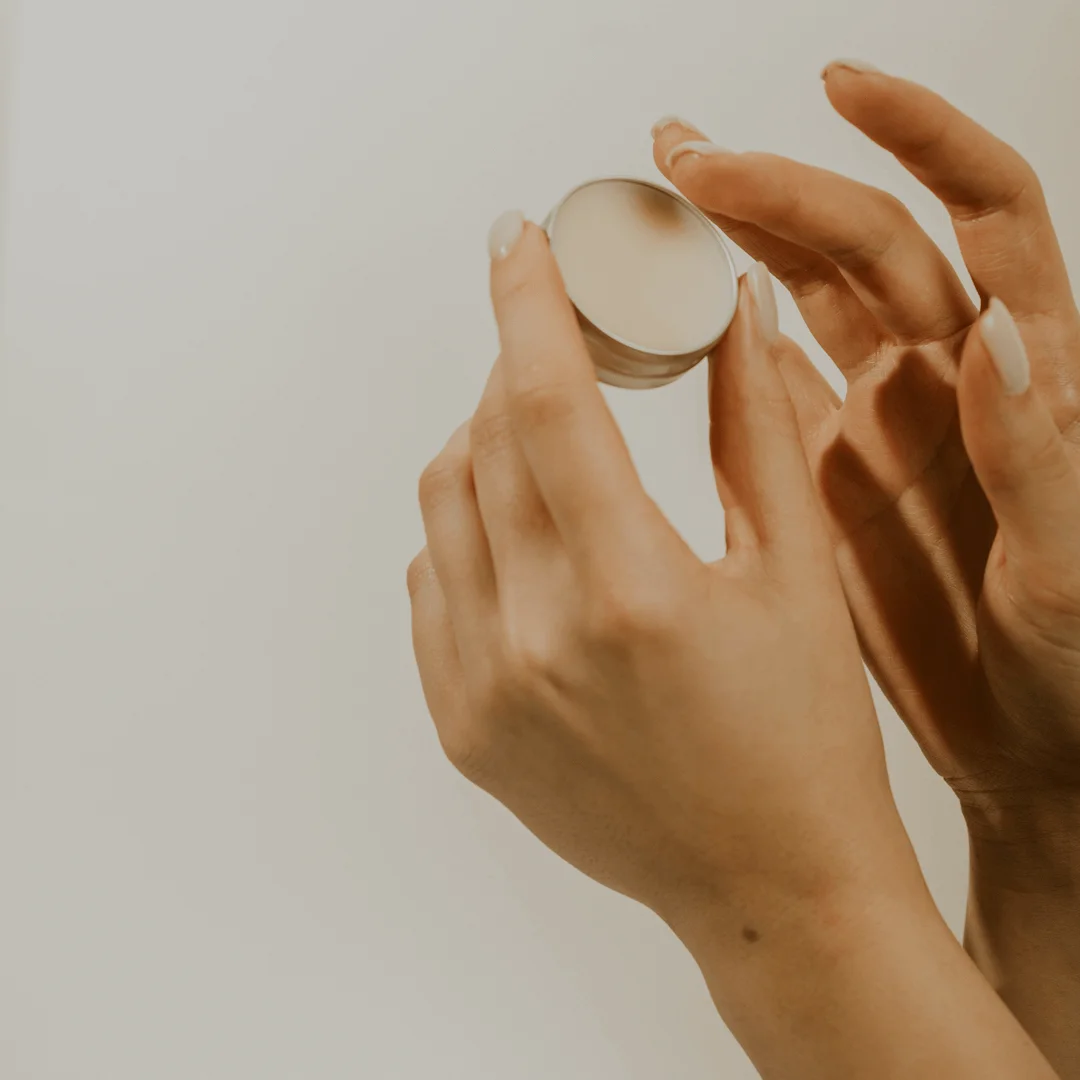

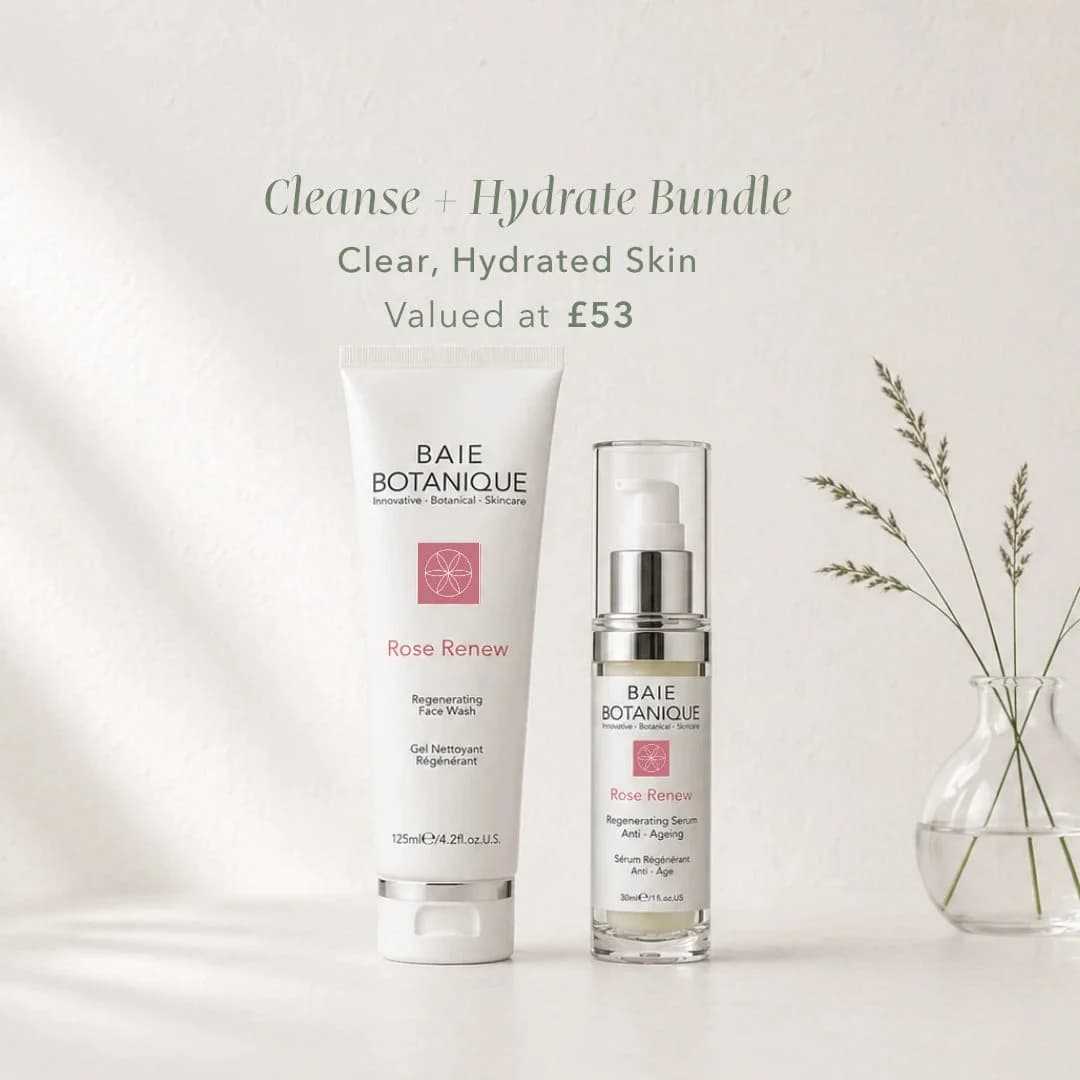

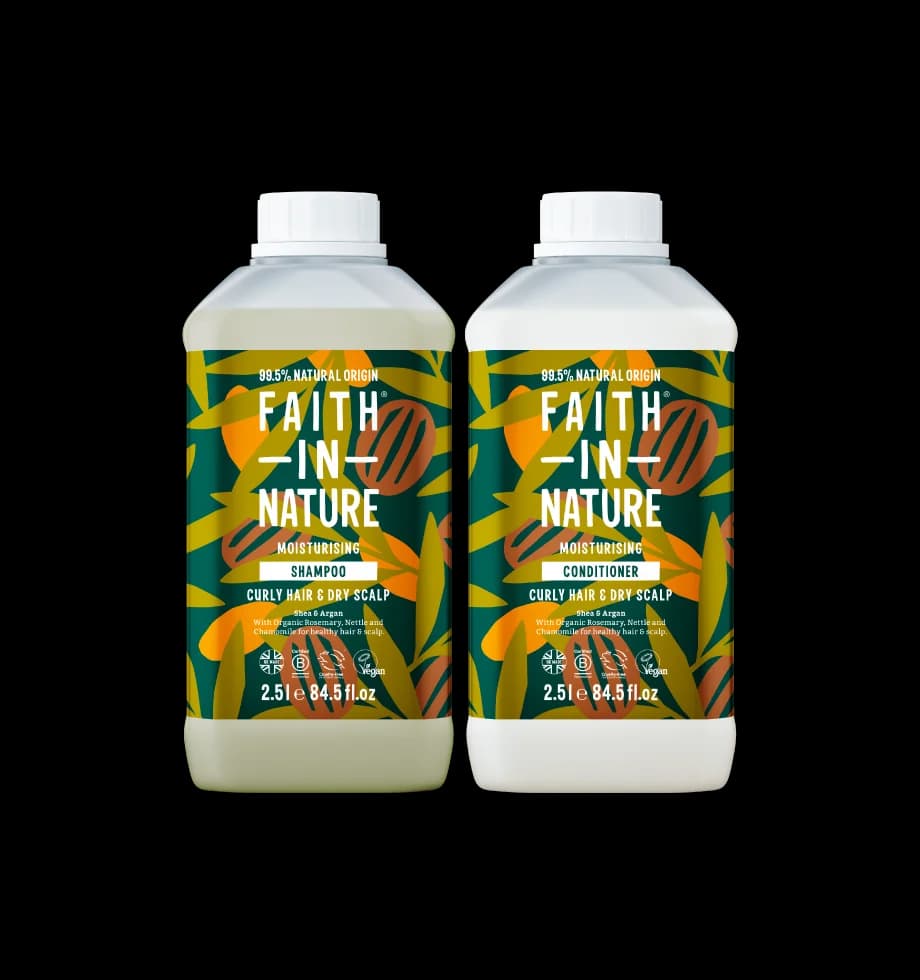
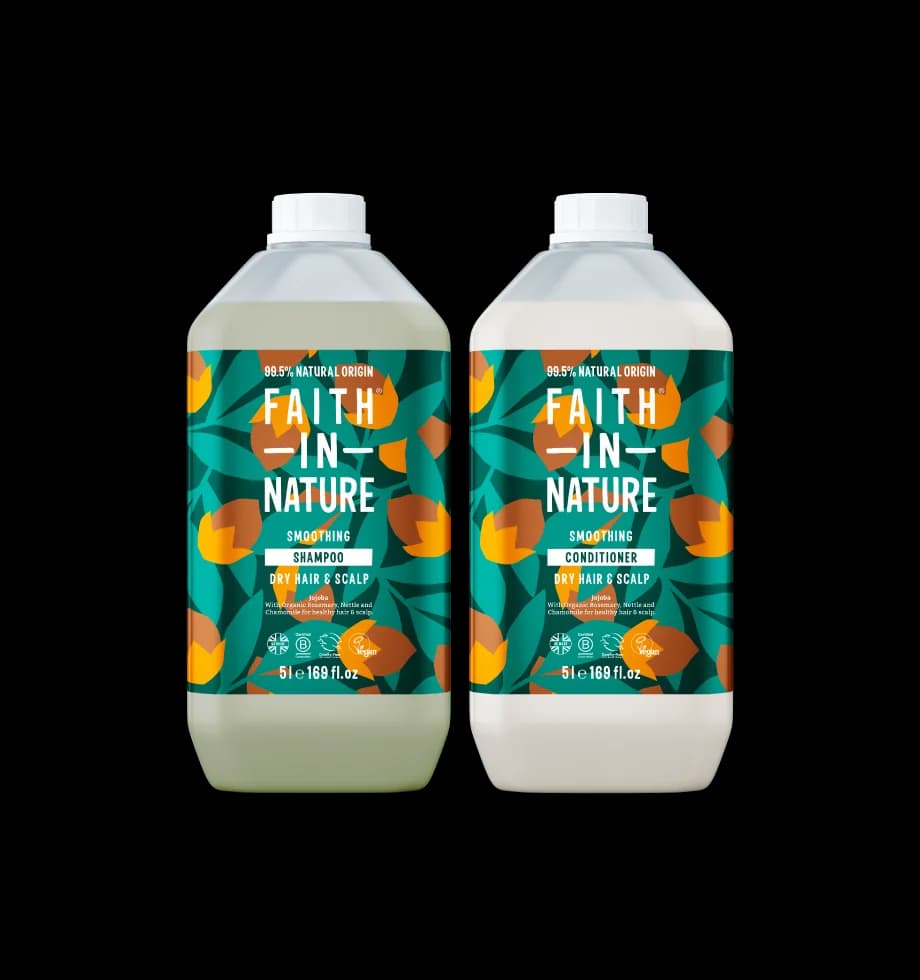
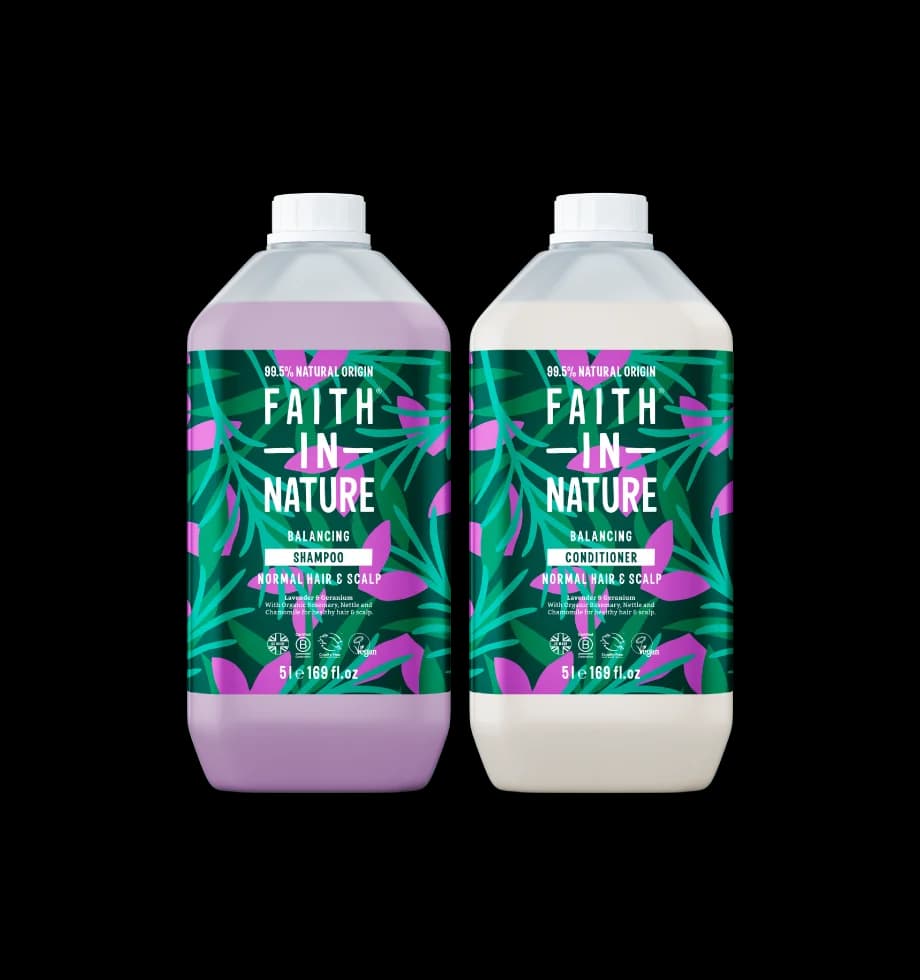
Body & Bath
View all body & bath
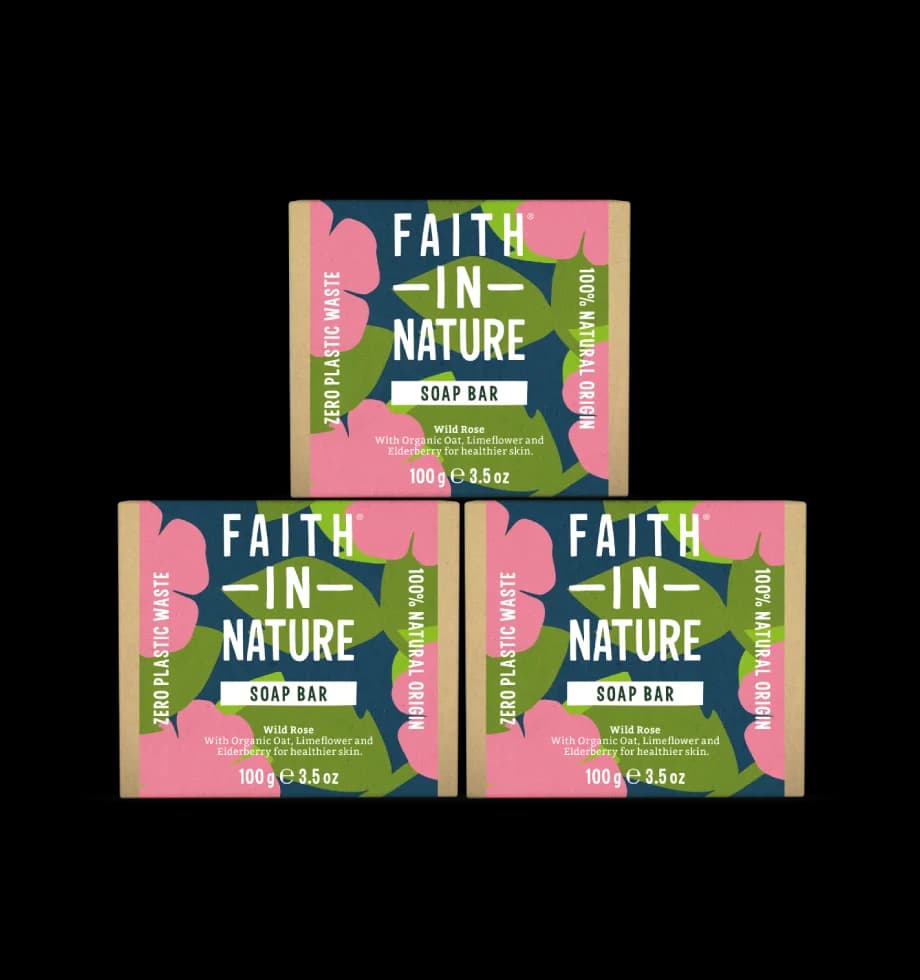
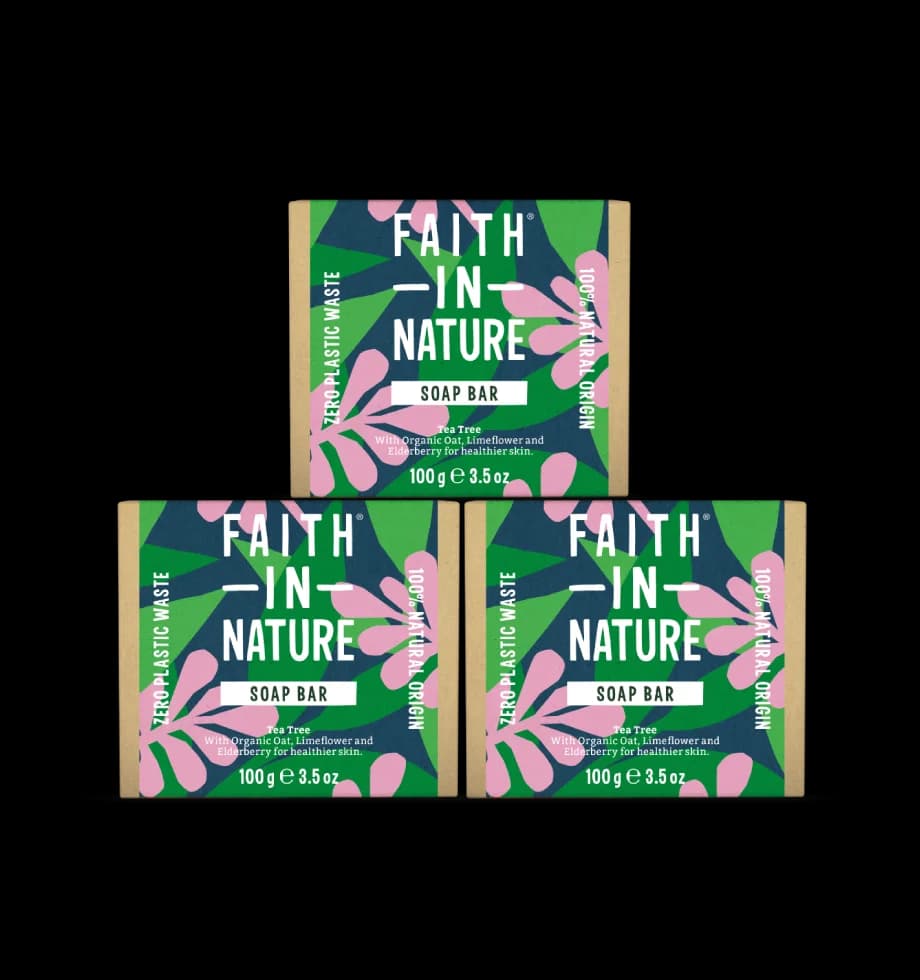
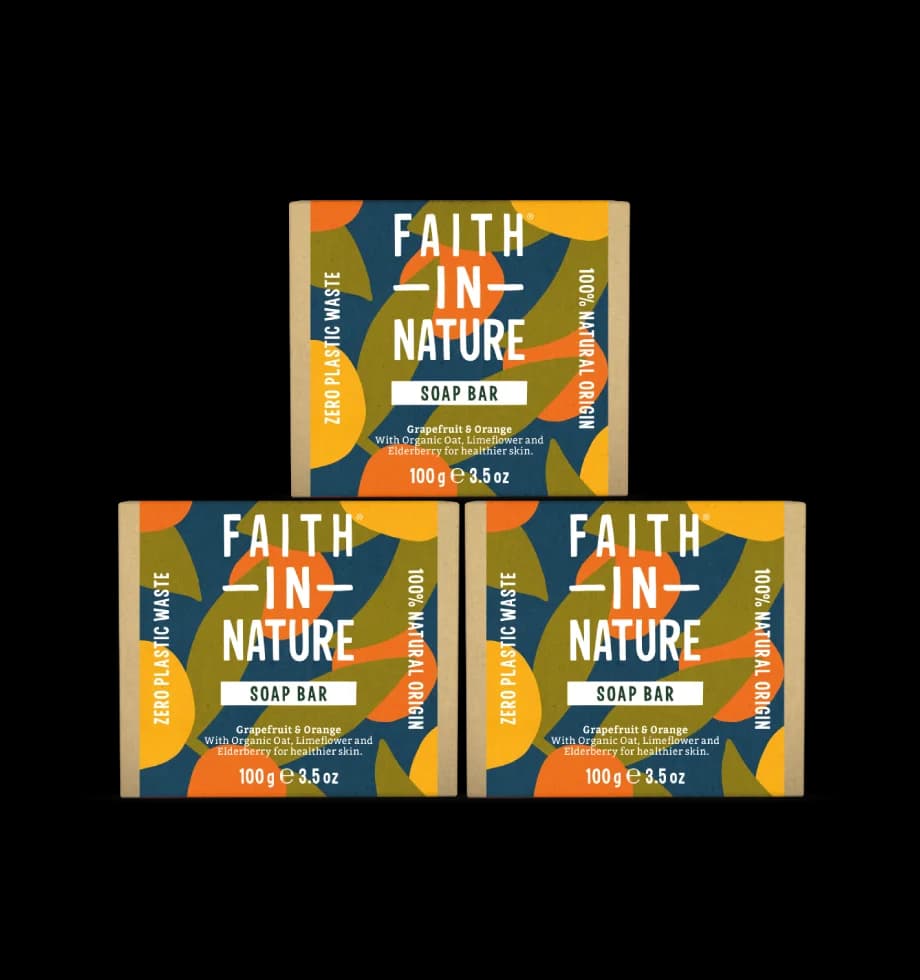


Colour & Cosmetics
View all colour & cosmetics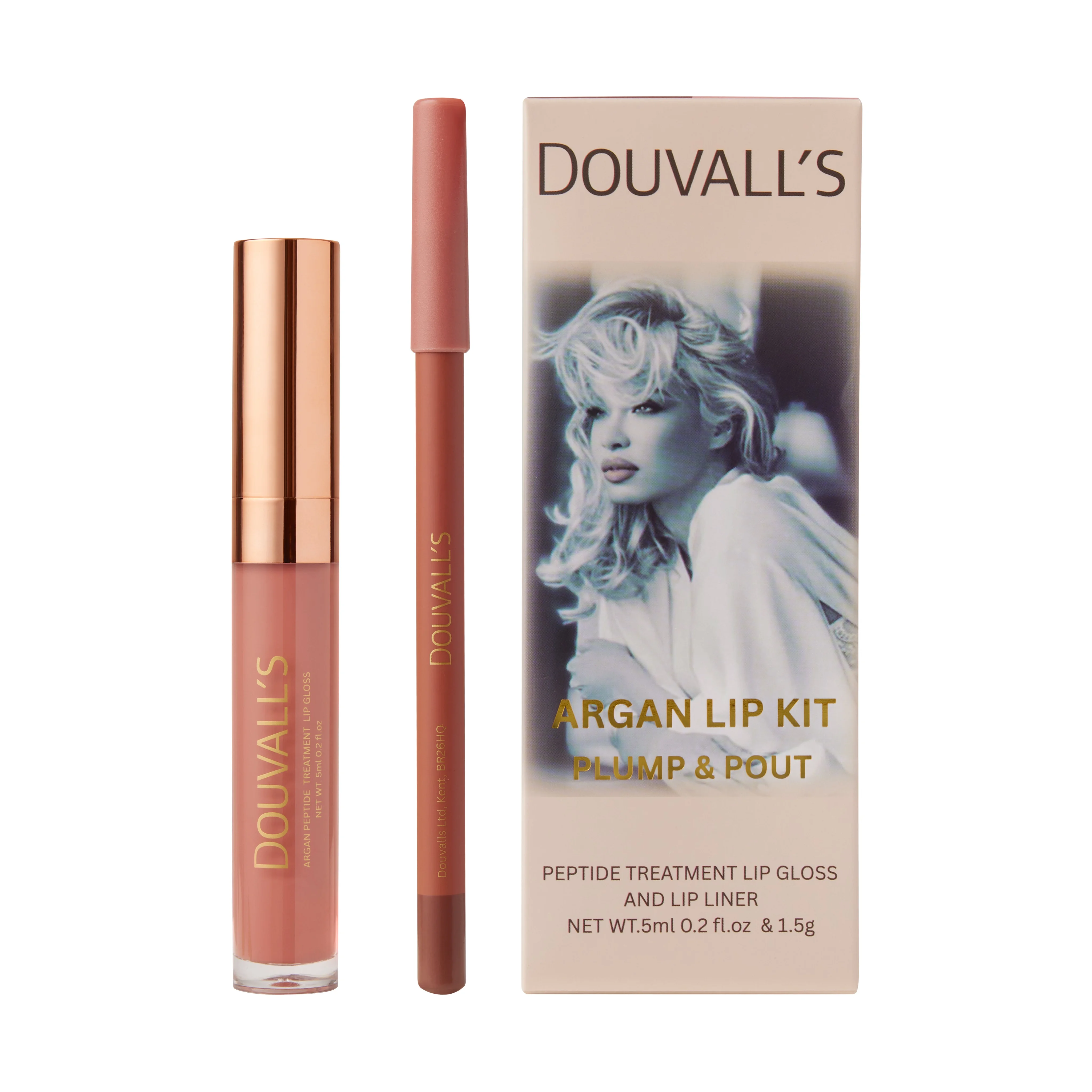
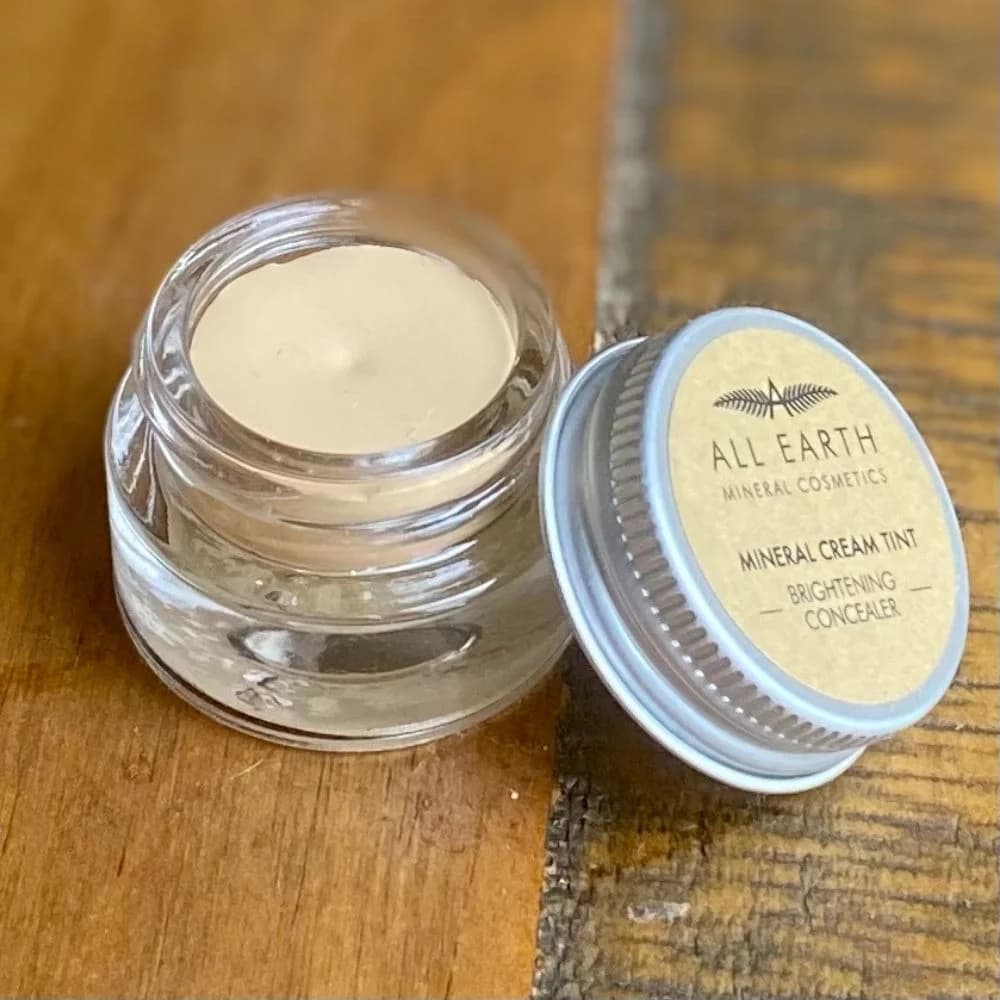
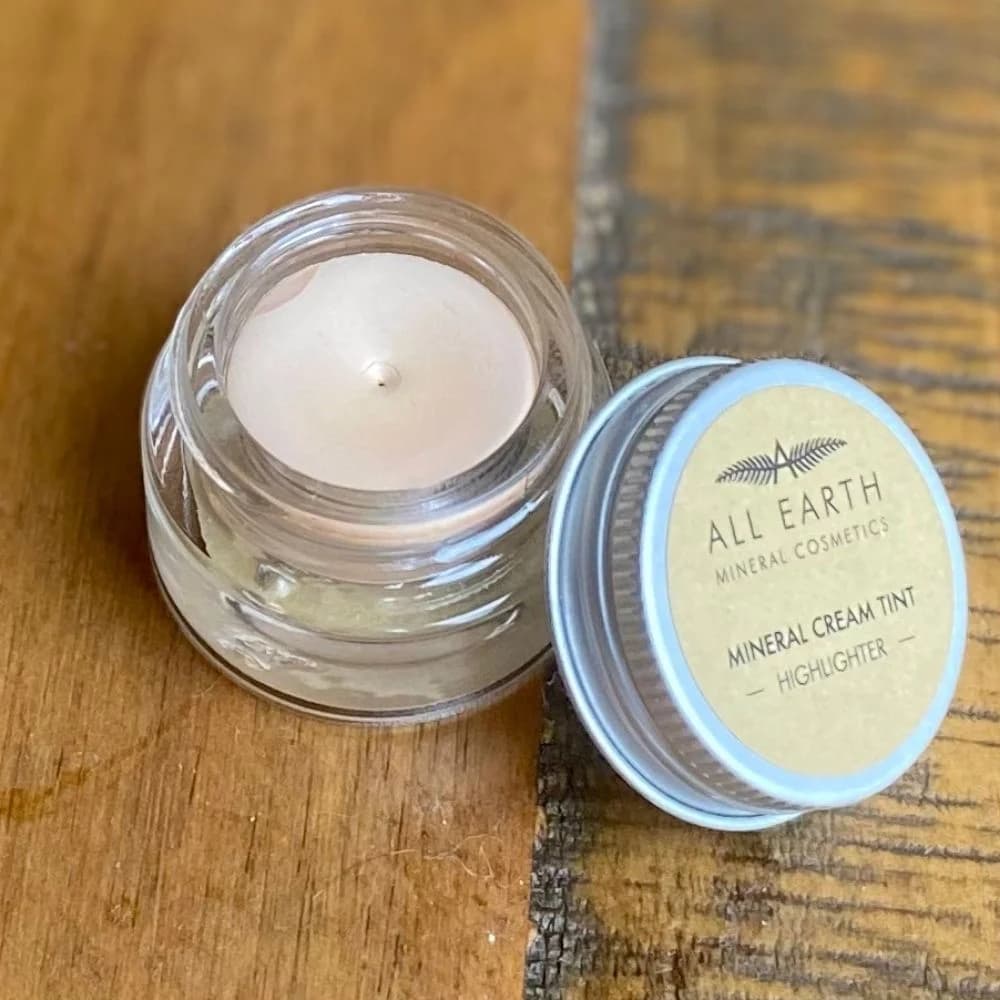
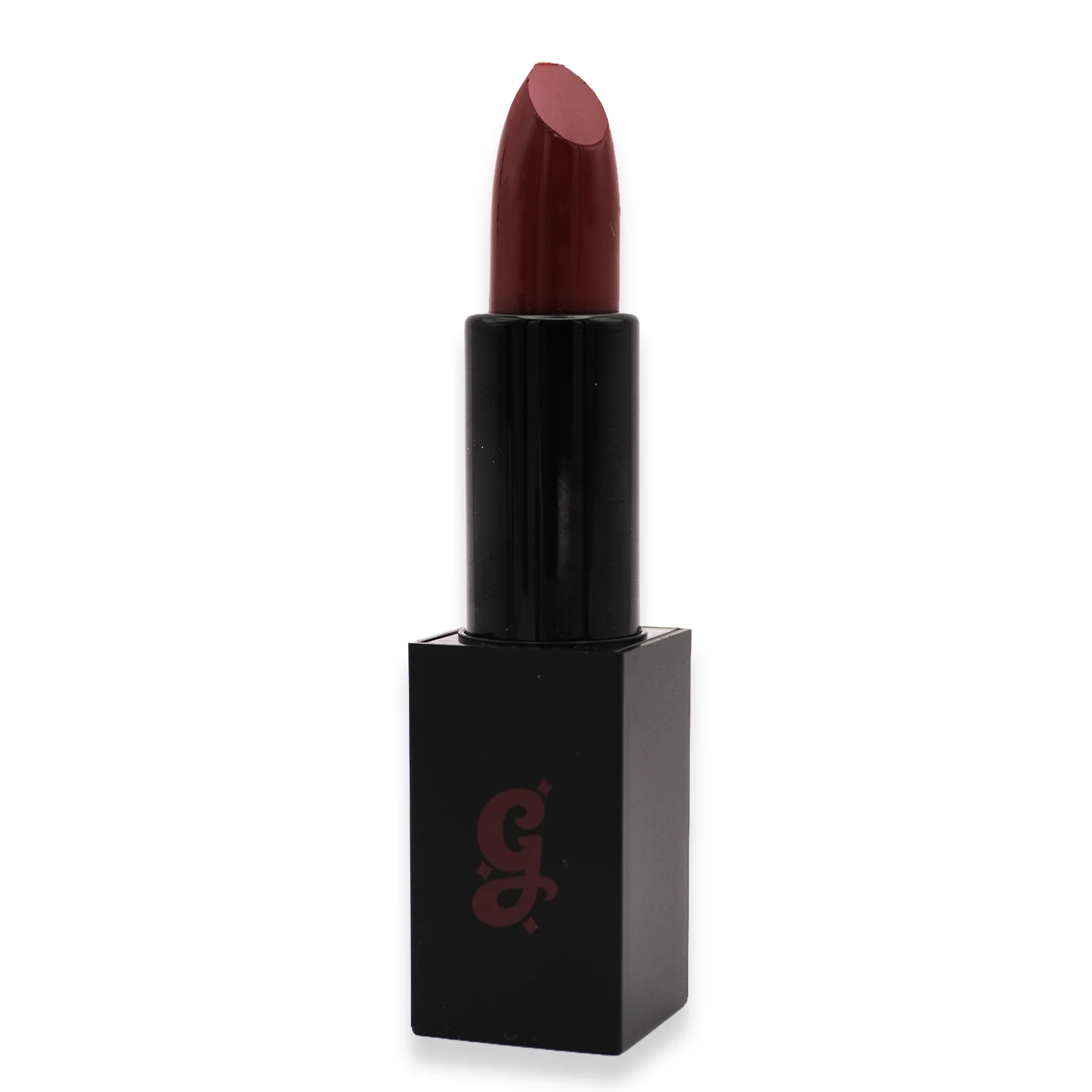
Scent & Spirit
View all scent & spirit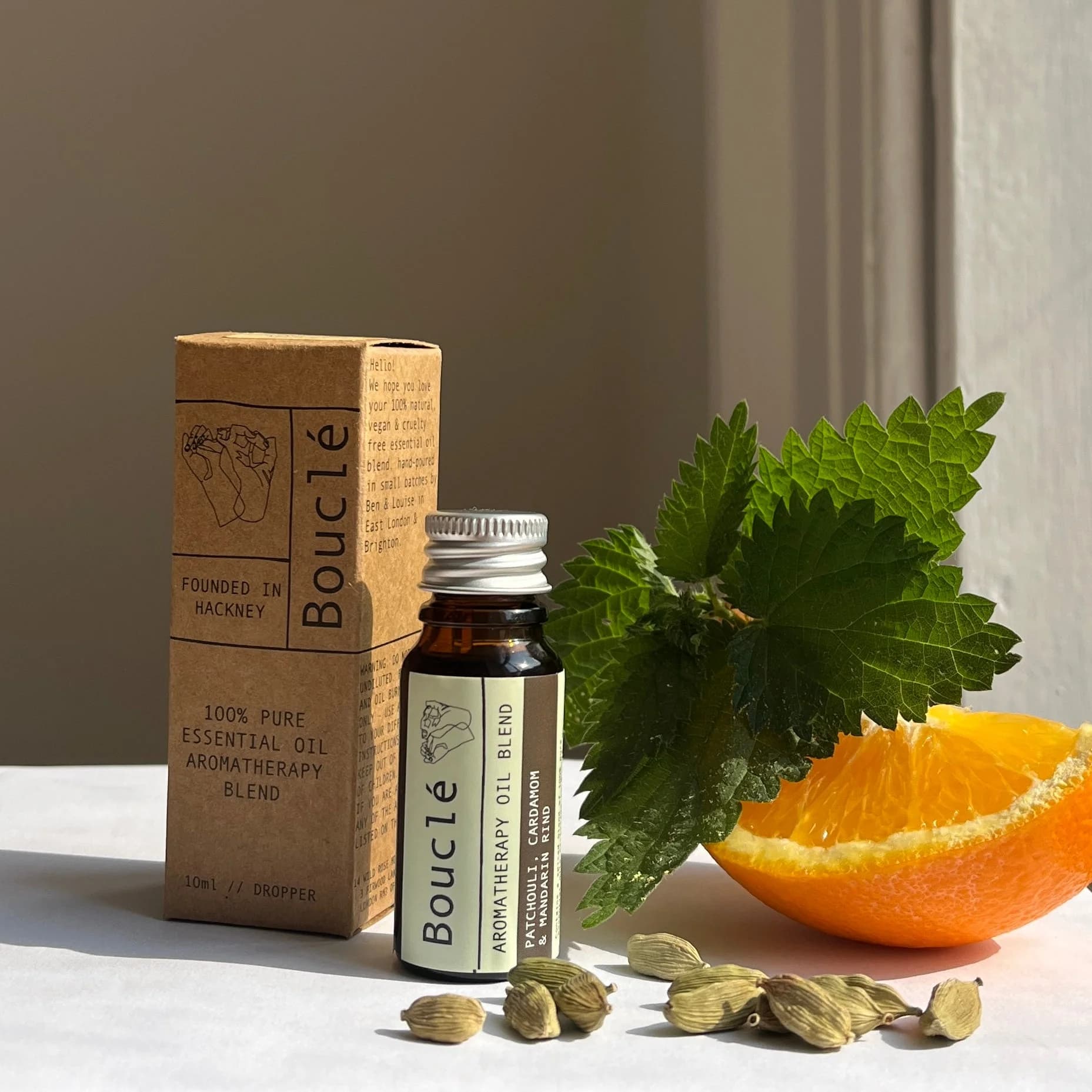
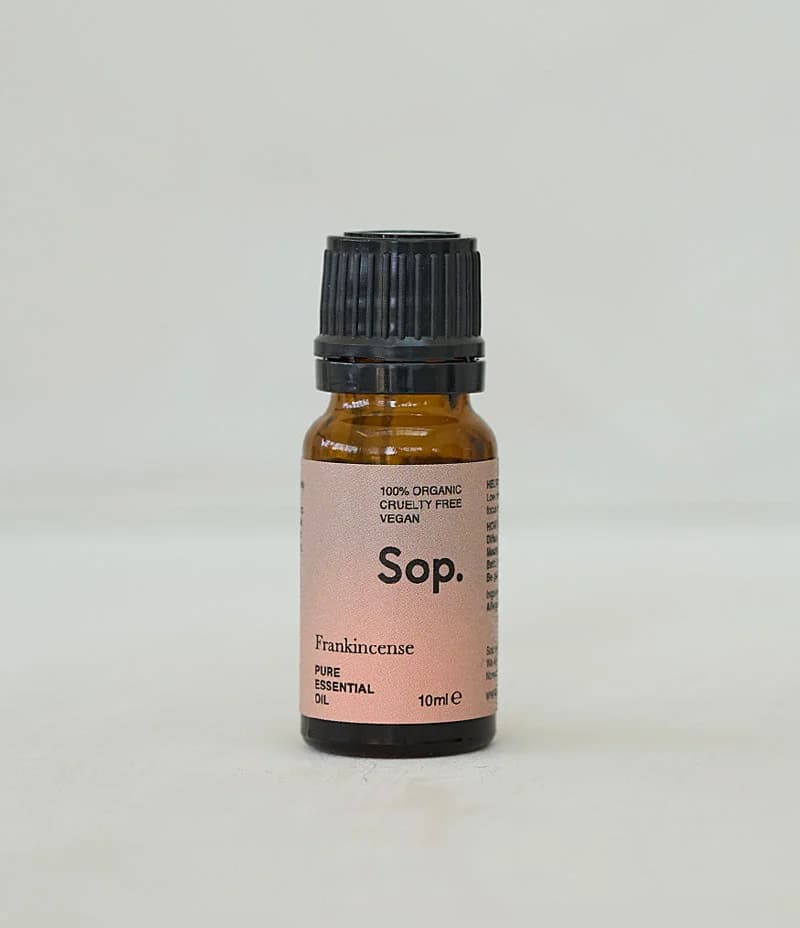

How we check Beauty & Self-Care
Every brand here is checked against the same Ziracle standard before anything is listed — documentation reviewed, third-party certifications weighted above self-declaration, and brands reassessed after listing day.
Read our full methodology →How to Choose Beauty & Self-Care Products
When selecting beauty and self-care items, consider what truly matters for your skin, hair, and overall wellbeing. Start by identifying your primary concerns, whether that is sensitive skin, specific hair needs, or a desire for plastic-free packaging. Look for ingredient lists that are clear and understandable, avoiding vague terms that can hide problematic components. For instance, if you have sensitive skin, opt for fragrance-free products and those with minimal, well-known ingredients. If sustainability is key, prioritise brands offering refillable options or packaging made from recycled materials. The goal is to find products that not only deliver results but also align with your personal standards for health and environmental impact. Think about the full lifecycle of a product, from its creation to its disposal, and how that fits into your lifestyle.
Understanding Key Ingredients and Certifications
Navigating the world of beauty ingredients can feel overwhelming, but focusing on a few key areas can simplify the process. For skincare, ingredients like hyaluronic acid, vitamin C, and retinol are well-researched for their efficacy, but always check their concentration and accompanying ingredients. For hair care, look for sulphate-free shampoos and conditioners to protect natural oils and colour. When it comes to certifications, they act as independent verification of a brand's claims. For example, the Leaping Bunny certification confirms a product is cruelty-free, meaning no animal testing at any stage of development. COSMOS Organic or Ecocert certifications indicate a high percentage of organic ingredients and environmentally sound production. While not every excellent product will have multiple certifications, they offer a reliable benchmark for ethical and sustainable practices. Understanding these helps you make choices that are good for you and the planet.
Common questions
What should I look for in beauty and self-care products for sensitive skin?
For sensitive skin, prioritise products labelled 'fragrance-free' and 'hypoallergenic'. Look for minimal ingredient lists to reduce the chance of irritation, and avoid common irritants like harsh sulphates, parabens, and synthetic dyes. Ingredients such as colloidal oatmeal, ceramides, and hyaluronic acid are often well-tolerated and can help soothe and protect the skin barrier. Always patch test new products before full application.
How do I know if a beauty product is truly sustainable?
A truly sustainable beauty product considers its environmental impact throughout its lifecycle. Look for brands that use refillable packaging, post-consumer recycled (PCR) materials, or plastic-free alternatives like solid bars. Check for certifications like Ecocert or COSMOS Organic, which verify organic ingredients and sustainable manufacturing. Transparency about sourcing, production, and waste management are also strong indicators of genuine commitment.
What is the Ziracle standard for beauty and self-care products?
Ziracle's standard for beauty and self-care focuses on products that are effective, transparent, and ethically produced. We prioritise formulations free from endocrine disruptors, microplastics, and harsh chemicals. Products must be cruelty-free, with clear ingredient lists and a commitment to sustainable practices, whether through packaging innovation, responsible sourcing, or reduced environmental footprint. We do the homework so you can trust your choices.
Are 'natural' ingredients always better in beauty products?
Not necessarily. While many natural ingredients offer significant benefits, the term 'natural' is not regulated and can be misleading. Some natural ingredients can still cause irritation or allergic reactions, and their sourcing might not always be sustainable. Focus instead on well-researched ingredients, whether natural or synthetic, that are proven effective and free from known harmful substances. Transparency in ingredient lists is more important than a 'natural' label alone.
What are endocrine disruptors and why should I avoid them in beauty products?
Endocrine disruptors are chemicals that can interfere with your body's hormone system, potentially leading to adverse health effects. Common examples found in some beauty products include phthalates, parabens, and certain synthetic fragrances. Avoiding these means choosing products with transparent ingredient lists that explicitly state they are free from such compounds. This helps support your overall health and reduces exposure to chemicals that can impact hormonal balance.