
Veo and Wearth are now Ziracle. Same mission, better platform. See what's new

Eco-Friendly Activities for Kids that are Actually Fun

|||||||||||||||||||

Around 90% of toys produced globally are made from plastic, according to a Plastic Pollution Coalition report on the childhood-plastic industry. Most of them are in landfill within a few years of purchase, often barely used. If you have children, you have lived this pattern. The toy that had to be bought for Christmas, played with for a fortnight, and then drifted to the bottom of the box.

The alternative is not joyless wooden austerity or worthy doom-themed picture books. It is the set of activities children actually remember into adulthood, which almost always turn out to be the ones that cost least, generate the least waste, and teach something real. Making bread. Growing sunflowers from a seed. Building a den in the garden. Hunting for the right stick in the park. The commercial toy industry has spent sixty years trying to compete with that kind of play and has never quite managed it.

This is a guide to activities that hold up on all three counts: they entertain children properly, they build real skills, and they do not turn into plastic in landfill six months later.

Savannah Animals | Eco-Friendly Children’s Building Playset | Ages 4-10

What makes an activity actually hold attention

Three qualities separate play children return to from play they abandon.

They are doing something rather than consuming something. The toy that does everything leaves the child as audience. The blank piece of paper, the ball of dough, the handful of seeds — these put the child in charge.

The output is theirs. A child’s drawing, a child’s tomato plant, a child’s Lego build matters to them in a way that a purchased object never quite does. Ownership of the outcome is the secret ingredient in most activities that last.

The feedback is visible and slow enough to register. A seed that sprouts after ten days teaches patience because the child can see it working. A plant that grows too quickly (or a screen that rewards too fast) does not.

Every good activity in this guide hits at least two of those three. The best hit all three.

Building and making

Wooden construction toys made from FSC-certified timber, with water-based paints and non-toxic glues, outlast plastic equivalents by a decade. A good set passes between siblings, then cousins, then the next generation of friends’ children. The upfront cost is higher. The cost per year of use is usually a fraction of the plastic equivalent.
What matters when you shop: the wood should be FSC or PEFC certified (not just “responsibly sourced,” which is unverifiable), the paint or stain should be explicitly water-based and non-toxic, and the construction should be sturdy enough that a child’s weight on a piece does not snap it. A well-made wooden set will have slightly rough edges from hand finishing rather than perfectly smooth ones from machine injection moulding. That is how you can tell.

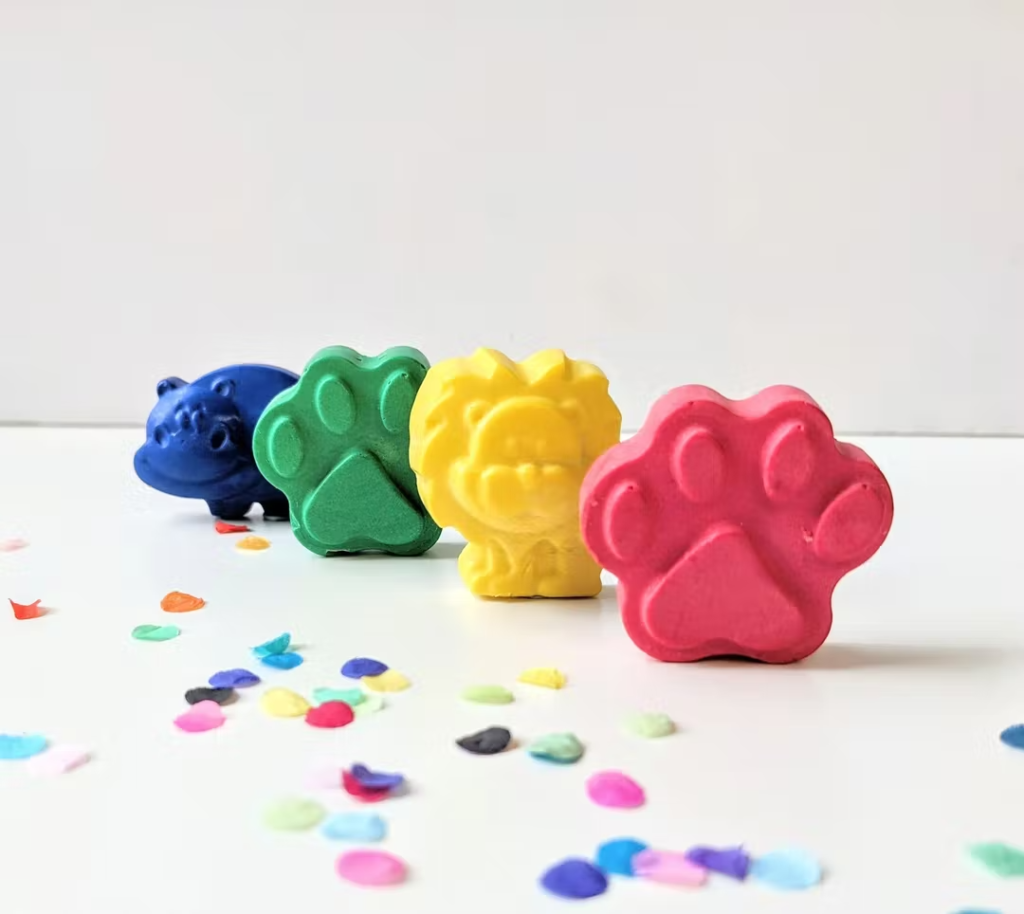
The same principle applies to art materials. Soy-based or beeswax crayons replace petroleum-based ones, and are genuinely compostable at end of life. Natural modelling clay replaces plastic-cased putty. Cotton or paper-based sketchbooks with stitched bindings last longer than glue-bound ones and take heavier paint.

Making playdough from flour, salt, water, a little oil and food colouring takes ten minutes, costs under £1, and reliably entertains a small child for longer than most purchased alternatives. The recipe is in every child-cookery book and half the parenting websites on the internet. Keep it in the fridge in a sealed container and it lasts a week.

Growing something

Gardening is the single most underrated activity for children. It is slow, it is messy, it is tactile, and it delivers a visible outcome at the end. If you have a garden, a windowsill, or access to a patch of shared outdoor space, you have a toy that cannot be broken.
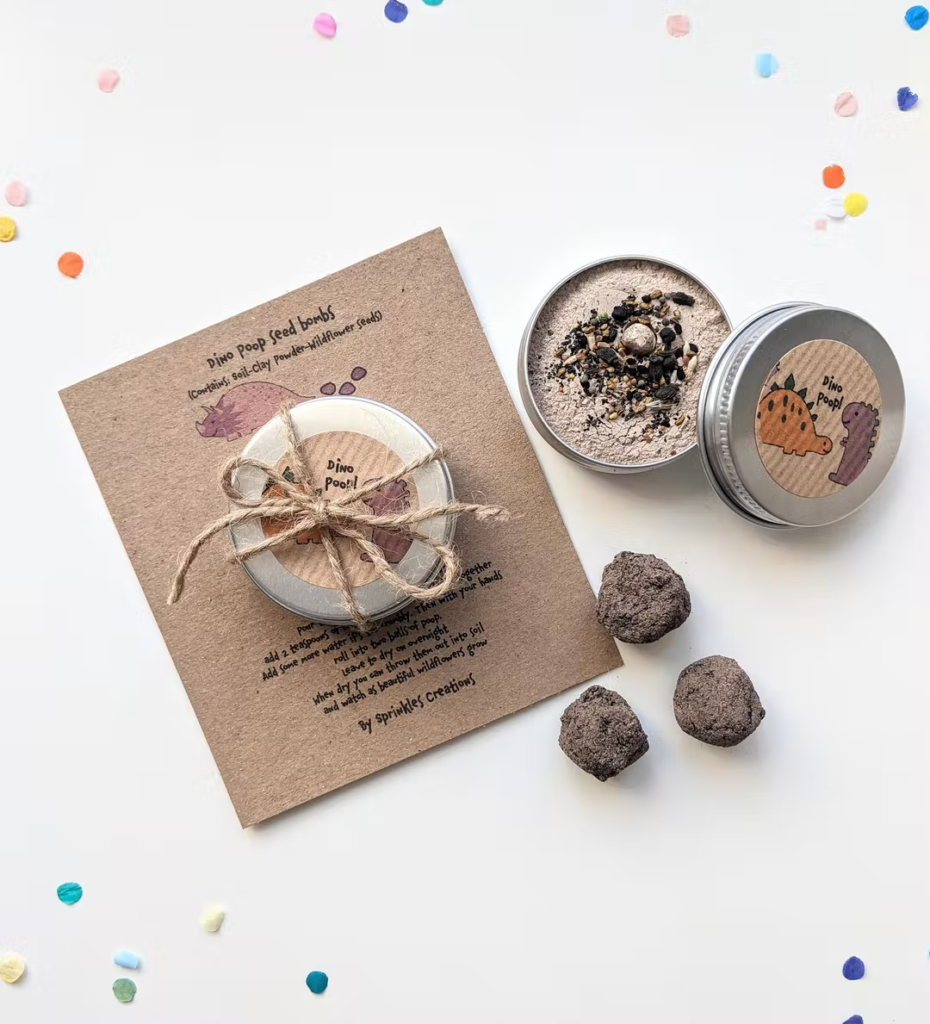
Start with the easy wins. Cress on damp kitchen paper germinates in 48 hours. Sunflowers from a seed are dramatic to watch grow and gratifying to harvest. Tomatoes in a pot on a sunny windowsill reward five months of light watering with real food you can eat. Wildflower mixes scattered on a patch of soil in March will attract bees and butterflies by July, and children who have watched the seeds go in are reliably more invested in protecting the flowers that come up.

Organic seed mixes are widely available and mean the soil and water around your growing project are not carrying synthetic pesticide or fertiliser residues. Look for the Organic certifications from Soil Association or equivalent national bodies.

Growing something teaches cause and effect at a pace that screens cannot. Water a plant, it lives. Forget, it wilts. Few other activities deliver feedback that clean.

Outside, without new equipment

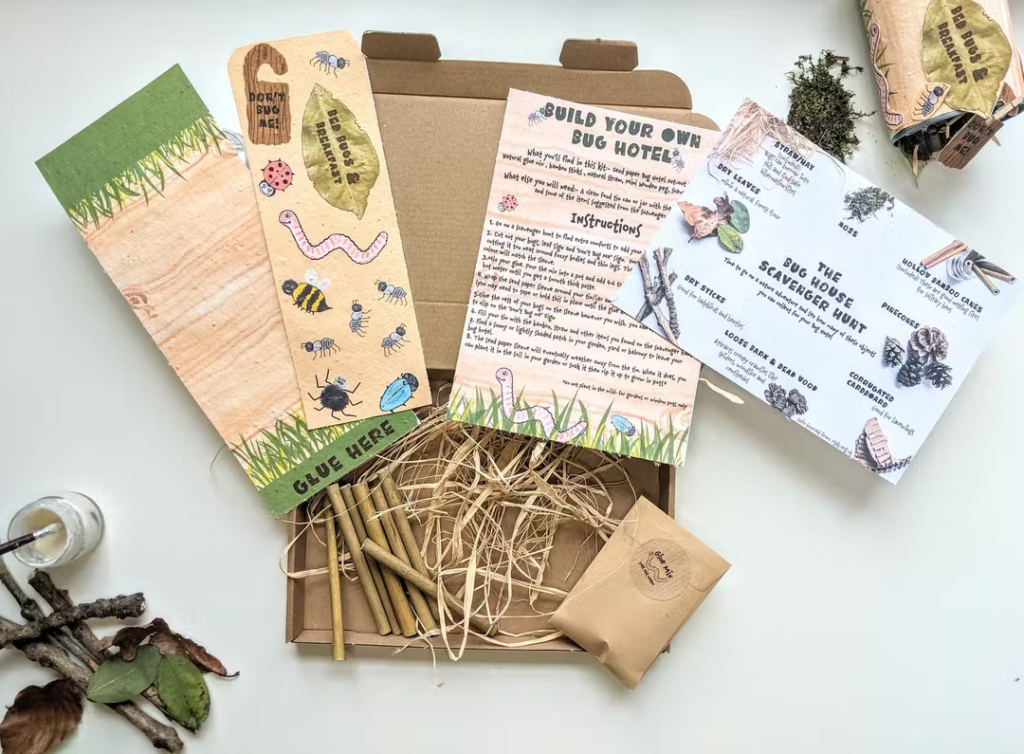
A scavenger hunt in a local park costs nothing and fills an afternoon. Five types of leaves. Three different textures. Something yellow, something rough, something that smells strongly. Ten feet of stick. This kind of prompt-based outdoor play is what child development researchers have in mind when they describe “unstructured play,” and it is consistently associated with better attention, emotional regulation, and physical coordination over time.
The NHS recommends that children and young people aged 5 to 18 do an average of at least 60 minutes of moderate-to-vigorous intensity physical activity a day, across the week. For pre-school children, the recommendation is 180 minutes of total activity, including at least 60 minutes of the moderate-to-vigorous kind. Outdoor play covers the majority of this for most children without anyone having to schedule it.

What does not have to be bought for this to work: special equipment, branded kit, themed boxes, printed scavenger lists. A notebook, a pencil, and a willingness to follow the child’s interest for ninety minutes is enough.

For wet-weather versions of the same idea: leaf rubbings, pressed flowers pressed between kitchen roll and weighted books, rock collecting and labelling, simple birdwatching from a window. Each of these becomes a small project that returns value for weeks.

Books and storytelling

Children need to understand the world they are inheriting. They do not need to be terrified into it.
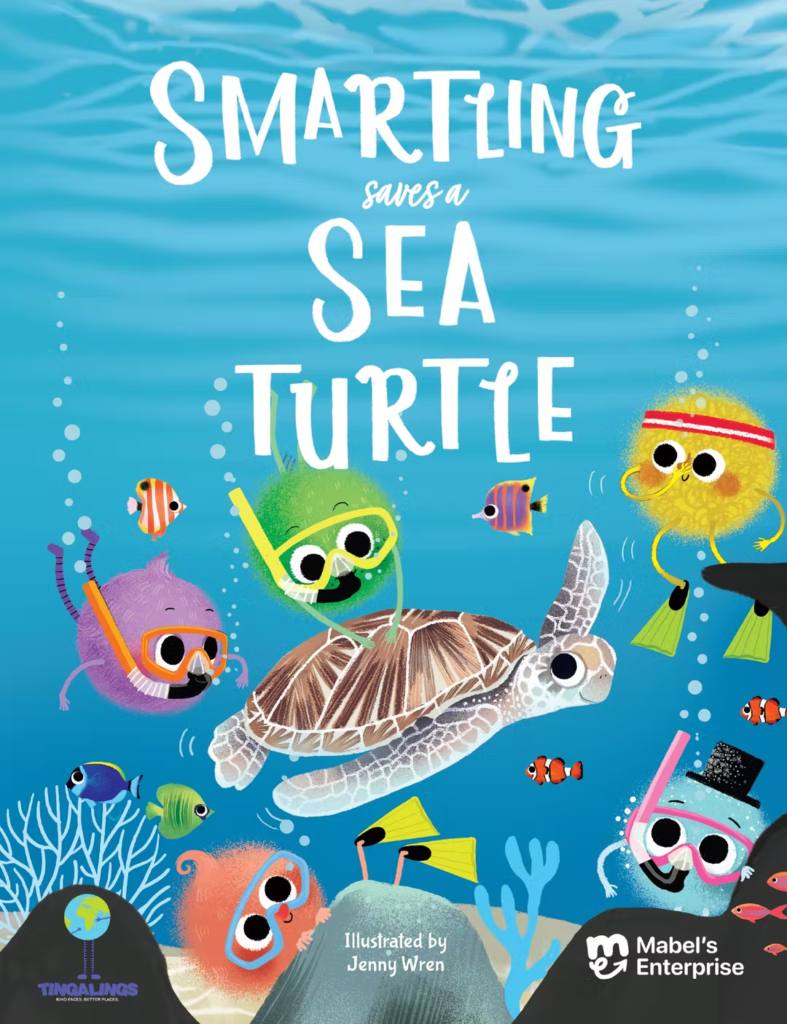
The best children’s books about the environment treat the reader as a participant rather than a bystander. Lauren Child’s work, Oliver Jeffers’ The Heart and the Bottle, Julia Donaldson’s The Gruffalo’s Child introducing respect for the woodland, Beatrix Potter’s entire back catalogue. None of these lecture. All of them build a reader who notices the world around them, which is the precondition for caring about it.

If you are shopping new, look for books printed on recycled or FSC-certified paper and published by small presses who track their own supply chain. Secondhand is usually better still. Children’s books from charity shops, school fetes and online marketplaces circulate endlessly, and a child who loves a book does not care how many owners it had before them.

Cooking and baking

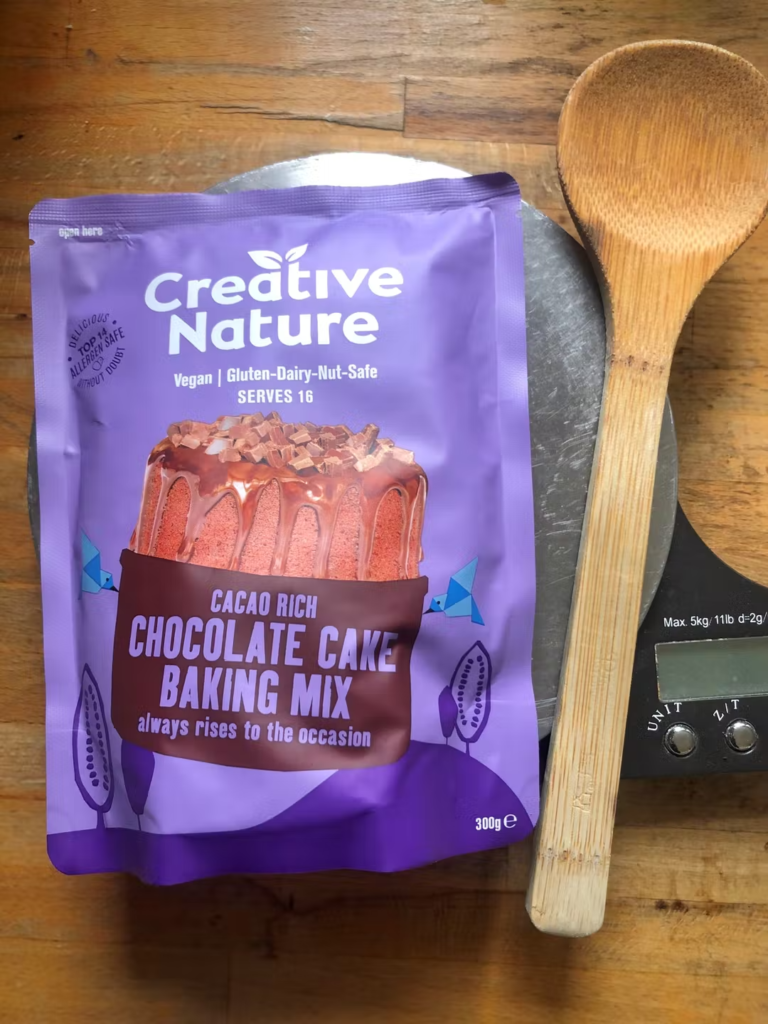
An afternoon baking bread, biscuits or a simple cake teaches measurement, basic chemistry (why yeast rises, why butter melts, why eggs bind), and the satisfaction of eating something you have made yourself. Organic flour from a decent mill, a few eggs, butter, sugar, and the child does the work. The waste is negligible. The output is eaten the same day.
Savoury cooking works the same way. A child who has pod-shelled peas, washed a lettuce, grated cheese and set the table takes a different kind of ownership of the meal. Over a year of doing this once a week, that same child will be considerably more confident around food than one who has only ever been served finished plates.

The wider frame

The pattern across all of this: the play that generates least waste teaches the most. Children who are making, growing, cooking, noticing, building and storytelling develop skills and attention that children who are consuming manufactured entertainment do not get in the same way.

It is worth noticing that this is not a moralising point. These activities are not worthier than plastic toys. They are better play, full stop. The environmental benefit is a side effect of the fact that the best play tends to be the simplest and the most hands-on.

None of this requires a clean-slate commitment. If your child has a plastic toy box, they have a plastic toy box. The test is whether the next activity you add to their week is one that sits on that list above rather than on the shelf at the supermarket.

Where to start on Ziracle

Every brand in our Kids and Baby edit has been assessed against the same standard: materials that last, production that is honest, claims that can be verified. Filter by Plastic Free for toys and supplies that remove the plastic question from the equation, or by Organic for food, clothing and art materials certified to proper standards.

For the broader household shift, see our plastic-free living guide, which covers the habit-level changes that extend from the playroom to the kitchen. For the argument about why buying less and keeping it longer works across every category, see what is conscious consumerism.

If the kitchen is where you are starting, Clean Home is the goal page to bookmark for products that do not make the family cleaning routine harder than it needs to be.

FAQs

Do eco-friendly toys really cost more than plastic ones?

Upfront, usually yes. A good wooden building set costs three to four times a plastic equivalent. Across the full lifespan, almost always no. A well-made wooden set will pass through two or three siblings, then a second-generation cousin, and still be usable after fifteen years. A plastic set rarely survives two children. The cost-per-year maths strongly favours the wooden option for anyone who plans to have it around longer than a Christmas.

Isn’t saying no to plastic toys going to leave my child out at friends’ parties?

Children notice less than parents worry about. A child who has both plastic and wooden toys at home, or who has fewer toys overall but spends more time outside and in the kitchen, does not miss out socially. The social friction, where it exists, tends to come from parents’ anxieties more than children’s peer groups. By school age, the play that defines friendships is usually running around, imaginative games, and shared experiences, not brand-specific plastic.

What about screens — is some screen time OK in a low-plastic household?

Yes, and the two questions are not really connected. Screen time is a separate decision with its own research base. The NHS and WHO guidance broadly recommends limiting sedentary recreational screen time for children under 5, and the research on school-age children and teenagers is more about total time and content than an absolute ban. A household that balances outdoor play, making, and reading with limited screen time is closer to the evidence than one that prohibits either extreme.

Where should I start if I only have twenty pounds?

A bag of mixed organic seeds (wildflowers, sunflowers, tomatoes, a few herbs), a small bag of flour, and a £5 notebook with a pencil. That covers gardening, cooking, and outdoor observation for months of weekends. If you have a bit more to spend, add one well-made wooden or beeswax item your child will use repeatedly — a building block set, a rolling pin, or a good set of crayons.

How do I handle the relatives who keep gifting plastic?

The polite version: send a specific wishlist before birthdays and Christmas with three to five suggestions covering different price points. Name specific items where you can. Most relatives find gift-buying stressful and are actively grateful for guidance. The honest version: some plastic toys will still come into the house, and that is fine. The pattern over the year matters more than any individual gift.

Zero Waste Swaps for Everyday Life: The Prioritised List

Most zero waste lists are alphabetical, or organised by room, or just everything someone could think of dropped into a single bulleted dump. None of that tells you where to start. This is the version that does.

Every swap here has been checked for actual impact and actual performance. They’re in order, highest return first. The deep-dive articles are linked where the detail lives.

How to use this list

Work top to bottom. Don’t buy anything new to make a swap happen. Use what you already own until it runs out, then replace it with the better version. The most sustainable product is always the one you’ve already bought.

If a swap isn’t on this list, it’s either in the “not ready yet” section at the bottom, or it’s one of those things that sounds important but isn’t.

Start here. The highest-return swaps

These three come first, regardless of which room you’re starting in. Between them they cover the highest-volume, most repeatable categories of household plastic.

01. Switch cleaning products to concentrated refillable formats

A refillable glass or aluminium bottle plus concentrated tablets or drops replaces an entire under-sink cabinet of single-use plastic. A 2023 Which? review found concentrated formats use substantially less plastic and far less water than ready-mixed sprays, because you’re not shipping water around the country. For most households this is the biggest single swap. Full guide: eco swaps for home. Shop: Refillable Multi-Surface.

02. Switch laundry detergent to laundry sheets

Detergent bottles are bulky, heavy, almost never recyclable, and replaced constantly. Laundry sheets in cardboard packaging do the same job and produce none of the packaging. Modern formulations work at all temperatures in all machine types. Shop: Refillable Laundry.

03. Buy loose fruit and vegetables where you can

Food and drink packaging made up 83% of the plastic items counted in the 2022 Big Plastic Count, the largest UK household plastic survey to date. Fresh produce is one of the biggest single categories within that. Bring your own bag. Buy loose where available. Choose cardboard or paper over plastic film where it’s not. Full guide: eco swaps for food and drink.

The bathroom

04. Shampoo bar (syndet, not soap-based)

One bar replaces two to three plastic bottles. The key: buy a pH-balanced syndet bar, not a traditional soap bar. A 2014 review in the International Journal of Trichology found syndet cleansers are gentler on the hair cuticle and scalp than soap-based formulas. Give any new bar three to four washes before judging. Full guide: eco swaps for beauty.

05. Reusable cotton rounds

One of the fastest payback swaps on the list. A pack of ten reusable cloth rounds replaces hundreds of disposable cotton pads over a year. Machine washable. No adjustment required.

06. Refillable deodorant

Refillable aluminium deodorants with replaceable inserts perform as well as conventional roll-ons for most people. Higher upfront cost, lower ongoing cost and waste. Shop: Refillable Deodorant.

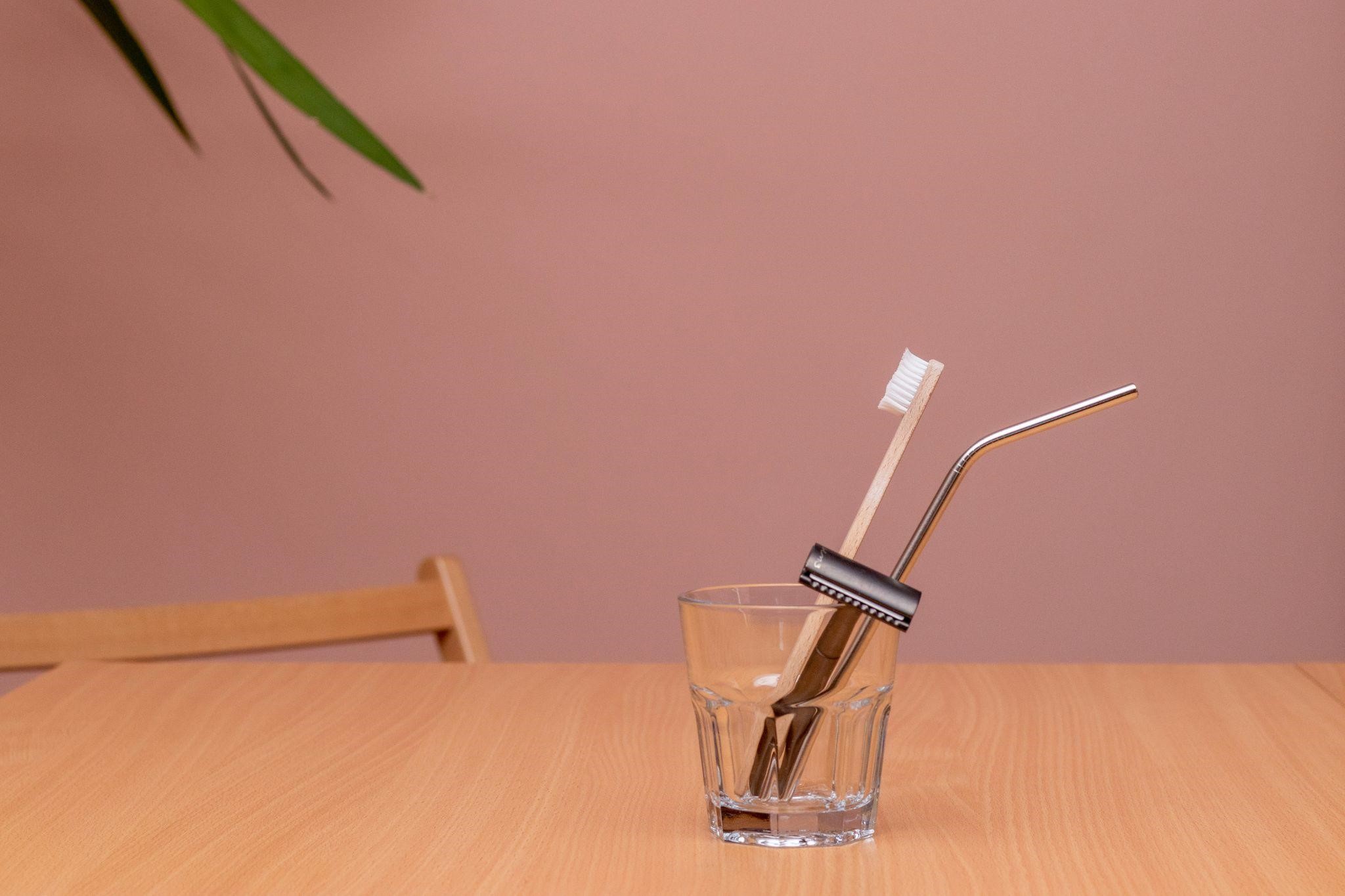
07. Bamboo toothbrush

The handle composts, the nylon bristles still go in general waste. Imperfect, but a clear improvement on a fully plastic brush replaced every three months.

08. For activewear, look for OEKO-TEX Standard 100

Testing reported by Environmental Health News in 2022, using an EPA-certified lab, found that around one in four pairs of popular leggings had detectable fluorine (a PFAS indicator). Three in four showed none. OEKO-TEX Standard 100 screens for these. Natural fibres work for lower-intensity exercise where moisture-wicking matters less. Full guide: eco swaps for fashion.

The kitchen and food shopping

09. Reusable water bottle and coffee cup

The most avoidable single-use plastic in most people’s daily lives. One good bottle removes the category. Shop: Water Bottles.

10. Glass, cardboard or aluminium over plastic for pantry staples

Passata in a carton rather than a plastic bottle. Tinned tomatoes rather than plastic pouches. Nut butter in a glass jar rather than a plastic tub. Identical product inside. The packaging decision costs no extra effort at the point of purchase. Shop: The Pantry.

11. Beeswax wrap for most uses

Cling film is almost never recyclable by UK councils. Beeswax wrap covers bowls, wraps sandwiches, keeps cut vegetables fresh. Doesn’t work for raw meat, needs cold water for washing. Otherwise, a direct replacement.

12. Compostable kitchen sponge

Research published in 2022 in Science of the Total Environment estimated that a single synthetic kitchen sponge can release millions of microplastic fibres over its lifetime, mostly into wastewater. Loofah, wood-pulp cellulose and sisal scourers do the same cleaning job without the plastic. Low cost, no adjustment.

13. Buy in bulk for staples you use reliably

Oats, rice, lentils, flour. Larger bags produce less packaging per portion. Many zero-waste shops also offer loose options. Shop: Bulk Pantry.

14. Reusable produce bags

Lightweight mesh or cotton. Replaces the roll of thin plastic bags. Washes easily, lasts for years.

Cleaning and laundry (beyond the two big wins above)

15. Washing-up liquid: switch to concentrate or a solid bar

Concentrated washing-up liquid diluted into a refillable bottle reduces bottle turnover considerably. A solid bar eliminates it entirely. Shop: Refillable Washing Up.

16. Dishwasher tablets in plastic-free packaging

Most conventional tablets come individually wrapped in plastic film inside a plastic tub. Cardboard-boxed or compostable-wrapped alternatives perform comparably.

17. A Guppyfriend bag for washing synthetics

Catches microplastic fibres shed during washing before they enter wastewater. Works with any machine, any detergent. Not a fix at source, but a meaningful reduction.

Fashion and wardrobe

18. Buy secondhand first

For jeans, knitwear, outerwear, basics, the UK secondhand market is deep. Vinted, Depop, eBay, charity shops. Essentially no manufacturing footprint beyond transport.

19. Wear things more

The biggest environmental lever in fashion isn’t what you buy. It’s how many times you wear it. WRAP’s research consistently finds that extending the active life of a garment by nine months reduces its carbon, water and waste footprints by around 20 to 30%. Cost per wear is the right frame: a £90 well-made item worn 90 times costs £1 per wear. A £15 fast-fashion equivalent worn five times costs £3 per wear.

The most sustainable product is always the one you’ve already bought.

20. When buying new, look for OEKO-TEX, GOTS or named factories

The signals that a brand has thought beyond the label.

21. Wash at 30 degrees and line dry

A life-cycle analysis by WRAP found that the use phase (washing, drying, ironing) accounts for a meaningful share of a garment’s total carbon footprint. One of the lowest-effort reductions available.

The ones that aren’t ready yet

Some things get asked about a lot. These are the honest answers.

Crisp packets and snack packaging. Almost all of it is plastic film or foil-laminate, collected by almost no UK councils. TerraCycle runs drop-off schemes for some brands. Not yet a consumer problem with a consumer solution.

Mascara, most foundations, and multi-component cosmetics. The packaging on these hasn’t been solved at scale. Buy less, use products fully, use TerraCycle points where available.

Compostable bin liners for general waste. They need industrial composting conditions to break down, which most UK councils don’t provide. Recycled-content plastic liners are the more honest swap for general waste until kerbside infrastructure catches up. Compostable liners do work for food caddy liners going to food waste collection.

Textile recycling into new garments. According to the Ellen MacArthur Foundation, less than 1% of the material used to produce clothing is recycled into new clothing, because the fibre-to-fibre infrastructure doesn’t yet exist at scale. Donation and secondhand keep clothes in use. Actual closed-loop recycling is not a real option for most consumers yet.

You now have the list in the right order. Next time something runs out, you know exactly what to replace it with.

Ready to start? Browse the Refillable edit and pick one swap to begin with.

FAQs

What’s the single most impactful zero waste swap I can make?

Switching from conventional spray cleaners to concentrated, refillable alternatives. Cleaning products cycle through the average household faster than almost any other packaged category, and a refillable bottle with concentrate tablets removes most of the single-use plastic from the under-sink cupboard. Which?’s 2023 testing found concentrated formats use substantially less plastic and far less water than ready-mixed sprays.

Do I have to switch everything at once?

No, and it’s a bad idea to try. The right approach is to use what you already own, then replace each item with a better version when it runs out. Cleaning products cycle fastest, so start there. Fashion and home decor cycle slowest, so those change over years rather than weeks. Trying to switch everything in one go is both wasteful and expensive.

Where does most household plastic actually come from?

Food and drink packaging. The 2022 Big Plastic Count found it accounted for 83% of the plastic items thrown away by the average UK household each week. That’s why the food aisle is the biggest remaining opportunity once you’ve tackled cleaning and beauty. Much of it is harder to change, because so much of it is supermarket decision rather than consumer decision, but loose produce, carton over bottle, and glass over plastic all count.

Are zero waste swaps more expensive?

It depends how you count. Upfront, some are more expensive (a refillable aluminium deodorant case, a stainless steel water bottle). Over the lifetime of the product, almost all are cheaper, because the refills cost less than replacement units and the item itself lasts far longer. The genuinely cheaper categories from day one: soap bars versus liquid body wash, laundry sheets versus liquid detergent, and reusable cotton rounds versus disposables.

What about compostable packaging? Is it actually better?

Only if it ends up somewhere that can compost it. Compostable food-caddy liners work because food waste goes to industrial composting facilities. Compostable general-waste liners usually don’t, because they need the same conditions to break down and most UK councils don’t offer that pathway for general waste. The rule of thumb: compostable is only genuinely better than recycled plastic where there’s a real route for it to be composted.

The Plastic-Free Living Guide (without the guilt)

||||

The headline number that is supposed to motivate you is the 2017 figure from the Ellen MacArthur Foundation, which projected that on current trends the oceans could contain more plastic than fish by weight by 2050. Most people absorb the statistic, feel the appropriate spike of dread, and then do nothing differently. The information itself is rarely the problem. The problem is that dread does not convert to habit change, and guilt-driven perfectionism collapses within a month.

This guide is the alternative approach. Reducing plastic is not a moral purity project. It is a set of small behavioural shifts, each one of which would barely show up on its own, but which compound into something meaningful across a year. Nobody becomes zero-waste. Most households can reasonably cut between 30% and 60% of the plastic they currently throw away without sacrificing anything that actually matters to them. That is the productive target, not a spotless bin.

The single honest fact that makes the case

The same Ellen MacArthur Foundation report found that globally, only 14% of plastic packaging is collected for recycling after use. The rest escapes into the environment, goes to landfill, or gets incinerated. Recycling, taken at face value, solves about one-seventh of the problem.

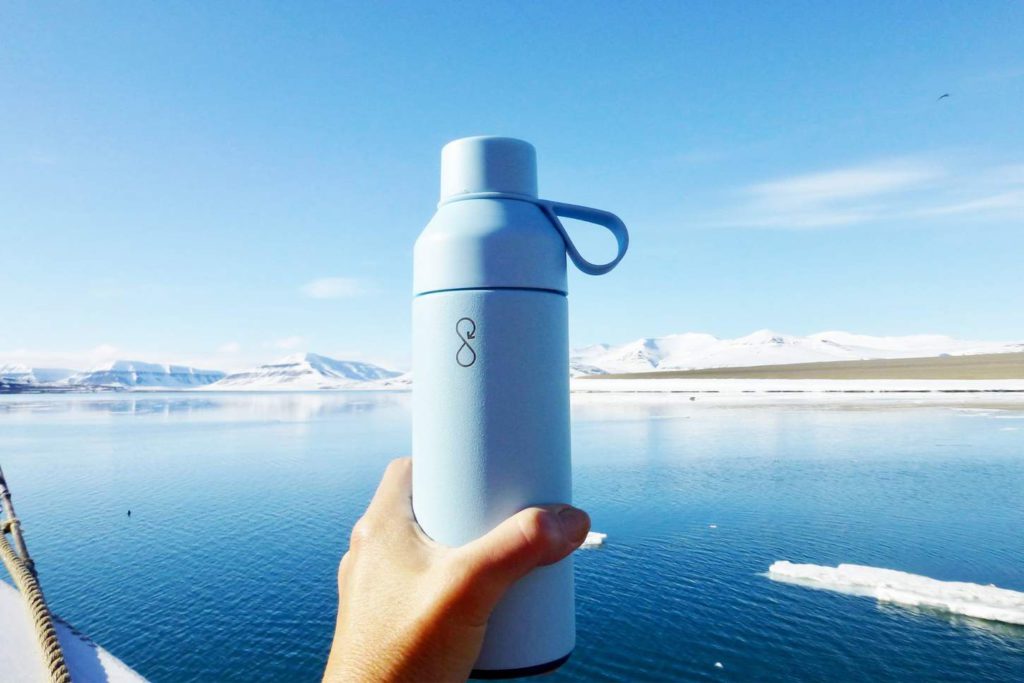
Credit: Ocean Bottle | veo.world/oceanbottle

This is why the single most effective thing you can do is not recycle more. It is use less of the packaging in the first place. Reuse beats recycle, every time. A glass jar used a hundred times, a fabric bag used weekly for two years, a refillable bottle used for a decade – these remove the disposal problem from the equation rather than trying to solve it after the fact.

The rest of this guide is the practical version of that principle, in the categories where most household plastic actually lives.

Do one week of noticing before you change anything

Before you swap anything, spend a week paying attention to where plastic enters your home. Not obsessively. Just enough to build a mental map.

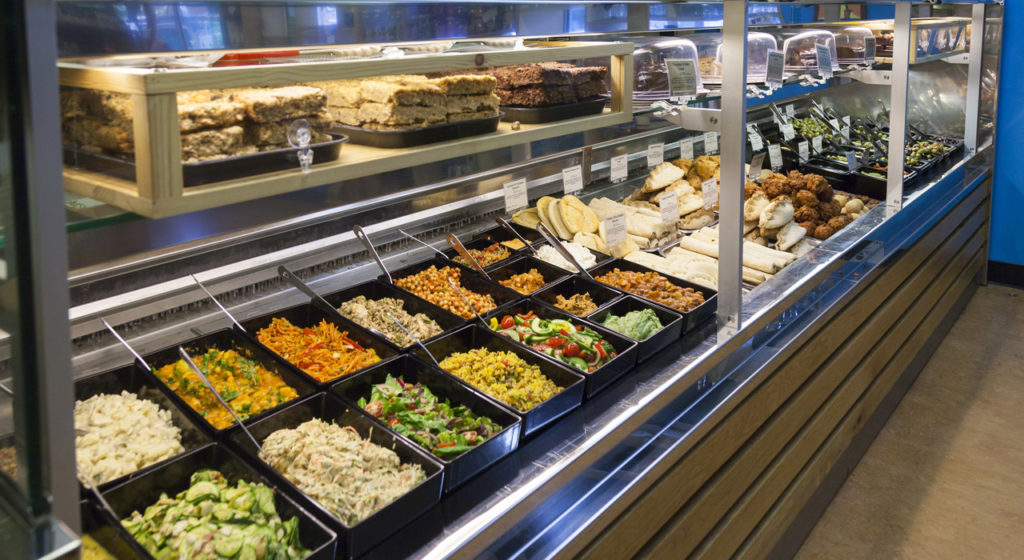
Credit: Unicorn Grocery Manchester

Most people discover that the bulk of their household plastic comes from three or four specific places. Food packaging, mainly from the weekly supermarket shop. Cleaning products and toiletries. Takeaway and food delivery containers. The occasional big category like nappies or cat litter.

Knowing which categories are your largest is what makes the next step manageable. There is no sense in obsessing over a single plastic toothbrush a month if the real volume in your bin is coming from grocery shopping. The categories are not all equal.

Keep it simple: for seven days, notice what you throw away and group it roughly. A mental audit is fine. A literal list in your phone is better.

Start with the one category that matters most in your house

Trying to switch everything at once is how almost everyone gives up. Behaviour-change research is consistent: adding one new habit at a time and letting it become automatic before adding the next is roughly twice as likely to stick than trying to overhaul multiple categories simultaneously.

Pick the category your week of noticing identified as largest. For most people that is one of three:

Food shopping. The shift here is buying loose rather than packaged where your supermarket allows it, taking your own bags and containers for the counters that will use them, and finding one or two local refill options for dry goods like pasta, rice, oats, and lentils. Most UK towns now have at least one refill shop. The Ethical Consumer directory lists them; so does a Google search for “refill shop [your town]”.

Cleaning products and toiletries. The refill shift is most developed here. Most major UK supermarkets now stock concentrated cleaning products (Ecover, Method, Smol) where you reuse one bottle and top up with water. Shampoo bars, conditioner bars and solid soaps replace plastic bottles one-for-one. Refillable aluminium deodorants replace plastic roll-ons. None of these require a research project. They just require buying the refill version the next time the current one runs out.

Water and drinks. A single reusable water bottle, used daily for a year, replaces hundreds of single-use bottles. A reusable coffee cup does the same for takeaway coffees. The carbon payback on both typically sits around twenty uses, which is a fortnight for most people.

Pick the category most relevant to your week’s audit. Commit to the swap for a month. Move on only when the first one is automatic.

Use what you already own before you buy new

Plastic containers you already own are not the enemy. The environmental cost of making them has been paid. Throwing them away to buy a “plastic-free” alternative is worse than keeping and reusing them.

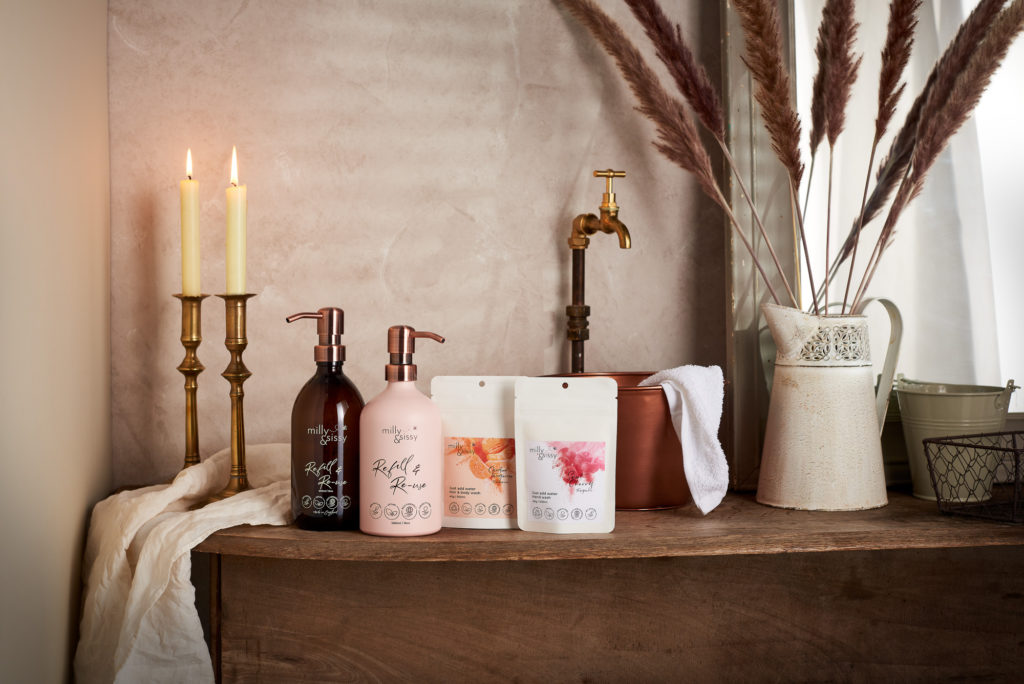
Credit: Milly & Sissy | veo.world/millyandsissy

A used ice cream tub is a free food-storage container. A passata jar with a good seal is a free spice jar. A shampoo bottle with a pump mechanism is a free refillable soap dispenser if you buy bulk hand soap. The Japanese concept of mottainai – the sense that it is a shame to waste the useful life in something – captures the principle better than most sustainability slogans.

The rule of thumb: only buy a purpose-made reusable when the thing it replaces is actually worn out, when you genuinely do not have a workable substitute, or when the new item will be used so often that the upfront cost pays back quickly. For most households, the reusable items that clearly meet this test are: one good water bottle, one good coffee cup, two or three cloth shopping bags, and a few beeswax food wraps. Everything else, use what you have.

Find one refill option locally, use it for a month

The single most effective habit-forming step is establishing one refill routine you actually maintain. For most households, that means locating a local refill shop – or a refill section at the local supermarket – and using it once for one product category.

The category matters less than the establishment of the routine. Washing-up liquid. Laundry detergent. Olive oil. Pasta. Lentils. Shampoo. Whichever you use most. Buy a bottle or container from the shop, or bring one from home, and do the refill once. Then bring it back next time.

DEFRA research on household waste shows that refill-based buying reduces household packaging waste by a meaningful margin, and that most people who start refilling for one category add others within six to twelve months. The second category is easier than the first. By the third, it is the default rather than the novelty.

Learn the plastic codes, but do not rely on them

The resin identification code on plastic packaging – the number from 1 to 7 inside the triangle of arrows – tells you which type of plastic it is. In theory this tells you what recycles and what does not. In practice, only two of the seven reliably recycle at UK scale.

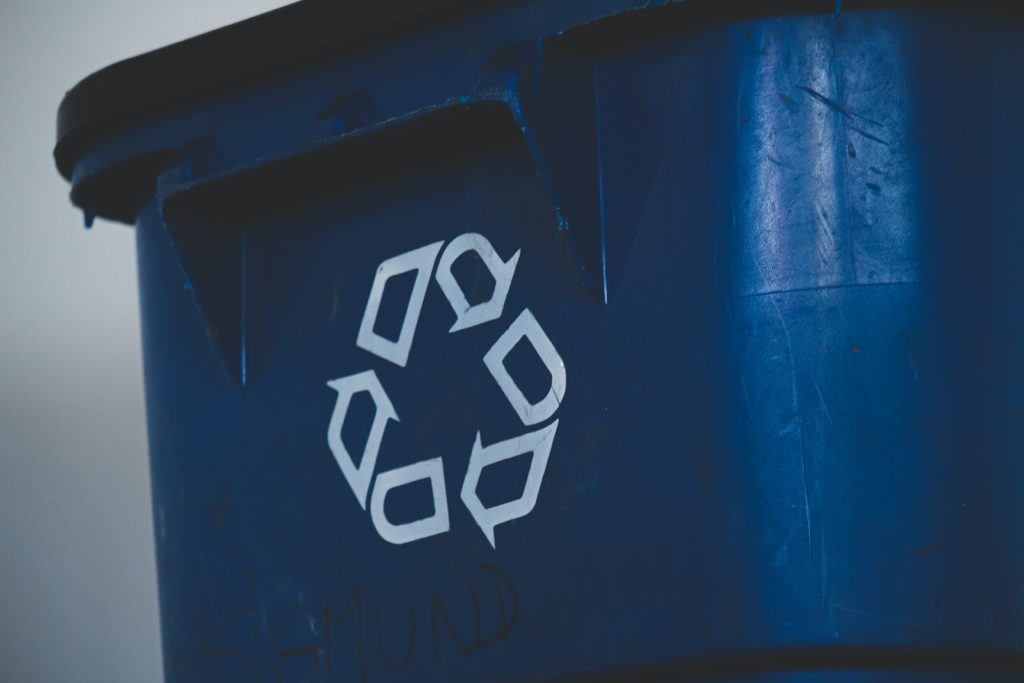
Credit: Sigmund

PET (code 1, drinks bottles, clear food packaging) recycles well. HDPE (code 2, milk bottles, detergent bottles) recycles well. Polypropylene (code 5) is increasingly collected kerbside but recycles less cleanly. The rest – PVC, LDPE, polystyrene, mixed plastics – almost never recycle in practice, according to the 2024 Big Plastic Count survey by Greenpeace UK and Everyday Plastic, which estimated that only around 17% of UK household plastic is actually recycled, with the majority being incinerated.

The practical upshot: when you do have to buy plastic, choose codes 1 or 2 where possible. But recognise that the recycling symbol on most other plastics is the manufacturer’s aspiration, not the council’s capability. For the longer explanation, see our biodegradable, compostable, recyclable guide.

What good looks like after a year

A realistic end state after twelve months of slow, non-dramatic change for most households:

A reusable water bottle, coffee cup, and three or four cloth shopping bags, used consistently. One local refill routine established and maintained – usually cleaning products, sometimes toiletries, occasionally dry food. Solid-bar replacements for a few of the bathroom products that used to come in bottles. A handful of food-shopping habits that cut the weekly plastic – buying loose fruit and veg where available, bringing containers to the butcher or cheese counter, skipping the thin produce bags.

Not zero plastic. Nowhere near it. But reliably 30 to 60% less plastic in the weekly bin, with no ongoing mental effort because the habits have settled into routines. That is the honest, sustainable version of plastic-free living.

Where to start on Ziracle

Every brand in our Refills and Reusables edit has been chosen for the same reason: the packaging is either designed to be used hundreds of times or designed to disappear cleanly at the end of life. Filter by Plastic Free for the zero-plastic options, Refillable for the systems that top up rather than replace, or Reusable for items built to last thousands of uses.

For the habit-level changes that extend this across other categories of household consumption, see our zero waste swaps guide.

If you are starting with the kitchen or bathroom, Clean Home is the goal page to bookmark for products that do not hide packaging problems behind marketing claims.

FAQs

Is reusable really better when you count the carbon cost of making it?

For almost every reusable item, yes, once you have used it a few dozen times. The carbon payback on a reusable cotton bag typically sits around twenty to forty uses versus a single-use plastic bag. A stainless steel water bottle pays back within a couple of weeks of regular use compared with buying bottled water. The exception is items you buy and barely use. A cupboard of unused reusables is worse than buying single-use, precisely because the manufacturing carbon was wasted. Buy only what you will actually use consistently.

What about bioplastics like PLA – are they better?

Sometimes, in narrow circumstances. Compostable plant-based plastics like PLA can return to soil in industrial composting facilities (at around 58°C), but not in a home compost or a general-waste bin. If your council collects food waste and accepts bioplastics in it, compostable packaging is a meaningful improvement. If it does not, the compostable plastic performs similarly to conventional plastic in the actual waste stream.

How do I handle people who make comments about my reusables?

You do not, mostly. The social friction around sustainable behaviour is usually imagined rather than real. A reusable coffee cup or water bottle is unremarkable in 2026. A refillable shampoo bottle raises no eyebrows at the supermarket. If anyone does comment, a brief factual answer and a subject change works fine. This is not a debate you need to win.

Can I really go fully plastic-free?

Almost nobody does, and the people who try usually burn out within six months. Fully plastic-free living in the UK in 2026 excludes most supermarkets, most pharmacies, and a significant fraction of the modern food supply. The productive target is reducing unnecessary plastic, which is usually 30 to 60% of what a household currently throws away. The last 40% is structural and mostly outside individual control. That is what collective action, producer-responsibility policy, and the extended producer responsibility reforms coming into force in 2025-27 are for.

Where should I start if I only change one thing?

A reusable water bottle, used daily in place of any single-use bottles you would otherwise buy. It is the single swap with the best ratio of easy-to-adopt to waste-reduced for most people, and the habit it builds (noticing when you are about to buy single-use and choosing not to) transfers to almost every other category.

Biodegradable, Compostable, Recyclable: What these Words Actually Mean

Compostable vs Biodegradable vs Recycling||||Plastic bottles

Biodegradable. Compostable. Recyclable. They sit next to each other on packaging, with similar leaf-green logos and similar implicit promises, and they do not mean the same thing. The words describe three different processes, with different timelines, different conditions, and different outcomes for what actually happens to the item after you throw it away.

Marketing departments rely on that confusion. When most people read “biodegradable” on a plastic bottle, they picture it quietly dissolving into soil. What it usually means, in practice, is that it fragments into microplastics that persist in the environment for decades or centuries. The gap between the promise and the practice is where greenwashing lives, and closing it is the main point of this guide.

None of what follows requires a science degree. It requires five minutes of reading the label instead of the logo.

Biodegradable: the weakest claim

Biodegradable, as a word, means capable of being broken down by microorganisms. In practice it has no legally binding timeline, no test for what the material becomes, and no requirement for the residue to be harmless. Which means it is, on its own, almost meaningless as a consumer signal.

Paper is biodegradable. So is cotton, wool, and most untreated plant fibre. Those biodegrade into the same constituents they came from, within months, in normal conditions.

Then there is “biodegradable plastic.” This is the label that does the most damage. In most cases, it refers to plastic that has been chemically engineered to fragment faster than conventional plastic, or blended with additives that speed that fragmentation. What it becomes as it “biodegrades” is smaller and smaller pieces of plastic -microplastics, then nanoplastics -which do not meaningfully return to nature. They persist, they enter the food chain, and they end up in human blood.

The useful question to ask when you see the word is not “does it break down?” but “what does it break down into?” Paper, plant fibres, and certified compostable materials give a clean answer. Plastic labelled biodegradable usually does not.

Compostable: the precise claim

Compostable is the term that actually means something, because it is tied to a testable standard. In Europe, that standard is EN 13432, published by the European Committee for Standardization in 2000 and adopted by national bodies including the British Standards Institution. In the UK you will often see it as BS EN 13432.

The standard requires four things. The material must disintegrate, meaning fragment to pieces smaller than 2 mm, within 12 weeks in industrial composting conditions. It must fully biodegrade, meaning at least 90% of its organic carbon converts to carbon dioxide within six months, according to the European Bioplastics association. The residue must not harm the compost or the plants grown in it. And it must contain only trace amounts of heavy metals.

Crucially, EN 13432 certifies industrial compostability. Industrial composting runs at around 58°C for several weeks. A home compost heap typically runs at 20 to 30°C, takes much longer, and will not break down most EN 13432-certified materials in any reasonable timeframe. If you want compostable material that also breaks down in a garden compost, look for the separate “OK Compost Home” certification, which tests for 12 months at ambient temperature.

The honest version of the claim is therefore: a certified compostable item will break down completely, in the right facility, without leaving harmful residue. A compostable item in a landfill or your kitchen bin just sits there.

Recyclable: the word that has done the most harm

Recyclable means a material can, in principle, be reprocessed into something new. It does not mean it will be. The gap between those two is the entire problem.

The UK government’s official figures for 2024 show a plastic packaging recycling rate of between 51 and 53.7%, according to DEFRA’s waste statistics, based on data submitted by accredited reprocessors and exporters. That includes plastic exported to other countries for processing, not all of which reaches a reprocessor.

Independent surveys suggest the real-world number for household plastic is considerably lower. The Big Plastic Count 2024, a citizen-science survey of 225,000 UK households run by Greenpeace UK and Everyday Plastic, estimated that only around 17% of UK household plastic waste is actually recycled. Around 58% is incinerated, most of the rest landfilled or exported. The gap between the two figures reflects what counts as “recycled” in official statistics versus what actually becomes new material.

The practical rule is this: of the seven plastic types identified by the resin identification code on packaging, only two recycle reliably at scale. PET (code 1, used for drinks bottles) and HDPE (code 2, used for milk bottles and detergent containers). Polypropylene (code 5) is recyclable in principle and increasingly in UK kerbside schemes, but recovery rates are lower. Polystyrene (code 6), PVC (code 3), and mixed plastics (code 7) almost never recycle in practice. Once you colour a plastic, add a film layer, or combine two types into a composite, the cost of separating them usually exceeds the value of the recovered material.

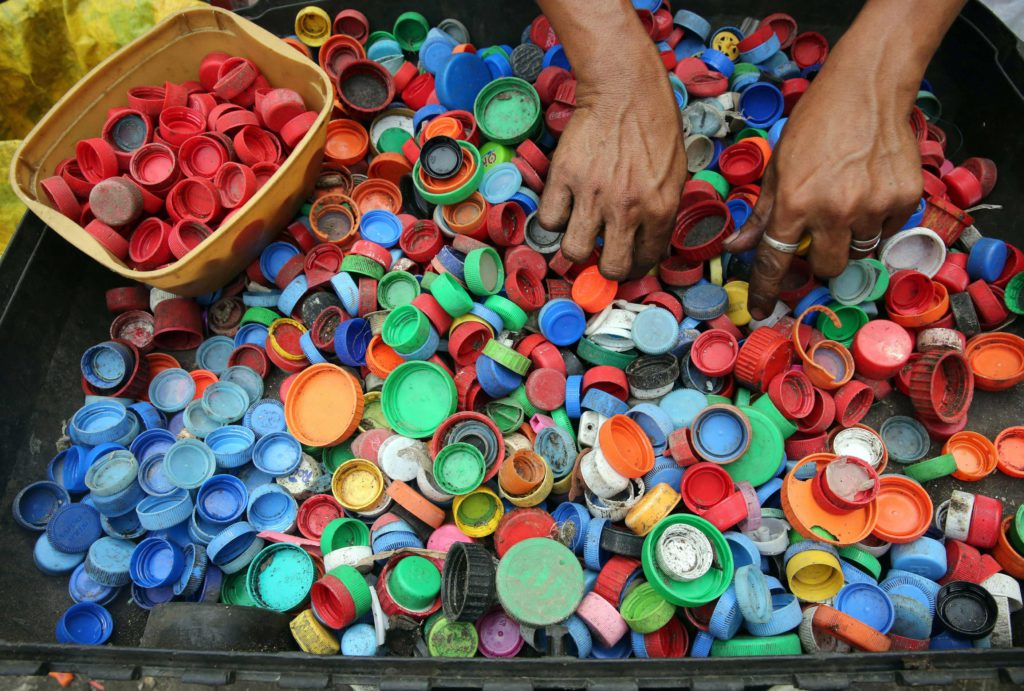
Hands sorting though hundreds of multi coloured bottle caps.
Credit: Krizjohn Rosales

Black plastic ready-meal trays, crisp packets, toothpaste tubes, squeezable sauce bottles, coffee cup lids -these carry the recycling symbol because they contain recyclable polymer, but the sorting infrastructure does not recover them. The symbol is the manufacturer’s aspiration, not the council’s capability.

The downcycling problem

Even when plastic is recycled, it usually comes out lower-quality than it went in. Contaminants accumulate. Polymer chains shorten. A plastic bottle becomes fibre for a fleece jacket, which then becomes filling for upholstery, which then becomes landfill. The material has been recycled, technically, but the recycling has delayed the landfill trip rather than prevented it.

Glass, metal and paper downcycle far less. Aluminium is the standout: it can be recycled indefinitely with minimal quality loss, and around 75% of all aluminium ever produced is still in circulation. Glass behaves similarly. This is one reason many circular-economy efforts prioritise these materials over recyclable plastic.

The hierarchy that actually works

Put these three words in order of real-world impact and they invert almost entirely from the marketing.

Reuse beats recycling, every time. A glass jar used a hundred times, a metal water bottle, a refillable aluminium deodorant case -these remove the disposal question from the equation rather than trying to solve it after the fact. Reusable formats carry an initial carbon cost from manufacturing, but that cost is amortised across hundreds or thousands of uses rather than one. Any WRAP analysis of consumer packaging consistently shows reuse as the dominant lever.

Compostable is second best, in the narrow case where there is a certified industrial composting route and the material is certified for it. For most UK households, that means looking for the Seedling logo from Din Certco or the TÜV Austria “OK Compost” mark, and checking whether your local authority collects food waste (this is becoming mandatory across England by March 2026 under the Simpler Recycling reforms).

Recyclable is third best, and only within the plastic types and local infrastructure that actually recycle. The recycling symbol alone is not enough.

Biodegradable, without a specific standard attached, should be treated as a marketing term.

How to shop around this

Four practical rules hold up against almost any “eco-friendly” claim.

Ask what it becomes. Paper and certified compostable items become soil. Aluminium, glass and PET become themselves again. Most plastics become something lower-grade. Biodegradable plastics often become microplastics.

Favour reusable over single-use, even when the single-use is labelled eco. The carbon maths almost always works out after ten to twenty uses, and most reusable containers last for thousands.

Read the small print on “compostable” claims. Industrial-compostable only (which is most of them) is useful only if you have the collection route. Home-compostable items are genuinely compostable in an ordinary garden heap.

Distrust “biodegradable plastic” as a category. If it matters to you that the item returns to nature rather than fragmenting into pollution, choose paper, cardboard, certified compostable plant-based fibres, or a reusable alternative.

Where to start on Ziracle

Every brand in our Refills and Reusables edit has been chosen for the same reason: the packaging is either designed to be used hundreds of times or designed to disappear cleanly at end of life. Filter by Plastic Free for the zero-plastic options, or by Refillable for the refill systems that work across years rather than months.

For the broader strategy, see our plastic-free living guide and zero waste swaps for everyday life for practical, habit-level changes that make the next purchase easier.

If your starting point is your kitchen or bathroom, Clean Home is the goal page to bookmark.

FAQs

Can I put a compostable coffee cup in my home compost?

Almost certainly not. Most compostable cups and packaging are certified to EN 13432 for industrial composting only, which runs at around 58°C. A home compost runs at 20 to 30°C and will not break the material down in any reasonable timeframe. Look for the separate “OK Compost Home” certification if home composting matters to you. Otherwise, the compostable cup needs to go into a council food-waste collection where your area has one, or it acts like any other landfill waste.

What happens to recyclable plastic that isn’t actually recycled?

The majority is incinerated for energy recovery in the UK, which means it’s burned in waste-to-energy plants. DEFRA’s figures show this share has grown significantly over the past decade as exports have become harder. The remainder is landfilled or exported to countries with weaker recycling infrastructure. Incineration is less harmful than landfill in narrow carbon-accounting terms but produces local air pollution and releases the carbon embodied in the plastic rather than sequestering it.

Which plastic types actually recycle in the UK?

PET (code 1) and HDPE (code 2) recycle reliably and are collected by almost every UK council. Polypropylene (code 5) is increasingly collected as the Simpler Recycling reforms roll out, but the recycled material has lower quality. Polystyrene (code 6), PVC (code 3), LDPE film (code 4), and composite plastics (code 7) rarely recycle in household streams. From March 2027 plastic film will be collected at kerbside across England, which will improve the picture for some categories but not all.

Is biodegradable plastic actually better than regular plastic?

Generally not, and often worse. Most “biodegradable” plastic is conventional plastic with additives that accelerate fragmentation. It breaks into microplastics faster, which is worse for the environment than slower breakdown. Certified compostable plant-based plastics (like properly certified PLA) are genuinely different and can return to soil, but only in industrial composting conditions. The word “biodegradable” alone, without a standard attached, is not a meaningful claim.

What’s the single most impactful swap I can make?

A reusable water bottle, a reusable coffee cup, and a few reusable bags, used consistently, eliminate hundreds of single-use items from your household each year. Starting here also builds the habit that makes the subsequent swaps (refillable cleaning, shampoo bars, reusable food wraps) easier to maintain. The exact carbon savings depend on what they replace, but reusable almost always wins once you’ve used the item a couple of dozen times.