Apparel & Style
Clothing & basics, activewear, intimates & sleep, footwear & care, jewellery & accessories, accessories.
5887 products46 brandsfrom £0.50
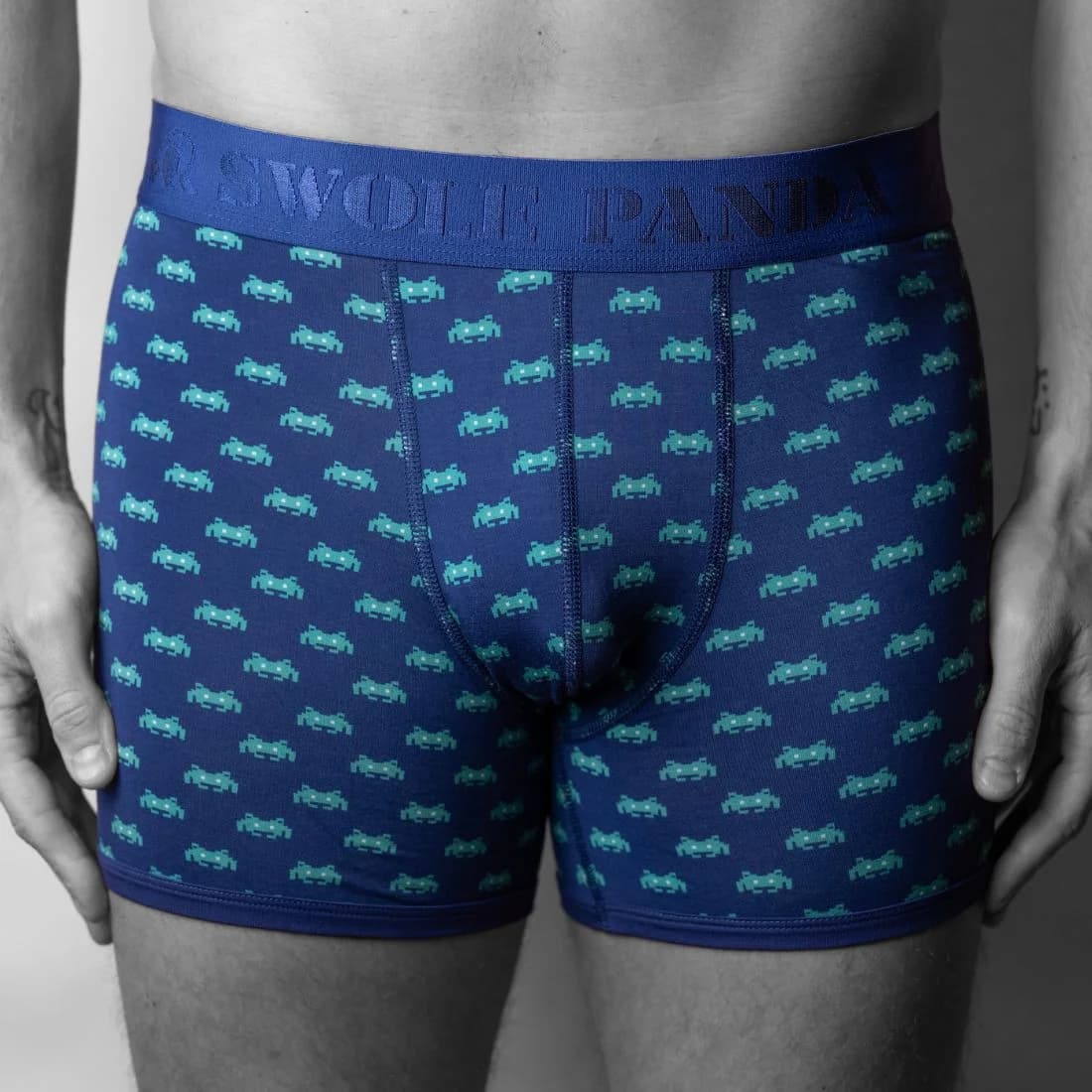
Clothing & Basics
View all clothing & basics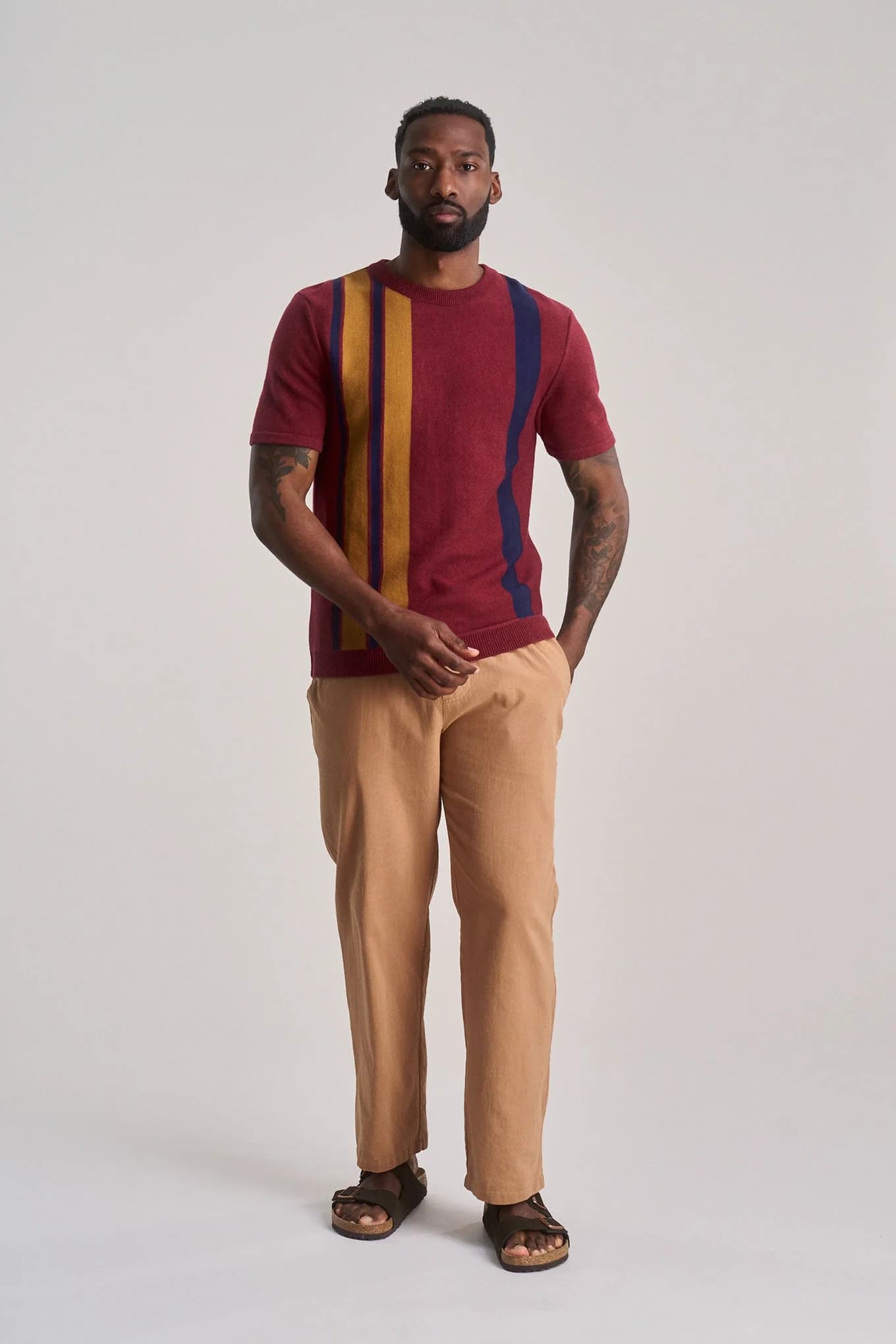



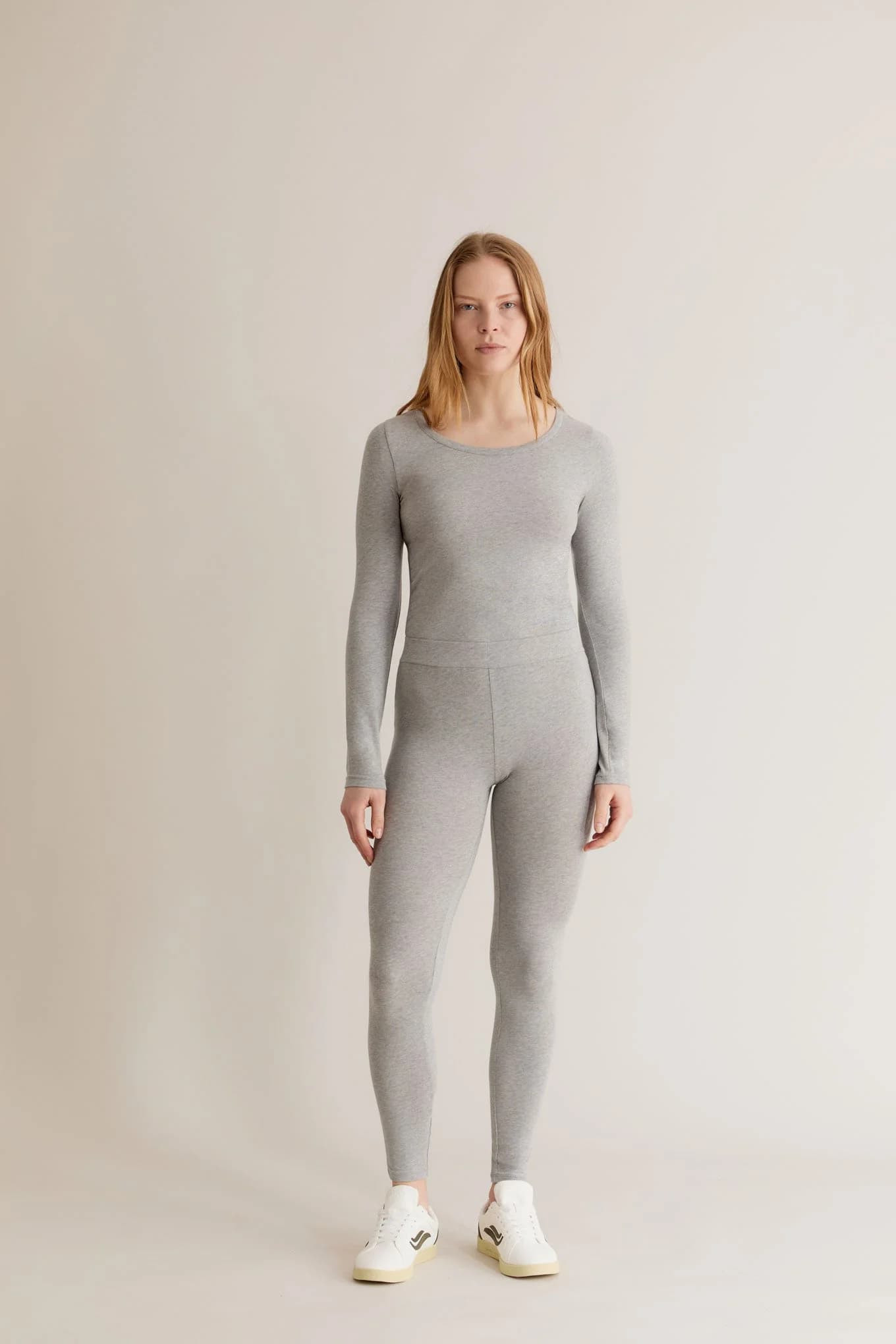
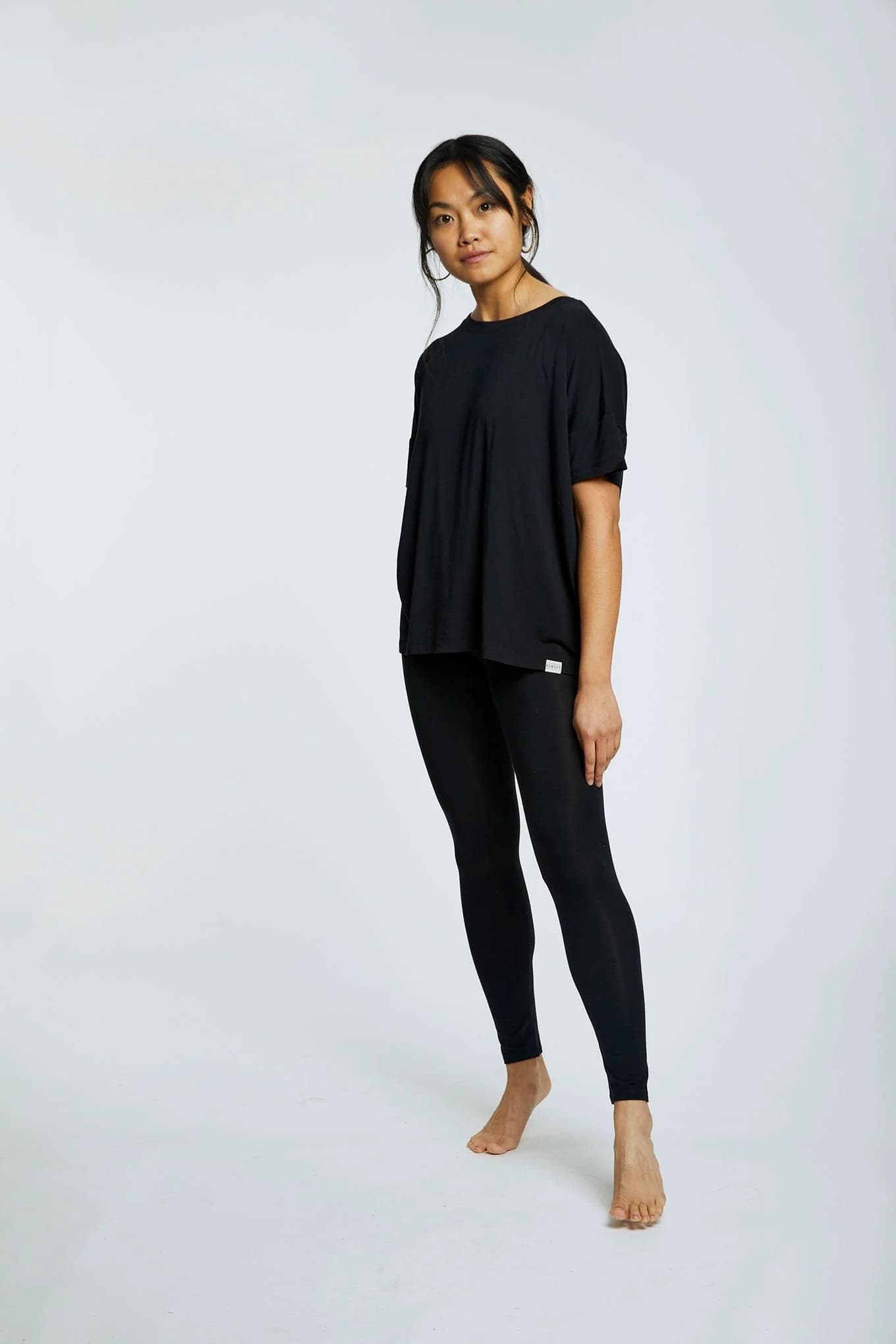
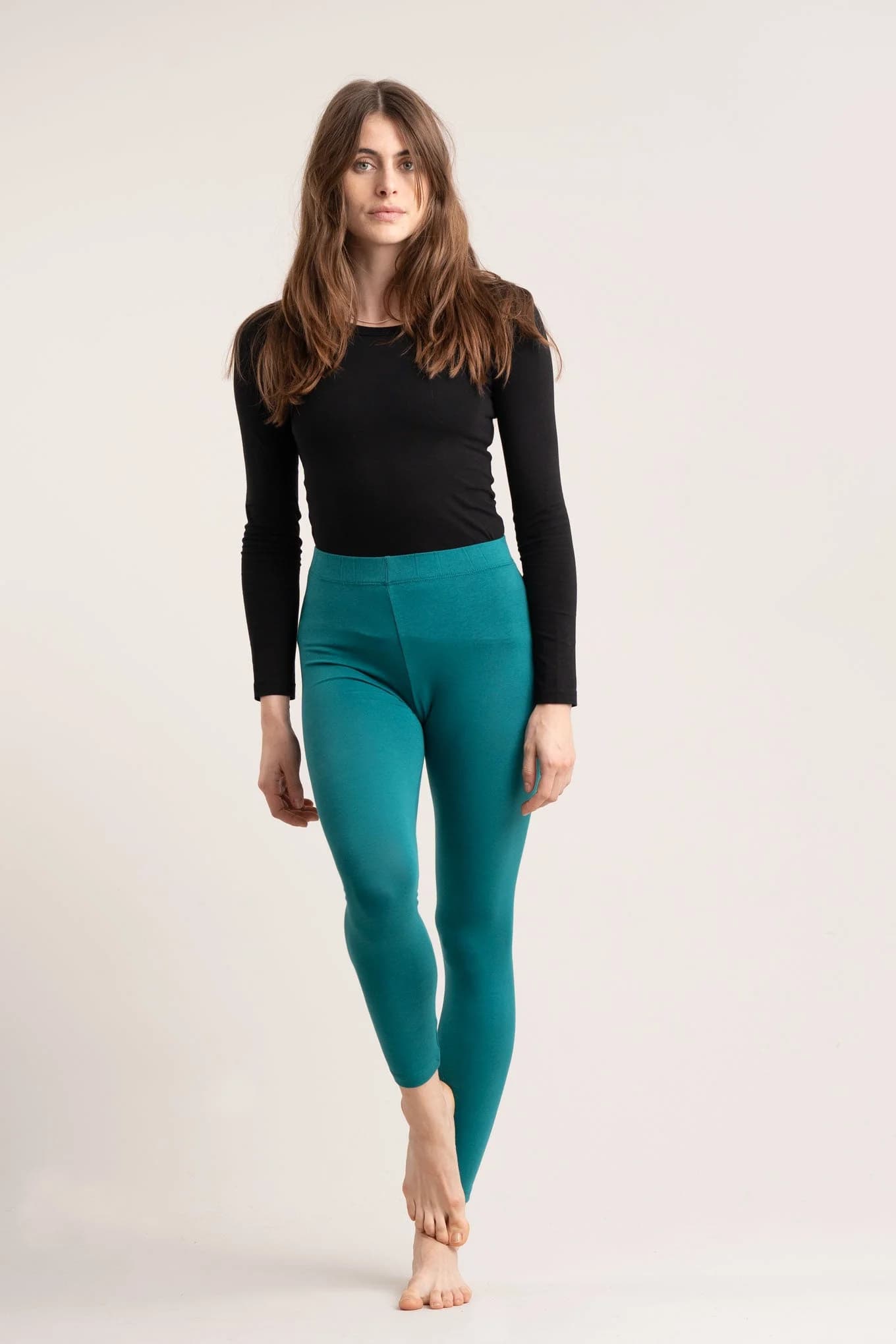
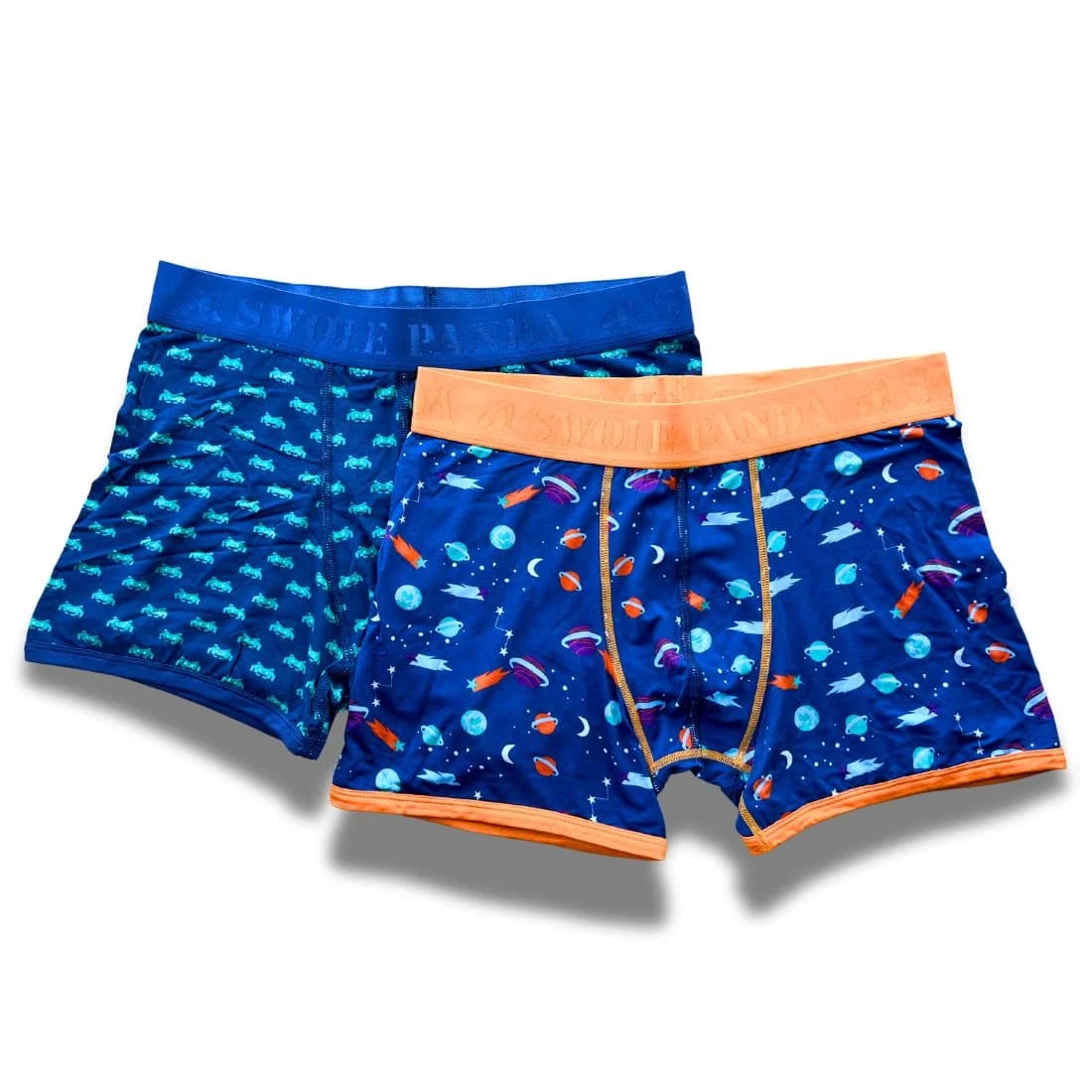
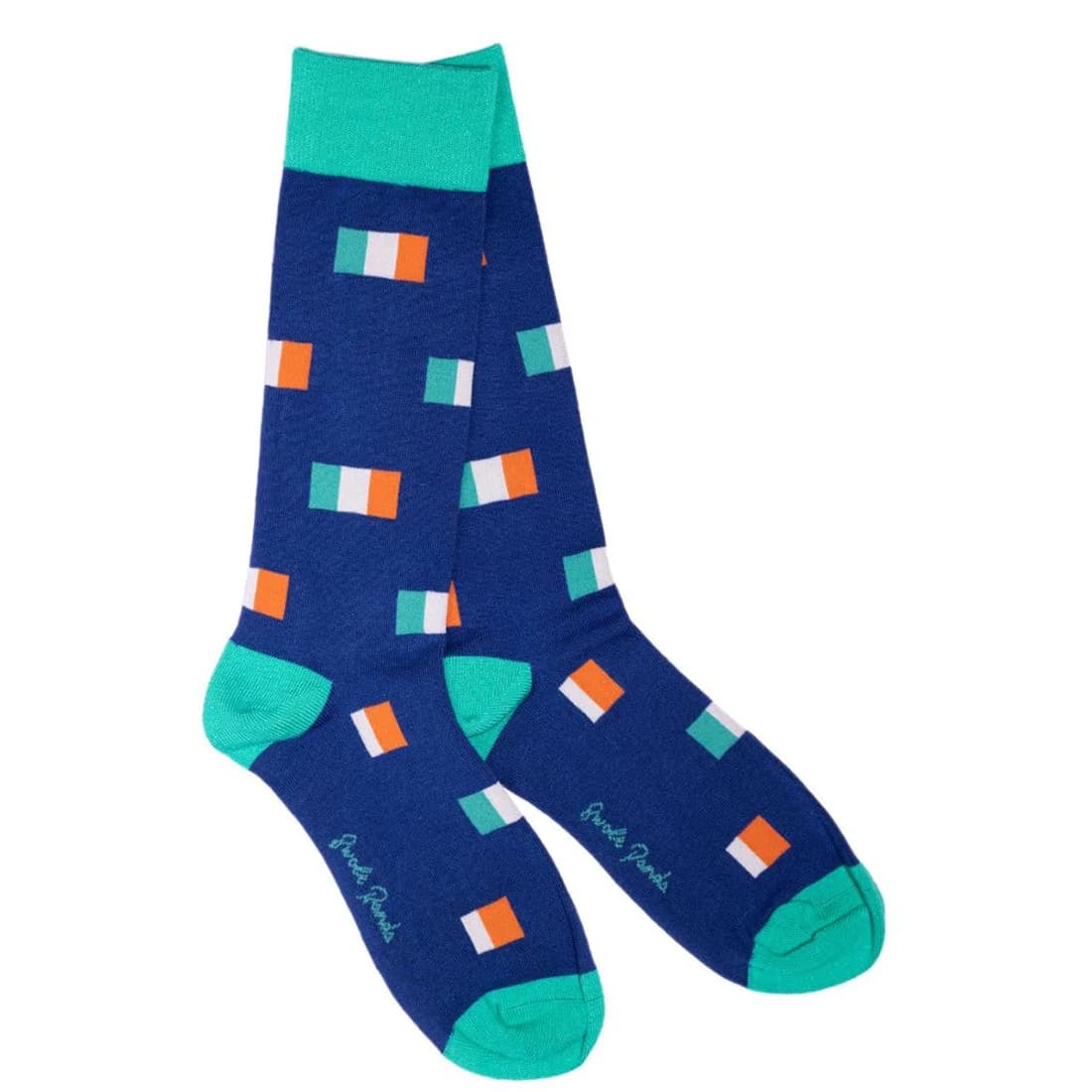
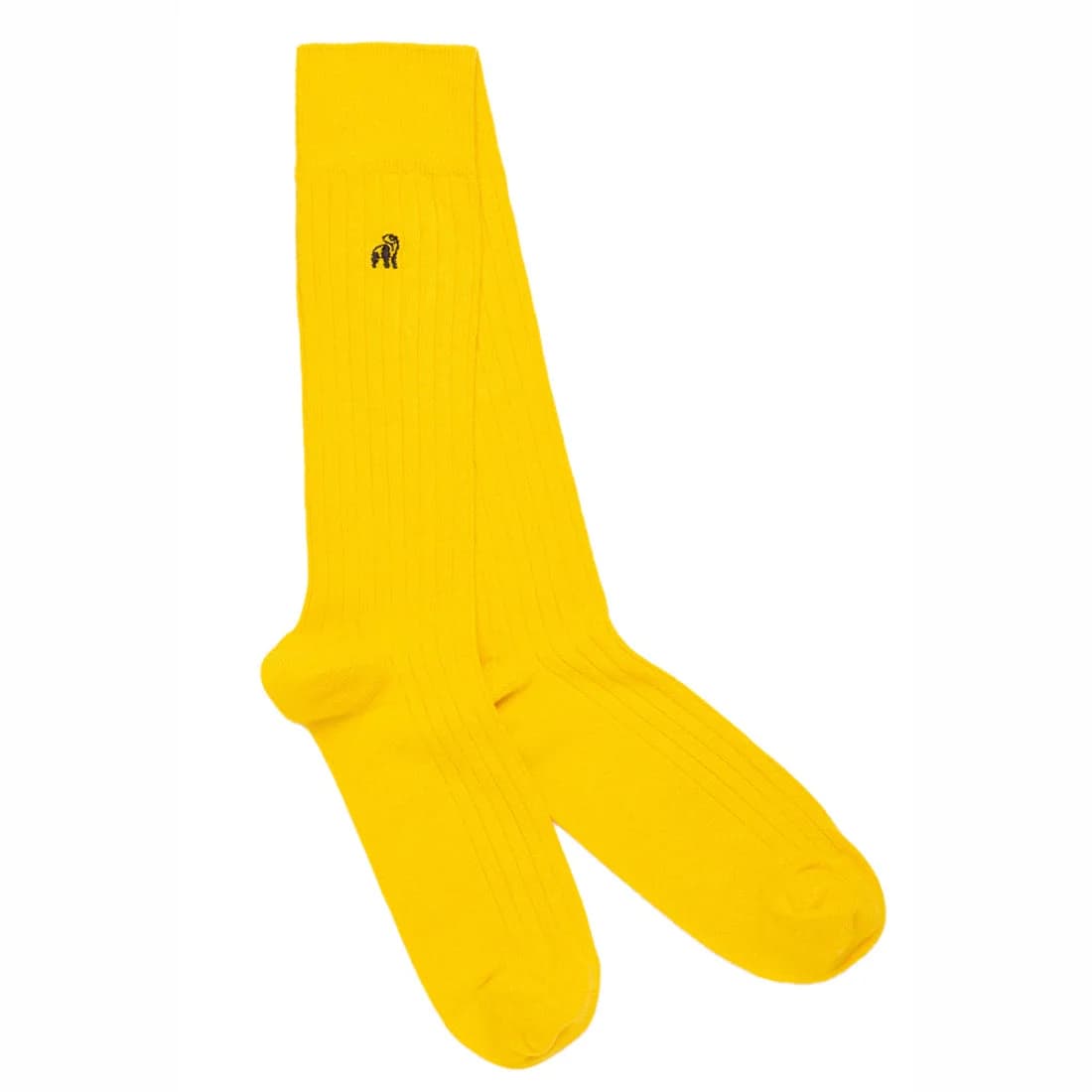
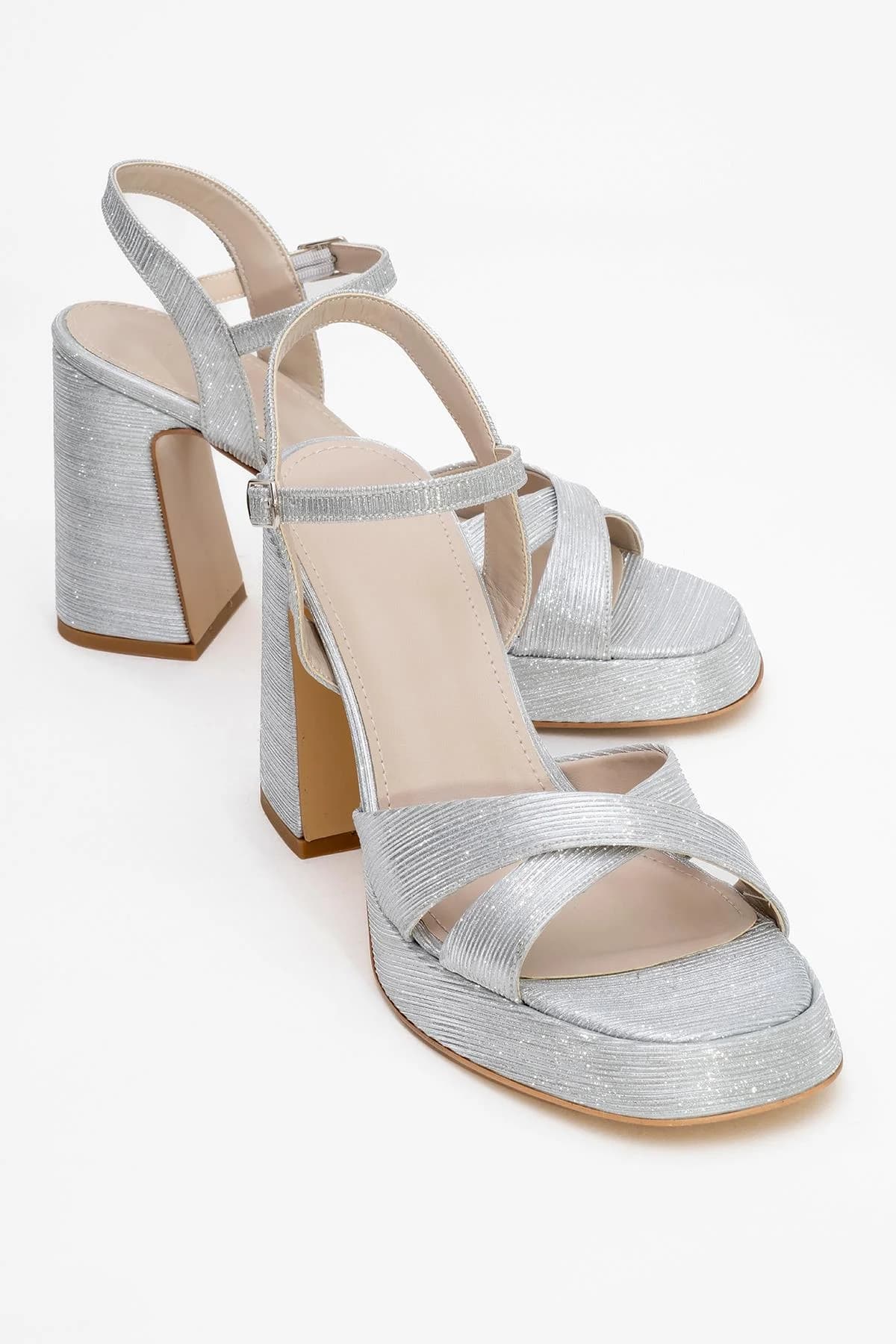
Footwear & Care
View all footwear & care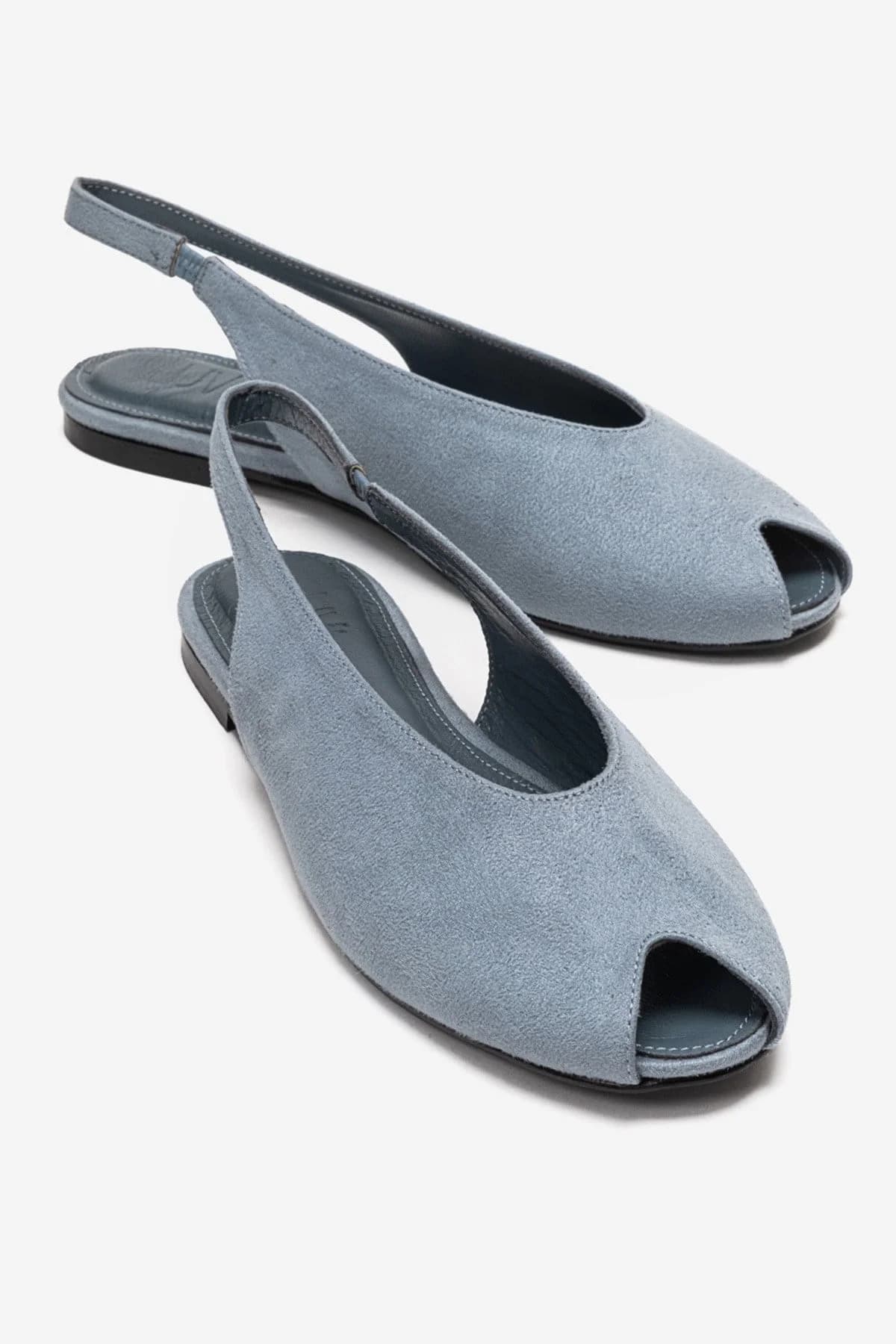


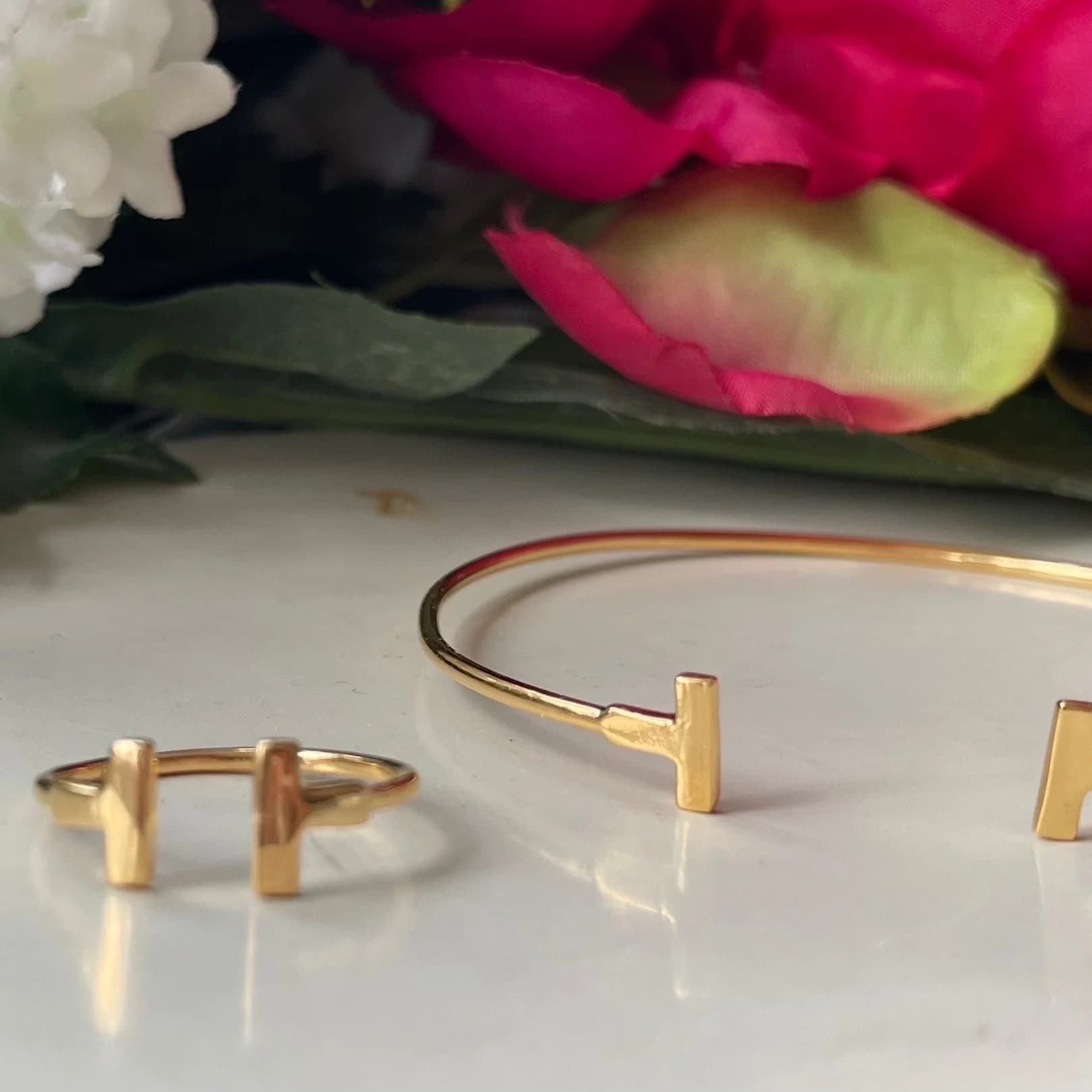
Jewellery & Accessories
View all jewellery & accessories


How we check Apparel & Style
Every brand here is checked against the same Ziracle standard before anything is listed — documentation reviewed, third-party certifications weighted above self-declaration, and brands reassessed after listing day.
Read our full methodology →How to Choose Clothing That Lasts
When selecting new clothing, consider the fabric composition, construction quality, and the brand's commitment to ethical practices. Look for natural fibres like organic cotton, linen, or Tencel, which are often more durable and have a lower environmental impact than synthetic alternatives. Pay attention to details like stitching, seams, and hardware; well-made garments will show neat, even stitching and sturdy fastenings. Brands that provide clear information about their manufacturing processes and supply chain are often more reliable. Investing in versatile pieces that can be mixed and matched also extends the life of your wardrobe, reducing the need for frequent replacements. Think about how an item will integrate with your existing clothes and whether it suits multiple occasions.
Understanding Ethical and Sustainable Clothing
Ethical clothing focuses on the fair treatment of workers throughout the supply chain, ensuring living wages, safe working conditions, and no forced or child labour. This often involves certifications like Fair Trade. Sustainable clothing, on the other hand, prioritises environmental impact, from raw material sourcing to manufacturing processes and end-of-life considerations. This includes using organic, recycled, or low-impact materials, minimising water and energy consumption, and reducing waste. Many brands now integrate both ethical and sustainable practices, offering a more holistic approach. Understanding these distinctions helps you make informed choices that support both people and the planet. Look for brands that are transparent about their efforts in both areas, rather than just making vague claims.
Common questions
What makes clothing sustainable?
Sustainable clothing is made with materials and processes that minimise environmental harm. This includes using organic cotton, recycled polyester, or innovative fibres like Tencel, which require less water and fewer pesticides. It also involves practices like reducing waste in manufacturing, using renewable energy, and designing for durability to extend the garment's lifespan.
How can I tell if clothing is ethically produced?
Ethically produced clothing ensures fair treatment and safe working conditions for everyone involved in its creation. Look for brands that are transparent about their supply chain and hold certifications like Fair Trade, which guarantees fair wages and safe environments for garment workers. Brands that share details about their factories and labour practices are generally more trustworthy.
What are the benefits of choosing organic cotton clothing?
Organic cotton clothing is grown without harmful synthetic pesticides or fertilisers, which protects soil health, biodiversity, and the health of farmers. It also typically uses less water than conventional cotton and results in a softer, more breathable fabric that is gentler on sensitive skin. Choosing organic cotton supports more environmentally sound agricultural practices.
How do I care for my clothing to make it last longer?
Proper care significantly extends the life of your clothing. Always check care labels for specific instructions, but generally, washing clothes at lower temperatures, air-drying when possible, and using gentle detergents can prevent damage. Repairing small tears or loose buttons promptly also keeps garments in use longer, reducing the need for replacements.
Why is transparency important in the clothing industry?
Transparency in the clothing industry means brands openly share information about their supply chain, from where materials are sourced to how garments are manufactured. This allows consumers to verify ethical and sustainable claims, ensuring products meet certain standards for labour practices and environmental impact. It holds brands accountable and helps you make truly informed purchasing decisions.