

Organic Chocolate
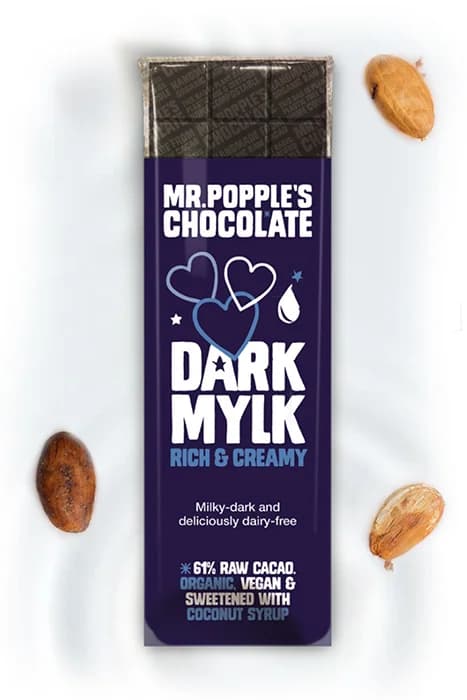
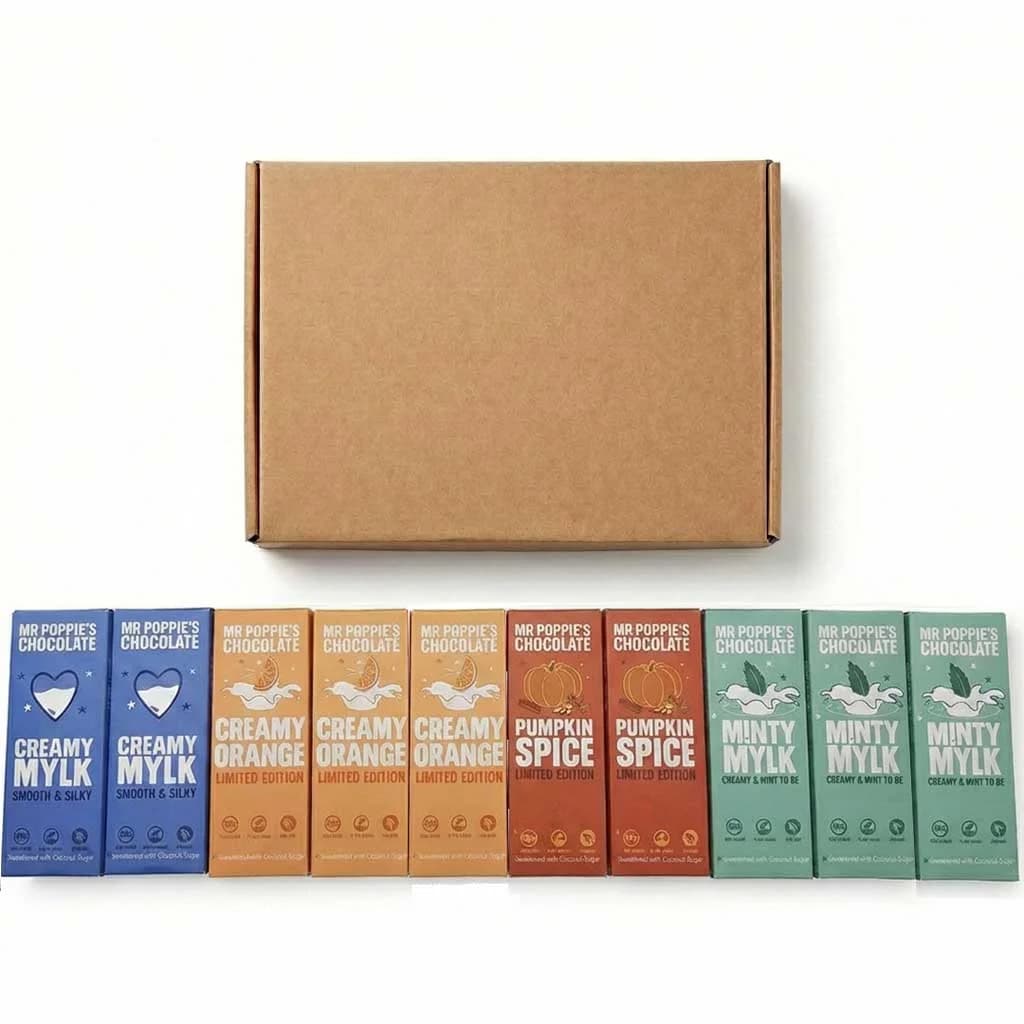
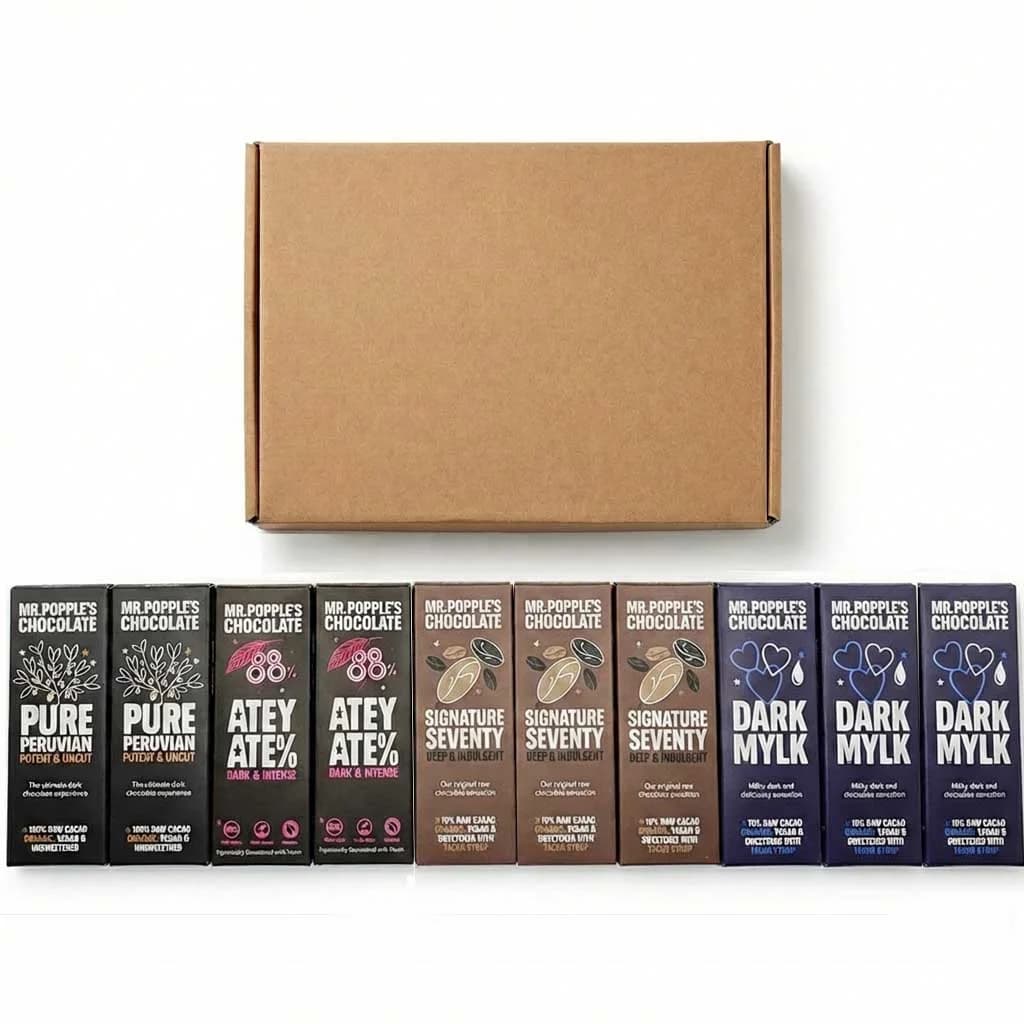
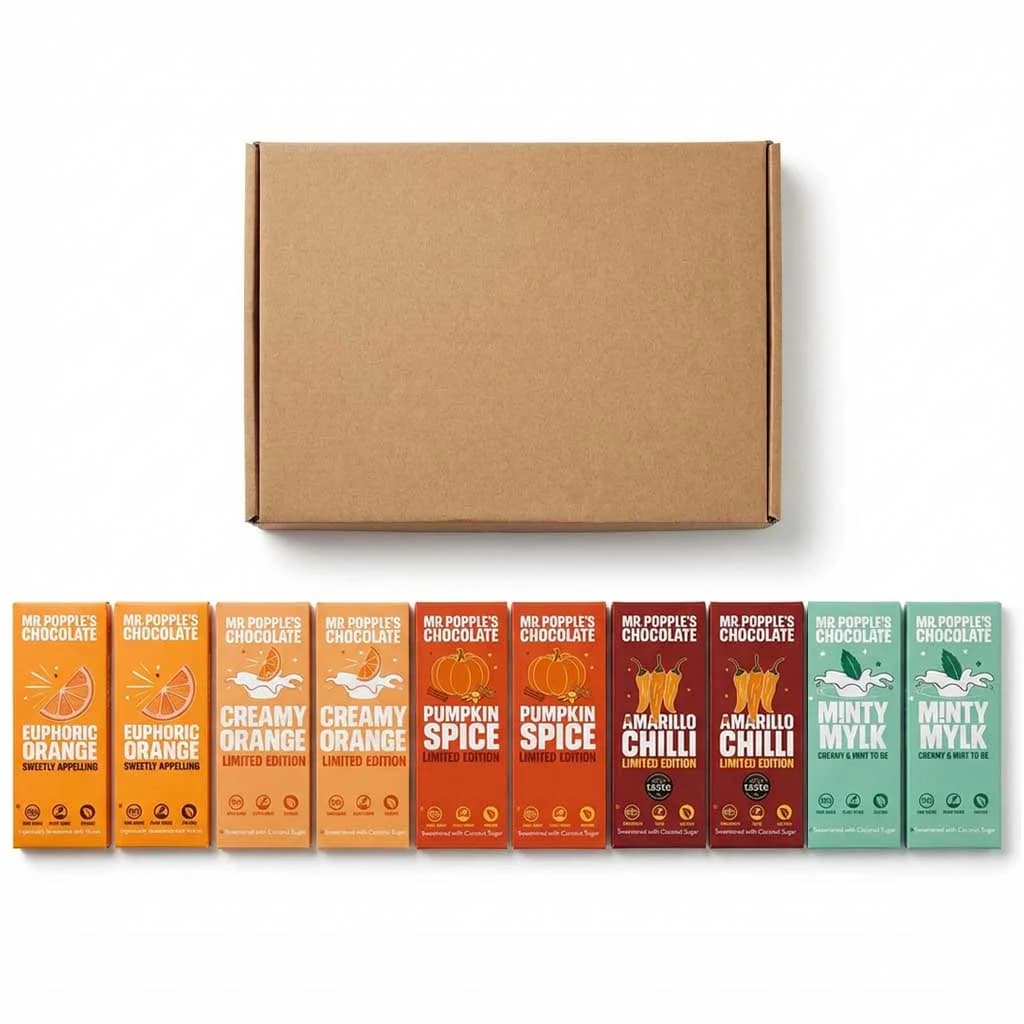
Organic chocolate here means bars made with cocoa beans grown without synthetic pesticides or fertilisers, ensuring a purer taste and better soil health. We feature independent UK brands committed to transparent sourcing and often using plastic-free packaging. It is a simple way to enjoy a treat that is good for you and the planet.
Related Categories
17 products · sorted by most popular
Product type
Dietary
Chocolate type
Colour
Scent








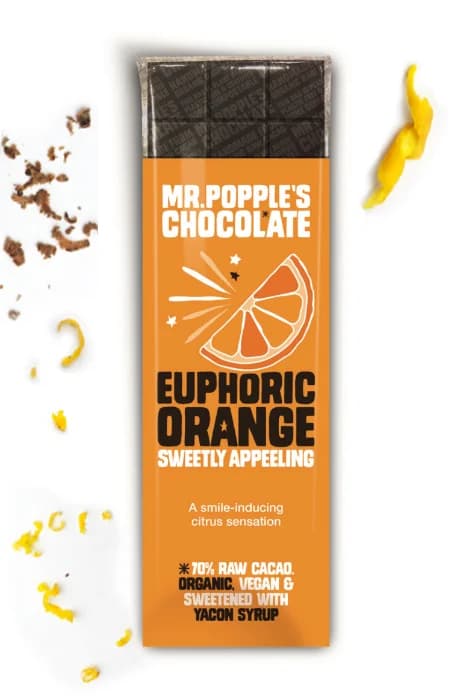



Choosing Your Organic Chocolate
When selecting organic chocolate, consider the cocoa percentage. A higher percentage, typically 70% or more, indicates a more intense flavour and often less added sugar. For those who prefer a creamier texture, look for organic milk chocolate options that still prioritise high-quality, ethically sourced cocoa. Many brands also offer organic white chocolate, which, while not containing cocoa solids, uses organic cocoa butter for its rich base. Checking the ingredient list for natural sweeteners like coconut sugar or agave syrup can also guide your choice towards options that align with your dietary preferences. The origin of the cocoa beans can also influence the flavour profile, with different regions offering distinct notes, from fruity to earthy.
The Ziracle Standard for Organic Chocolate
Our selection of organic chocolate goes beyond just the organic certification. We prioritise brands that demonstrate a commitment to fair trade practices, ensuring that cocoa farmers receive a fair price for their crops and work in safe conditions. Many of our featured brands also focus on sustainable packaging, using compostable wrappers, recyclable cardboard, or even innovative refill options to minimise environmental impact. We look for transparency in the supply chain, so you can be confident that your chocolate is not only organic but also ethically produced from bean to bar. This means avoiding artificial additives, palm oil, and excessive processing, focusing instead on the natural goodness of the cocoa.
Frequently asked questions
Q. What makes chocolate 'organic'?
Organic chocolate is made from cocoa beans grown without the use of synthetic pesticides, herbicides, or chemical fertilisers. This cultivation method supports biodiversity, promotes healthier soil, and avoids introducing harmful chemicals into the environment and the final product. Organic certification ensures that strict standards are met throughout the farming and production process.
Q. Are all organic chocolates also ethically sourced?
While organic certification focuses on farming practices, it does not automatically guarantee ethical sourcing or fair labour practices. Many organic chocolate brands, however, choose to also pursue fair trade certifications or implement their own transparent sourcing policies to ensure farmers are paid fairly and work in good conditions. Always check for additional certifications or brand statements on ethical sourcing.
Q. How does organic chocolate taste different?
Organic chocolate often has a purer, more nuanced flavour profile compared to conventional chocolate. This is because the cocoa beans are grown in healthier soil, free from chemical residues, which can allow the natural characteristics of the bean to shine through. Many enthusiasts find organic chocolate to have a richer, more authentic taste, with distinct notes based on the cocoa's origin.
Q. What should I look for when buying organic chocolate?
When buying organic chocolate, look for a clear organic certification label from a recognised body. Beyond that, consider the cocoa percentage if you have a preference for dark, milk, or white chocolate. Check the ingredient list for natural sweeteners and an absence of artificial additives or palm oil. Brands that highlight their ethical sourcing or sustainable packaging are also a good indication of a high-quality choice.
Q. Is organic chocolate better for the environment?
Yes, organic chocolate production generally has a lower environmental impact. Organic farming practices avoid harmful chemicals, which protects local ecosystems, water sources, and soil health. It often encourages biodiversity and more sustainable land management. Many organic chocolate brands also extend their commitment to the environment through eco-friendly packaging and reduced carbon footprints.