

Vegan Pantry
A well-stocked vegan pantry makes plant-based cooking simple and delicious. Here you will find everything from baking essentials like egg replacers and plant-based milks to everyday staples such as pasta, grains, and tinned goods. Every item is verified vegan, ensuring no hidden animal-derived ingredients, making it easier to shop with confidence for your plant-based kitchen.
Related Categories
42 products · sorted by most popular
Brands
Certifications
Product type
Dietary
Heat
Colour
Volume
Scent


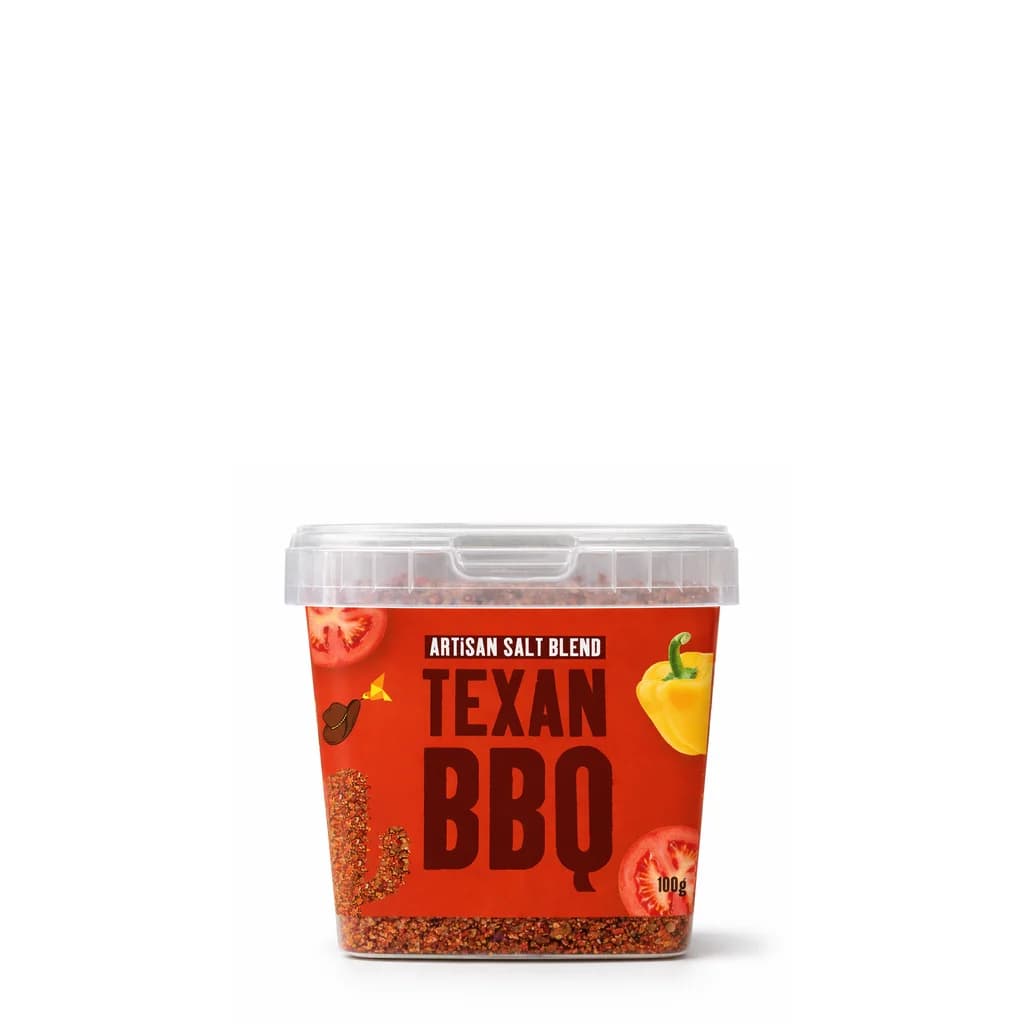
Creative Nature
BBQ Salt Blend





Showing 20 of 42 products
Load moreBuilding Your Vegan Pantry
Creating a versatile vegan pantry means focusing on ingredients that offer flavour, nutrition, and convenience. Start with foundational items like pulses (lentils, chickpeas, beans), a variety of grains (quinoa, brown rice, oats), and good quality plant-based oils. These form the base of countless meals. Beyond the basics, consider adding speciality items that elevate your cooking, such as nutritional yeast for a cheesy flavour, various plant-based sauces, and unique spices. Look for products that are clearly labelled vegan and check ingredient lists for common non-vegan additives like certain E-numbers or honey. Prioritising whole, unprocessed foods where possible will also contribute to a healthier and more sustainable vegan diet.
What to Look For in Vegan Pantry Staples
When selecting vegan pantry staples, the key is to ensure they are genuinely free from animal products and offer good value. Always check for explicit vegan certification or clear ingredient lists. For items like pasta, bread, and baked goods, watch out for milk, eggs, or butter. In sauces and condiments, fish sauce or Worcestershire sauce are common non-vegan additions. For tinned goods, ensure any broths or oils used are plant-based. Beyond ingredients, consider packaging: many brands are now offering products in recyclable, compostable, or even refillable formats, which aligns with a more conscious approach to consumption. Opting for products from brands committed to transparency and ethical sourcing also ensures your choices support a wider set of values.
Frequently asked questions
Q. What makes a pantry item 'vegan'?
A pantry item is considered vegan if it contains no animal-derived ingredients or by-products. This includes obvious components like meat, dairy, and eggs, but also less apparent ones such as honey, gelatin, certain food colourings (like cochineal), and some forms of vitamin D3. All products in our vegan pantry section have been verified to meet this standard.
Q. How do I ensure my vegan pantry staples are ethically sourced?
To ensure ethical sourcing for your vegan pantry staples, look for certifications such as Fairtrade for ingredients like coffee, sugar, and chocolate, which guarantee fair wages and working conditions for producers. Beyond certifications, research brands that are transparent about their supply chains and demonstrate commitments to environmental responsibility and worker welfare. Many smaller, independent brands often have stronger ethical policies.
Q. What are some essential vegan pantry items for beginners?
For beginners building a vegan pantry, focus on versatile staples. These include canned beans and lentils, various grains like rice and oats, pasta, plant-based milks (oat, almond, soy), nutritional yeast for flavour, and a selection of spices. Tinned tomatoes, vegetable stock, and plant-based oils are also fundamental for cooking a wide range of meals.
Q. Are all plant-based foods automatically suitable for a vegan pantry?
No, not all plant-based foods are automatically suitable for a vegan pantry. While the primary ingredients may be plant-derived, some products labelled 'plant-based' can still contain small amounts of animal products, such as honey or dairy derivatives, in their processing or as minor ingredients. Always check the full ingredient list or look for explicit vegan certification to be sure.
Q. How can I store vegan pantry items to maximise freshness?
Storing vegan pantry items correctly is crucial for maximising freshness and preventing spoilage. Dry goods like grains, pasta, and pulses should be kept in airtight containers in a cool, dark place to protect them from moisture and pests. Oils should also be stored away from light and heat. Opened jars and sauces often require refrigeration, so always check the product's specific storage instructions on the label.