

Veo and Wearth are now Ziracle. Same mission, better platform. See what's new

Ziracle Journal

Honest reads on living well and living sustainably.

The Sustainable Denim Guide: What a Better Pair of Jeans Really Costs

The Sustainable Denim Guide: What a Better Pair of Jeans Really Costs

A sustainable denim guide: the real cost of a pair of jeans, how to spot a pair built to last, and how to make the pair you own last longer.

By Annabel Lindsay

Buy Less, Choose Well, Make It Last: How to Make Better Fashion Choices

Buy Less, Choose Well, Make It Last: How to Make Better Fashion Choices

Five practical habit shifts to buy less, choose well, and make it last. What to avoid, what to look for, and how to care for what you own.

By Lydia Oyeniran

Zero Waste Swaps for Everyday Life: The Prioritised List

Zero Waste Swaps for Everyday Life: The Prioritised List

The zero waste swaps that actually move the numbers, in order of impact. Work top to bottom, replace when things run out.

By Hamish Lawson

How to Buy Better Coffee: What the Certifications Actually Mean

How to Buy Better Coffee: What the Certifications Actually Mean

The Fairtrade logo does not cover everything. Here is what the main coffee certifications actually do, and what to look for beyond them.

By Hamish Lawson

Is Foraging the Next Step for Slow Beauty?

Is Foraging the Next Step for Slow Beauty?

A seasonal guide to foraging for skincare in the UK, with four practical recipes and safety notes for each plant.

By Janet Home

The Sustainable Underwear Guide (The Easiest Swap in your Wardrobe)

The Sustainable Underwear Guide (The Easiest Swap in your Wardrobe)

A sustainable underwear guide: why GOTS-certified organic cotton matters, what to look for, and how to swap your drawer without replacing it all.

By Lydia Oyeniran

Eco-Home Essentials Worth Building a Room Around

Eco-Home Essentials Worth Building a Room Around

A room-by-room guide to eco home essentials worth choosing, with the format to look for and the reason to prefer it.

By Lydia Oyeniran

A Beginner’s Guide to Sustainable Fashion: What Slow Fashion Actually Means

A Beginner’s Guide to Sustainable Fashion: What Slow Fashion Actually Means

What slow fashion actually means, why fast fashion is hard to resist, and the three questions to ask before you buy anything new.

By Hamish Lawson

The Plastic-Free Living Guide (without the guilt)

The Plastic-Free Living Guide (without the guilt)

A practical plastic-free living guide: one category at a time, one refill routine, and the swaps that cut 30 to 60% of household plastic.

By Lydia Oyeniran

Eco Swaps For Fashion: How to Buy Less, Spend Less, and Wear Better

Eco Swaps For Fashion: How to Buy Less, Spend Less, and Wear Better

Where fashion's impact actually comes from, why cost per wear changes the maths, and which wardrobe swaps do the real work.

By Hamish Lawson

The Sustainable Denim Guide

A pair of jeans is a strange object when you think about it. The fabric was invented for labourers in the 1800s. It’s been worn by miners, sailors, farmers, then teenagers, rebels, rock stars, and pretty much everyone in between. It shows up in photographs of every decade of the twentieth century. It carries more cultural weight than almost any other garment in your wardrobe, and the average person in the UK owns seven pairs of them.

It is also one of the single most resource-intensive garments ever produced. Around five to six billion pairs are manufactured globally every year, according to European Trade Union Institute research and ILO-linked studies. Each pair, on a full lifecycle basis, consumes thousands of litres of water. The cotton behind the fabric uses a disproportionate share of the world’s insecticides. The finishing processes that give jeans their faded, worn look have killed factory workers.

None of this is secret. The data has been public for a decade. But the gap between what the industry knows and what the shopper sees is still enormous. This guide is the map across that gap: what denim actually costs, where the damage lives, and how to buy a pair worth keeping.

The cultural weight of a work garment

Denim started as serge de Nîmes, a durable cotton twill made in southern France in the 17th century. The word “jean” is thought to come from Genoa, the Italian port where sailors wore a similar fabric. Indigo, the dye that gives denim its colour, is one of the oldest natural dyes in human history, used for thousands of years across cultures.

Levi Strauss didn’t invent jeans. He patented, with Jacob Davis in 1873, the rivet reinforcement at stress points that made them genuinely built for heavy work. The 501 was a worker’s garment before it was anything else. After the Second World War, American soldiers wore them home. Hollywood put them on Marlon Brando and James Dean. Teenagers claimed them. Hippies, punks, then grunge, then everyone. By the 1990s denim had stopped meaning anything specific and started meaning everything. The universal garment.

That universality is the problem. When five billion pairs a year is the normal number, the per-pair footprint compounds into something the planet cannot absorb.

What a single pair of jeans actually costs

The most rigorous public data on the environmental cost of jeans comes from Levi Strauss itself. The company conducted the apparel industry’s first full lifecycle assessment in 2007, then expanded it in 2015, covering a pair of 501 jeans from cotton field to landfill.

The 2015 Levi Strauss lifecycle assessment found that a single pair of jeans uses 3,781 litres of water across its full life, and produces 33.4 kg of CO2 equivalent. The water breakdown is the more revealing figure. Cotton cultivation accounts for 68% of that water. Consumer care, meaning your washing and drying habits over the life of the jeans, accounts for 23%. Actual manufacturing, including dyeing and finishing, is just 9%.

This changes where the conversation should go. The story that sustainable fashion tells, which is that factories are the problem, is partly right but largely incomplete. The biggest single lever you have as a shopper is not where your jeans were made. It is what they are made of, and how you wash them.

The cotton problem

Cotton is one of the most chemically demanding crops on earth. The Pesticide Action Network UK reports that cotton cultivation covers roughly 2.5% of the world’s agricultural land but accounts for somewhere between 8% and 16% of worldwide insecticide use, depending on the dataset. In developing countries where most cotton is grown, that share climbs higher.

The human cost of this falls most heavily on small farmers. In parts of India, particularly the Vidarbha region, high debt loads from genetically modified cotton seed, fertiliser and pesticide packages have been linked to a well-documented crisis of farmer suicides since the early 2000s. Researchers are careful to note that the causal mix is complex, involving drought, debt cycles, seed monopoly pricing and pesticide exposure rather than any single factor. But the underlying pattern is clear: the cheapest cotton in the world is produced in conditions that concentrate financial and health risk on the people growing it.

Organic cotton, certified to the Global Organic Textile Standard (GOTS), removes the synthetic pesticides, synthetic fertilisers and genetically modified seeds from the equation. It also, according to Textile Exchange’s 2014 lifecycle assessment, uses substantially less water than conventional cotton at the farm stage. The 91% water-reduction figure you sometimes see cited is contested by later analyses because most comparisons pit rain-fed organic against irrigated conventional. Even with that caveat, organic cotton at the farm stage is meaningfully less damaging than conventional. Whether it is 91% or a more conservative figure, it is less.

Indigo, sandblasting, and what happened to the workers

The dyeing and finishing stages of denim production account for only 9% of lifetime water use, but they account for a disproportionate share of the human harm.

Synthetic indigo, which has replaced natural indigo in almost all commercial denim, is produced with a set of chemical processes that generate wastewater containing aniline and other industrial compounds. In the worst factories, this wastewater is discharged untreated into rivers. Reporting from denim-producing regions in China, Bangladesh and Pakistan has documented waterways turned blue by mill discharge. Better factories treat their water before discharge, but the industry’s record on this is uneven.

The sharper case is sandblasting. To give jeans the worn, faded look that became popular in the 2000s, factories blasted fine silica sand at the fabric at high pressure. The sand particles lodged in workers’ lungs. The result was an epidemic of silicosis -a permanent, progressive, incurable lung disease -among young denim workers, most visibly in Turkey in the mid-2000s.

Turkish researchers from Atatürk University in Erzurum first documented the link in 2005. A 2008 study found radiological evidence of silicosis in 53% of the 145 former sandblasters surveyed. Turkey banned denim sandblasting by national legislation in 2009. A 2016 paper in The Lancet Respiratory Medicine called it “deadly denim” and documented that the practice had not ended but relocated, principally to Bangladesh and China, where enforcement is weaker.

This is the part of the denim story most shoppers have never heard. The faded, “vintage” finish on jeans priced at £30 is, in many cases, still achieved by processes that kill the people who do the work.

Alternatives exist. Laser fading, ozone treatments and chemical methods (themselves not without cost) replicate the look without crystalline silica exposure. Major brands have publicly committed to ending sandblasting in their supply chains. Clean Clothes Campaign’s investigations suggest that those commitments are only as strong as the audit systems behind them.

Orsola de Castro on what’s worth keeping

Orsola de Castro, co-founder of Fashion Revolution and a leading UK voice on clothing ethics, has spent two decades arguing that the single most powerful act a consumer can perform is to keep their clothes for longer. The slogan she is most associated with -that it is the clothes we love and repair, not the ones we abandon -applies to denim more precisely than to almost any other category. A well-made pair of jeans can last decades. A cheap pair loses its shape in months.

The reason most jeans don’t last is not that denim itself has gone downhill. It’s that the construction standards on mass-market jeans have collapsed. Single-stitched seams replace chain-stitched. Cheap fusible interfacing replaces properly sewn waistbands. Thin synthetic blends replace heavyweight cotton. The hardware is nickel-plated base metal rather than solid brass. Every one of those choices saves a few pence in production and shortens the life of the garment by years.

What a pair worth keeping actually looks like

Six things separate denim built to last from denim built to replace.

Fabric weight. Measured in ounces per square yard. Most mass-market jeans are 9 to 11 oz. Genuine durable denim starts at 12 oz. Heavyweight workwear denim runs 14 to 16 oz or more. The difference is noticeable in hand and dramatic in lifespan.

100% cotton, or close to it. A tiny amount of elastane (1% to 2%) is acceptable for comfort and fit recovery. Anything more is a sign the fabric will bag out at the knees, lose shape, and degrade faster. Avoid polyester blends in jeans.

Chain-stitched seams at the hem and inseam. Chain stitch is the traditional construction for jeans and produces the twisted rope-like fade along the seam that indicates a pair has aged well. It’s also more durable than single-stitch. You can see it on the inside of the garment.

Reinforced stress points. Rivets at pocket corners (the original Levi innovation), bar tacks at belt loops, and a properly sewn yoke. A pair that skips these details is a pair that will fail at them.

Selvedge, where affordable. Selvedge denim is woven on old-fashioned shuttle looms that produce a tight, self-finished edge. It’s typically heavier, usually made of better cotton, and almost always constructed more carefully. It costs more. It lasts longer.

Honest sourcing claims. A brand that can tell you where the cotton was grown, where the fabric was woven and where the jeans were sewn is a brand that has done the work. A brand that can’t is a brand that doesn’t know or doesn’t want you to.

The brands in our denim edit

Ziracle’s denim selection is narrow by design. Komodo has made denim in organic and recycled cotton since the 1990s, out of an original commitment to ethical manufacturing that predates the current sustainability conversation by decades.

They treat denim as a garment to keep, not a garment to cycle through. Both sit comfortably at the price point you should expect for denim built to last: noticeably more than supermarket jeans, noticeably less than designer denim, and priced honestly against what the production actually costs.

How to make the pair you already own last longer

The sustainable pair of jeans is almost always the one in your wardrobe already. Three practices extend the life of most denim by years.

Wash less. This is the single biggest lever. The 2015 Levi lifecycle assessment found that wearing jeans ten times between washes rather than the typical two to three times reduces water and climate impact by up to 77% in the UK and United States. It also dramatically extends the life of the fabric. Dark denim fades faster from washing than from wearing.

Wash cold, air dry. Hot water accelerates dye loss, shrinks cotton, and weakens fibres. Tumble drying does all three. Cold wash, hang to dry, and your jeans will hold their shape and colour for significantly longer.

Repair rather than replace. Small wear at the crotch or knee is fixable by any decent tailor for a fraction of the replacement cost. Many good denim brands run their own repair services, and standalone denim repair specialists operate in most UK cities.

Where to start on Ziracle

Every brand in our Apparel and Style edit has been assessed against the same standard: does it do what it claims, is it made the way the brand says, and is the brand honest about both. The Bottoms section is where to find denim and other trousers built to last, filtered by Organic, Fair Trade, or B Corp as suits you.

For the wider conversation about shopping this way, our beginner’s guide to sustainable fashion is the place to start. For how the same principles apply to the other basics, see our sustainable underwear and sustainable jewellery guides.

For integrated support when the homework feels overwhelming, Reduce Stress is the goal page we most often point people to.

Vivienne Westwood’s line, “Buy less, choose well, make it last”, applies to denim more cleanly than to almost any other category. One well-made pair of jeans, kept and repaired, is worth ten in the discard pile. That is the honest case, and it’s the only one this guide is making.

FAQs

How much water does a pair of jeans really use?

The most rigorous public figure comes from Levi Strauss’s 2015 lifecycle assessment of its 501 jeans, which found a full-lifecycle water use of 3,781 litres per pair. Cotton cultivation accounted for 68% of that, consumer washing for 23%, and manufacturing for 9%. Per-pair figures vary considerably by cotton origin, finishing method and care habits, so treat 3,781 litres as an indicative average rather than a universal number. The takeaway: the single biggest reduction lever for most people is washing their jeans less often.

What’s the difference between organic denim and regular denim?

Organic denim is woven from cotton grown without synthetic pesticides, synthetic fertilisers or genetically modified seeds, usually certified to the Global Organic Textile Standard (GOTS). The fabric feels similar once finished, but the agricultural impact is substantially lower, and workers on certified organic farms are not exposed to the chemicals used on conventional cotton. Look for GOTS on the label rather than vague “natural” or “eco” claims.

Are cheap jeans still made using sandblasting?

Turkey banned sandblasting in 2009, and major international brands including Levi’s, H&M, and others have publicly committed to ending it in their supply chains. A 2012 Clean Clothes Campaign investigation, and later reporting, found that the practice had relocated to Bangladesh and China where enforcement is weaker. Some factories have switched to laser fading or ozone treatments, which remove the silicosis risk. The honest answer is that faded jeans at the lower end of the market may still be finished by methods that harm workers, and brand claims are only as reliable as their audit trails.

How long should a good pair of jeans last?

A well-made pair, in heavy cotton, worn a few times a week and washed sparingly, will typically last five to ten years before needing meaningful repair, and can last considerably longer with periodic mending. The limiting factors are usually the crotch seam and inner thigh, both of which are fixable. A £15 high-street pair is usually finished within 18 to 24 months. The cost-per-wear maths strongly favours spending more upfront.

Is recycled denim as good as organic denim?

Both are genuinely better choices than conventional cotton, and they solve different problems. Organic cotton avoids the pesticide burden at the farm stage. Recycled denim reduces demand for new cotton, cuts water and energy use, and diverts existing garments from landfill. The best brands are increasingly using both: organic cotton fibre blended with recycled cotton from post-consumer or post-industrial sources. Either is a meaningful improvement over conventional.

Buy Less, Choose Well, Make It Last

The fashion industry has a long way to go on sustainability. A collective addiction to rock-bottom prices and fleeting trends has produced a fast fashion culture that’s damaging the planet at an alarming rate, and the people making the clothes alongside it.

The numbers are hard to argue with. The UK Parliament Environmental Audit Committee’s landmark Fixing Fashion report set out the scale of the industry’s impact on carbon emissions, water use and waste, and called for urgent policy intervention. The Government rejected all eighteen recommendations at the time. In May 2024, the Committee revisited the inquiry, finding that the UK has the G20’s fourth highest carbon footprint from fashion and that little progress had been made on the issues the original report identified. You can make a case for the positive role fast fashion plays in making clothes accessible at lower incomes. What you can’t do is pretend the net balance is positive.

Each year around Fashion Revolution Week, the industry is held up to the light. Fashion Revolution was founded in response to the Rana Plaza garment factory collapse in 2013, which killed over 1,100 workers and injured thousands more. Over a decade on, fashion brands are still profiting from practices that go largely unregulated. During the pandemic, many major brands refused to pay garment factories for cancelled orders to reduce their own losses, which left workers unemployed and triggered the global #PayUp campaign run by Remake.

More people are thinking about what their fashion choices actually do to workers, communities and the climate. The good news is that meaningful change doesn’t require a wardrobe overhaul. It needs a handful of habit shifts. Five practical ways to buy less, choose well, and make it last.

01. Stop following trends and develop your own style

Credit: Hemper Handmade

Most of the appeal of fast fashion comes from being able to wear the same trend as your friends, your favourite celebrity or an influencer. Emulating people you admire can feel empowering, especially when the likes start rolling in. But the confidence that comes from a unique look you’ve built yourself doesn’t disappear with the next drop.

Developing your own style delivers two things at once. You feel more comfortable in what you wear, and you stop spending money on clothes you’ll throw away the moment the trend has moved on. A strong personal style is a natural hedge against the churn of the trend cycle. It also tends to lead to more interesting outfits than anything a fast fashion shelf can offer.

02. Seek out high-quality, versatile pieces

Credit: Ziracle

When it comes to making better fashion choices, you essentially have two options. You can spend your money on lots of low-quality pieces that are on-trend right now but cheap enough to discard once they’ve been photographed. Or you can spend a similar amount on fewer, better pieces that go with almost everything and last for years.

It’s tempting to feel like you’ve won at shopping when you walk out with a long list of cheap items. Most of those pieces end up at the back of the wardrobe within weeks. The real value is a wardrobe you can mix and match, that produces classic outfits you wear again and again, with each piece earning its place over years of wear. Browse the Clothing edit for pieces designed to last.

03. Look for environmentally-friendly materials

ACBC sneakers made from Bio Skin, a material developed from corn starch | choose environmentally friendly materials: make better fashion choices
Credit: ACBC

The materials in your clothes matter enormously. According to WWF’s Water and Fashion research, it takes around 2,700 litres of water to produce a single conventional cotton t-shirt — roughly the amount one person drinks in two and a half years — a figure consistent across multiple authoritative sources including the World Bank and peer-reviewed lifecycle assessments. That’s before you factor in the pesticides, synthetic fertilisers and labour conditions involved in conventional cotton production.

Avoid conventional cotton, polyester, acrylic, nylon and viscose where you can. They’re difficult to recycle, draw heavily on water and fossil fuels, and release hazardous dyes and microplastics into the environment every time you wash them. Look instead for certified Organic alternatives like organic cotton, organic hemp and organic linen, or recycled options like recycled cotton and recycled polyester (rPET). Recycled polyester is made from plastic bottles and helps keep waste out of landfill rather than generating new virgin fibre.

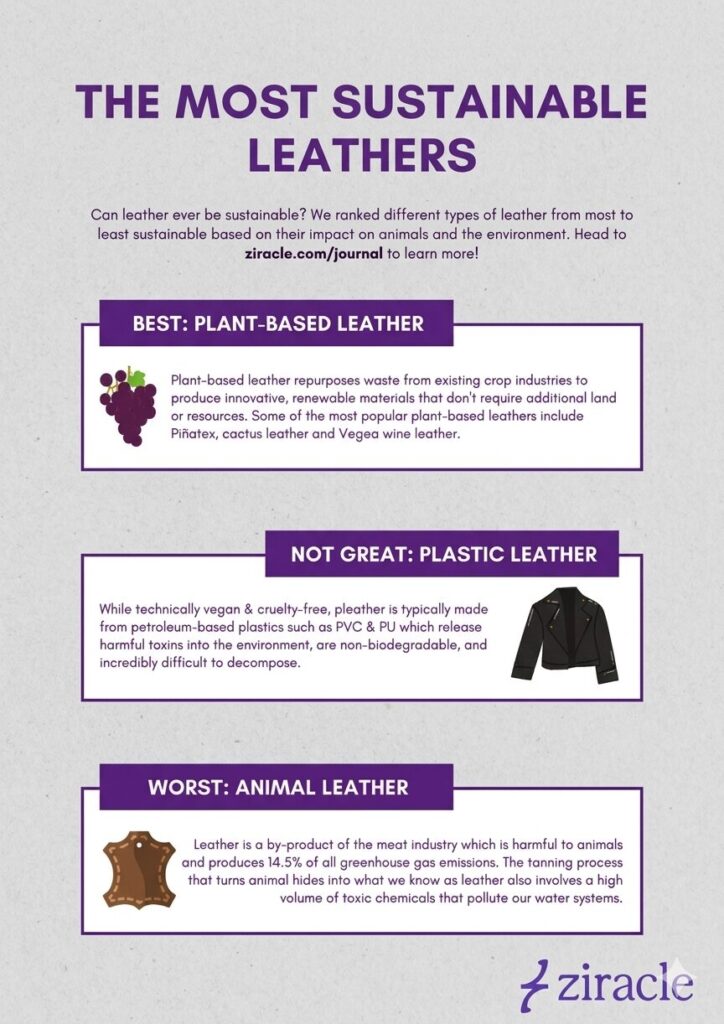
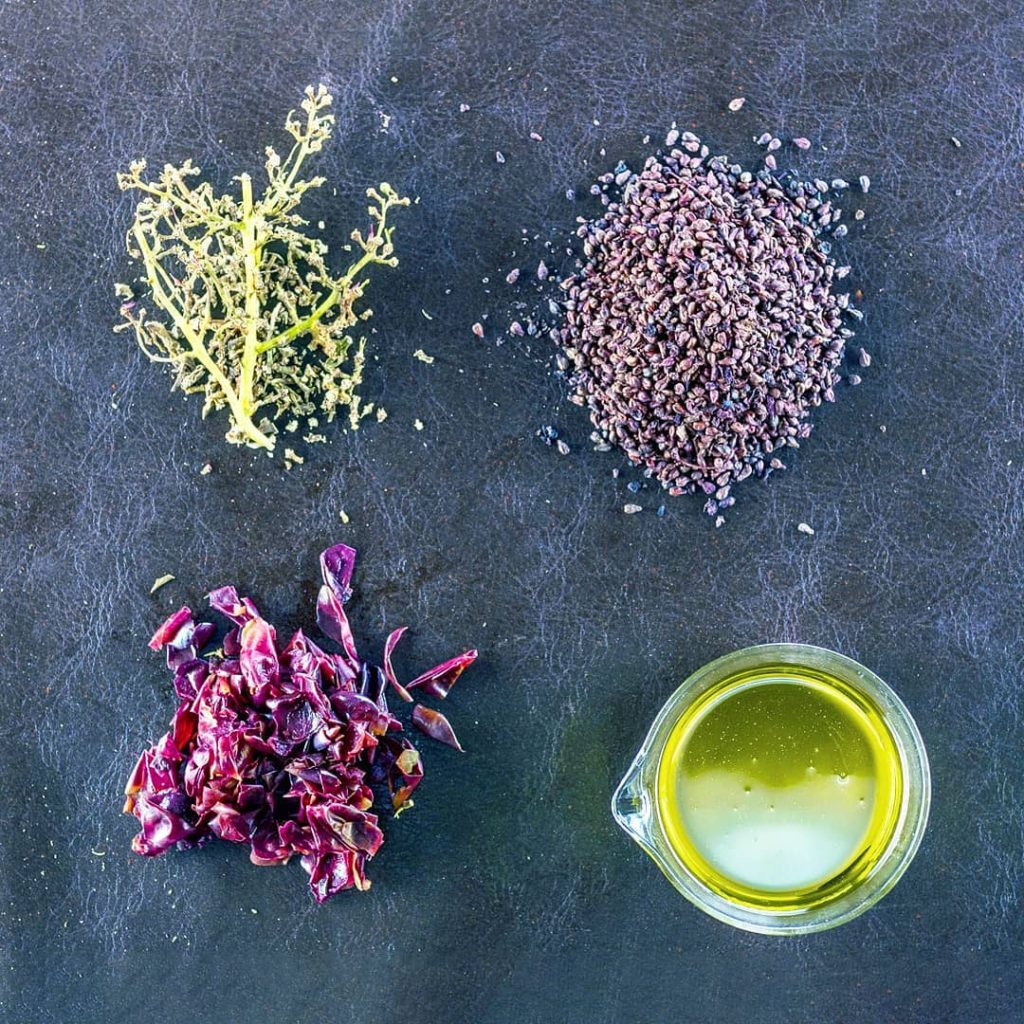
New biomaterials are appearing every year. Piñatex is made from pineapple leaf waste. Cactus leather is made from nopal. Wine leather is made from the skins and stalks left over from winemaking. They aren’t perfect yet, but they represent a far better direction of travel than fossil-fuel-based synthetics. For a deeper look at leather alternatives specifically, see our can leather be sustainable guide.

One cotton t-shirt takes the same amount of water to produce as one person drinks in two and a half years.

04. Take better care of the clothes you have

Take better care of your clothes by washing less, learning to repair clothing, air drying your clothes: make better fashion choices
Credit: Bruno Nascimento

Even if you can’t replace everything in your wardrobe with eco-friendly fabrics, one thing you can always do is take better care of what you already own. Simple habits make a real difference over time.

Check the care instructions on the label and actually follow them. Wash clothes less often. Over-washing fades dyes, breaks down fibres, and releases more microplastics and detergent residues into waterways. A 2020 study in the Philosophical Transactions of the Royal Society B found that washing synthetic textiles is one of the largest sources of microplastic pollution in the ocean. Hang things to dry rather than tumbling them. Spot-clean where you can. Store clothes properly: fold knitwear rather than hanging it, use cedar instead of mothballs, rotate what you pull out of your drawers so the same pieces aren’t wearing through first.

Learn a few basic repairs. Sewing on a button, fixing a small rip, or replacing a zip are all things you can learn on YouTube in under ten minutes. If you don’t want to do it yourself, a local tailor or alterations service can extend the life of a garment for a fraction of the replacement cost. Repair should be the default, not a last resort.

05. If you must buy fast fashion, buy it second-hand

If you must buy fast fashion, buy it secondhand e.g. on depop, vinted etc | make better fashion choices
Credit: Ivana Cajina

Ideally we’d all avoid fast fashion altogether. Realistically, the transition takes time. Sustainable brands can be less accessible depending on where you live, what your budget is, and what sizes and styles you need. So if you do end up buying something from a fast fashion label, avoid creating additional demand by shopping it second-hand.

There’s now a huge range of platforms for buying and reselling used clothes, from Depop and Vinted to eBay and local consignment stores. Shopping second-hand keeps products in circulation for longer, supports a circular economy, and costs less than buying new. It’s one of the easiest switches to make, and one of the highest-impact.

Progress, not perfection

Buying less and choosing well isn’t a lifestyle overhaul. It’s a handful of small habits applied consistently. Develop your own style so you’re not chasing trends. Buy fewer, better pieces. Choose materials that aren’t actively damaging. Take care of what you own. Go second-hand before you go new. Five shifts, done over time, add up to a very different wardrobe and a much smaller footprint.

For more on the broader picture, read our guide to what slow fashion actually is and our breakdown of why sustainable fashion costs more.

Every brand in the Apparel and Style category on Ziracle has passed the same standard: kind to the people making the clothes, transparent about materials and supply chain, built to last longer than a season. For brands whose materials and supply chains hold up to scrutiny, filter by Fair Trade or B Corp.

Ready to shop? Start with pieces you’ll wear at least thirty times.

FAQs

What’s the single most impactful change I can make to my wardrobe?

Wear what you already own for longer. WRAP’s research consistently finds that extending the active life of clothing by nine months reduces its carbon, water and waste footprints by 20 to 30%. That single change outperforms switching brands, because most of a garment’s impact is baked in at manufacture. The next most impactful shift is buying second-hand before new when something does need replacing.

How do I develop my own style so I stop buying into trends?

Start by auditing what you already own. Note the pieces you reach for most often, and what they have in common: the fit, the fabric, the colour palette, the formality. Your existing favourites are a direct map of what works on you. Build from there, and treat new purchases as additions to that core rather than departures from it. It sounds simple, but most people never actually do it, and the ones who do stop buying into trends almost by accident.

Is recycled polyester actually better than regular polyester?

Somewhat. Recycled polyester (rPET) uses less energy and water to produce than virgin polyester, and diverts plastic bottles from landfill. It still sheds microfibres in the wash and isn’t biodegradable. The honest framing: rPET is better than virgin polyester for any given use case, but natural fibres or Tencel are usually better than either. For activewear where synthetic properties are genuinely needed, rPET is the sensible compromise.

What’s the 2,700 litres figure about cotton t-shirts?

WWF’s estimate that one conventional cotton t-shirt requires around 2,700 litres of water to produce across its full supply chain (growing, dyeing, finishing). That’s roughly equivalent to the water one person drinks over two and a half years. Organic cotton requires meaningfully less water than conventional cotton because it’s usually rain-fed rather than irrigated. Linen and hemp need even less.

How do I tell if a brand is genuinely ethical or just marketing?

Look for specifics, not slogans. Named factories with addresses, published supply chain information, certifications you can verify (GOTS, Fair Trade, OEKO-TEX, B Corp), repair or take-back programmes, and smaller collection volumes with longer release cycles. Brands that describe themselves as ‘sustainable’ or ‘conscious’ without backing it up with documentation usually aren’t. The Fashion Transparency Index from Fashion Revolution is a useful reference for how the major brands currently score — and consistently finds that 99% of major brands still do not disclose the number of supply chain workers being paid a living wage.

Most zero waste lists are alphabetical, or organised by room, or just everything someone could think of dropped into a single bulleted dump. None of that tells you where to start. This is the version that does.

Every swap here has been checked for actual impact and actual performance. They’re in order, highest return first. The deep-dive articles are linked where the detail lives.

How to use this list

Work top to bottom. Don’t buy anything new to make a swap happen. Use what you already own until it runs out, then replace it with the better version. The most sustainable product is always the one you’ve already bought.

If a swap isn’t on this list, it’s either in the “not ready yet” section at the bottom, or it’s one of those things that sounds important but isn’t.

Start here. The highest-return swaps

These three come first, regardless of which room you’re starting in. Between them they cover the highest-volume, most repeatable categories of household plastic.

01. Switch cleaning products to concentrated refillable formats

A refillable glass or aluminium bottle plus concentrated tablets or drops replaces an entire under-sink cabinet of single-use plastic. Which?’s analysis of refillable and concentrated products found concentrated formats use substantially less plastic and far less water than ready-mixed sprays, because you’re not shipping water around the country, and that 11 of 12 popular refillable products tested worked out cheaper per ml than their original counterparts. For most households this is the biggest single swap. Full guide: eco swaps for home. Shop: Refillable Multi-Surface.

02. Switch laundry detergent to laundry sheets

Detergent bottles are bulky, heavy, almost never recyclable, and replaced constantly. Laundry sheets in cardboard packaging do the same job and produce none of the packaging. Modern formulations work at all temperatures in all machine types. Shop: Refillable Laundry.

03. Buy loose fruit and vegetables where you can

Food and drink packaging made up 81% of the plastic items counted in the 2024 Big Plastic Count, run by Greenpeace UK and Everyday Plastic — the largest UK household plastic survey to date, involving 225,000 participants. Fresh produce is one of the biggest single categories within that. Bring your own bag. Buy loose where available. Choose cardboard or paper over plastic film where it’s not.

Full guide: eco swaps for food and drink.

The bathroom

04. Shampoo bar (syndet, not soap-based)

One bar replaces two to three plastic bottles. The key: buy a pH-balanced syndet bar, not a traditional soap bar. A 2014 review in the International Journal of Trichology found syndet cleansers are gentler on the hair cuticle and scalp than soap-based formulas. Give any new bar three to four washes before judging. Full guide: eco swaps for beauty.

05. Reusable cotton rounds

One of the fastest payback swaps on the list. A pack of ten reusable cloth rounds replaces hundreds of disposable cotton pads over a year. Machine washable. No adjustment required.

06. Refillable deodorant

Refillable aluminium deodorants with replaceable inserts perform as well as conventional roll-ons for most people. Higher upfront cost, lower ongoing cost and waste. Shop: Refillable Deodorant.

07. Bamboo toothbrush

The handle composts, the nylon bristles still go in general waste. Imperfect, but a clear improvement on a fully plastic brush replaced every three months.

08. For activewear, look for OEKO-TEX Standard 100

Testing reported by Environmental Health News in 2022, and a 2024 follow-up testing 32 brands, both using EPA-certified labs, found that around one in four pairs of popular leggings had detectable fluorine (a PFAS indicator), with the pattern persisting despite brand pledges to phase PFAS out. OEKO-TEX Standard 100 screens for these. Natural fibres work for lower-intensity exercise where moisture-wicking matters less. Full guide: eco swaps for fashion.

The kitchen and food shopping

09. Reusable water bottle and coffee cup

The most avoidable single-use plastic in most people’s daily lives. One good bottle removes the category. Shop: Water Bottles.

10. Glass, cardboard or aluminium over plastic for pantry staples

Passata in a carton rather than a plastic bottle. Tinned tomatoes rather than plastic pouches. Nut butter in a glass jar rather than a plastic tub. Identical product inside. The packaging decision costs no extra effort at the point of purchase. Shop: The Pantry.

11. Beeswax wrap for most uses

Cling film is almost never recyclable by UK councils. Beeswax wrap covers bowls, wraps sandwiches, keeps cut vegetables fresh. Doesn’t work for raw meat, needs cold water for washing. Otherwise, a direct replacement.

12. Compostable kitchen sponge

Research published in 2022 in Science of the Total Environment estimated that a single synthetic kitchen sponge can release millions of microplastic fibres over its lifetime, mostly into wastewater. Loofah, wood-pulp cellulose and sisal scourers do the same cleaning job without the plastic. Low cost, no adjustment.

13. Buy in bulk for staples you use reliably

Oats, rice, lentils, flour. Larger bags produce less packaging per portion. Many zero-waste shops also offer loose options. Shop: Bulk Pantry.

14. Reusable produce bags

Lightweight mesh or cotton. Replaces the roll of thin plastic bags. Washes easily, lasts for years.

Cleaning and laundry (beyond the two big wins above)

15. Washing-up liquid: switch to concentrate or a solid bar

Concentrated washing-up liquid diluted into a refillable bottle reduces bottle turnover considerably. A solid bar eliminates it entirely. Shop: Refillable Washing Up.

16. Dishwasher tablets in plastic-free packaging

Most conventional tablets come individually wrapped in plastic film inside a plastic tub. Cardboard-boxed or compostable-wrapped alternatives perform comparably.

17. A Guppyfriend bag for washing synthetics

Catches microplastic fibres shed during washing before they enter wastewater. Works with any machine, any detergent. Not a fix at source, but a meaningful reduction.

Fashion and wardrobe

18. Buy secondhand first

For jeans, knitwear, outerwear, basics, the UK secondhand market is deep. Vinted, Depop, eBay, charity shops. Essentially no manufacturing footprint beyond transport.

19. Wear things more

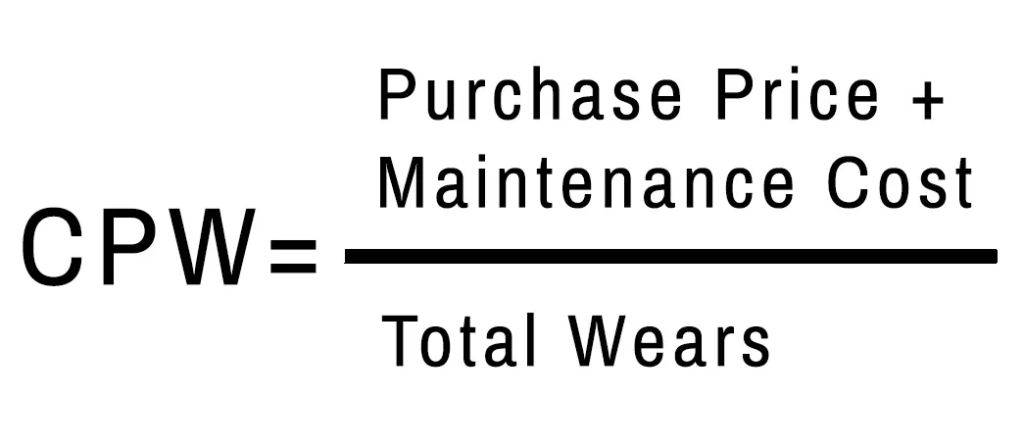
The biggest environmental lever in fashion isn’t what you buy. It’s how many times you wear it. WRAP’s research consistently finds that extending the active life of a garment by nine months reduces its carbon, water and waste footprints by around 20 to 30%. Cost per wear is the right frame: a £90 well-made item worn 90 times costs £1 per wear. A £15 fast-fashion equivalent worn five times costs £3 per wear.

The most sustainable product is always the one you’ve already bought.

20. When buying new, look for OEKO-TEX, GOTS or named factories

The signals that a brand has thought beyond the label.

21. Wash at 30 degrees and line dry

A life-cycle analysis by WRAP found that the use phase (washing, drying, ironing) accounts for a meaningful share of a garment’s total carbon footprint. One of the lowest-effort reductions available.

The ones that aren’t ready yet

Some things get asked about a lot. These are the honest answers.

Crisp packets and snack packaging. Almost all of it is plastic film or foil-laminate, collected by almost no UK councils. TerraCycle runs drop-off schemes for some brands. Not yet a consumer problem with a consumer solution.

Mascara, most foundations, and multi-component cosmetics. The packaging on these hasn’t been solved at scale. Buy less, use products fully, use TerraCycle points where available.

Compostable bin liners for general waste. They need industrial composting conditions to break down, which most UK councils don’t provide. Recycled-content plastic liners are the more honest swap for general waste until kerbside infrastructure catches up. Compostable liners do work for food caddy liners going to food waste collection.

Textile recycling into new garments. According to the Ellen MacArthur Foundation, less than 1% of the material used to produce clothing is recycled into new clothing, because the fibre-to-fibre infrastructure doesn’t yet exist at scale. Donation and secondhand keep clothes in use. Actual closed-loop recycling is not a real option for most consumers yet.

You now have the list in the right order. Next time something runs out, you know exactly what to replace it with.

Ready to start? Browse the Refillable edit and pick one swap to begin with.

FAQs

What’s the single most impactful zero waste swap I can make?

Switching from conventional spray cleaners to concentrated, refillable alternatives. Cleaning products cycle through the average household faster than almost any other packaged category, and a refillable bottle with concentrate tablets removes most of the single-use plastic from the under-sink cupboard. Which?’s testing found concentrated formats use substantially less plastic and far less water than ready-mixed sprays, and that refillable formats are typically cheaper per ml than their original counterparts.

Do I have to switch everything at once?

No, and it’s a bad idea to try. The right approach is to use what you already own, then replace each item with a better version when it runs out. Cleaning products cycle fastest, so start there. Fashion and home decor cycle slowest, so those change over years rather than weeks. Trying to switch everything in one go is both wasteful and expensive.

Where does most household plastic actually come from?

Food and drink packaging. The 2024 Big Plastic Count found it accounted for 81% of the plastic items thrown away by the average UK household each week, broadly consistent with the 83% recorded in the first count in 2022. That’s why the food aisle is the biggest remaining opportunity once you’ve tackled cleaning and beauty. Much of it is harder to change, because so much of it is supermarket decision rather than consumer decision, but loose produce, carton over bottle, and glass over plastic all count.

Are zero waste swaps more expensive?

It depends how you count. Upfront, some are more expensive (a refillable aluminium deodorant case, a stainless steel water bottle). Over the lifetime of the product, almost all are cheaper, because the refills cost less than replacement units and the item itself lasts far longer. The genuinely cheaper categories from day one: soap bars versus liquid body wash, laundry sheets versus liquid detergent, and reusable cotton rounds versus disposables.

What about compostable packaging? Is it actually better?

Only if it ends up somewhere that can compost it. Compostable food-caddy liners work because food waste goes to industrial composting facilities. Compostable general-waste liners usually don’t, because they need the same conditions to break down and most UK councils don’t offer that pathway for general waste. The rule of thumb: compostable is only genuinely better than recycled plastic where there’s a real route for it to be composted.

You already know coffee has problems. You have probably seen the Fairtrade logo and assumed it covered everything. It does not. Here is what the main certifications actually do, and what to look for beyond them.

The brands that look the most considered on the shelf are not always the ones doing the most at origin. According to the International Coffee Organization, around 125 million people depend on coffee for their livelihoods across more than 60 producing countries, a figure reaffirmed in Fairtrade International’s 2023 price review and cited in subsequent peer-reviewed research. Most of them are among the poorest farmers on the planet. What you buy every morning is not a small choice.

Why coffee is more complicated than most people realise

Global coffee production has risen significantly over recent decades, according to the ICO’s Coffee Development Report 2024, which also identifies the circular economy as the sector’s most critical structural opportunity. That growth has put enormous pressure on farmers in the tropical regions where coffee grows: pressure to produce more, faster, on thinner margins, in conditions that are getting harder every year. That growth has put enormous pressure on farmers in the tropical regions where coffee grows: pressure to produce more, faster, on thinner margins, in conditions that are getting harder every year.

The environmental picture is complicated too. Traditional shade-grown coffee, grown beneath a forest canopy, supports biodiversity, sequesters carbon and protects soil health. The Smithsonian Migratory Bird Center describes shade-grown plantations as the next best thing to a natural forest. But as demand has grown, most production has shifted to sun-grown monocultures that require intensive pesticide and fertiliser use, accelerate deforestation and strip the soil.

Climate change is compounding this. A 2022 study led by Roman Grüter at Zurich University of Applied Sciences, published in PLOS ONE, found that more than 50% of the land currently suitable for Arabica coffee production may no longer be viable by 2050 under standard emissions scenarios, a finding subsequently reinforced by a 2026 Rabobank analysis warning that 20% of current Arabica growing areas could become climatically unsuitable within 25 years, with Honduras potentially losing up to 88% of its suitable production area. The farmers most exposed to this are also the least able to adapt.

On the labour side, the picture is equally stark. Many smallholder coffee farmers earn less than $4 a day. Production costs have risen sharply since the pandemic. Fairtrade International has reported that by 2022, one Colombian farmer’s input costs had more than doubled in two years, while commodity prices stayed volatile. Child labour, though increasingly monitored, remains a documented problem in parts of the supply chain.

None of this means stop drinking coffee. It means the choice of which coffee to buy is one that actually matters.

What do the coffee certifications actually mean, and which ones count?

There are more coffee certifications than most people have time to research. Here is what the main ones actually do.

Fair Trade is the most recognised and one of the most substantive. It guarantees farmers a minimum price regardless of what the commodity market is doing, protection that matters enormously when global prices crash. On top of that, buyers pay a Fairtrade Premium: an additional sum that cooperatives invest in community projects covering schools, healthcare, clean water and infrastructure.

Fairtrade International has paid over $1 billion in cumulative financial benefits to producers since 1998. In August 2023, the Fairtrade minimum price for washed Arabica rose to $1.80 per pound, plus a $0.20 Fairtrade Premium and, if organic, an additional $0.40 organic differential. That was the first substantive raise in more than a decade.

None of this means stop drinking coffee. It means the choice of which coffee to buy is one that actually matters.

Organic certification addresses the environmental side. It prohibits synthetic pesticides and fertilisers. According to the FAO, pesticide use in some coffee-producing countries rose sharply through the 2010s, and organic methods improve soil health, protect biodiversity and reduce chemical contamination of local waterways.

Rainforest Alliance focuses on environmental and social practices at farm level. The orientation is process-led rather than price-led. Farms must demonstrate they are working toward sustainability goals rather than hitting fixed benchmarks. Meaningful, but less protective of farmer income than Fairtrade.

B Corp certification at the roaster level is the most thorough signal available. It audits the whole business: sourcing practices, worker conditions, environmental impact, governance. B Lab launched V2.0 of its standards in April 2025, with V2.1 following in August, replacing the old points-based system with mandatory performance requirements across seven Impact Topics covering governance, climate action, human rights, fair work and environmental practice. A B Corp coffee brand has committed to the standard across its entire operation.

The combination that does the most work: Fairtrade plus organic at origin, for both farmer welfare and environmental impact, with B Corp at the roaster level adding confidence that the business itself is built around the right principles.

One honest caveat: certifications are not perfect. Becoming certified can be prohibitively expensive for smallholder farmers already working on tight margins. Some excellent coffee is produced by farmers who cannot afford certification but maintain high standards.

This is where direct trade relationships – roasters buying directly from farms they visit and audit themselves can fill the gap. The distinction worth knowing: direct trade is an ideology, not a regulated standard. When you see it on a bag, it means what the roaster says it means. Ask questions.

The environmental side: packaging, carbon, and what to look for

The conversation about sustainable coffee usually stops at the bean. It should not.

Packaging is the issue most brands still have not solved. Standard coffee bags are multi-layer laminates – foil, plastic and sometimes paper that are almost impossible to recycle through standard household streams. Compostable bags are better but require industrial composting facilities most people do not have access to. The most practical options are brands that use fully recyclable packaging, offer refill programmes, or use whole-bean formats that reduce per-cup waste.

Coffee pods are the most wasteful format by volume. A single-use pod produces more packaging waste per cup than any other brewing method. If convenience is the priority, look for brands offering compostable or reusable options. Be clear-eyed about whether “home compostable” claims are backed by accessible composting infrastructure.

Your milk matters more than you think. A CDP analysis produced with Terrascope and Olam Food Ingredients found that a 12 oz black coffee generates about 0.258 kg CO₂e per cup, while a latte’s emissions rise to 0.844 kg CO₂e — roughly three times the footprint, driven almost entirely by the carbon intensity of dairy. This finding is consistent with a 2026 systematic review of coffee lifecycle assessments published in ScienceDirect, which confirmed dairy additions as the dominant emissions driver across brewing methods, and with a 2025 analysis by Trellis finding that dairy milk lattes generate more than three times the emissions of black coffee — a figure consistent across major coffee retailers globally.

How to make your daily cup go further

A few practical changes matter without requiring a complete routine overhaul.

Buy whole beans and grind at home. Fresh grinding reduces packaging waste and produces a better cup. It also nudges you toward buying less frequently and more intentionally.

Choose a reusable cup if you buy out. The environmental cost of a disposable cup is small compared to the bean and milk, but a cost with no benefit is a cost worth cutting.

Ask your coffee shop where their beans come from. A reasonable question, and independent shops with good sourcing relationships will always be able to answer it. The ones that cannot are telling you something.

Look beyond the front of the bag. “Ethically sourced,” “responsibly grown” and “sustainably inspired” mean nothing without a certification or a named sourcing relationship behind them. Fairtrade plus organic is the combination that does the most work. B Corp at the roaster level tells you the whole business is built around the right principles across every product line. For more on what to look for when claims feel vague, read our guide to best sustainable clothing brands, which applies the same certification logic to fashion.

The bag in front of you in the supermarket knows how to look considered. The certification on the back tells you whether it actually is. Browse Coffee in Food and Drink to find the brands that meet the standard.

FAQ

Is Fairtrade coffee actually better for farmers?

Yes, with caveats. Fairtrade guarantees a minimum price that kicks in when global commodity prices fall below it, which matters most in market crashes. It also pays an additional Fairtrade Premium that cooperatives invest in community projects. Since 1998, Fairtrade International has paid over $1 billion in cumulative benefits to producers. Not a perfect system, but the most protective of farmer income among the major certifications.

Fairtrade vs Rainforest Alliance: which one should I look for?

They solve different problems. Fairtrade is price-oriented and protects farmer income, particularly in market downturns. Rainforest Alliance is process-oriented and focuses on environmental and social practices at farm level. For farmer welfare, Fairtrade is more protective. For biodiversity and environmental practice, Rainforest Alliance does more. Coffee carrying both is doing the most work.

Are coffee pods really as bad as people say?

By volume of packaging per cup, yes. A single-use pod produces more waste than any other brewing method. Compostable and reusable options exist, and a compostable pod is better than a plastic and aluminium one. But “home compostable” often requires industrial facilities most households do not have. The most effective fix is to brew from whole beans where you can and reserve pods for the moments you genuinely need them.

Does switching from dairy to oat or soy milk really change my coffee’s carbon footprint?

Yes, meaningfully. A 2023 CDP analysis found emissions from a 12 oz latte are roughly three times those of a black coffee, with dairy the main driver. Switching to oat, soy or almond milk cuts the milk-related footprint by the majority. If you drink lattes daily, the single change with the largest environmental effect on your cup is this one.

What does “direct trade” mean when I see it on a coffee bag?

Direct trade is not a regulated certification. It is an ideology: the roaster has bought the coffee directly from the farm, usually with a premium over commodity price and a long-term relationship. Some of the best direct trade relationships pay more than Fairtrade and do more at origin. Some “direct trade” labels are close to meaningless. When you see the phrase, check whether the roaster names the farm, the price paid and the length of the relationship.

Is foraging the next step for slow beauty

Benzoyl peroxide. Dihydroxyacetone. Glycerin. Emollient. The ingredients list on most skincare products reads like a chemistry paper. Many of those ingredients are harmless, some are useful, and a fair number are there mainly to extend shelf life. All of them come wrapped in beautiful packaging with a price tag to match.

Slow beauty is a direct response to that status quo, asking the same questions slow fashion asks but about what we put on our skin. Fewer ingredients. Local and seasonal where possible. Less packaging, less shelf-life engineering, and more attention to the full journey of the product. Foraging for your own skincare ingredients sits comfortably inside that movement, and it’s a surprisingly practical place to start if you want a near-zero-waste beauty routine.

Foraging is the practice of sourcing ingredients from the wild, most often for food, but also for home remedies and skincare. There’s an abundance of natural ingredients with skincare benefits growing in British woodlands, hedgerows and gardens, and many of them can be combined with other natural sources to produce serums, toners, scrubs and bath salts. Most cost little to nothing beyond the effort of finding them.

Natural ingredients grow by season, so you can’t forage the same things all year. Here’s a seasonal guide to the most useful plants for skincare, where to find them, and four recipes to get started. A few important notes on safety first.

A note on foraging safely

Before you head out, read the Woodland Trust’s foraging guidelines. The short version: only forage what you can identify with total confidence, take small amounts from abundant sources, never uproot plants (which is illegal on land you don’t own under the Wildlife and Countryside Act 1981), and never forage in protected sites.

Plant identification matters enormously. Some plants that look edible are toxic, and several common look-alikes can cause serious harm. If you’re in any doubt, leave it alone and check a reliable reference like Kew’s guide to poisonous plants or go with someone experienced. When you’re foraging for skincare in particular, patch-test on a small area of skin before applying anything more widely. Natural doesn’t automatically mean non-irritant.

One more thing. The NHS is clear that herbal and plant-based products are not a substitute for medical treatment. If you have a persistent skin condition, see a dermatologist. Foraged skincare is for everyday routines, not for treating serious issues.

Spring

Chickweed

Where: shady, moist locations including gardens and woodland edges. Chickweed forms small low-growing mats with distinctive white star-shaped flowers.

image of chickweed growing between light grey rocks

Benefits: chickweed has traditionally been used to soothe a range of skin issues thanks to its natural antiseptic, antifungal and anti-inflammatory properties. It’s often used as a quick remedy for itchiness and surface irritation.

Dandelion

Where: dandelions prefer moist, sunny areas, only going dormant in the coldest winters. They’re one of the easiest foraging plants to find in the UK because they grow almost everywhere, including lawns and pavements.

dandelions in long grass next to pink flowers

Benefits: the sap from dandelions is naturally alkaline, which makes it useful against germs, bacteria and fungus. It’s been used traditionally to treat ringworm and eczema. Seen as a natural detoxifier, dandelion juice also appears in homemade acne treatments, and the plant’s vitamin C content can support the appearance of scars and inflammation.

Goose grass

Where: turf, landscaped areas like crop fields, orchards and gardens. Goose grass, also known as cleavers, is the sticky plant children used to throw at each other in playgrounds.

close up image of goosegrass.

Benefits: goose grass has long been used in folk medicine for skin complaints like psoriasis and eczema, and for helping small cuts, scrapes and abrasions to heal. It’s usually applied as a cooled infusion or a cold-pressed juice.

Wild garlic

Where: near marshland or water drainage ditches across much of the UK, often carpeting the floor of damp woodland in spring. You’ll usually smell it before you see it.

huge pile of wild garlic in a dark brown wicker basket

Benefits: wild garlic is rich in allicin, which gives it antiviral, antifungal and antiseptic properties. It’s used in cleansing products and in homemade acne treatments because it helps remove the bacteria that cause breakouts. Garlic also contains vitamin C, known to support collagen production and protect against the effects of UV exposure.

Recipe: dandelion face serum

Designed to brighten the complexion and firm the skin. The flower’s properties are known for supporting the appearance of age spots and scars, so it works well as a serum layer before your moisturiser, morning or night.

Ingredients: 6 fresh dandelion flowers and leaves, 1 aloe vera leaf, 1 teaspoon vitamin E oil.

  1. Wash the flowers and chop off the base of the stems to remove any dirt. Leave to drain.
  2. Slice the aloe vera leaf down the middle and scoop out the gel to fill half a cup.
  3. Blend the dandelions and aloe vera gel in a food processor or NutriBullet.
  4. Leave the mixture to sit for one hour.
  5. Using a cloth or strainer, squeeze the gel into a bowl until all you have left is dandelion pulp in the strainer and dandelion-infused gel in the bowl.
  6. Gently mix in the vitamin E.
  7. Pour into a pot or bottle, preferably dark glass to preserve the contents for longer.
  8. Apply to clean skin morning and night. Use within 10 weeks.

Summer

Chanterelle mushrooms

Where: growing in clusters in mossy coniferous forests, and also in mountainous birch forests. Chanterelles have a distinctive trumpet shape and a golden-yellow colour, with false gills rather than true ones.

Chanterelle mushrooms in wicker baskets

Benefits: like many fungi, chanterelles are rich in vitamin D. They’re also rich in niacin, which has been used traditionally to address conditions like eczema and rosacea by helping to reduce redness, inflammation and irritation. Only forage mushrooms with expert ID. Several UK species are lethally toxic.

Blackberries

Where: commonly found in brambles across most UK woodland and along hedgerows. Pick them ripe and jet-black, never at the roadside where exhaust residue will have settled on the fruit.

black berries

Benefits: blackberries are rich in antioxidants, which support circulation and immune function. They feature in face masks because of their astringent properties. The high vitamin C content supports collagen production, and the antioxidants help the skin look brighter and healthier.

Hazelnuts

Where: moist, lowland soil and under the shade of oak trees. The nuts ripen in late summer and early autumn.

Benefits: hazelnuts contain a high concentration of antioxidants and are often applied to the skin as a cold-pressed oil. Naturally rich in fatty acids and vitamin E, hazelnut-based products support hydration and elasticity. They’re also a good protein source if you want to take some home for the kitchen.

Honeysuckle

Where: honeysuckle grows close to home, often on the exteriors of buildings and along hedgerows and woodland fringes. Its strong sweet scent makes it easy to find in the evening.

close up image of honeysuckle

Benefits: honeysuckle features in traditional remedies for eczema, acne and rosacea. Oil distilled from the plant is also used in hair products to strengthen roots and strands. As an essential oil, honeysuckle is used in aromatherapy and is thought to help with headaches, sinus pressure and stress.

Recipe: rose face spritz

Doubles as a face toner and as a cooling spritz on hot days. Use fresh, unsprayed roses from your own garden or a friend’s.

Ingredients: 7 roses, 1.5 litres of distilled water.

  1. Gently pull the petals from the roses and place them in a colander under lukewarm running water to remove any dirt.
  2. Once clean, put the petals in a pan with the distilled water. If 1.5 litres isn’t enough to cover them, add more.
  3. Over a low to medium heat, bring the petals to a simmer for about 25 minutes until they’ve lost their colour and gone very pale pink.
  4. Strain the mixture and separate the petals from the water. Don’t throw the petals away, you can add them to a bath that evening.
  5. Pour the rose water into a dark bottle and use as a cooling face spritz throughout summer.

Foraging is a near-zero-waste way to learn what actually grows around you.

Autumn

Rosehips

Where: rosehips develop from the seed pods of wild roses along hedgerows, waste ground and woodland edges. They ripen from late summer onwards and are at their best after the first frost.

Benefits: rosehips are known for their astringent properties, which help tighten the skin and close pores. They also contain lycopene and beta carotene (the same compound that gives carrots their colour) and have been used to address hyperpigmentation: skin that has darkened in places due to sun, hormones or medication. Rosehip oil is a staple in natural skincare for its essential fatty acid content.

Hawthorn

Where: hawthorn grows in hedgerows, woodland and scrubland. The berries (haws) ripen to a deep red in autumn.

close up image of orange hawthorn berries

Benefits: hawthorn berries are naturally rich in polyphenols, and are traditionally associated with supporting the immune system and cardiovascular health. Cosmetically, they appear in hair products where they have a reputation for supporting fast hair growth and strong roots.

Walnuts

Where: in woodland, most commonly in southern parts of England. Wild walnut trees are less common than their cousins in orchards, so take only what you’ll use.

arial shot of walnuts in a bowl next to a walnut cracker and shells.

Benefits: most of the skincare benefits come from the shell and leaves, which makes walnuts an excellent near-zero-waste option. Walnut extracts help protect the skin from free radicals, and the shells make a brilliant natural exfoliant thanks to their rough texture. Grind them fine before use on the face. Shells are gentler on arms, legs and feet.

Recipe: walnut body scrub

Supports circulation, buffs away dead skin cells, and leaves skin smoother and brighter. Use no more than once or twice a week.

Ingredients: 12 walnuts, 30g refined shea butter, 30g almond oil, 5g vitamin E oil, 5 drops rosehip oil.

  1. Remove the shells from the walnuts.
  2. Grind the walnut shells into tiny particles. You can do this in a pestle and mortar, in a canvas bag with a rolling pin, or in a blender. Set aside.
  3. Put the shea butter and almond oil in a heat-proof bowl and place it over a pan of hot water, as you would to melt chocolate.
  4. On a low heat, let the shea butter melt into the oil.
  5. Once fully melted, remove from heat and allow to set. You can speed this up in the fridge.
  6. Use a wooden spoon to mix until the product turns fluffy.
  7. Add the crushed walnut particles, vitamin E and rosehip oil. Stir through.
  8. Spoon into a dark glass jar to keep it fresh. Use in the shower on damp skin, avoiding the face.

Winter

Nettles

Where: nettles prefer rich, moist soil and are commonly found near rivers, streams and lakes. Wear gloves when harvesting. Nettles lose their sting once they’re cooked or properly processed.

image of stinging nettles.

Benefits: prepared properly, nettles are a rich source of antioxidants and have a reputation for supporting skin against the effects of heavily polluted air. They’re also traditionally used as a hair rinse, where they’re thought to inhibit a hormone associated with hair loss and stimulate the scalp.

Beech nuts

Where: beech nuts prefer dry conditions and acidic soil. They can be tricky to find, but mature woodland is a good place to start, particularly where there are large beech trees.

beech nuts

Benefits: beech nuts have a reputation as a powerful antiseptic and are traditionally associated with strong hair growth. Oil distilled from beech nuts is thought to strengthen follicle cells and slow hair loss. Important caveat: parts of the beech tree are toxic, so don’t attempt to forage or prepare beech nuts without expert guidance.

Rowan berries

Where: rowan trees grow at high altitude, particularly in the Scottish Highlands, and produce bright orange-red berry clusters. Rowan is also common in urban parks and gardens across the UK.

close up of Rowan berries

Benefits: packed with vitamin C, rowan berries are associated with supporting collagen production, which helps keep skin feeling firm and reduces the appearance of wrinkles over time. They can also be applied to dry or sore patches of skin for itchiness and irritation, and have traditionally been used for eczema and other skin inflammations. Raw rowan berries are mildly toxic, so they need to be cooked before use.

Pine

Where: Scots pine is the only truly native pine in the UK. It thrives on heathland and is widely planted for timber. It’s also found in the Caledonian Forest in the Scottish Highlands.

woman with a small tattoo touching a pine tree

Benefits: pine nut-based products help combat the effects of free radicals, which are associated with higher pollution levels, and feature in many anti-ageing formulations. Naturally fragrant, pine nuts are also used in perfumes and shower gels.

Recipe: rosehip bath salts

A luxurious bath salt infused with rosehips you can forage through autumn and into winter. Rosehips are rich in essential fatty acids which help nourish and rehydrate dry winter skin. Pour a hot bath, sprinkle in your salts, and let the mixture do the work.

Ingredients: 10 to 15 rosehips, Himalayan bath salts, almond oil, 4 rose petals, 4 drops of lavender essential oil.

Part one: infuse the oil.

  1. Chop any stalks and leaves from the rosehips and wash them with cold water in a strainer.
  2. Fill a jar (jam size works well) one-third with rosehips and top it up with almond oil.
  3. Leave to infuse for a minimum of four hours. The longer you leave it, the better the result.
  4. Strain the rosehip oil into a clean jar so you now have rosehip-infused almond oil.

Part two: mix the bath salts.

  1. In a mixing bowl, add the Himalayan bath salts.
  2. Mix in one teaspoon of your rosehip oil and the lavender essential oil. You can add more lavender if you like a stronger smell.
  3. Grind the rose petals in a pestle and mortar, then add them to the mix.
  4. Stir everything together and spoon into a jar, ready to sprinkle into your next bath.

Progress, not perfection

Foraging your own skincare isn’t going to replace your whole bathroom cabinet. It’s not meant to. Think of it the way you might think of growing your own herbs. You’ll still buy most of what you use, but the bits you make yourself tend to be the pieces you enjoy the most, and they come with no packaging, no shipping, no ingredient list to decode.

The bigger shift is the mindset. Foraging pushes you to notice what actually grows around you. That noticing tends to spread to the other parts of your routine, which is how slow beauty becomes a habit rather than a one-off project.

For more on slow beauty, read our guides to eco swaps for beauty and the truth about microplastics in our cosmetics.

Every brand in the Beauty and Self-Care category on Ziracle has passed the same standard: honest ingredients, transparent formulation, and packaging that takes the environment seriously. For products with short ingredient lists and whole-plant formulations, filter by Organic or Plastic Free to match the spirit of the foraged routine above.Ready to shop?

Browse the Healthy Skin edit for brands that work with whole ingredients from the start.

FAQs

Is foraging for skincare actually legal in the UK?

On land where you have permission, and within sensible limits, yes. The Wildlife and Countryside Act 1981 makes it illegal to uproot any wild plant without the landowner’s permission, and foraging in designated protected sites (National Nature Reserves, SSSIs) generally requires specific consent. Picking small amounts of leaves, flowers and fruit from common plants on public land for personal use is usually acceptable. Commercial foraging or stripping a site clean is not. The Woodland Trust’s guidelines are the most accessible starting point.

Is foraged skincare actually better for your skin than shop-bought?

It depends what you’re comparing it to. Foraged skincare has short ingredient lists, no packaging and no preservatives, which appeals to people who want minimal formulations. It also has a very short shelf life (typically two to ten weeks depending on the recipe) and no standardised potency, because plant concentrations vary with season, soil and species. For everyday use by people without sensitive skin, it’s a reasonable alternative. For anyone with reactive skin, eczema, or a specific condition, professionally formulated skincare is usually the more reliable choice. Always patch-test first.

What should I never forage without expert help?

Mushrooms, first and most importantly. Several UK species are lethally toxic, and some of them look very similar to edible ones. Beech nuts, which contain compounds that can be toxic if not properly processed. Anything you can’t identify with complete confidence. The rule of thumb: if you aren’t 100% sure what it is, leave it alone. Kew Gardens and the Woodland Trust both publish clear identification guides online.

How long does foraged skincare last?

Most of the recipes in this guide last between two and ten weeks, stored in dark glass in a cool place. The lack of preservatives is part of why they’re gentle, and also why they go off faster than shop-bought products. If something changes colour, smell, or texture, throw it out. Making smaller batches more often is the practical way to work with natural formulations.

Can I forage ingredients in a city?

With care, yes. Parks, community gardens, and private gardens (with permission) often have useful plants. Avoid anything within a few metres of busy roads, where exhaust particulates settle on leaves and fruit. Don’t forage in sites sprayed with herbicides or where dogs regularly urinate. Urban blackberries and elderflower are particularly popular and usually safe if picked sensibly away from traffic.

Sustainable Underwear

Underwear is the quietest part of your wardrobe and one of the most worth rethinking. You wear it every day. It sits against your skin for hours. You replace it more often than almost anything else you own. And most of what you’ve been buying from the high street is made cheaply, made by people paid badly, and designed to fall apart fast enough to keep you coming back.

That makes it the cleanest place to start shopping differently. The spend is small. The feel is immediate. The verification is easier than with almost any other category. And the difference between a drawer of cheap synthetic underwear and a drawer of well-made organic basics is the kind of change you notice within a week of switching.

This is a guide to what matters, what doesn’t, and how to buy basics that last without replacing everything at once.

Why cotton matters more than most materials you buy

Conventional cotton is one of the most chemically intensive crops in the world. Cotton covers around 2.4–2.5% of global agricultural land but accounts for a disproportionately large share of worldwide insecticide use — figures cited by the Pesticide Action Network UK and the Better Cotton Initiative put cotton’s share of global insecticide sales at around 10–16%, depending on the methodology and period measured. In developing countries, where most cotton is grown, that share climbs higher. The pesticides used on cotton include chemicals classified by the World Health Organization as hazardous to human health. In developing countries, where most cotton is grown, that share climbs higher. The pesticides used on cotton include chemicals classified by the World Health Organization as hazardous to human health.

Organic cotton is cotton grown without synthetic pesticides, synthetic fertilisers or genetically modified seeds. The most robust independent verification for it is the Global Organic Textile Standard, known as GOTS, which audits the full supply chain from farm to finished garment against both environmental and social criteria, including fair wages and safe working conditions.

The fibre matters more in underwear than in most garments for a simple reason: skin contact. Pesticide and chemical residues from conventional processing can remain on finished fabric, and underwear is against your most sensitive skin for more hours of the day than any other piece you wear. If you have reactive skin, eczema, or unexplained irritation at the bikini line, switching to GOTS-certified organic cotton is one of the first things worth trying.

Why fast-fashion underwear is a false economy

Walk into most high-street retailers and a pack of five pairs costs less than a lunch. The fabric is a thin cotton-synthetic blend. The elastic is cheap polyester and rubber that loses its stretch within a dozen washes. The dyes fade, the seams fray, the gusset wears through. You replace the whole drawer every twelve to eighteen months and throw the old pairs in the bin, where they sit in landfill for decades.

The cost per wear of that model is worse than it looks. Five pairs for £12, replaced three times over two years, is £36 for thirty-six months of wear. Five pairs of well-made organic cotton briefs at £15 each (£75 total), worn for three to four years, works out significantly cheaper per day. You pay more upfront and spend less overall. The waste reduction is the separate bonus.

The fast-fashion model is designed to depend on replacement. Sustainable underwear brands are designed to depend on retention.

What to actually look for

Four things matter, in rough order of importance.

GOTS certification on the fabric. This is the single strongest signal. GOTS covers how the cotton is grown, how it’s dyed, how it’s processed, and how the workers at every stage are treated. A GOTS label is the shortcut that removes the research burden. When a brand has it, you do not need to verify the individual claims.

Thicker, higher-quality fabric. Not just thread count, but weight. A pair of well-made organic cotton briefs weighs noticeably more than a supermarket pair. This is usually a sign the cotton is longer-staple and the knit tighter, both of which extend lifespan. If the fabric feels papery in hand, it will behave that way on your body.

Flat seams and a reinforced gusset. These are the failure points in cheap underwear. Flat-locked seams move with the skin instead of digging into it. A reinforced gusset (ideally a second layer of organic cotton) outlasts single-layer constructions by a wide margin.

Elastic that isn’t ordinary polyester. This is where the sustainable underwear category has improved most in the last five years. Biodegradable elastic alternatives, including GOTS-approved natural rubber-based options, hold their shape through more washes than conventional synthetic elastic and do not persist in landfill forever. Not every sustainable brand uses them, and the ones that do will say so clearly. Silence on this is worth noticing.

Other materials worth knowing:

TENCEL (trademarked Lyocell) is made from sustainably managed wood pulp, is biodegradable, and has a softer hand than cotton. It works particularly well in warm weather. Modal, similar in origin, is silkier but tends to be less durable.

Recycled polyester is occasionally used in sports underwear. It is better than virgin polyester but still sheds microplastics in the wash, which matters more for underwear worn under activewear than for everyday basics.

Bamboo fabric is a different category again. Most “bamboo” clothing is bamboo-derived rayon, which requires heavy chemical processing that undermines much of the sustainability case. GOTS does not certify most bamboo textiles for this reason. Treat the word with caution.

The pieces that actually last

Buy the shapes you already reach for, in neutral colours, from brands that make few styles and make them well.

Briefs, midis, boy shorts, high-waisted pants. Bralettes and soft-cup bras in your everyday size. Two or three colours maximum: black, nude, and one other. Patterns and trend-led shapes date faster than solids and cost the same, which makes them poor value even before sustainability enters the equation.

Check whether the brand offers repair, resizing or take-back. A few of the better sustainable underwear brands in the UK have started offering these services, and they are strong signals of brands that expect their products to stay in your drawer rather than on a shelf.

Start small, not all at once

You do not need to replace every pair you own this month. Sustainable shopping does not require a clean slate. It requires a better next purchase.

Buy two pairs of GOTS-certified organic cotton briefs in your usual size. Wear them for a fortnight. Wash them a few times. Pay attention to how they feel at the end of a long day compared with the synthetic pairs you already own, and how they look after washing compared with the cheap pairs that usually start pilling by week two.

Most people who switch this way replace gradually. A pair a month, or two when you need them, over a year or two. The drawer changes without a big spend, and the change feels sustainable in the ordinary sense of the word too, meaning you actually stick with it.

Where to start on Ziracle

Every brand in our Apparel and Style edit has passed the same standard: honest materials, transparent production, and claims that hold up to a second look. The Intimates and Sleep range is where to start for daily basics, and Underwear specifically for the swap this guide is most concerned with. Filter by Organic for GOTS-certified fabric across the edit.

For the broader argument about investing in better fabric at the denim end of the wardrobe, see our sustainable denim guide.

If sensitive skin is the reason you’re reading this, Healthy Skin is the goal page to bookmark.

FAQs

Does organic cotton really feel different against the skin?

Most people notice a softer, more broken-in feel compared with cheap conventional cotton, and fewer cases of skin irritation over time. The ingredient-level reason is that GOTS-certified organic cotton has not been bleached, dyed or finished with the harshest chemicals often used in conventional processing. For reactive skin, the difference is usually noticeable within a couple of weeks. For less sensitive skin, it shows up more in durability than in feel.

Is GOTS better than other organic cotton certifications?

Yes, for most consumer purposes. The Organic Content Standard (OCS) certifies that cotton was grown organically but does not cover the rest of the manufacturing process. GOTS covers the whole supply chain, including dyes, processing chemicals and worker conditions, and is audited independently. If you see OCS on a label, it means the raw cotton is organic but the finished garment may still have been treated with processing chemicals GOTS would not allow.

How much more does sustainable underwear actually cost?

Around two to three times the price of fast-fashion equivalents at the initial buy, but typically less per wear over the garment’s lifetime. A £15 pair of GOTS-certified briefs worn for three years costs about 1.4p per wear. A £2.40 high-street pair worn for eighteen months before it’s thrown out costs about 0.4p per wear but produces far more waste and contributes to the supply chain this guide is arguing against.

What’s wrong with bamboo underwear?

Most bamboo fabric is actually bamboo viscose or rayon, which is made by breaking down bamboo with chemical solvents in a process that carries significant environmental cost. GOTS certifies very little of it for that reason. Some bamboo lyocell processes are closed-loop and more defensible, but they are rare. If a brand sells “bamboo” underwear, check which specific process is used. Vague bamboo claims are usually not what they sound like.

Do I need to replace my whole underwear drawer to make a difference?

No. The largest improvement comes from changing what you replace your current pairs with as they wear out. A one-in, one-out replacement cycle over a year or two is almost always better than a full replacement at once, which is expensive and wastes the useful life still in your current pairs.

Eco-Home Essentials

Making a house feel like a home is a quiet kind of craft. A candle that smells like early evening, a cushion that pulls a room together, a cleaning spray that doesn’t announce itself the moment you walk in. The eco version of all of this isn’t about looking ascetic or cutting back for its own sake. It’s about choosing the version of each object that works just as well, looks just as good, and doesn’t leave a plastic bottle or a questionable ingredient list behind.

The case for being careful about what you bring into the home is well-documented. The US Environmental Protection Agency has tracked for years how volatile organic compounds (VOCs) from conventional cleaning products, air fresheners and paraffin candles raise the VOC load of indoor air, often to levels several times higher than outdoor air. A 2019 review in the International Journal of Environmental Research and Public Health linked sustained exposure to indoor VOCs with respiratory irritation and long-term health effects. Choosing plant-based cleaners, natural-wax candles and non-toxic fragrance isn’t a niche preference. It’s an everyday way to cut your home’s exposure to the stuff you don’t want to be breathing in.

What follows is a room-by-room approach to building an eco home, organised around the categories where home essentials tend to stack up. Five areas, each with the format worth looking for and the reasoning behind it.

The eco version isn’t about looking ascetic. It’s about choosing the version of each object that works just as well and looks just as good.

Living room: plant-based scent over synthetic diffusers

Most supermarket diffusers carry essential-oil-adjacent synthetic fragrance compounds in a petrochemical carrier oil. They’re cheap, they throw scent far, and they contribute a steady trickle of VOCs to the air you breathe at home. The better version uses real essential-oil blends in a natural plant-based carrier, usually a light vegetable oil, with simple reed delivery and glass packaging.

Scents that read as calming in a living room tend to sit in the woody and soft-floral families: cedarwood, linden, sandalwood, rose geranium. Packaging worth looking for is clear or amber glass with paper labelling. Avoid plug-ins, perfume aerosols and anything with ‘air freshener’ in the name, which usually indicates synthetic fragrance concentrates rather than essential oil. Browse the Home Fragrance edit for options.

Sofa and soft furnishings: handmade textiles that change a room

A cushion is a small purchase that changes the tone of a whole room. The eco version usually comes down to two questions: what’s the fibre (organic cotton, linen, recycled cotton, hemp) and who made it (a machine-press factory, or a cooperative of artisan weavers).

UN Women’s 2025 Women and the World of Work report documents how women artisans in textile cooperatives — including India’s hand block printing sector, identified as the second-largest employer of rural Indian women — see meaningful income improvements and greater economic independence when connected to international Fair Trade markets rather than conventional supply chains. Browse the Cushions and Covers edit and filter by Fair Trade to find pieces produced this way.

Kitchen and dining: artisan serving ware over mass-produced sets

The kitchen accumulates serving pieces faster than almost any other room. The eco approach isn’t to own fewer of them. It’s to choose pieces that work as everyday gear and as statement objects, so you don’t need a separate set of each.

Wood and marble serving boards, finished by hand and often made from offcuts of ancient hardwoods or marble waste, are one of the best examples. Each piece is slightly different. They’re sturdy enough to use every day and attractive enough to put on the table for dinner. Cooperative-made kitchenware from countries with strong artisan traditions typically returns a higher share of the retail price to the maker than a conventional retail supply chain does, which is part of the case for paying more for a hand-finished piece. Browse the Dinnerware edit for options.

Reclaimed materials are worth looking for specifically. Coconut shell bowls, made from the shells left over after the coconut flesh is harvested, are one of the clearer upcycling stories in homeware. The shells would otherwise be burned as agricultural waste. Hand-carved and finished with food-safe oils, they work as breakfast bowls, snack bowls, jewellery catchers or bathroom organisers.

Utility and cleaning: refillable over disposable

Cleaning products are one of the worst-offending categories for single-use plastic in the home, and also one of the easiest to fix. The swap is straightforward: a refillable glass or aluminium dispenser kept indefinitely, with concentrated refills in compostable sachets or tablets that dissolve in water.

Which?’s analysis of refillable and concentrated products found that concentrated refillable cleaning products use substantially less plastic and far less water than ready-mixed sprays, because you’re not shipping water around the country, and that 11 of 12 popular refillable products tested worked out cheaper per ml than their original counterparts.

Bedroom: natural-fibre bedding over synthetic

Bedding is worth getting right because you spend a third of your life in contact with it. Synthetic bedding (polyester, polyester blends) sheds microfibres with every wash and traps heat in a way that most people find uncomfortable. Natural-fibre bedding (organic cotton, linen, bamboo) breathes better, lasts longer, and washes cleanly into wastewater that doesn’t carry microplastics into rivers.

Certifications worth looking for: GOTS (Global Organic Textile Standard) for organic cotton, OEKO-TEX Standard 100 for chemical safety in the finished fabric, and Fair Trade for supply-chain fairness. Linen in particular is worth knowing about. It uses far less water to grow than cotton, needs no irrigation in European climates, and its longevity is measured in decades rather than years. Browse the Bedding edit.

Small pieces, calmer rooms

An eco home isn’t built in a weekend or with one big order. It’s built one replacement at a time: when the old thing runs out, you choose a better version of it. A diffuser that isn’t a plug-in. A cushion that came from a loom rather than a factory. A cleaning spray that refills rather than multiplies. After a few months of these small decisions, the rooms you live in start to feel different, partly because the air is cleaner, partly because everything in them was chosen with some thought.

For more on building the habit, see our guides to eco swaps for home and eco swaps for beauty.

Every brand in the Home and Sanctuary category on Ziracle has passed the same standard: built to last, transparent about materials and supply chain, and made by people paid properly. Filter by Plastic Free or Organic to narrow the selection to products that meet the stricter end of the standard.

Ready to shop? Browse the Home and Decor edit and start with the room you spend the most time in.

FAQs

Are plant-based cleaners actually as effective as conventional ones?

For everyday cleaning, yes. Which?’s 2023 testing found that concentrated plant-based cleaners perform comparably to mainstream brand sprays on common household surfaces, while using substantially less plastic packaging. Where conventional chemical cleaners still have an edge is in heavy-duty disinfection (bleach-based products for deep cleaning during illness, for example) and in removing mould or persistent limescale. For the 90% of weekly cleaning that isn’t about disinfection, plant-based refillable formats are a clean substitute.

Why are natural wax candles better than paraffin?

Paraffin is a petroleum by-product, and burning it indoors releases VOCs and fine particulates into the air you breathe. Soy, coconut and beeswax candles burn cleaner, with significantly lower particulate emissions. The EPA’s indoor air quality guidance has flagged candle soot from paraffin as a meaningful contributor to indoor air pollution over time. The scent performance of well-made natural wax candles is comparable to paraffin, especially when scented with real essential oils rather than synthetic fragrance.

Are handmade textiles worth the price premium?

For pieces you’ll use every day for years, usually yes. Handmade cushions, throws and bedding are more durable than machine-pressed equivalents because the construction is denser and the fibres are typically higher-grade. The Fair Trade premium funds better wages and working conditions for the makers, which is part of what you’re paying for. Cost per use tends to favour handmade pieces over time, the same way cost per wear favours well-made clothing over fast fashion.

Which eco-home swap gives the biggest benefit?

Refillable cleaning products. Cleaning sprays and laundry detergent cycle through the home faster than almost any other packaged category, so switching to refillable formats removes a significant volume of single-use plastic from your household waste. It’s also the category where the performance gap between eco and conventional options has closed most completely. Start there.

How do I tell if a candle or diffuser is genuinely natural?

Look at the wax base on candles (soy, coconut or beeswax, not paraffin) and the carrier oil on diffusers (a named vegetable oil, not an unspecified ‘fragrance carrier’). For the scent itself, the ingredient list should name specific essential oils (bergamot, cedarwood, rose geranium) rather than the generic ‘parfum’ or ‘fragrance,’ which in cosmetics labelling can cover any combination of synthetic fragrance compounds. Certifications worth looking for include natural cosmetic marks like Soil Association COSMOS or Ecocert.

Sustainable fashion has a vocabulary problem. Slow fashion, ethical fashion, conscious fashion, eco fashion – all of them gesture at something real, but none of them tell you what to actually do differently. Here is the practical version.

If you have ever read about sustainable fashion and come away feeling vaguely guilty but no more informed, that is not your fault. Most of the content in this space either preaches or sells.

Here is the practical version: what slow fashion actually means, why fast fashion is so difficult to resist, and how to build a different relationship with clothes without starting over.

What slow fashion actually means (and what it does not)

The term was coined by Kate Fletcher, now Professor at the Centre for Sustainable Fashion at London College of Fashion, in an article titled “Slow Fashion” published in The Ecologist in September 2007. She defined slow fashion as quality-based rather than time-based – not simply about slowing down, but about designing, producing and consuming differently.

The framing she used then still holds. Slow fashion is not the opposite of fast fashion the way slow food is the opposite of fast food. A matter of values, not speed.

Fast fashion treats clothing as disposable. Slow fashion treats it as something worth keeping. Fast fashion profits from volume. Slow fashion profits from quality. Fast fashion obscures its supply chain. Slow fashion makes it legible.

What slow fashion is not: a specific aesthetic. Neutrals and linen and minimalism have stuck as associations, but the concept was never about any of them. Nor is it a price bracket. A secondhand coat bought for £15 is slow fashion. A £300 coat worn twice is not.

Slow is not the opposite of fast – there is no dualism – but a different approach where designers, buyers, retailers, and consumers are more aware of the impacts products have on workers, communities, and ecosystems. – Kate Fletcher, Slow Fashion: An Invitation for Systems Change, Fashion Practice (2010)

Why fast fashion is designed to be hard to resist

Feeling tempted by fast fashion is not a character flaw. The temptation is the intended outcome of a system that has spent decades optimising for exactly that response.

Fast fashion brands rotate stock constantly, in some cases weekly, to create the perception that items are scarce and temporary. Research into consumer behaviour confirms that scarcity cues – “only two left in stock” warnings, countdown timers – trigger fear of missing out and reduce the time people spend evaluating whether they actually want something. The purchase becomes emotional rather than considered. That is the design.
Low prices reinforce it. When something costs £12, the mental calculation shifts: the potential loss of missing out feels greater than the cost of buying. The item goes in the basket without the question most people would ask about a £120 equivalent: do I actually need this? Will I actually wear it?

The store layout, the social media feed, the influencer haul, the flash sale notification – none of these are accidents. They are a carefully engineered system for bypassing the pause between impulse and purchase. Knowing this does not make the impulse go away. But it does change what you do with it.

What questions should you ask before you buy anything?

Slow fashion in practice is mostly a set of questions rather than a set of rules. Three are worth building into the habit.

Will I wear this at least 30 times? The simplest test for whether a purchase makes sense on any measure, financial or environmental. Be honest. Not aspirational-honest, where you imagine the version of yourself who wears it constantly. Actually honest. If the answer is probably not, put it back.

Do I know who made it, and in what conditions? This does not require a deep investigation for every purchase. Brands that are transparent about their supply chain make the information easy to find: named factories, published audits, third-party certification. Brands that are not transparent make it impossible to find. The difference tells you something.
Am I buying this because I want it, or because I was told I might miss it? Harder in the moment. Easier with practice. The trick is to add time. Leaving something in a basket for 48 hours and checking whether you still want it removes the scarcity pressure and lets the actual desire, or lack of it, surface.

None of these questions require becoming an expert in supply chains or textiles. They require slowing down by about 90 seconds before clicking buy.

How to build a wardrobe you actually wear

WRAP’s landmark Clothing Longevity and Circular Business Models Receptivity in the UK study — still the largest audit of its kind, covering more than 44,800 items of clothing — found that the average UK adult has 118 items of clothing in their wardrobe, of which around 26% (31 items) have not been worn for at least a year, amounting to 1.6 billion unworn items nationwide. The most recent UK Textiles Pact Annual Progress Update (2024–25) shows the scale of the ongoing challenge: although signatories cut carbon and water impact per tonne by 6% and 9% respectively since 2019, total emissions from UK textiles actually rose by 10% in 2024, driven by a 17% increase in the volume of new clothing placed on the market. Before buying anything new, the single most useful exercise is to work out what you already own and actually wear. Most people find they reach for the same 20 or 30 items repeatedly, regardless of how much else is in the wardrobe.

Start there. The clothes you already wear are the foundation. Everything else is either filling a genuine gap or filling space.

Genuine gaps are things you reach for but do not have: a coat that works for work and weekends, a pair of trousers that fits properly, a dress that is not too formal and not too casual. These are worth buying well. Not necessarily expensive, but considered – secondhand first, then new from a brand worth supporting.

Space-filling purchases are the ones that seemed like a good idea in the shop and never quite worked once you got them home. Fast fashion excels at producing these, because the combination of low prices and high trend-turnover makes space-filling feel rational in the moment. It is not.

A wardrobe that works is one where most things go with most other things, where there are no items that require a specific other item to function, and where you could get dressed on a bad day and still look like yourself. That is not a capsule wardrobe prescription. That is a practical description of what clothes are for.

Where to find brands worth buying from

When you are ready to buy new, here is how to tell the difference between a brand that means it and one that does not.

Named factories and published supply chain information. Any brand committed to ethical production can tell you where its clothes are made and who makes them. If that information does not exist on the website, the information does not exist.

Third-party certification. Fair Trade, B Corp, GOTS (Global Organic Textile Standard), and OEKO-TEX Standard 100 are the most meaningful certifications in this space. They verify different things: labour standards, environmental practices, chemical safety. None of them is a guarantee of perfection, but all of them require external verification rather than self-declaration.

Fewer, slower collections. Brands that produce two or three collections a year are building around quality and longevity. Brands that produce new drops every week are building around volume. The production model tells you something about the values behind it.

Every brand in the Apparel and Style category on Ziracle has been assessed against these same criteria: kind to the people making the clothes, transparent about materials and production, built to last. For the specific brands we have verified, start with our guide to the best sustainable clothing brands.

You now know what slow fashion actually means, why the system makes it hard to behave that way, and what questions change how you shop. Which means the next time you are about to buy something, you have a different set of tools for deciding whether to. Browse Apparel and Style to see every brand that has already passed the Ziracle standard on materials, production and ethics.

FAQ

What is the difference between slow fashion, sustainable fashion and ethical fashion?

The terms overlap but are not identical. Slow fashion is the oldest, coined by Kate Fletcher in 2007, and focuses on quality, durability and the pace of production. Sustainable fashion is the broadest term and typically refers to environmental impact across the garment lifecycle. Ethical fashion usually foregrounds labour conditions and fair wages. A brand that does all three well will describe itself with whichever term fits the audience. The label matters less than what is actually being done.

Is secondhand always better than buying new?

In environmental terms, almost always yes, because the production cost has already been paid. The more interesting question is what to do when secondhand does not work for the specific piece you need. Buying one well-made garment from a transparent brand, then wearing it for a decade, sits comfortably alongside buying secondhand as an honest answer.

Will I wear this 30 times? Why that specific number?

The 30-wears test was popularised by the campaigner Livia Firth as a simple rule of thumb for distinguishing a real purchase from an impulse. It is not based on a specific environmental calculation, but it maps well onto cost per wear and onto whether the garment earns its place in the wardrobe. If the honest answer is no, the purchase probably does not make sense on any other measure either.

What certifications should I look for when buying sustainable clothes?

Fair Trade for labour standards, B Corp for whole-business accountability, GOTS for organic textile processing, and OEKO-TEX Standard 100 for chemical safety. None of them is perfect, but all of them require external audit. Brands that hold two or more of these, and that name their factories publicly, are doing more than most.

How do I resist fast fashion without feeling restrictive?

Stop framing it as restriction. The premise of slow fashion is that a smaller, better-considered wardrobe produces more satisfaction than a larger, fast-turnover one. The practical version: add 48 hours between wanting something and buying it, unfollow the accounts that make you want things you did not know existed, and give yourself permission to buy fewer, better things. Restriction frames the change as loss. It is not.

||||

The headline number that is supposed to motivate you is the 2017 figure from the Ellen MacArthur Foundation, which projected that on current trends the oceans could contain more plastic than fish by weight by 2050. Most people absorb the statistic, feel the appropriate spike of dread, and then do nothing differently. The information itself is rarely the problem. The problem is that dread does not convert to habit change, and guilt-driven perfectionism collapses within a month.

This guide is the alternative approach. Reducing plastic is not a moral purity project. It is a set of small behavioural shifts, each one of which would barely show up on its own, but which compound into something meaningful across a year. Nobody becomes zero-waste. Most households can reasonably cut between 30% and 60% of the plastic they currently throw away without sacrificing anything that actually matters to them. That is the productive target, not a spotless bin.

The single honest fact that makes the case

The same Ellen MacArthur Foundation report found that globally, only 14% of plastic packaging is collected for recycling after use. The rest escapes into the environment, goes to landfill, or gets incinerated. Recycling, taken at face value, solves about one-seventh of the problem.

Credit: Ocean Bottle

This is why the single most effective thing you can do is not recycle more. It is use less of the packaging in the first place. Reuse beats recycle, every time. A glass jar used a hundred times, a fabric bag used weekly for two years, a refillable bottle used for a decade – these remove the disposal problem from the equation rather than trying to solve it after the fact.

The rest of this guide is the practical version of that principle, in the categories where most household plastic actually lives.

Do one week of noticing before you change anything

Before you swap anything, spend a week paying attention to where plastic enters your home. Not obsessively. Just enough to build a mental map.

Credit: Unicorn Grocery Manchester

Most people discover that the bulk of their household plastic comes from three or four specific places. Food packaging, mainly from the weekly supermarket shop. Cleaning products and toiletries. Takeaway and food delivery containers. The occasional big category like nappies or cat litter.

Knowing which categories are your largest is what makes the next step manageable. There is no sense in obsessing over a single plastic toothbrush a month if the real volume in your bin is coming from grocery shopping. The categories are not all equal.
Keep it simple: for seven days, notice what you throw away and group it roughly. A mental audit is fine. A literal list in your phone is better.

Start with the one category that matters most in your house

Trying to switch everything at once is how almost everyone gives up. Behaviour-change research is consistent: adding one new habit at a time and letting it become automatic before adding the next is roughly twice as likely to stick than trying to overhaul multiple categories simultaneously.

Pick the category your week of noticing identified as largest. For most people that is one of three:

Food shopping. The shift here is buying loose rather than packaged where your supermarket allows it, taking your own bags and containers for the counters that will use them, and finding one or two local refill options for dry goods like pasta, rice, oats, and lentils. Most UK towns now have at least one refill shop. The Ethical Consumer directory lists them; so does a Google search for “refill shop [your town]”.

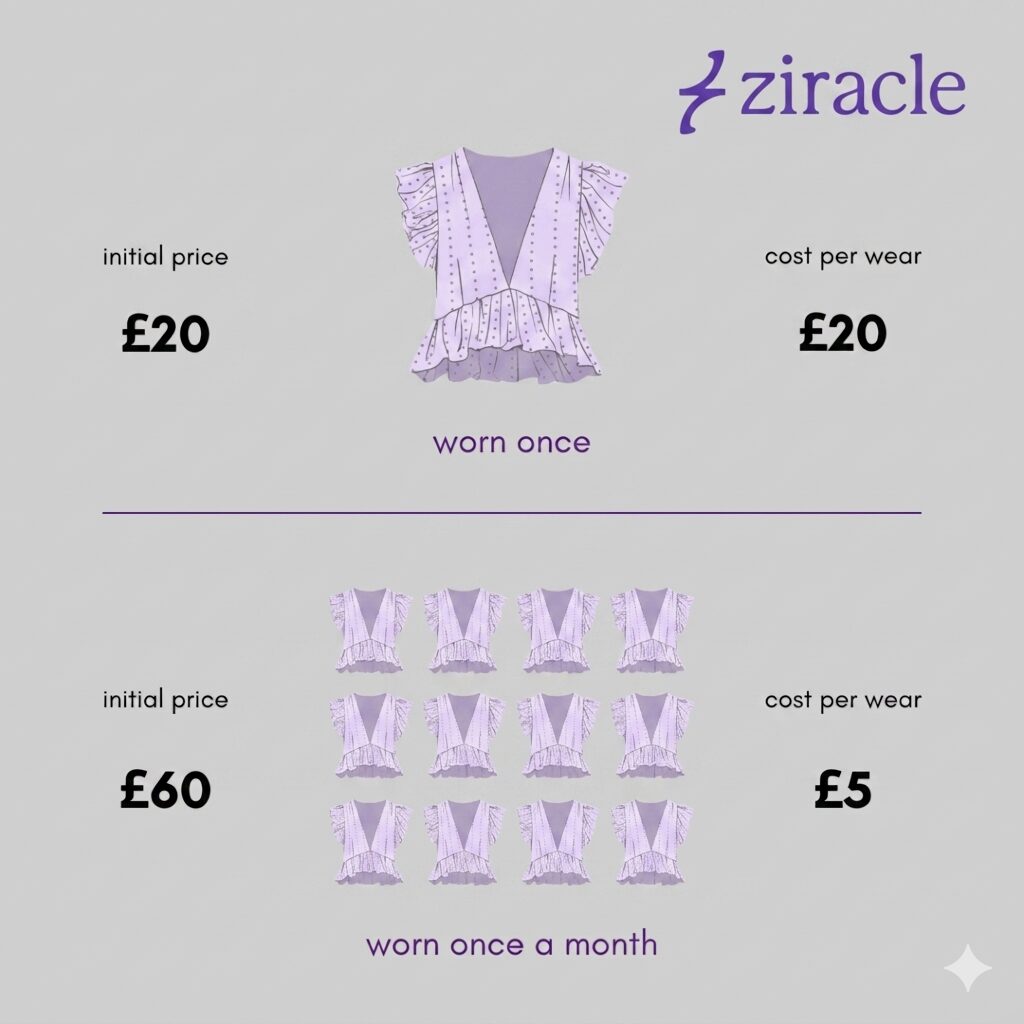
Cleaning products and toiletries. The refill shift is most developed here. Most major UK supermarkets now stock concentrated cleaning products (Ecover, Method, Smol) where you reuse one bottle and top up with water. Shampoo bars, conditioner bars and solid soaps replace plastic bottles one-for-one. Refillable aluminium deodorants replace plastic roll-ons. None of these require a research project. They just require buying the refill version the next time the current one runs out.

Water and drinks. A single reusable water bottle, used daily for a year, replaces hundreds of single-use bottles. A reusable coffee cup does the same for takeaway coffees. The carbon payback on both typically sits around twenty uses, which is a fortnight for most people.

Pick the category most relevant to your week’s audit. Commit to the swap for a month. Move on only when the first one is automatic.

Use what you already own before you buy new

Plastic containers you already own are not the enemy. The environmental cost of making them has been paid. Throwing them away to buy a “plastic-free” alternative is worse than keeping and reusing them.

Credit: Milly & Sissy

A used ice cream tub is a free food-storage container. A passata jar with a good seal is a free spice jar. A shampoo bottle with a pump mechanism is a free refillable soap dispenser if you buy bulk hand soap. The Japanese concept of mottainai – the sense that it is a shame to waste the useful life in something – captures the principle better than most sustainability slogans.

The rule of thumb: only buy a purpose-made reusable when the thing it replaces is actually worn out, when you genuinely do not have a workable substitute, or when the new item will be used so often that the upfront cost pays back quickly. For most households, the reusable items that clearly meet this test are: one good water bottle, one good coffee cup, two or three cloth shopping bags, and a few beeswax food wraps. Everything else, use what you have.

Find one refill option locally, use it for a month

The single most effective habit-forming step is establishing one refill routine you actually maintain. For most households, that means locating a local refill shop – or a refill section at the local supermarket – and using it once for one product category.

The category matters less than the establishment of the routine. Washing-up liquid. Laundry detergent. Olive oil. Pasta. Lentils. Shampoo. Whichever you use most. Buy a bottle or container from the shop, or bring one from home, and do the refill once. Then bring it back next time.

DEFRA research on household waste shows that refill-based buying reduces household packaging waste by a meaningful margin, and that most people who start refilling for one category add others within six to twelve months. The second category is easier than the first. By the third, it is the default rather than the novelty.

Learn the plastic codes, but do not rely on them

The resin identification code on plastic packaging – the number from 1 to 7 inside the triangle of arrows – tells you which type of plastic it is. In theory this tells you what recycles and what does not. In practice, only two of the seven reliably recycle at UK scale.

Credit: Sigmund

PET (code 1, drinks bottles, clear food packaging) recycles well. HDPE (code 2, milk bottles, detergent bottles) recycles well. Polypropylene (code 5) is increasingly collected kerbside but recycles less cleanly. The rest – PVC, LDPE, polystyrene, mixed plastics – almost never recycle in practice, according to the 2024 Big Plastic Count, run by Greenpeace UK and Everyday Plastic — the UK’s largest plastic waste survey, involving 225,000 participants across 77,000 households — which estimated that only around 17% of UK household plastic is actually recycled, with around 58% incinerated and the remainder landfilled or exported.

The practical upshot: when you do have to buy plastic, choose codes 1 or 2 where possible. But recognise that the recycling symbol on most other plastics is the manufacturer’s aspiration, not the council’s capability. For the longer explanation, see our biodegradable, compostable, recyclable guide.

What good looks like after a year

A realistic end state after twelve months of slow, non-dramatic change for most households:

A reusable water bottle, coffee cup, and three or four cloth shopping bags, used consistently. One local refill routine established and maintained – usually cleaning products, sometimes toiletries, occasionally dry food. Solid-bar replacements for a few of the bathroom products that used to come in bottles. A handful of food-shopping habits that cut the weekly plastic – buying loose fruit and veg where available, bringing containers to the butcher or cheese counter, skipping the thin produce bags.

Not zero plastic. Nowhere near it. But reliably 30 to 60% less plastic in the weekly bin, with no ongoing mental effort because the habits have settled into routines. That is the honest, sustainable version of plastic-free living.

Where to start on Ziracle

Every brand in our Refills and Reusables edit has been chosen for the same reason: the packaging is either designed to be used hundreds of times or designed to disappear cleanly at the end of life. Filter by Plastic Free for the zero-plastic options, Refillable for the systems that top up rather than replace, or Reusable for items built to last thousands of uses.

For the habit-level changes that extend this across other categories of household consumption, see our zero waste swaps guide.

If you are starting with the kitchen or bathroom, Clean Home is the goal page to bookmark for products that do not hide packaging problems behind marketing claims.

FAQs

Is reusable really better when you count the carbon cost of making it?

For almost every reusable item, yes, once you have used it a few dozen times. The carbon payback on a reusable cotton bag typically sits around twenty to forty uses versus a single-use plastic bag. A stainless steel water bottle pays back within a couple of weeks of regular use compared with buying bottled water. The exception is items you buy and barely use. A cupboard of unused reusables is worse than buying single-use, precisely because the manufacturing carbon was wasted. Buy only what you will actually use consistently.

What about bioplastics like PLA – are they better?

Sometimes, in narrow circumstances. Compostable plant-based plastics like PLA can return to soil in industrial composting facilities (at around 58°C), but not in a home compost or a general-waste bin. If your council collects food waste and accepts bioplastics in it, compostable packaging is a meaningful improvement. If it does not, the compostable plastic performs similarly to conventional plastic in the actual waste stream.

How do I handle people who make comments about my reusables?

You do not, mostly. The social friction around sustainable behaviour is usually imagined rather than real. A reusable coffee cup or water bottle is unremarkable in 2026. A refillable shampoo bottle raises no eyebrows at the supermarket. If anyone does comment, a brief factual answer and a subject change works fine. This is not a debate you need to win.

Can I really go fully plastic-free?

Almost nobody does, and the people who try usually burn out within six months. Fully plastic-free living in the UK in 2026 excludes most supermarkets, most pharmacies, and a significant fraction of the modern food supply. The productive target is reducing unnecessary plastic, which is usually 30 to 60% of what a household currently throws away. The last 40% is structural and mostly outside individual control. That is what collective action, producer-responsibility policy, and the extended producer responsibility reforms coming into force in 2025-27 are for.

Where should I start if I only change one thing?

A reusable water bottle, used daily in place of any single-use bottles you would otherwise buy. It is the single swap with the best ratio of easy-to-adopt to waste-reduced for most people, and the habit it builds (noticing when you are about to buy single-use and choosing not to) transfers to almost every other category.

Eco Swaps For Fashion

The sustainable fashion conversation tends to go one of two ways. Either it’s a guilt trip about fast fashion, or it’s a very expensive list of ethical brands most people can’t afford. Neither is particularly useful. This is the practical version.

Here’s where fashion’s impact actually comes from, why cost per wear changes the maths entirely, and which swaps do the real work.

Why fashion is worth taking seriously as an environmental problem

The fashion industry is responsible for between 2 and 8 per cent of global greenhouse gas emissions, according to UN Environment Programme’s 2025 Annual Report. The UN Secretary-General warned in March 2025 that at the upper end, this is more than international aviation and maritime shipping combined, and that the industry generates 92 million tonnes of textile waste annually. Separate research from the Ellen MacArthur Foundation estimates that around half a million tonnes of synthetic microfibres end up in the ocean each year from washing clothes, making textiles a significant share of primary microplastic pollution.

The UK numbers make it concrete. According to a WRAP study covering more than 44,800 items of clothing, the average UK household owns around £4,000 worth of clothes, and around 26% of adult wardrobes (31 items per person, 1.6 billion items nationwide) have not been worn for at least a year. The most recent UK Textiles Pact Annual Progress Update (2024–25) shows the scale of the ongoing challenge: although signatories cut carbon and water impact per tonne by 6% and 9% respectively since 2019, total emissions from UK textiles actually rose by 10% in 2024, driven by a 17% increase in the volume of new clothing placed on the market. The most sustainable wardrobe isn’t a more ethical one. It’s a smaller one, used properly.

This matters because the framing of “eco swaps for fashion” is slightly misleading. The biggest lever isn’t which brand you buy. It’s how many things you buy, and how long you keep them.

The case for cost per wear

Cost per wear is simple: price divided by number of wears. A £15 fast fashion top worn five times costs £3 per wear. A £90 well-made equivalent worn 90 times costs £1 per wear. Over time, the cheaper item is the more expensive one.

The environmental logic mirrors the financial one. A 2024 study published in Communications Earth and Environment found that an item worn 200 times produces a fraction of the per-wear carbon footprint of one worn only a handful of times before disposal, with the differential running into an order of magnitude across the lifecycle. The difference isn’t mostly about materials. It’s about how many times something gets worn before it’s discarded. Wear something twice as often and you halve its per-wear footprint, regardless of what it’s made from.

WRAP’s research has consistently found that extending the active life of clothing by just nine months reduces its carbon, water and waste footprints by around 20 to 30%. Nine months. Not a wardrobe overhaul. Not a switch to a certified organic brand. Just wearing what you already own for slightly longer.

The most sustainable wardrobe isn’t a more ethical one. It’s a smaller one, used properly.

The practical implication is a question: before buying anything new, will it get at least 30 wears? If the answer is no, it’s probably not worth buying, on any measure.

What’s in your activewear, and what you can actually do about it

You may have read that polyester leggings are toxic. The reality is more complicated than the coverage suggests. Still worth knowing.

Testing reported by Environmental Health News in 2022, using an EPA-certified laboratory, found that around one in four popular leggings and yoga pants had detectable levels of fluorine, which is a strong indicator of PFAS. A follow-up 2024 investigation testing 32 activewear brands at an EPA-certified lab found the same pattern persisting, with 25% of products showing detectable PFAS in the crotch area, despite most major brands having pledged to phase the chemicals out by 2020. PFAS are synthetic chemicals used to create water-resistance and moisture-wicking in performance fabrics. According to the US EPA, they accumulate in the body and the environment and have been linked to cancer, thyroid disruption and reproductive issues at higher-exposure levels. Three in four pairs in the 2022 testing showed no detectable fluorine.

The Environmental Working Group has noted that it’s still unclear how much PFAS in clothing specifically contributes to overall human exposure compared with other routes like drinking water or food packaging. However, a 2024 study published in Environment International, using 3D human skin models, found that 15 of 17 commonly used PFAS showed significant dermal absorption, with at least 5% of the applied dose permeating the skin — meaningfully strengthening the case that skin contact with treated fabric is a real exposure pathway. New York and California both introduced bans on the sale of PFAS-containing clothing from January 2025, with several other US states following.

What is established: synthetic activewear sheds microplastics into wastewater with every wash, regardless of PFAS content. The coatings that create moisture-wicking properties are also where PFAS are most commonly added.

The sensible response isn’t to bin your current leggings. It’s to look for OEKO-TEX Standard 100 certification on any new activewear purchase, which screens for harmful substances including PFAS indicators. Natural fibre alternatives exist for lower-intensity exercise: organic cotton, TENCEL, merino wool. For those activities the moisture-wicking argument for synthetics is less pressing. For high-performance sport, OEKO-TEX is the clearest signal currently available. Browse the Activewear edit for options.

The other swaps that move the needle

Buy secondhand first

Secondhand clothing has essentially no manufacturing footprint beyond transport. For most everyday items (jeans, knitwear, outerwear, basics) the UK secondhand market is deep and well-supplied. Vinted, Depop, eBay, local charity shops. All viable first stops before buying new. The habit shift is small. The impact is real. For thinking through which new brands are worth the money when you do buy, see our guide to the best sustainable clothing brands.

Wash less, wash cooler

A life-cycle analysis by WRAP found that the use phase (washing, drying, ironing) accounts for a meaningful share of a garment’s total lifetime carbon footprint. Washing at 30 degrees instead of 40, line-drying instead of tumble-drying, and washing synthetics less often all measurably reduce the ongoing footprint of clothes you already own. Washing synthetics less also means less microplastic shedding.

A microfibre filter bag for your washing machine

Guppyfriend bags and similar filter pouches catch the synthetic fibres that shed from activewear and other synthetics during washing. They don’t solve the problem at source, but they measurably reduce how much ends up in wastewater. Low cost, immediate, no change to routine.

When buying new, buy once and buy well

Look for natural or certified recycled fibres, OEKO-TEX or GOTS certification, brands with named factories and published supply-chain information, and products with a repair or take-back programme. These are the signals that a brand has thought beyond the label. For more on what to look for, see our beginner’s fashion guide.

Care for what you have

Loose buttons, split seams, worn heels. Most of the reasons clothes get discarded are fixable. Basic repairs, or a trip to a local cobbler or tailor, extend the life of clothes that are otherwise fine. The environmental case matches the financial one. The item already exists. Stocked in the Clothing edit: pieces that hold up to repair.

The brands worth buying from

Every brand in the Apparel and Style category on Ziracle has passed the same standard: kind to the people making the clothes, transparent about materials and supply chain, built to last longer than a season. For fashion specifically, that means Fair Trade or equivalent certification, transparency about factories, and no materials that can’t be accounted for. Many of the brands also carry B Corp certification for verified social and environmental performance across the whole business.

The brands that earn their place are the ones where the clothing is good enough that you’d want to wear it regardless of the ethics. The ethics are the confirmation that it’s worth the price, not the reason to buy something you wouldn’t otherwise choose.

You now know where fashion’s real impact comes from, why cost per wear reframes the whole conversation, and which swaps are worth making first. Next time something needs replacing, you know how to think about it.

Ready to buy something you’ll wear 200 times? Browse the Apparel and Style edit.

FAQs

What’s the single biggest change I can make to my wardrobe’s environmental impact?

Wear what you already own for longer. WRAP’s research consistently finds that extending the active life of clothing by nine months reduces its carbon, water and waste footprints by around 20 to 30%. That single change outperforms switching brands, because most of a garment’s impact is baked in at manufacture. Wearing something twice as long halves its effective per-wear footprint.

Are polyester leggings really dangerous to wear?

The honest answer is that the evidence is mixed. 2022 testing reported by Environmental Health News found PFAS indicators in around one in four pairs of popular leggings. Three in four showed none. It’s also unclear how much PFAS exposure comes from wearing clothing compared with drinking water or food packaging. The practical response is to look for OEKO-TEX Standard 100 certification on new activewear, which screens for PFAS, rather than to throw out the leggings you already own.

Is fast fashion always worse than sustainable fashion per garment?

On a per-wear basis, yes, but the gap comes mostly from how many times each is worn. A 2024 paper in Communications Earth and Environment found that a garment worn 200 times has a dramatically smaller per-wear carbon footprint than one worn only a handful of times before disposal. The materials matter. Wear count matters more. A secondhand synthetic top worn 300 times can easily beat a brand-new organic one worn twice.

What’s the best certification to look for when buying new?

It depends on what you’re buying. GOTS (Global Organic Textile Standard) is the clearest signal for organic natural fibres. OEKO-TEX Standard 100 screens for harmful chemicals including PFAS indicators. Fair Trade certification covers supply-chain fairness. B Corp is a business-level certification that covers the whole company rather than a specific product. A brand carrying a combination of these is doing more than a brand with only one.

Does secondhand really count as a sustainable option?

Yes, and it’s often the most impactful choice. A secondhand garment has essentially no additional manufacturing footprint beyond transport and washing. For most everyday categories (denim, knitwear, outerwear, basics) the UK secondhand market is deep enough to furnish an entire wardrobe. Buying secondhand first, then buying new only for items you can’t find used, is usually the lowest-impact approach.