

Organic Clothing
Organic clothing here means garments made from natural fibres grown without synthetic pesticides or fertilisers, ensuring a gentler impact on the environment and your skin. We focus on pieces that are not only comfortable and durable but also traceable, so you know exactly where your wardrobe essentials come from. Expect to find styles that align with your values, from everyday basics to statement pieces, all meeting a high standard for both material purity and ethical production.
Related Categories
1120 products · sorted by most popular
Brands
Certifications
Product type
Sleeve
Colour
Clothing Size
Shoe Size
Material
Fit
Style

Komodo
Classic Organic Cotton Trainers


Komodo
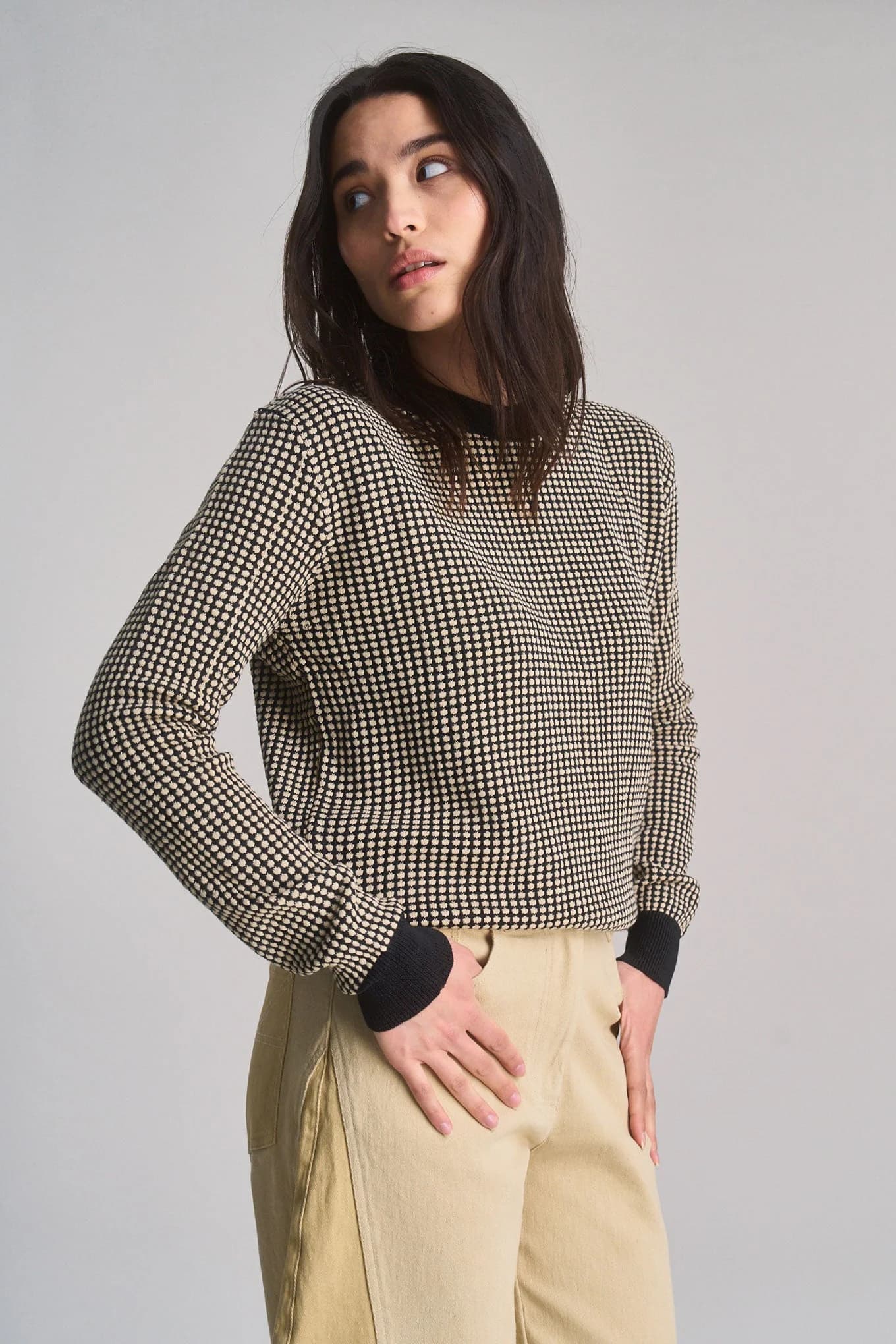
Organic Cotton Knit Polo

Komodo
Joshua Organic Cotton Check Trousers


Komodo
Organic Cotton Joggers

Komodo
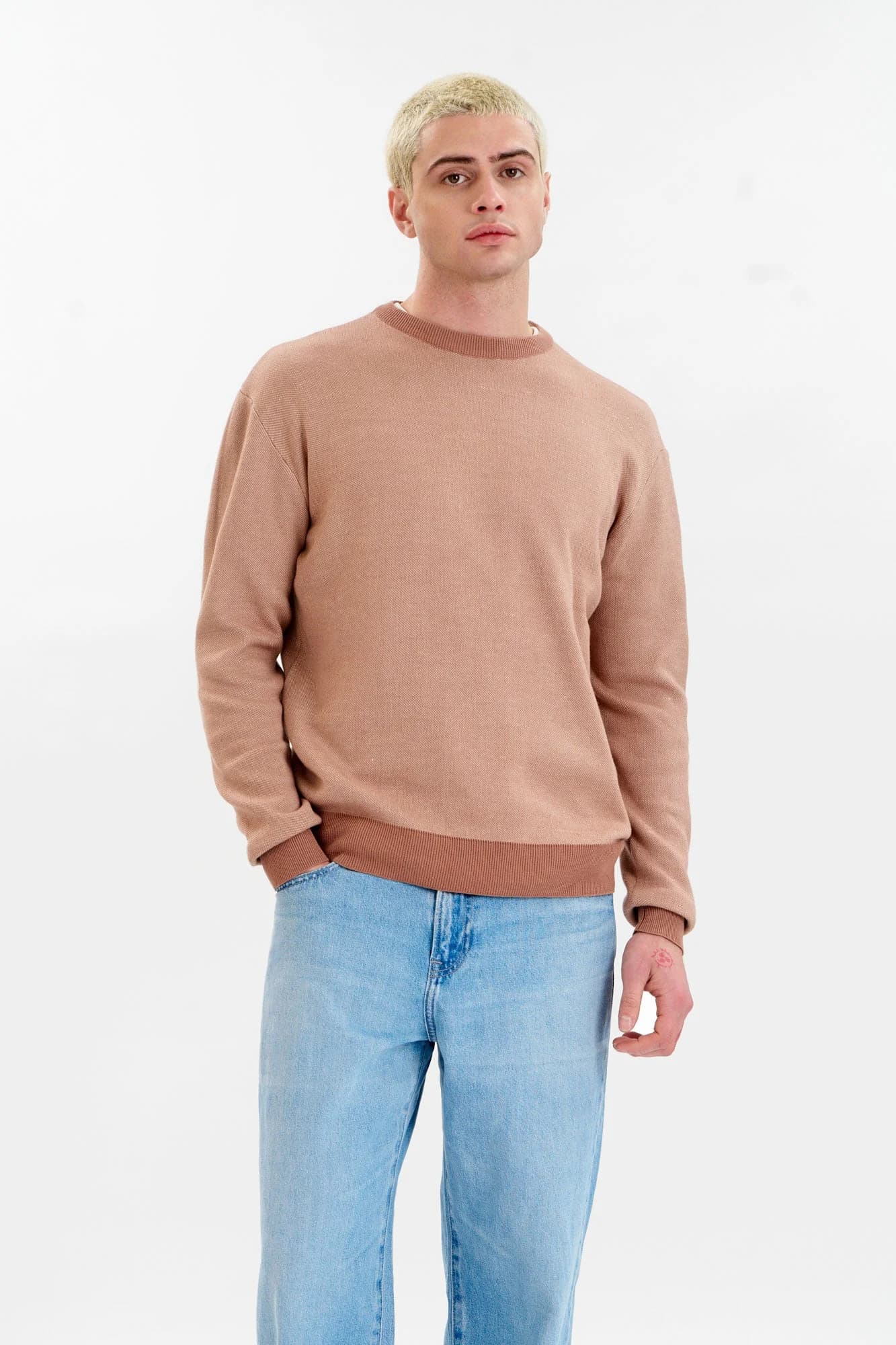
Organic Cotton Jumper Wine Red


Komodo
Organic Cotton Check Shorts


Komodo
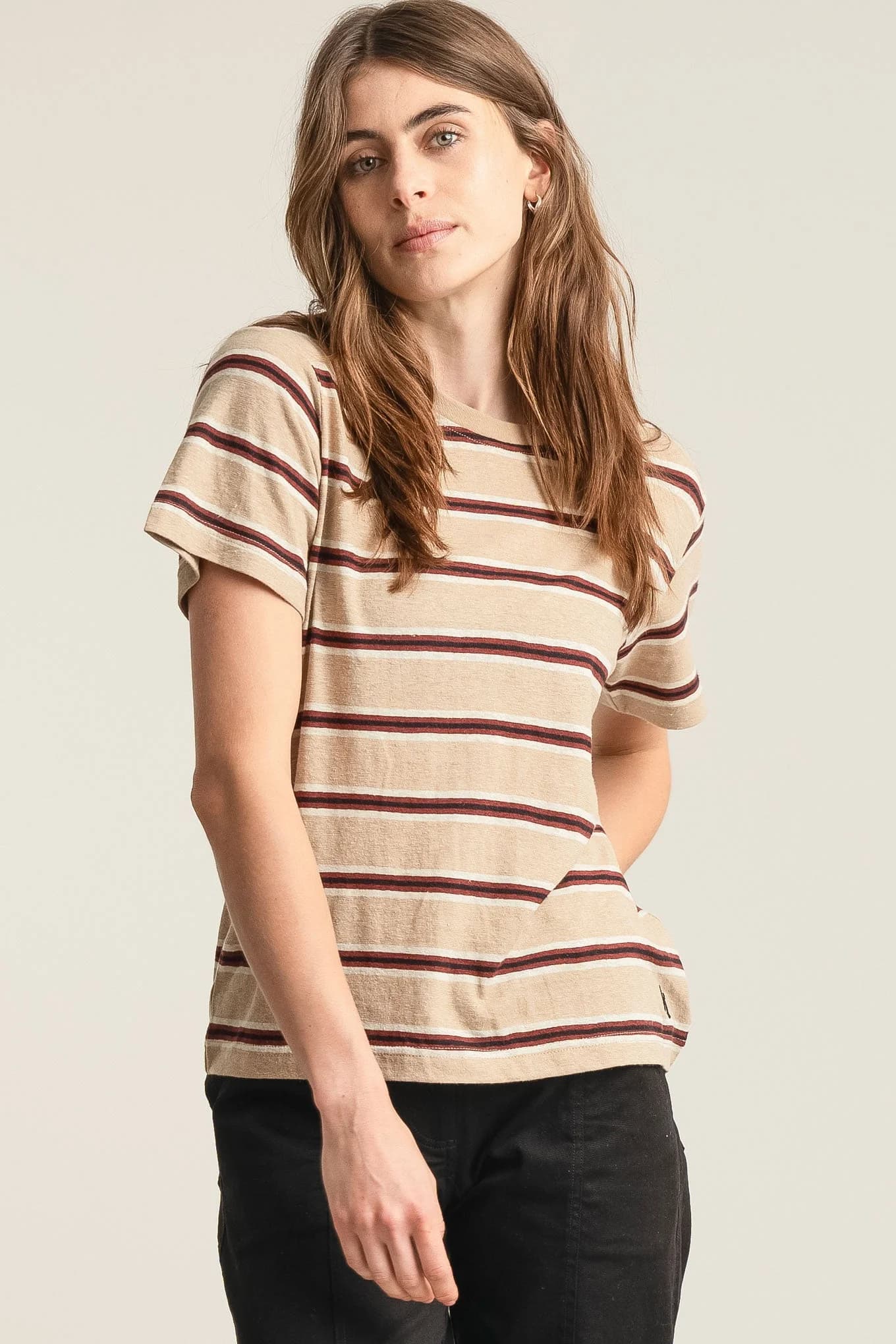
Hemp Cotton Jersey Tee


Votch
Bamboo Crossbody Bag

Showing 20 of 1120 products
Load moreChoosing Organic Clothing That Lasts
When you are looking for organic clothing, the material is just the starting point. The real test is how well it holds up to wear and washing, and whether the production process aligns with your values. Look for certifications like the Global Organic Textile Standard (GOTS), which covers the entire supply chain, from the harvesting of raw materials to environmentally and socially responsible manufacturing. This means not only are the fibres organic, but the dyes are non-toxic, and workers are treated fairly. Consider the garment's construction too: reinforced seams and quality stitching indicate a piece designed for longevity, reducing the need for frequent replacements. Think about versatility in your choices. A well-made organic cotton t-shirt or a linen dress that can be styled in multiple ways offers better value and a smaller environmental footprint than fast fashion alternatives.
Understanding Organic Certifications for Apparel
Navigating the world of organic clothing means understanding what different certifications actually signify. The Global Organic Textile Standard (GOTS) is the most comprehensive, ensuring textiles are organic from field to finished product. It sets strict environmental criteria for the entire organic textile supply chain and requires compliance with social criteria as well. This includes prohibiting child labour, ensuring safe working conditions, and fair wages. Other certifications, like Oeko-Tex Standard 100, focus on the absence of harmful substances in the final product but do not guarantee organic farming practices or ethical production. For truly organic apparel, GOTS is the benchmark. It provides assurance that the fabric is grown without harmful chemicals and that the manufacturing process minimises environmental impact and upholds social responsibility. Always check the labels for these specific certifications to be confident in your organic clothing choices.
Frequently asked questions
Q. What makes clothing genuinely organic?
Genuine organic clothing is made from natural fibres, such as cotton, linen, or hemp, that have been grown without the use of synthetic pesticides, herbicides, or genetically modified organisms. The Global Organic Textile Standard (GOTS) is the leading certification, ensuring that the entire production process, from farming to manufacturing, adheres to strict environmental and social criteria, including non-toxic dyes and fair labour practices.
Q. Why should I choose organic clothing over conventional options?
Choosing organic clothing reduces your exposure to harmful chemicals often found in conventionally grown fibres and their processing. It also supports farming practices that are better for soil health, biodiversity, and water conservation. For you, it means softer fabrics that are often more breathable and less likely to irritate sensitive skin. Every choice adds up to a more sustainable wardrobe.
Q. How can I tell if organic clothing is ethically produced?
Ethical production in organic clothing often goes hand-in-hand with environmental standards. Look for certifications like GOTS, which includes social criteria such as safe working conditions, no child labour, and fair wages throughout the supply chain. Brands that are transparent about their manufacturing facilities and supply chain partners also provide strong indicators of ethical practices.
Q. Does organic clothing last longer than regular clothing?
The longevity of organic clothing depends on the quality of the garment's construction, not just the organic nature of the fibre. However, organic fibres are often less damaged by harsh chemical processing, which can contribute to their durability. When combined with good craftsmanship, organic clothing can indeed last longer, offering better value and reducing textile waste.
Q. How should I care for my organic clothing to maintain its quality?
To maintain the quality and extend the life of your organic clothing, always follow the care instructions on the label. Generally, washing in cold water with a gentle, eco-friendly detergent and air-drying or tumble-drying on a low setting is recommended. This helps preserve the integrity of the natural fibres and minimises energy consumption, aligning with the sustainable ethos of organic apparel.