

Vegan Perfume
Finding a truly vegan perfume means looking beyond just the absence of animal testing; it also means ensuring no animal-derived ingredients are used in the fragrance itself. Our selection of vegan perfumes includes scents made with plant-based ingredients, offering sophisticated and long-lasting aromas without compromise. Each bottle is chosen for its transparent ingredient list and commitment to cruelty-free practices, making it easier to find a scent that aligns with your values.
5 products · sorted by most popular
Product type
Scent

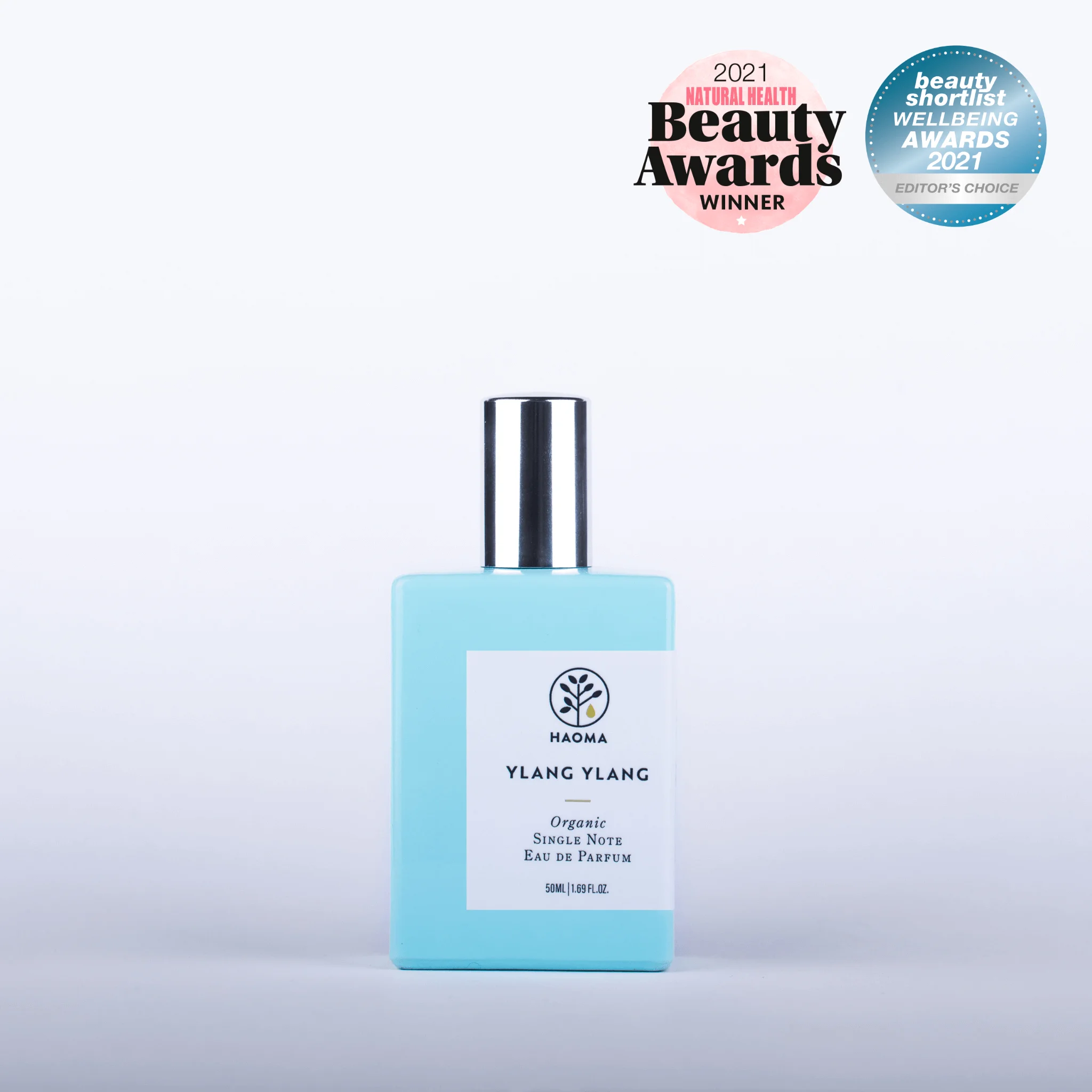
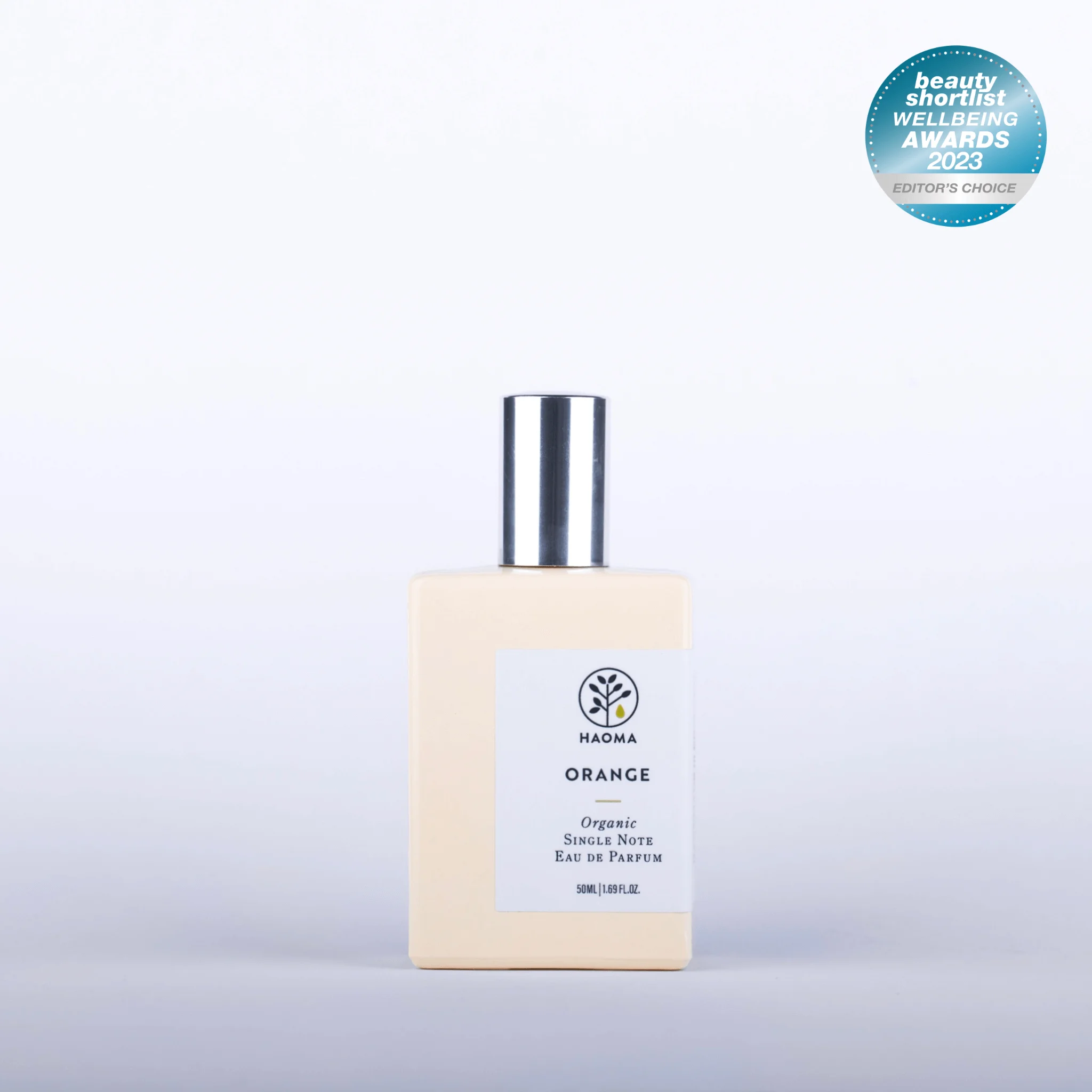

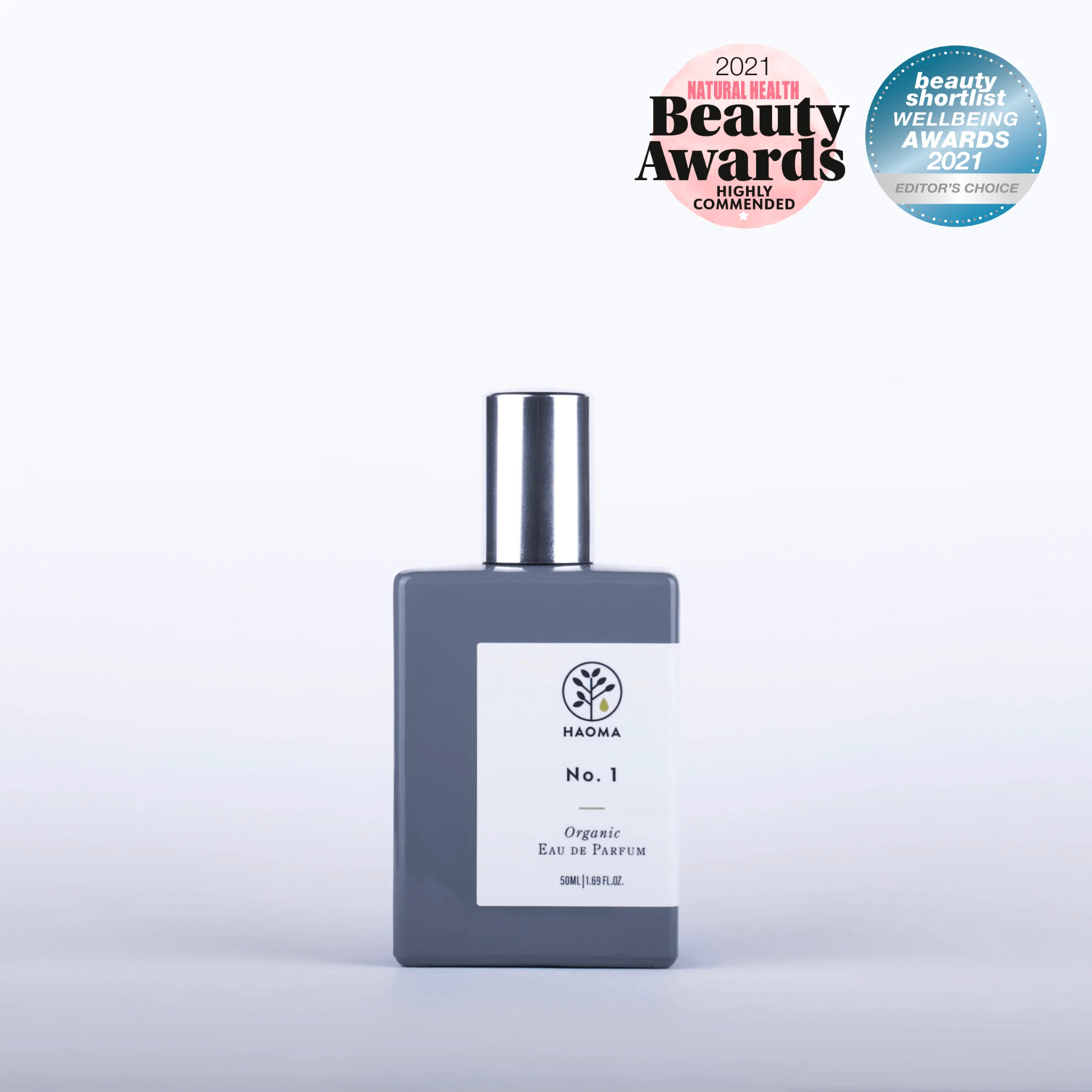
Related Categories
Choosing Your Vegan Perfume
When selecting a vegan perfume, the key is to understand the ingredients. Traditional perfumes can sometimes contain animal-derived components like civet, musk, ambergris, or castoreum, which are often used as fixatives or for specific scent profiles. Vegan alternatives achieve similar depth and longevity using plant extracts, synthetic molecules, or innovative biotechnology. Look for brands that clearly state their vegan status and provide full ingredient transparency. Consider the concentration of the fragrance too: Eau de Parfum (EDP) typically offers a stronger, longer-lasting scent compared to Eau de Toilette (EDT), which can influence your daily wear and how the scent develops on your skin.
Understanding Vegan Certification in Perfumery
A perfume being labelled 'vegan' means it contains no animal-derived ingredients. This is distinct from 'cruelty-free', which means no animal testing was involved in the product's development or manufacturing. While many vegan perfumes are also cruelty-free, it is important to check for both claims if both are important to you. Certifications from organisations like The Vegan Society or PETA's Beauty Without Bunnies programme can provide assurance. These certifications verify that the entire supply chain, from raw materials to the final product, adheres to strict vegan and cruelty-free standards. This level of scrutiny helps cut through greenwashing and ensures you are making a genuinely ethical choice.
Frequently asked questions
Q. What makes a perfume vegan?
A perfume is considered vegan when it contains no animal-derived ingredients. This includes common components like musk (often from deer), civet (from civet cats), ambergris (from sperm whales), and castoreum (from beavers), as well as honey, beeswax, or milk derivatives. Vegan perfumes rely entirely on plant-based ingredients or safe synthetic alternatives to create their fragrance profiles.
Q. Is vegan perfume also cruelty-free?
Not always, but often. Vegan refers to the ingredients, meaning no animal-derived components are used. Cruelty-free refers to the testing process, meaning no animal testing was conducted on the product or its ingredients. Many brands that produce vegan perfumes also adhere to cruelty-free practices, but it is important to check for both specific claims or certifications if both are important to your choice.
Q. How can I tell if a perfume is genuinely vegan?
The most reliable way to tell if a perfume is genuinely vegan is to look for official certifications from recognised organisations like The Vegan Society, Vegan Action, or PETA's 'Vegan' label. These certifications ensure that the product has been independently verified. Additionally, transparent ingredient lists and clear statements from the brand about their vegan status are good indicators.
Q. Do vegan perfumes last as long as traditional perfumes?
Yes, vegan perfumes can be just as long-lasting as traditional perfumes. The longevity of a fragrance depends more on its concentration (e.g., Eau de Parfum versus Eau de Toilette) and the quality of its ingredients, whether they are plant-based or synthetic, rather than the presence of animal-derived components. Modern vegan formulations use advanced techniques to ensure excellent sillage and staying power.
Q. What are common plant-based ingredients used in vegan perfume?
Vegan perfumes utilise a wide array of plant-based ingredients to create complex and beautiful scents. Common examples include essential oils and extracts from flowers like rose, jasmine, and ylang-ylang; citrus fruits such as bergamot and lemon; woods like sandalwood and cedarwood; and spices like vanilla and patchouli. Synthetic aroma molecules, when ethically sourced and produced, also play a significant role in modern vegan perfumery.