

Organic Perfume
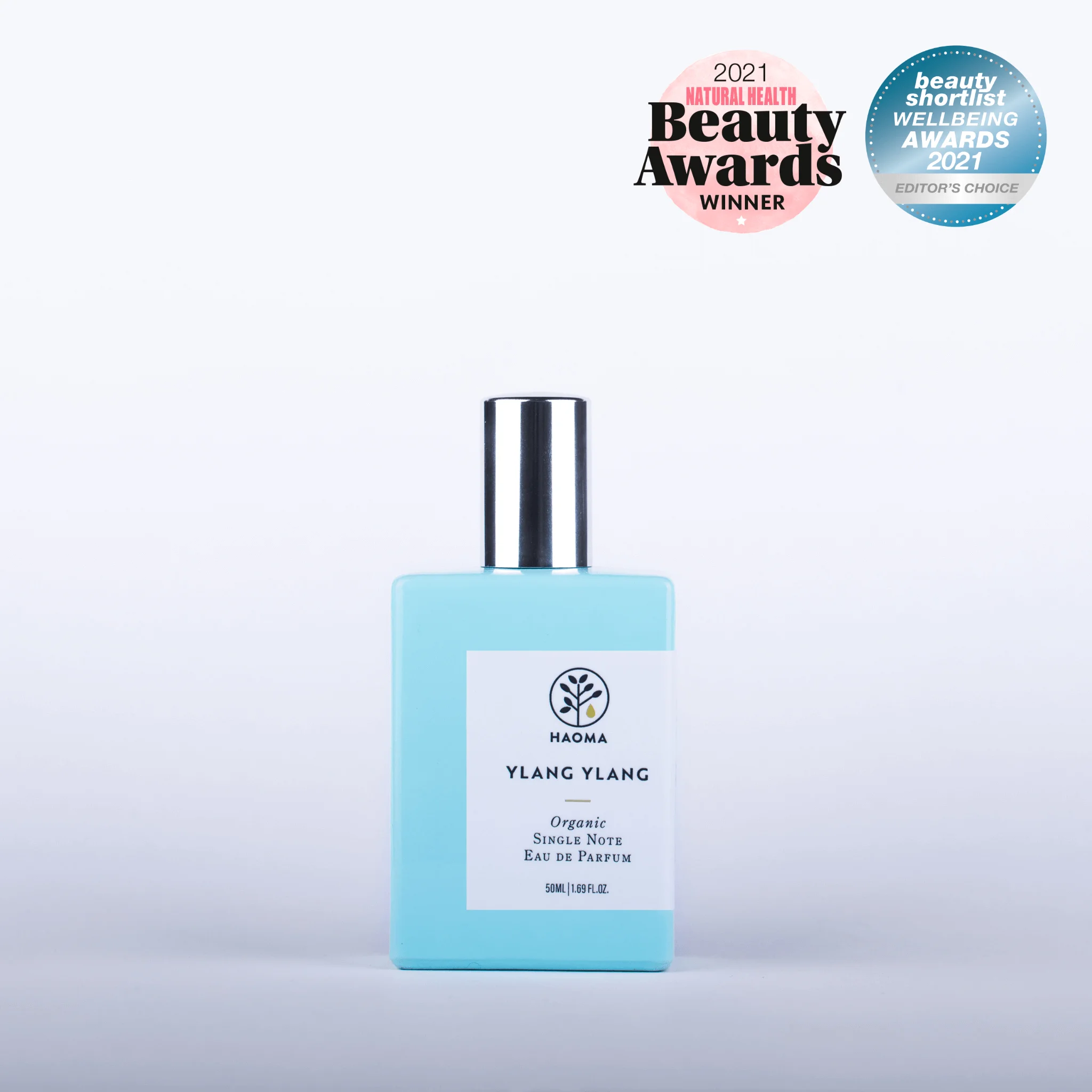
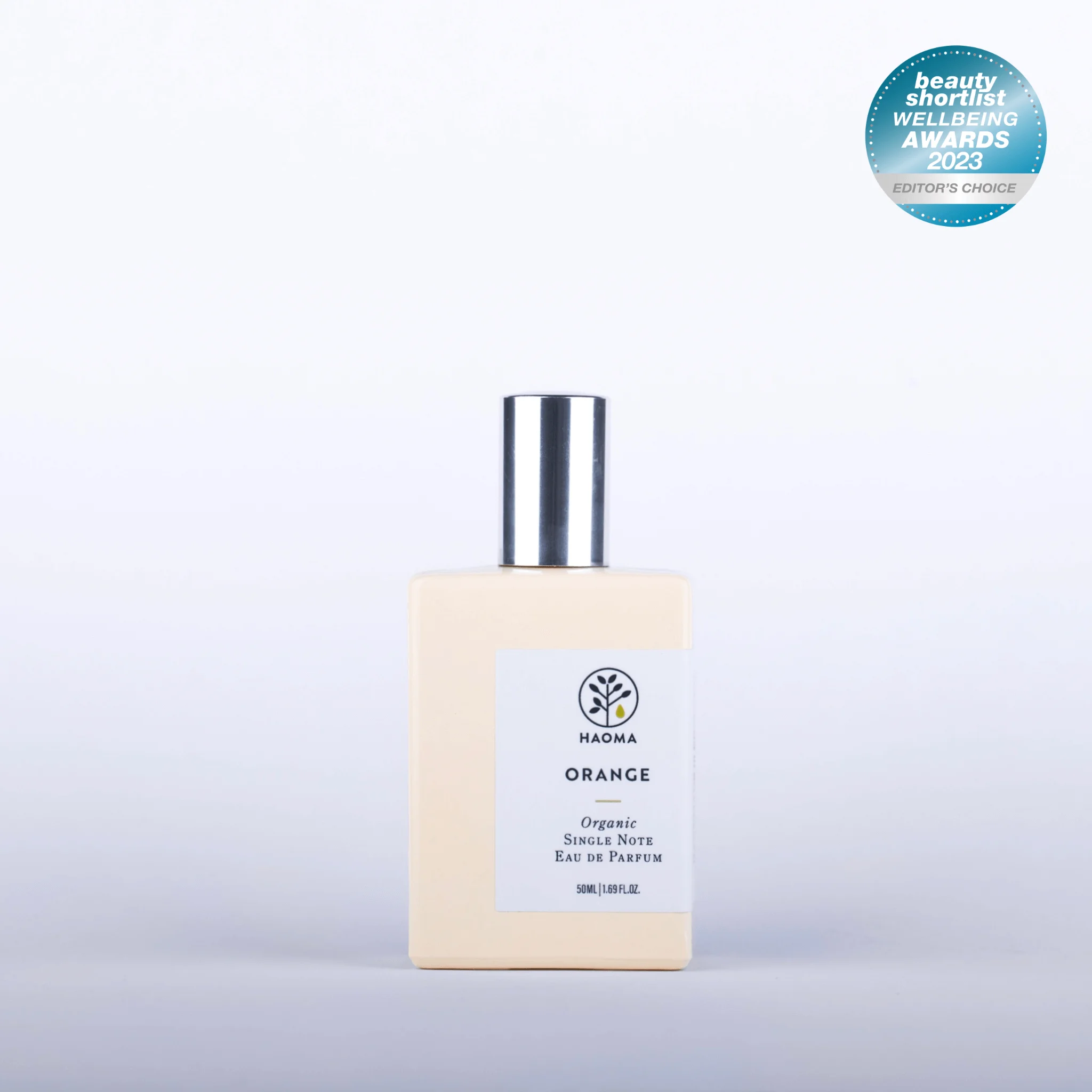
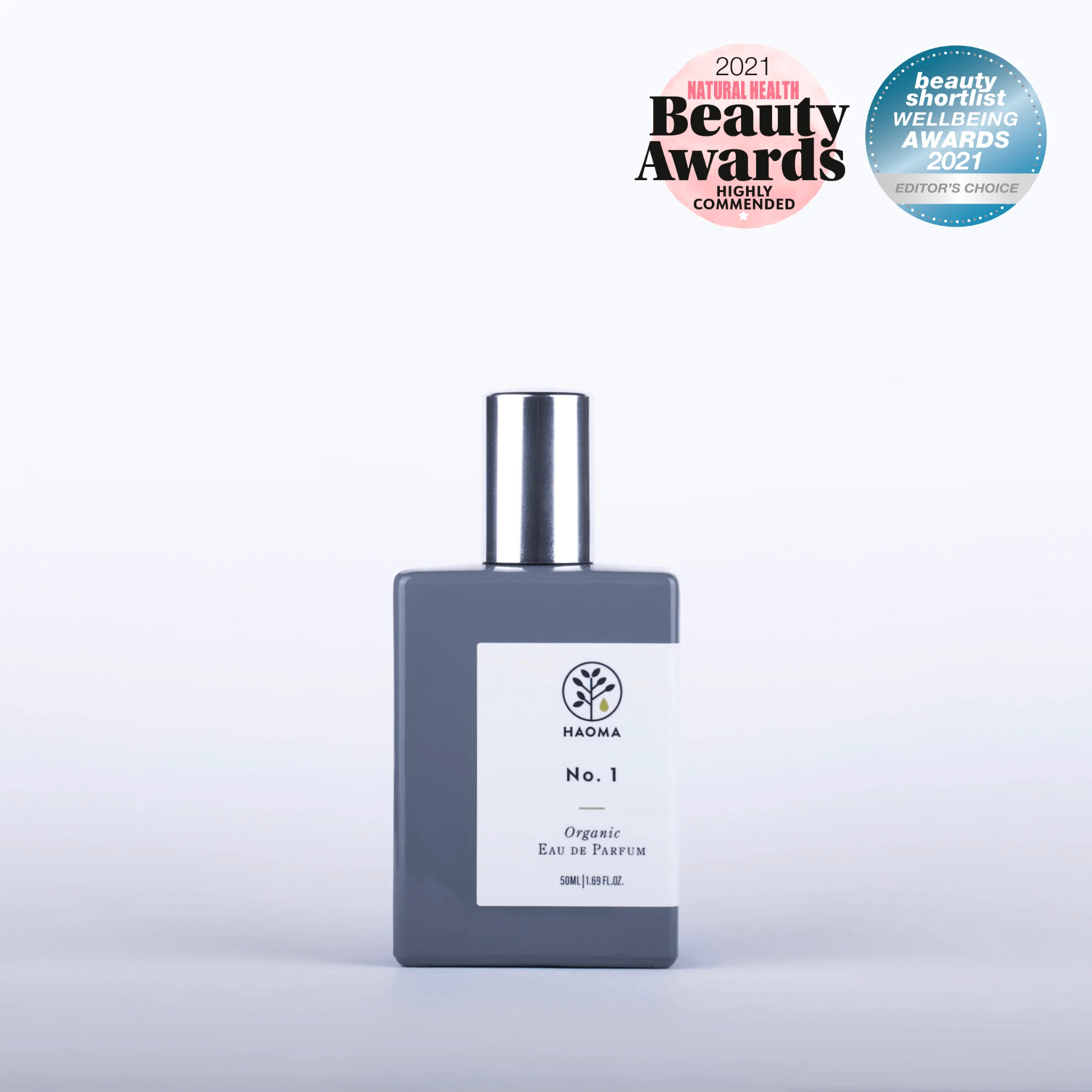
Organic perfume offers a way to enjoy beautiful scents without synthetic ingredients, often using essential oils and plant extracts for a natural aroma. Here, you will find fragrances that prioritise certified organic components, ensuring transparency in what you are applying to your skin. These options are formulated to be gentle while still providing a long-lasting and complex scent profile.
5 products · sorted by most popular
Product type
Scent


Related Categories
Choosing Your Organic Perfume
When selecting an organic perfume, consider the primary scent families you enjoy. Organic fragrances often lean into botanical notes like citrus, florals, woods, and spices, derived directly from plants. Look for perfumes that clearly list their ingredients, especially the percentage of organic content. Some brands will specify the origin of their essential oils, which can give you an idea of the quality and purity. Pay attention to the base notes, as these are what will linger longest on your skin. A good organic perfume will evolve over time, revealing different layers of its composition.
Understanding Organic Certifications for Perfume
The term 'organic' in perfume refers to ingredients grown and processed without synthetic pesticides, herbicides, or GMOs. Certifications like Ecocert, Soil Association, or USDA Organic provide independent verification that a product meets strict organic standards. While 100% organic perfume is rare due due to the need for non-organic components like water or alcohol, look for products with a high percentage of certified organic ingredients. These certifications ensure that the raw materials are sourced responsibly and that the manufacturing process minimises environmental impact. Always check the label for specific certifications rather than relying solely on marketing claims.
Frequently asked questions
Q. What makes a perfume organic?
An organic perfume is primarily composed of ingredients that have been grown and processed without synthetic pesticides, herbicides, or genetically modified organisms. This typically includes essential oils, plant extracts, and alcohol derived from organic sources. The focus is on natural origin and sustainable cultivation practices, reducing exposure to synthetic chemicals often found in conventional fragrances.
Q. Are organic perfumes as long-lasting as conventional ones?
The longevity of an organic perfume can vary, similar to conventional fragrances, depending on its concentration and the specific ingredients used. While some natural essential oils may evaporate more quickly than synthetic fixatives, many organic perfumes are formulated with a blend of base, middle, and top notes designed to provide a lasting scent experience. Applying to pulse points can also help prolong the fragrance.
Q. What should I look for in an organic perfume?
When choosing an organic perfume, prioritise products with clear ingredient lists and third-party organic certifications, such as Ecocert or Soil Association. These certifications confirm that a significant portion of the ingredients meet strict organic standards. Also, consider the scent profile and how it evolves on your skin, as natural fragrances can interact uniquely with individual body chemistry.
Q. Can organic perfume cause allergic reactions?
While organic perfumes use natural ingredients, it is still possible to experience allergic reactions, as some individuals can be sensitive to natural essential oils or plant extracts. It is always advisable to perform a patch test on a small area of skin before applying a new organic perfume more widely, especially if you have known sensitivities or allergies to certain botanicals.
Q. Why choose organic perfume over synthetic options?
Choosing organic perfume means opting for fragrances made with ingredients cultivated without synthetic pesticides or chemicals, which can be beneficial for both personal health and environmental impact. Many people find organic perfumes to have a more nuanced and natural scent profile, and they appreciate the transparency and ethical sourcing often associated with certified organic products.