

Organic Skincare
Organic skincare prioritises ingredients grown without synthetic pesticides or fertilisers, ensuring a purer product for your skin. This selection features formulations that are gentle yet effective, focusing on nourishing your complexion with ingredients like organic jojoba oil and shea butter. Each product meets strict organic standards, giving you confidence in what you are applying. It is about choosing products that work with your skin's natural balance, supporting its health without unnecessary additives.
Related Categories
154 products · sorted by most popular
Brands
Certifications
Product type
Dietary
For
Set type
Skin concern
Tool type
Colour
Volume
Material
Scent
Skin Type
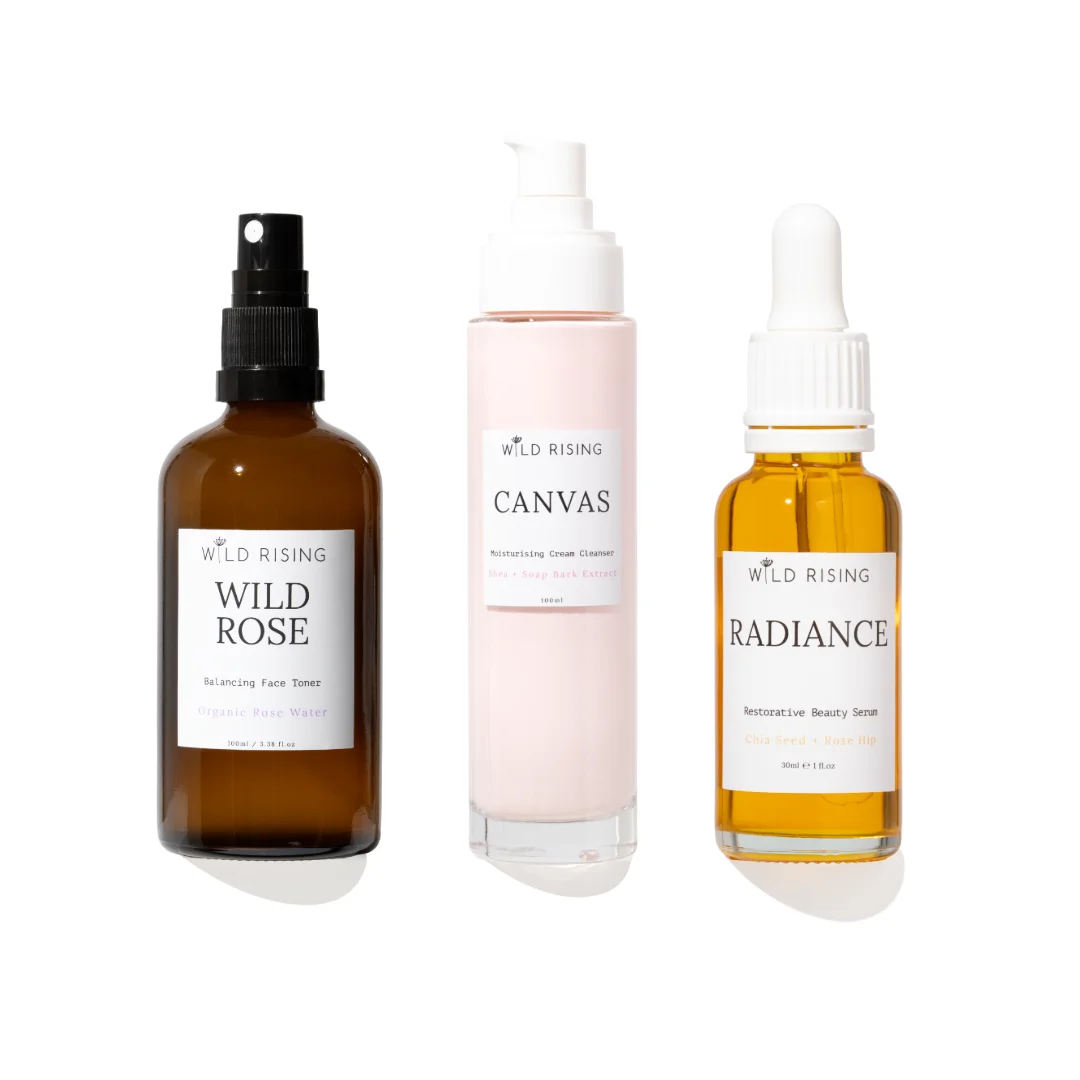
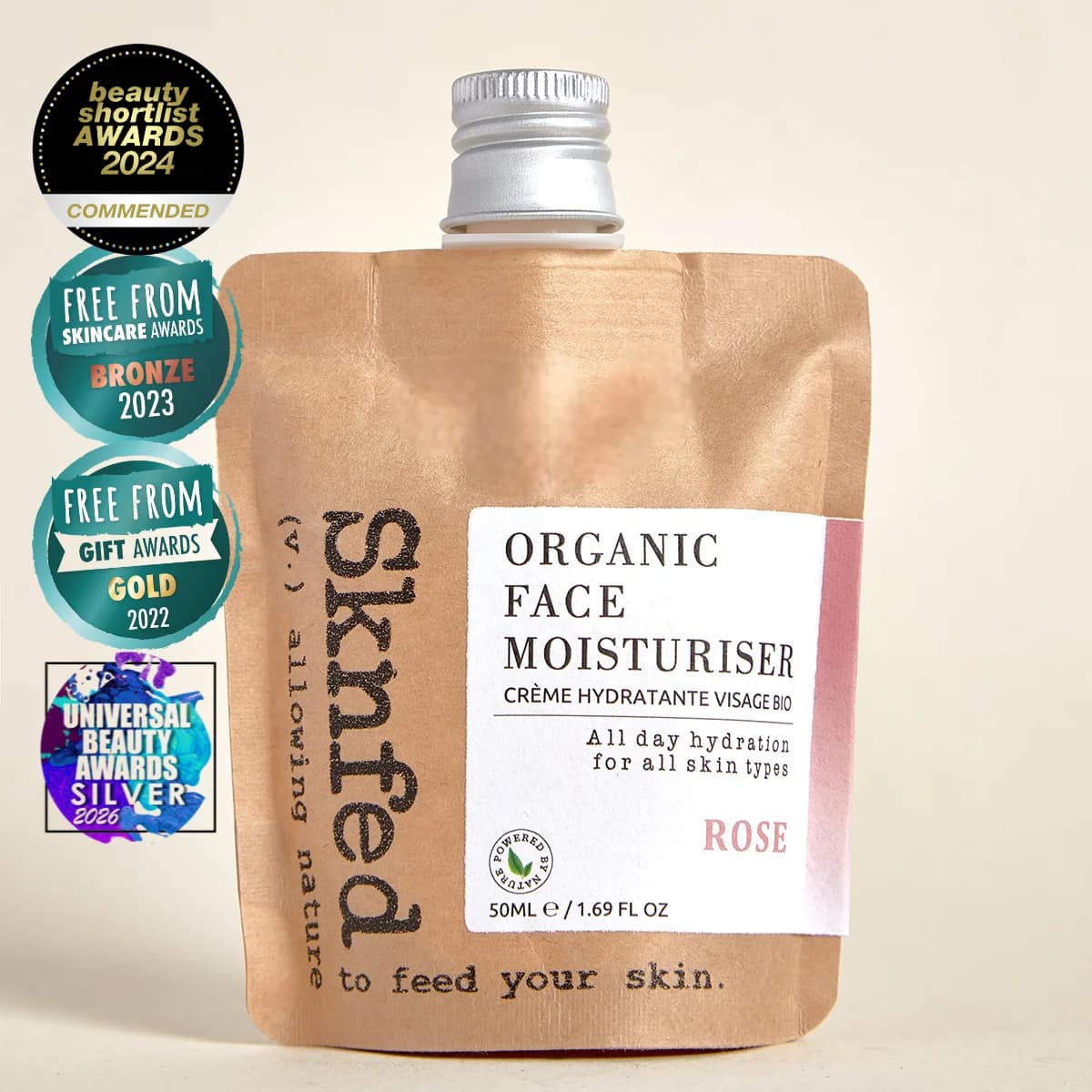


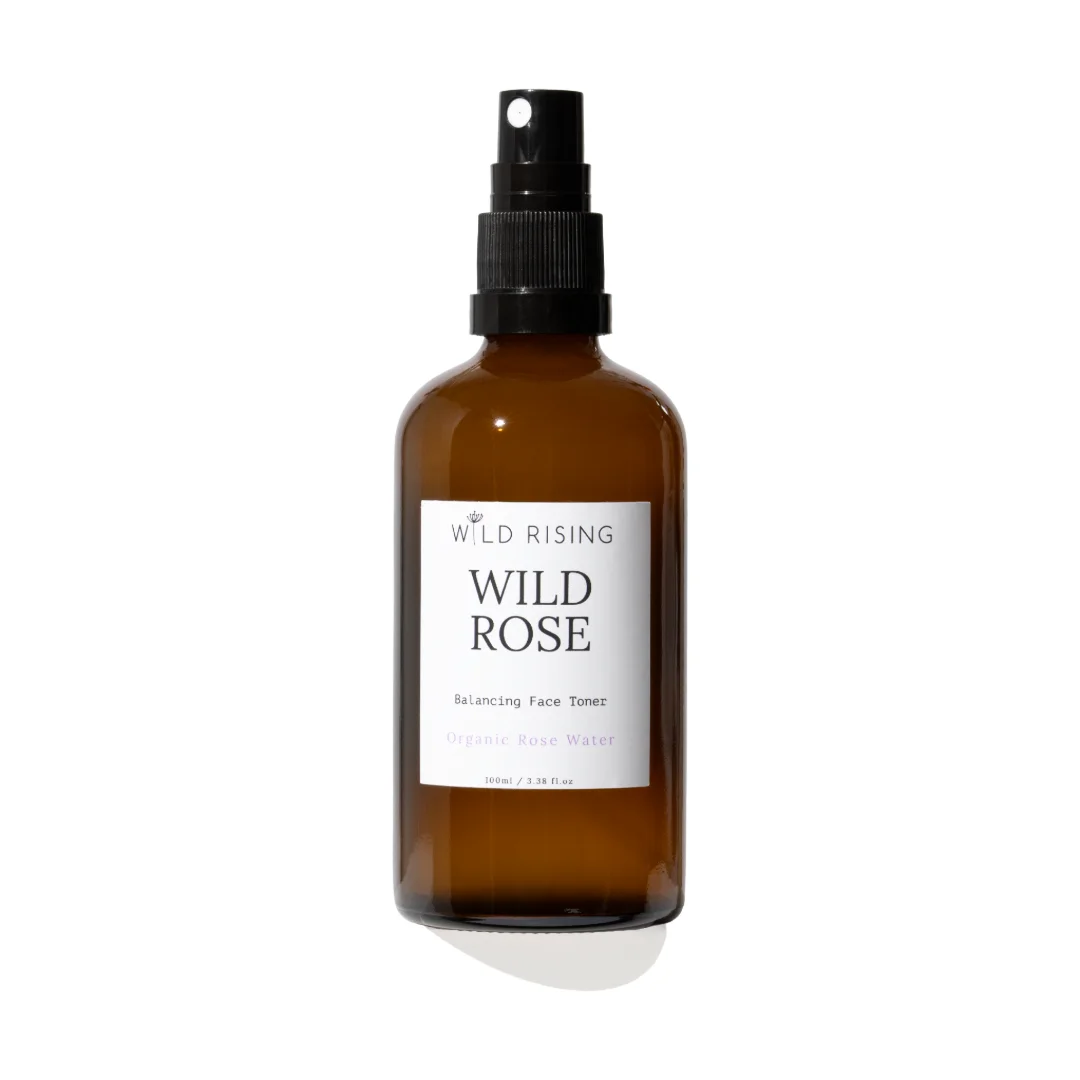


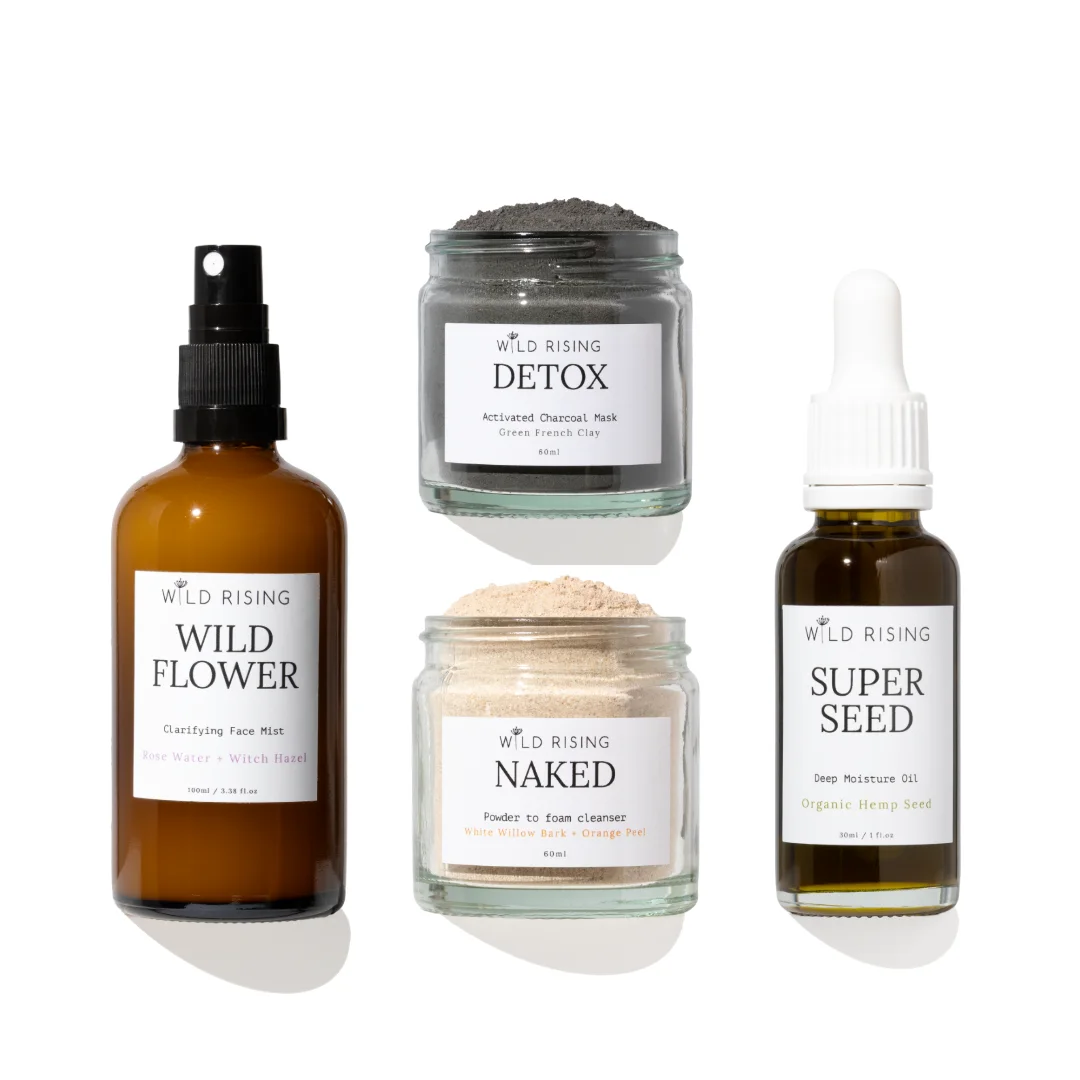


Showing 20 of 154 products
Load moreChoosing Organic Skincare That Works
When selecting organic skincare, the first thing to consider is your skin type and concerns. Just because a product is organic does not mean it is automatically suited for everyone. Look for formulations specifically designed for oily, dry, sensitive, or combination skin. For example, if you have oily skin, you might seek out organic cleansers with witch hazel or tea tree oil, while dry skin benefits from richer organic moisturisers containing ingredients like avocado oil or hyaluronic acid derived from organic sources. Always check the ingredient list for certifications like the Soil Association or Ecocert, which verify the organic content and ethical sourcing. These certifications act as a reliable indicator that the product adheres to rigorous standards beyond just marketing claims. Pay attention to packaging too; many organic brands also use sustainable, refillable, or recycled materials, which aligns with the overall ethos of conscious consumption.
Understanding Organic Certifications and Ingredients
The term 'organic' in skincare is regulated by various bodies, and understanding their standards helps you make informed choices. The Soil Association in the UK, for example, requires at least 95% organic ingredients for a product to be certified organic, with strict rules on the remaining 5%. Other certifications like Ecocert and COSMOS have similar high standards. These certifications often prohibit parabens, phthalates, synthetic fragrances, and GMOs, ensuring a cleaner product. When you see an organic certification, it means the entire supply chain, from farming to manufacturing, has been audited. Beyond certifications, familiarise yourself with common beneficial organic ingredients. Aloe vera, calendula, rosehip oil, and green tea extract are frequently found in organic skincare for their soothing, healing, and antioxidant properties. Knowing what these ingredients do can help you identify products best suited to your needs, moving beyond just the 'organic' label to truly understand the formulation.
Frequently asked questions
Q. What does 'organic' mean in skincare?
In skincare, 'organic' means that the ingredients are derived from plants and other natural sources grown without synthetic pesticides, herbicides, genetically modified organisms (GMOs), or artificial fertilisers. Products often carry certifications from bodies like the Soil Association or Ecocert, which verify that a high percentage of the ingredients meet these strict farming and processing standards, ensuring purity and environmental responsibility.
Q. How do I know if a skincare product is truly organic?
The most reliable way to identify truly organic skincare is to look for recognised certifications on the product packaging. Certifications from organisations such as the Soil Association, Ecocert, or COSMOS Organic indicate that the product has undergone rigorous third-party verification, ensuring its ingredients and manufacturing processes meet specific organic standards. These labels provide assurance beyond simple marketing claims.
Q. Is organic skincare better for sensitive skin?
Organic skincare can often be beneficial for sensitive skin because it typically avoids synthetic fragrances, dyes, parabens, and other harsh chemicals that can cause irritation. By using ingredients grown without pesticides, the risk of exposure to potential irritants is reduced. However, even natural organic ingredients can cause reactions in some individuals, so always patch-test new products if you have very sensitive skin.
Q. What are the benefits of using organic skincare?
The benefits of using organic skincare include reducing your skin's exposure to synthetic chemicals and potential irritants, as ingredients are grown without pesticides or artificial fertilisers. This can lead to fewer allergic reactions and a healthier skin barrier. Organic ingredients are also often richer in antioxidants and vitamins, providing enhanced nourishment and supporting overall skin health while being kinder to the environment through sustainable farming practices.
Q. Are organic skincare products effective?
Yes, organic skincare products are highly effective. Their efficacy comes from the potent, natural properties of their ingredients, which are often rich in vitamins, minerals, and antioxidants. Many organic ingredients, such as rosehip oil, aloe vera, and green tea extract, are well-evidenced for their ability to hydrate, soothe, protect, and rejuvenate the skin. The focus is on nourishing the skin with pure, high-quality botanical extracts rather than synthetic compounds.