

Organic Makeup
Finding organic makeup that truly performs can be a challenge, but here you will find options formulated with certified natural ingredients that deliver vibrant colour and lasting wear. These cosmetics prioritise skin health by avoiding synthetic chemicals, instead using plant-based pigments and nourishing oils. Every product meets strict organic standards, ensuring transparency from soil to skin.
Related Categories
34 products · sorted by most popular
Brands
Certifications
Product type
Dietary
Brush use
Colour
Volume
Material
Scent
Skin Type


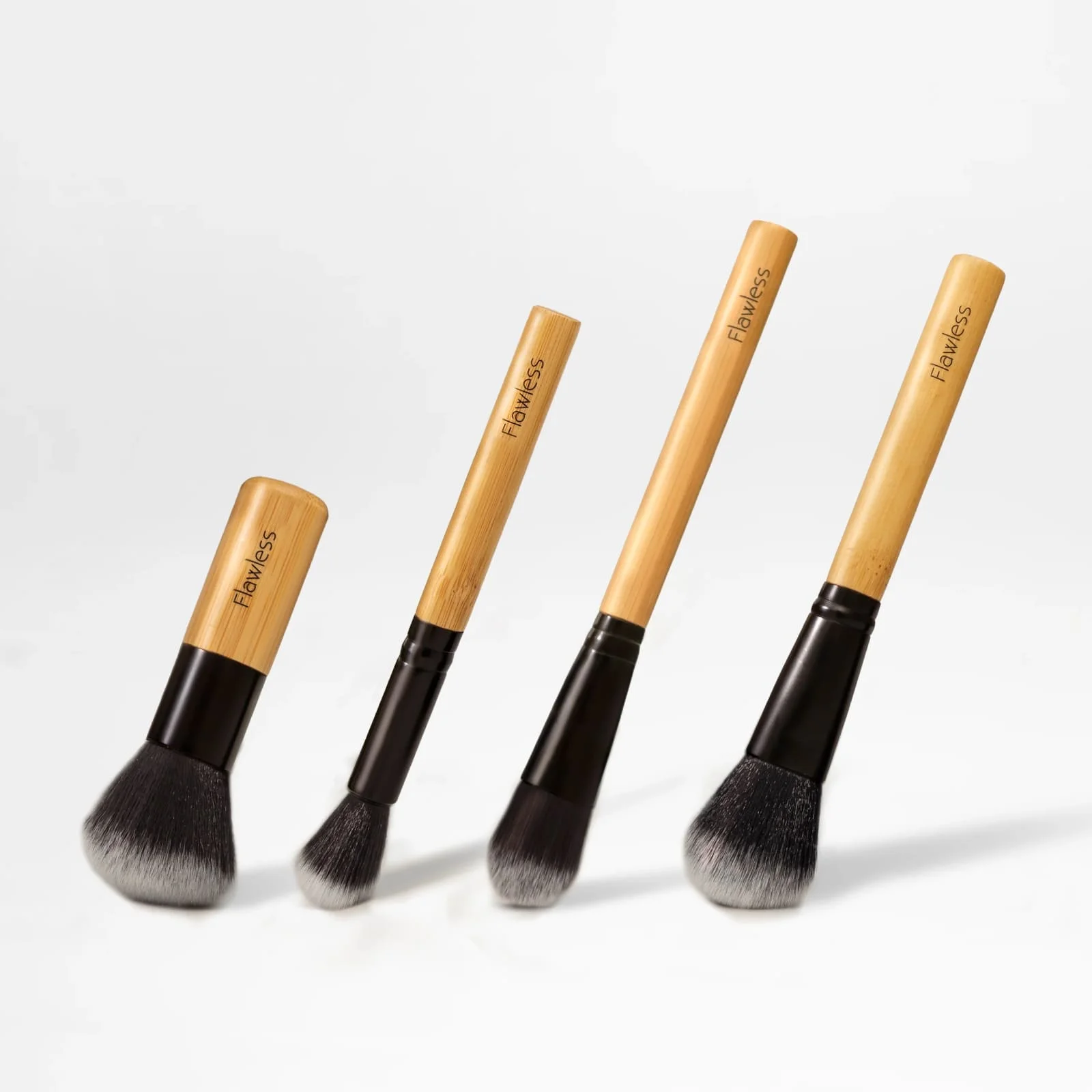

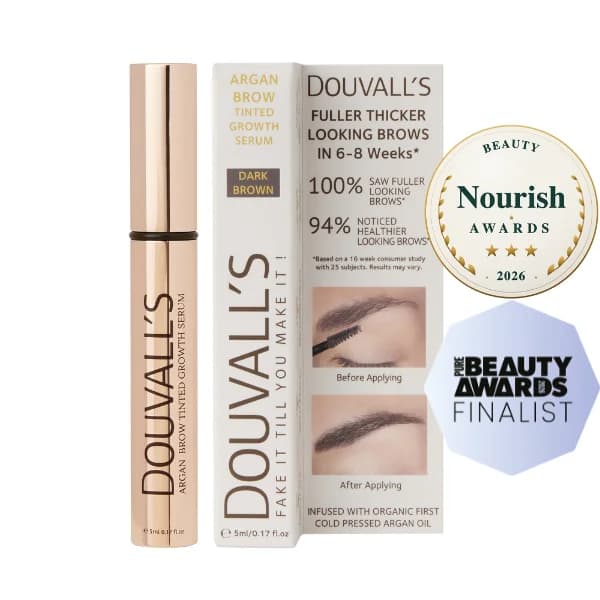


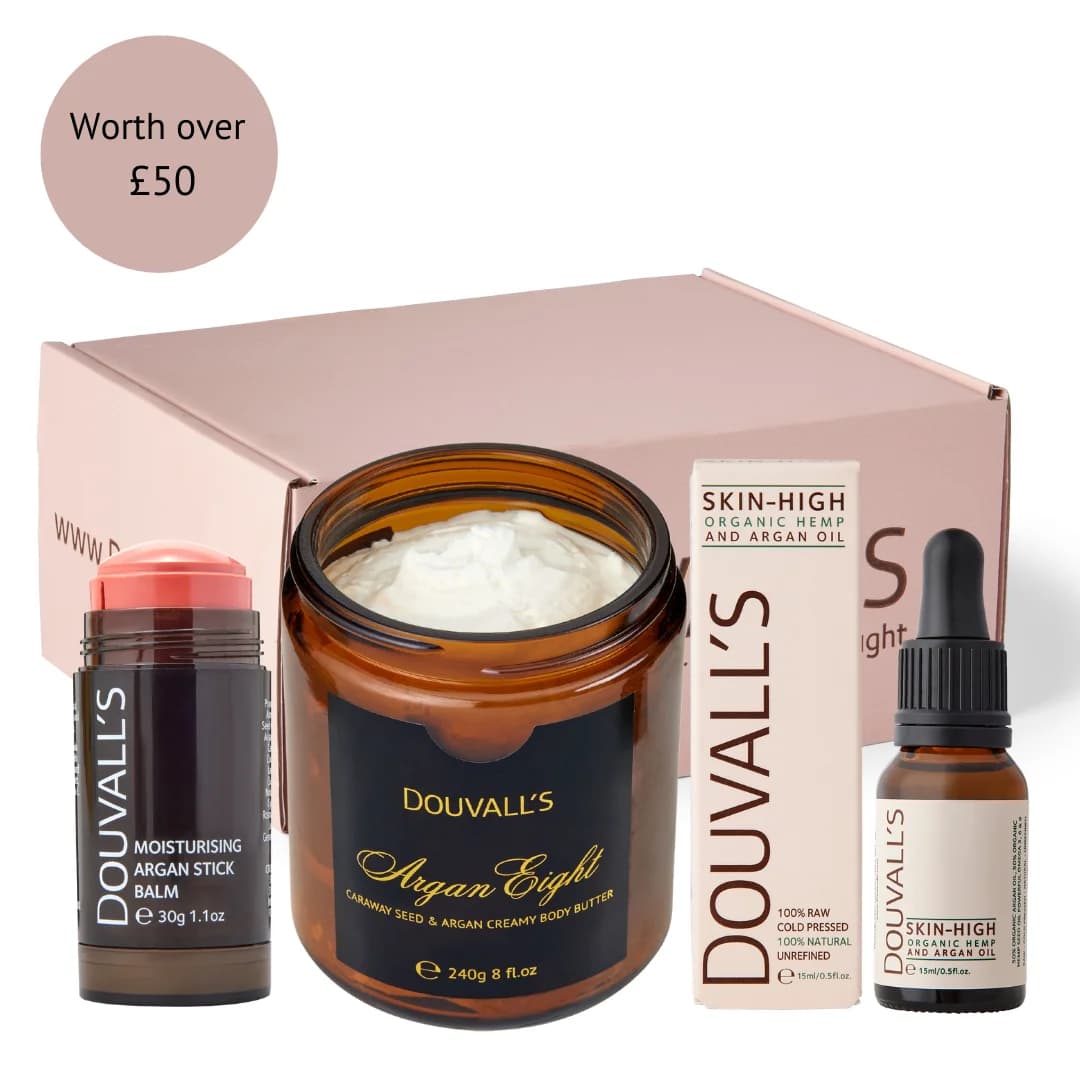

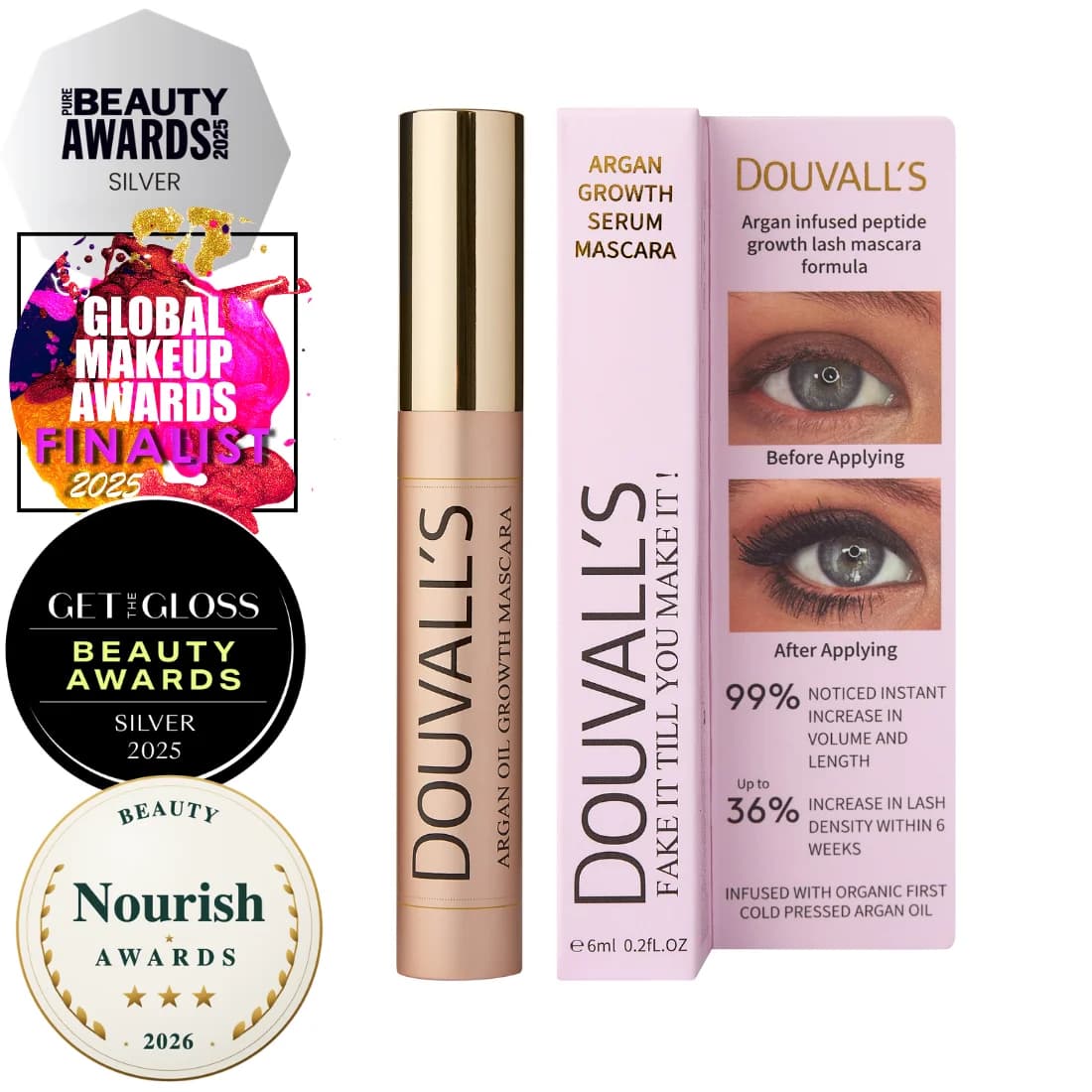


Showing 20 of 34 products
Load moreChoosing Organic Makeup that Performs
When you are looking for organic makeup, the key is to balance ethical sourcing with effective results. Start by checking for certifications like COSMOS Organic or Ecocert, which verify that ingredients are grown without synthetic pesticides and processed sustainably. These certifications also ensure a high percentage of natural and organic components in the final product. Pay attention to the ingredient list: look for plant-based oils such as jojoba, argan, or shea butter for nourishing properties, and mineral pigments for vibrant colour without artificial dyes. The texture and application should feel as good as conventional makeup, so consider reviews that speak to blendability and longevity. It is about finding products that not only align with your values but also integrate seamlessly into your beauty routine, offering both health benefits and a polished finish.
Understanding Organic Certifications for Cosmetics
Navigating the world of organic cosmetics means understanding what different labels signify. Certifications like COSMOS Organic and Ecocert are not just marketing terms; they represent rigorous standards for ingredient sourcing, manufacturing processes, and environmental impact. For example, COSMOS Organic requires that at least 95% of the physically processed agro-ingredients are organic, and a minimum of 20% organic ingredients in the total product. These standards restrict the use of parabens, phthalates, synthetic fragrances, and GMOs. Knowing these details helps you make informed choices, ensuring your organic makeup is genuinely free from harmful chemicals and produced with respect for the planet. It is about trusting that the product you are using has been vetted by an independent body, giving you confidence in its claims and composition.
Frequently asked questions
Q. What makes makeup truly organic?
Truly organic makeup is formulated with ingredients grown without synthetic pesticides, herbicides, or GMOs, and processed in an environmentally responsible way. Products often carry certifications like COSMOS Organic or Ecocert, which verify the percentage of organic ingredients and restrict synthetic additives, ensuring transparency and adherence to strict standards.
Q. How can I tell if organic makeup is effective?
The effectiveness of organic makeup can be assessed by looking at ingredient lists for high-quality natural pigments and nourishing plant oils that contribute to performance. Reading reviews that specifically mention blendability, colour payoff, and longevity can also provide insight into how well the product performs compared to conventional alternatives.
Q. Are organic makeup products suitable for sensitive skin?
Many organic makeup products are well-suited for sensitive skin because they avoid common irritants like synthetic fragrances, parabens, and artificial dyes. Instead, they often use soothing plant extracts and natural minerals. However, individual sensitivities vary, so always check the ingredient list for potential personal allergens.
Q. What certifications should I look for in organic makeup?
When buying organic makeup, look for reputable certifications such as COSMOS Organic, Ecocert, or Soil Association Organic. These labels indicate that a product has met stringent criteria for organic ingredient content, sustainable sourcing, and manufacturing practices, providing assurance of its organic claims.
Q. Does organic makeup have a shorter shelf life?
Organic makeup can have a comparable shelf life to conventional products, though some may use natural preservatives instead of synthetic ones. Always check the 'period after opening' (PAO) symbol, typically a small jar icon with a number and 'M' (e.g., 12M), which indicates how many months the product is good for after opening.