

Plastic Free Kitchen
A plastic free kitchen is simpler to achieve than you might think, with durable alternatives for everyday essentials. Here you will find everything from food storage to washing up brushes, all made from materials like stainless steel, glass, and bamboo. These choices not only reduce household waste but also offer a more natural aesthetic and often last longer than their plastic counterparts. Good for you, good for the planet.
44 products · sorted by most popular
Brands
Certifications
Product type
Dietary
Set size
Colour
Volume
Material
Style

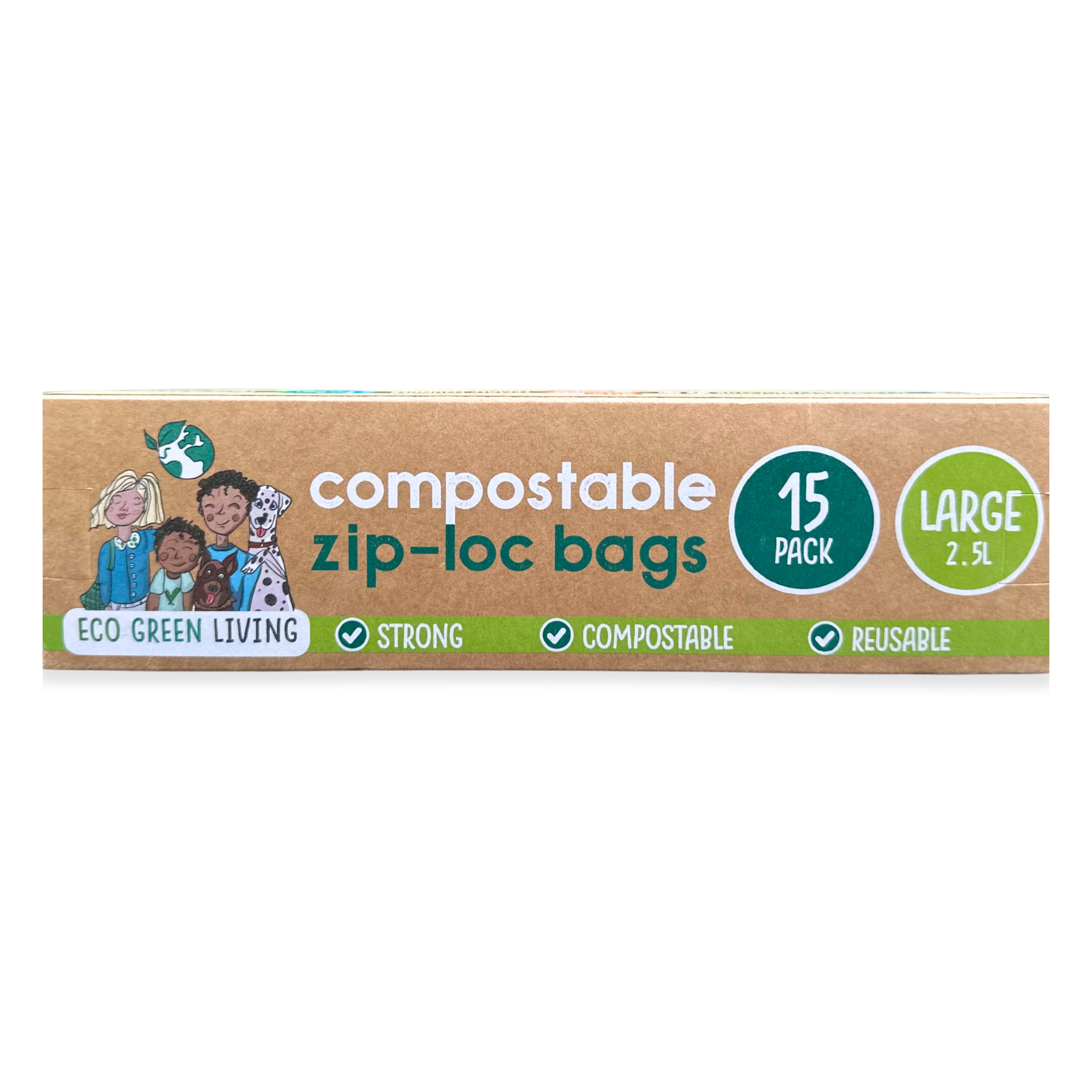


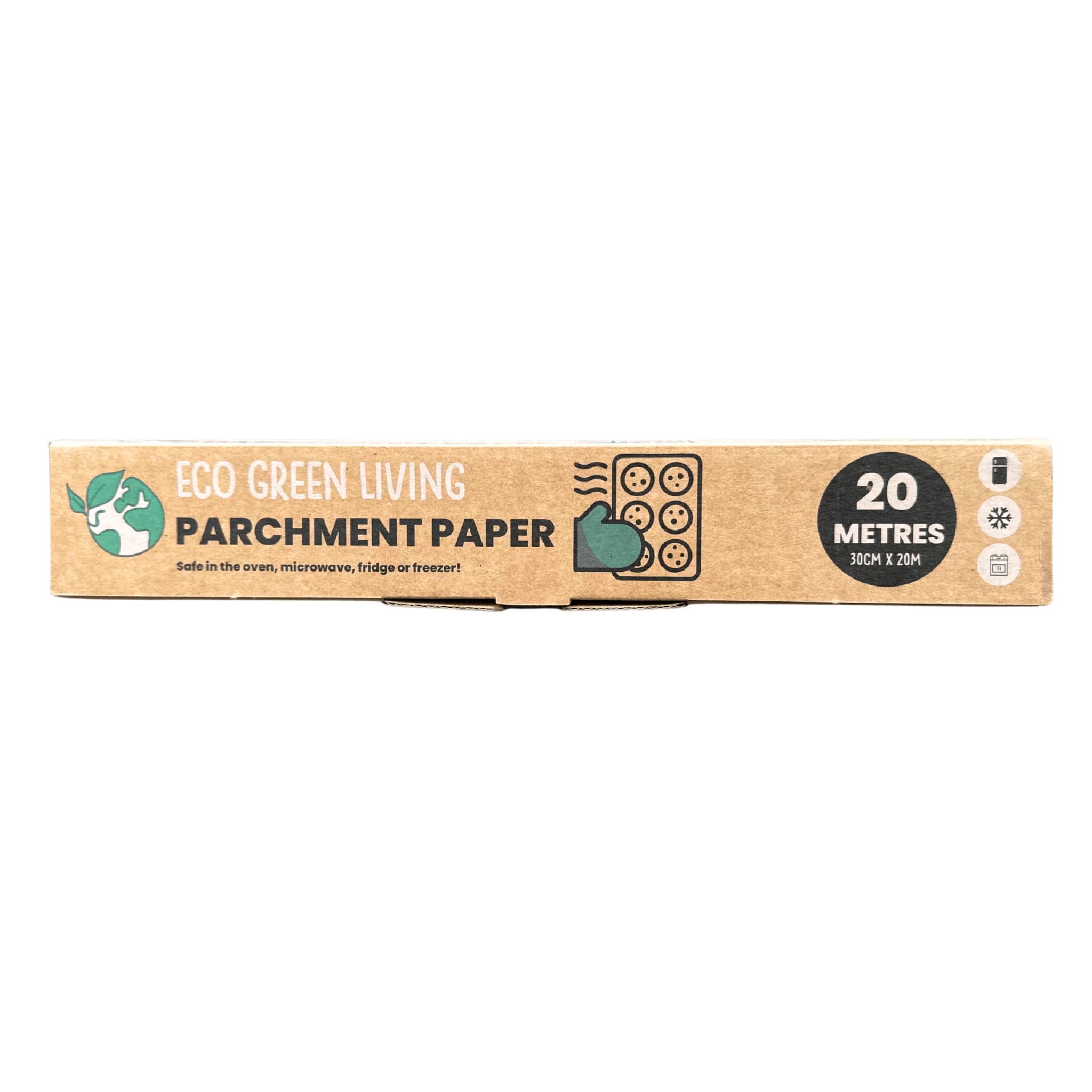


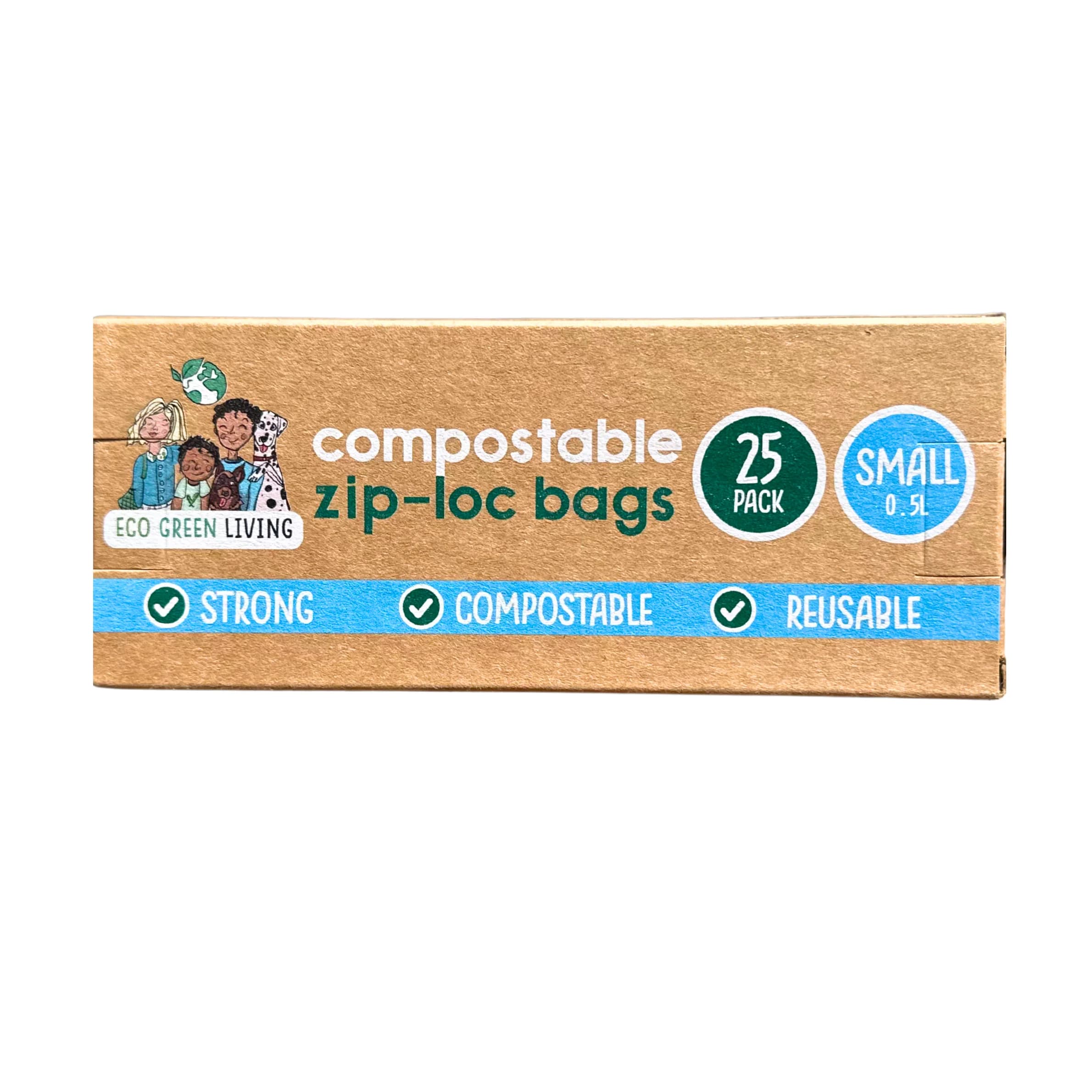
Green Island
Silicone Food Bag 1.5L




Showing 20 of 44 products
Load moreRelated Categories
Choosing Plastic Free Kitchen Essentials
When transitioning to a plastic free kitchen, focus on high-use items first. Consider what you use daily and where plastic might be easily replaced. For example, swap plastic food containers for glass or stainless steel options, which are more durable and do not leach chemicals into food. Look for reusable produce bags made from organic cotton or mesh, and replace plastic cling film with beeswax wraps or silicone lids. For cleaning, natural fibre brushes and sponges are effective and compostable. Prioritise items that are designed for longevity and can be repaired or recycled at the end of their life, ensuring a truly circular approach to your kitchenware.
The Ziracle Standard for Plastic Free Kitchen Products
At Ziracle, our plastic free kitchen range means products are made without virgin plastics, and we prioritise items that are entirely free from plastic components where possible. This includes packaging, which must also be plastic-free or minimal and easily recyclable. We look for materials like sustainably sourced wood, bamboo, natural rubber, glass, and food-grade stainless steel. Products must be functional and durable, designed to withstand daily use, reducing the need for frequent replacements. We verify claims around material sourcing and manufacturing processes to ensure they align with our commitment to environmental responsibility and ethical production. This way, you can trust that your plastic free choices are genuinely impactful.
Frequently asked questions
Q. What are the benefits of a plastic free kitchen?
A plastic free kitchen reduces your exposure to chemicals found in some plastics, such as BPA and phthalates, which can leach into food and drinks. It also significantly lowers household waste, contributing to a healthier planet by reducing landfill burden and ocean pollution. Many plastic-free alternatives, like glass and stainless steel, are more durable and aesthetically pleasing, offering long-term value and a cleaner look for your home.
Q. What are common plastic items in the kitchen and their alternatives?
Common plastic items include food storage containers, cling film, washing-up brushes, and disposable bags. Alternatives are glass or stainless steel containers for storage, beeswax wraps or silicone covers instead of cling film, natural fibre brushes for cleaning, and reusable cotton or mesh bags for shopping and produce. Even small changes, like a wooden chopping board over plastic, add up.
Q. How can I start making my kitchen plastic free?
Start with easy swaps for items you use frequently. Replace plastic sponges with loofahs or compostable scrubbers, and switch to solid dish soap bars instead of liquid in plastic bottles. Gradually replace plastic food storage with glass or stainless steel. Focus on one area at a time, like your cleaning supplies or food prep tools, to make the transition manageable and sustainable.
Q. Are plastic free kitchen products more expensive?
Initially, some plastic free kitchen products may have a higher upfront cost compared to their plastic counterparts. However, they are often designed for durability and longevity, meaning they last much longer and do not need frequent replacement. This can lead to cost savings over time. For example, a high-quality stainless steel water bottle will outlast many plastic ones, making it a more economical choice in the long run.
Q. What materials should I look for in plastic free kitchenware?
Look for materials such as food-grade stainless steel, glass (especially borosilicate for heat resistance), bamboo, wood, natural rubber, and silicone. For textiles, choose organic cotton or hemp. These materials are durable, often recyclable or compostable, and do not contain harmful chemicals. Always check for certifications that ensure responsible sourcing and manufacturing processes.