

Organic Shoes
Organic shoes here are made with materials like GOTS-certified cotton and natural rubber, ensuring a lower environmental footprint from cultivation to production. This selection focuses on footwear and care products that avoid synthetic pesticides and harmful chemicals, supporting healthier ecosystems and manufacturing processes. You will find options that are not only gentle on the planet but also durable and comfortable for everyday wear.
Related Categories
27 products · sorted by most popular
Brands
Certifications
Colour
Shoe Size
Material
Style

Komodo
Classic Organic Cotton Trainers


Ration.L
Slip-On Trainer


Komodo
Organic Cotton Trainers

Ration.L
Vegan Trainer Venus Camel

Ration.L
Mercury Black Trainer


Komodo
Classic Organic Cotton Trainers


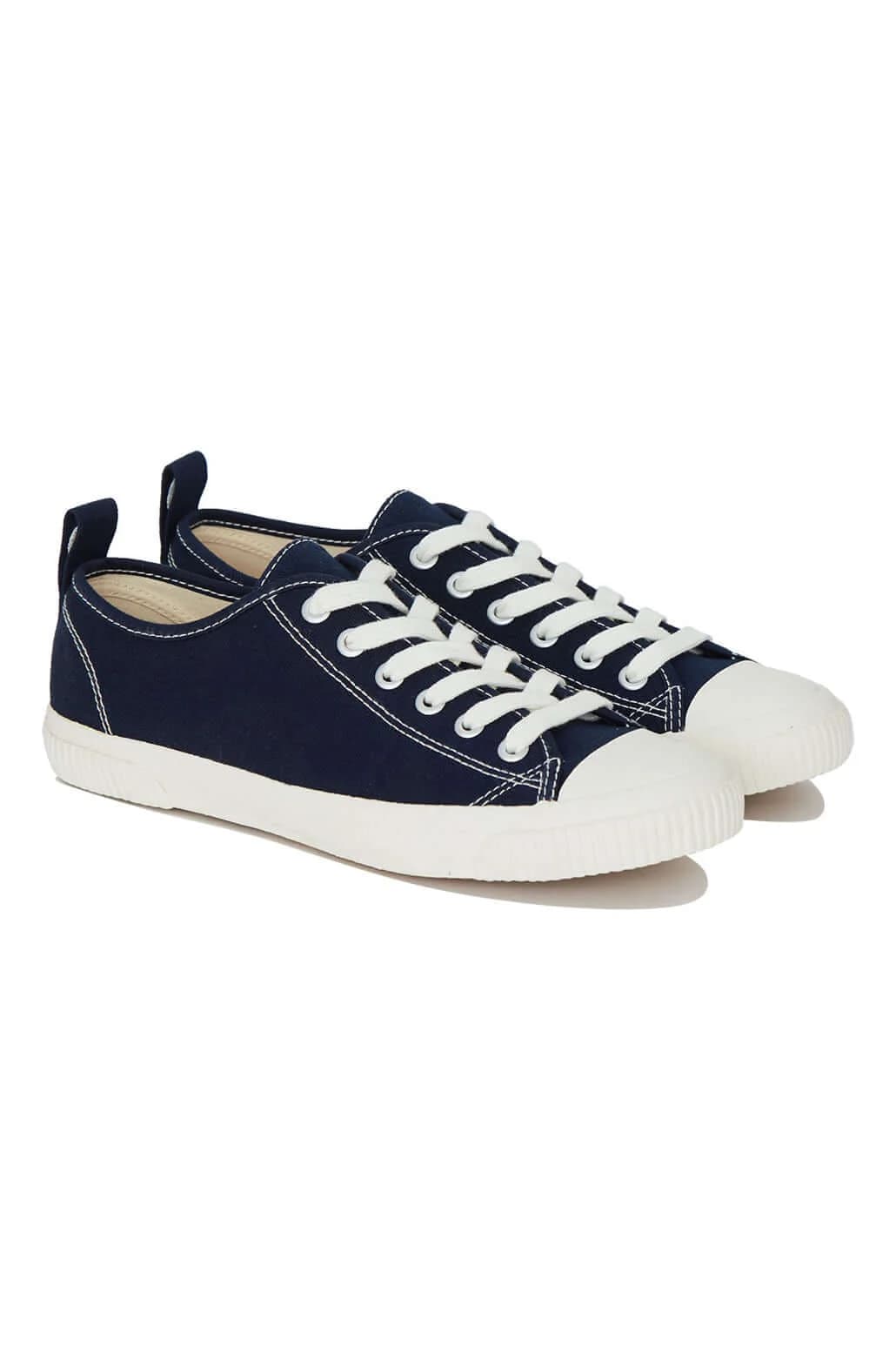
Komodo
Classic Organic Cotton Trainer

Ration.L
Mars Rustic Trainer
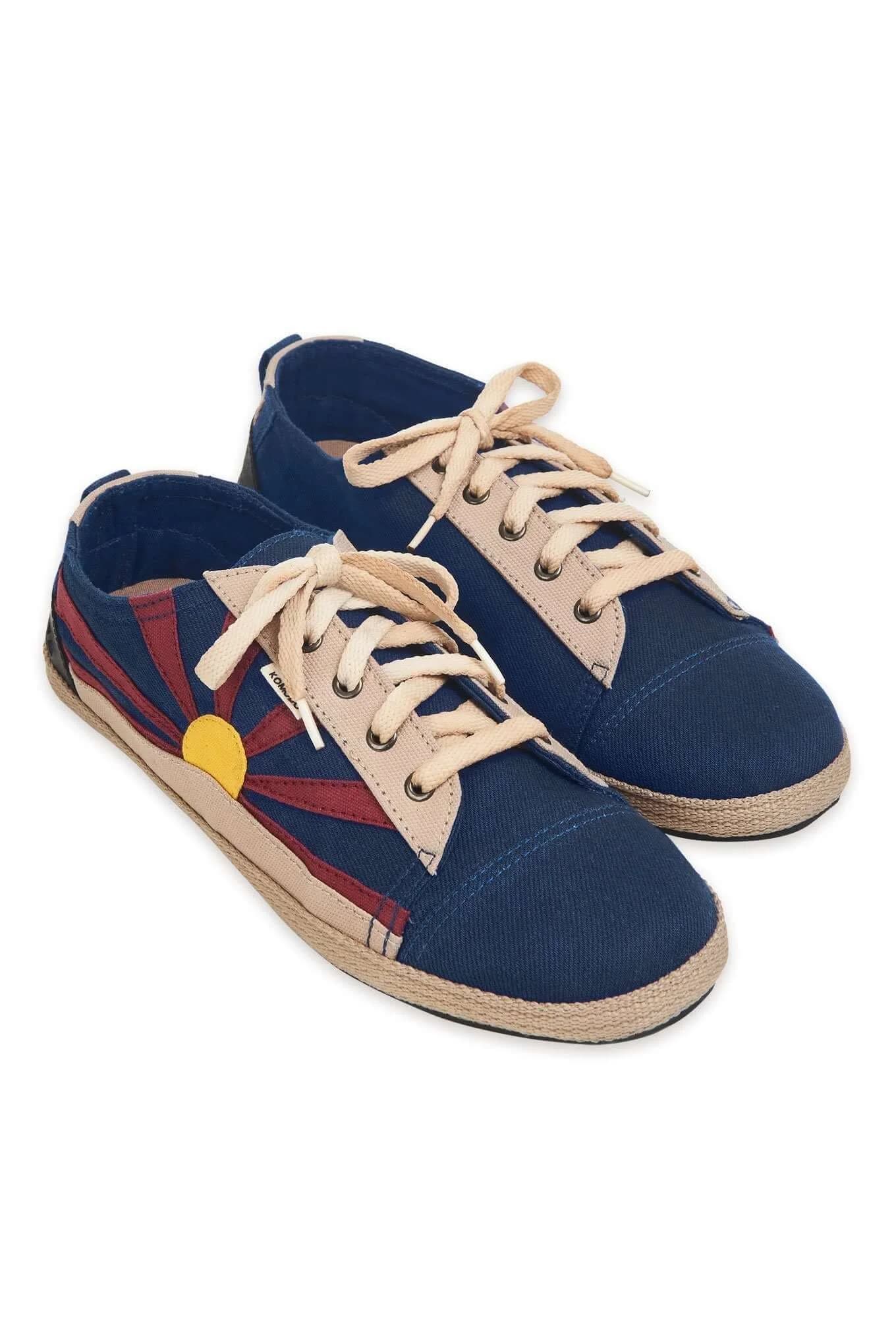
Komodo
Navy Canvas Shoe
Showing 20 of 27 products
Load moreUnderstanding Organic Footwear Materials
When choosing organic shoes, the material composition is key. Look for certifications such as the Global Organic Textile Standard (GOTS) for cotton, which guarantees that the fibres are grown without synthetic pesticides, herbicides, or GMOs. This standard also covers social criteria for workers and restricts toxic chemicals in the dyeing and finishing processes. For soles, natural rubber is a common organic choice, harvested from rubber trees without harmful chemical treatments. Other materials like organic hemp or linen also feature, offering breathability and durability. Understanding these material distinctions helps you identify truly organic options that align with your values.
Why Choose Organic Footwear & Care?
Opting for organic footwear and care products goes beyond just avoiding chemicals; it supports a more responsible supply chain. Conventional cotton farming, for instance, is one of the most pesticide-intensive agricultural practices globally, which can degrade soil health and pollute water systems. By choosing organic, you are supporting farming methods that build soil fertility, protect biodiversity, and reduce water usage. For footwear care, organic solutions often use plant-based ingredients that are biodegradable and free from harsh solvents, extending the life of your shoes without introducing harmful substances into your home or the environment. It is a choice that benefits both the planet and your personal well-being.
Frequently asked questions
Q. What makes a shoe 'organic'?
A shoe is considered 'organic' primarily based on its material composition. This means the main components, such as cotton, hemp, or rubber, are grown or harvested using organic farming practices that avoid synthetic pesticides, herbicides, and genetically modified organisms. Certifications like GOTS (Global Organic Textile Standard) provide assurance that these materials meet strict environmental and social criteria throughout the supply chain, from raw material to finished product.
Q. Are organic shoes as durable as conventional ones?
Yes, organic shoes can be just as durable as their conventional counterparts. Durability is more dependent on the quality of craftsmanship and the specific type of material used, rather than whether it's organic or not. Organic cotton, hemp, and natural rubber are all robust materials known for their strength and longevity when properly constructed. Many brands specialising in organic footwear also focus on ethical production and high-quality manufacturing to ensure a long-lasting product.
Q. What certifications should I look for in organic shoes?
The most recognised certification for organic textiles in footwear is the Global Organic Textile Standard (GOTS). This certification covers the processing, manufacturing, packaging, labelling, trading, and distribution of all textiles made from at least 70% certified organic natural fibres. For rubber components, look for indications of sustainably harvested natural rubber. These certifications provide independent verification that the materials and production processes meet rigorous organic and ethical standards.
Q. How should I care for organic shoes?
Caring for organic shoes often involves using gentle, natural cleaning products to maintain the integrity of the organic materials. For organic cotton or canvas, a mild soap and water solution applied with a soft brush can clean most stains. Natural rubber soles can be wiped clean. Avoid harsh chemical cleaners, as these can degrade organic fibres and finishes. Always check the manufacturer's specific care instructions, as some organic materials may require particular attention.
Q. Do organic shoes cost more?
Organic shoes can sometimes have a higher upfront cost compared to conventional options. This is often due to the increased cost of organic raw materials, the more labour-intensive farming practices, and the stricter environmental and social standards upheld throughout the production process. However, this investment often translates into a more durable product and supports a supply chain that prioritises environmental health and fair labour practices, offering long-term value beyond the initial price.