

Organic Clothing
Organic clothing here is made with fibres grown without synthetic pesticides or fertilisers, ensuring a gentler impact on the planet and your skin. From everyday basics to comfortable loungewear, these pieces meet strict environmental and social standards. We focus on well-made garments that last, using materials like GOTS-certified organic cotton and responsibly sourced linen, so you can build a wardrobe that aligns with your values without compromising on quality or style.
Related Categories
795 products · sorted by most popular
Brands
Certifications
Product type
Sleeve
Colour
Clothing Size
Material
Fit
Style

Komodo
Organic Cotton Knit Polo


Komodo
Joshua Organic Cotton Check Trousers


Komodo
Organic Cotton Joggers

Komodo
Organic Cotton Jumper Wine Red


Komodo
Organic Cotton Check Shorts


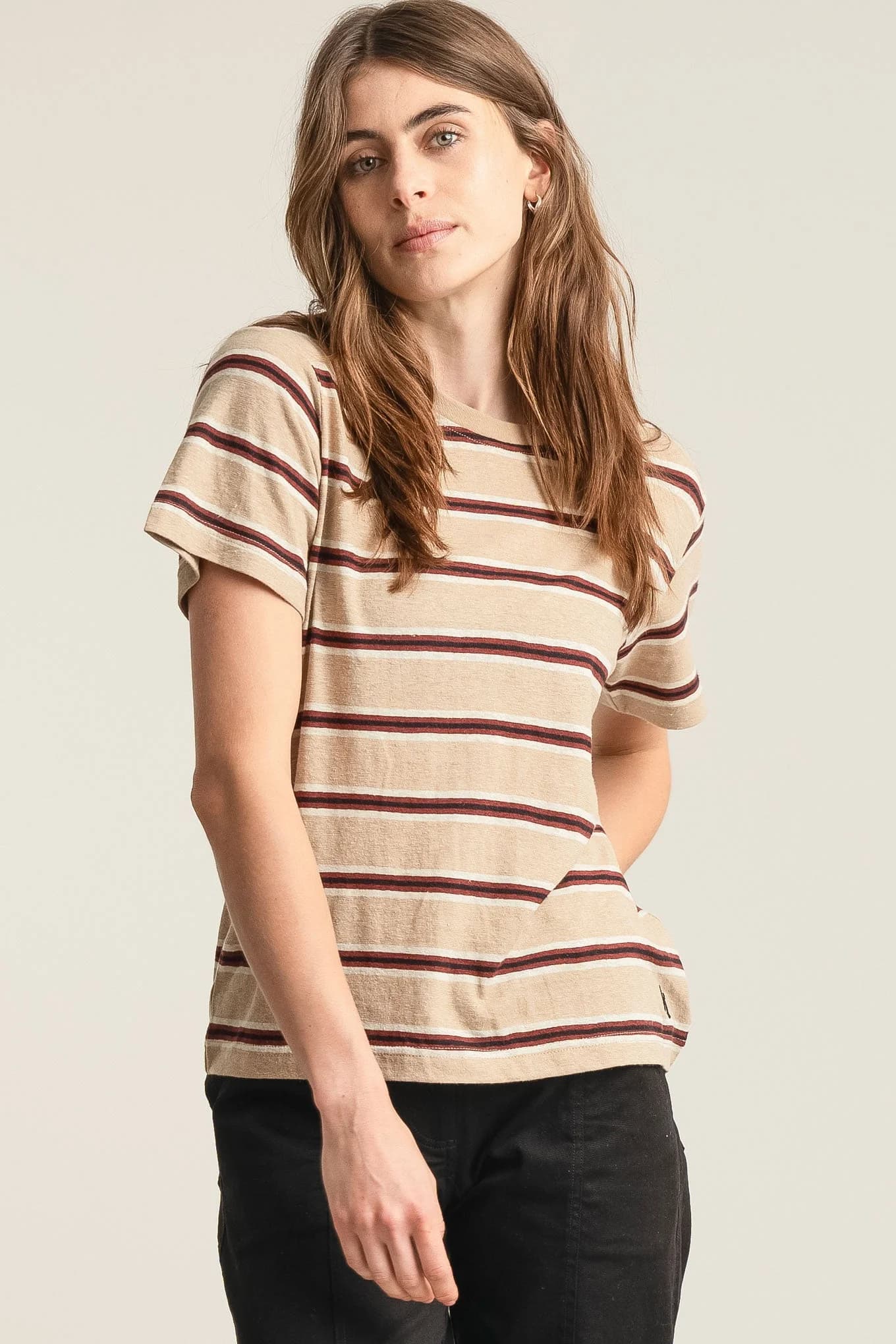
Komodo
Hemp Cotton Jersey Tee


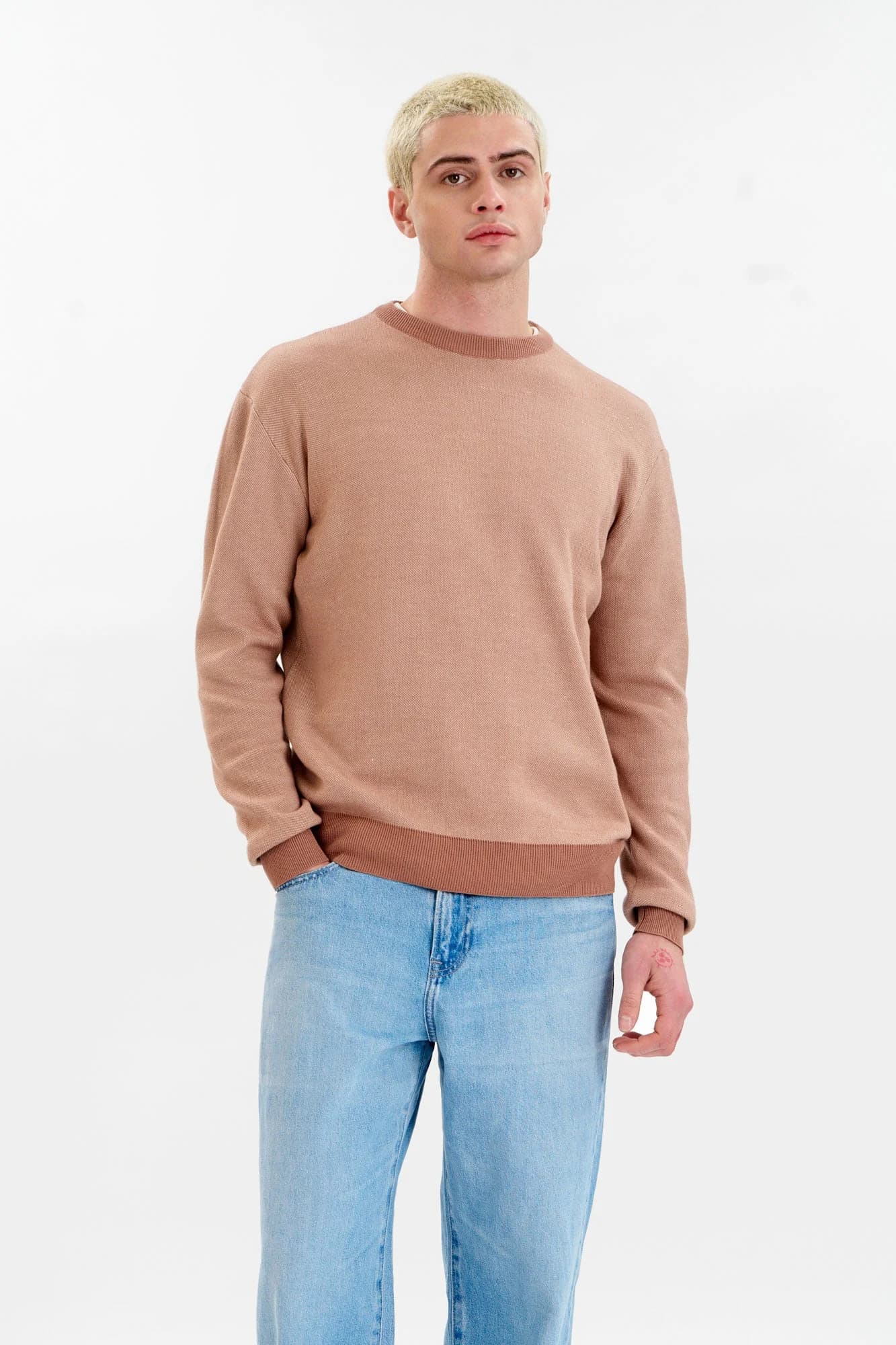

Komodo
Grace Organic Cotton Stripe Shorts


Showing 20 of 795 products
Load moreWhy Choose Organic Clothing?
Choosing organic clothing means opting for garments made from materials cultivated without harmful synthetic chemicals. This includes pesticides, herbicides, and genetically modified organisms (GMOs) that are common in conventional farming. For cotton, this translates to healthier soil, reduced water pollution, and safer working conditions for farmers. Beyond the farm, organic standards often extend to processing, ensuring that dyes and finishes are also less toxic. It is a choice that supports biodiversity and reduces your exposure to chemical residues, making it a thoughtful decision for both environmental well-being and personal comfort.
Understanding Organic Certifications for Apparel
When looking for organic clothing, certifications provide independent verification that products meet specific standards. The Global Organic Textile Standard (GOTS) is the most comprehensive, covering the entire supply chain from the harvesting of raw materials to environmentally and socially responsible manufacturing and labelling. This means a GOTS-certified garment is not only made from organic fibres but also produced under fair labour conditions and without hazardous chemicals in its processing. Other certifications like the Organic Content Standard (OCS) verify the organic content of the raw material. Prioritising GOTS-certified items helps ensure that your organic clothing choice is genuinely impactful across its lifecycle.
Frequently asked questions
Q. What makes clothing 'organic'?
Organic clothing is made from natural fibres, such as cotton, linen, or hemp, that have been grown without the use of synthetic pesticides, herbicides, or genetically modified organisms (GMOs). The farming practices prioritise soil health, biodiversity, and water conservation. For a garment to be fully organic, these principles often extend to the manufacturing process, ensuring that dyes and finishes are also free from harmful chemicals.
Q. What is GOTS certification and why does it matter for organic clothing?
GOTS, or the Global Organic Textile Standard, is the world's leading processing standard for textiles made from organic fibres. It ensures that a product is not only made from organic raw materials but also manufactured in an environmentally and socially responsible manner. GOTS certification covers the entire supply chain, from farming to dyeing and finishing, guaranteeing strict criteria for chemical use, water treatment, and fair labour practices. It is the most robust assurance for truly organic and ethical clothing.
Q. Is organic clothing more durable than conventional clothing?
The durability of organic clothing depends more on the quality of construction and the type of fibre than solely on its organic status. However, organic fibres, particularly cotton, are often harvested and processed with less harsh chemical treatments, which can preserve the natural strength and integrity of the fibres. This can contribute to garments that maintain their quality and last longer when cared for properly.
Q. How should I care for my organic clothing?
Caring for organic clothing is similar to caring for any high-quality natural fibre garment. Always check the care label first. Generally, washing in cold water with a mild, eco-friendly detergent and air-drying or tumble-drying on a low heat setting helps to preserve the fibres and extend the life of the garment. Avoiding harsh chemicals like bleach is also important to maintain the integrity of organic materials.
Q. Does organic clothing cost more, and is it worth it?
Organic clothing can sometimes have a higher upfront cost compared to conventional alternatives. This is due to the more labour-intensive farming methods, stricter processing standards, and the investment in certifications. However, the benefits include reduced environmental impact, improved worker safety, and often a higher quality product that can last longer. Many find the investment worthwhile for the peace of mind and the contribution to a more sustainable fashion industry.