Women's Vegan Coats
45 productsfrom £34
Women's vegan coats here combine warmth and style without compromising on animal welfare or environmental impact.Women's vegan coats here combine warmth and style without compromising on animal welfare or environmental impact. We have filtered for outerwear made from innovative plant-based fibres, recycled synthetics, and organic cotton, ensuring no animal-derived materials are used. These pieces are designed to last, offering durable protection from the elements while aligning with your values, all from independent UK brands.
45 productsfrom £34
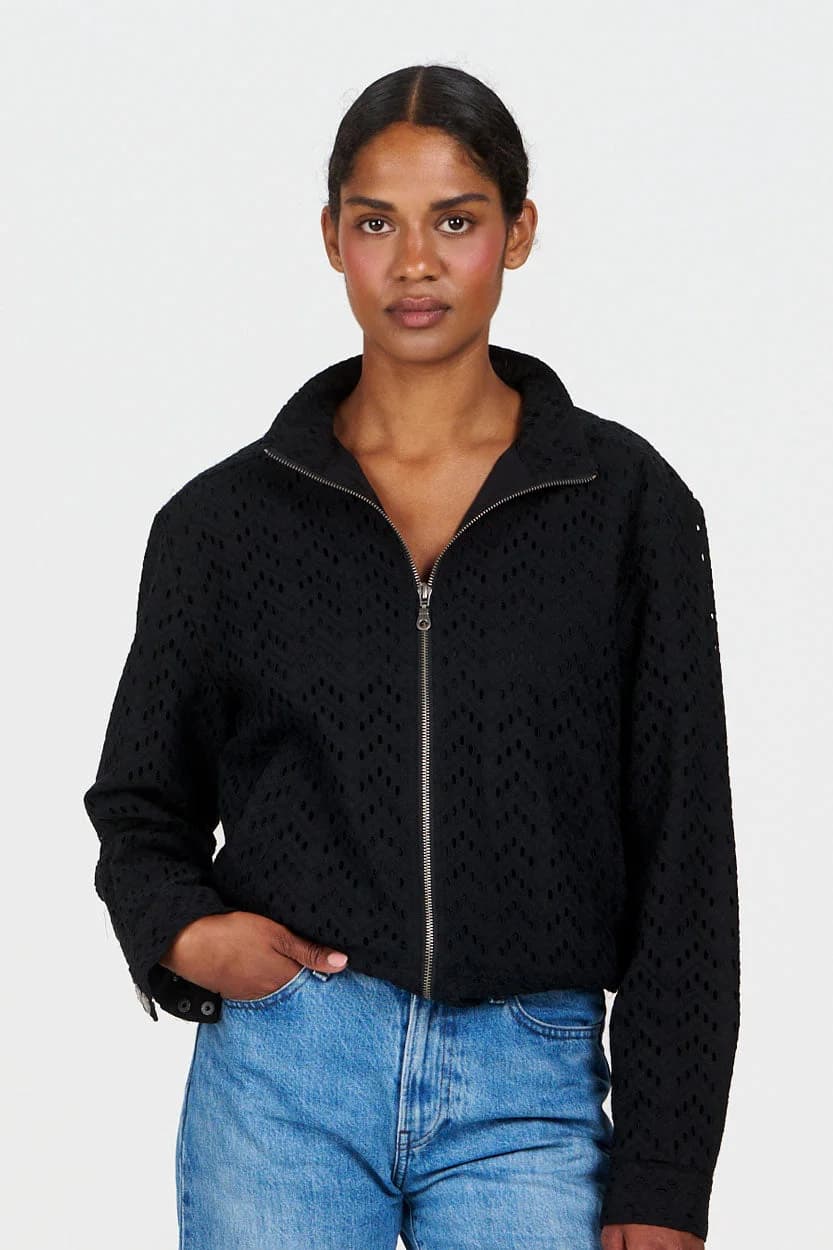
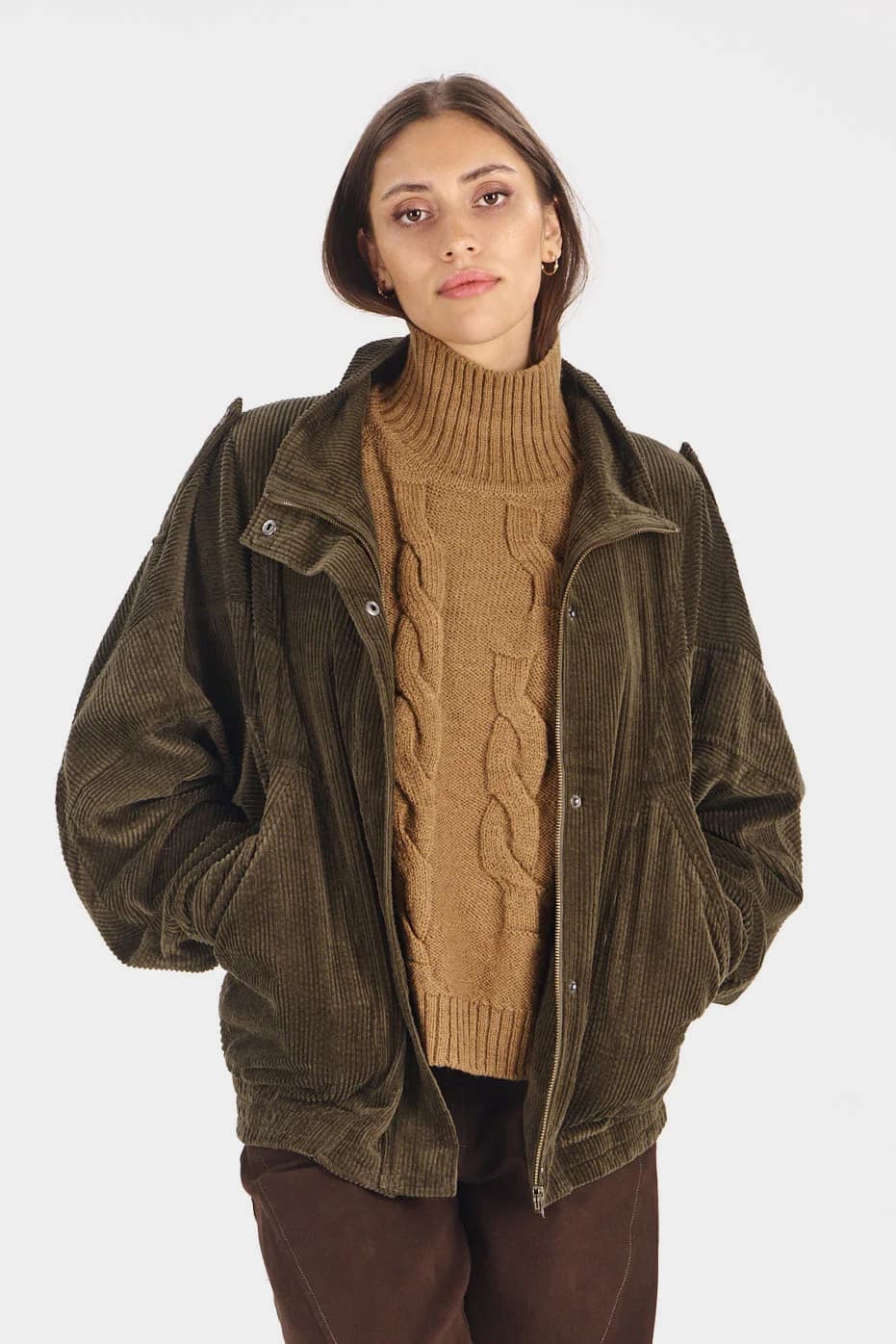
Komodo
Organic Cotton Jacket

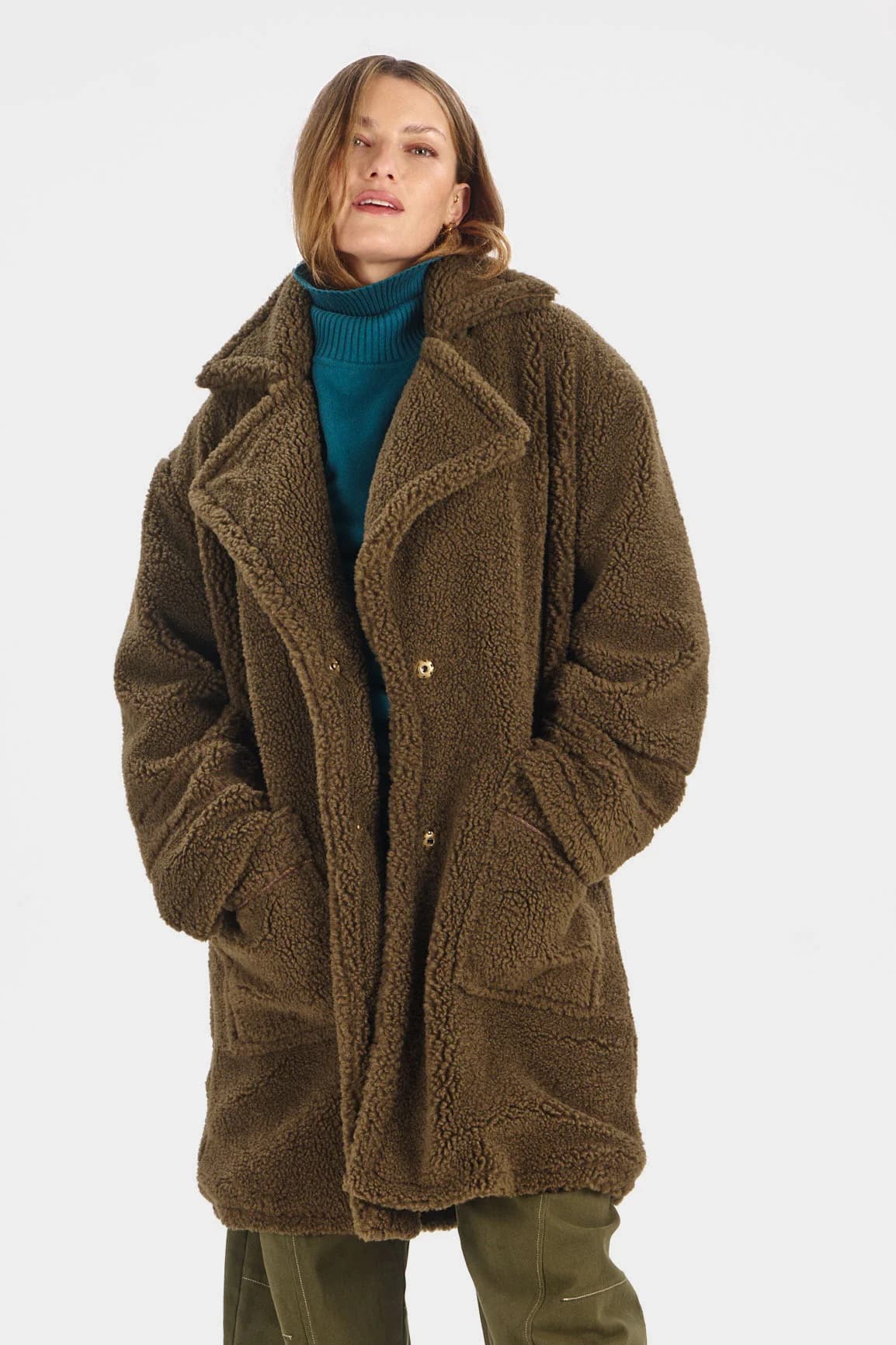
Komodo
Recycled PET Fleece Jacket
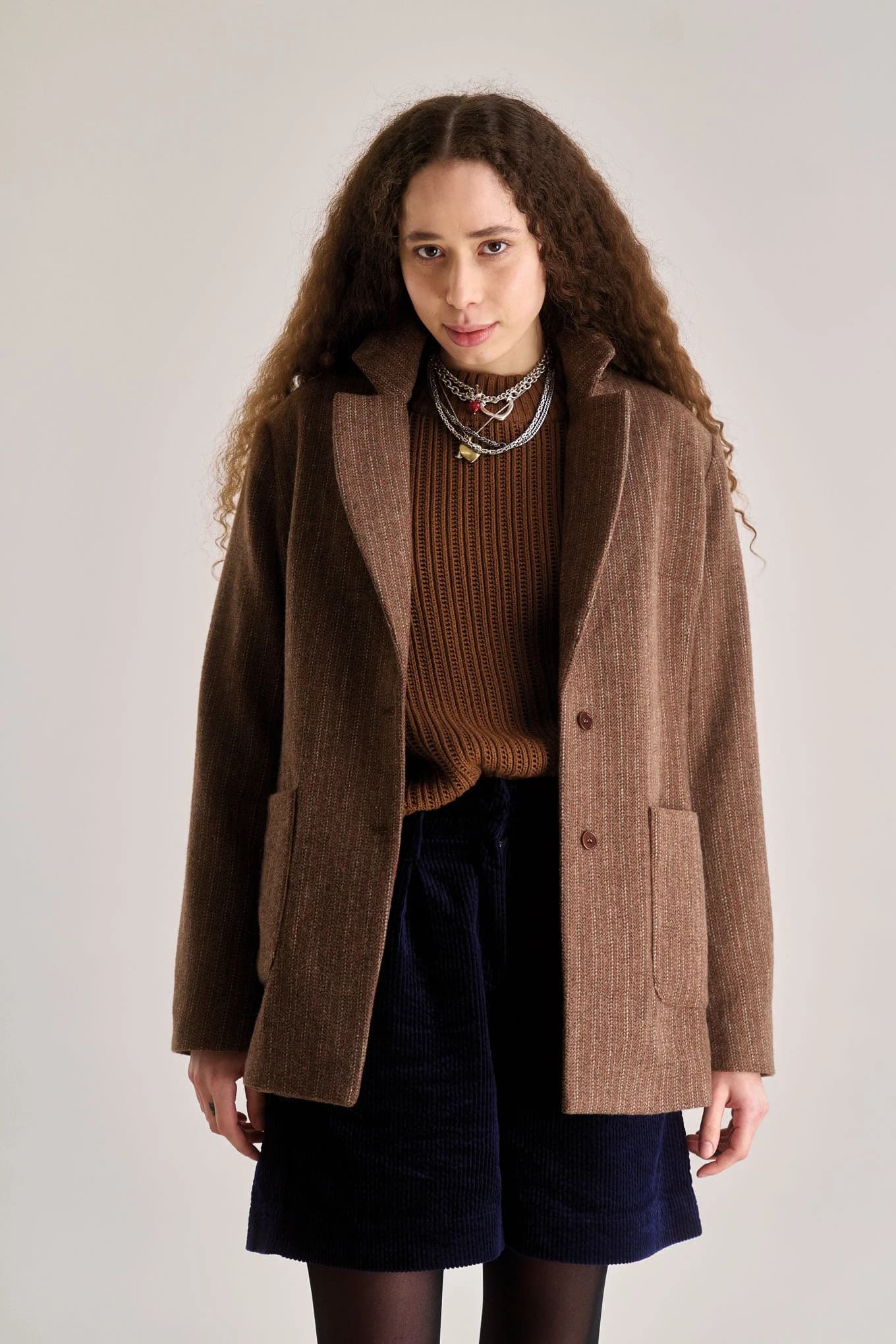
Komodo
Recycled Wool Blend Blazer
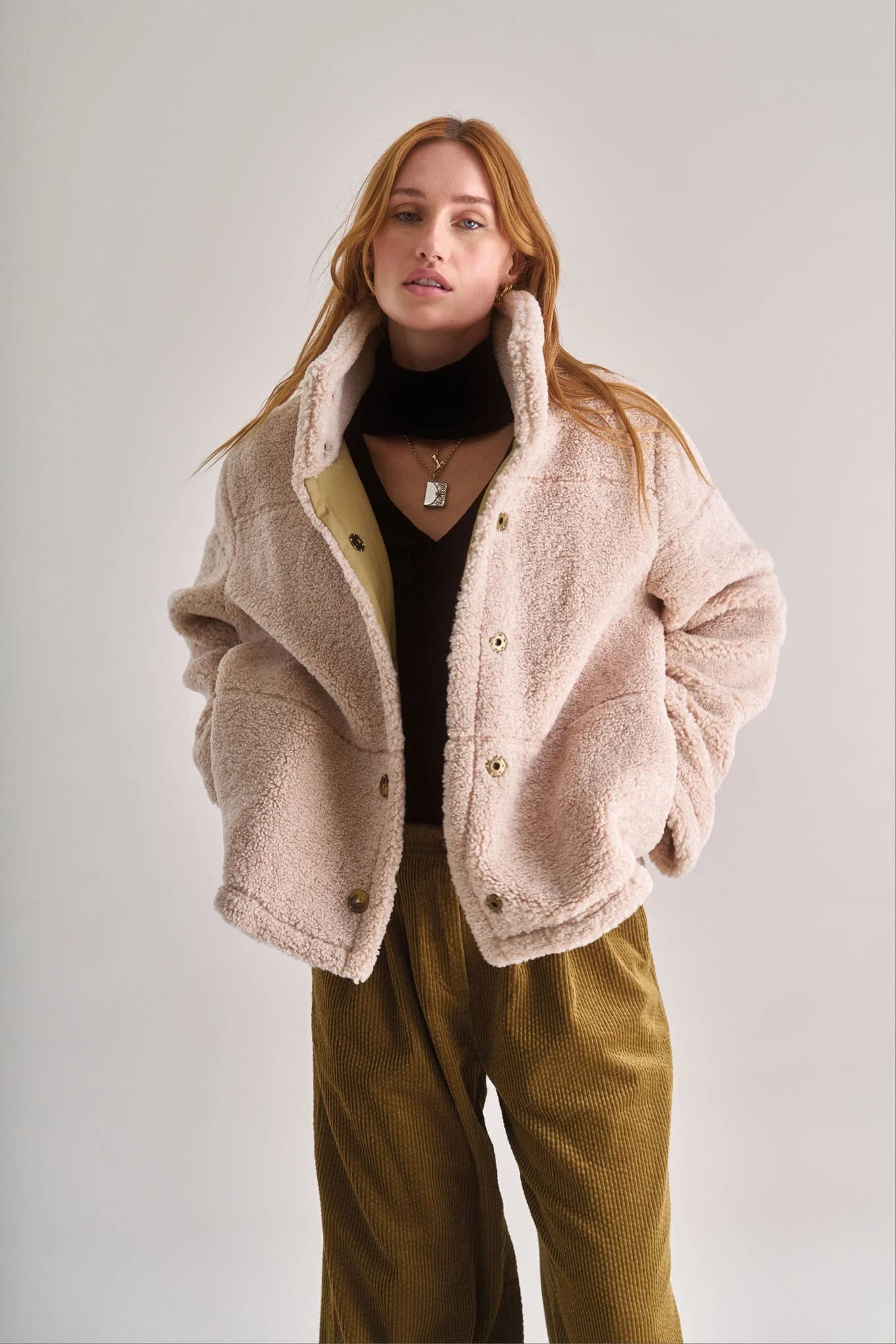
Komodo
Recycled PET Fleece Jacket
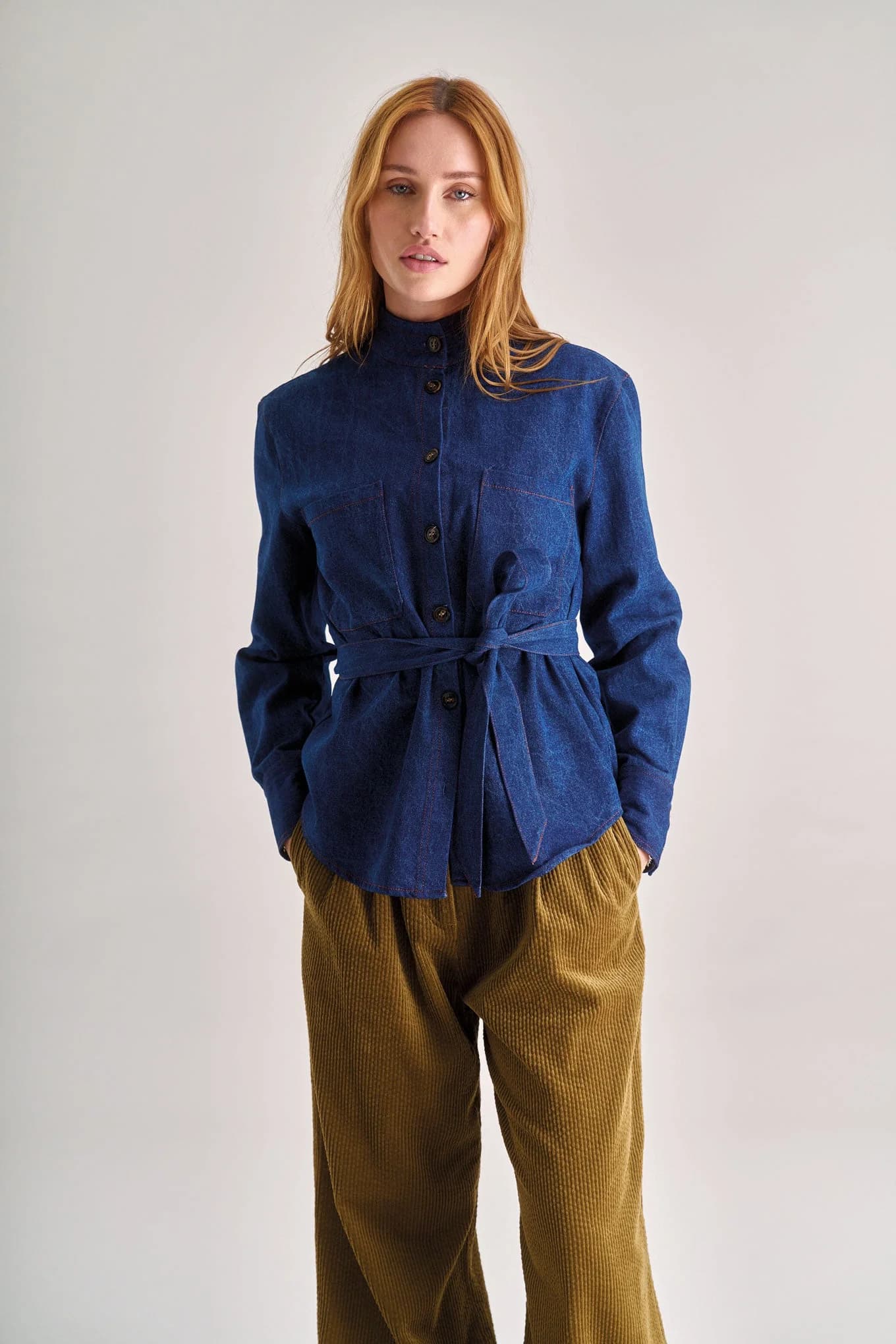
Komodo
Organic Denim Shirt


Komodo
Recycled Poly Wool Blazer

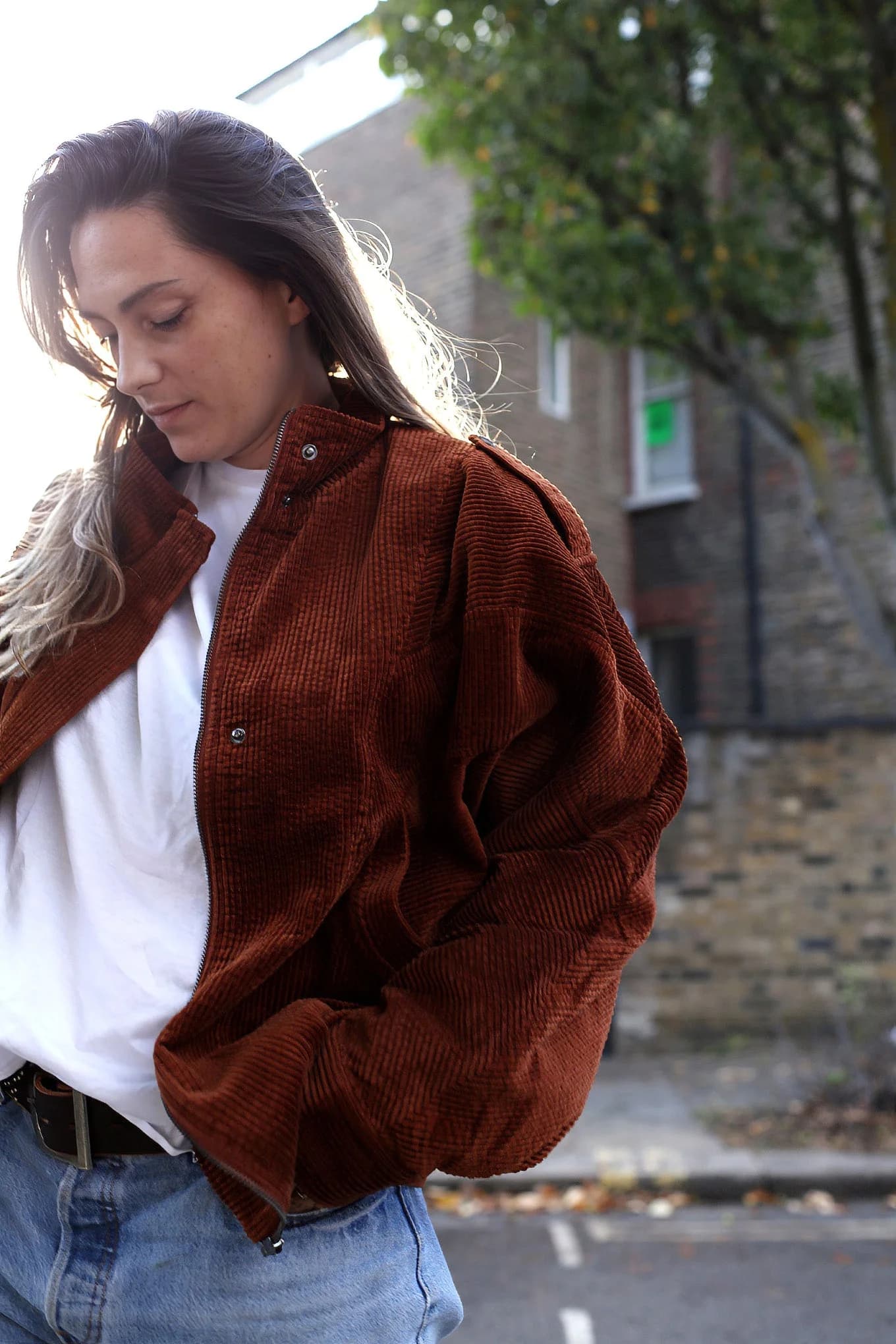
Komodo
Organic Cotton Bomber Jacket

Komodo
Recycled PET Patchwork Jacket

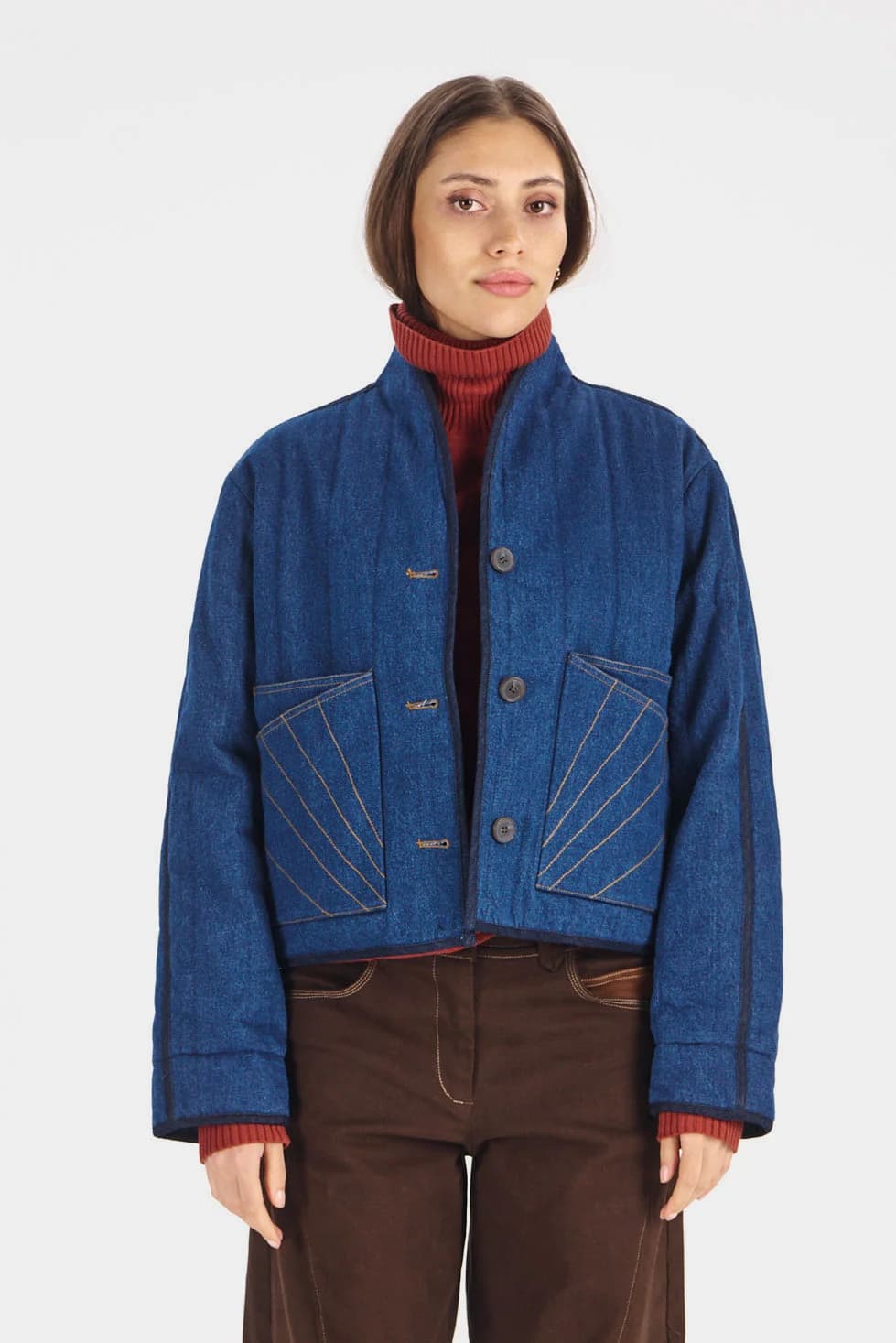
Komodo
Quilted Cupro Jacket

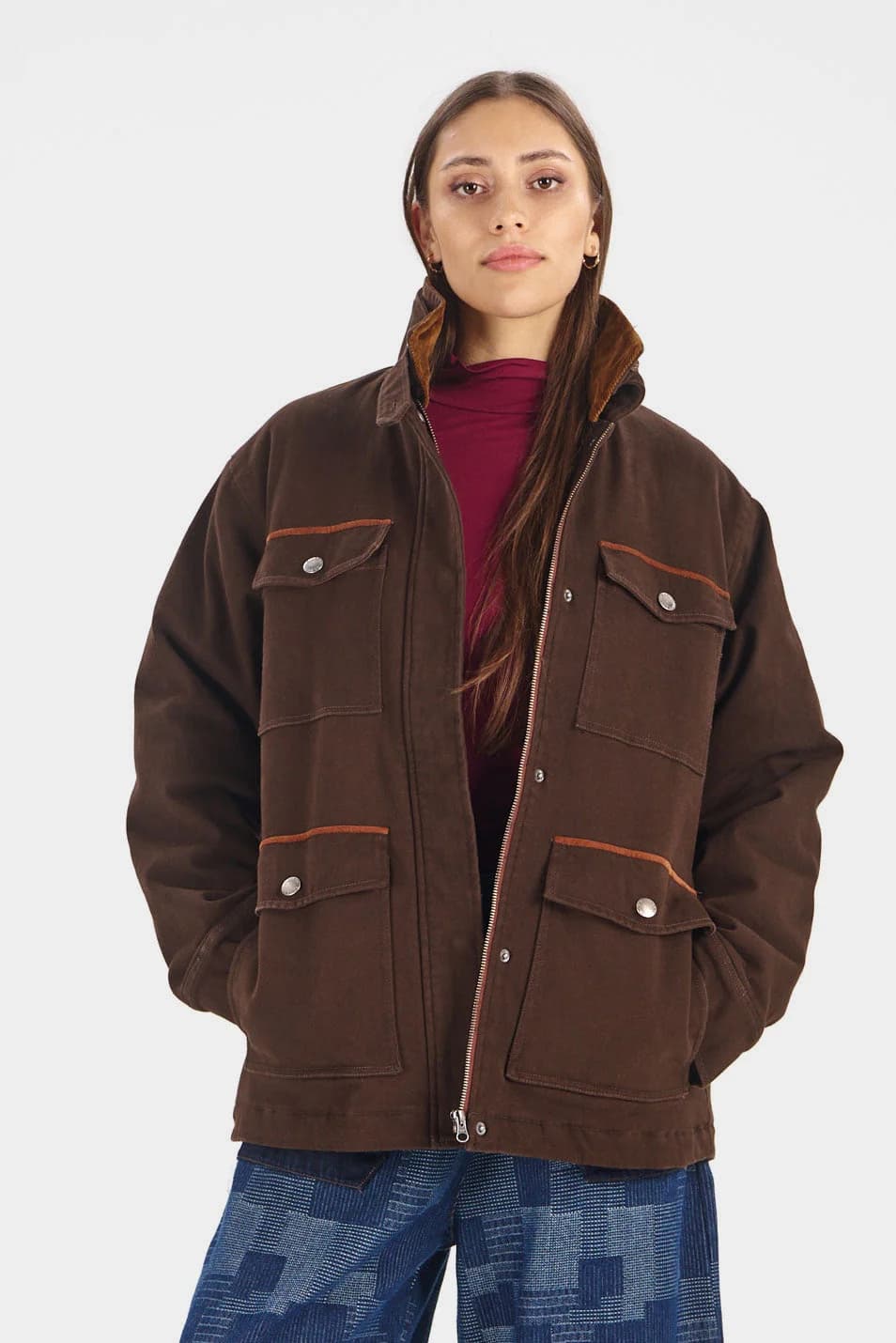
Komodo
Organic Cotton Jacket

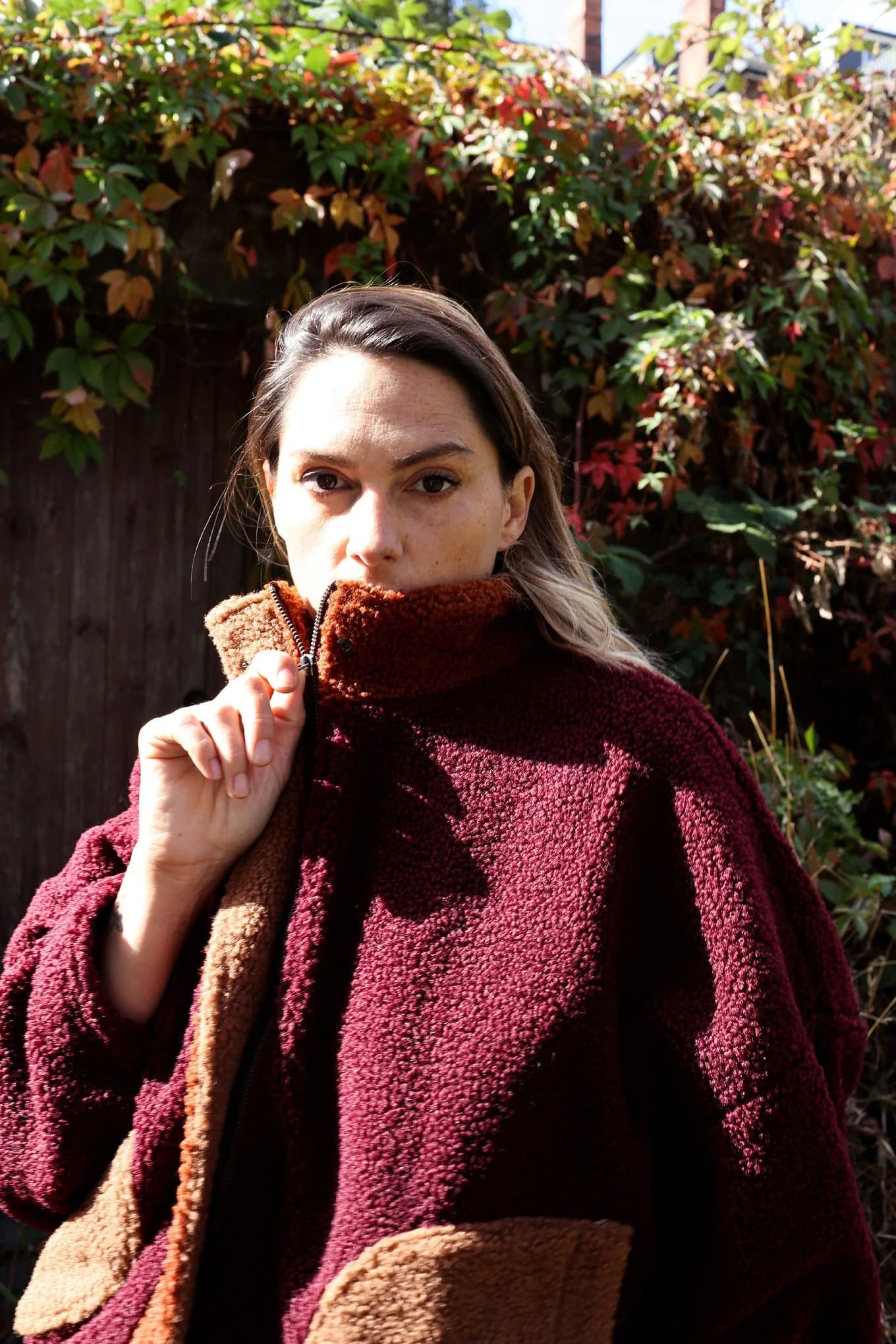
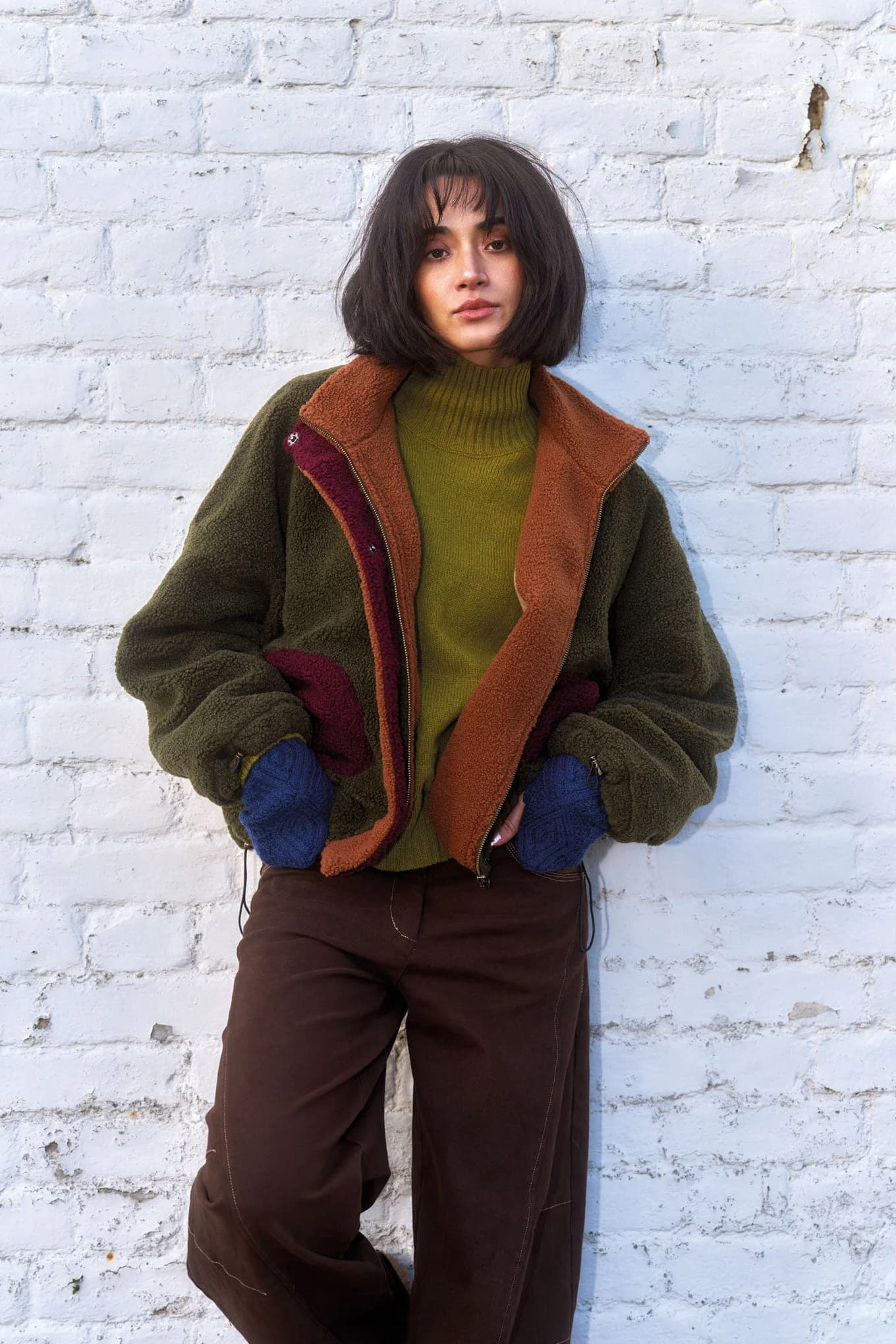

Showing 20 of 45 products
Load moreChoosing Your Women's Vegan Coat
When selecting a women's vegan coat, the material is the most important consideration. Look for advanced synthetic insulations that mimic down's warmth without animal products, such as PrimaLoft or recycled polyester fills. Outer shells should be durable and weather-resistant, often made from recycled nylon or polyester, sometimes treated with PFC-free water repellents. For a more natural feel, consider coats made from organic cotton treated for water resistance, or innovative plant-based leathers like those derived from pineapple leaves or mushrooms, which offer a sophisticated finish without animal cruelty. Always check the lining too, ensuring it is also free from animal-derived materials like silk or wool. The construction should feature robust stitching and quality hardware, indicating a garment built to withstand regular wear and varying weather conditions. Prioritise brands that are transparent about their supply chains and manufacturing processes.
Understanding Vegan Outerwear Materials
Vegan outerwear has evolved significantly beyond basic plastics. Modern options include sophisticated materials that offer superior performance and comfort. Recycled polyester and nylon are common, often sourced from post-consumer waste like plastic bottles, reducing landfill burden. These materials are excellent for waterproof and windproof shells. For insulation, alternatives to down include synthetic fibres that trap heat efficiently, such as PrimaLoft, Thinsulate, or various forms of recycled polyester wadding. These insulations often perform better than down when wet, making them ideal for the unpredictable British weather. Plant-based options are also expanding, with organic cotton, hemp, and linen providing breathable, natural alternatives, sometimes blended with recycled synthetics for enhanced durability. Innovative bio-based leathers, like those made from cactus or apple waste, offer a luxurious, animal-free alternative to traditional leather coats. Always look for certifications like GRS (Global Recycled Standard) or GOTS (Global Organic Textile Standard) to verify material claims.
Common questions
What makes a coat a women's vegan coat?
A women's vegan coat is made entirely without animal-derived materials, including wool, leather, down, fur, silk, and animal-based glues or dyes. Instead, these coats use innovative plant-based fibres, recycled synthetics, and other cruelty-free alternatives to provide warmth, protection, and style.
Are women's vegan coats as warm as traditional coats?
Yes, modern women's vegan coats can be just as warm, if not warmer, than traditional coats. Many utilise advanced synthetic insulations like PrimaLoft or recycled polyester fills, which are designed to mimic the heat-trapping properties of down, often performing better in wet conditions. The warmth depends on the specific materials and construction, not just the absence of animal products.
What materials are commonly used in women's vegan coats?
Common materials in women's vegan coats include recycled polyester and nylon for outer shells, often treated with PFC-free water repellents for weather resistance. For insulation, synthetic fills like PrimaLoft, Thinsulate, or recycled polyester wadding are popular. Plant-based options include organic cotton, hemp, and innovative bio-based leathers made from materials like pineapple leaves or cactus.
How do I care for my women's vegan coat?
Care instructions for women's vegan coats vary by material. Always check the garment's specific care label. Generally, most synthetic and plant-based vegan coats can be machine washed on a gentle cycle with cold water and air-dried. Avoid high heat, which can damage synthetic fibres. For bio-based leathers, spot cleaning is usually recommended.
Are women's vegan coats also sustainable?
While all women's vegan coats are animal-friendly, their sustainability varies. The most sustainable options use recycled materials (like recycled polyester or nylon), organic natural fibres (like GOTS-certified cotton), or innovative bio-based materials that reduce reliance on virgin resources. Ziracle prioritises brands that are transparent about their supply chains and minimise environmental impact.
From the Journal