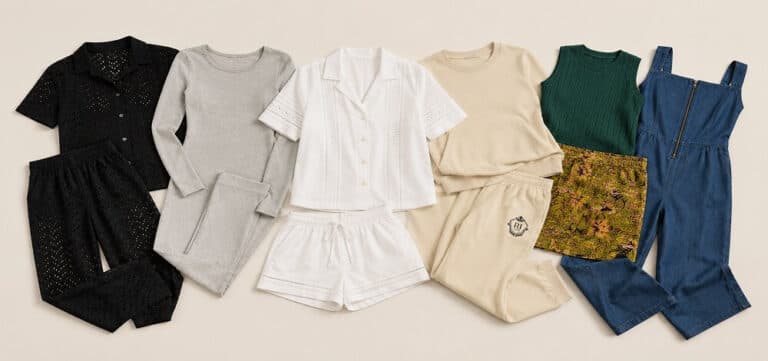
Women's Organic Coats
26 productsfrom £34
Women's organic coats offer a responsible choice for staying warm, combining natural fibres with ethical production.Women's organic coats offer a responsible choice for staying warm, combining natural fibres with ethical production. These pieces are made from materials like GOTS-certified organic cotton or responsibly sourced organic wool, ensuring the entire supply chain meets strict environmental and social standards. What's interesting is that choosing organic means avoiding harmful pesticides and chemicals typically used in conventional textile farming, which benefits both the planet and the people involved in making your coat. Here, you will find durable outerwear designed to last, reducing the need for frequent replacements.
26 productsfrom £34

Komodo
Organic Cotton Jacket Midwash

Komodo
Green Velvet Overshirt Top

Komodo
Reversible Organic Cotton Gilet

Komodo
Linen Cotton Mushroom Gilet


Komodo
Organic Cotton Cord Coat
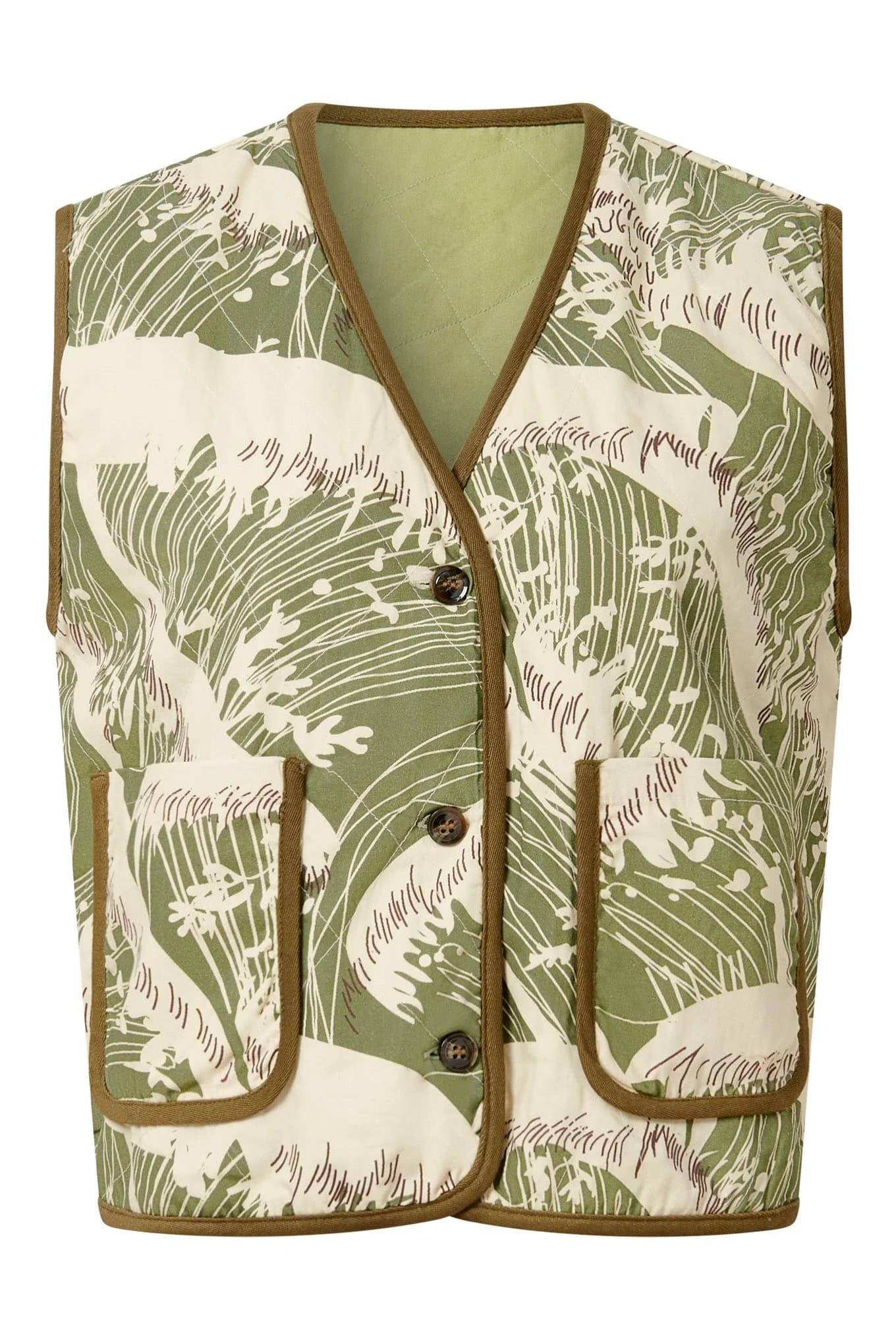
Komodo
Organic Cotton Reversible Gilet
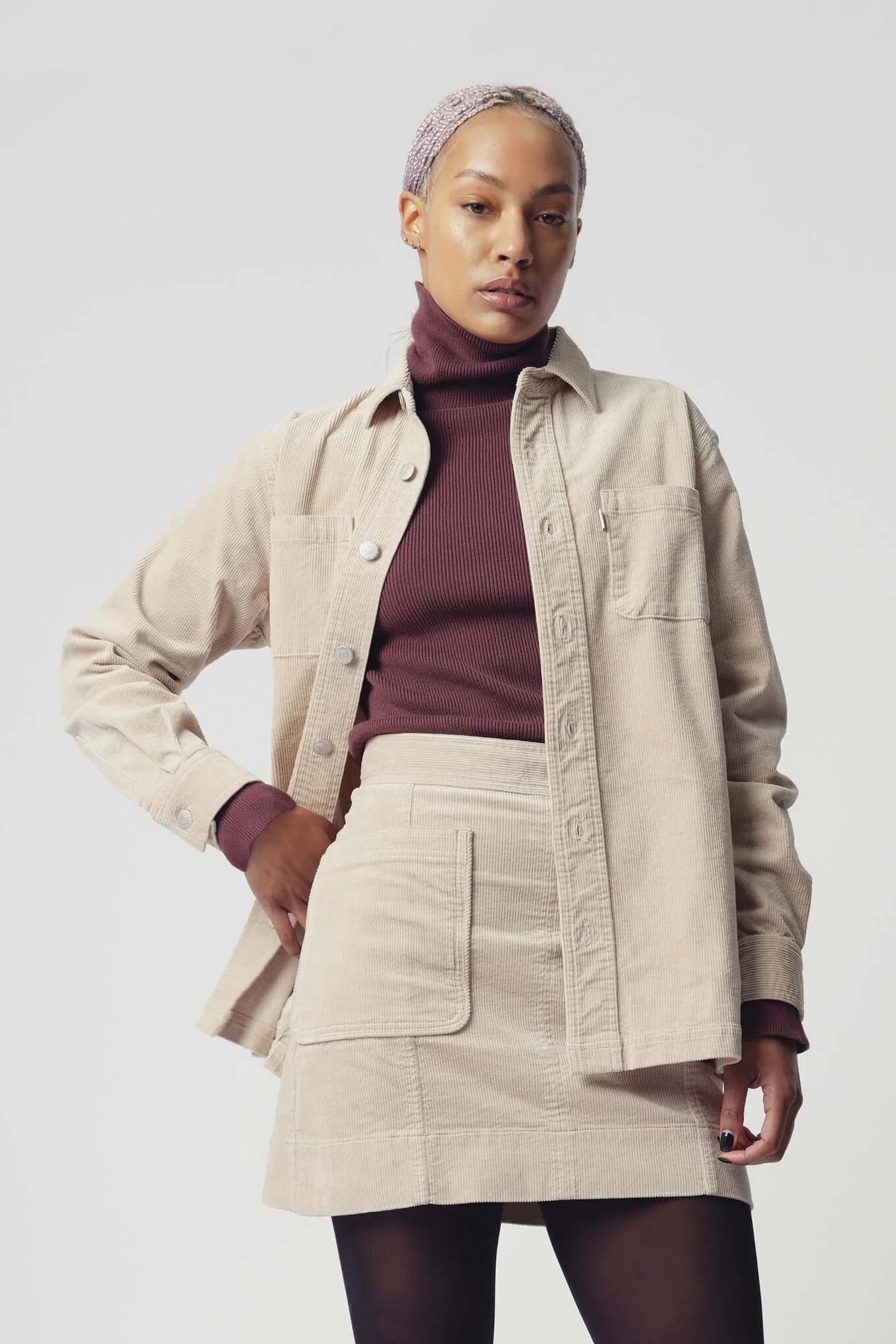

Komodo
Organic Cotton Bomber Jacket
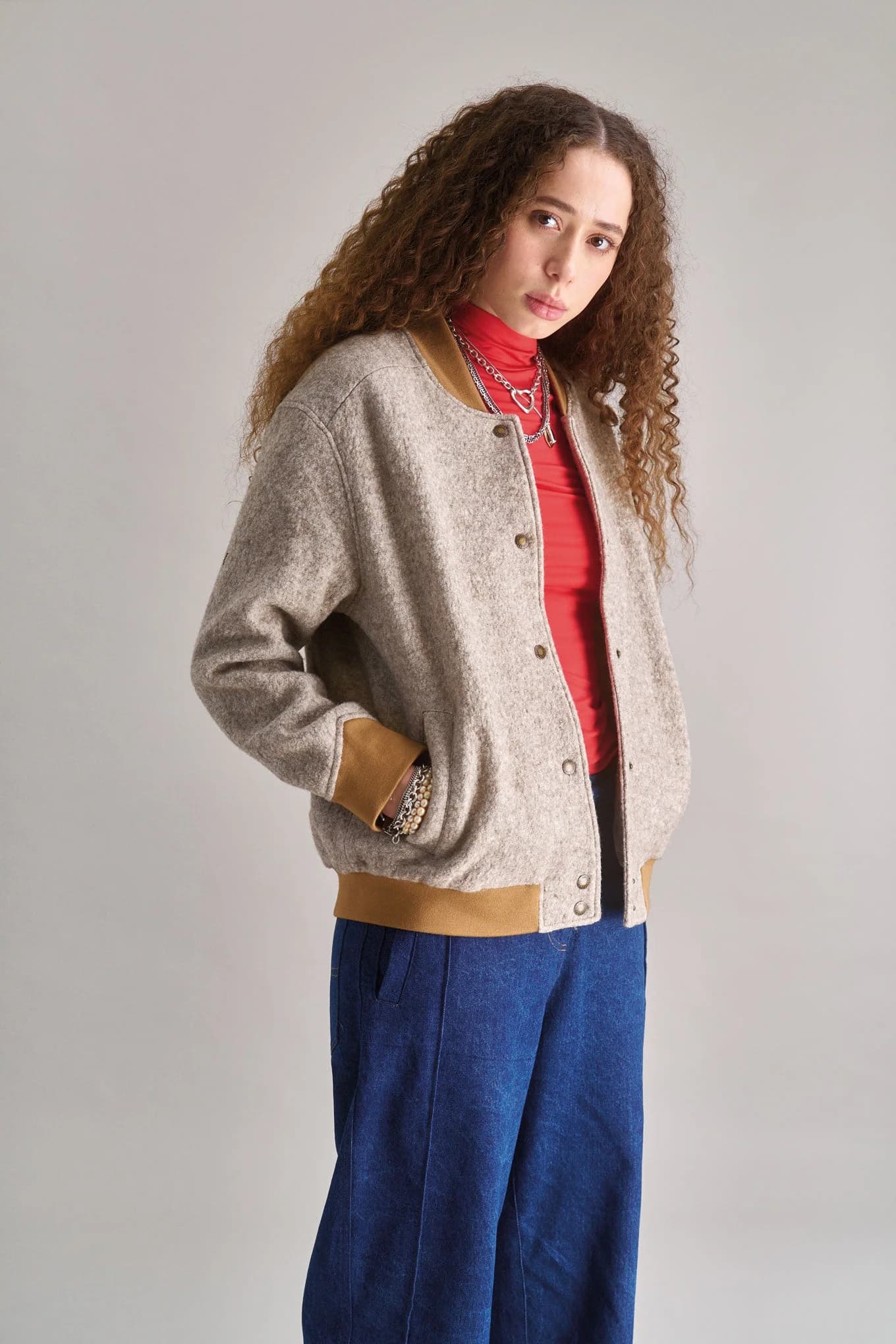
Komodo
Recycled Wool Blend Jacket

Komodo
Wool Jacket

Komodo
Organic Cotton Bomber Jacket

Komodo
Organic Cotton Parka
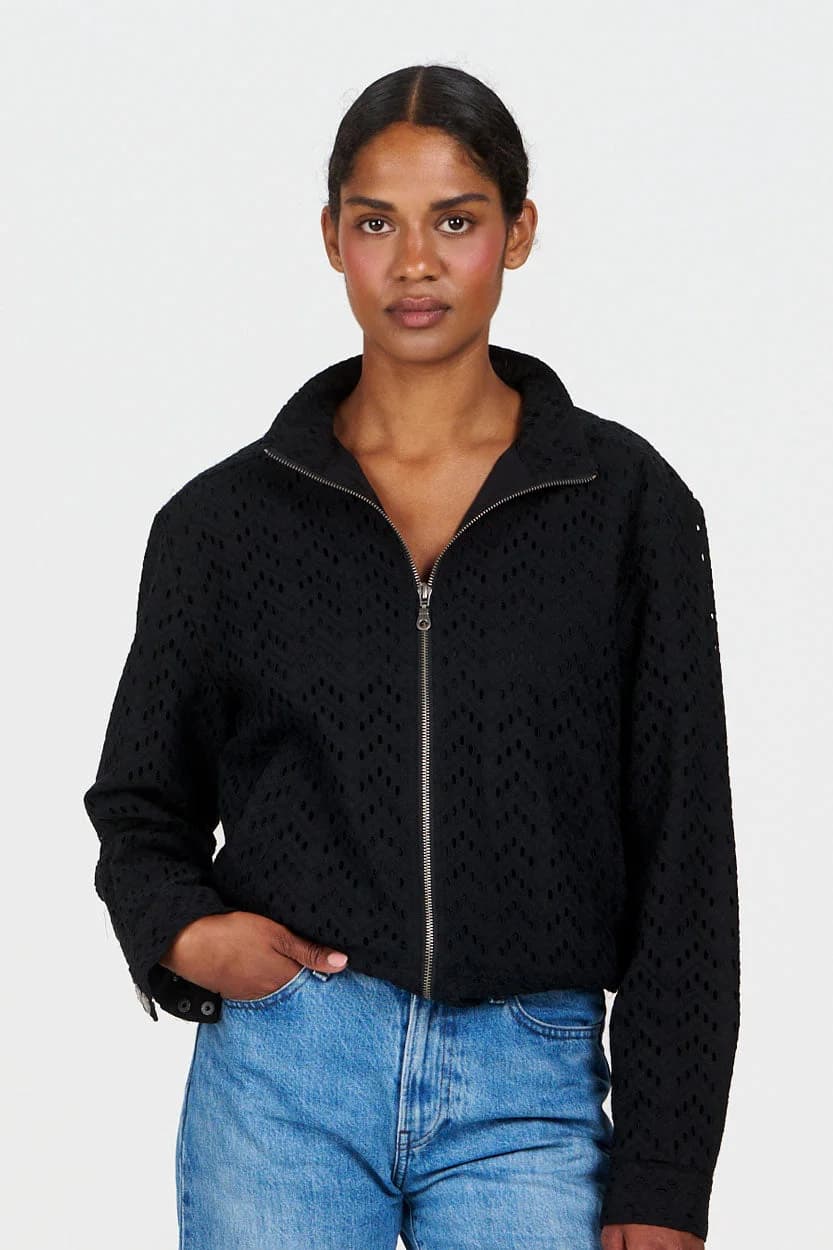
Komodo
Organic Cotton Jacket
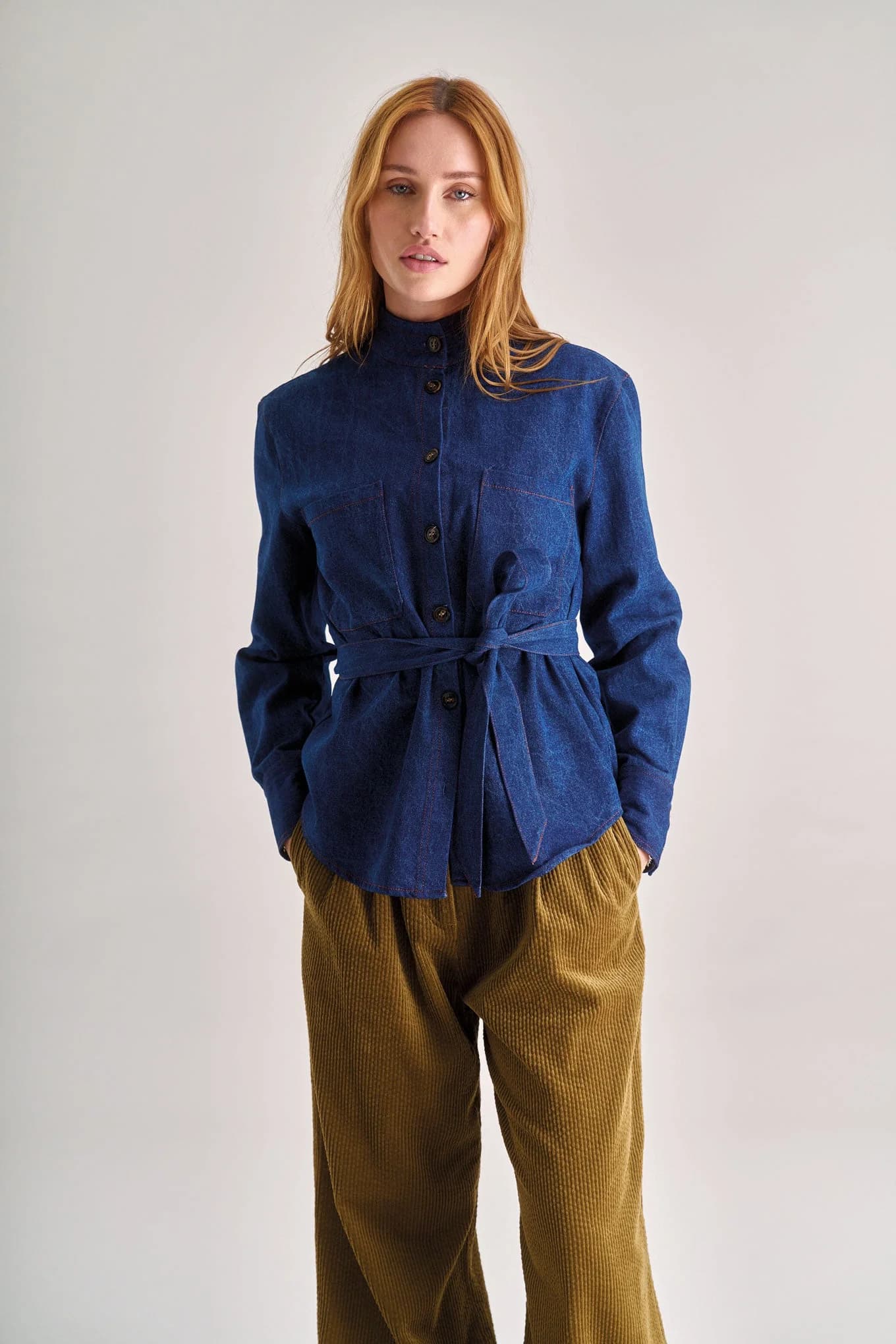
Komodo
Organic Denim Shirt


Komodo
Organic Cotton Bomber Jacket

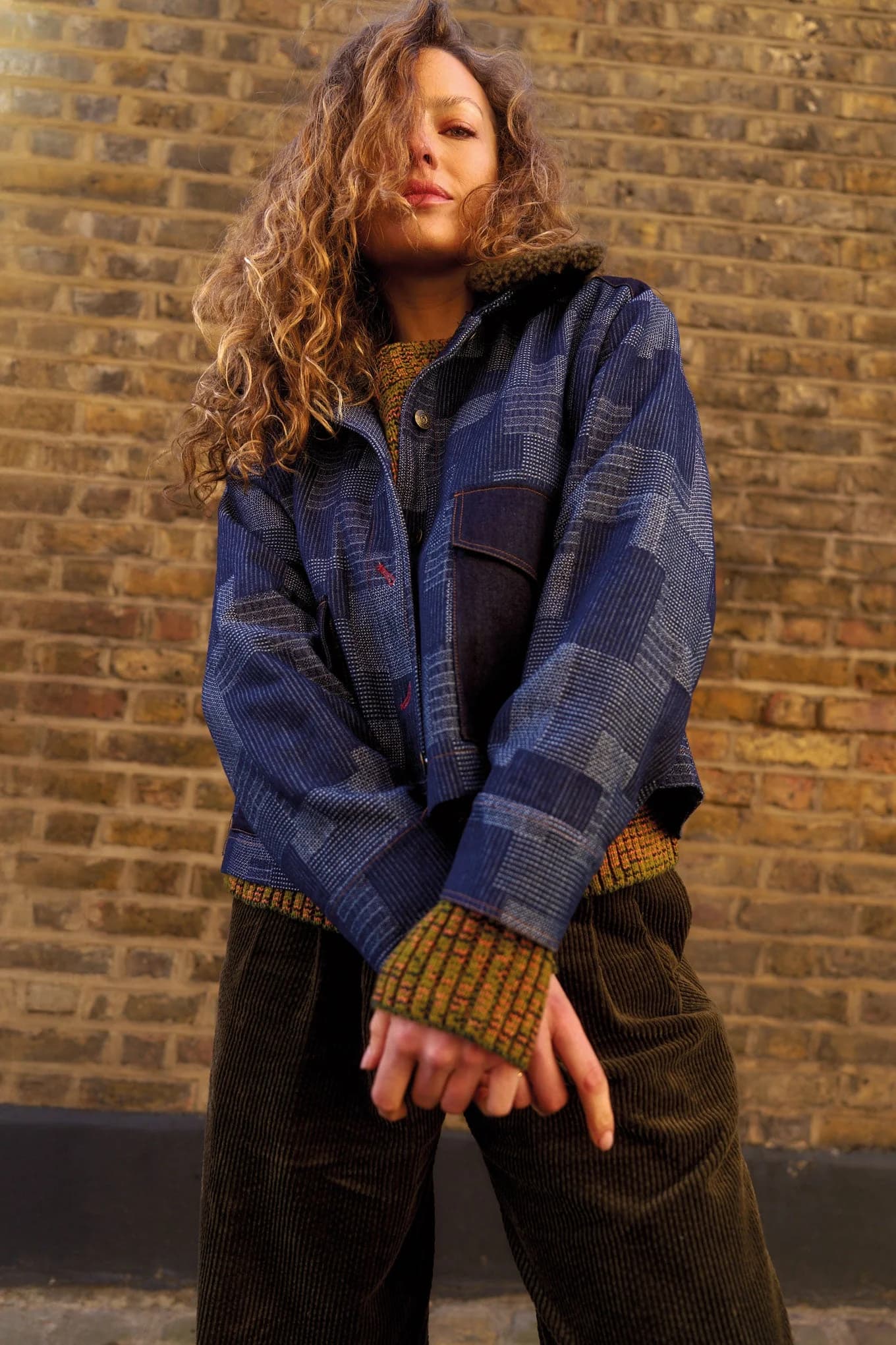

Showing 20 of 26 products
Load moreHow to Choose Your Organic Coat
When selecting women's organic coats, consider the specific organic certifications. The Global Organic Textile Standard (GOTS) is the most comprehensive, covering everything from the harvesting of raw materials to environmentally and socially responsible manufacturing. This means the fabric is not only grown without synthetic pesticides but also processed without toxic dyes or finishes, and workers are paid fair wages in safe conditions. Look for details on the product page that specify the percentage of organic material and the certification body. For warmth, assess the fill material: organic wool offers excellent insulation and breathability, while recycled polyester fills can provide warmth with a lower environmental footprint, though they are not organic themselves. Prioritise coats with timeless designs and robust construction, as durability is key to reducing environmental impact.
Understanding Organic Materials in Outerwear
Organic materials in outerwear go beyond just the fibre itself. For instance, an organic cotton coat means the cotton was grown without genetically modified seeds, synthetic fertilisers, or harmful pesticides. This protects soil health, biodiversity, and the health of farmers. When it comes to organic wool, it signifies that sheep are raised on organic land, without the use of synthetic pesticides on pastures or harsh chemicals in their feed. The processing of these fibres into textiles also adheres to strict environmental criteria, avoiding chlorine bleaches, heavy metals, and aromatic solvents. This commitment to organic principles across the entire lifecycle of the garment ensures that your women's organic coat is not only better for you but also significantly kinder to the planet and the people who make it.
Common questions
What makes a coat an 'organic coat'?
An organic coat is primarily made from natural fibres, such as cotton or wool, that have been grown and processed without the use of synthetic pesticides, fertilisers, or genetically modified organisms. The Global Organic Textile Standard (GOTS) is the leading certification, ensuring that every step, from farming to manufacturing, meets stringent environmental and social criteria. This includes avoiding toxic chemicals in dyeing and finishing, and ensuring fair labour practices throughout the supply chain.
Are women's organic coats as durable as conventional ones?
Yes, women's organic coats can be just as, if not more, durable than conventional alternatives. Durability often depends on the quality of the fabric, construction, and design, rather than solely on whether the material is organic. Many organic brands focus on creating high-quality, long-lasting garments to align with sustainable principles, meaning they are built to withstand regular wear and washing. Look for reinforced seams and robust fastenings for extended lifespan.
How do I care for my organic coat to ensure its longevity?
Caring for your organic coat depends on its specific material. Always check the care label, but generally, organic cotton coats can be machine washed on a gentle cycle with a mild, eco-friendly detergent and air-dried. Organic wool coats often require hand washing or dry cleaning with non-toxic solvents to maintain their shape and integrity. Avoiding harsh chemicals and excessive heat will help preserve the fibres and extend the life of your coat.
What are the environmental benefits of choosing organic outerwear?
Choosing women's organic coats significantly reduces environmental impact. Organic farming practices avoid harmful pesticides and synthetic fertilisers, which protects soil health, conserves water, and prevents pollution of waterways. It also supports biodiversity by not harming beneficial insects and wildlife. Furthermore, certified organic processing minimises chemical use and wastewater, leading to a cleaner production cycle compared to conventional textile manufacturing.
Do organic coats offer the same level of warmth and protection?
Yes, organic coats can provide excellent warmth and protection, comparable to or exceeding conventional options. The insulating properties depend on the material and construction. For example, organic wool is naturally thermoregulating and water-resistant, making it ideal for colder climates. Organic cotton, when woven densely or layered, also offers good protection. Many organic brands use innovative designs and natural fibre blends to ensure optimal performance against the elements.
From the Journal