Women's Organic Knitwear
37 productsfrom £15
Women's organic knitwear here is made from fibres like GOTS-certified cotton and RWS-certified wool, ensuring both comfort and responsible production.Women's organic knitwear here is made from fibres like GOTS-certified cotton and RWS-certified wool, ensuring both comfort and responsible production. These pieces offer a soft, breathable feel against the skin, designed to be durable for everyday wear. We focus on natural materials that minimise environmental impact, giving you knitwear that feels as good as it looks.
37 productsfrom £15
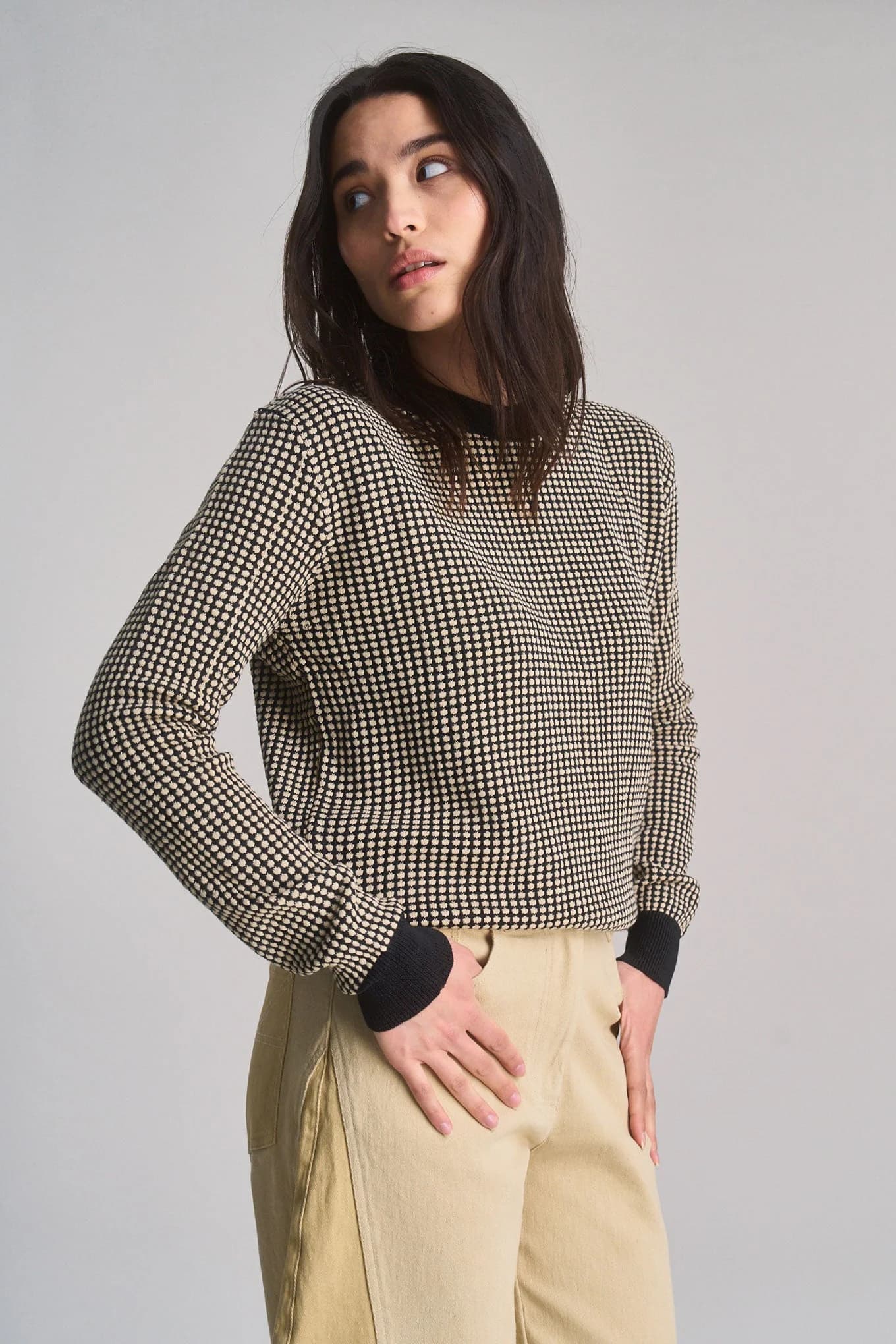
Komodo
Organic Cotton Dotted Jumper
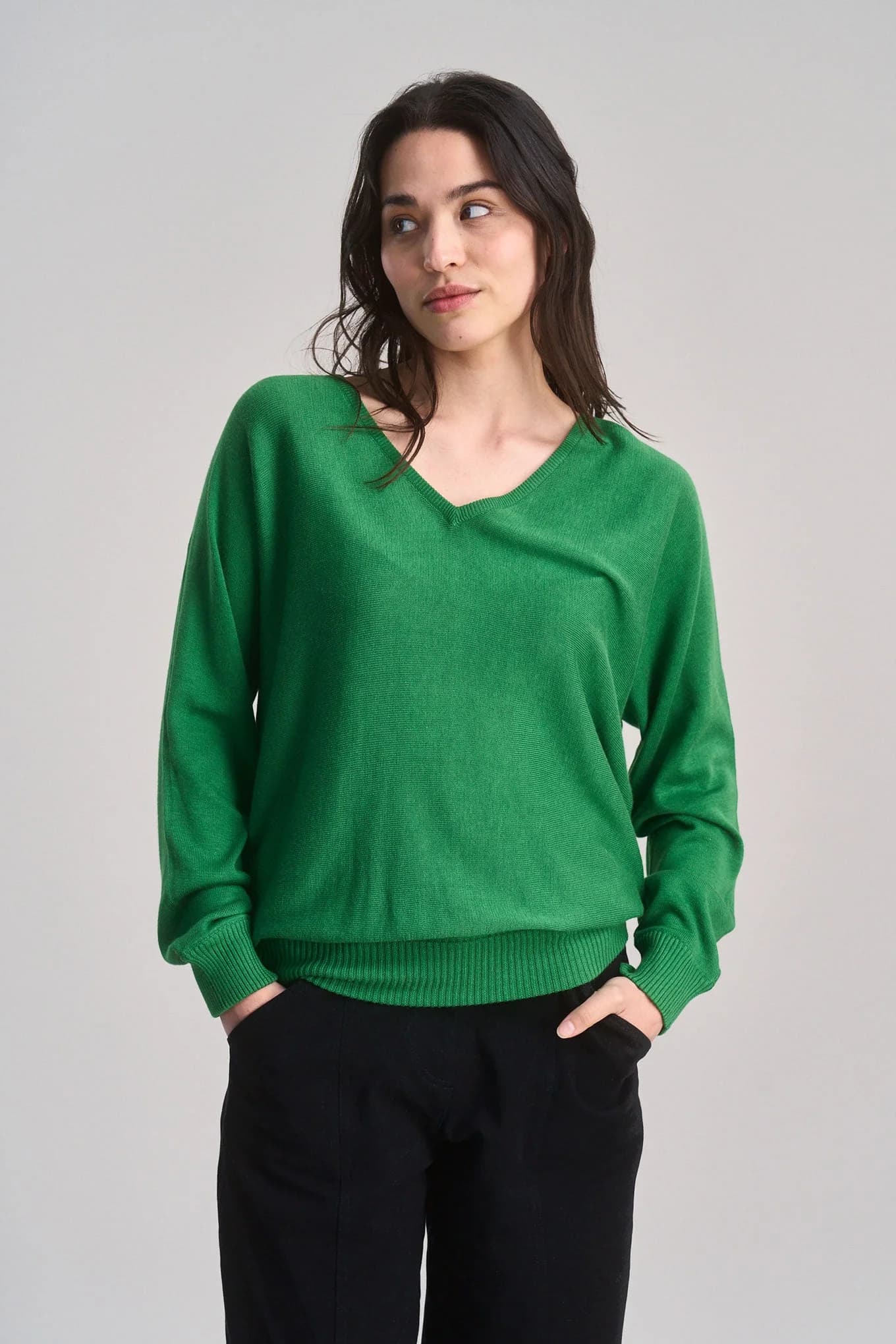
Komodo
Cotton Tencel Batwing Jumper


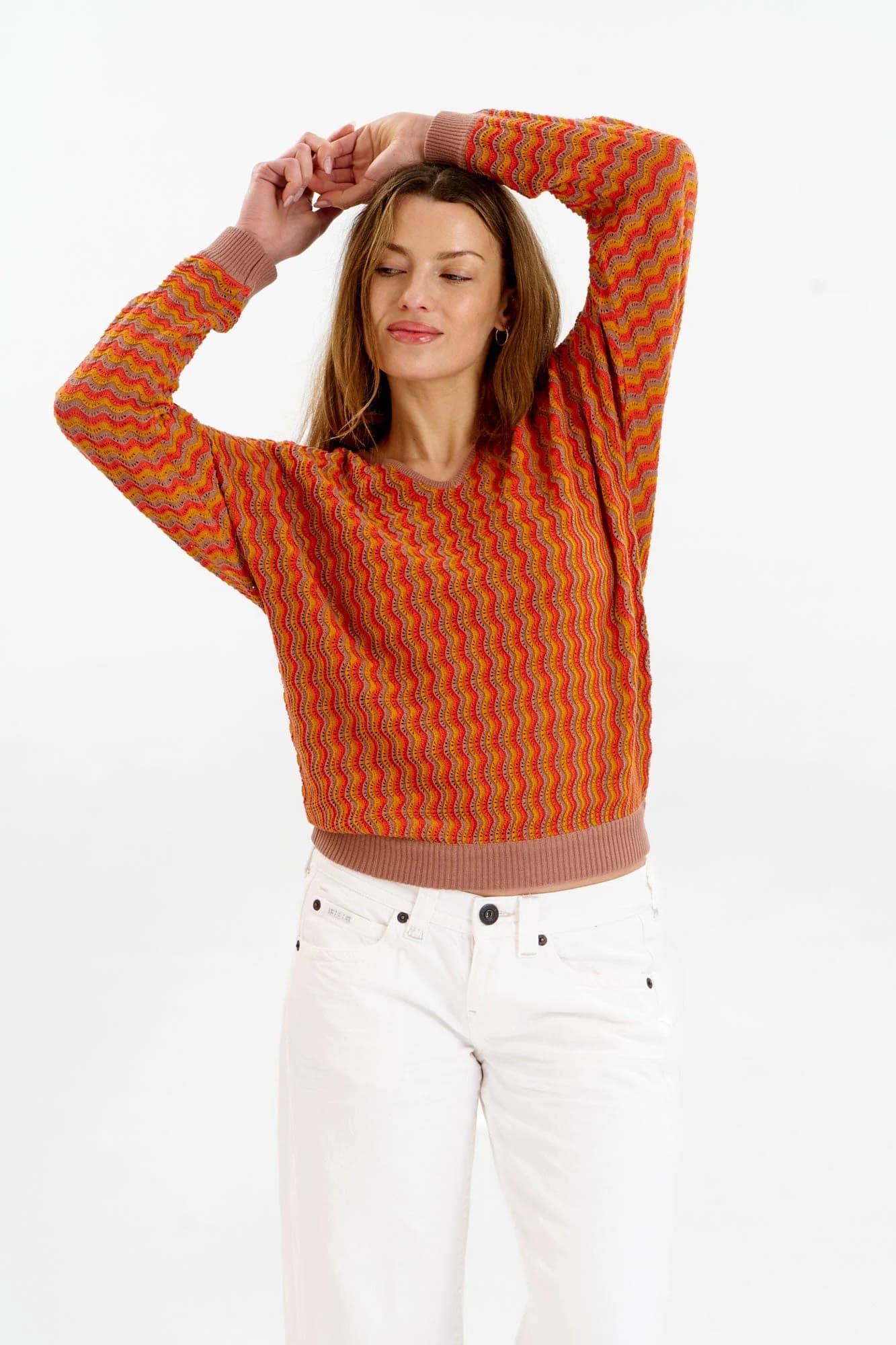
Komodo
Organic Cotton Pointelle Jumper

Komodo
Organic Cotton Jumper
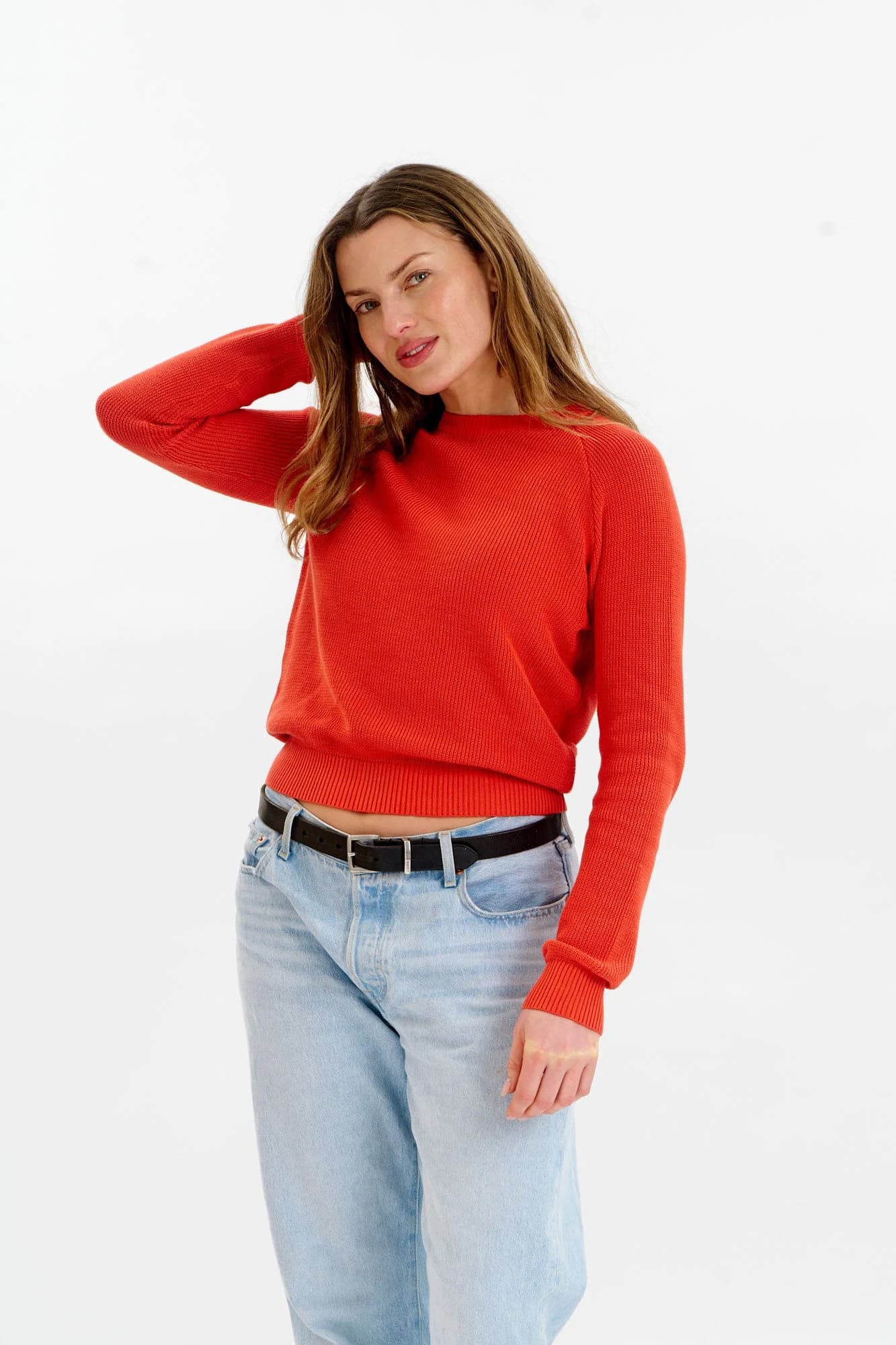

Komodo
Organic Cotton Rib Knit Jumper

Komodo
Organic Cotton Striped Cardigan


Komodo
Organic Cotton Ladder Knit Jumper
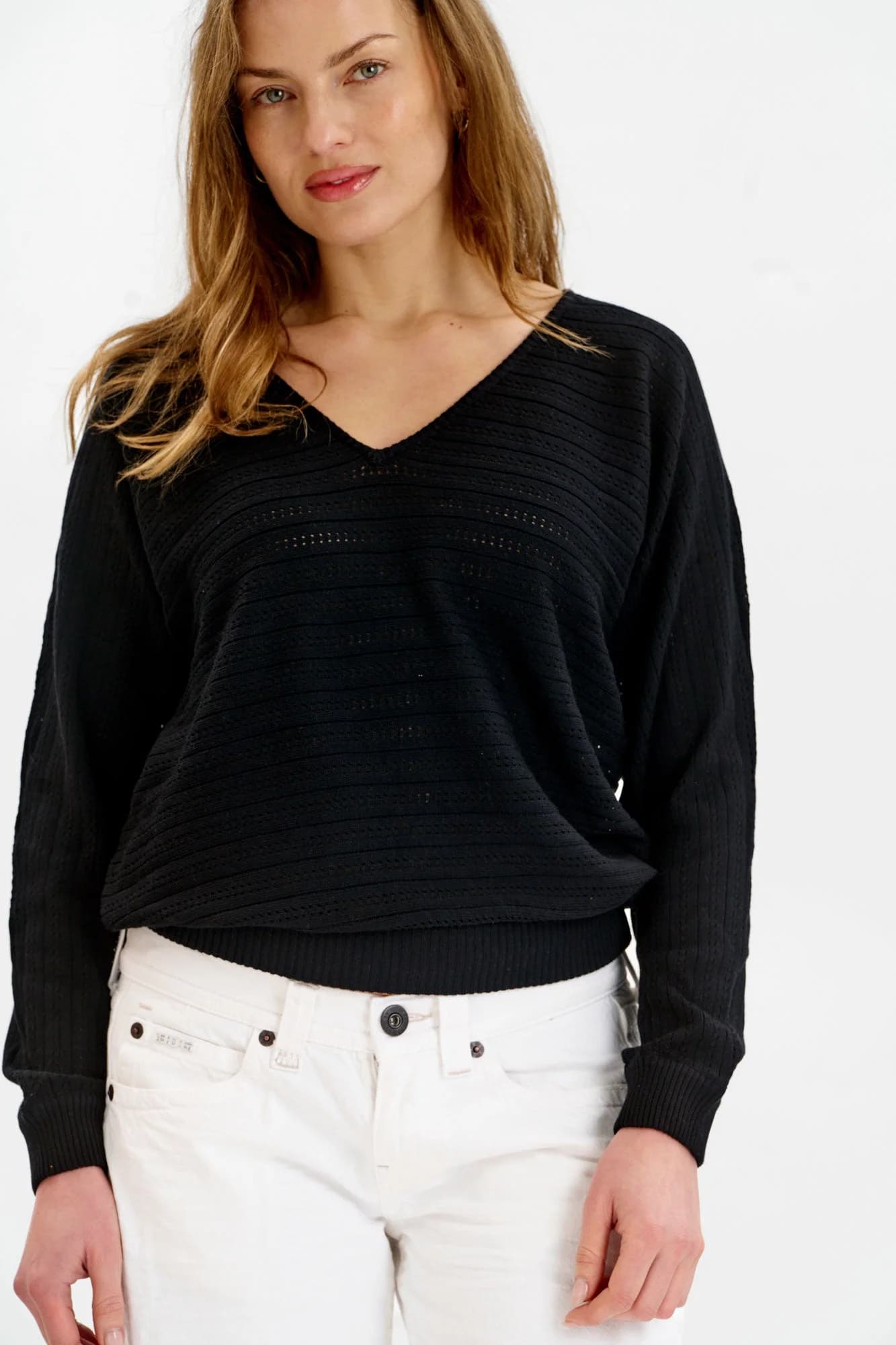
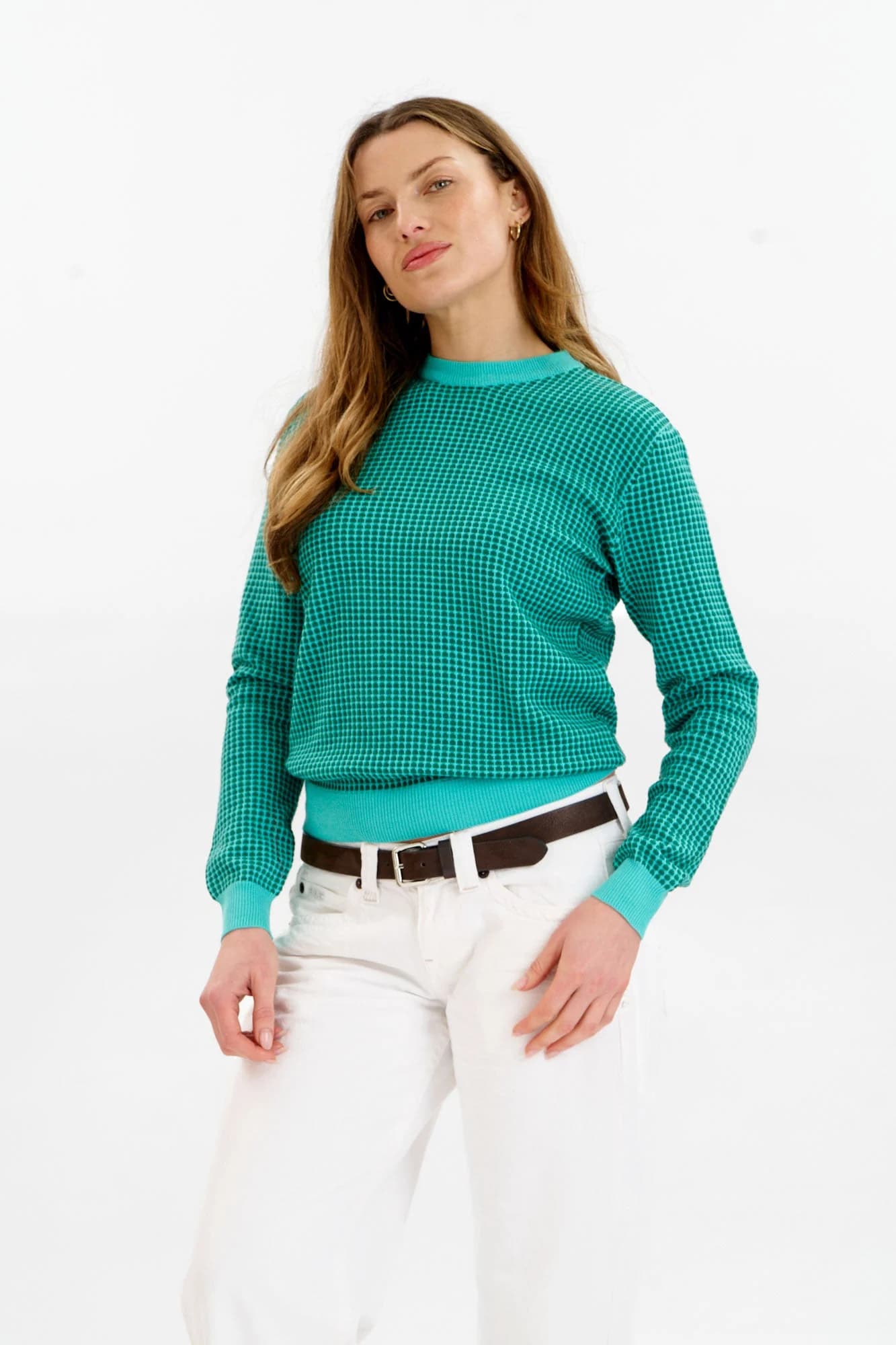


Komodo
Organic Cotton Pointelle Jumper

Komodo
Organic Cotton Rib Knit Jumper

Komodo
Organic Cotton Roll Neck Jumper
Showing 20 of 37 products
Load moreChoosing Organic Knitwear for Women
When selecting women's organic knitwear, consider the fibre type and its specific benefits. Organic cotton is a popular choice for its softness and breathability, making it ideal for layering or warmer climates. Look for certifications like GOTS (Global Organic Textile Standard) to ensure the cotton is grown without synthetic pesticides and processed responsibly. For warmth, organic wool, often certified by the Responsible Wool Standard (RWS), provides excellent insulation while ensuring animal welfare and land management standards are met. Alpaca and cashmere can also be found in organic forms, offering luxurious softness and warmth. Think about the garment's construction: well-made seams and a consistent knit density indicate durability. A slightly heavier knit often means better drape and longevity. Consider the care instructions too; organic fibres sometimes require specific washing to maintain their integrity and feel.
The Benefits of Organic Fibres in Knitwear
Organic fibres offer several advantages over conventional alternatives, particularly in knitwear worn close to the skin. Organic cotton, for instance, is grown without harmful synthetic pesticides and fertilisers, which protects soil health, biodiversity, and the health of farmers. This also means the final fabric is free from chemical residues that can irritate sensitive skin. Organic wool comes from sheep raised on organic farms, often adhering to higher animal welfare standards and avoiding harsh chemical dips. These fibres are typically processed with fewer harsh chemicals during dyeing and finishing, resulting in a purer product. Beyond personal comfort, choosing organic knitwear supports agricultural practices that are better for the planet, reducing water pollution and greenhouse gas emissions. It's a choice that contributes to a healthier ecosystem and a more transparent supply chain.
Common questions
What makes women's organic knitwear different from conventional knitwear?
Women's organic knitwear is made from natural fibres grown and processed without synthetic pesticides, genetically modified organisms, or harsh chemical treatments. This contrasts with conventional knitwear, which often uses fibres grown with synthetic chemicals and processed with a wider range of dyes and finishes that can have environmental impacts. Organic certification ensures a more environmentally and socially responsible production process from farm to finished garment.
Which certifications should I look for in organic knitwear?
For organic cotton knitwear, the Global Organic Textile Standard (GOTS) is the leading certification, ensuring organic status from harvesting of the raw materials through environmentally and socially responsible manufacturing. For wool, the Responsible Wool Standard (RWS) certifies animal welfare and land management practices. These certifications provide assurance that the product meets stringent organic and ethical criteria.
Is organic knitwear more durable than regular knitwear?
Durability in knitwear depends more on the quality of construction and the specific fibre type than solely on whether it is organic. However, organic fibres are often processed with fewer harsh chemicals, which can help maintain the natural strength and integrity of the fibres. When combined with good manufacturing practices, organic knitwear can be very durable and long-lasting, often outperforming cheaper, conventionally produced alternatives.
How should I care for my women's organic knitwear?
Caring for women's organic knitwear typically involves gentle washing to preserve the natural fibres. Always check the garment's specific care label, but generally, organic cotton can be machine washed on a cool, gentle cycle and air-dried flat to prevent stretching. Organic wool often requires hand washing in cool water with a mild detergent designed for wool, then reshaping and drying flat. Avoiding high heat and harsh chemicals will extend the life of your organic knitwear.
What are the environmental benefits of choosing organic knitwear?
Choosing organic knitwear supports farming practices that avoid synthetic pesticides and fertilisers, which helps protect soil health, water quality, and biodiversity. Organic farming also typically uses less water and energy compared to conventional methods. By opting for organic, you contribute to reducing the environmental footprint of textile production and support a more sustainable fashion industry.
From the Journal