Women's Organic Trousers
66 products3 brandsfrom £10
Women's organic trousers offer comfort and peace of mind, made from fibres grown without synthetic pesticides or fertilisers.Women's organic trousers offer comfort and peace of mind, made from fibres grown without synthetic pesticides or fertilisers. Our selection includes styles crafted from GOTS-certified organic cotton and sustainable blends like Tencel, ensuring a softer feel and reduced environmental impact. From relaxed fits perfect for lounging to tailored options for a smart casual look, these trousers are designed to last and feel good against your skin.
66 products3 brandsfrom £10

Komodo
Organic Cotton Seersucker Shorts


Komodo
Organic Cotton Shorts in Khaki
Komodo
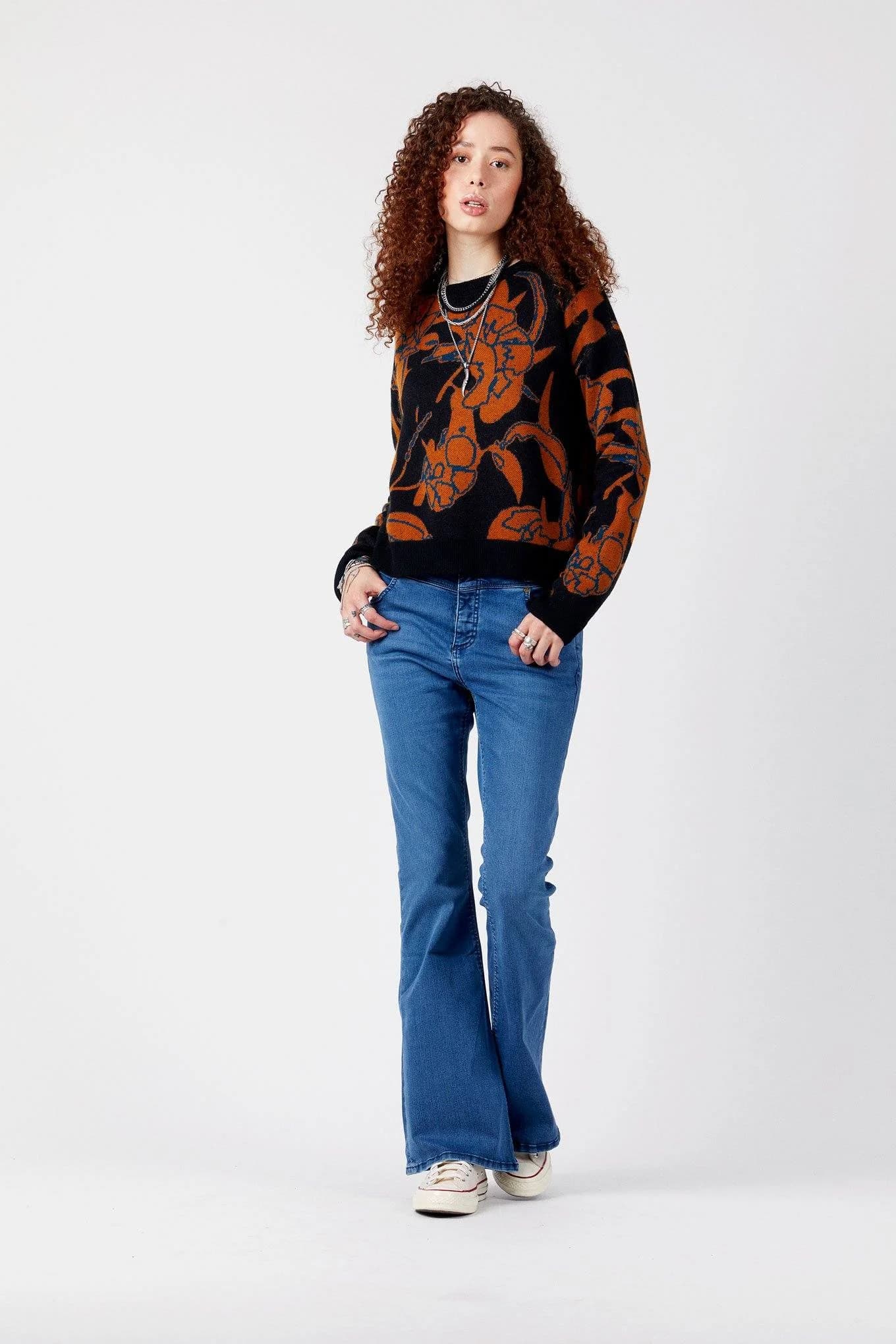
Mavis Azure Jeans — Organic Cotton


LAW Design Studio
Linen Barrel Leg Trousers



Komodo
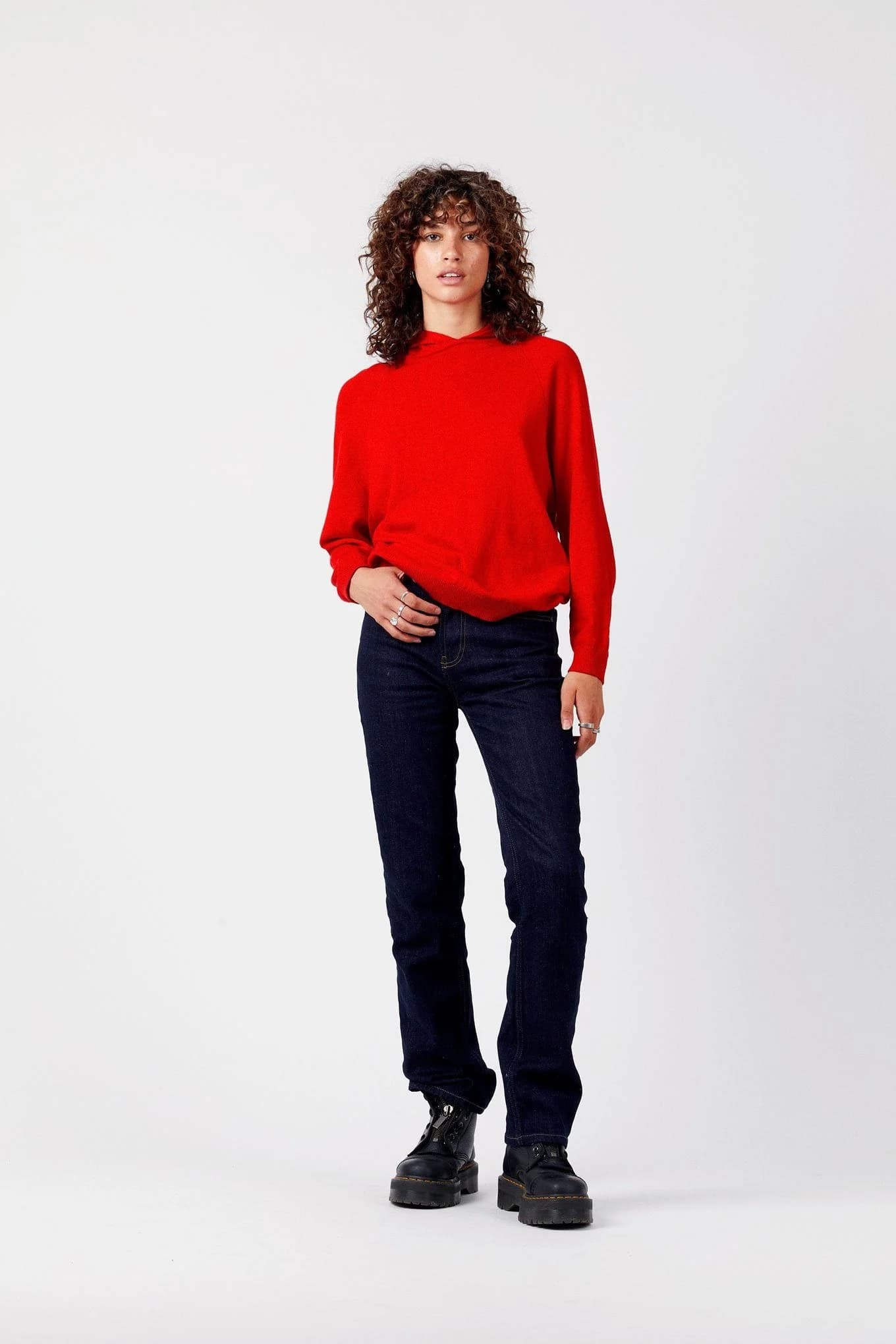
Organic Cotton Sweat Shorts


Komodo
Organic Cotton Striped Shorts


Komodo
Organic Cotton Jogger Khaki Melange

Komodo
Organic Cotton Corduroy Trousers
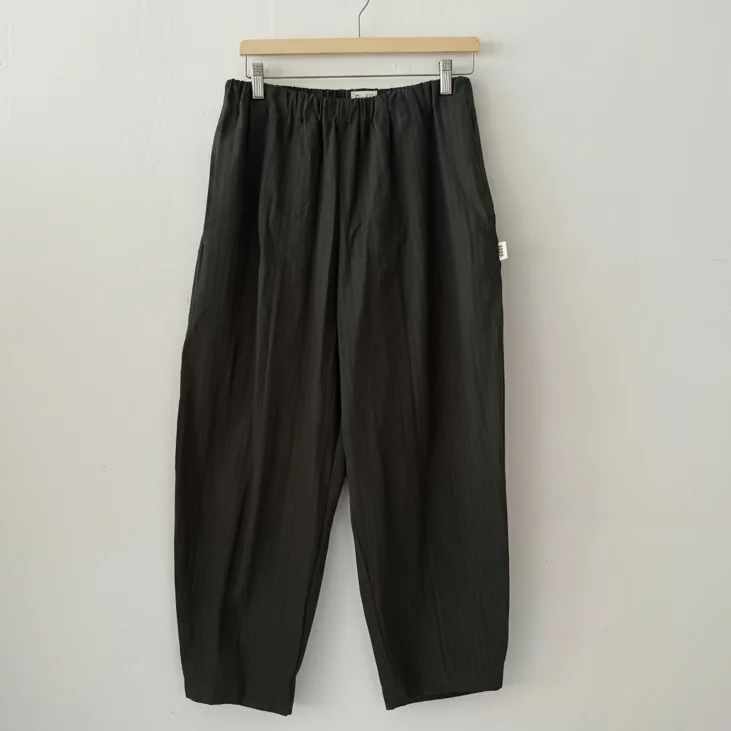
LAW Design Studio
Willow Seersucker Barrel Trousers
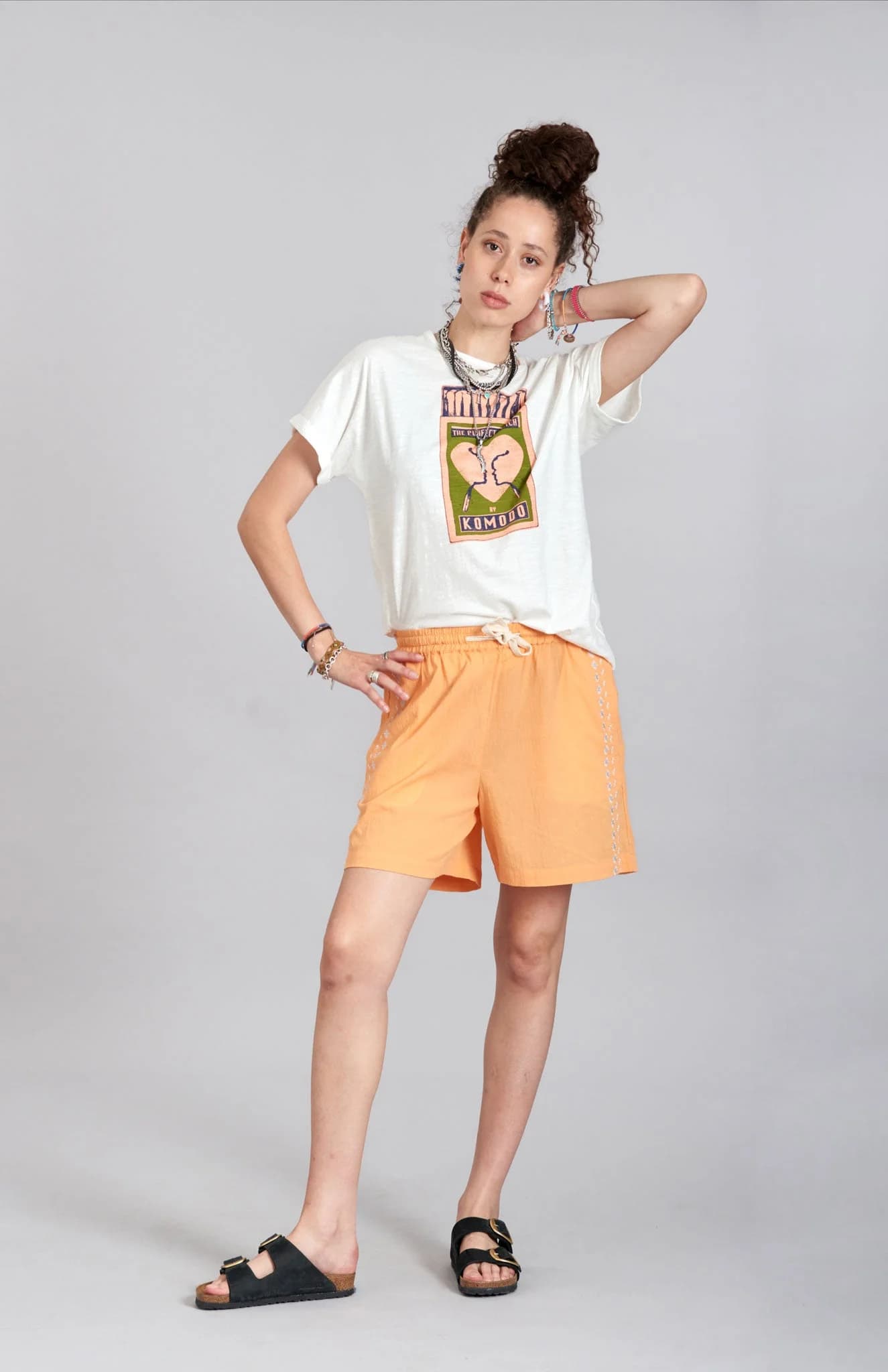
Komodo
Organic Cotton Embroidery Shorts


Showing 20 of 66 products
Load moreChoosing Women's Organic Trousers
When selecting women's organic trousers, consider the fabric composition and the certifications. GOTS (Global Organic Textile Standard) is a leading certification that ensures organic status of textiles from harvesting of the raw materials through environmentally and socially responsible manufacturing. This means not only is the cotton grown organically, but the entire supply chain adheres to strict ecological and social criteria. Look for blends with materials like Tencel Lyocell, which is derived from sustainably sourced wood pulp and known for its softness and breathability, or recycled materials that reduce waste. The cut and style should also align with your lifestyle, whether you need durable work trousers, comfortable loungewear, or versatile everyday options.
Understanding Organic Fabric Benefits
Organic fabrics, particularly organic cotton, are cultivated using methods that have a lower environmental footprint compared to conventional farming. This includes avoiding genetically modified seeds, synthetic pesticides, and chemical fertilisers, which helps to protect soil health, conserve water, and reduce pollution. For you, this often translates to a fabric that is softer, more breathable, and less likely to cause skin irritation, as it hasn't been exposed to harsh chemicals during its growth. Choosing organic trousers supports a more sustainable textile industry, contributing to better conditions for farmers and a healthier planet. It's a pragmatic choice that aligns comfort with conscious consumption.
Common questions
What makes trousers 'organic'?
Trousers are considered 'organic' when they are made from natural fibres, such as cotton or linen, that have been grown without the use of synthetic pesticides, herbicides, or genetically modified organisms (GMOs). Certifications like GOTS (Global Organic Textile Standard) verify that the entire production process, from farming to manufacturing, meets strict environmental and social criteria, ensuring the garment is truly organic and responsibly made.
Are organic trousers more durable than conventional ones?
While durability depends on the specific fabric weave and construction, organic fibres are often less damaged by harsh chemical processing, which can sometimes weaken conventional fibres. This can contribute to organic trousers maintaining their integrity and strength over time, especially when cared for properly. High-quality organic cotton, for example, is known for its resilience and ability to withstand repeated washing.
How should I care for my women's organic trousers?
Caring for women's organic trousers is similar to caring for other natural fibre garments. Always check the care label first, but generally, washing in cold water with a mild, eco-friendly detergent and air-drying or tumble-drying on a low heat setting will help preserve the fabric's integrity and extend its lifespan. Avoiding harsh bleaches and high heat can prevent shrinkage and maintain the fabric's natural softness.
Why choose organic trousers over standard options?
Choosing organic trousers means supporting farming practices that are better for the environment and for the health of farm workers. Organic farming reduces water pollution, protects biodiversity, and improves soil fertility by avoiding harmful chemicals. For you, this often results in a garment that is softer, more breathable, and free from chemical residues, making it a comfortable and conscious choice for everyday wear.
What types of organic fabrics are commonly used for trousers?
The most common organic fabric for trousers is organic cotton, celebrated for its softness, breathability, and versatility. Other popular options include organic linen, known for its strength and cooling properties, and blends with sustainable fibres like Tencel Lyocell, which adds a silky drape and enhanced moisture-wicking. These materials offer a range of textures and finishes suitable for various trouser styles.
From the Journal