

Plastic Free Women's Health
Plastic Free Women's Health products ensure your wellbeing choices align with a lighter environmental footprint. This range focuses on essentials, from menstrual care to natural supplements, all packaged without plastic. You will find items made with materials like bamboo, glass, and compostable cardboard, offering effective solutions that help reduce daily plastic waste.
11 products · sorted by most popular
Brands
Certifications
Product type
Dietary
Material
Scent
Skin Type



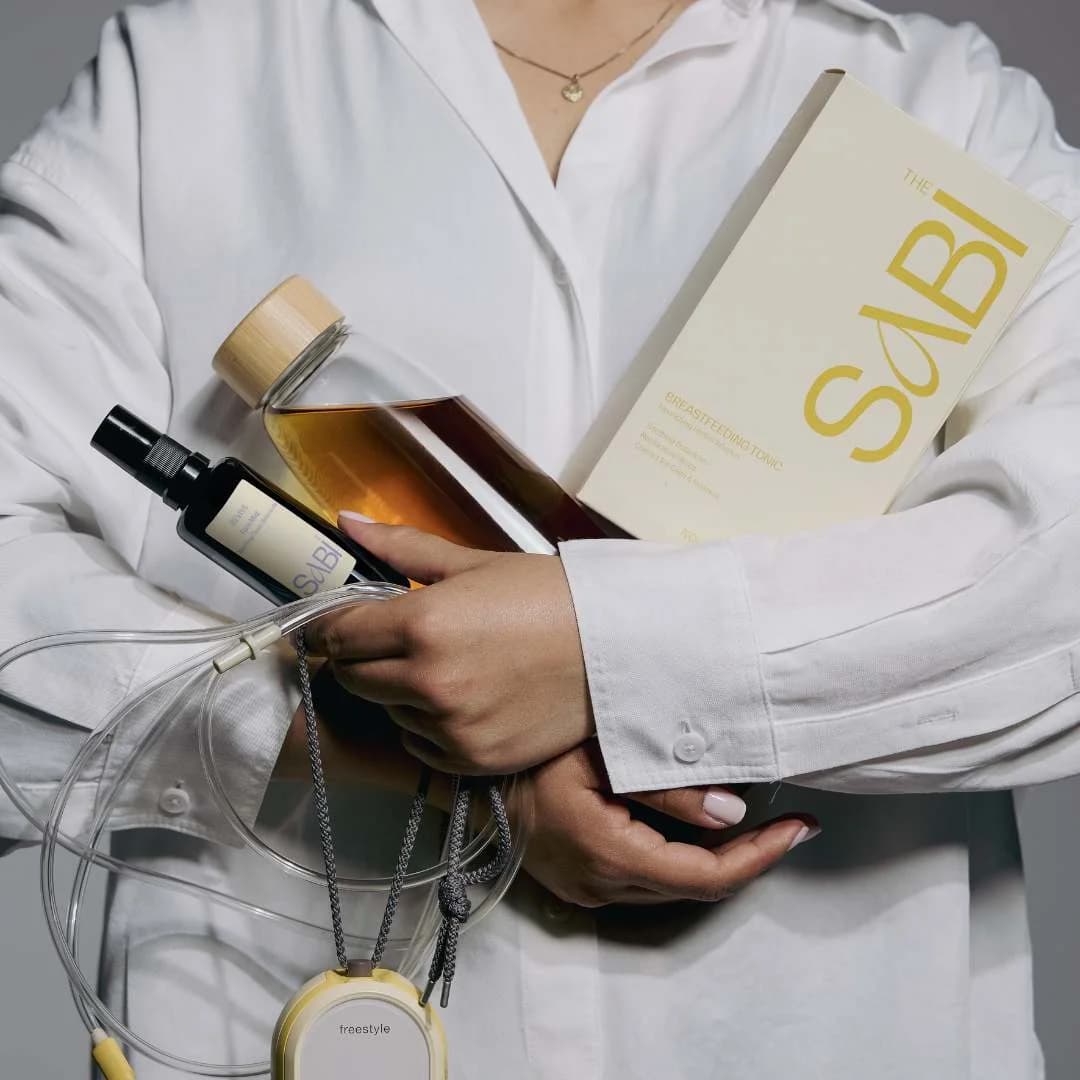
The Sabi
Full Postpartum Set


Related Categories
Choosing Plastic Free Women's Health Products
When selecting plastic-free women's health products, consider the entire lifecycle of the item. Look for reusable options like menstrual cups or washable period pants, which significantly reduce waste over time. For single-use necessities, prioritise products made from sustainably sourced, biodegradable materials such as organic cotton, bamboo, or plant-based bioplastics that are certified compostable. Packaging is also key: opt for glass, metal, or cardboard containers over plastic, and check for refillable systems where available. Understanding the materials used helps ensure your choices genuinely contribute to reducing plastic pollution.
The Benefits of a Plastic Free Approach to Women's Health
Embracing plastic-free options in women's health extends beyond environmental benefits to personal wellbeing. Many conventional products contain plastics that can leach chemicals, which is a concern for intimate and long-term use. By choosing plastic-free alternatives, you often select products made with more natural, breathable, and skin-friendly materials, reducing potential irritation or exposure to unwanted substances. This approach supports a healthier body and a healthier planet, aligning your personal care with sustainable living. It is about making conscious decisions that benefit both you and the environment.
Frequently asked questions
Q. What does 'Plastic Free Women's Health' mean?
Plastic Free Women's Health refers to products designed for women's specific health needs that are entirely free from plastic components, both in the product itself and its packaging. This includes items like menstrual products, supplements, and intimate care, using materials such as glass, metal, bamboo, or compostable plant-based alternatives instead of conventional plastics.
Q. Why should I choose plastic-free options for women's health?
Choosing plastic-free options helps reduce environmental pollution, as plastics can take hundreds of years to decompose. For personal health, it minimises exposure to potential endocrine-disrupting chemicals often found in plastics, which can be particularly relevant for intimate care products. Many plastic-free alternatives also use more natural and breathable materials.
Q. Are plastic-free menstrual products as effective as conventional ones?
Yes, plastic-free menstrual products are highly effective. Options like menstrual cups offer reliable, leak-free protection for many hours, while reusable period underwear provides comfortable and absorbent alternatives. Organic cotton tampons and pads, free from plastic applicators or backings, are also designed for effective absorption and comfort, often without the synthetic feel of plastic-containing products.
Q. How can I identify truly plastic-free women's health products?
To identify truly plastic-free products, look for clear labelling that specifies 'plastic-free' or details the materials used, such as 'glass bottle,' 'aluminium tin,' or 'compostable packaging.' Be wary of terms like 'biodegradable' without further certification, as some materials still contain plastic. Check ingredient lists and packaging descriptions for explicit confirmation of non-plastic components.
Q. What are some common plastic-free alternatives for women's health essentials?
Common plastic-free alternatives include menstrual cups, reusable period underwear, organic cotton tampons with cardboard applicators (or no applicator), and pads made from natural fibres. For supplements, look for products in glass jars, aluminium tins, or compostable pouches. Intimate washes often come in glass or aluminium bottles, and many personal care tools are made from bamboo or metal.