

Plastic Free Period Products
Finding reliable plastic free period products that work for your cycle means looking beyond conventional options. Here, you will find solutions made without plastic, from reusable menstrual cups and discs to organic cotton pads and liners. These choices help reduce waste and are often made with materials that are gentler on your body, giving you peace of mind every month.
7 products · sorted by most popular
Brands
Certifications
Product type
Material




Related Categories
Choosing Your Plastic Free Period Products
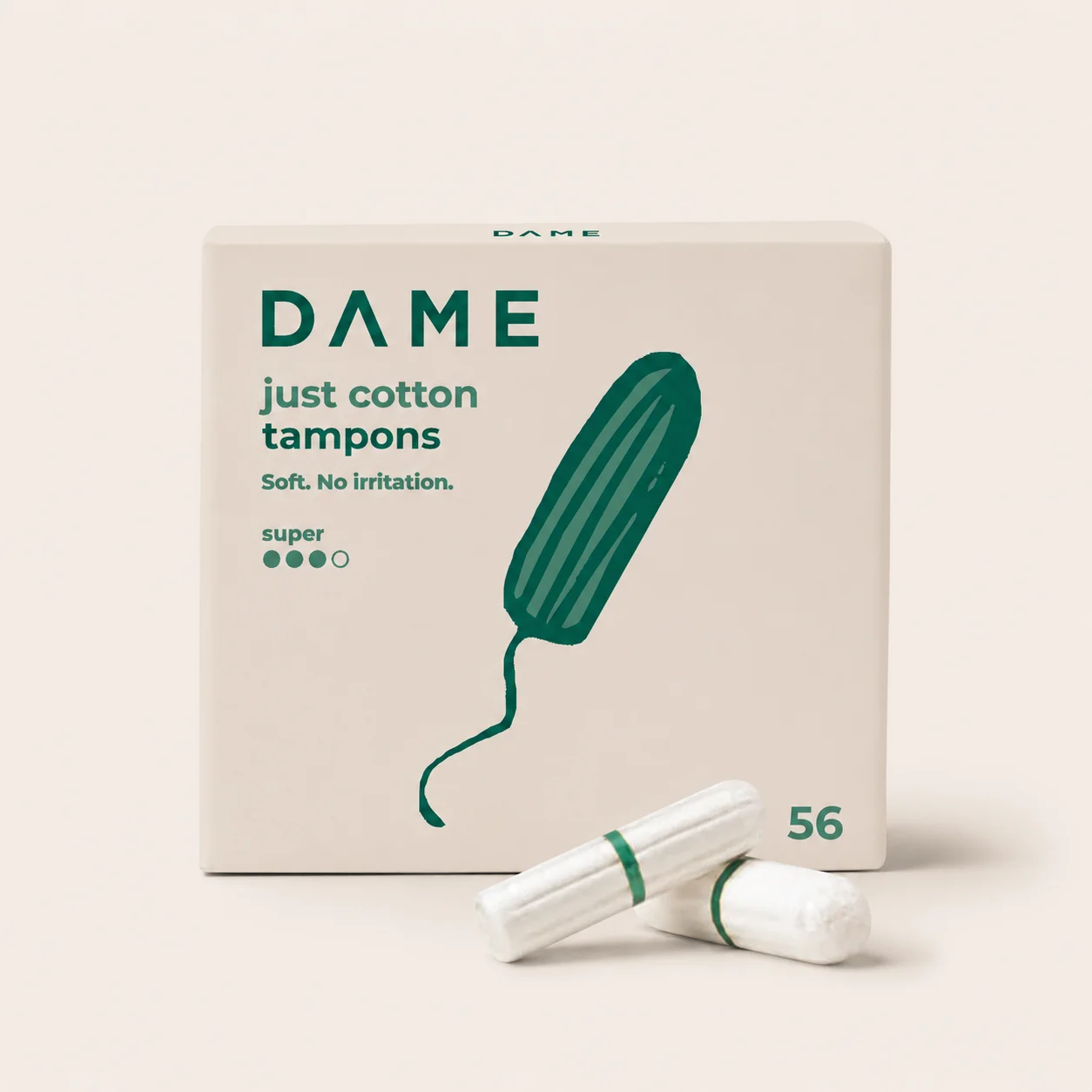
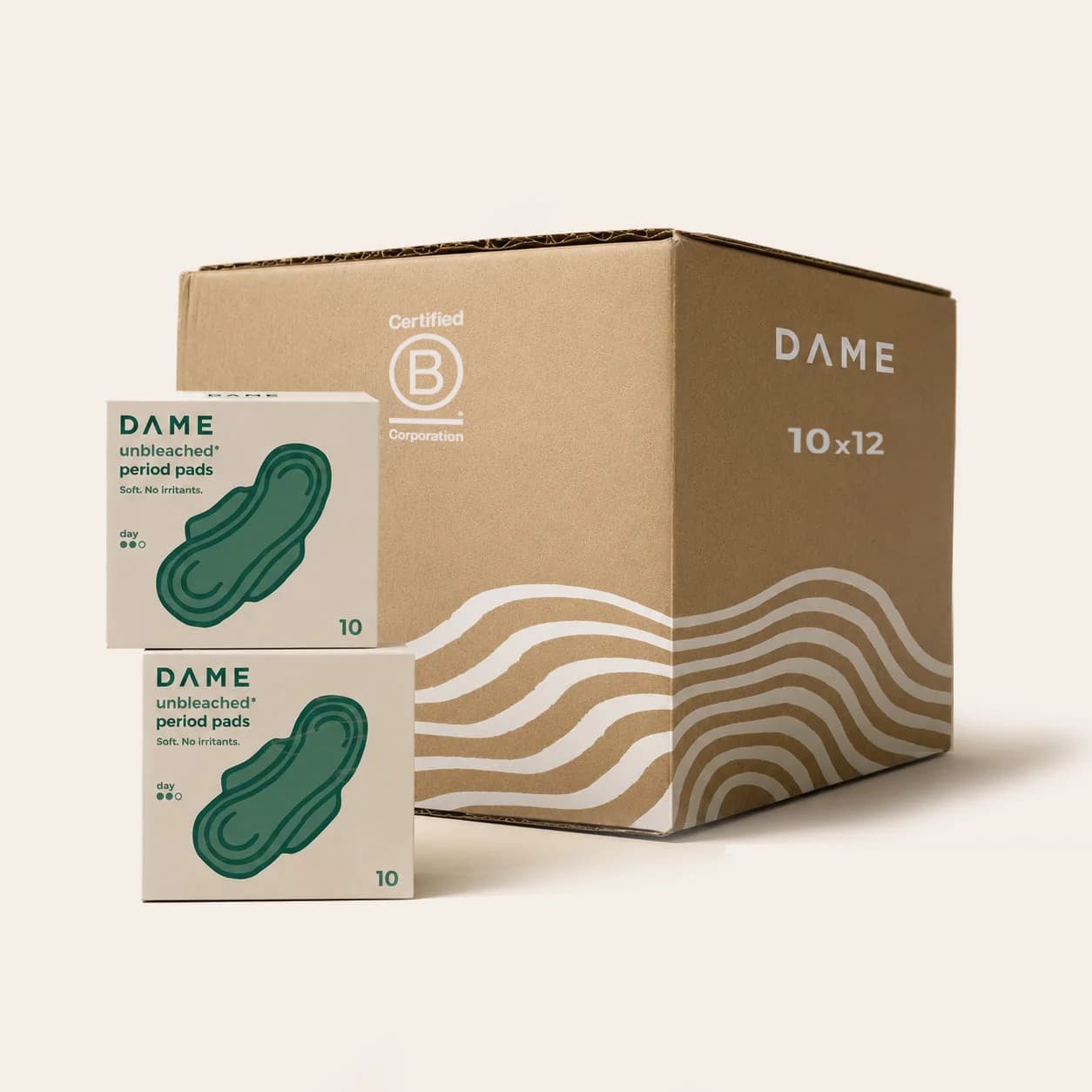
Switching to plastic free period products means considering what works best for your flow, lifestyle, and comfort. Reusable options like menstrual cups and discs are designed for long-term use, offering significant waste reduction and often proving more cost-effective over time. Cups are typically bell-shaped and sit low in the vaginal canal, collecting fluid. Discs, on the other hand, are flatter and sit higher, closer to the cervix. Both can be worn for up to 12 hours, depending on your flow, and are made from medical-grade silicone, which is durable and body-safe. They require a learning curve for insertion and removal, but many find the freedom and reduced waste well worth the initial effort. For those who prefer external protection, reusable cloth pads are a comfortable and absorbent alternative to disposable pads. They come in various sizes and absorbencies, fastening with wings around your underwear. Made from materials like organic cotton or bamboo, they are breathable and can be washed and reused for years. When selecting, consider the absorbency levels you need throughout your cycle and how often you are willing to wash them. Disposable plastic free options, such as organic cotton tampons and pads, offer convenience without the plastic waste. These are typically made with 100% biodegradable materials, including the applicator if one is present, and are free from chlorine bleaching and synthetic fragrances. They are a good entry point for those new to plastic free living or for situations where reusable options are not practical. Look for certifications like GOTS (Global Organic Textile Standard) for cotton products to ensure they meet strict environmental and social criteria.
Understanding Materials in Plastic Free Period Care
The materials used in plastic free period products are key to their environmental impact and your personal comfort. Medical-grade silicone is a common choice for menstrual cups and discs because it is hypoallergenic, durable, and does not absorb fluids, making it easy to clean and reuse. This material is rigorously tested for biocompatibility, ensuring it is safe for internal use. Organic cotton is another hero material, especially for disposable and reusable pads and tampons. Unlike conventional cotton, organic cotton is grown without synthetic pesticides or fertilisers, which protects soil health and reduces water pollution. When used in period products, it means fewer irritants against sensitive skin and a more breathable experience. Look for products that specify 100% organic cotton, particularly for the absorbent core and outer layers. Bamboo is also gaining popularity for reusable pads due to its natural absorbency, softness, and antimicrobial properties. It is a fast-growing plant that requires less water than cotton, making it a sustainable choice. For packaging, plastic free options often use recycled cardboard, paper, or plant-based films that are compostable. Avoiding conventional plastics like polyethylene and polypropylene, which are found in many standard period products, prevents them from ending up in landfills or oceans for centuries. Understanding these material choices helps you make informed decisions that align with both your health and environmental values.
Frequently asked questions
Q. What makes a period product plastic free?
A period product is considered plastic free when it contains no synthetic plastics in its components, including the absorbent core, backing, wrapper, or applicator. This means avoiding materials like polyethylene, polypropylene, and super absorbent polymers (SAPs) derived from petroleum. Instead, these products use natural, biodegradable, or reusable materials such as organic cotton, bamboo, medical-grade silicone, or natural rubber.
Q. Are plastic free period products as effective as conventional ones?
Yes, plastic free period products are designed to be just as effective as conventional options. Menstrual cups and discs offer reliable, leak-proof protection for up to 12 hours. Organic cotton pads and tampons are highly absorbent, and reusable cloth pads come in various absorbency levels to suit different flows. The effectiveness comes from thoughtful design and the natural absorbency of materials like organic cotton and bamboo.
Q. How do I choose the right plastic free period product for me?
Choosing the right plastic free period product depends on your flow, comfort preferences, and lifestyle. If you prefer internal protection and want a long-term reusable solution, a menstrual cup or disc might be suitable. For external protection, reusable cloth pads offer comfort and absorbency, while disposable organic cotton pads provide convenience. Consider your absorbency needs and how often you are comfortable washing reusable items.
Q. Are plastic free period products more hygienic?
Plastic free period products can be very hygienic when used and cared for correctly. Reusable options like menstrual cups and discs are made from medical-grade silicone, which is non-porous and easy to sterilise by boiling. Organic cotton disposables are breathable and free from harsh chemicals, reducing the risk of irritation. Proper washing of reusable pads and adherence to recommended wear times for all products are key to maintaining hygiene.
Q. What are the environmental benefits of using plastic free period products?
The primary environmental benefit of using plastic free period products is the significant reduction in plastic waste. Conventional period products contribute billions of plastic items to landfills and oceans annually, taking centuries to decompose. By choosing plastic free alternatives, especially reusable ones, you help minimise this waste, reduce demand for virgin plastics, and often support products made with more sustainably sourced and biodegradable materials.