

Plastic Free Mindfulness Tools
Find plastic free mindfulness tools that support your inner calm without adding to plastic waste. This selection features meditation cushions, journaling supplies, and sensory aids made from natural materials like organic cotton, cork, and bamboo. Each item is chosen for its commitment to plastic-free packaging and durable design, ensuring your practice is both peaceful and planet-kind. We focus on items that are genuinely free from plastics, including microplastics in their composition, so you can focus on your wellbeing.
13 products · sorted by most popular
Brands
Product type
For
Colour
Material

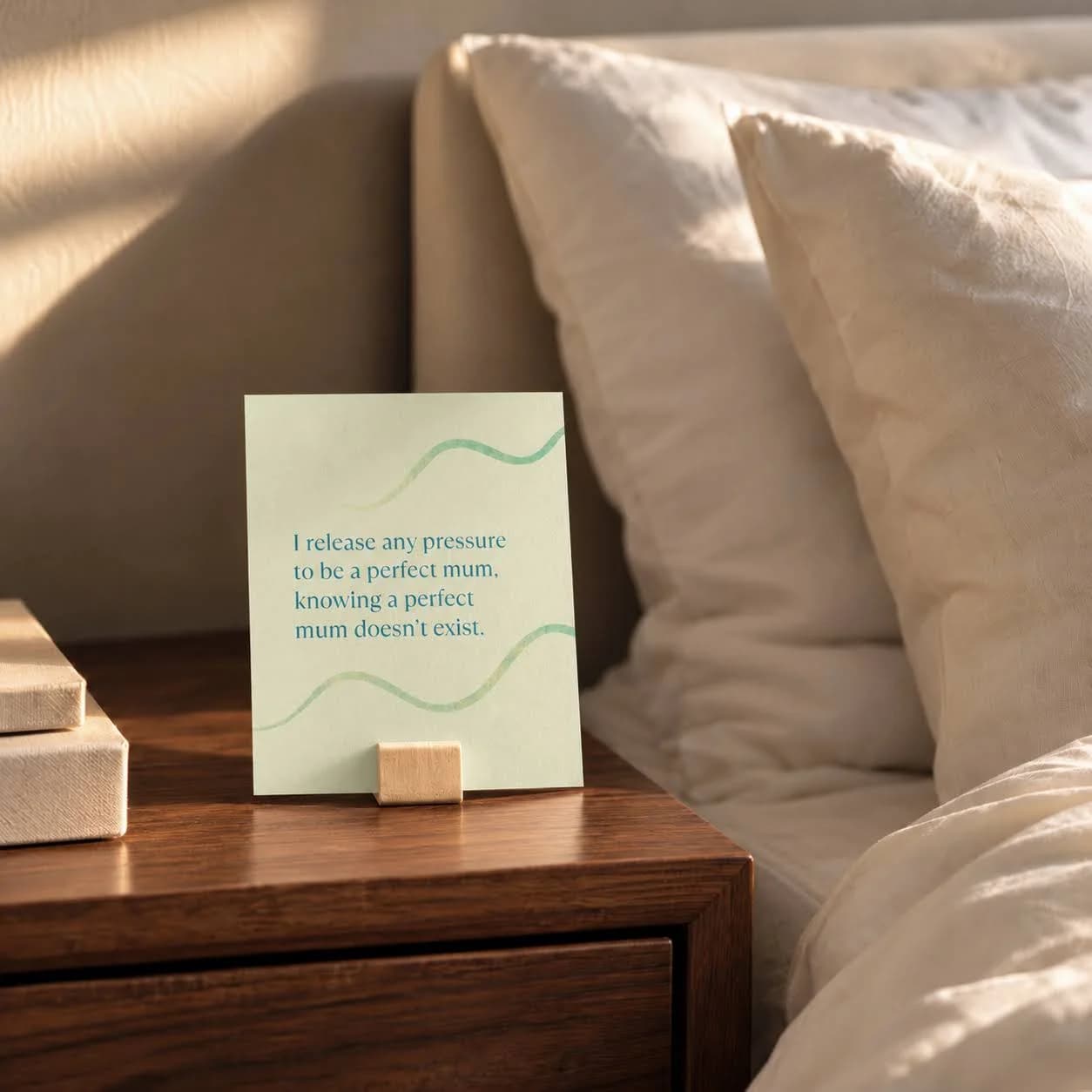

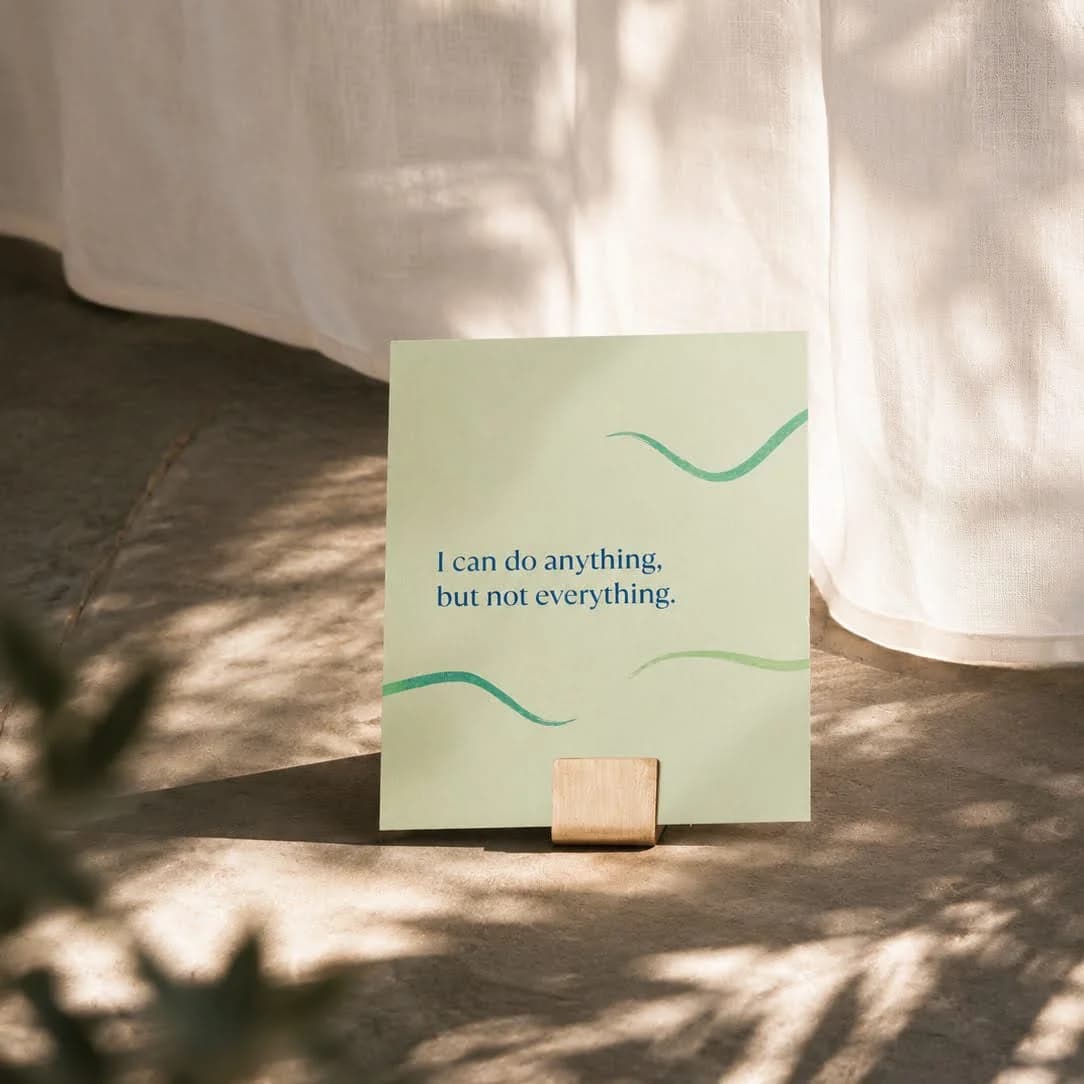

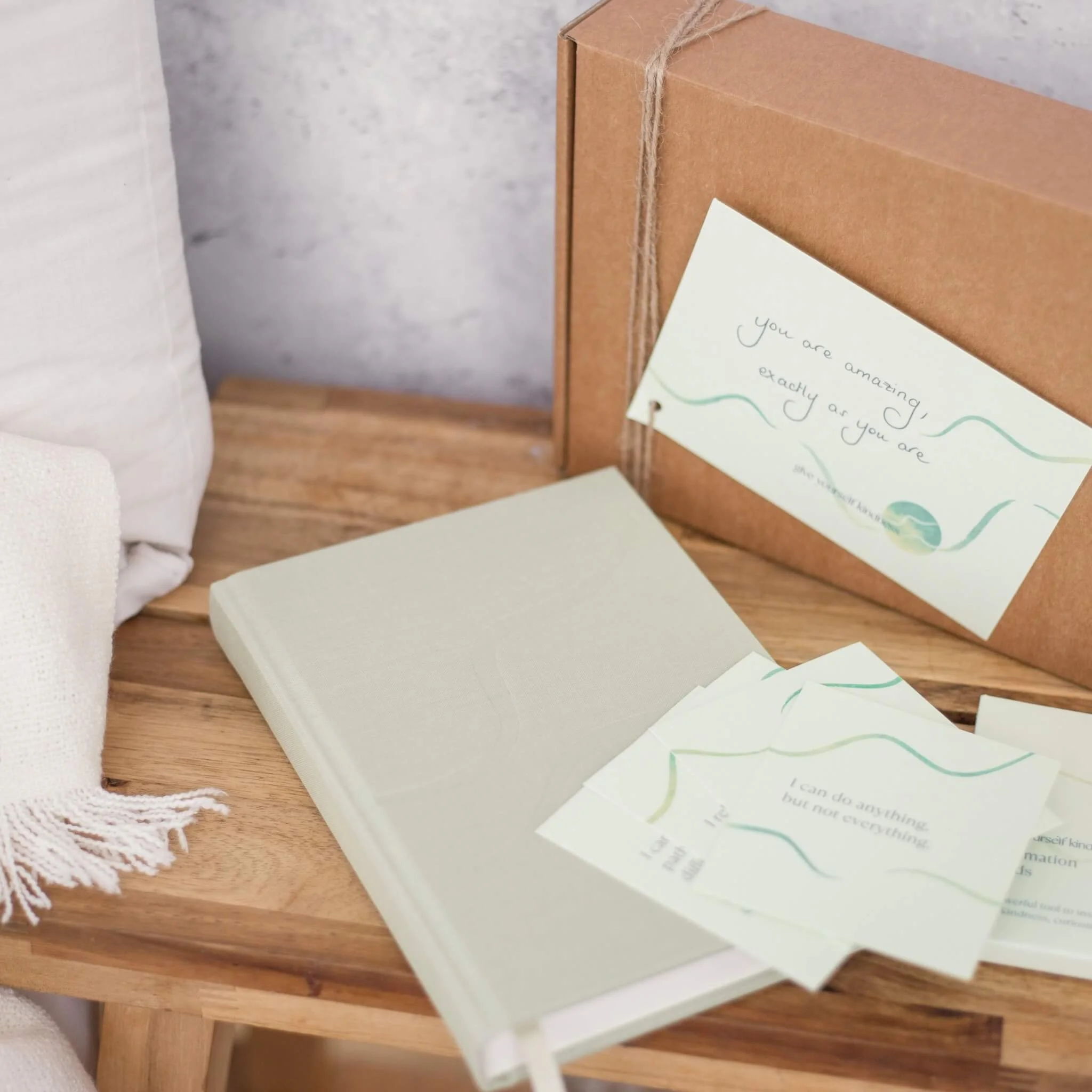


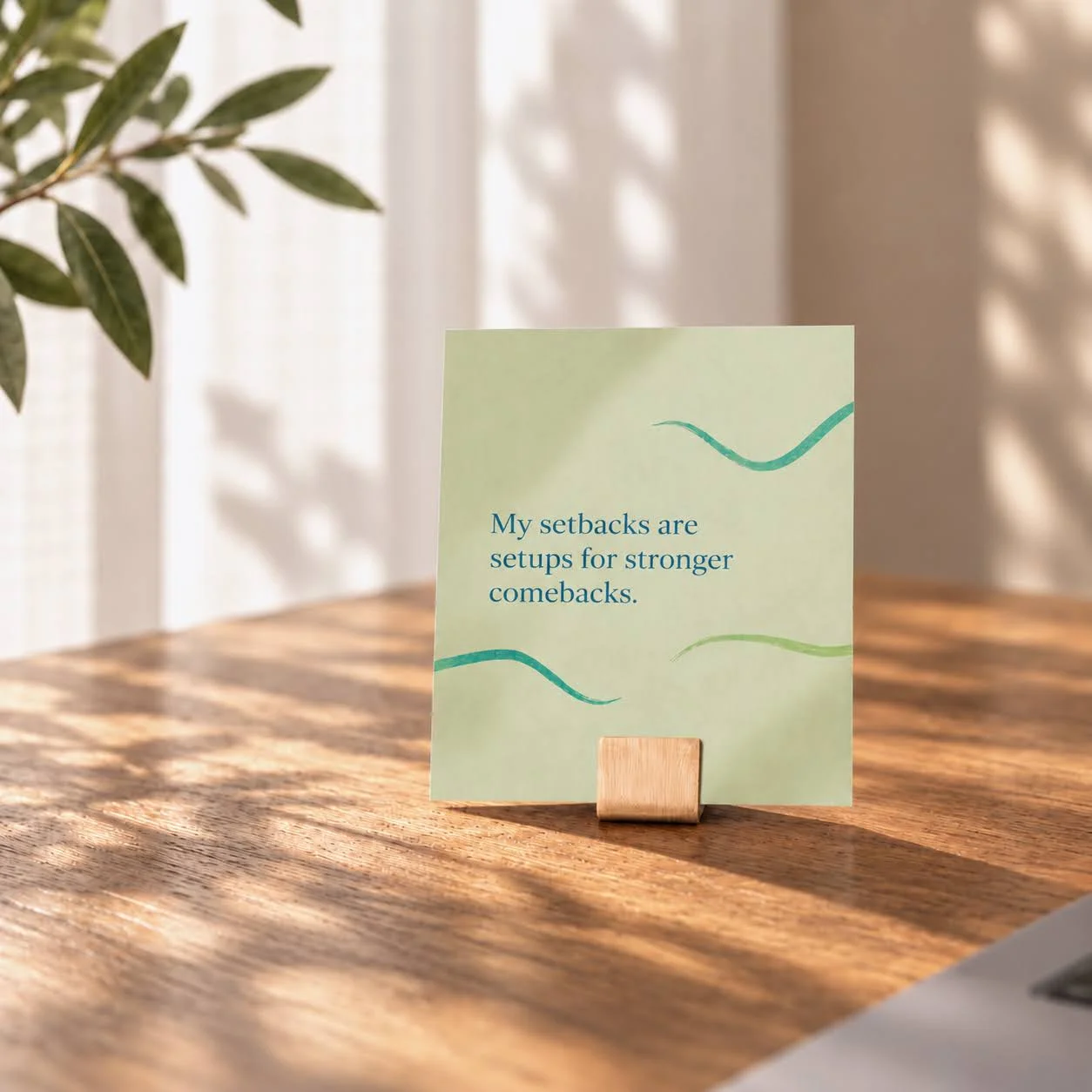



Related Categories
Choosing Plastic Free Mindfulness Tools
When selecting mindfulness tools, prioritising plastic-free options means looking beyond just the product itself to its packaging and components. For meditation cushions, consider those filled with natural fibres like buckwheat hulls, kapok, or organic cotton, encased in durable, washable covers made from linen or hemp. Journaling supplies can be a significant source of plastic, so opt for notebooks with recycled paper and binding, and pens made from bamboo, metal, or recycled paper. Sensory tools, such as stress balls or fidget devices, are often made from synthetic polymers; instead, seek out options crafted from wood, stone, or natural rubber.
It is also helpful to verify claims about biodegradability or compostability, as some materials labelled as such may still require specific industrial conditions to break down, which are not widely available. Focus on genuinely natural, single-material items that can be easily recycled or composted at home, or are designed for long-term reusability. This approach ensures your tools align with a low-impact lifestyle, supporting both your personal practice and broader environmental goals.
Understanding Materials in Plastic Free Mindfulness
True plastic-free mindfulness tools rely on materials that are inherently natural and renewable, or made from recycled content that is not plastic. For textiles, organic cotton, linen, hemp, and jute are excellent choices for items like yoga mats, meditation blankets, and eye pillows. These fibres are breathable, durable, and often produced with lower environmental impact than synthetic alternatives. When it comes to hard goods, cork offers a lightweight, sustainable option for blocks and rollers, while bamboo and wood are versatile for everything from diffusers to storage boxes.
Avoid products that use 'bio-plastics' or 'plant-based plastics' unless their end-of-life disposal is clearly articulated and verifiable within standard UK recycling or composting systems. Many of these materials still behave like traditional plastics in the environment and can contaminate recycling streams. Instead, look for certifications that confirm the absence of plastics, or clear labelling that specifies the exact natural composition of the product. This attention to detail helps ensure your mindfulness practice is supported by tools that genuinely contribute to a healthier planet.
Frequently asked questions
Q. What are plastic free mindfulness tools?
Plastic free mindfulness tools are items designed to support practices like meditation, journaling, and sensory regulation, which are made entirely without plastic components or packaging. This includes materials such as organic cotton, cork, bamboo, wood, natural rubber, and recycled paper, ensuring they are sustainable and environmentally kind. The focus is on natural, durable alternatives to common plastic items.
Q. How can I be sure a mindfulness tool is truly plastic free?
To verify a mindfulness tool is truly plastic free, check the product description for a detailed list of materials, including packaging. Look for certifications that specifically address plastic content or materials like '100% natural fibre' or 'FSC-certified wood'. Be wary of vague terms like 'eco-friendly' or 'plant-based' without further clarification, as these can sometimes mask hidden plastic components or non-recyclable bio-plastics. Ziracle vets products to ensure they meet stringent plastic-free standards.
Q. What are common plastic items to avoid in mindfulness tools?
Common plastic items to avoid in mindfulness tools include synthetic fillings in meditation cushions (like polyester fibre-fill), plastic covers or bases for yoga blocks, plastic pens and binders in journals, and plastic components in diffusers or sensory toys. Even seemingly small parts like zips, buttons, or glues can contain plastic, so it is important to check the full material breakdown of any product.
Q. Are plastic free mindfulness tools as durable as their plastic counterparts?
Yes, many plastic free mindfulness tools are exceptionally durable, often outlasting their plastic counterparts. Materials like solid wood, cork, and high-quality organic cotton or linen are known for their longevity and resilience. While plastic can be flexible, natural materials often offer a more robust and repairable option, contributing to a longer lifespan for your tools and reducing the need for frequent replacement.
Q. Why choose plastic free options for my mindfulness practice?
Choosing plastic free options for your mindfulness practice aligns your personal wellbeing with environmental responsibility. Plastics contribute to pollution, microplastic contamination, and resource depletion. By opting for natural, sustainable materials, you reduce your ecological footprint, support ethical production, and create a more harmonious environment for your practice, free from synthetic materials that can off-gas or degrade.