

Organic Tea
Organic tea here is grown without synthetic pesticides or fertilisers, ensuring a purer brew for your daily ritual. Our selection includes everything from robust black teas to soothing herbal infusions, all meeting strict organic standards. You will find blends that prioritise both flavour and environmental responsibility, making every cup a choice for better health and a healthier planet.
Related Categories
17 products · sorted by most popular
Brands
Product type
Dietary
Caffeine
Material
Scent

Flawless
Rooibos Tea


The Herbtender
Herbal Tea Set



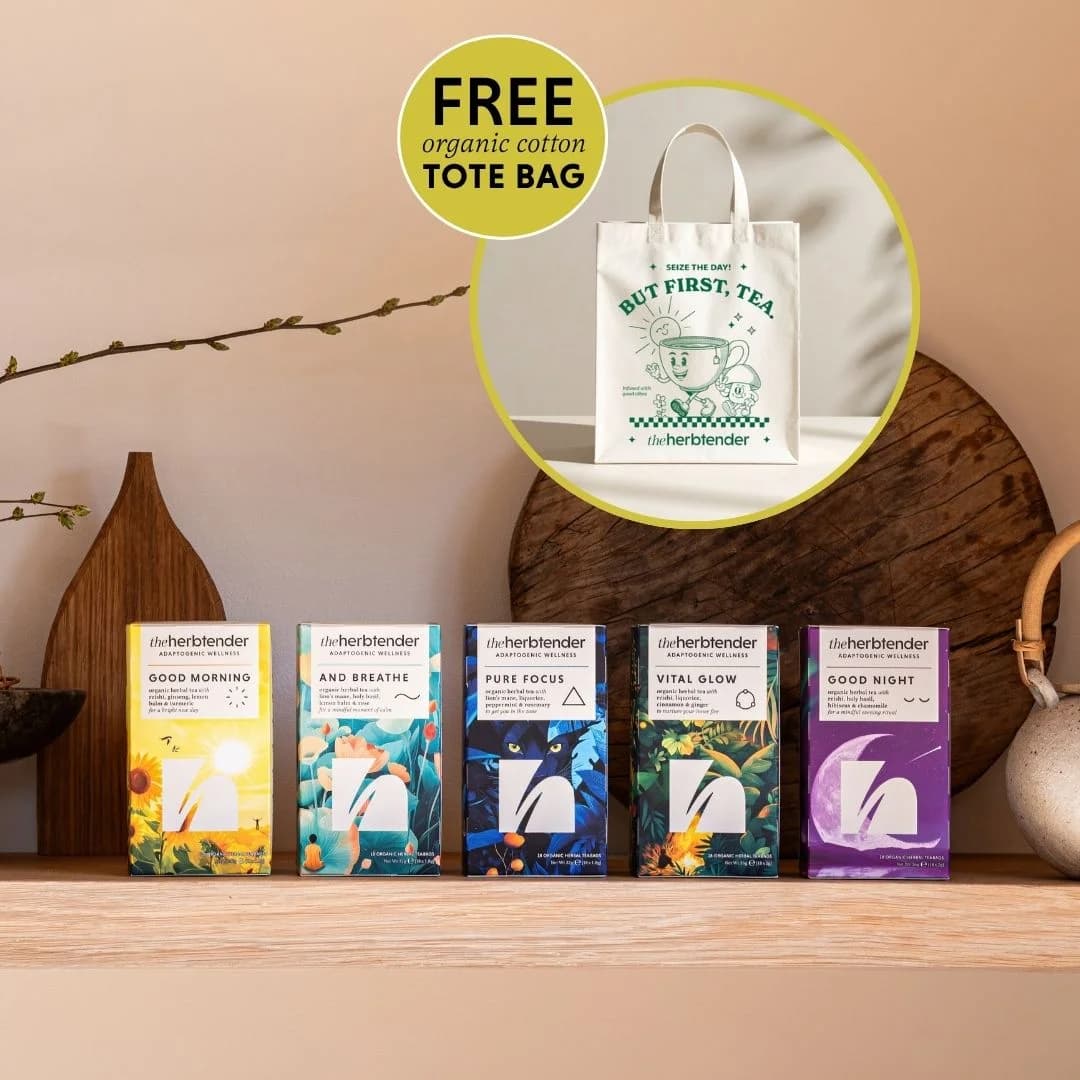
The Herbtender
Organic Herbal Tea Set
Choosing Your Organic Tea
When selecting organic tea, consider the type of tea and its origin. Black, green, white, and herbal teas each offer distinct flavour profiles and benefits. Organic certification ensures that the tea leaves were grown without harmful synthetic chemicals, which can impact both the taste and your health. Look for teas from regions known for their sustainable farming practices, as this often correlates with higher quality and more ethical production. Pay attention to the ingredients list for any added flavourings or sweeteners, opting for pure tea leaves and natural botanicals where possible.
Understanding Organic Certification for Tea
Organic certification for tea means that the product has met specific standards set by a certifying body, such as the Soil Association in the UK or USDA Organic in the US. These standards cover everything from soil quality and pest control to processing and packaging. For tea, this typically means no synthetic pesticides, herbicides, or genetically modified organisms (GMOs) are used at any stage. It also often implies a commitment to biodiversity and ecological balance on the farm. While certification provides a strong assurance, some smaller, highly ethical farms may not have it due to cost, so researching the brand's practices can also be beneficial.
Frequently asked questions
Q. What does 'organic' mean for tea?
For tea, 'organic' means the tea leaves were grown and processed without the use of synthetic pesticides, herbicides, or artificial fertilisers. This approach supports biodiversity, soil health, and ensures the final product is free from chemical residues, offering a purer and often more flavourful brew.
Q. How can I be sure my organic tea is genuinely organic?
To ensure your organic tea is genuine, look for official certification logos on the packaging, such as the Soil Association symbol in the UK or the EU Organic logo. These certifications indicate that the product has undergone rigorous checks and meets strict organic farming and processing standards from farm to cup.
Q. Are there different types of organic tea available?
Yes, the organic label applies across all tea types. You can find organic black tea, green tea, white tea, oolong tea, and a wide variety of herbal infusions like peppermint, chamomile, and ginger. Each offers unique flavours and potential benefits, all grown to the same high organic standards.
Q. Why should I choose organic tea over conventional tea?
Choosing organic tea means you are opting for a product grown without harmful synthetic chemicals, which is better for your health and the environment. It supports farming practices that protect soil fertility, water quality, and biodiversity, contributing to a more sustainable agricultural system.
Q. Does organic tea taste different from non-organic tea?
Many people find that organic tea has a cleaner, more nuanced flavour profile, as the absence of synthetic chemicals allows the natural characteristics of the tea leaves to shine through. While taste is subjective, the focus on healthy soil and natural growing conditions often results in a higher quality leaf.