

Organic Makeup Brushes
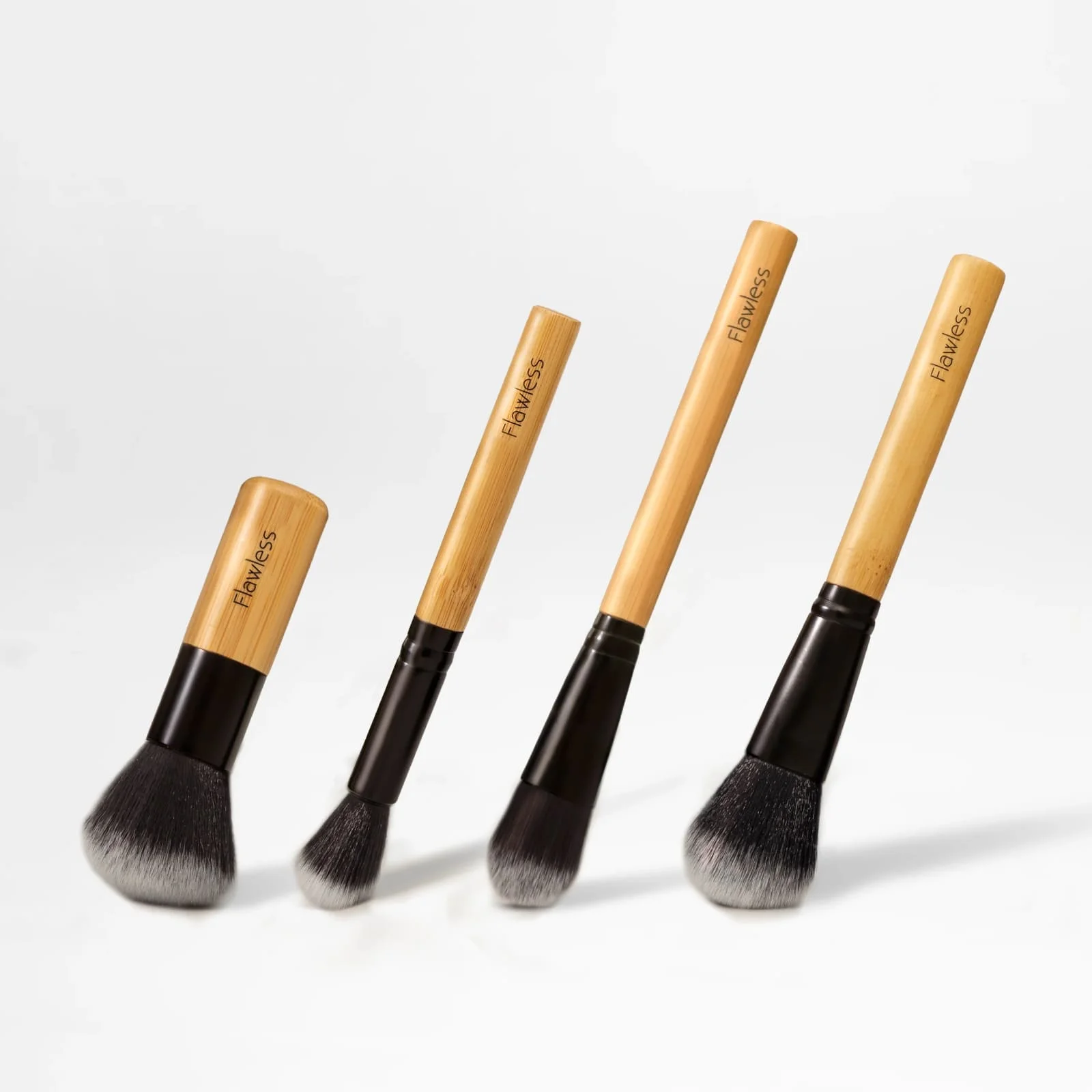
Organic makeup brushes here are made with sustainably sourced materials and designed for precise application without compromise. These tools offer a comfortable grip and soft bristles, ensuring a smooth finish for your foundation, blush, or eyeshadow. You will find brushes crafted from bamboo handles and natural fibres, chosen for their durability and minimal environmental impact. Each brush supports a more conscious beauty routine, aligning with your values for both performance and planetary care.
5 products · sorted by most popular
Product type
Brush use



Related Categories
Choosing Organic Makeup Brushes
When selecting organic makeup brushes, the focus is on the materials used for both the bristles and the handles. Look for brushes with handles made from fast-growing, renewable resources like bamboo, which requires less water and no pesticides to cultivate. Bristles should be natural fibres, often derived from plants, ensuring they are soft on the skin while effectively picking up and distributing product. The ferrule, the metal part connecting the bristles to the handle, should ideally be made from recycled aluminium or another sustainably sourced metal. Verifying the organic claims often involves checking for certifications that confirm the raw materials meet specific environmental and ethical standards, though these can be less common for individual brushes than for ingredients in cosmetic products. The key is to prioritise transparency from the brand regarding their sourcing and manufacturing processes.
Maintaining Your Organic Makeup Brushes
Proper care extends the life of your organic makeup brushes and maintains their performance. Regular cleaning is essential to prevent product build-up and bacterial growth. Use a gentle, natural brush cleanser or a mild, organic soap and lukewarm water. Swirl the bristles gently in the palm of your hand or on a textured cleaning mat, then rinse thoroughly until the water runs clear. Avoid soaking the brush handles, as this can loosen the glue and damage the wood or bamboo. Gently squeeze out excess water and reshape the bristles before laying the brushes flat on a clean towel or hanging them upside down to dry. This prevents water from seeping into the ferrule and preserves the brush's integrity. Storing them in a brush roll or container also protects the bristles from dust and damage, ensuring they remain in optimal condition for longer.
Frequently asked questions
Q. What makes makeup brushes organic?
Organic makeup brushes are primarily defined by the organic origin of their materials, such as sustainably harvested bamboo for handles and natural, plant-derived fibres for bristles. The 'organic' label typically refers to the cultivation methods of these raw materials, meaning they are grown without synthetic pesticides or fertilisers. While a full 'organic' certification for a finished brush product is rare, brands committed to this standard will provide transparency on their material sourcing and manufacturing processes, ensuring minimal environmental impact and ethical production.
Q. Are organic makeup brushes as effective as synthetic ones?
Yes, organic makeup brushes can be just as effective as synthetic options, often excelling in specific applications. Natural fibres, when properly selected and crafted, can pick up and blend powder products beautifully, providing a soft, diffused finish. The key is the quality of the bristle material and the brush's construction. Many professional makeup artists use natural fibre brushes for their ability to create seamless transitions and buildable coverage, particularly with mineral and powder-based cosmetics.
Q. How do I choose the right organic makeup brush for my needs?
Choosing the right organic makeup brush depends on the type of product you are applying and the desired finish. For powder foundations and blushes, a large, fluffy brush with soft, dense bristles is ideal for even distribution. For eyeshadows, smaller, more tapered brushes allow for precise application and blending. Consider the shape and density of the bristles: dense brushes offer more coverage, while looser brushes provide a sheerer application. Always check the brand's recommendations for specific brush uses.
Q. What materials are commonly used in organic makeup brushes?
Common materials for organic makeup brushes include bamboo for handles due to its rapid growth and minimal environmental footprint. Bristles are often made from natural plant fibres like corn, soy, or other cellulose-derived materials, which are soft, durable, and effective for makeup application. The ferrules, which secure the bristles, are typically made from recycled aluminium or other responsibly sourced metals. These material choices reflect a commitment to reducing reliance on petroleum-based plastics and animal products.
Q. How should I clean and care for my organic makeup brushes?
To clean organic makeup brushes, use a gentle, natural brush cleanser or a mild, organic soap with lukewarm water. Swirl the bristles gently in your palm or on a textured mat, then rinse thoroughly. Avoid getting water into the ferrule or soaking the wooden handles, as this can cause damage. Gently squeeze out excess water, reshape the bristles, and lay the brushes flat on a clean towel or hang them upside down to air dry completely. Regular cleaning every 1-2 weeks helps maintain hygiene and extends the life of your brushes.