

Organic Soap
Every organic soap here is made with ingredients grown without synthetic pesticides or fertilisers, ensuring a gentler cleanse for your skin and the planet. You will find options that are rich in nourishing plant oils and butters, often certified by COSMOS Organic or the Soil Association, making them ideal for sensitive skin types. These soaps offer a simple, effective way to reduce your exposure to unnecessary chemicals in your daily routine.
Related Categories
23 products · sorted by most popular
Brands
Certifications
Product type
Pack size
Set type
Skin concern
Colour
Volume
Material
Scent
Skin Type

Silvan Skincare
Clean Teen Skincare Kit


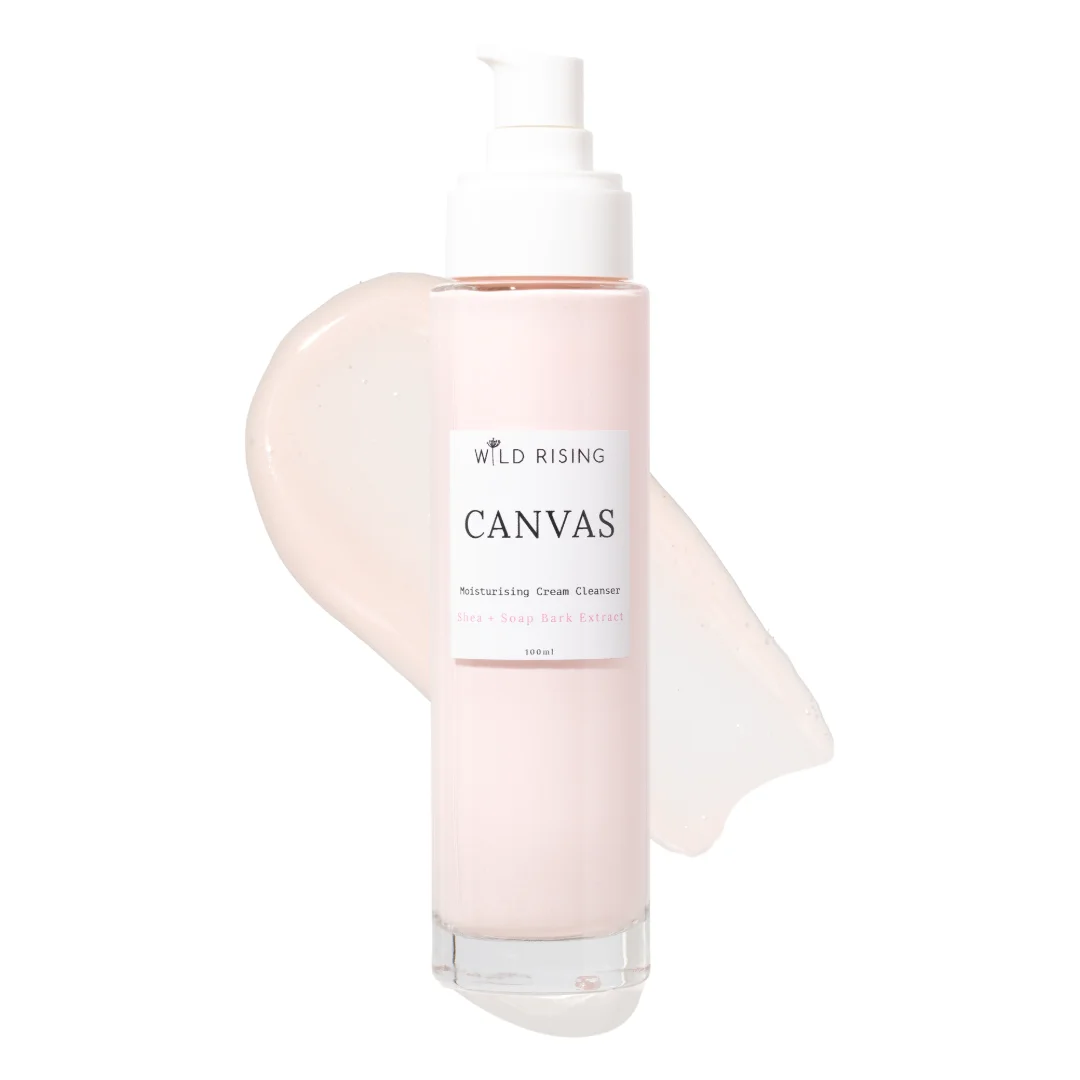
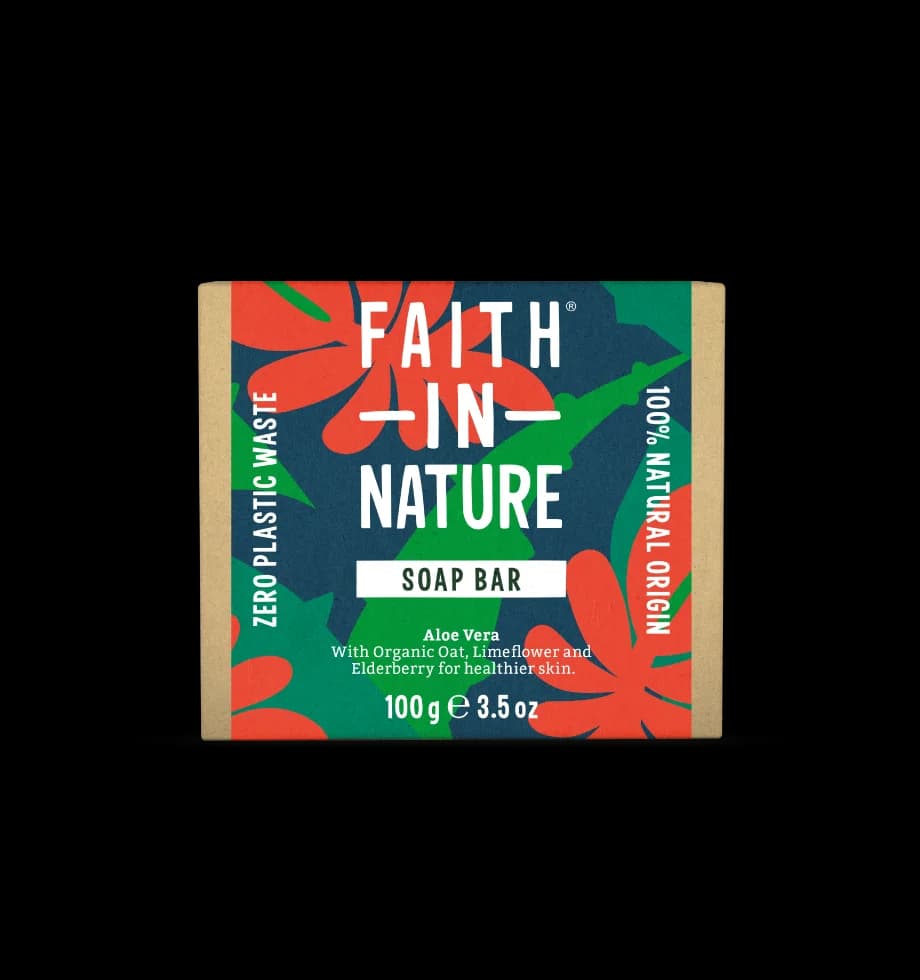


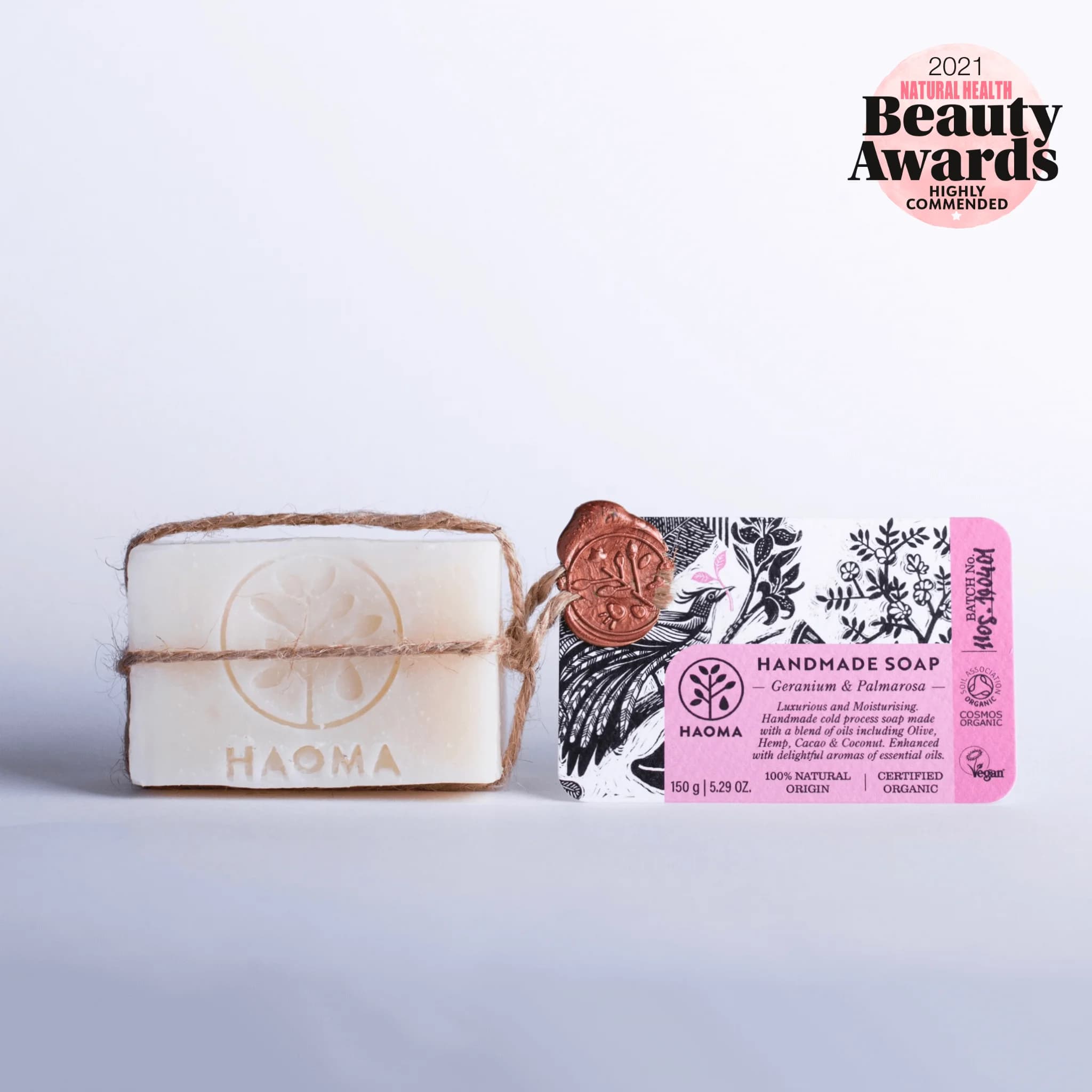


Showing 20 of 23 products
Load moreChoosing the Right Organic Soap for Your Skin
When selecting an organic soap, consider your skin type and any specific concerns you have. For dry or sensitive skin, look for soaps rich in shea butter, olive oil, or glycerine, as these ingredients are known for their hydrating and soothing properties. If you have oily or blemish-prone skin, charcoal or tea tree oil can be beneficial for their purifying qualities. Always check the ingredient list for certifications like COSMOS Organic or the Soil Association, which verify that at least 95% of the agricultural ingredients are organically produced. This ensures the product meets stringent standards for environmental protection and human health, giving you confidence in your choice.
Understanding Organic Certifications for Soap
The term "organic" in soap refers to the agricultural practices used to grow the plant-based ingredients. Key certifications to look for include COSMOS Organic and the Soil Association. COSMOS Organic, an international standard, ensures ingredients are sourced sustainably and processed in an environmentally responsible manner. The Soil Association is a leading UK organic certifier, guaranteeing that products meet strict organic standards from farm to finished item. These certifications go beyond just ingredients, often covering packaging, manufacturing processes, and animal welfare. Choosing a certified organic soap means you are supporting practices that avoid synthetic pesticides, GMOs, and artificial fragrances, contributing to healthier ecosystems and a more transparent supply chain.
Frequently asked questions
Q. What makes a soap organic?
An organic soap is primarily made with ingredients that have been grown and processed without the use of synthetic pesticides, fertilisers, or genetically modified organisms (GMOs). For a soap to be certified organic, a significant percentage of its agricultural ingredients, typically 95% or more, must meet strict organic farming standards. This ensures a product that is kinder to both your skin and the environment, often featuring nourishing plant oils and botanical extracts.
Q. Is organic soap better for sensitive skin?
Yes, organic soap is often a better choice for sensitive skin types. Because organic ingredients are grown without harsh synthetic chemicals, they are less likely to cause irritation or allergic reactions. Many organic soaps also contain natural emollients like shea butter, coconut oil, and olive oil, which are known for their gentle, moisturising properties, helping to soothe and protect delicate skin barriers.
Q. How can I identify a truly organic soap?
To identify a truly organic soap, look for recognised certifications on the packaging. In the UK, key certifications include COSMOS Organic and the Soil Association. These labels indicate that the product has undergone rigorous third-party verification to ensure its ingredients and manufacturing processes meet strict organic standards. Checking the ingredient list for specific organic components is also a good practice.
Q. Does organic soap lather as well as conventional soap?
The lathering quality of organic soap can vary, but many organic formulations create a rich, creamy lather comparable to conventional soaps. The type of oils used, such as coconut oil or castor oil, often contribute to good lather. While some organic soaps might produce a slightly less voluminous foam if they omit synthetic foaming agents, they still provide effective cleansing without stripping the skin of its natural moisture.
Q. What are the environmental benefits of choosing organic soap?
Choosing organic soap offers several environmental benefits. Organic farming practices avoid synthetic pesticides and fertilisers, which helps to protect soil health, water quality, and biodiversity. It also reduces the chemical burden on ecosystems and supports sustainable agriculture. By opting for organic soap, you are contributing to a more environmentally friendly supply chain and reducing your personal impact on the planet.