

Organic Body Oil
Discover organic body oil that deeply nourishes and leaves your skin feeling supple, without any synthetic additives. Each oil here is certified organic, ensuring it is free from pesticides and harmful chemicals, giving you peace of mind with every application. We focus on formulations that absorb beautifully, delivering essential nutrients and lasting hydration for truly healthy-looking skin.
Related Categories
23 products · sorted by most popular
Brands
Certifications
Product type
Mood
Skin concern
Volume
Material
Scent
Skin Type


Bouclé
Organic Body Oil


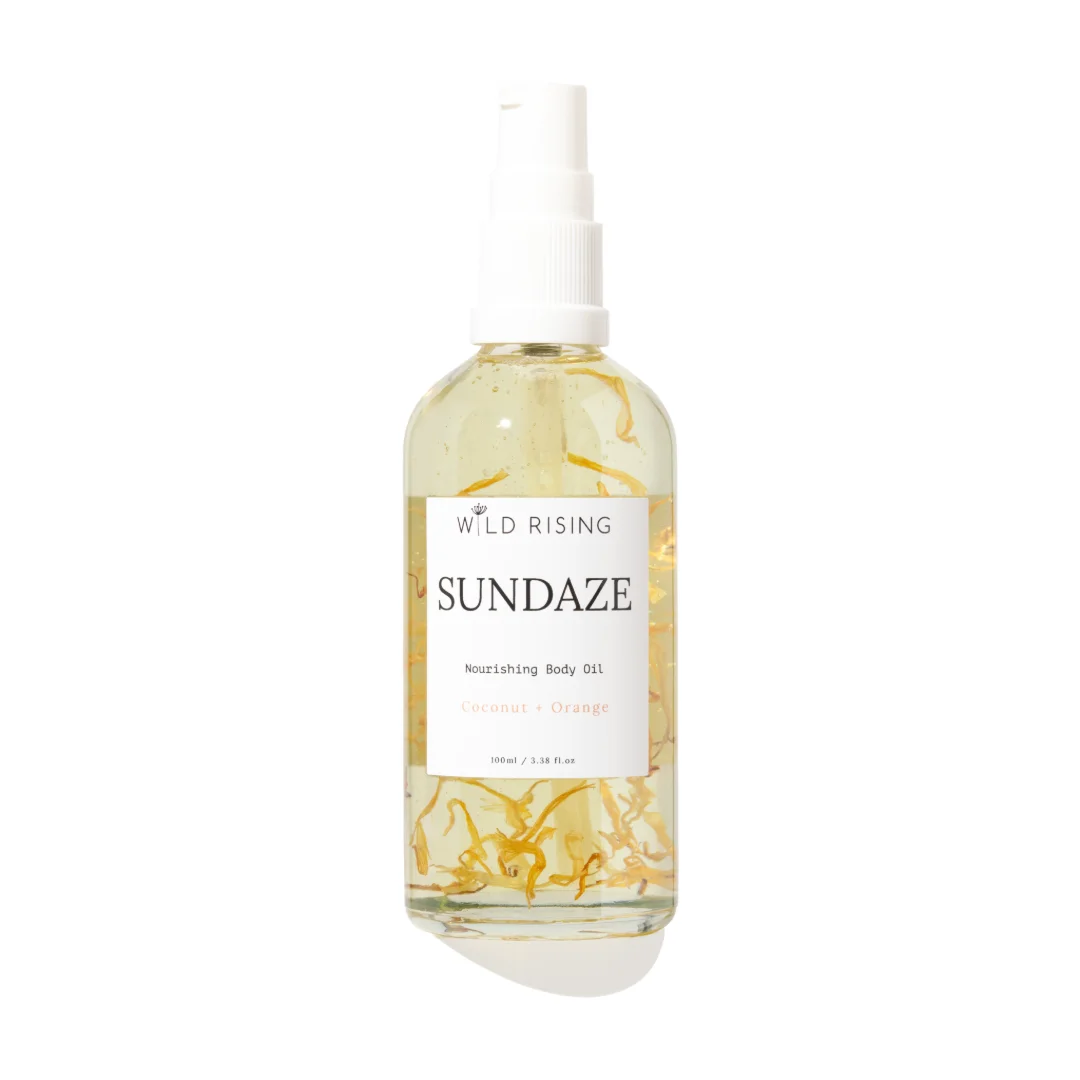


Bouclé
Organic Body Oil


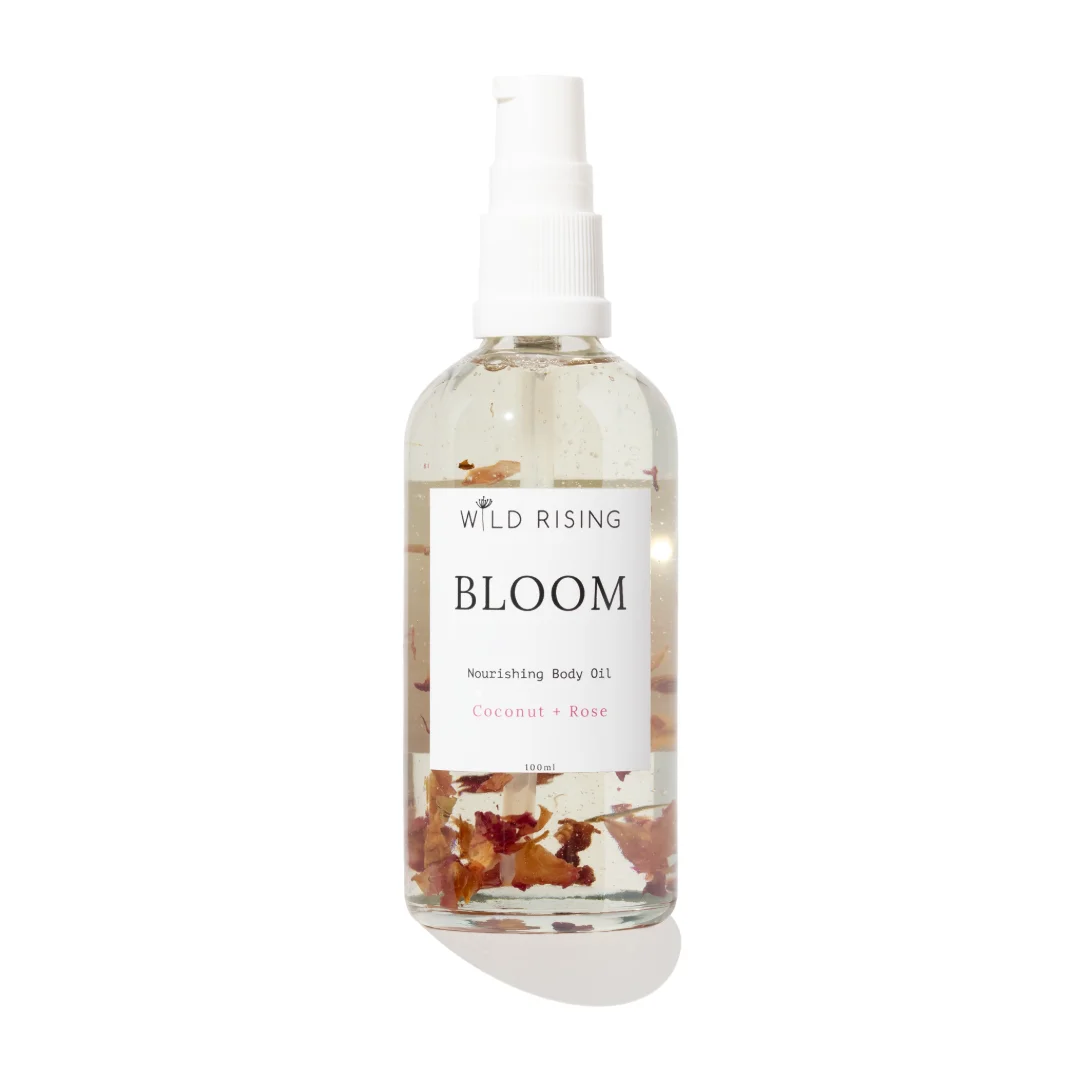


Silvan Skincare
Active Body Kit


Showing 20 of 23 products
Load moreChoosing the Right Organic Body Oil for Your Skin
When selecting an organic body oil, consider your skin type and specific concerns. For dry or mature skin, look for richer oils like argan, jojoba, or rosehip, known for their deeply moisturising and regenerative properties. If you have sensitive skin, opt for simpler formulations with fewer ingredients, such as pure organic sweet almond or sunflower oil, which are less likely to cause irritation. Pay attention to the scent profile too; some organic oils are naturally unscented, while others feature essential oils for an aromatic experience. Always check the ingredient list to ensure it aligns with your preferences and any sensitivities you might have.
Understanding Organic Certifications for Body Oils
The 'organic' label on body oils signifies that the ingredients have been grown and processed without synthetic pesticides, fertilisers, or GMOs. In the UK, certifications from bodies like the Soil Association or Ecocert provide assurance that a product meets strict organic standards. These certifications cover not only the farming practices but also the manufacturing process, ensuring no cross-contamination and minimal environmental impact. Choosing a certified organic body oil means you are supporting sustainable agriculture and protecting your skin from potentially harmful residues. It is a simple way to ensure the product you are using is both good for you and the planet.
Frequently asked questions
Q. What makes an organic body oil different?
An organic body oil is made from ingredients that have been grown and processed without the use of synthetic pesticides, herbicides, or genetically modified organisms. This means the oils are purer and retain more of their natural beneficial compounds, reducing your exposure to potentially harmful chemicals often found in conventional products. Certified organic oils also support more sustainable farming practices.
Q. How do I know if a body oil is truly organic?
To ensure a body oil is truly organic, look for specific certifications on the product label. In the UK, reputable certifications include the Soil Association, Ecocert, or COSMOS Organic. These independent bodies audit the entire supply chain, from cultivation to manufacturing, to verify that strict organic standards are met. Without such a certification, claims of 'organic' may be less reliable.
Q. Can organic body oil help with sensitive skin?
Yes, organic body oils can be particularly beneficial for sensitive skin. Because they are free from synthetic fragrances, dyes, and harsh chemicals, they are less likely to trigger irritation or allergic reactions. Opt for organic oils with minimal ingredients, such as pure organic jojoba or calendula oil, which are known for their calming and soothing properties. Always patch test a new product first.
Q. How should I apply organic body oil for best results?
For optimal absorption and hydration, apply organic body oil to damp skin immediately after showering or bathing. This helps to lock in moisture. Dispense a small amount into your palm, warm it between your hands, and then massage it gently into your skin using upward strokes. Pay extra attention to drier areas like elbows, knees, and shins. A little goes a long way with high-quality oils.
Q. Are organic body oils better for the environment?
Organic body oils generally have a lower environmental impact compared to conventional oils. Organic farming practices avoid synthetic pesticides and fertilisers, which can pollute soil and water systems. They often promote biodiversity and healthier ecosystems. Choosing organic also supports sustainable agriculture, contributing to a more environmentally responsible beauty industry and reducing your carbon footprint.