

Vegan Trainers
Vegan trainers here are made without any animal-derived materials, offering a conscious choice for your footwear. You will find options crafted from innovative plant-based leathers, recycled plastics, and organic cotton, ensuring both style and ethical production. These trainers are designed for comfort and durability, proving that high performance does not need to come at the expense of animal welfare or the planet. We focus on brands that prioritise transparency in their supply chains, giving you confidence in every step.
Related Categories
30 products · sorted by most popular
Brands
Certifications
Colour
Shoe Size
Material
Style

Komodo
Classic Organic Cotton Trainers


Ration.L
Slip-On Trainer


Komodo
Organic Cotton Trainers

Ration.L
Vegan Trainer Venus Camel

Ration.L
Mercury Black Trainer


Komodo
Cornwaste Eco Trainer

Komodo
Classic Organic Cotton Trainers


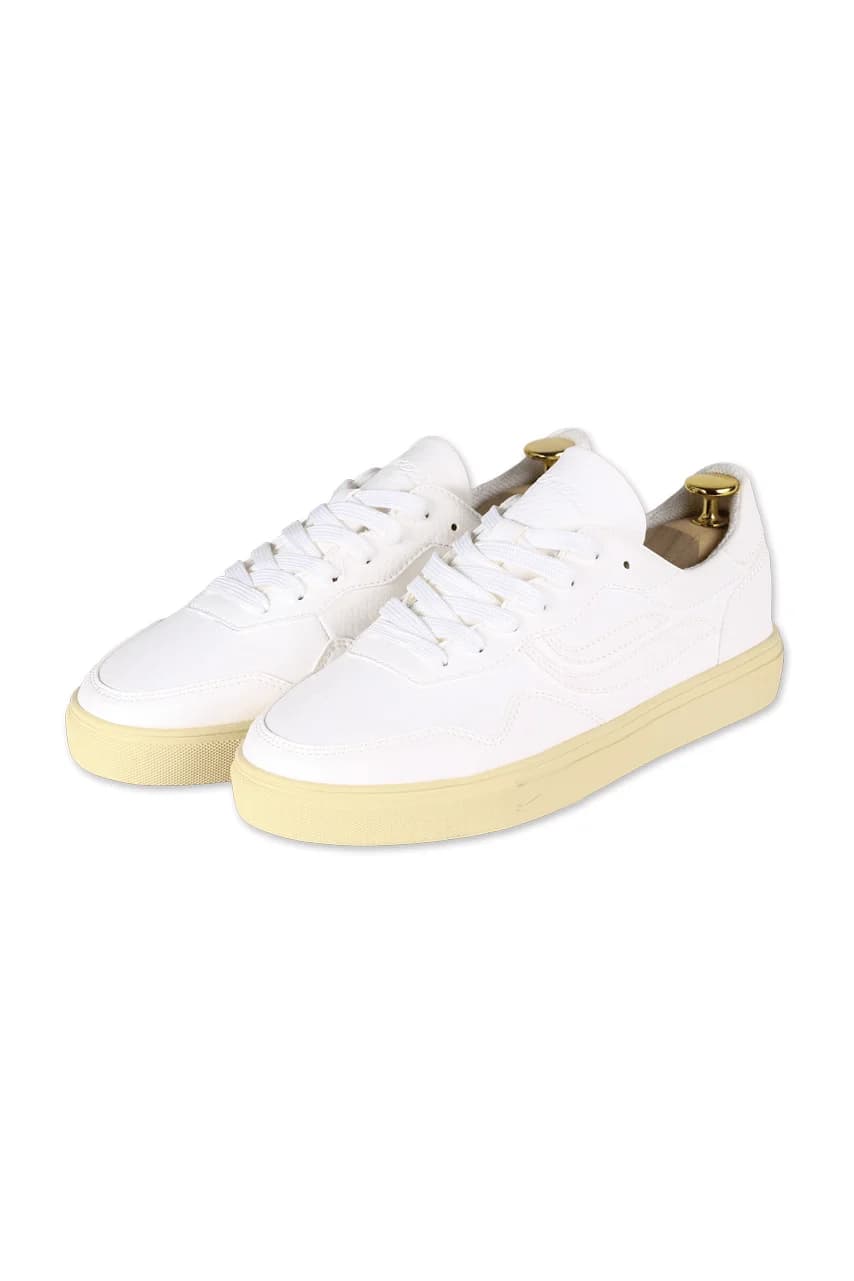
Komodo
Cornwaste Eco Trainer


Showing 20 of 30 products
Load moreChoosing the Right Vegan Trainers
When selecting vegan trainers, consider the materials used and their overall environmental impact. Look for innovative alternatives to traditional leather, such as those made from pineapple leaves, mushroom mycelium, or recycled plastic bottles. These materials often offer comparable durability and breathability without contributing to animal agriculture. Pay attention to the sole composition as well; many brands now use recycled rubber or natural rubber, which are more sustainable choices. Think about the specific activities you will be using them for, whether it is daily wear, light exercise, or simply making a style statement. A good pair of vegan trainers should align with your values while also meeting your practical needs for comfort and support.
Understanding Vegan Footwear Standards
True vegan trainers are entirely free from animal products, including glues and dyes. This goes beyond just the upper material to encompass every component of the shoe. While some brands might use synthetic materials, the most forward-thinking options incorporate recycled content or bio-based alternatives, reducing reliance on virgin plastics. Certifications like PETA-Approved Vegan can offer an extra layer of assurance, though many smaller, ethical brands may not have formal certifications but are transparent about their material sourcing and production processes. Always check product descriptions for details on materials and manufacturing to ensure they meet your personal standards for ethical and sustainable footwear.
Frequently asked questions
Q. What makes trainers 'vegan'?
Vegan trainers are made without any animal-derived materials, including leather, suede, wool, silk, and animal-based glues or dyes. Instead, they use plant-based, synthetic, or recycled alternatives for all components, from the upper to the sole and lining. This ensures no animals are harmed in the production process.
Q. Are vegan trainers as durable as traditional leather trainers?
Yes, many modern vegan trainers are just as durable, if not more so, than their traditional counterparts. Advances in material science have led to high-performance plant-based leathers and recycled synthetics that offer excellent wear resistance, flexibility, and comfort. The lifespan of trainers often depends more on construction quality than on the specific material type.
Q. What materials are commonly used in vegan trainers?
Common materials in vegan trainers include recycled polyester, organic cotton, cork, natural rubber, and innovative plant-based leathers made from pineapple leaves (Pinatex), apple waste, or mushroom mycelium. Some brands also use recycled plastic bottles or ocean plastic to create durable and sustainable fabrics for their footwear.
Q. How do I care for my vegan trainers?
Caring for vegan trainers depends on their specific materials. Generally, most can be cleaned with a damp cloth and mild soap. For fabric trainers, a soft brush can help remove dirt. Always check the manufacturer's care instructions, as some materials like plant-based leathers may require specific conditioning to maintain their appearance and longevity.
Q. Are vegan trainers always more sustainable?
While vegan trainers avoid animal cruelty, their overall sustainability depends on the materials and production methods used. Trainers made from recycled or bio-based materials with ethical manufacturing processes are generally more sustainable. Those relying heavily on virgin synthetic materials may have a larger environmental footprint, so it is always worth checking the product details.