

Organic Trainers
Organic trainers are made with materials like GOTS-certified organic cotton and natural rubber, ensuring a lower environmental impact from cultivation to production. These trainers prioritise comfort and durability, offering a choice that aligns with both your values and an active lifestyle. Here you will find footwear that avoids synthetic pesticides and harsh chemicals, supporting healthier ecosystems and responsible manufacturing practices.
27 products · sorted by most popular
Brands
Certifications
Product type
Colour
Shoe Size
Material
Style


Komodo
Classic Organic Cotton Trainers

Ration.L
Slip-On Trainer


Komodo
Classic Organic Cotton Trainers


Komodo
Classic White Sneaker



Komodo
Organic Cotton Sneaker Mint
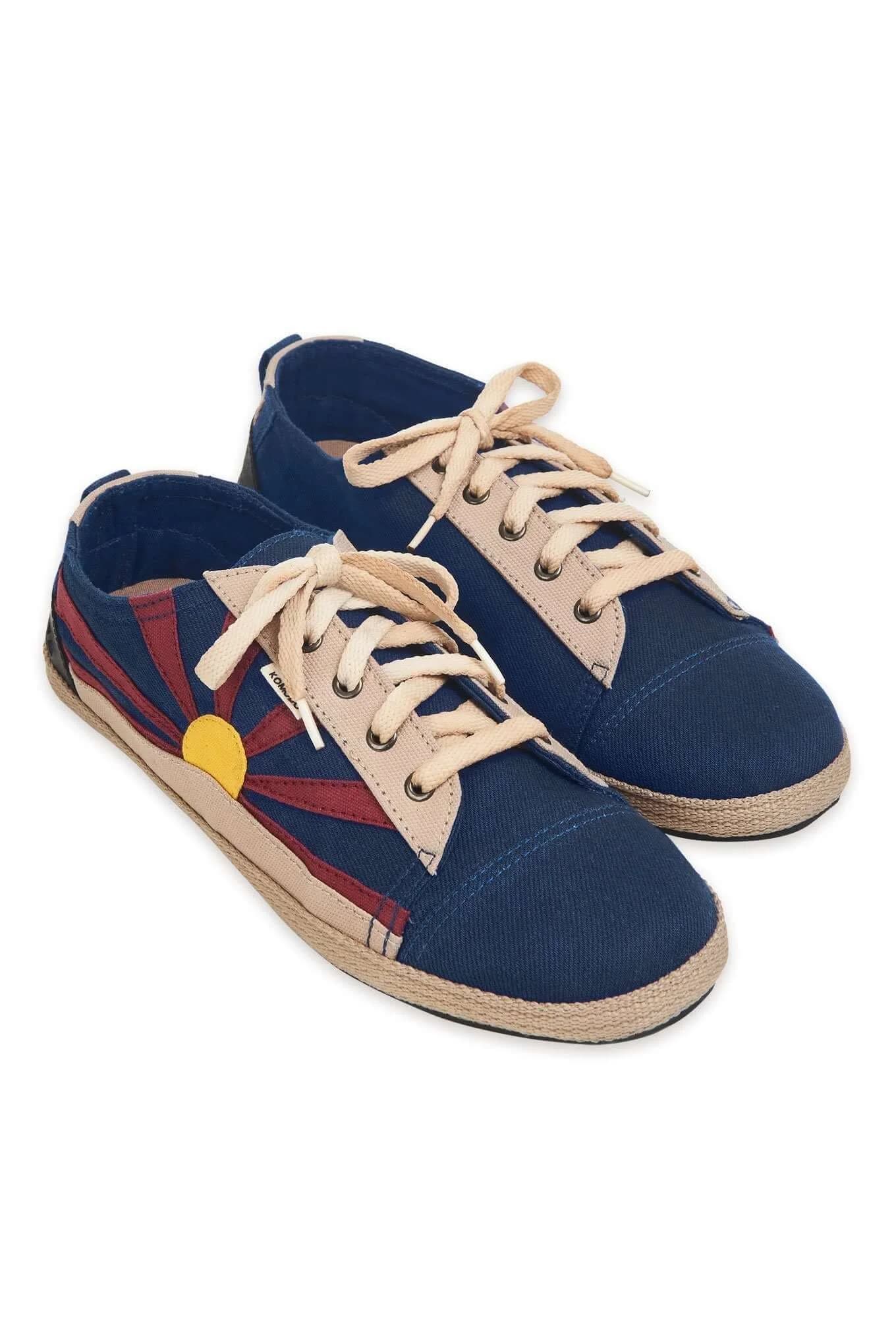
Komodo
Navy Canvas Shoe

Komodo
Organic Cotton Trainers


Showing 20 of 27 products
Load moreRelated Categories
Choosing Organic Trainers That Last
When selecting organic trainers, focus on the primary materials used in their construction. Look for certifications like GOTS (Global Organic Textile Standard) for cotton, which guarantees that the fibres are grown without synthetic pesticides and processed without harmful chemicals, from harvesting through to manufacturing. For soles, natural rubber is a key indicator of a more sustainable choice, as it is a renewable resource. Pay attention to the overall construction methods, such as stitching and sole attachment, as these contribute significantly to the trainer's longevity. A well-constructed pair of organic trainers will not only feel better but also reduce the need for frequent replacements, making it a more pragmatic choice in the long run.
Understanding the Benefits of Organic Materials in Footwear
The use of organic materials in trainers goes beyond environmental impact; it also influences the product's quality and your comfort. Organic cotton, for instance, is often softer and more breathable than conventional cotton, which can enhance comfort during prolonged wear. Natural rubber provides excellent grip and flexibility without relying on petroleum-based synthetics. Choosing organic trainers means supporting farming practices that protect soil health and biodiversity, avoiding the use of genetically modified seeds and hazardous chemicals. This approach reduces water pollution and energy consumption, contributing to a more circular economy in fashion. It is about making a choice that feels good, performs well, and aligns with a broader commitment to responsible consumption.
Frequently asked questions
Q. What makes trainers 'organic'?
Trainers are considered 'organic' when their primary materials, such as cotton or canvas, are grown and processed according to organic farming standards. This means avoiding synthetic pesticides, herbicides, and genetically modified organisms. Certifications like GOTS ensure that the entire supply chain adheres to strict environmental and social criteria, from the farm to the finished product.
Q. Are organic trainers as durable as conventional ones?
Yes, organic trainers can be just as durable, if not more so, than conventional trainers. Durability primarily depends on the quality of construction and the resilience of the materials used, whether organic or not. Many organic trainers incorporate robust natural rubber soles and strong stitching, designed to withstand daily wear and tear, offering a long-lasting option.
Q. What materials are typically used in organic trainers?
Organic trainers commonly feature GOTS-certified organic cotton for the uppers and linings, which is breathable and soft. Soles are often made from natural rubber, a renewable and biodegradable material. Some brands also incorporate recycled materials or innovative plant-based alternatives for other components, further enhancing their environmental credentials.
Q. How do I care for my organic trainers?
Caring for organic trainers usually involves gentle cleaning to preserve the integrity of their natural materials. For organic cotton, spot cleaning with a mild soap and cold water is often sufficient. Natural rubber soles can be wiped clean. Avoid harsh chemicals or machine washing, which can degrade the materials and construction. Always air dry them away from direct heat.
Q. Why choose organic trainers over standard options?
Choosing organic trainers supports more sustainable and ethical production practices. It helps reduce the environmental impact associated with conventional agriculture, such as pesticide use and water pollution. Additionally, organic materials are often free from harsh chemicals, which can be beneficial for sensitive skin and contribute to a healthier indoor air quality. It is a choice that aligns with a commitment to both personal well-being and planetary health.