

Vegan Hygiene
Finding reliable Vegan Hygiene products means looking for formulations free from animal-derived ingredients and ensuring no animal testing at any stage. Here, every item, from toothpaste to deodorant, meets these strict criteria, making it easier to maintain your personal care routine without compromise. We focus on effective, plant-based alternatives that perform just as well as, if not better than, their conventional counterparts, so you can feel good about what you use daily.
Related Categories
39 products · sorted by most popular
Brands
Certifications
Use
Volume
Material
Scent
Skin Type


Bouclé
Organic Hand Wash


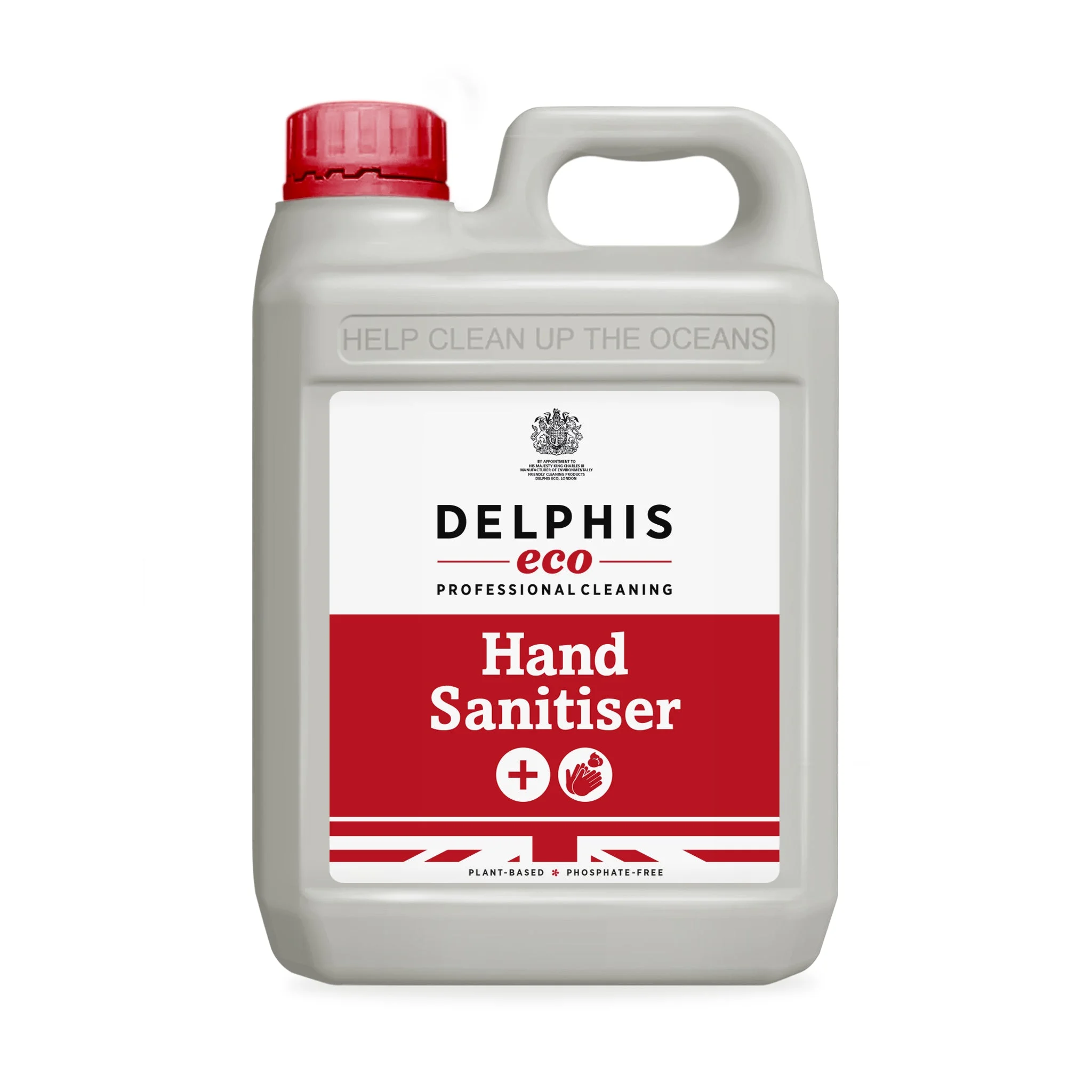


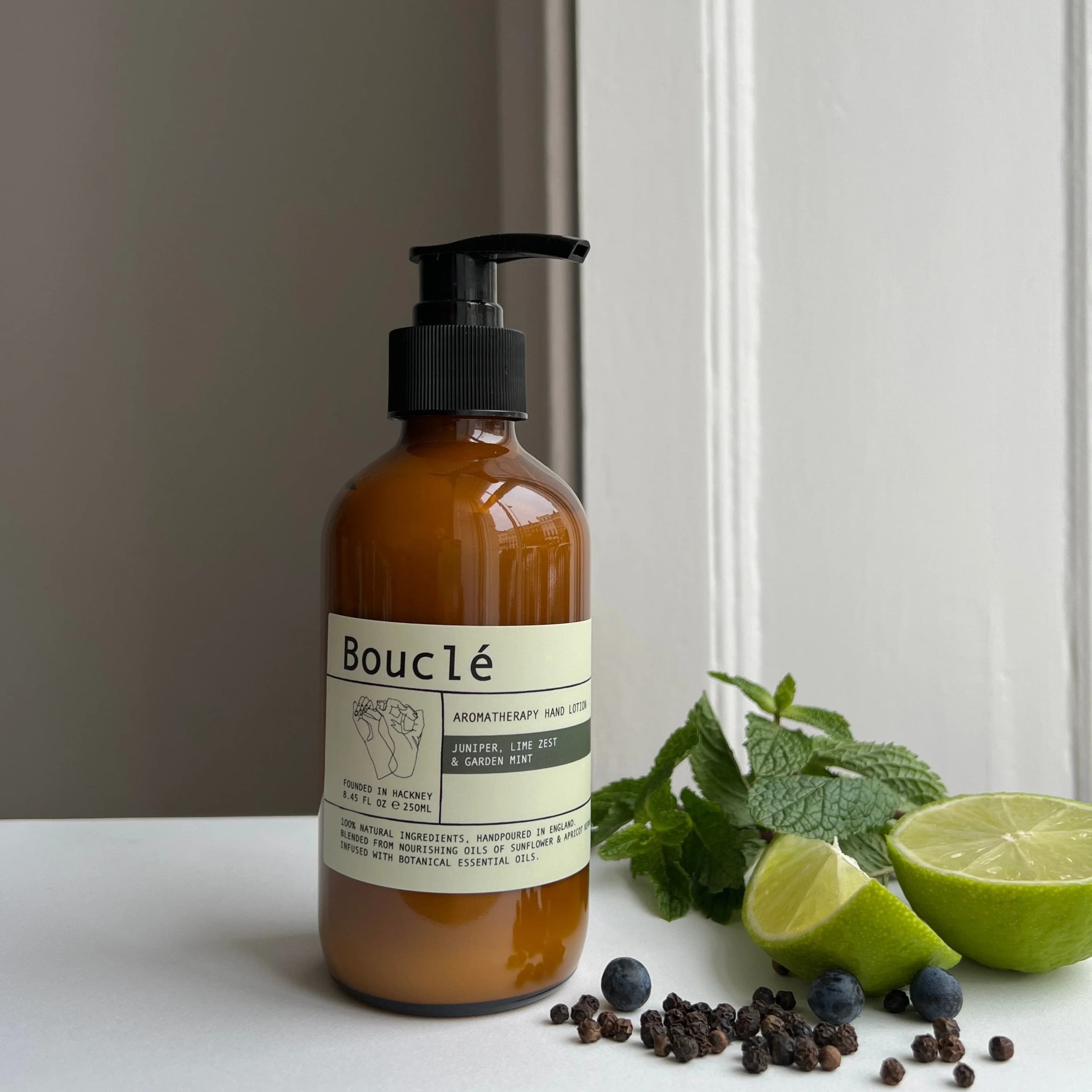
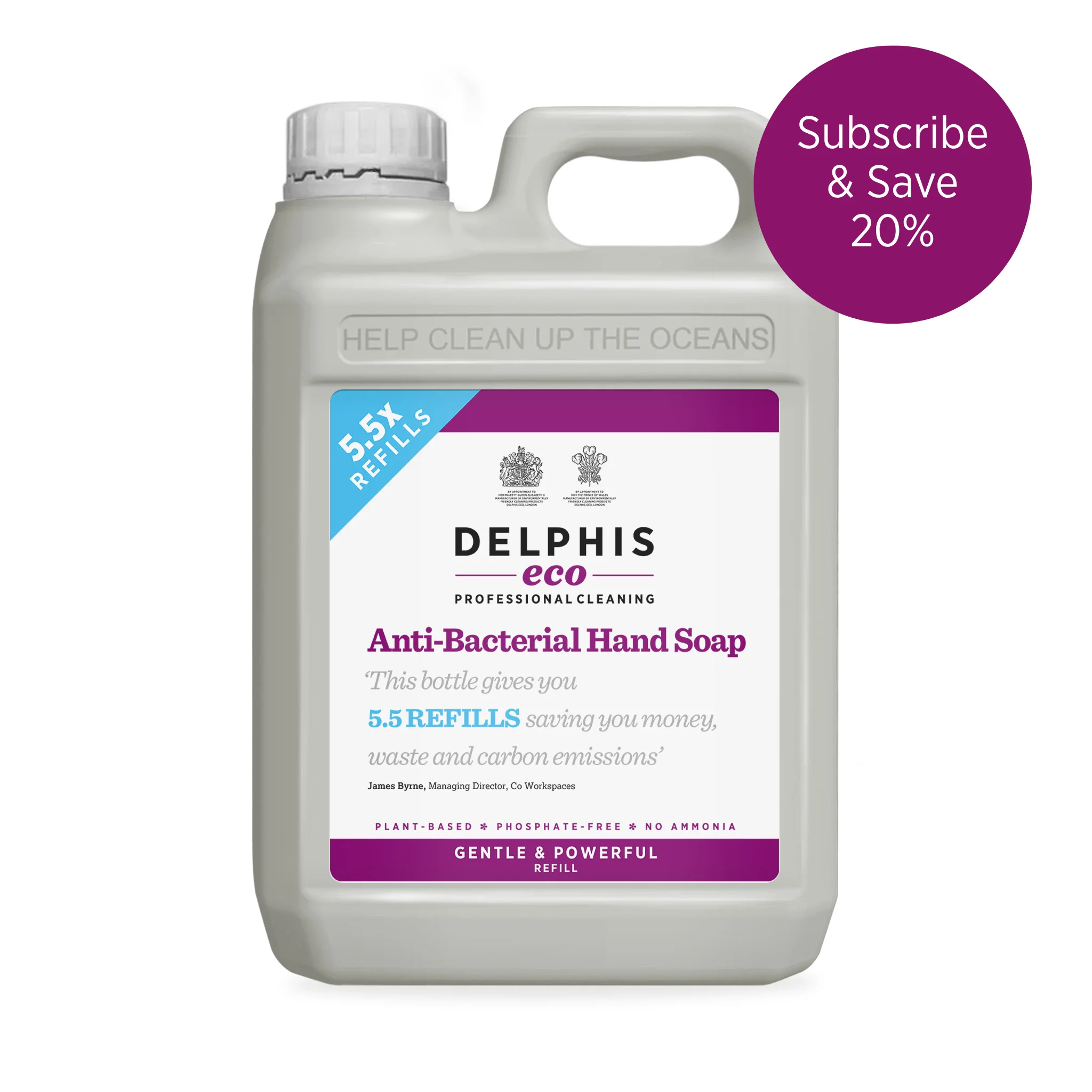


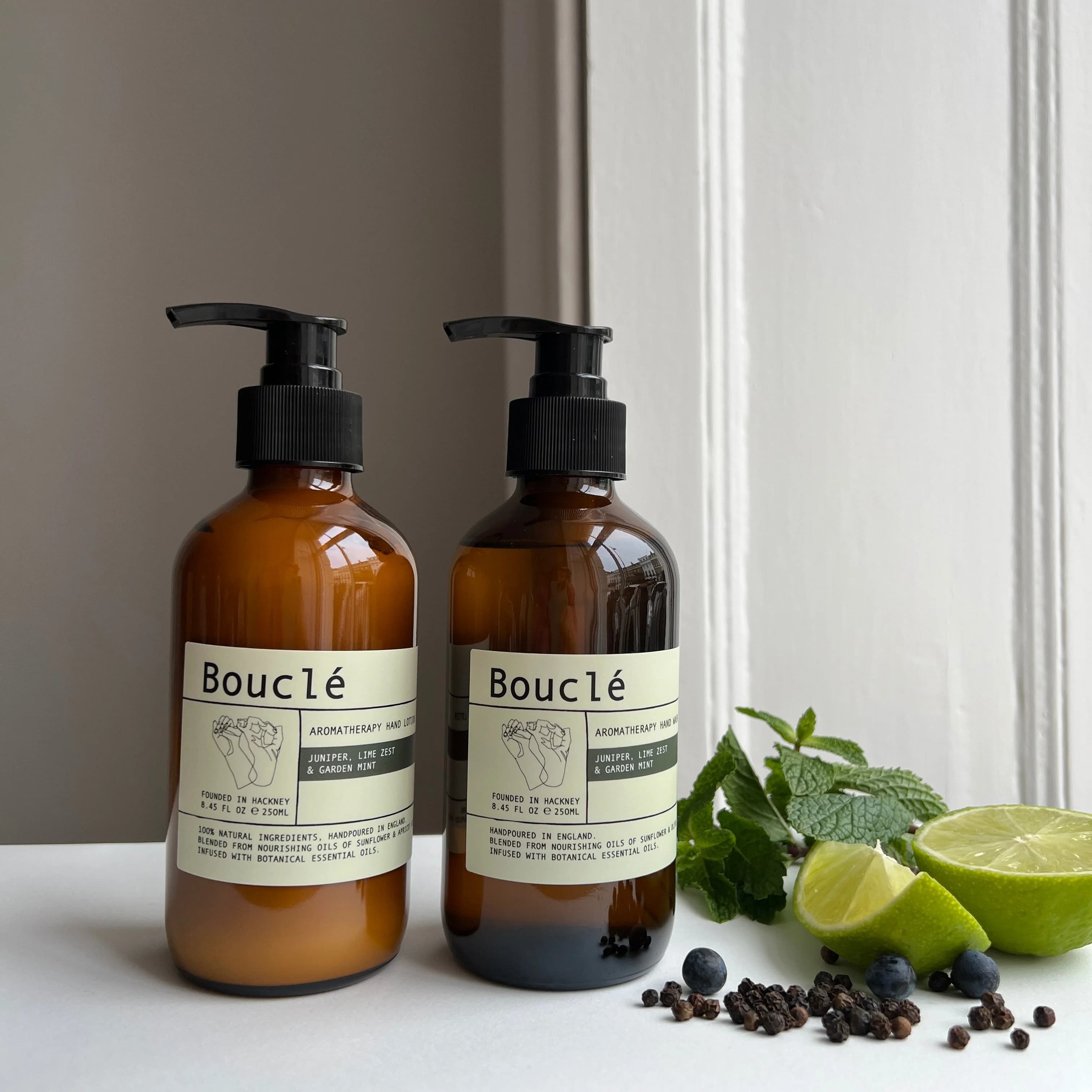

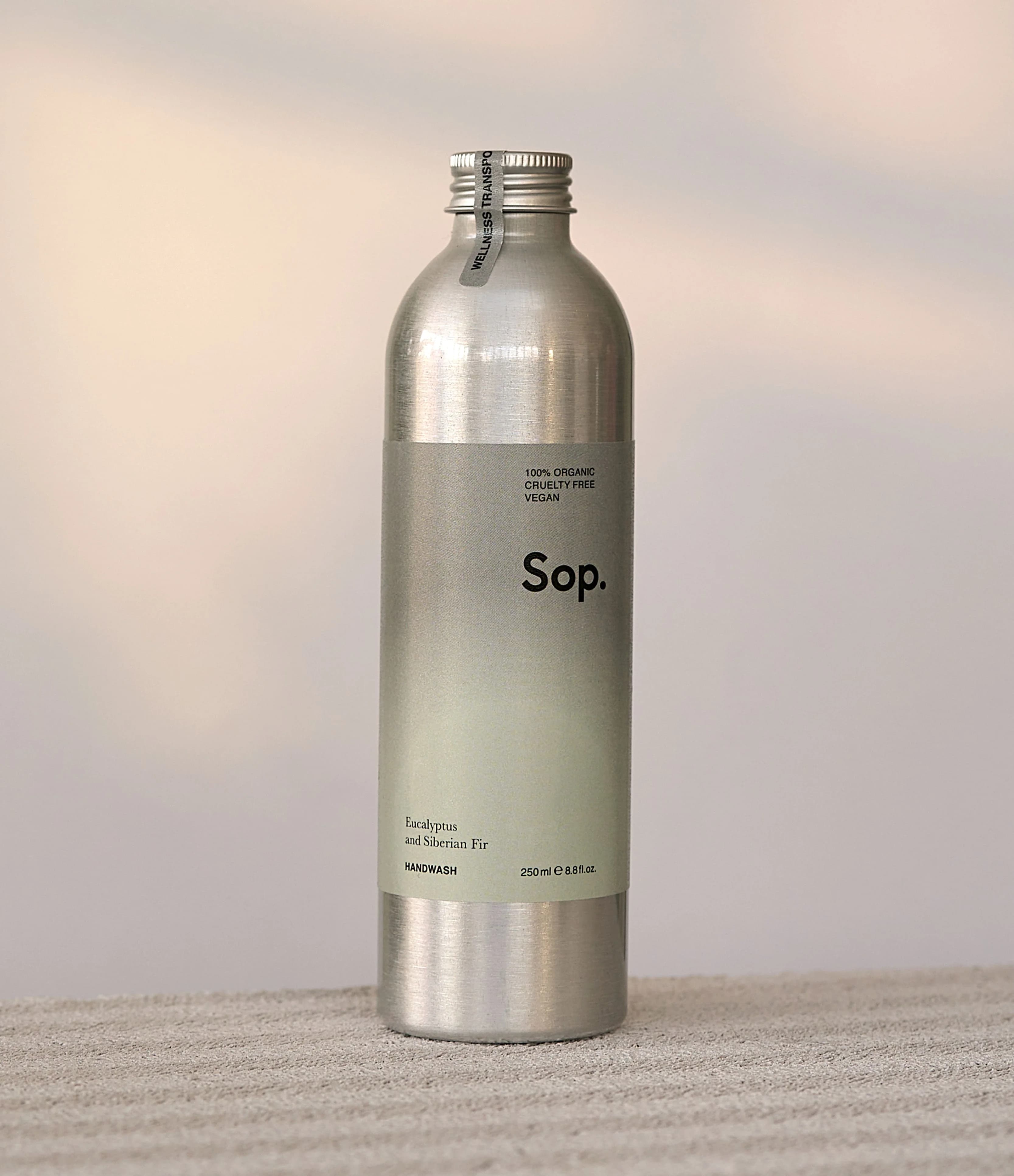
Sop
Eucalyptus & Siberian Fir Handwash


Showing 20 of 39 products
Load moreChoosing Vegan Hygiene Products That Work
When selecting vegan hygiene products, the focus should be on both ethical sourcing and practical effectiveness. Many conventional hygiene products contain hidden animal-derived ingredients like lanolin (from sheep's wool), beeswax, or carmine (a red pigment from insects). For vegan options, look for clear labelling that specifies "vegan" or "plant-based." However, the absence of animal ingredients doesn't automatically guarantee performance. Consider active ingredients like zinc ricinoleate or baking soda in deodorants for odour control, or fluoride and xylitol in toothpaste for dental health. Packaging is another factor; many vegan brands also prioritise sustainable packaging, such as refillable containers or recyclable materials, aligning with a broader conscious lifestyle. Always check ingredient lists for common animal by-products and research brands to ensure their cruelty-free claims are robust, often verified by third-party certifications.
Understanding Certifications and Claims for Vegan Hygiene
Navigating the world of vegan hygiene can be simplified by understanding common certifications and claims. The Vegan Society trademark, for example, is a widely recognised symbol indicating a product is free from animal ingredients and animal testing. Similarly, PETA's "Beauty Without Bunnies" programme certifies brands that do not test on animals. It's important to differentiate between "vegan" and "cruelty-free"; a product can be vegan (no animal ingredients) but still tested on animals by the parent company, or cruelty-free (not tested on animals) but contain animal-derived ingredients. For true vegan hygiene, both aspects must be met. Beyond these, some brands highlight specific plant-based ingredients or sustainable practices, such as using organic components or reducing plastic waste. Always check the full ingredient list and brand's transparency statements to ensure alignment with your values, rather than relying solely on front-of-pack claims.
Frequently asked questions
Q. What makes a hygiene product vegan?
A hygiene product is considered vegan if it contains no animal-derived ingredients and has not been tested on animals at any stage of its development or production. Common animal-derived ingredients to avoid include beeswax, lanolin, carmine, gelatin, and certain types of collagen. Many brands will clearly label their products as vegan, often with a certification from organisations like The Vegan Society.
Q. Are all cruelty-free hygiene products also vegan?
No, not all cruelty-free hygiene products are vegan. "Cruelty-free" means the product and its ingredients were not tested on animals. However, a cruelty-free product can still contain animal-derived ingredients like beeswax, honey, or milk. For a product to be truly vegan, it must be both cruelty-free and free from all animal components.
Q. What are some common vegan alternatives for hygiene products?
For deodorants, look for options using plant-based waxes, essential oils, and mineral salts instead of beeswax or propolis. Vegan toothpastes often use plant-derived glycerine and natural flavourings. Soaps and body washes typically replace animal fats with vegetable oils like coconut, olive, or shea butter. Many brands now offer comprehensive vegan ranges for all personal care needs.
Q. How can I be sure a vegan hygiene product is effective?
Effectiveness in vegan hygiene products comes from well-formulated plant-based ingredients. For example, natural deodorants often use baking soda, magnesium, or zinc ricinoleate for odour control. Vegan shampoos and conditioners utilise plant proteins and botanical extracts for hair health. Reading reviews and checking ingredient lists for active components relevant to the product's purpose can help ensure you choose effective options.
Q. Why choose vegan hygiene products?
Choosing vegan hygiene products aligns with an ethical stance against animal exploitation and often supports brands committed to sustainable and transparent practices. Beyond the ethical considerations, many vegan formulations use gentler, plant-based ingredients, which can be beneficial for sensitive skin. It's a way to ensure your daily routine reflects your values without compromising on personal care quality.