
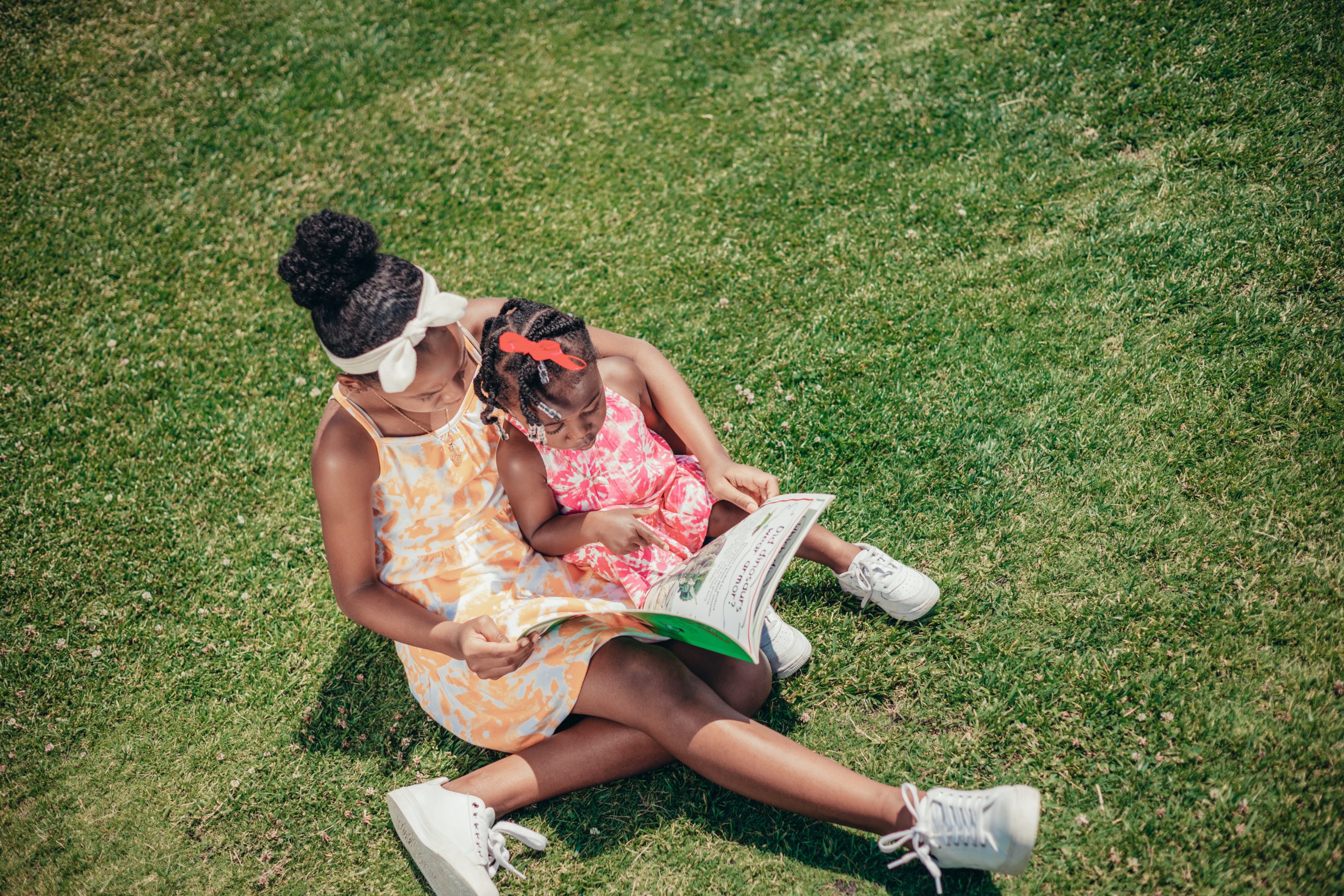
Around 90% of toys produced globally are made from plastic, according to research cited by the UN Environment Programme — a figure consistent across multiple industry analyses of global toy manufacturing. Most of them are in landfill within a few years of purchase, often barely used. If you have children, you have lived this pattern. The toy that had to be bought for Christmas, played with for a fortnight, and then drifted to the bottom of the box.
The alternative is not joyless wooden austerity or worthy doom-themed picture books. It is the set of activities children actually remember into adulthood, which almost always turn out to be the ones that cost least, generate the least waste, and teach something real. Making bread. Growing sunflowers from a seed. Building a den in the garden. Hunting for the right stick in the park. The commercial toy industry has spent sixty years trying to compete with that kind of play and has never quite managed it.
This is a guide to activities that hold up on all three counts: they entertain children properly, they build real skills, and they do not turn into plastic in landfill six months later.
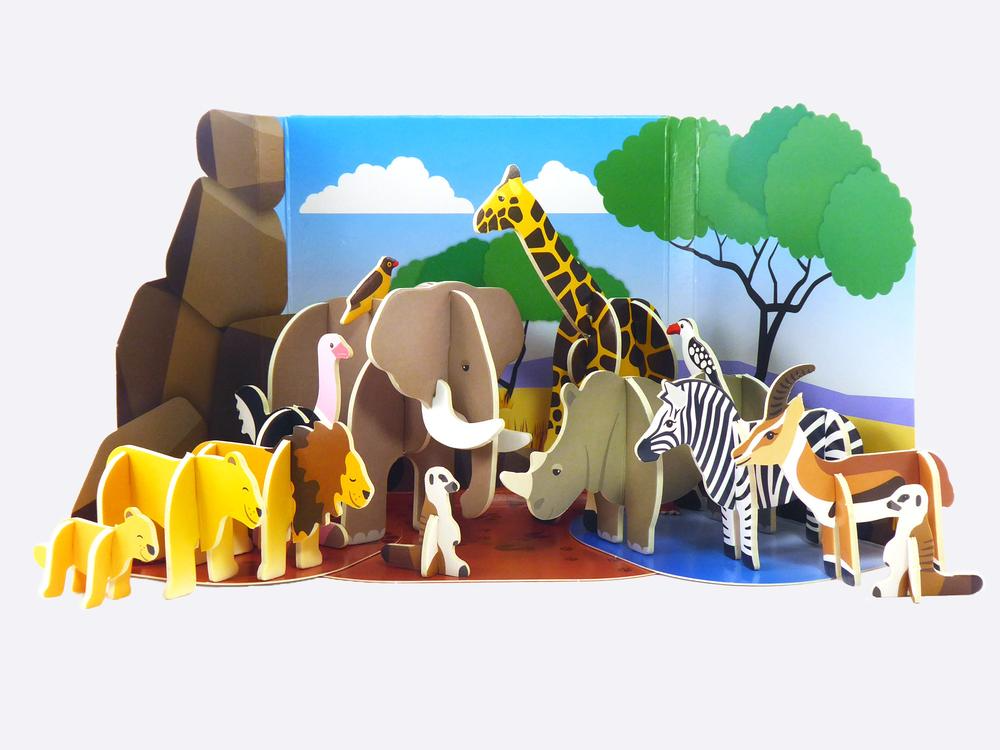
What makes an activity actually hold attention
Three qualities separate play children return to from play they abandon.
They are doing something rather than consuming something. The toy that does everything leaves the child as audience. The blank piece of paper, the ball of dough, the handful of seeds — these put the child in charge.
The output is theirs. A child’s drawing, a child’s tomato plant, a child’s Lego build matters to them in a way that a purchased object never quite does. Ownership of the outcome is the secret ingredient in most activities that last.
The feedback is visible and slow enough to register. A seed that sprouts after ten days teaches patience because the child can see it working. A plant that grows too quickly (or a screen that rewards too fast) does not.
Every good activity in this guide hits at least two of those three. The best hit all three.
Building and making
Wooden construction toys made from FSC-certified timber, with water-based paints and non-toxic glues, outlast plastic equivalents by a decade. A good set passes between siblings, then cousins, then the next generation of friends’ children. The upfront cost is higher. The cost per year of use is usually a fraction of the plastic equivalent.
What matters when you shop: the wood should be FSC or PEFC certified (not just “responsibly sourced,” which is unverifiable), the paint or stain should be explicitly water-based and non-toxic, and the construction should be sturdy enough that a child’s weight on a piece does not snap it. A well-made wooden set will have slightly rough edges from hand finishing rather than perfectly smooth ones from machine injection moulding. That is how you can tell.
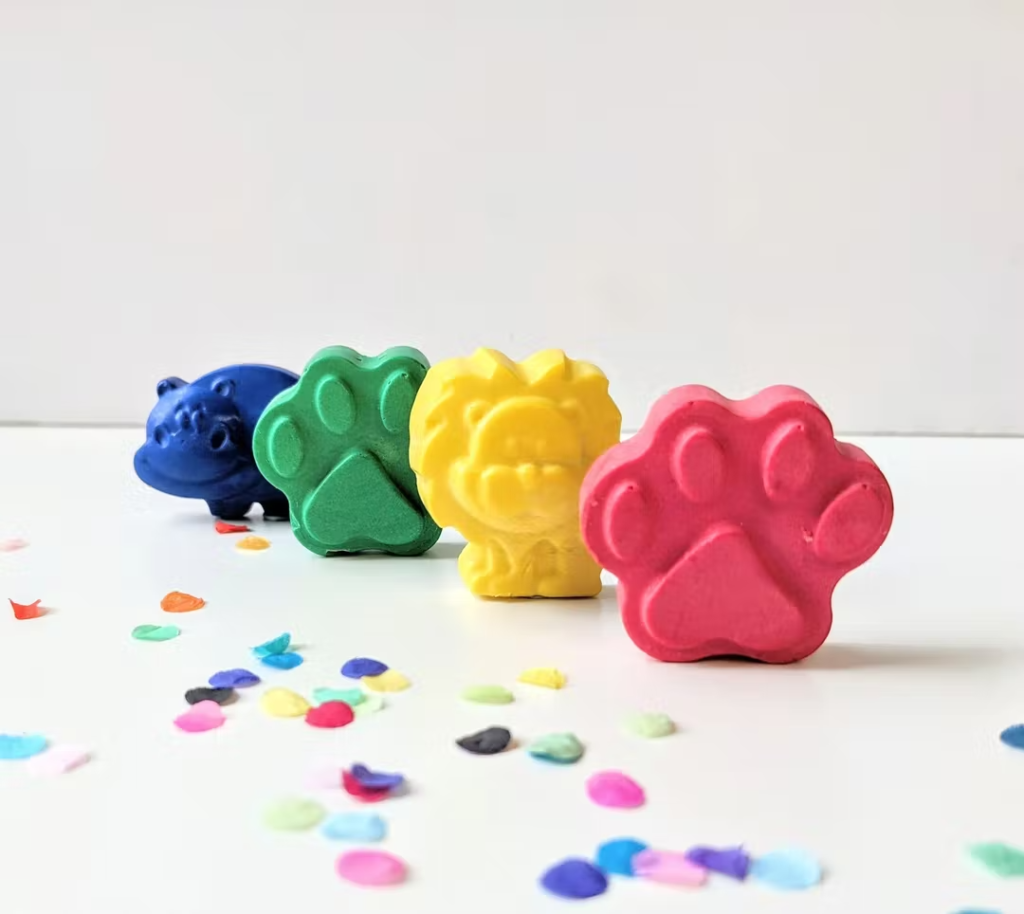
The same principle applies to art materials. Soy-based or beeswax crayons replace petroleum-based ones, and are genuinely compostable at end of life. Natural modelling clay replaces plastic-cased putty. Cotton or paper-based sketchbooks with stitched bindings last longer than glue-bound ones and take heavier paint.
Making playdough from flour, salt, water, a little oil and food colouring takes ten minutes, costs under £1, and reliably entertains a small child for longer than most purchased alternatives. The recipe is in every child-cookery book and half the parenting websites on the internet. Keep it in the fridge in a sealed container and it lasts a week.
Growing something
Gardening is the single most underrated activity for children. It is slow, it is messy, it is tactile, and it delivers a visible outcome at the end. If you have a garden, a windowsill, or access to a patch of shared outdoor space, you have a toy that cannot be broken.
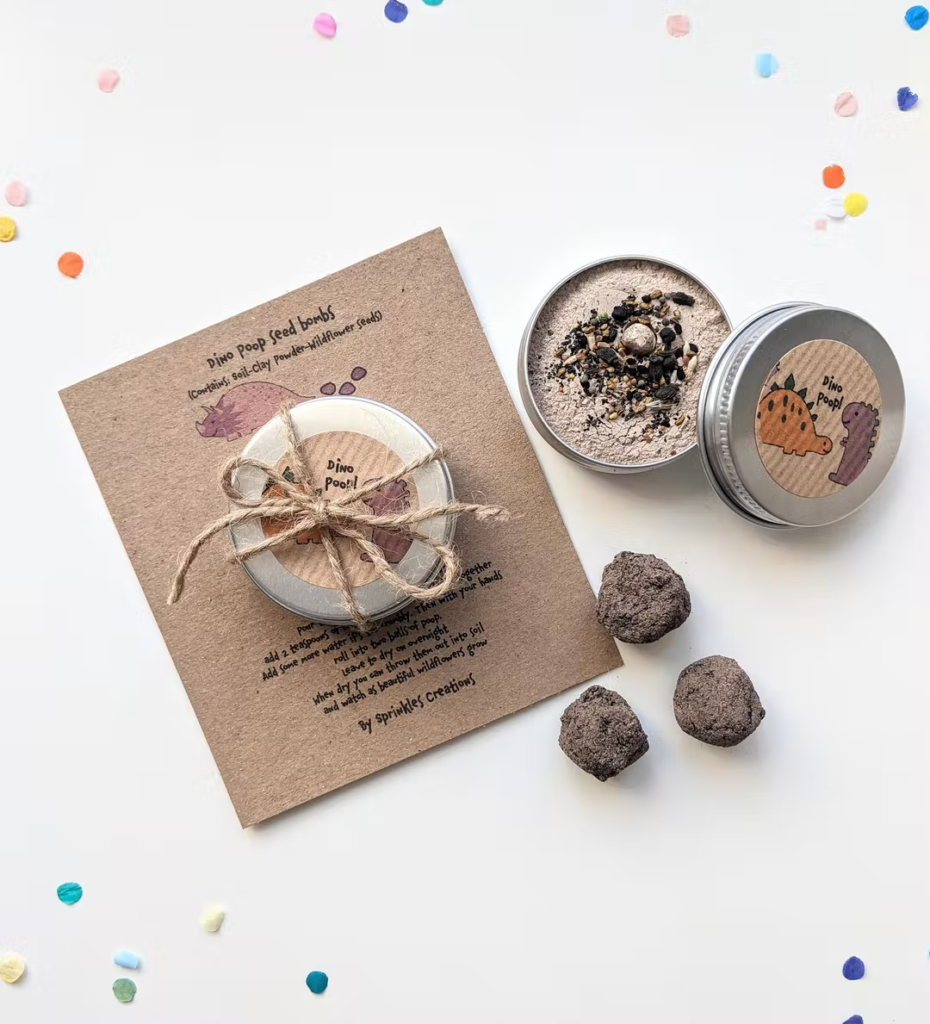
Start with the easy wins. Cress on damp kitchen paper germinates in 48 hours. Sunflowers from a seed are dramatic to watch grow and gratifying to harvest. Tomatoes in a pot on a sunny windowsill reward five months of light watering with real food you can eat. Wildflower mixes scattered on a patch of soil in March will attract bees and butterflies by July, and children who have watched the seeds go in are reliably more invested in protecting the flowers that come up.
Organic seed mixes are widely available and mean the soil and water around your growing project are not carrying synthetic pesticide or fertiliser residues. Look for the Organic certifications from Soil Association or equivalent national bodies.
Growing something teaches cause and effect at a pace that screens cannot. Water a plant, it lives. Forget, it wilts. Few other activities deliver feedback that clean.
Outside, without new equipment
A scavenger hunt in a local park costs nothing and fills an afternoon. Five types of leaves. Three different textures. Something yellow, something rough, something that smells strongly. Ten feet of stick. This kind of prompt-based outdoor play is what child development researchers have in mind when they describe “unstructured play,” and it is consistently associated with better attention, emotional regulation, and physical coordination over time.
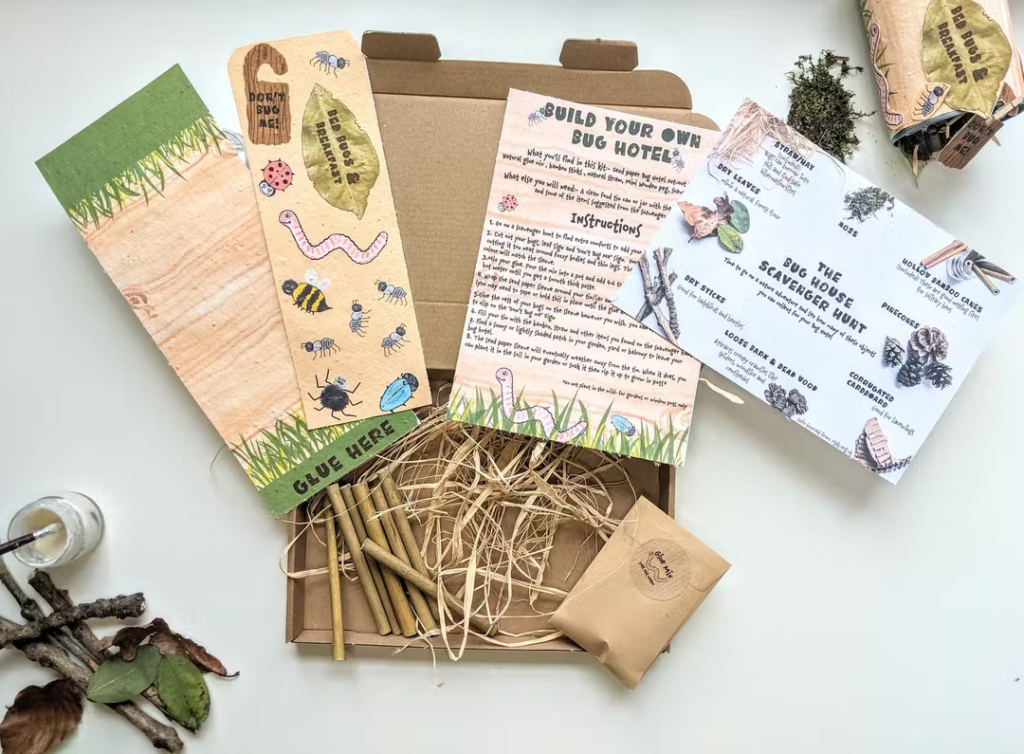
The NHS recommends that children and young people aged 5 to 18 do an average of at least 60 minutes of moderate-to-vigorous intensity physical activity a day, across the week. For pre-school children, the UK Chief Medical Officers’ physical activity guidelines recommend 180 minutes of total activity each day, including at least 60 minutes of the moderate-to-vigorous kind. Outdoor play covers the majority of this for most children without anyone having to schedule it.
What does not have to be bought for this to work: special equipment, branded kit, themed boxes, printed scavenger lists. A notebook, a pencil, and a willingness to follow the child’s interest for ninety minutes is enough.
For wet-weather versions of the same idea: leaf rubbings, pressed flowers pressed between kitchen roll and weighted books, rock collecting and labelling, simple birdwatching from a window. Each of these becomes a small project that returns value for weeks.
Books and storytelling
Children need to understand the world they are inheriting. They do not need to be terrified into it.
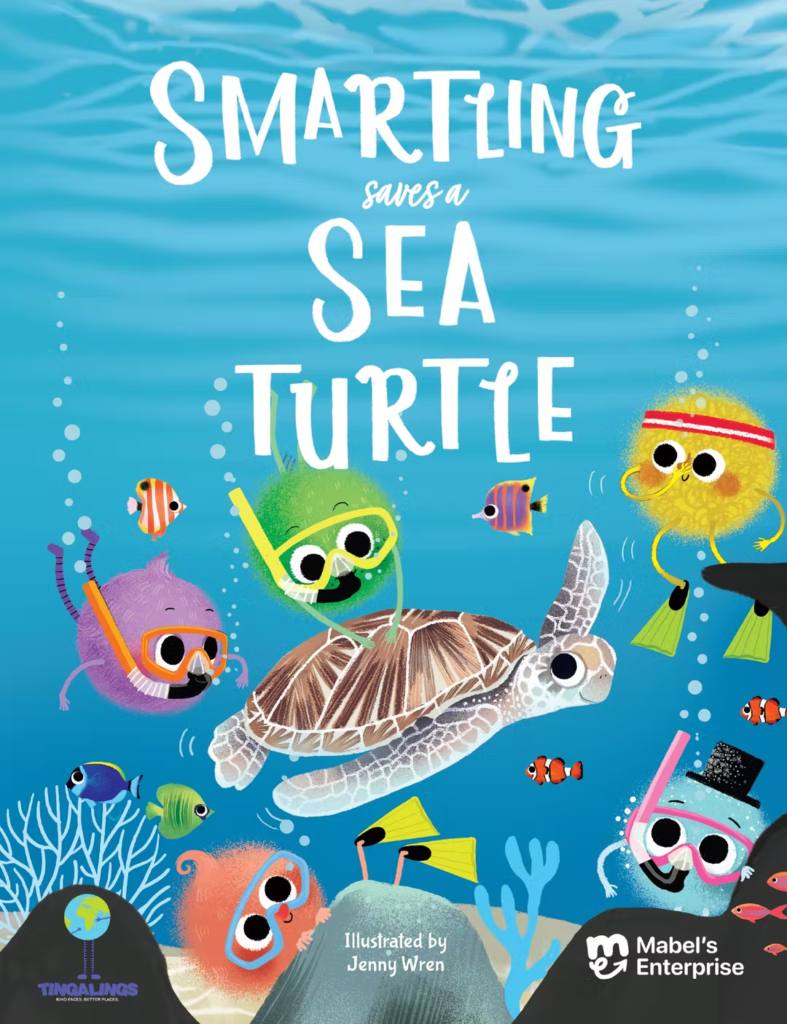
The best children’s books about the environment treat the reader as a participant rather than a bystander. Lauren Child’s work, Oliver Jeffers’ The Heart and the Bottle, Julia Donaldson’s The Gruffalo’s Child introducing respect for the woodland, Beatrix Potter’s entire back catalogue. None of these lecture. All of them build a reader who notices the world around them, which is the precondition for caring about it.
If you are shopping new, look for books printed on recycled or FSC-certified paper and published by small presses who track their own supply chain. Secondhand is usually better still. Children’s books from charity shops, school fetes and online marketplaces circulate endlessly, and a child who loves a book does not care how many owners it had before them.
Cooking and baking
An afternoon baking bread, biscuits or a simple cake teaches measurement, basic chemistry (why yeast rises, why butter melts, why eggs bind), and the satisfaction of eating something you have made yourself. Organic flour from a decent mill, a few eggs, butter, sugar, and the child does the work. The waste is negligible. The output is eaten the same day.
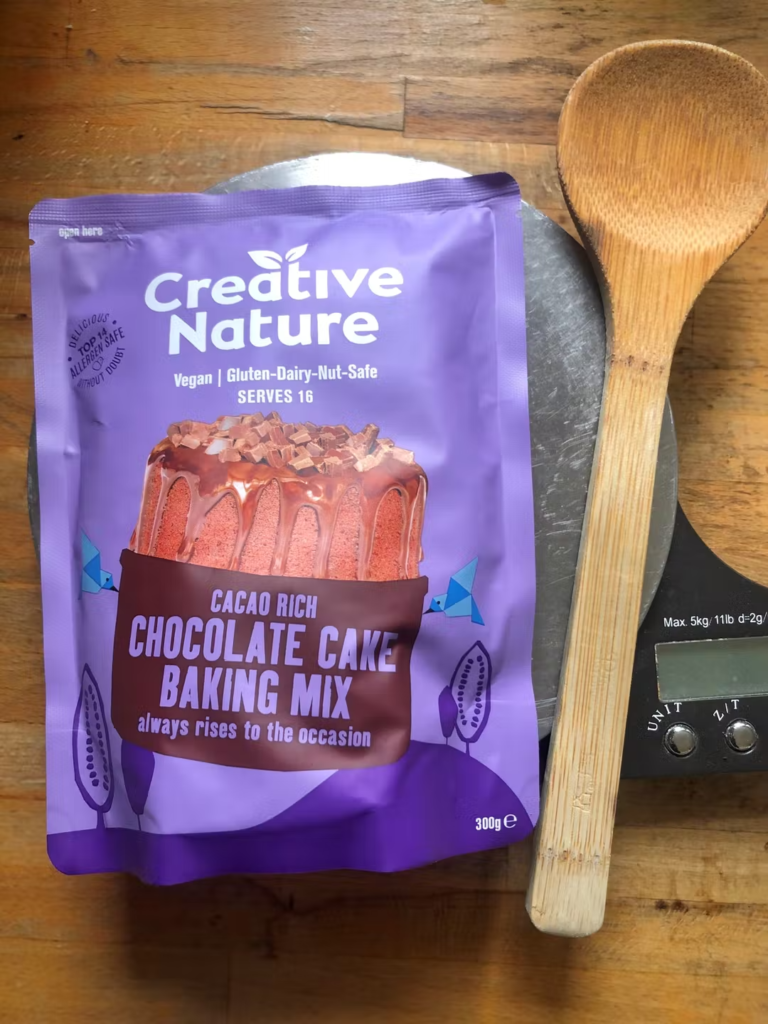
Savoury cooking works the same way. A child who has pod-shelled peas, washed a lettuce, grated cheese and set the table takes a different kind of ownership of the meal. Over a year of doing this once a week, that same child will be considerably more confident around food than one who has only ever been served finished plates.
The wider frame
The pattern across all of this: the play that generates least waste teaches the most. Children who are making, growing, cooking, noticing, building and storytelling develop skills and attention that children who are consuming manufactured entertainment do not get in the same way.
It is worth noticing that this is not a moralising point. These activities are not worthier than plastic toys. They are better play, full stop. The environmental benefit is a side effect of the fact that the best play tends to be the simplest and the most hands-on.
None of this requires a clean-slate commitment. If your child has a plastic toy box, they have a plastic toy box. The test is whether the next activity you add to their week is one that sits on that list above rather than on the shelf at the supermarket.
Where to start on Ziracle
Every brand in our Kids and Baby edit has been assessed against the same standard: materials that last, production that is honest, claims that can be verified. Filter by Plastic Free for toys and supplies that remove the plastic question from the equation, or by Organic for food, clothing and art materials certified to proper standards.
For the broader household shift, see our plastic-free living guide, which covers the habit-level changes that extend from the playroom to the kitchen. For the argument about why buying less and keeping it longer works across every category, see what is conscious consumerism.
If the kitchen is where you are starting, Clean Home is the goal page to bookmark for products that do not make the family cleaning routine harder than it needs to be.
FAQs
Upfront, usually yes. A good wooden building set costs three to four times a plastic equivalent. Across the full lifespan, almost always no. A well-made wooden set will pass through two or three siblings, then a second-generation cousin, and still be usable after fifteen years. A plastic set rarely survives two children. The cost-per-year maths strongly favours the wooden option for anyone who plans to have it around longer than a Christmas.
Children notice less than parents worry about. A child who has both plastic and wooden toys at home, or who has fewer toys overall but spends more time outside and in the kitchen, does not miss out socially. The social friction, where it exists, tends to come from parents’ anxieties more than children’s peer groups. By school age, the play that defines friendships is usually running around, imaginative games, and shared experiences, not brand-specific plastic.
Yes, and the two questions are not really connected. Screen time is a separate decision with its own research base. The NHS and WHO guidance broadly recommends limiting sedentary recreational screen time for children under 5, and the research on school-age children and teenagers is more about total time and content than an absolute ban. A household that balances outdoor play, making, and reading with limited screen time is closer to the evidence than one that prohibits either extreme.
A bag of mixed organic seeds (wildflowers, sunflowers, tomatoes, a few herbs), a small bag of flour, and a £5 notebook with a pencil. That covers gardening, cooking, and outdoor observation for months of weekends. If you have a bit more to spend, add one well-made wooden or beeswax item your child will use repeatedly — a building block set, a rolling pin, or a good set of crayons.
The polite version: send a specific wishlist before birthdays and Christmas with three to five suggestions covering different price points. Name specific items where you can. Most relatives find gift-buying stressful and are actively grateful for guidance. The honest version: some plastic toys will still come into the house, and that is fine. The pattern over the year matters more than any individual gift.